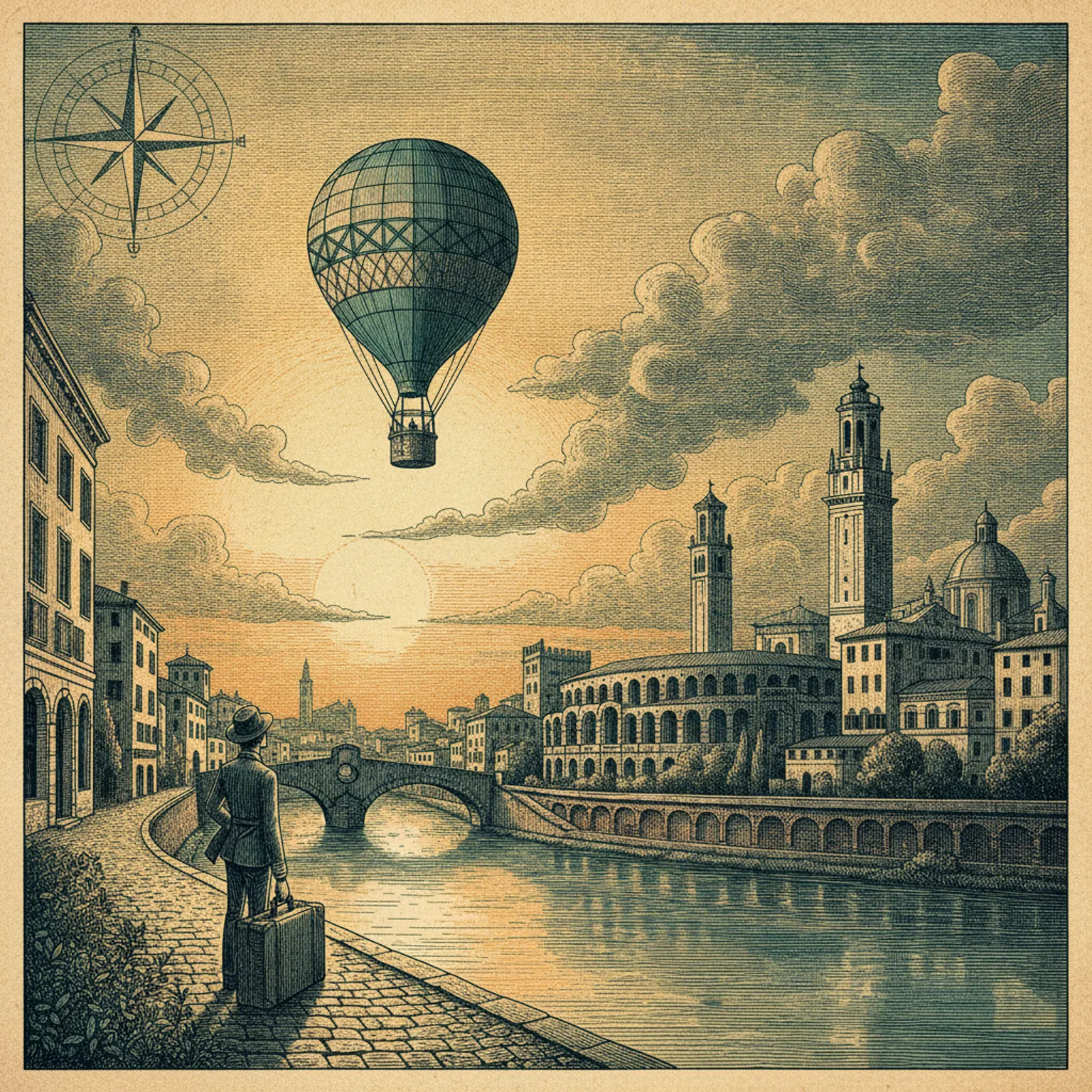
I almost skipped Verona — just a stop between Venice and Milan, surely? Then I walked into Piazza Bra at dusk, saw the Roman Arena glowing pink with two thousand years behind it and an opera crowd streaming in with cushions, and knew I'd misjudged the place. Next morning I drank a too-early glass of Valpolicella in a marble square and climbed a medieval tower over a river bend. Verona is the Italy people dream of — Roman, romantic, soaked in wine — without the Venice crush or the Florence queues. I stayed three extra days. Go.
Two days hits the essentials: the colossal Roman Arena, the (gloriously fake) Casa di Giulietta, the gorgeous Piazza delle Erbe and Piazza dei Signori, and a tower climb for the view. You'll wonder why you ever thought of Verona as a stopover. It's enough to fall for the city's Roman-and-romantic mix and its wine.
Do this one thing: if it's summer, book an opera night at the Arena. Watching Aida in a 2,000-year-old amphitheatre is unforgettable.
Add Castelvecchio and the hilltop views
A third day adds the crenellated Castelvecchio fortress and its art museum, the Roman theatre across the river, and the hilltop Castel San Pietro for the city's best panorama. You go deeper into Verona's layered history, from Romans to the Scaligeri lords.
Verona plus Lake Garda
Four days lets you escape to Lake Garda — lakeside Sirmione and its Roman ruins, or a ferry across to pretty villages. You balance the city with Italy's largest lake, half an hour away. My recommended length for a first visit, and a glorious one.
Verona as a base for the Veneto
A week turns Verona into a launchpad: a Valpolicella wine tour, the frescoed elegance of Padua and Vicenza, and a day in Venice without staying there. Seven days is for travellers who want the whole Veneto, wine and all, from one handsome base.
Estimated budget:$300-$620
Estimated budget:$450-$930
Estimated budget:$600-$1240
Estimated budget:$1100-$2400
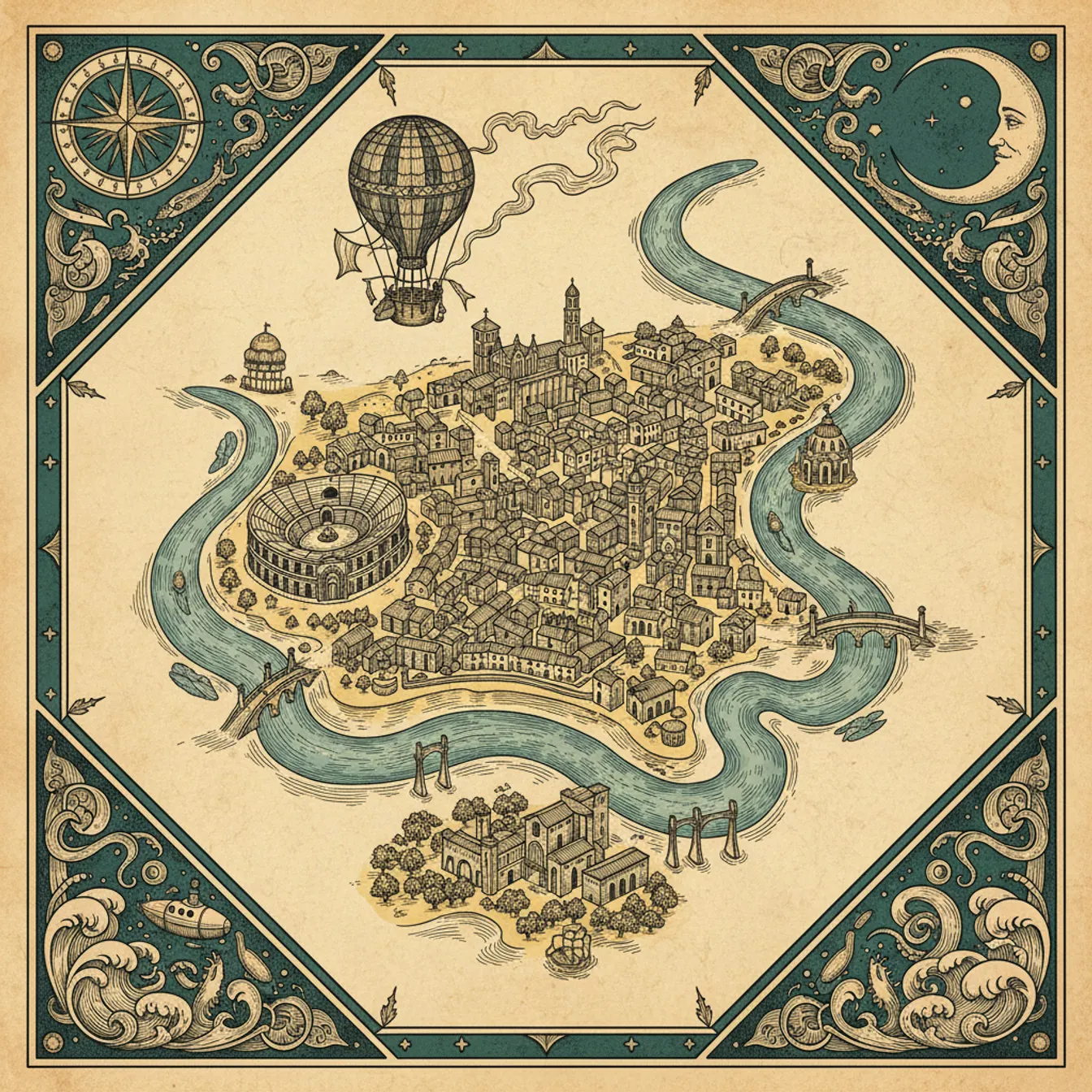
[ THE DISPATCH · FIELD MAP ]
A tilted, hand-drawn dispatch of Verona. Click a quarter to explode it open.
0 / 6 quarters explored
Legend · tap to highlight
[ CITTÀ ANTICA (ARENA) ]
Old stones, older stories.
Arena di VeronaA 1st-century Roman amphitheatre still hosting summer opera.
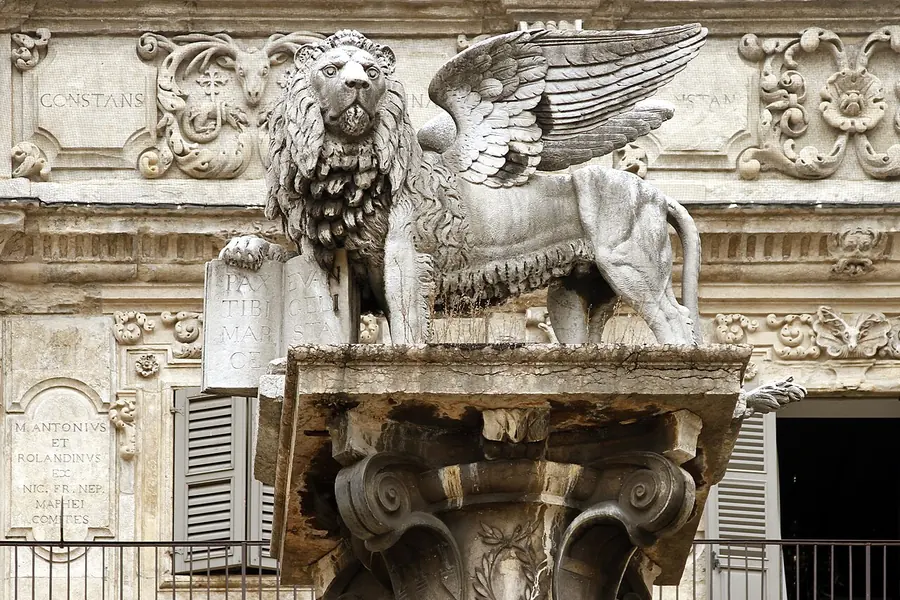
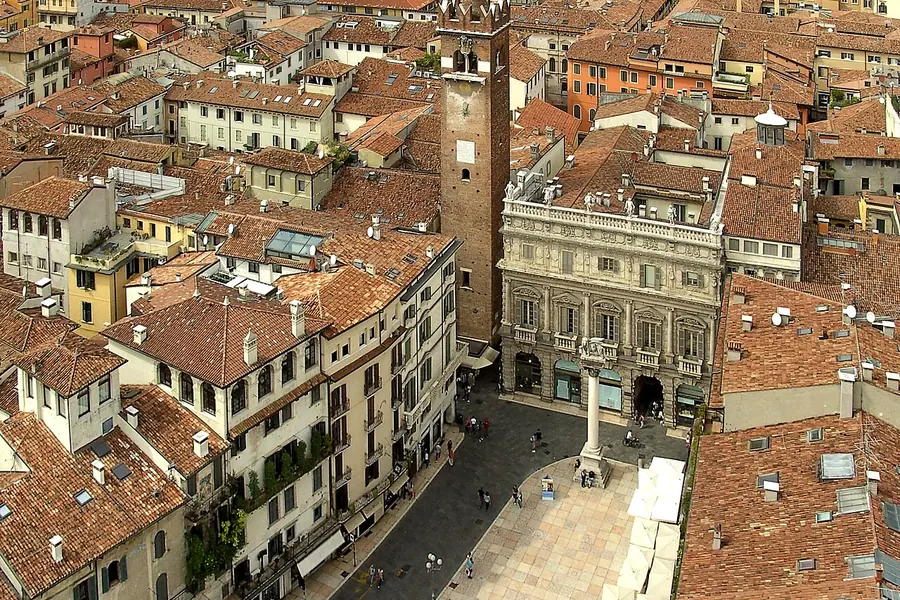
Piazza delle ErbeVerona's market square, ringed by frescoed palazzi and cafés.
[ PIAZZA DELLE ERBE ]
Old stones, older stories.
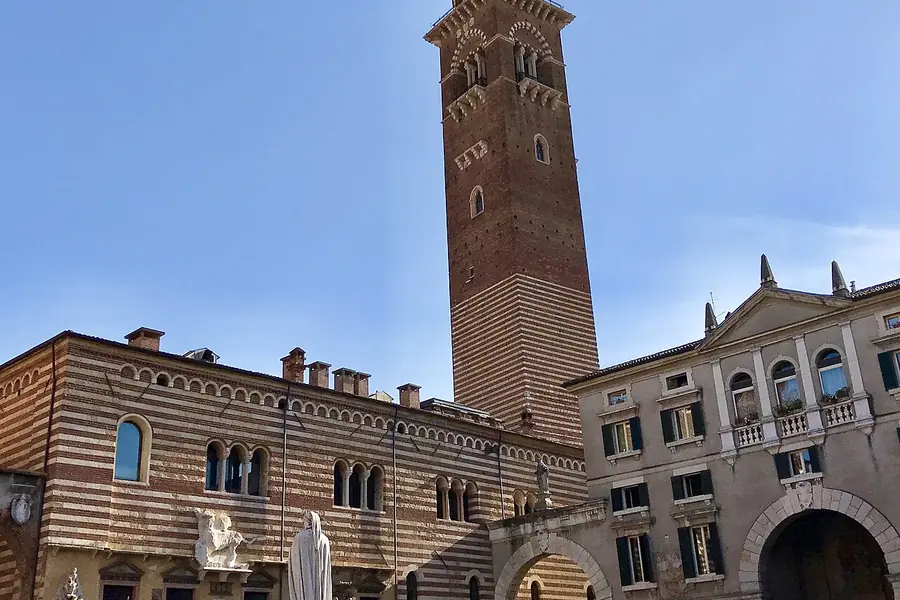
Torre dei LambertiAn 84-metre medieval tower with a lift and a knockout view.
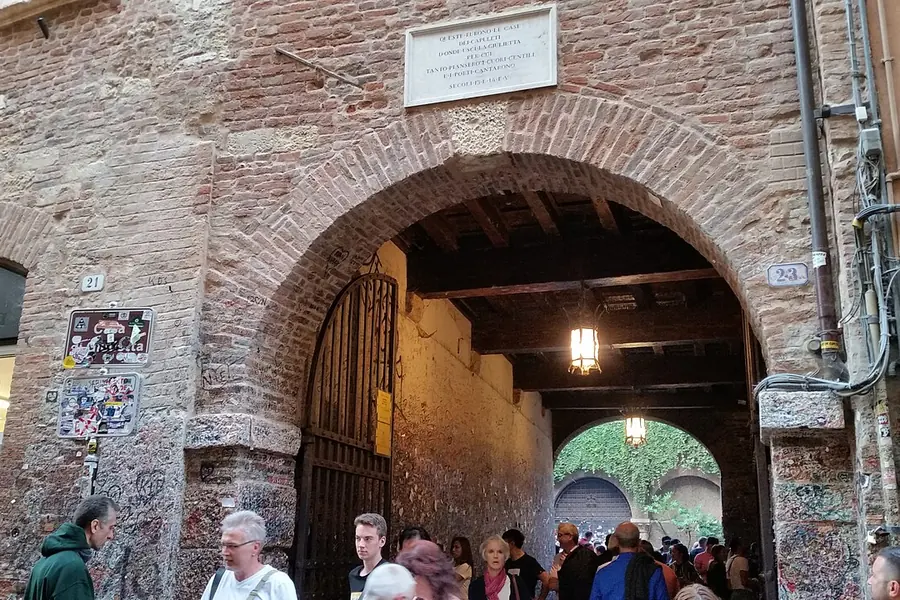
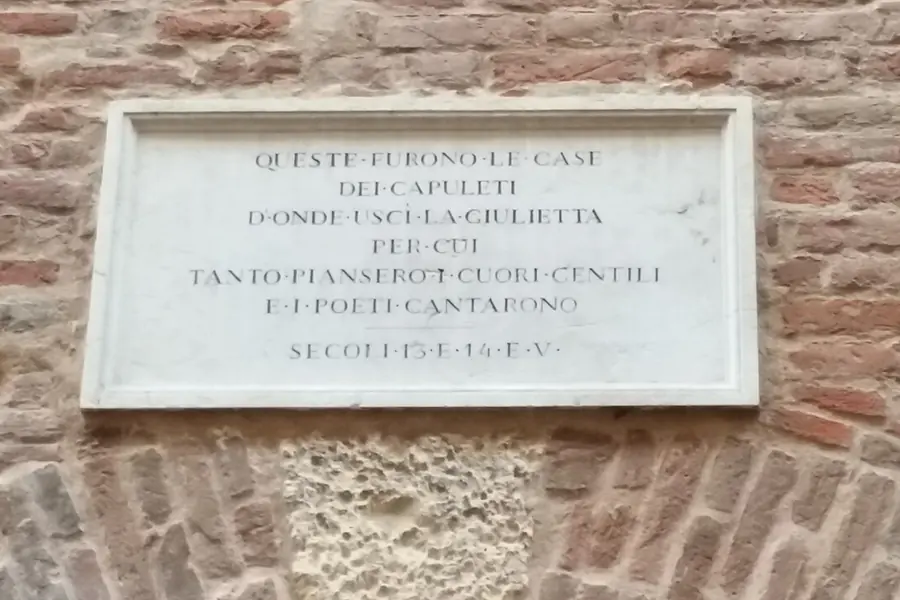
Casa di GiuliettaThe (entirely invented) balcony where tourists rub a bronze statue.
[ SAN ZENO ]
Grand squares and big ideas.
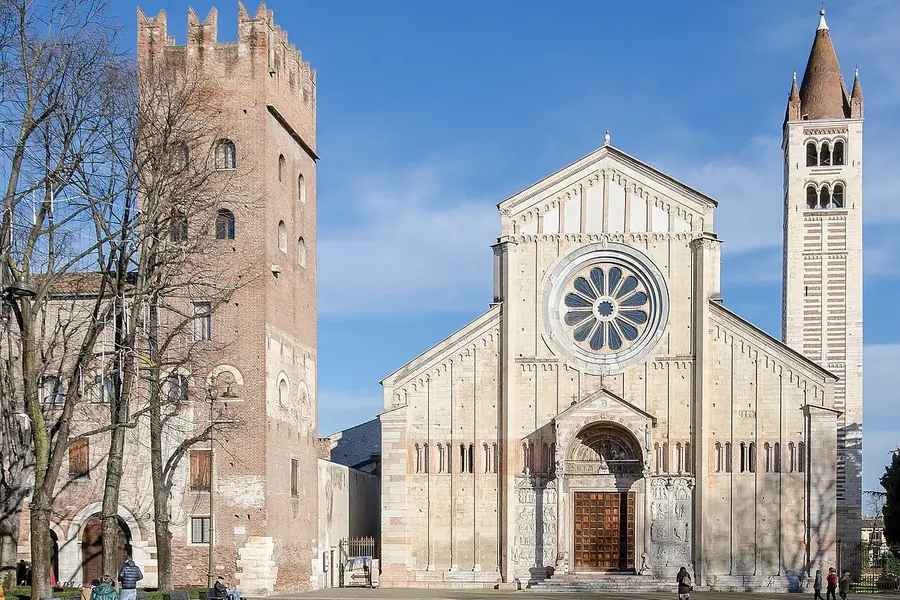
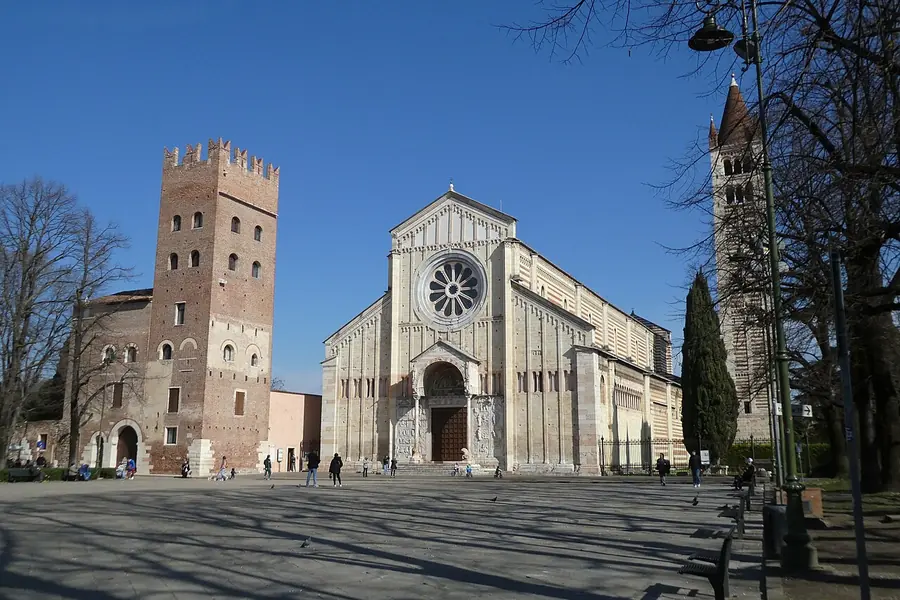
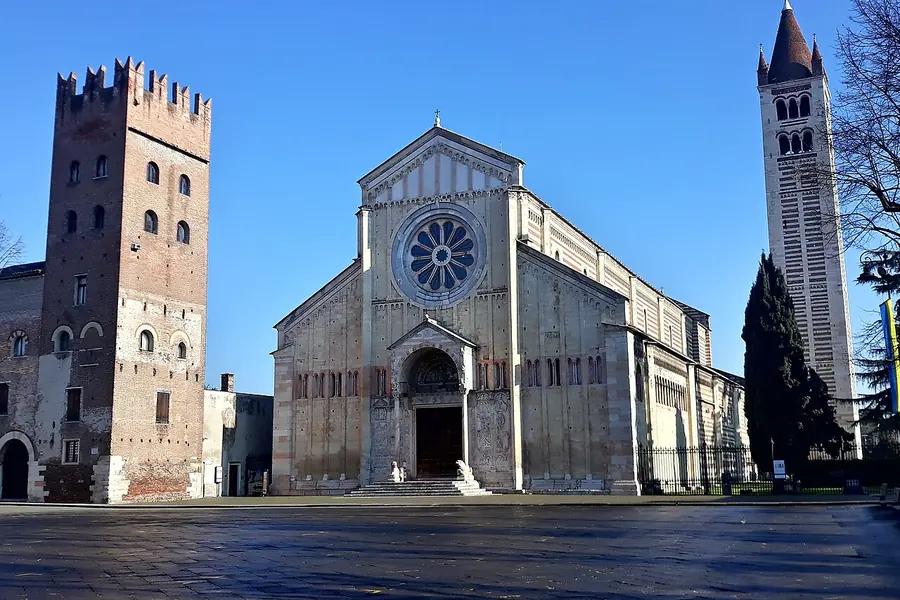
Basilica di San ZenoA Romanesque masterpiece with a Mantegna altarpiece, west of centre.
Antica Bottega del VinoA historic wine bar pouring serious Valpolicella and Amarone.
[ CASTELVECCHIO & ADIGE ]
Where the city meets the water.
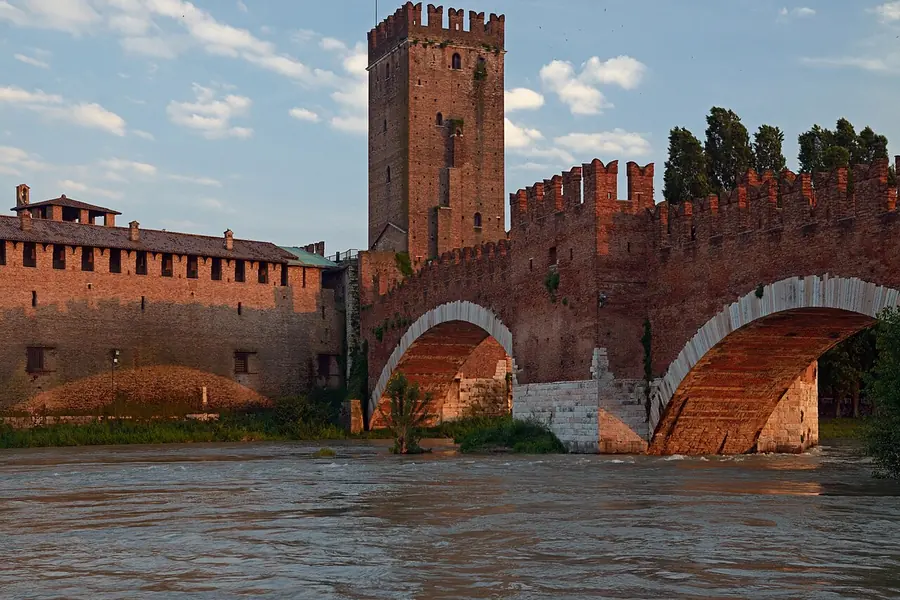
Castelvecchio & BridgeA 14th-century brick castle with a museum and a fortified bridge.
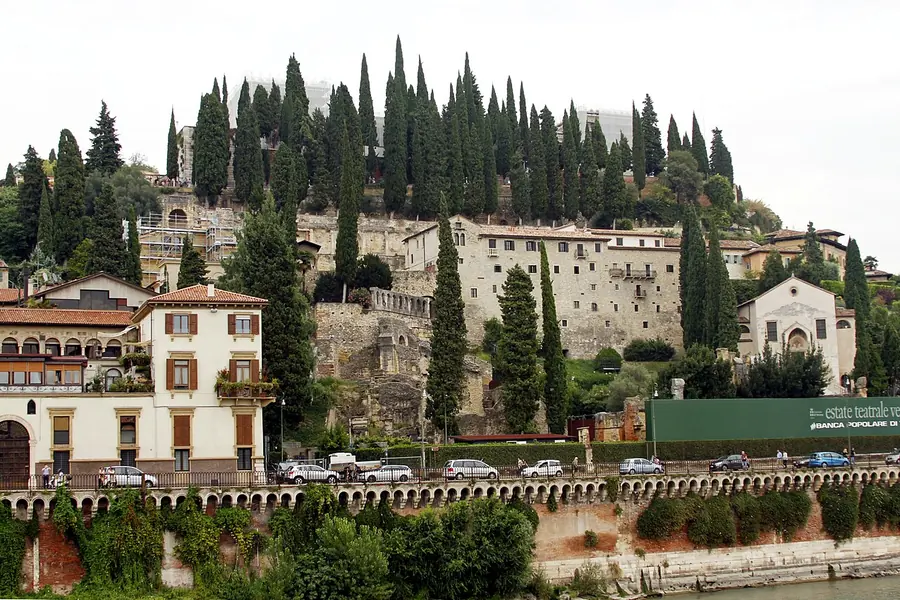
Castel San Pietro & Roman TheatreA 1st-century BC theatre and the hilltop with the city's best view.
[ VERONETTA (LEFT BANK) ]
Green breathing room.
Teatro RomanoA landmark worth your time.
Castel San PietroA landmark worth your time.
[ LAKE GARDA SHORE ]
Boats, bridges and reflections.
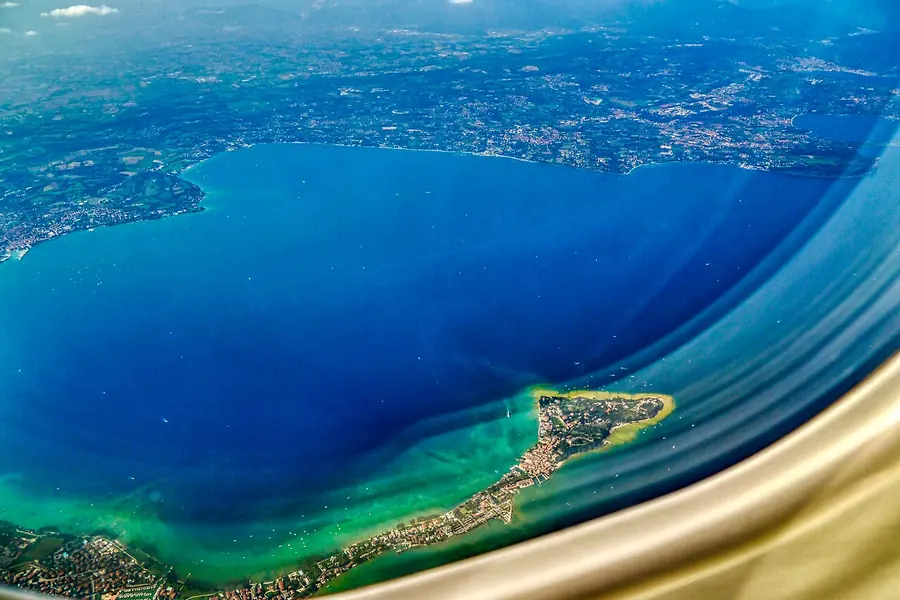
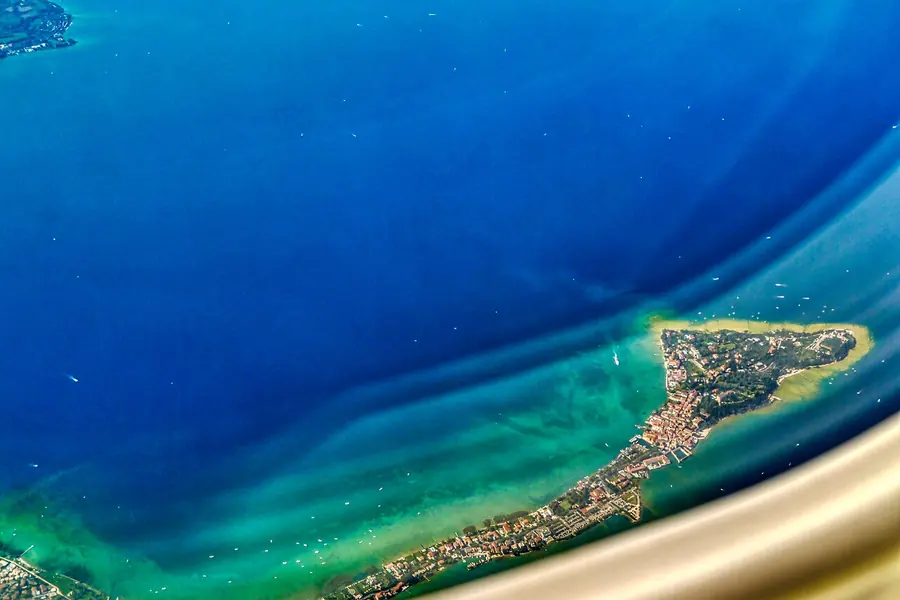
SirmioneA castle-guarded peninsula town poking into Lake Garda.
Lake Garda FerryA breezy boat hop to lakeside villages and mountain views.
Day 1
The Arena and the Squares
Roman grandeur and the loveliest piazzas in the Veneto
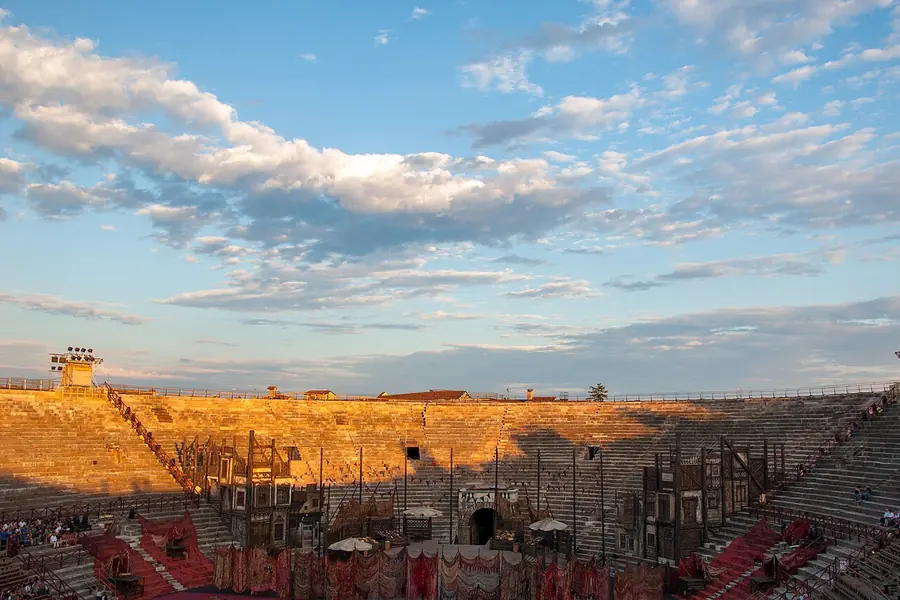
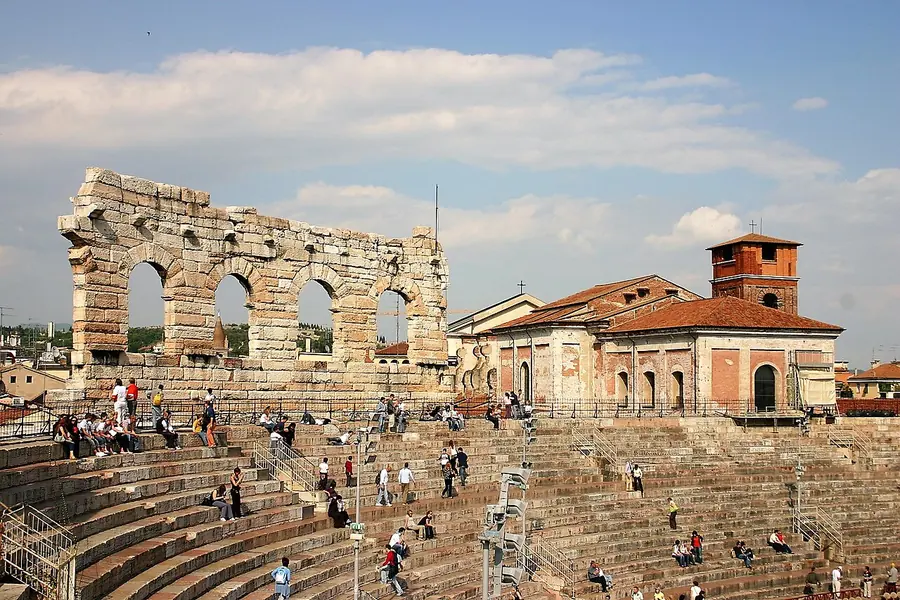
Arena di Verona
A 1st-century Roman amphitheatre still hosting summer opera.
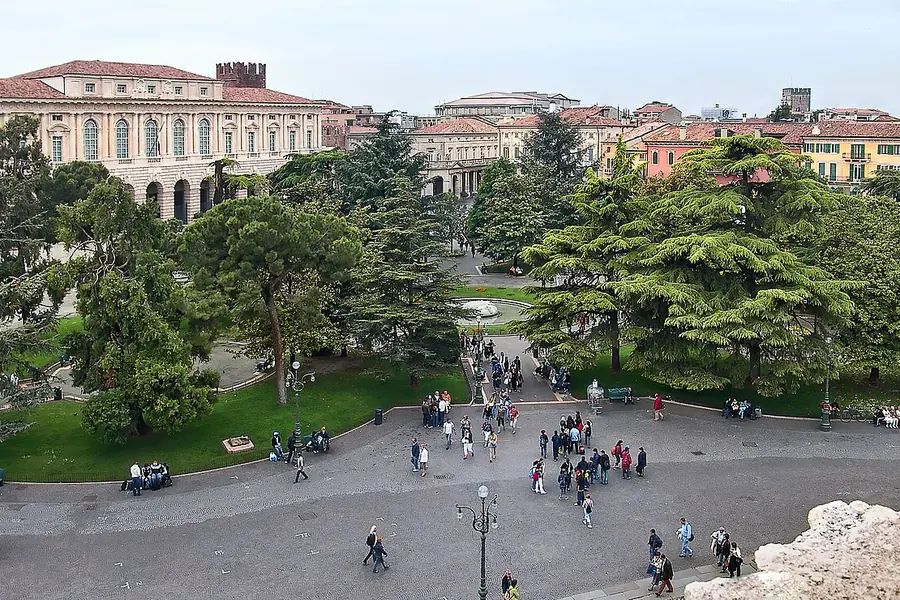
Verona's beating heart is its Roman Arena, built around 30 AD and one of the best-preserved anywhere — older than the Colosseum and still in use. Climb the stone tiers for the view over Piazza Bra. In summer it hosts a world-famous opera festival under the stars. Go at opening to have the arches almost to yourself. A staggering, living monument.
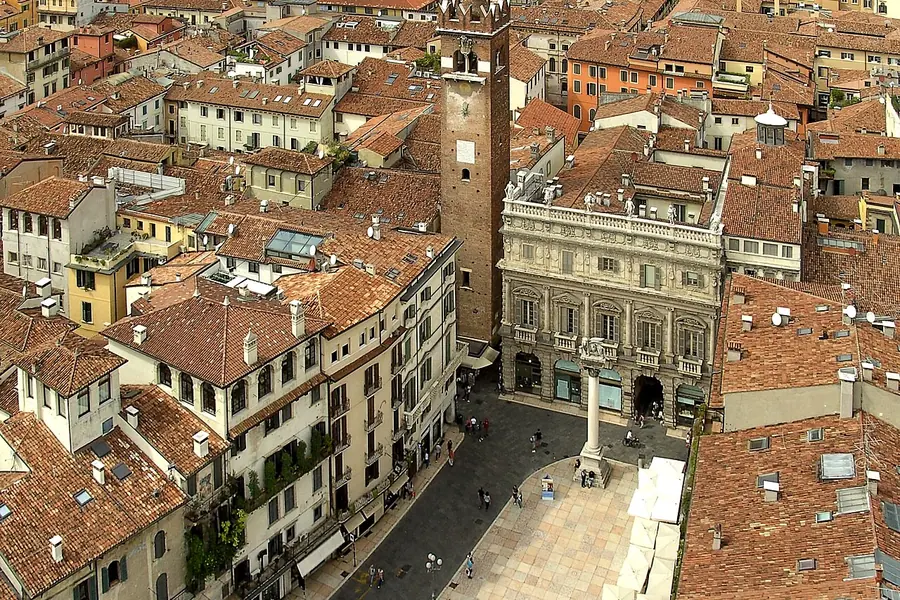
Verona's market square, ringed by frescoed palazzi and cafés.
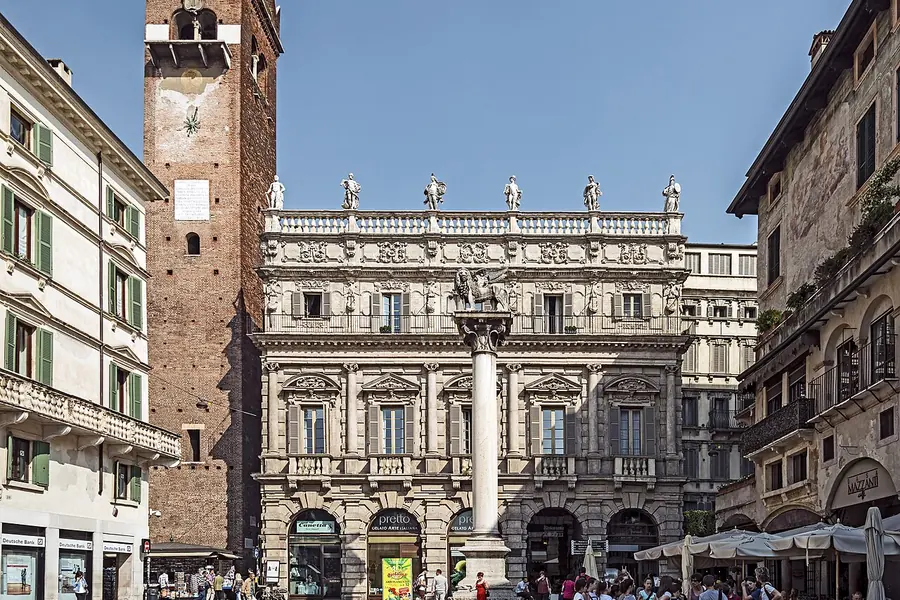
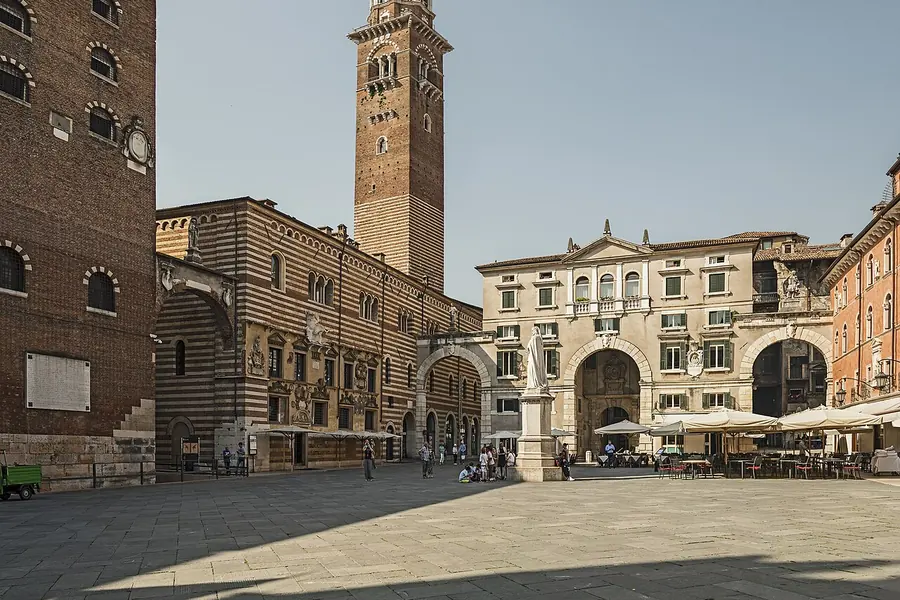
Once the Roman forum, Piazza delle Erbe is now the city's most beautiful square — a market under sun umbrellas, the Madonna Verona fountain, and faded frescoes on the surrounding mansions. Grab a spritz at a café terrace and just absorb it. Walk through to the adjoining Piazza dei Signori, Verona's elegant 'living room'. Lunch and people-watching at their finest.
An 84-metre medieval tower with a lift and a knockout view.
Rising over Piazza delle Erbe, the 84-metre Torre dei Lamberti gives the best central view of Verona's red rooftops, the Arena, and the river bend. There's a lift most of the way if your legs are done. Time it for late afternoon light. It's a quick, rewarding climb and the perfect way to grasp the city's compact, beautiful layout. Bring your camera.
The (entirely invented) balcony where tourists rub a bronze statue.
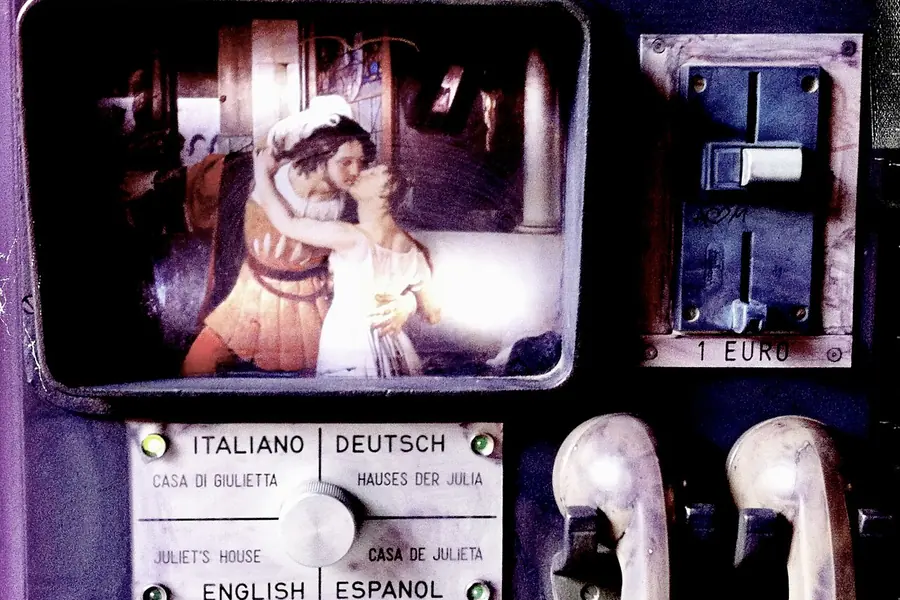
Let's be honest: Juliet was fictional and this 'house' was assigned to her in the 1930s for tourism. The courtyard is a crush of selfie-takers rubbing the lucky breast of a Juliet statue. And yet — it's good silly fun and pure Verona kitsch. Pop your head in, roll your eyes, then move on to better things. A guilty pleasure you shouldn't skip entirely.
A Romanesque masterpiece with a Mantegna altarpiece, west of centre.
A short walk west, San Zeno is one of Italy's finest Romanesque churches — striped stone, an extraordinary bronze door of biblical scenes, and a luminous Mantegna altarpiece inside. It's quieter than the central sights and all the better for it. The serene cloister is a lovely cool-down. A genuine highlight that most day-trippers never reach. Worth the twenty-minute stroll.
A historic wine bar pouring serious Valpolicella and Amarone.
Verona sits in wine country, and the Antica Bottega del Vino is the place to taste it — a 1890s institution with an enormous cellar, knowledgeable staff, and the region's best by the glass. Order an Amarone, the rich, dried-grape red Verona is famous for, with some local cheese or risotto. Splurge a little. It's the most atmospheric, delicious evening in the city.
The Scaligeri fortress and the hilltop across the river
Castelvecchio & Bridge
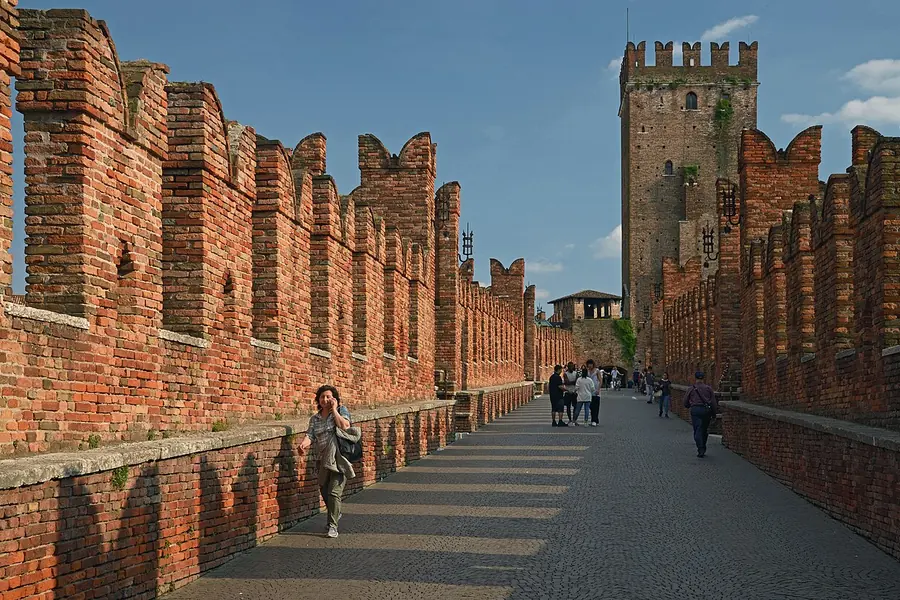
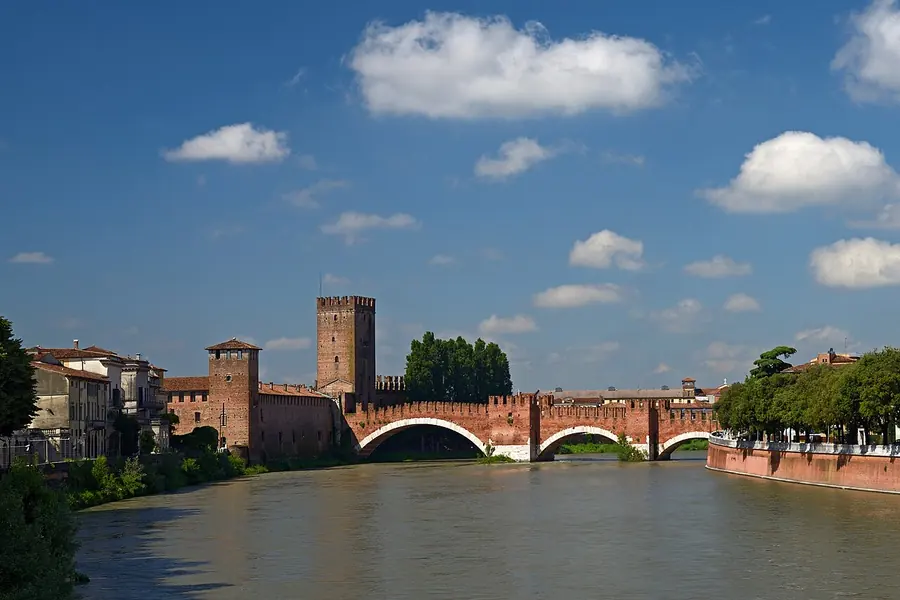
A 14th-century brick castle with a museum and a fortified bridge.
The Castelvecchio is a magnificent red-brick fortress on the river, built by the Scaligeri lords who ruled medieval Verona. Inside is an excellent art museum (the Carlo Scarpa renovation is a design pilgrimage in itself); outside, the swallowtail-battlemented Ponte Scaligero spans the Adige. Walk the bridge for river views. A powerful dose of Verona's lordly, warring past.
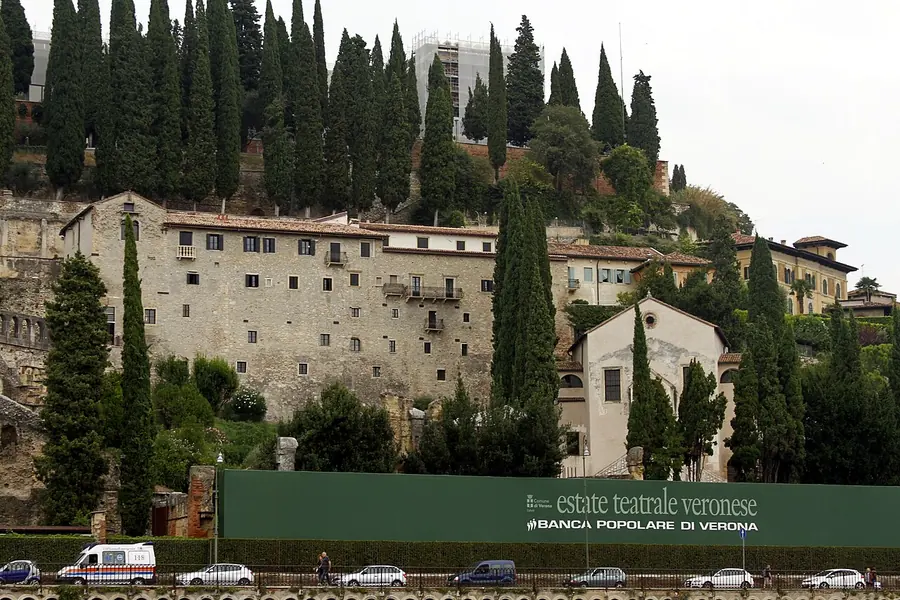
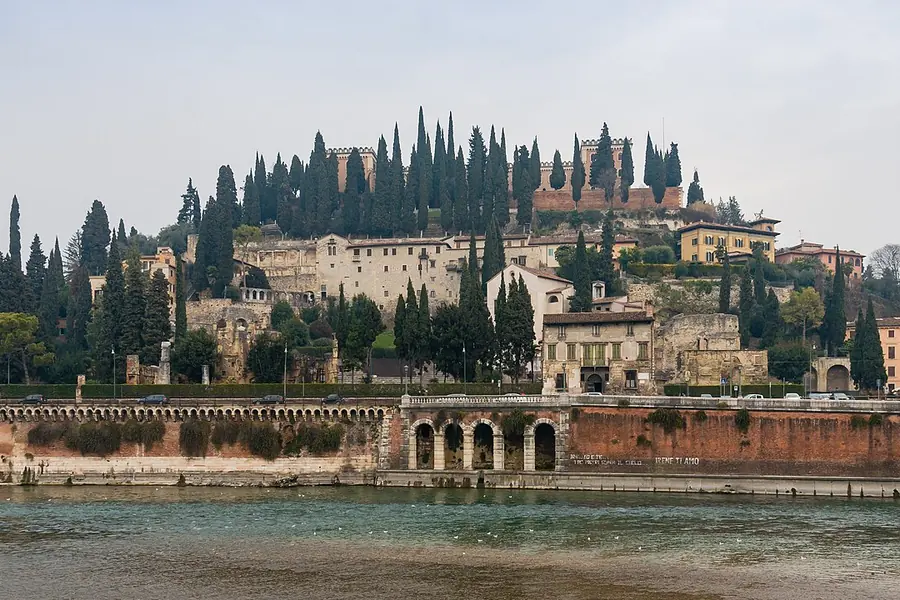
A 1st-century BC theatre and the hilltop with the city's best view.
Cross the river to the Teatro Romano, a Roman theatre carved into the hillside (still used for summer shows), with a small archaeological museum above. Then climb — or take the funicular — to Castel San Pietro for the postcard panorama over Verona's rooftops, towers, and the curving Adige. Time it for golden hour. The single best view in the city, and a perfect late-afternoon climb.
Italy's largest lake, thirty minutes from the city
Sirmione
A castle-guarded peninsula town poking into Lake Garda.
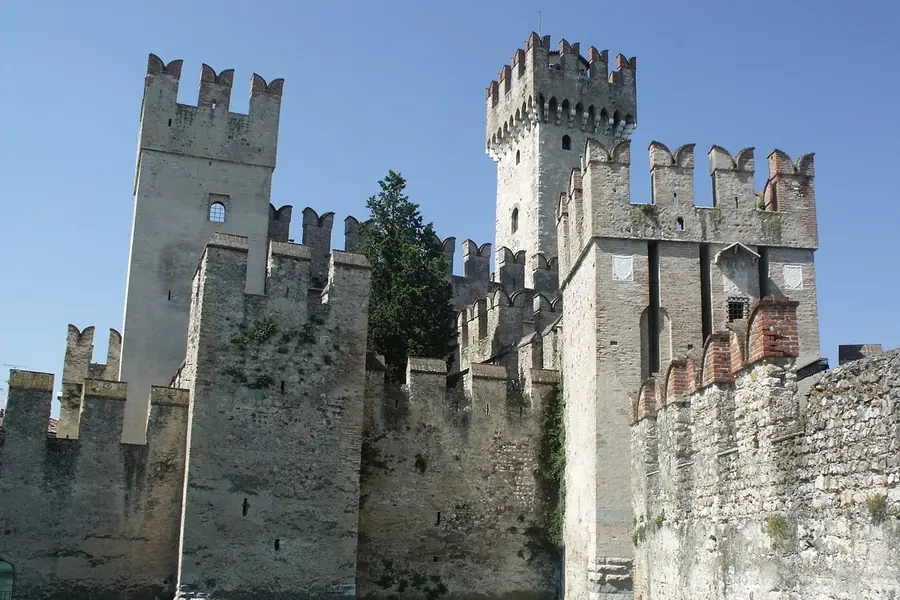
Half an hour from Verona, Sirmione juts on a thin peninsula into Lake Garda, guarded by the moated Scaliger Castle and tipped with the sprawling Roman ruins of the Grotte di Catullo. Wander the car-free old town, swim off the rocks at Jamaica Beach, and eat lakeside. It's touristy but genuinely gorgeous. The easiest, prettiest Garda day trip from the city. Arrive early to beat the buses.
A breezy boat hop to lakeside villages and mountain views.
From Sirmione or nearby Peschiera, hop a Garda ferry across the water — to elegant Salò, lemon-terraced Limone, or pretty Bardolino with its wine. The lake is vast and ringed by mountains at its northern end, and there's no better way to see it than from the deck. Pick a village, have an aperitivo by the water, and steam back. A blissful, scenic afternoon on the lake.
Day 5
Valpolicella Wine Day
Into the hills for the red that made Verona rich
Valpolicella Wine Tour
Cellar visits and Amarone tastings in the hills north of town.
Just north of Verona, the Valpolicella hills produce Amarone, the powerful dried-grape red, and Recioto, its sweet cousin. Join a half-day tour or drive between family wineries like Allegrini or Quintarelli's neighbours, touring the drying lofts and tasting straight from the source. The vine-striped hills are lovely in their own right. A boozy, beautiful, deeply Veronese day. Arrange a driver if you're tasting seriously.
Trattoria Caprini
A hillside trattoria for grilled meats and local reds.
Between cellars, lunch like the locals at a country trattoria such as Caprini in Torbe — grilled meats over an open fire, handmade pasta, and a carafe of the house Valpolicella. The valley views from the terrace are part of the meal. It's hearty, unfussy, and exactly right after a morning of tasting. The food culture here is every bit as good as the wine.
Day 6
Padua Day Trip
Giotto's frescoes and a thousand-year university town
Scrovegni Chapel, Padua
Giotto's revolutionary fresco cycle, a turning point in Western art.
Forty minutes by train, Padua holds one of art's great treasures: the Scrovegni Chapel, walls covered floor to ceiling by Giotto around 1305 in a fresco cycle that helped launch the Renaissance. Entry is timed and strictly limited, so book well ahead. The blue ceiling alone is worth the trip. A profound, beautiful hour and the highlight of any Veneto art pilgrimage.
Prato della Valle & Caffè Pedrocchi
Italy's biggest square and a grand old literary café.
Padua rewards a wander: the Prato della Valle is one of Europe's largest squares, an elliptical island ringed by statues and a canal, and the historic Caffè Pedrocchi has poured coffee for poets and revolutionaries since 1831. Sip an espresso, see the ancient university where Galileo taught, and stroll the arcades. A handsome, intellectual counterpoint to Verona before the train home.
Day 7
Riverside Farewell
A gentle last morning along the Adige
Lungadige Riverside Walk
A quiet stroll along the green Adige beneath the old city walls.
Spend your last morning ambling the Lungadige, the riverside promenade where the Adige loops through the city beneath churches and medieval walls. It's calm, green, and where Verona feels most lived-in rather than touristed. Cross a bridge or two, watch the rowers, and let the city slow you down. A reflective, lovely way to say goodbye before the afternoon train.
Gelateria Savoia
A beloved old gelateria for one perfect final scoop.
End on sweetness: Gelateria Savoia near Piazza delle Erbe has been a Verona institution since 1939, with proper artisanal gelato and a faithful local crowd. Get a cone of pistachio and fior di latte, find a sunny step on a marble square, and have one last unhurried Veronese moment. The ideal small, delicious full stop on a trip you didn't expect to love so much.
Most people treat Verona as a quick stop between Venice and Milan, and most people are wrong. This is the Italy of daydreams — a Roman amphitheatre still staging opera, marble squares straight out of a fresco, a fortified river bridge, and the dried-grape reds of Valpolicella poured in 19th-century wine bars — but without the Venice crowds or the Florence queues. It’s compact, walkable, and quietly one of the most romantic cities in the country. Give it more than an afternoon.
How to use this plan
The one rule for every version of this trip: if you’re here in summer, see an opera at the Arena. Watching Aida or Carmen in a 2,000-year-old Roman amphitheatre, under the stars, with the crowd lighting candles, is a genuine bucket-list night. Two days covers the core: the Arena, the deliciously fake Casa di Giulietta, the glorious Piazza delle Erbe, and a tower climb. Three adds the Castelvecchio fortress, the Roman theatre, and the hilltop panorama from Castel San Pietro. Four — my pick for a first visit — gets you out to Lake Garda and the lovely peninsula town of Sirmione.
The 7-day plan uses Verona as a base for the wider Veneto: a Valpolicella wine tour in the hills, Giotto’s revolutionary frescoes in Padua, and a day in Venice without the cost of staying there. With a week you get the region’s art, wine, and lakes from one handsome home base.
A few honest notes
Book the big-ticket experiences ahead: opera nights sell out, and Padua’s Scrovegni Chapel admits only a few people at a time. The historic centre is small and very walkable, so you won’t need a car unless you’re touring wineries — and if you’re tasting Amarone properly, arrange a driver rather than risk the drive. Lean into the local rhythm: a long aperitivo in a marble square at dusk, with a spritz or a glass of Valpolicella, is half the point of being in Verona at all.
This article contains affiliate links marked with rel="sponsored". We may earn a commission at no extra cost to you.