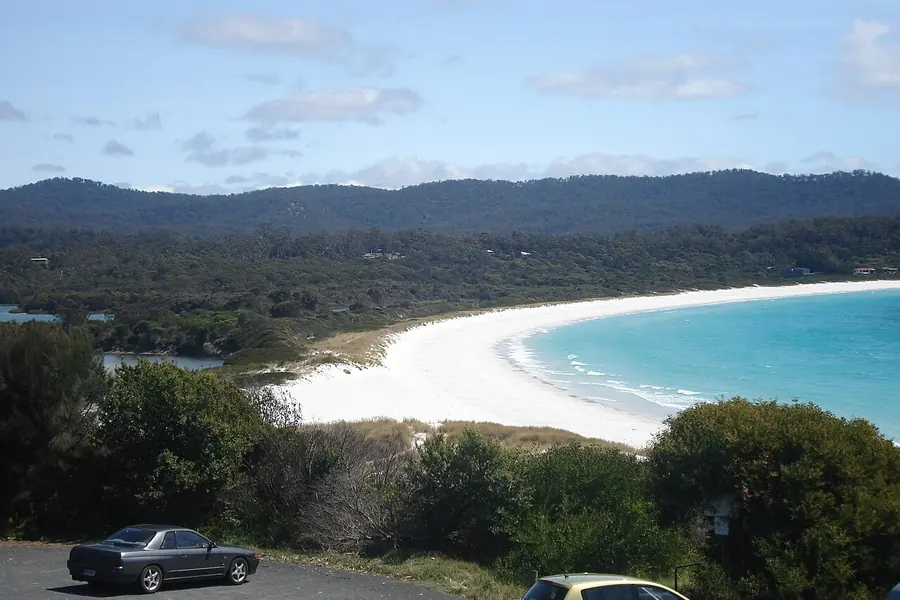
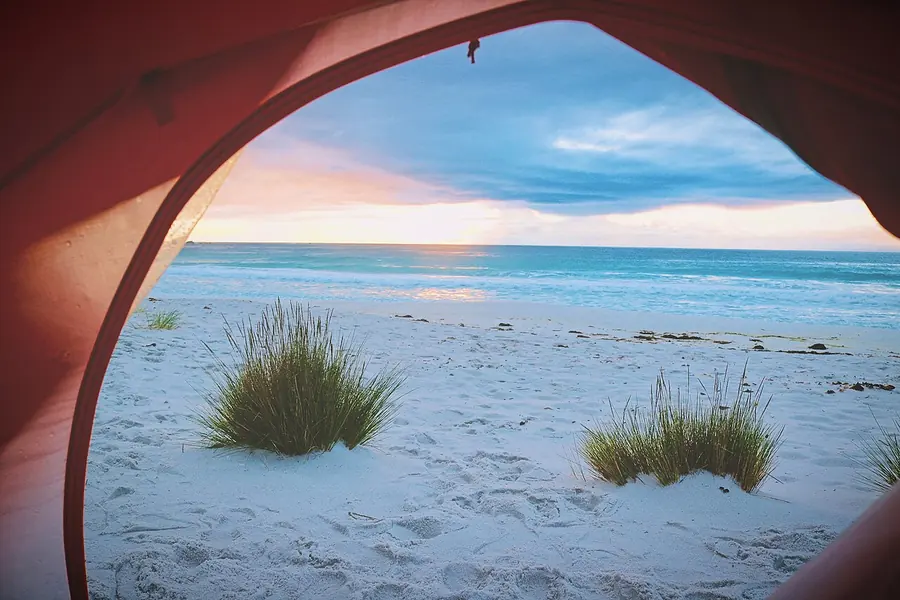
Everyone told me Tasmania was "Australia's nature bit." Nobody warned me about the food. I went to MONA expecting weird art and got, somehow, the best lunch of my trip on a winery terrace overlooking the Derwent. Then I drove ninety minutes and was completely alone on a beach the colour of a paint advert. That's the island in a sentence: world-class everything, almost no crowds, and a smug little grin on every local who knows exactly what they've got down here.
Two days is Hobart at full tilt: the Saturday Salamanca Market, the genuinely mad MONA museum, fish straight off the boat, and the drive up Mount Wellington for the view that explains the whole city. A taster, but a very good one.
Hire a car. Distances look small on the map and lie about it constantly.
72 Hours: Add the Freycinet Coast
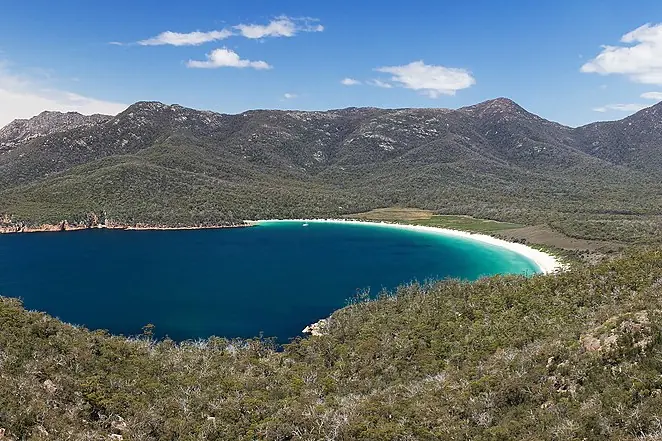
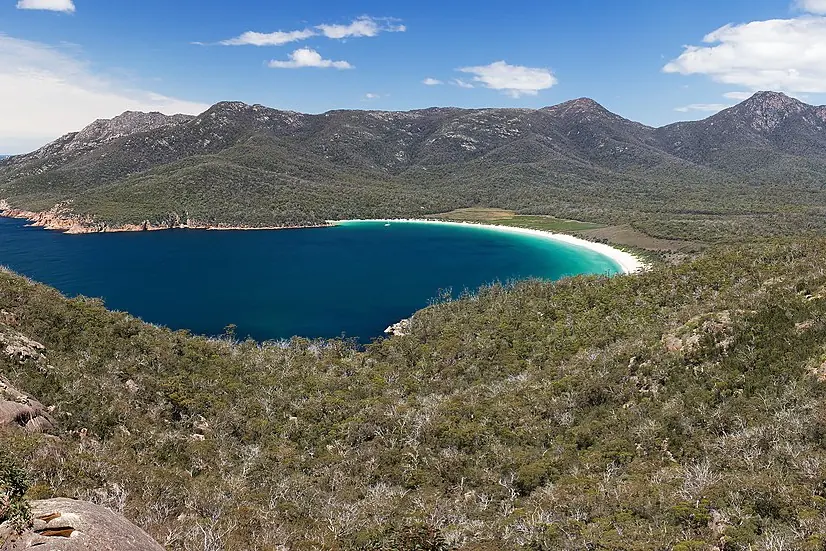
Three days pushes up the east coast to Freycinet — Wineglass Bay, oyster farms, and beaches so absurdly turquoise you'll assume the photos are faked. The drive itself, past Spiky Bridge and the Great Oyster Bay, is half the joy.
4 Days: Port Arthur and the Convict South
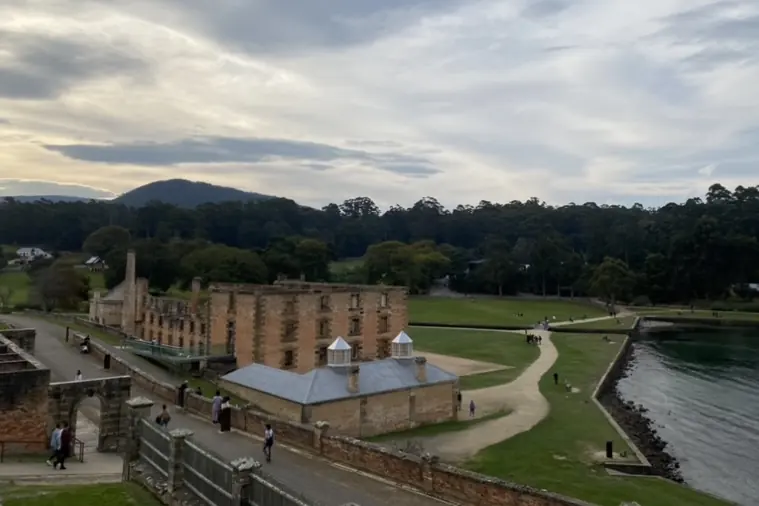
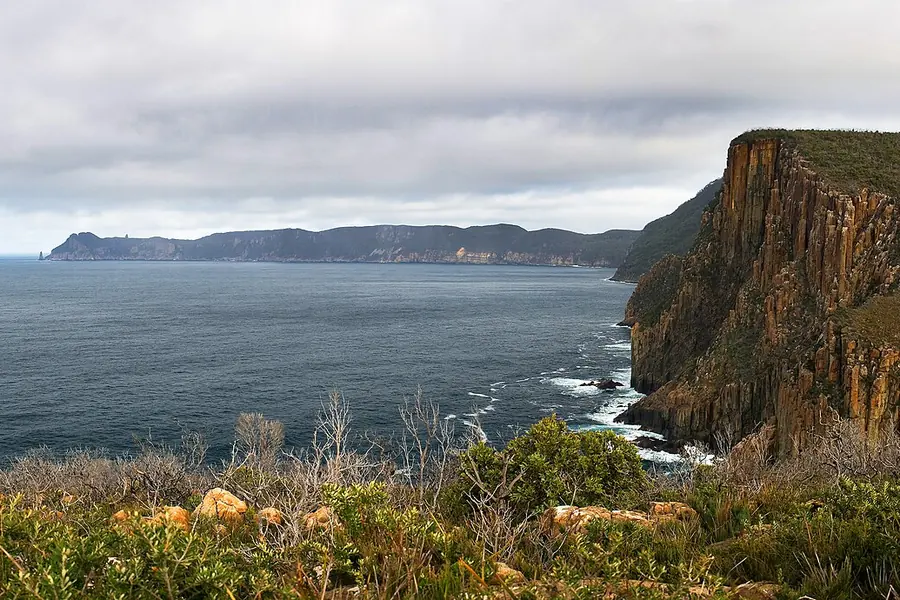
Four days adds the Tasman Peninsula — Port Arthur's haunting convict ruins, sea cliffs the height of skyscrapers, and a coastline carved by the Roaring Forties. Sobering history and staggering scenery in the same afternoon.
7 Days: Loop the Whole Island
A full week is the proper Tasmania loop — Hobart, Freycinet, the Bay of Fires, Cradle Mountain in the wild west, and back. You'll log a lot of road, but it's the kind of driving people fly across the world to do. Book Cradle huts and MONA tickets ahead and you're golden.
Estimated budget:AUD $480-$760 est. (1 night, car hire, MONA, Mount Wellington)
Estimated budget:AUD $820-$1,300 est. (2 nights, Freycinet drive, oysters, fuel)
Estimated budget:AUD $1,200-$1,900 est. (Port Arthur, 3 nights, dining, cruise)
Estimated budget:AUD $2,200-$3,600 est. (full island loop, mid-range lodging, all sights)
[ THE DISPATCH · FIELD MAP ]
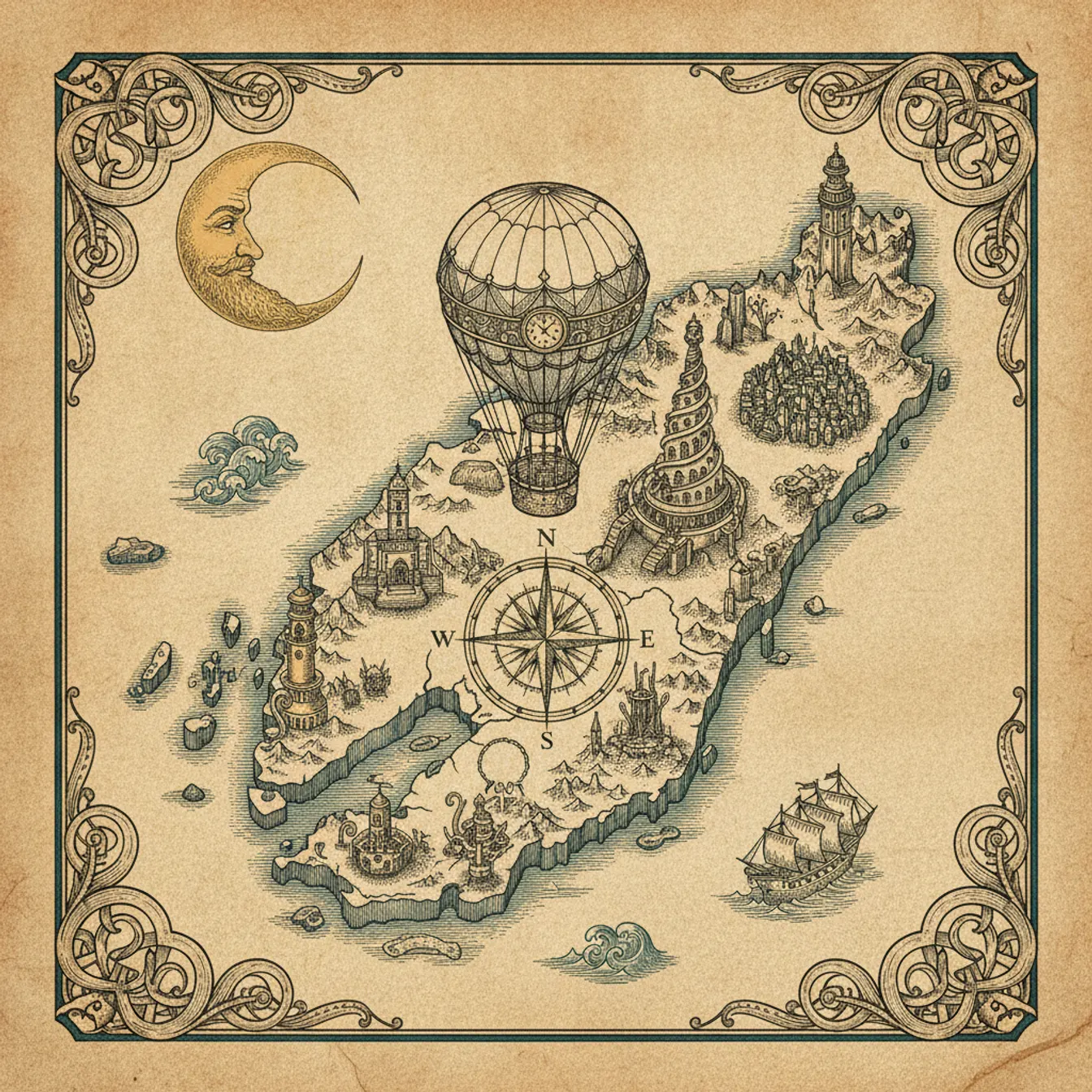
A tilted, hand-drawn dispatch of Tasmania. Click a quarter to explode it open.
0 / 6 quarters explored
Legend · tap to highlight
[ HOBART WATERFRONT ]
Where the city meets the water.
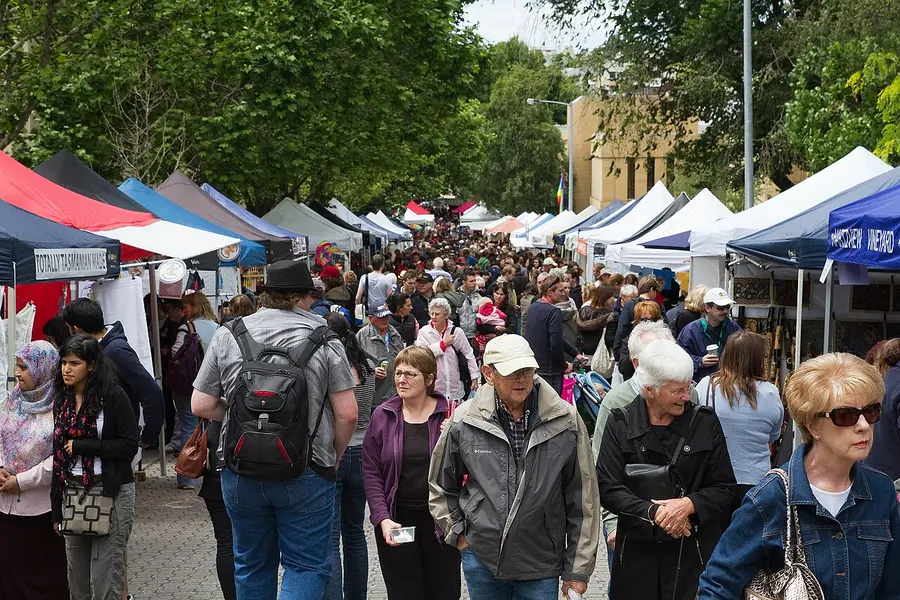
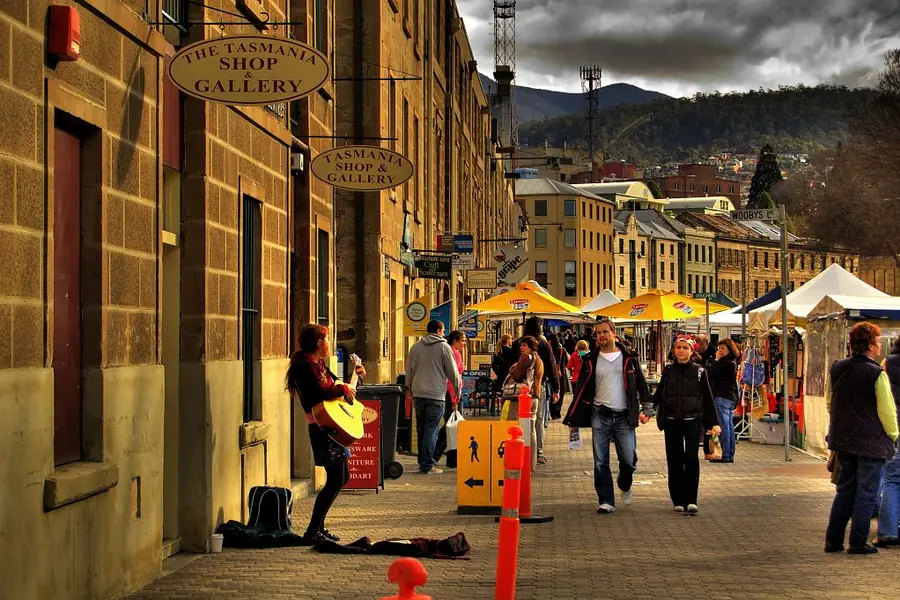
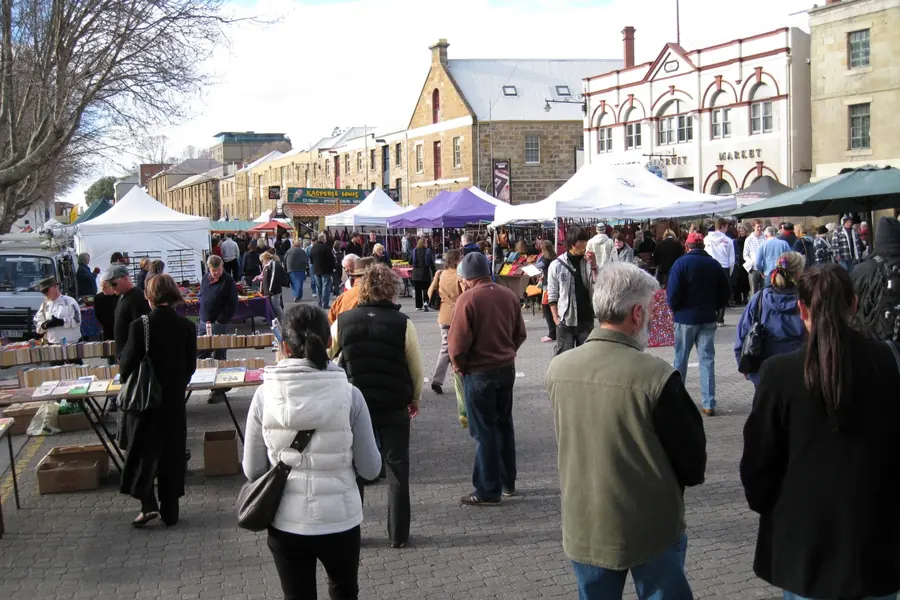
Salamanca MarketSaturday morning's best wander — Georgian sandstone, makers, and a coffee in hand.
Constitution Dock — fish puntsFish and chips eaten dockside off a floating chippy. Don't overthink it.
[ MONA & BERRIEDALE ]
Grand squares and big ideas.
MONA ferry from Brooke Street PierArrive by camo-painted catamaran with sheep-shaped seats. Of course you do.
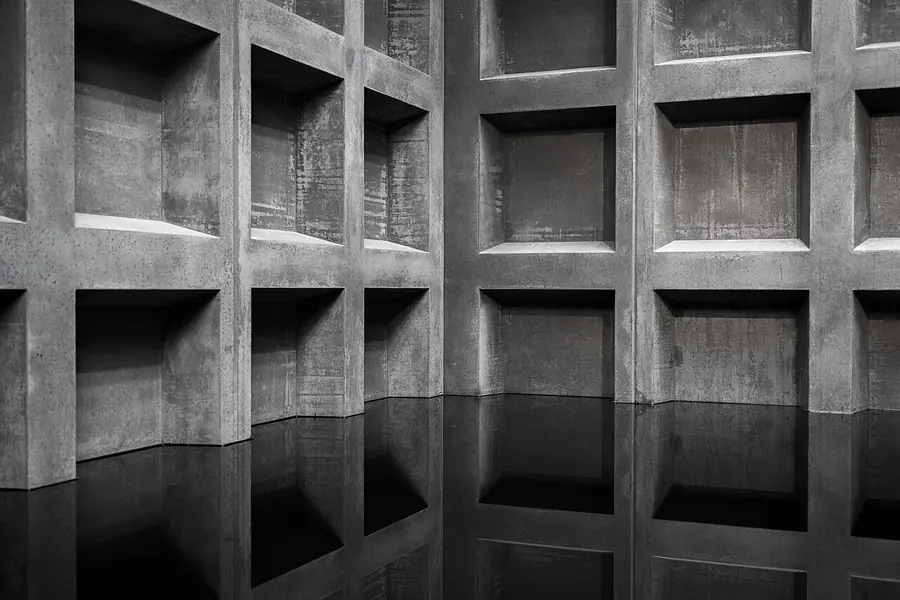
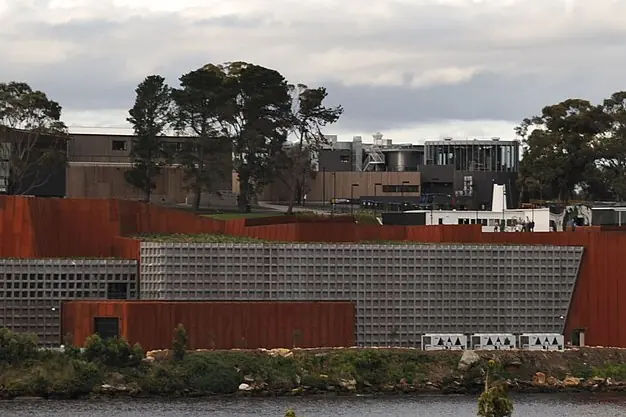
Museum of Old and New ArtAncient antiquities and confronting modern art, three storeys underground in sandstone.
[ FREYCINET PENINSULA ]
Boats, bridges and reflections.
Hobart to Freycinet driveTwo and a half hours up the Great Eastern Drive, past oyster bays and pink-granite coast.
Wineglass Bay LookoutA 45-minute climb to the postcard. The bay is even better than the brochure.
[ TASMAN PENINSULA ]
Old stones, older stories.
Tessellated Pavement + Tasman ArchA beach that looks tiled by hand, and sea cliffs the Roaring Forties carved into arches.
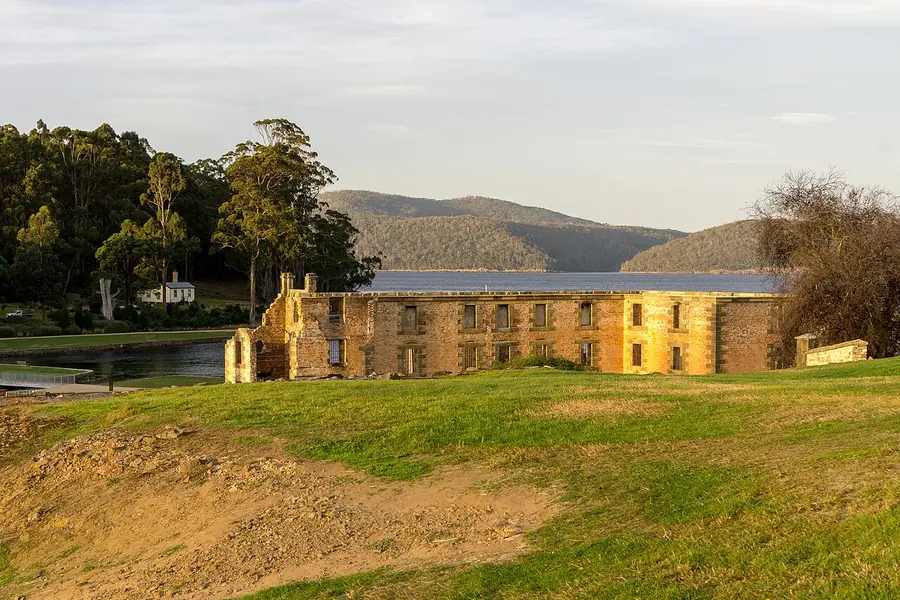
Port Arthur Historic SiteAustralia's best-preserved convict settlement, beautiful and deeply sobering at once.
[ BAY OF FIRES ]
Boats, bridges and reflections.
Binalong Bay — Bay of FiresGranite boulders blazing orange with lichen against impossibly clear water.
The Gardens — Bay of Fires northDrive to the end of the road for the bay's quietest, most photogenic stretch.
[ CRADLE MOUNTAIN ]
Green breathing room.
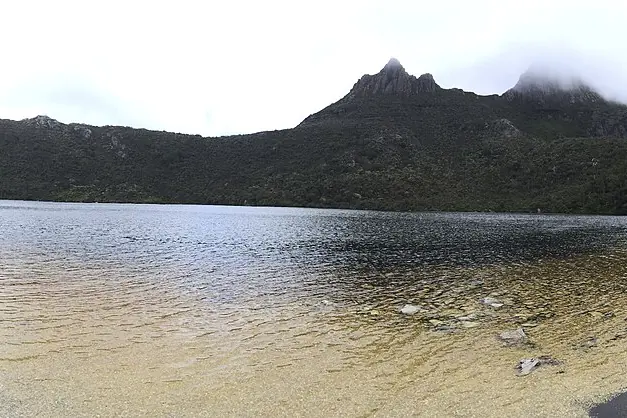
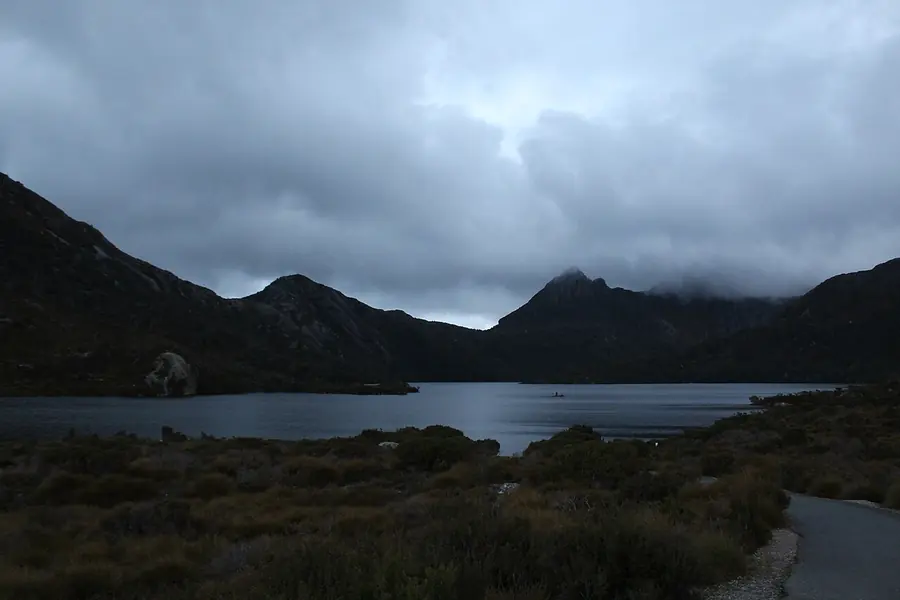
Dove Lake CircuitA 6km loop around a glacial lake beneath Cradle Mountain's jagged spires.
Devils@CradleSee the actual Tasmanian devil up close — and learn why they need saving.
Day 1
Hobart — Salamanca, Waterfront + Mount Wellington
Meet the cleverest small city in Australia
Salamanca Market
Saturday morning's best wander — Georgian sandstone, makers, and a coffee in hand.
If you land on a Saturday, start here. The market fills a row of 1830s sandstone warehouses with Tasmanian makers — woodwork, cheese, leatherleaf honey, hot pies. Even on non-market days the Salamanca strip is the heart of Hobart's food-and-bar scene. Grab a coffee, browse, and let the city ease you in before the bigger sights.
Fish and chips eaten dockside off a floating chippy. Don't overthink it.
Hobart's harbour has a small fleet of floating fish punts — order grilled flathead or scallops, take it to a bench on the dock, and watch the boats. It's unfussy and unbeatable. Mures, on the same waterfront, is the sit-down upgrade if it's raining. The seafood here comes off boats you can literally see, which is the whole appeal.
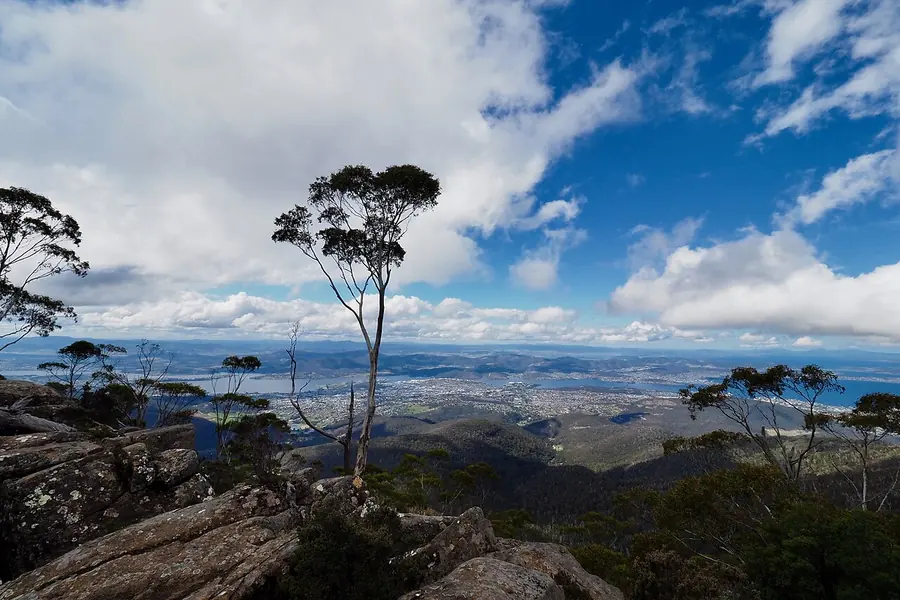
kunanyi / Mount Wellington summit
Drive to 1,270 metres for the view that makes sense of the whole city below.
The summit road climbs from Hobart to 1,270 metres in about 30 minutes, and the boardwalk lookout takes in the whole city, the Derwent estuary, and the wilderness rolling south. It can be sunny in town and freezing and cloud-wrapped up top, so bring a layer and check the forecast. On a clear evening it's the best free thing in Hobart.
The most provocative museum in the country, plus lunch on the river
MONA ferry from Brooke Street Pier
Arrive by camo-painted catamaran with sheep-shaped seats. Of course you do.
Half the fun of MONA is the journey — a 25-minute catamaran up the Derwent from central Hobart, complete with absurd sheep-shaped deck seats and a bar. Splash for the Posh Pit if you want lounges and a glass on the way. Book ferry and museum tickets together ahead of time; both sell out on peak summer days.
Museum of Old and New Art
Ancient antiquities and confronting modern art, three storeys underground in sandstone.
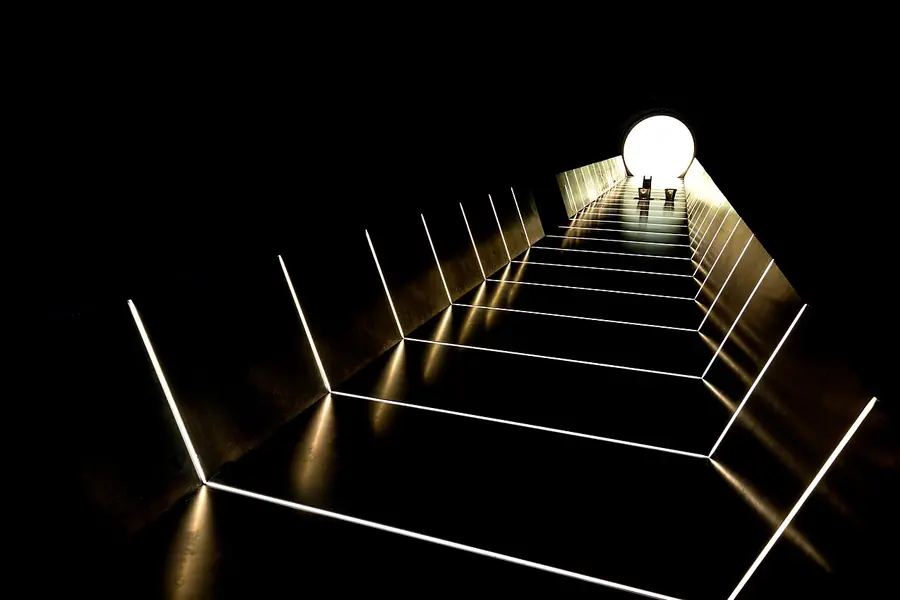
David Walsh's subterranean museum is unlike anything else in Australia — Egyptian antiquities next to deliberately shocking contemporary work, all carved into a sandstone cliff with no labels (you get a device instead). Give it three hours minimum. Some of it is designed to provoke; lean into it. There is genuinely nothing else like MONA anywhere.
Mediterranean small plates above the wine library, with a James Turrell light room next door.
Faro sits inside MONA with a circular bar and a window onto the Turrell light installation — small Mediterranean plates, Moorilla wines from the on-site vineyard, and a terrace over the river. It's a properly good lunch, not a museum-cafe afterthought. Book a table when you book your tickets; it fills fast.
Day 3
Freycinet — Wineglass Bay + Oysters
The east coast's pin-up peninsula
Hobart to Freycinet drive
Two and a half hours up the Great Eastern Drive, past oyster bays and pink-granite coast.
The drive north hugs the east coast through Orford and Swansea along Great Oyster Bay. Stop at the convict-built Spiky Bridge and Kate's Berry Farm for the view (and the jam). It's an easy, gorgeous run — budget extra time because you'll keep pulling over. Fuel up in Swansea; options thin out past it.
Wineglass Bay Lookout
A 45-minute climb to the postcard. The bay is even better than the brochure.
The lookout walk is a steady 1.5km uphill (about 45 minutes) to the viewpoint over Wineglass Bay's perfect arc of white sand and turquoise water, framed by the pink-granite Hazards. The fit and willing can carry on down to the beach itself — another hour each way and worth it for a swim. Go early to beat the tour buses and the midday glare.
Oysters shucked metres from where they grew, eaten at a picnic table by the water.
On the way back from the national park, this working oyster and mussel farm serves its catch at outdoor tables overlooking Great Oyster Bay — Pacific oysters, mussels in white wine, and a cold local riesling. It's casual, cheap, and about as fresh as shellfish gets. The perfect counterpoint to a morning of climbing.
Day 4
Tasman Peninsula + Port Arthur
Towering sea cliffs and Australia's most haunting history
Tessellated Pavement + Tasman Arch
A beach that looks tiled by hand, and sea cliffs the Roaring Forties carved into arches.
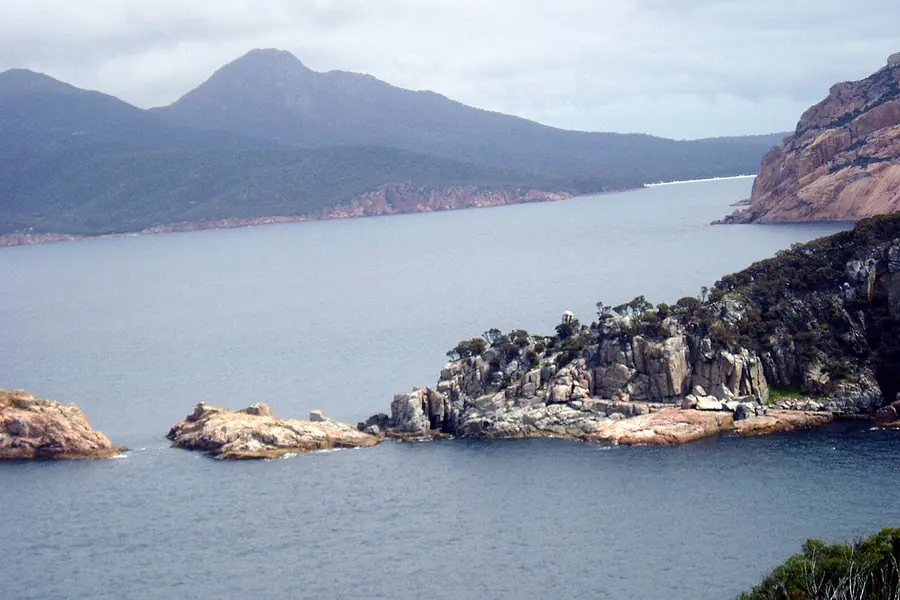
The Tasman Peninsula's coast is a geology showcase. The Tessellated Pavement at Eaglehawk Neck looks like a tiled bathroom floor laid by the sea, while nearby the Tasman Arch, Devils Kitchen, and the blowhole show what the Southern Ocean does to dolerite cliffs over millennia. Short walks, big drama; an hour or two well spent before Port Arthur.
Port Arthur Historic Site
Australia's best-preserved convict settlement, beautiful and deeply sobering at once.
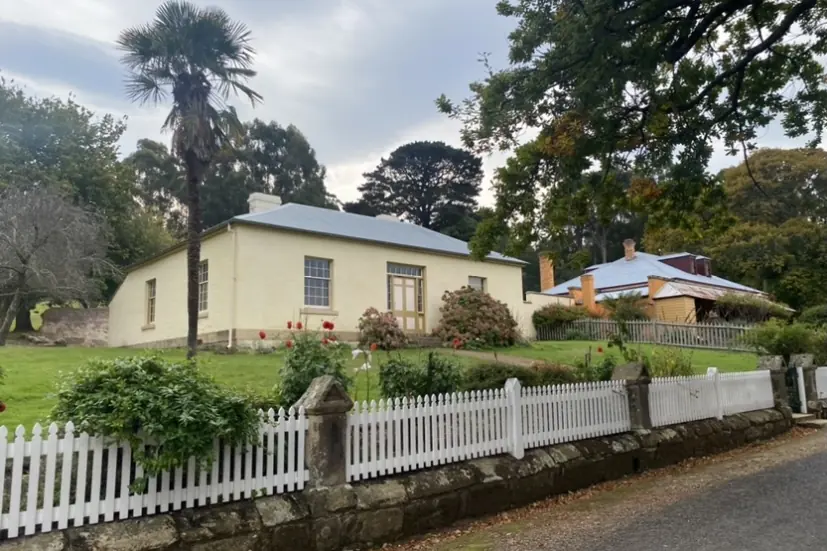
A UNESCO World Heritage convict site set in unexpectedly lovely gardens on the water — the ruins of the penitentiary, the Separate Prison, the church. Entry includes a guided walking tour and a short harbour cruise. It's a confronting place (read up on the 1996 history too), but essential for understanding the island. Allow a half-day; tickets are valid for two consecutive days.
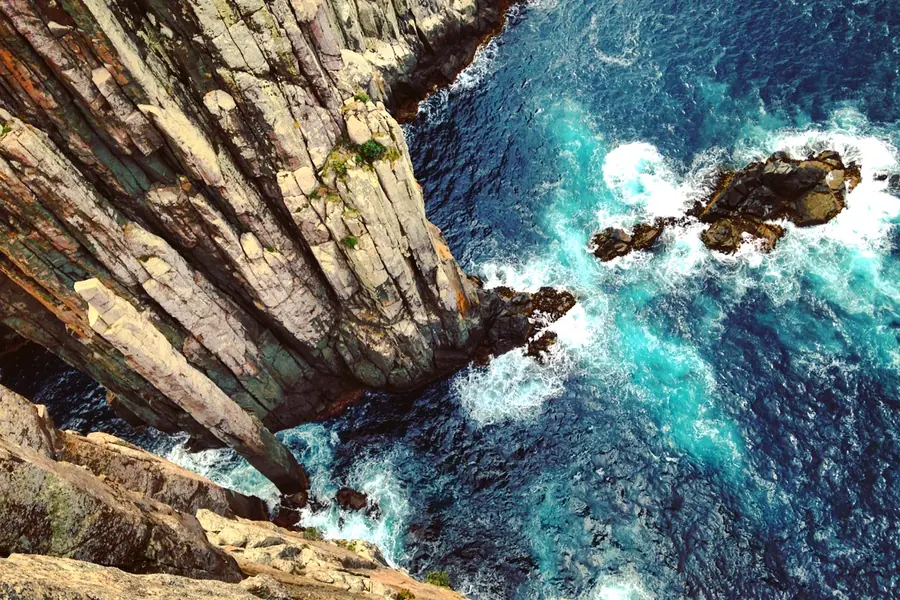
A 4-hour cliff-edge walk to dolerite sea stacks that climbers travel the world for.
If you've energy left, the Cape Hauy track (part of the Three Capes system) is a roughly 4-hour return walk along the clifftops to the Totem Pole and Candlestick — vertiginous dolerite sea stacks rising straight out of the ocean. It's stepped and steep but well-built. Save it for a clear afternoon; the exposure is the entire point.
Orange-lichen boulders, white sand, and water like glass
Binalong Bay — Bay of Fires
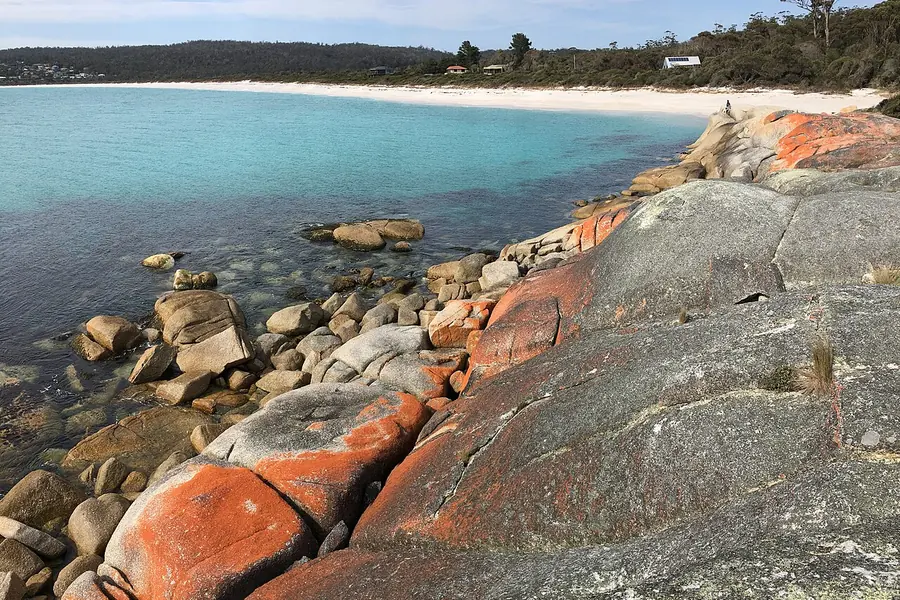
Granite boulders blazing orange with lichen against impossibly clear water.
The Bay of Fires got its name from Aboriginal fires seen by a passing navigator, but the boulders really do glow — coated in vivid orange lichen against white sand and clear shallows. Binalong Bay is the easy-access southern end; wander north along the coast and you'll find a string of empty coves. Bring swimmers and a picnic; there are no facilities once you're out of town.
Drive to the end of the road for the bay's quietest, most photogenic stretch.
The sealed road runs out at The Gardens, a scatter of holiday shacks and some of the most photogenic boulder-and-beach scenes in the bay. It's quieter than Binalong, the lagoons are calm enough for kids, and the light in late afternoon is extraordinary. Pack everything you need — this is the definition of off-grid.
Tasmania's biggest fishing port for the east coast, and the best place to eat its catch.
St Helens is the working town behind all that scenery — and the source of much of the seafood you've been eating. The waterfront restaurants do excellent local crayfish, calamari, and the day's fish, with sunset over Georges Bay thrown in. It's an unpretentious end to a beach day before the long haul west tomorrow.
Day 6
Cradle Mountain + Dove Lake
The wild west and Tasmania's most iconic peak
Dove Lake Circuit
A 6km loop around a glacial lake beneath Cradle Mountain's jagged spires.
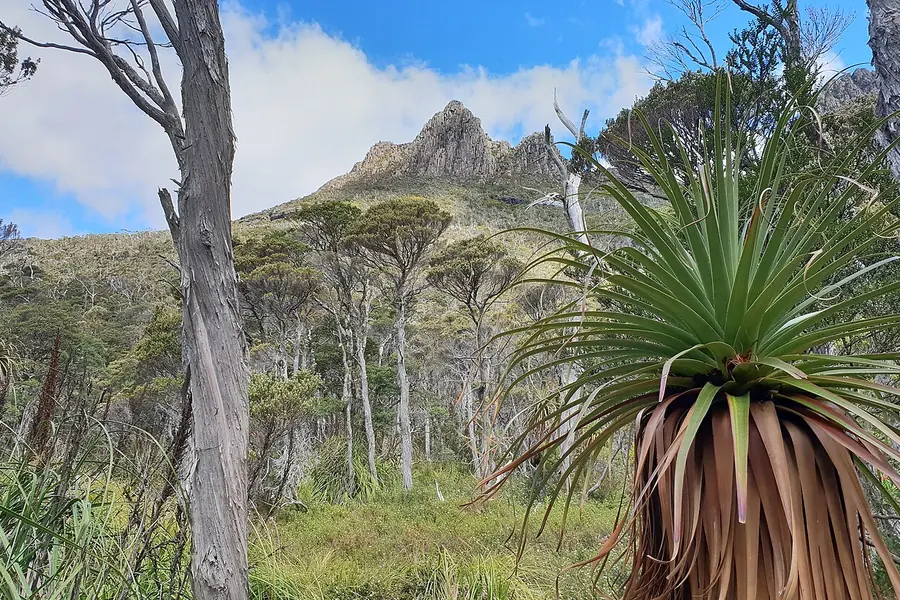
The classic Cradle Mountain walk is the 6km Dove Lake Circuit — flat-ish, well-built, and ringed by ancient King Billy pine and the famous Boatshed framed against the mountain. Park-and-ride shuttles run from the visitor centre (private cars are restricted on the access road). Weather here turns on a dime; pack waterproofs even in summer and start early for the calm, reflective mornings.
See the actual Tasmanian devil up close — and learn why they need saving.
This conservation sanctuary near the Cradle visitor centre houses Tasmanian devils, quolls, and other natives, with a serious breeding program fighting the facial-tumour disease that's devastated wild populations. Time your visit for a keeper feeding to see the devils' notorious squabbling. It's the most reliable way to meet the island's mascot in the flesh.
Highland dining by the fire after a day in the wilderness, possibly with wombats outside.
The lodge's restaurant is the obvious dinner choice up here — Tasmanian produce, a roaring fire, and wallabies and wombats grazing the grounds at dusk. It's not cheap and it doesn't need to be the fanciest meal of your trip; it's about warming up after the mountain. Book ahead, as it's effectively the only proper option in the area.
Day 7
Cradle to Hobart + Farewell
The long, gorgeous drive home through the highlands
Central Highlands drive — Cradle to Hobart
Four-plus hours through buttongrass plains, trout lakes, and the Great Lake country.
Rather than retrace the coast, drop south through the Central Highlands — a moody, sparsely populated tableland of trout-fishing lakes, buttongrass plains, and the occasional historic pub. It's a long drive, so fuel up and stock snacks, but the landscape is unlike anywhere else on the island. Aim to be back in Hobart by mid-afternoon.
Cascade Brewery
Australia's oldest continually operating brewery, in a Gothic building at the mountain's foot.
On Hobart's edge sits Cascade, Australia's oldest brewery, in a striking 1832 building backed by Mount Wellington. Take the brewery tour or just have a beer in the gardens. It's a relaxed, civilised way to wind the trip down before your last dinner — and a reminder that Tasmania has been doing this stuff well for nearly two centuries.
Aloft — farewell dinner
Brooke Street Pier dining with harbour views and Tasmania's best produce on the plate.
Finish on the waterfront at Aloft, perched above Brooke Street Pier with tasting menus built entirely from Tasmanian produce and a view over the boats and Mount Wellington beyond. It's the considered, slightly splurgy send-off the island deserves. Reserve well ahead — it's one of Hobart's most sought-after tables.
Tasmania is the part of Australia the mainland quietly envies. It’s a heart-shaped island the size of Ireland with half a million people, an embarrassment of wilderness, and — the bit nobody mentions — a food, wine, and whisky scene that punches so far above its weight it borders on rude. You come for the scenery and end up planning your next trip around the restaurants.
The catch is distances. The island looks compact on a map and is anything but; the roads are winding, the towns are small, and a “quick drive” is rarely quick. That’s why this plan is built around a sensible loop rather than a frantic dash. Two days is Hobart and MONA at their best. Three pushes up the gorgeous east coast to Freycinet. Four adds the sobering, spectacular Tasman Peninsula. And seven days does the proper island circuit, including the wild west and Cradle Mountain.
A few honest notes before you go. You will need a car — public transport here is essentially decorative for travellers. The weather is genuinely four-seasons-in-a-day, especially in the highlands, so pack layers no matter what the forecast claims. And the headline attractions — MONA, the Cradle shuttle, the best restaurants — reward booking ahead, particularly over the December-to-February peak.
How to Choose Your Length
Short on time? Do Hobart and the east coast (the 2- or 3-day plans). It’s the most beautiful drive on the island and the easiest logistics.
Love history? The 4-day plan’s Port Arthur and Tasman Peninsula day is one of the most affecting half-days in the country.
Want the full island? The 7-day loop is the real Tasmania. It’s a lot of driving, but it’s the kind of driving people genuinely fly across the planet to do.
Use the filter above to see exactly which stops apply to your trip length.
This article contains affiliate links marked with rel="sponsored". We may earn a commission at no extra cost to you.