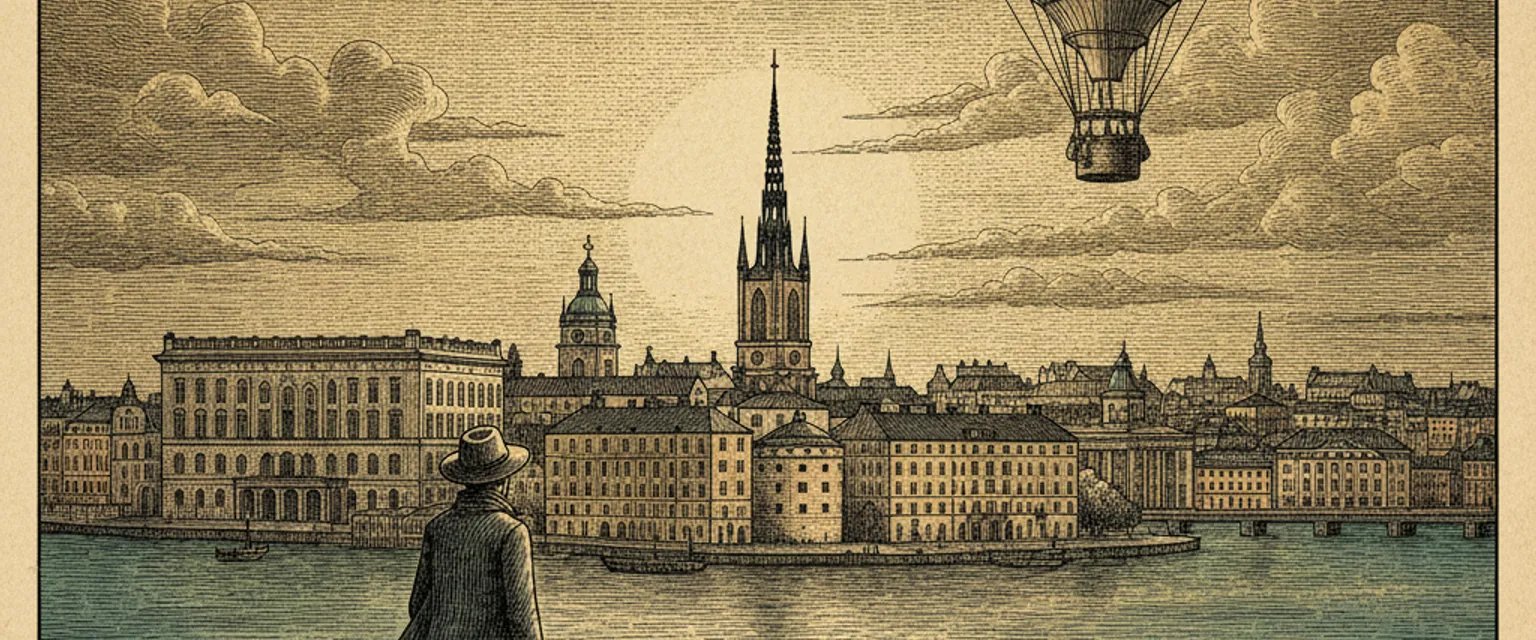
I walked into the Vasa Museum expecting a dusty old hull and a plaque, and instead found myself craning up at a 64-gun warship the size of a building, fully intact, that sank in the harbour about twenty minutes into its 1628 maiden voyage because someone built it top-heavy. It spent 333 years on the seabed, then came up almost perfectly preserved. I stood there grinning at this magnificent, catastrophic failure for an hour. Stockholm is full of moments like that: a city that looks impossibly tidy and Scandinavian, then casually shows you something gloriously weird.
The Perfect Stockholm Itinerary (2, 3, 4 & 7 Days)
Two days covers the essentials: wandering medieval Gamla Stan, the jaw-dropping Vasa warship, and the museum island of Djurgarden. You'll get the postcard Stockholm of cobbled lanes and harbour reflections, plus enough cinnamon buns to justify the airfare. It's a tight but satisfying first taste.
Do this one thing: book your Vasa ticket online and arrive at opening, before the cruise groups.
Add the islands and the design
A third day lets you slow down across the hilly, bohemian island of Sodermalm and the leafy royal park of Djurgarden. You move past the obvious sights into the Stockholm that locals actually inhabit, full of vintage shops, viewpoints, and very good coffee.
City plus the archipelago
Four days buys you a boat into the Stockholm archipelago, the city's real magic: thousands of islands, red cabins, and swimming off the rocks. You balance the urban museums with open water and pine forest. This is my recommended length for a first visit.
Stockholm as a base for Sweden
A week turns Stockholm into a launchpad: an overnight or day trip to the archipelago island of Sandhamn, the Viking history at Uppsala or Birka, and time to dig into the food halls, the palace, and the saunas. Seven days is for travellers who want to actually feel Swedish life.
Estimated budget:$400-$800
Estimated budget:$600-$1200
Estimated budget:$800-$1600
Estimated budget:$1500-$3000
Day 1
Gamla Stan and the Old City
Medieval lanes, the palace, and the heart of the capital
Gamla Stan
Stockholm's 13th-century old town, all ochre walls and crooked alleys.
Start early before the souvenir shops open and the tour groups arrive. Find Marten Trotzigs Grand, the city's narrowest lane at 90 centimetres, and the pastel houses of Stortorget square. It's touristy on the main drag but genuinely beautiful in the quiet back lanes. Duck into a cafe for your first fika.
The Royal Palace
One of Europe's largest palaces, still the king's official residence.
Over 600 rooms, and you can actually go in. Time your visit for the changing of the guard around midday, which is a proper brass-band affair in summer. The Royal Apartments and the Treasury with the crown jewels are the highlights. It's grand without being exhausting, an hour or two well spent.
Fika at Sundbergs Konditori
Coffee and a cinnamon bun at Sweden's oldest cafe.
Fika, the Swedish ritual of coffee and cake, is not optional here, it's basically law. Sundbergs in Gamla Stan has been at it since 1785. Order a kanelbulle (cinnamon bun) and a strong coffee and watch the world go by. This is the rhythm you should keep all week: pause, eat cake, repeat.
Day 2
Djurgarden and the Vasa
The museum island and a doomed warship
Vasa Museum
A 17th-century warship that sank in 1628, raised almost perfectly intact.
Sweden's most-visited museum, and rightly so. The Vasa is 98 percent original timber, towering five storeys in a purpose-built hall, with its absurd backstory of a king who wanted too many cannons. Go at opening to beat the crowds. Give it at least 90 minutes and don't skip the short film on the salvage.
Skansen
The world's oldest open-air museum and a Nordic zoo in one.
An entire historic Sweden recreated outdoors: farmsteads, glassblowers, bakeries, plus brown bears, wolves, and reindeer. It sounds hokey and is in fact a delight, especially with a coffee from a 19th-century cabin. Allow a few hours. The hilltop views over the harbour are a bonus.
Djurgarden Waterfront
A leafy royal park island made for an evening stroll.
Round off the day walking the green, water-fringed paths of Djurgarden back toward the centre. Stop at Rosendals Tradgard, a biodynamic garden cafe in an orchard, for a slice of cake among the apple trees. It's the loveliest, most restful corner of the city in golden light.
Day 3
Sodermalm and Design
The hip island where Stockholm actually lives
Sodermalm
Stockholm's bohemian, hilly southern island of vintage and views.
Soder is the cool kid: independent shops along Hornsgatan and Gotgatan, secondhand boutiques, record stores, and the cliffside viewpoints of Monteliusvagen and Fjallgatan with the best free panoramas of the old town. Spend a slow morning browsing and a slow lunch in a neighbourhood bistro. This is the real city.
Fotografiska
A world-class photography museum in a waterfront customs house.
One of the best contemporary photography museums anywhere, with rotating shows that punch well above the size of the city. The top-floor cafe-bar has a stellar harbour view and stays open late. Even non-art-people I've dragged here come out converted. Check what's showing before you go.
Day 4
Into the Archipelago
A boat out to the islands and the open sea
Vaxholm
The pretty gateway town to the archipelago, an hour by ferry.
Hop a Waxholmsbolaget ferry from the centre out to Vaxholm, a wooden-house island town guarded by a sea fortress. The journey through the inner archipelago is half the point, gliding past summer cottages and granite skerries. Eat herring or shrimp at a harbour-side spot and wander the lanes. Easy, scenic, essential.
Grinda Island
Red cabins, pine forest, and swimming off the rocks.
Further out, Grinda is the classic Stockholm archipelago experience: a small car-free island of forest trails, a historic inn, and rocky bathing spots where Swedes swim all summer. Bring a towel and a picnic. Lying on a warm granite slab between two swims is peak Sweden, and you'll understand why locals vanish here in July.
Day 5
Royal Day Trip
A UNESCO palace and a slower pace
Drottningholm Palace
A UNESCO baroque palace and the Swedish royal family's home.
An hour by boat from the city, Drottningholm is Sweden's best-preserved royal palace, often called the Versailles of the North. The 18th-century theatre, with its original stage machinery, still stages opera. Wander the formal gardens and the whimsical Chinese Pavilion. Take the steamboat there for the full experience.
Lovon Island Grounds
Lakeside paths and parkland around the palace estate.
Don't rush back. The wider grounds and the Lovon island around Drottningholm are made for an unhurried afternoon walk by the water, far from any crowds. Find a bench, watch the boats, and let Stockholm's famous calm do its thing. A glass of something on the return steamer caps it nicely.
Day 6
Viking History
Out to the old capital and the first Swedes
Uppsala
A 40-minute train to Sweden's ancient ecclesiastical capital.
Uppsala has Scandinavia's largest cathedral, a hilltop castle, and a buzzing student-city feel thanks to its 1477 university. Nearby Gamla Uppsala holds great Viking-age royal burial mounds, eerie green humps in the fields. Half a day here adds real historical depth and a different, smaller-town rhythm. The fast train makes it effortless.
Ofvandahls Konditori
A creaky, century-old cafe in the heart of student Uppsala.
Cap the Uppsala trip with fika at Ofvandahls, a wonderfully preserved cafe from 1878 where the floorboards creak and the cakes are old-school. It's full of students and professors. Order a princess cake (prinsesstarta), the green-marzipan Swedish classic, and you'll see why this country runs on coffee and pastry.
Day 7
Food, Sauna, and Farewell
Eat well, sweat it out, and say goodbye
Ostermalms Saluhall
A restored 1888 food hall of stalls and counters.
Stockholm's grandest food market reopened after a long restoration, all brick and ironwork. Graze the counters: gravlax, smoked reindeer, fresh shrimp, artisan cheese, and a sit-down lunch of Swedish meatballs done properly. It's the city's larder under one beautiful roof and the best single place to eat your way through Sweden.
Hellasgarden Sauna
A lakeside sauna with a cold plunge on the city's edge.
End the week the Swedish way: a wood-fired sauna by Lake Kallhall, followed by a bracing dip in the lake (or a hole in the ice, in winter). It's twenty minutes from the centre and used by locals, not tourists. You'll leave loose, glowing, and thoroughly converted to the cult of the cold plunge.
Stockholm fooled me. I arrived expecting somewhere expensive, beautiful, and a little cold, both in temperature and temperament, and got the beauty and the price tag but none of the chill. It is one of the most quietly joyful cities in Europe: a capital spread across fourteen islands where the water is always in view, the design is faultless, and the entire society pauses every afternoon to eat cake. You come for the clean Scandinavian good looks and you stay for the cinnamon buns and the swimming.
How to use this plan
The rule for every length of this trip: book the Vasa Museum in advance and go first thing. It’s the city’s one unmissable sight and it gets packed by mid-morning. Two days handles the medieval old town of Gamla Stan, the royal palace, and the museum island of Djurgarden. Three adds bohemian Sodermalm and the design and photography that Stockholm does so well. Four, the length I’d push for, gets you onto a ferry into the archipelago, which is where the city’s soul actually lives.
The 7-day plan uses Stockholm as a base for a wider slice of Sweden: the UNESCO palace of Drottningholm, the Viking burial mounds at Uppsala, and enough time to eat through the food halls and end with a proper lakeside sauna and cold plunge. With a week you stop being a tourist and start keeping Swedish hours.
A few honest notes
Yes, it’s pricey. Tap water is excellent and free, lunch is far cheaper than dinner (look for the dagens ratt set lunch), and almost nobody carries cash, so bring a card that works everywhere. Summer days are absurdly long and the city empties of locals into the archipelago, which is glorious if you follow them out. And lean hard into fika: the twice-daily coffee-and-cake ritual isn’t a tourist gimmick, it’s the operating system of the whole country, and joining in is the fastest way to feel at home.
This article contains affiliate links marked with rel="sponsored". We may earn a commission at no extra cost to you.