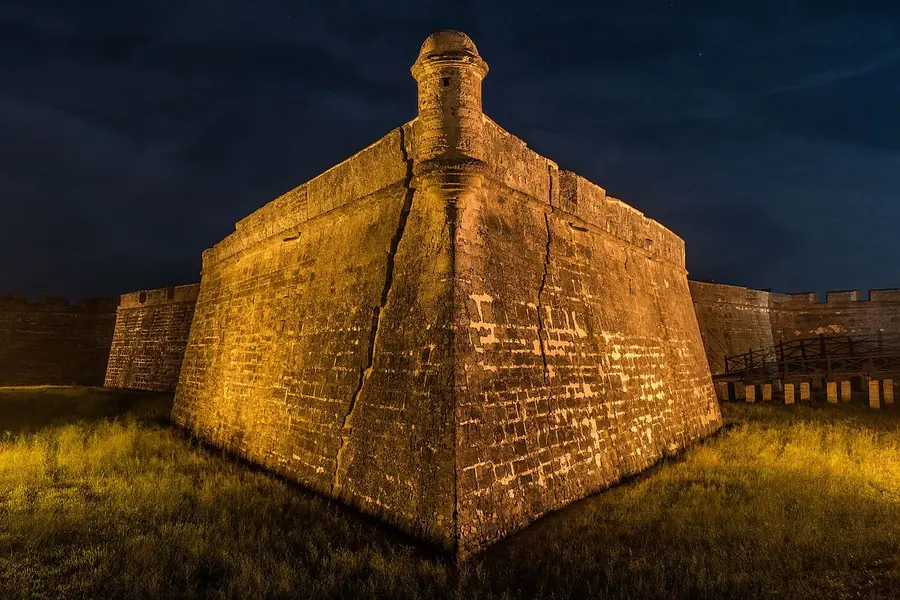
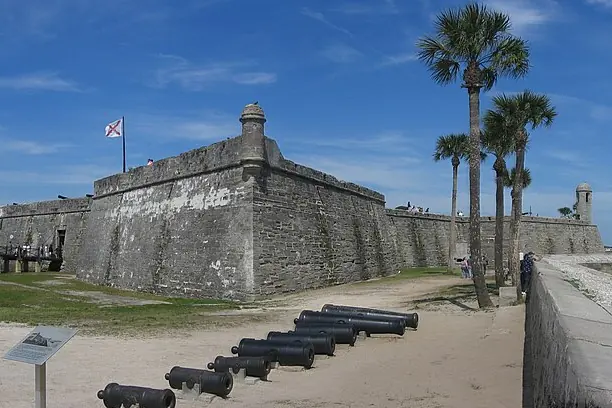
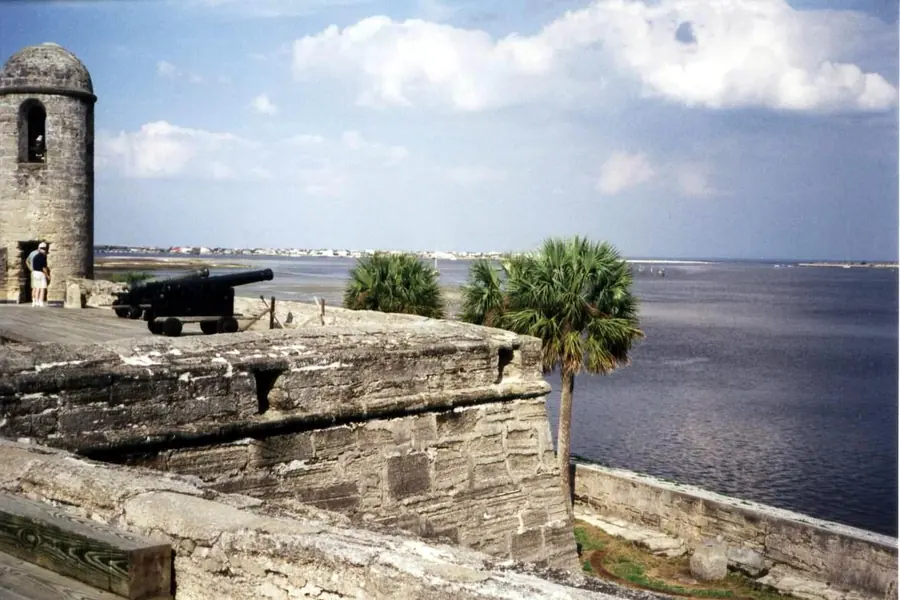
I assumed "the oldest city in America" was marketing. Then I stood inside the Castillo de San Marcos, a 340-year-old Spanish fort built of seashell concrete that literally absorbed cannonballs instead of shattering, and watched a ranger fire a cannon over Matanzas Bay. A kid next to me whispered "this is older than the whole country" with genuine awe, and I felt it too. St Augustine is tiny, touristy in spots, and absolutely the strangest, most history-soaked corner of Florida — which is a state that does not exactly trade on its age.
The Perfect St Augustine Itinerary (2, 3, 4 & 7 Days)
Two days covers the essentials: the Castillo de San Marcos, the cobbled pedestrian heart of the old town, the over-the-top Flagler-era architecture, and a beach sunrise or bayfront sunset. Small city, big history, easy pace.
Stay in or near the historic district. Parking downtown is a genuine hassle; walk everywhere you can.
72 Hours: Add the Beaches and the Lighthouse
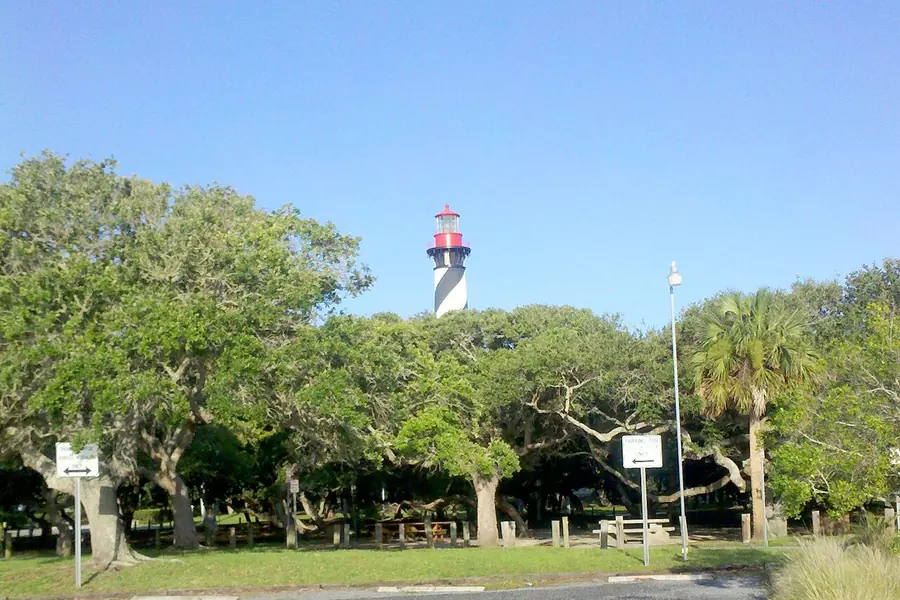
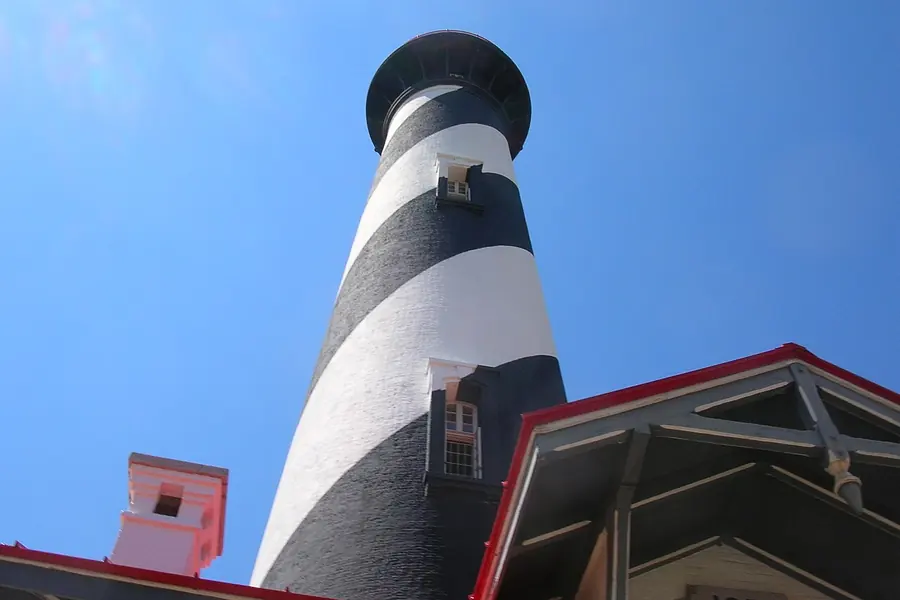
Three days adds the coast — climb the candy-striped St Augustine Lighthouse for the view, hit the wide Atlantic beaches at Anastasia, and slow the whole trip down. The city is the headliner, but the beaches are the rest the trip needs.
4 Days: Spooky History and the Fountain of Youth
Four days leans into the weird and wonderful — the famous ghost tours, the gloriously kitschy Fountain of Youth park, and the alligators at the historic Alligator Farm. Plus time to actually relax over a long lunch. Florida-strange at its best.
7 Days: Slow Coast and Day Trips
A week lets you spread out — the historic core unhurried, beach days at Vilano and Crescent, a day trip down to Daytona or up to Amelia Island, and time to find your favourite tucked-away seafood shack. The relaxed Florida week the brochures forgot to promise.
Estimated budget:$280-$480 est. (1 hotel night, Castillo, old-town walking, dinner)
Estimated budget:$440-$720 est. (2 nights, lighthouse, beach day, dining)
Estimated budget:$640-$1,050 est. (ghost tour, attractions, 3 nights, meals)
Estimated budget:$1,300-$2,200 est. (full week, mid-range lodging, day trips, dining)
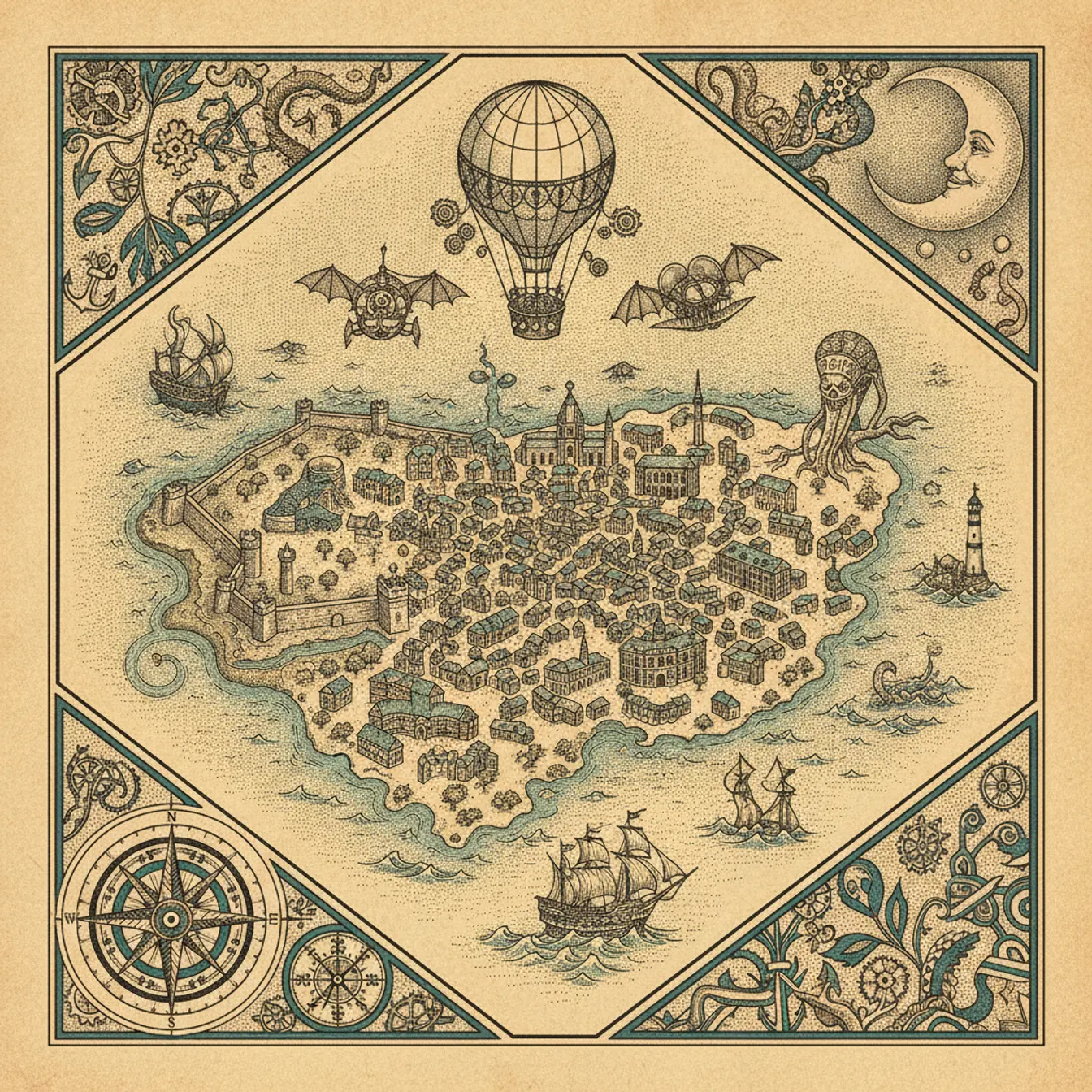
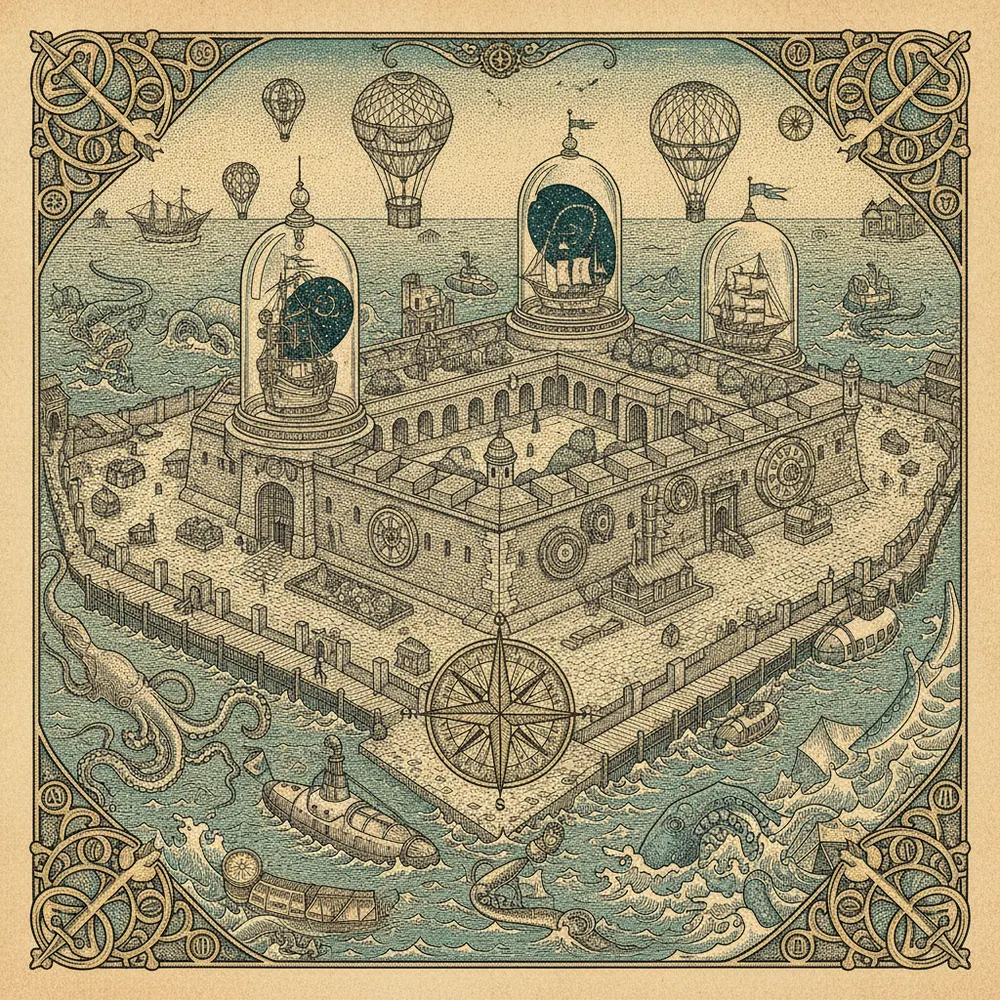
[ THE DISPATCH · FIELD MAP ]
A tilted, hand-drawn dispatch of St Augustine. Click a quarter to explode it open.
0 / 6 quarters explored
Legend · tap to highlight
[ HISTORIC DISTRICT ]
Old stones, older stories.
Castillo de San MarcosA 1672 Spanish fort built of seashell stone that soaked up cannonballs and never fell.
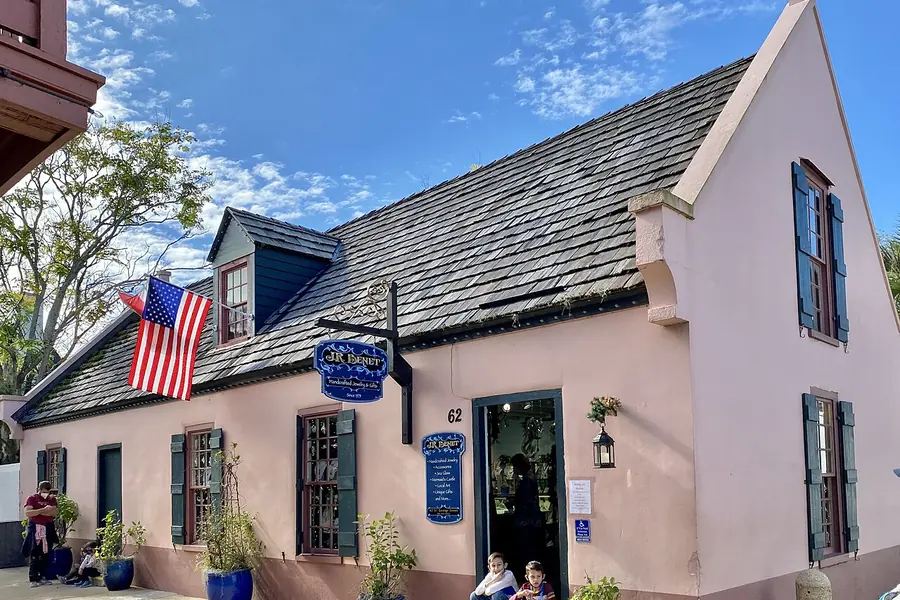
St George Street + Colonial QuarterThe cobbled pedestrian spine of the old town, plus a living-history colonial village.
[ FLAGLER DISTRICT ]
Grand squares and big ideas.
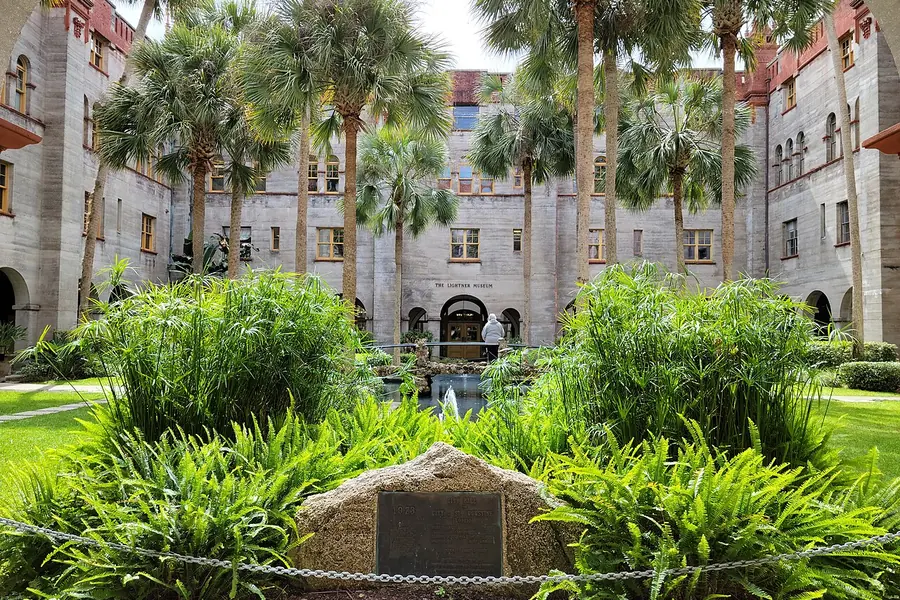
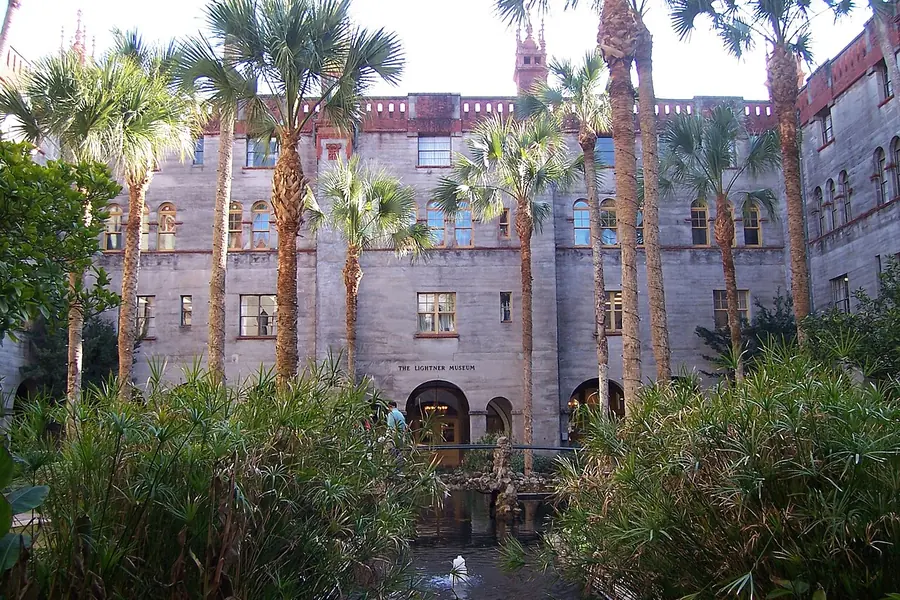
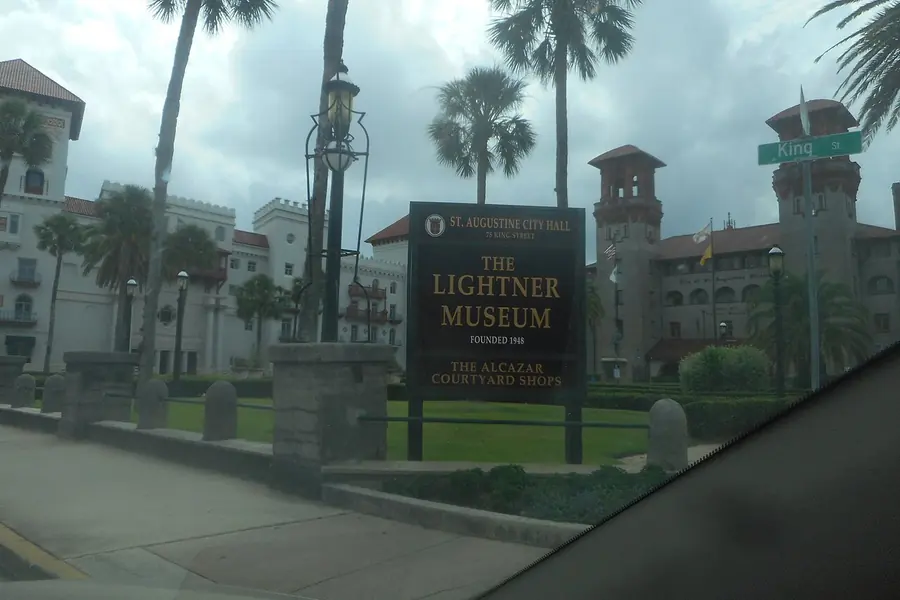
Lightner MuseumA Gilded Age luxury hotel turned museum, set around the indoor pool Tiffany loved.
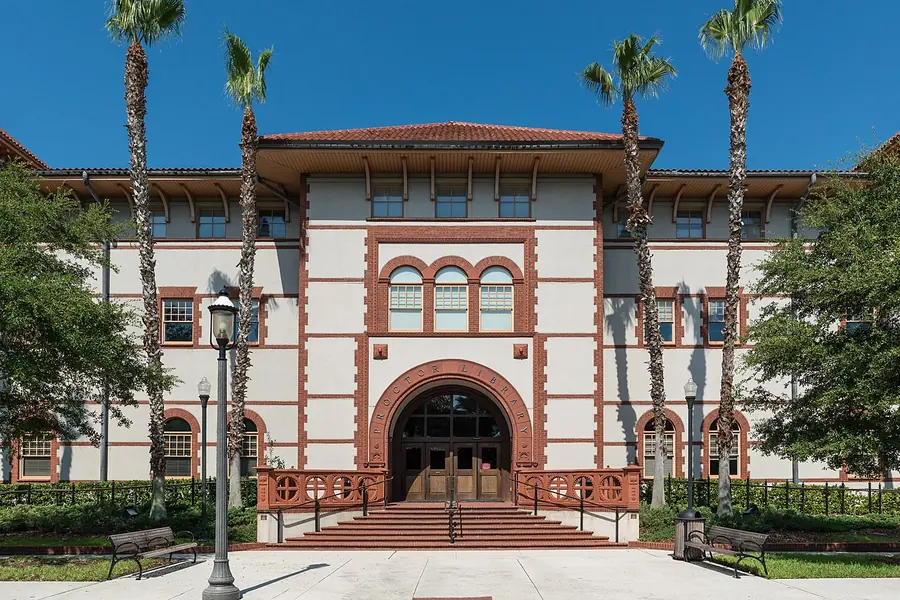
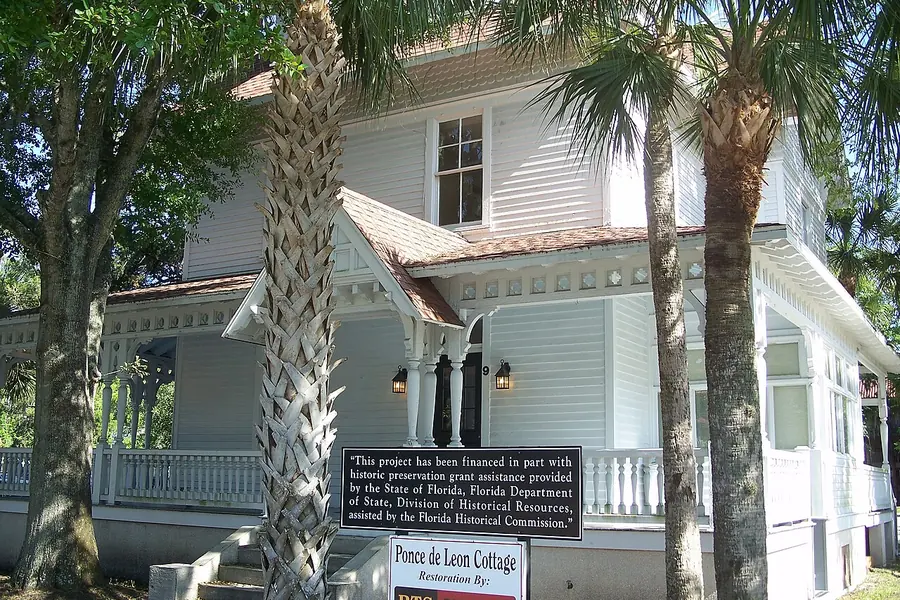
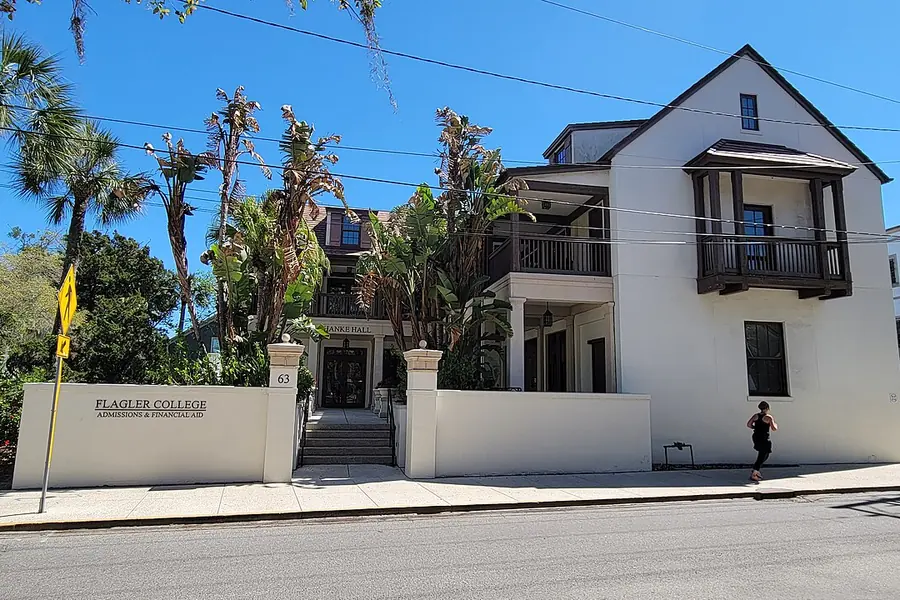
Flagler College (Hotel Ponce de Leon)Tour a working college that lives inside a jaw-dropping 1888 luxury hotel.
[ ANASTASIA ISLAND ]
Where the city meets the water.
St Augustine Lighthouse & Maritime Museum219 steps up a candy-striped tower for the best view in the city, ghost stories included.
Anastasia State ParkFour miles of wide Atlantic beach, dunes, and a tidal lagoon for paddleboarding.
[ NORTH CITY ATTRACTIONS ]
Green breathing room.
Fountain of Youth Archaeological ParkSip from Ponce de León's legendary spring at a gloriously old-school roadside park.
St Augustine Alligator Farm Zoological ParA 1893 attraction with every crocodilian species on earth and a zipline over the gators.
[ VILANO & NORTH BEACHES ]
Boats, bridges and reflections.
Vilano BeachThe locals' laid-back beach across the inlet, with a fishing pier and a town center revival.
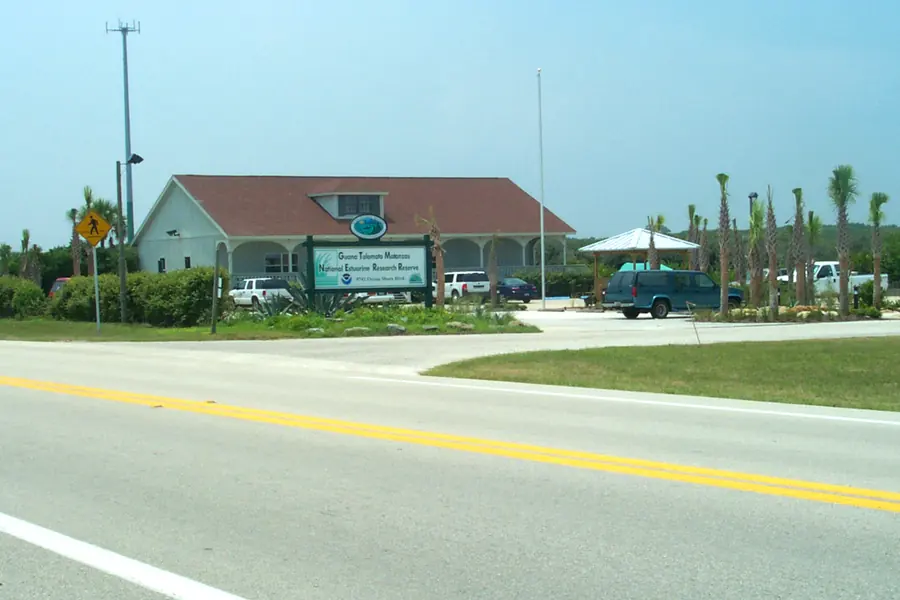
Guana Tolomato Matanzas ReserveMiles of pristine, undeveloped Atlantic coast and tidal marsh for hiking and birding.
[ BAYFRONT & MARINA ]
Where the city meets the water.
Matanzas Bay sailing cruiseA schooner cruise past the Castillo and Bridge of Lions — the city's best angle is from the water.
St Augustine DistilleryA restored 1907 ice plant making small-batch bourbon, gin, and rum, with free tastings.
Day 1
The Castillo + the Old City Core
Walk straight into America's oldest streets
Castillo de San Marcos
A 1672 Spanish fort built of seashell stone that soaked up cannonballs and never fell.
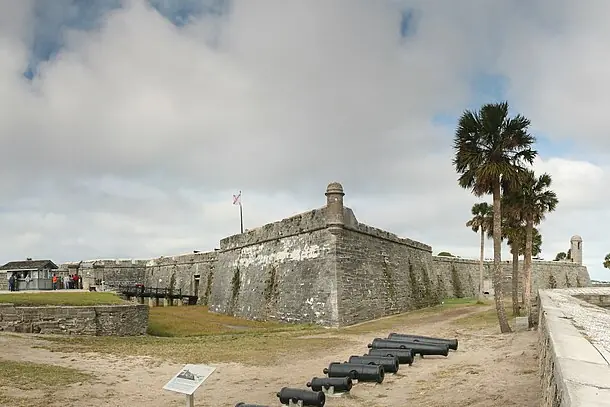
Start at the headline sight — the oldest masonry fort in the continental US, built by the Spanish from coquina (a soft shell-rock that absorbed cannon fire rather than shattering). Walk the gun deck over Matanzas Bay, tour the powder rooms, and time your visit for one of the weekend cannon firings. The National Park rangers are excellent. Allow at least 90 minutes.
The cobbled pedestrian spine of the old town, plus a living-history colonial village.
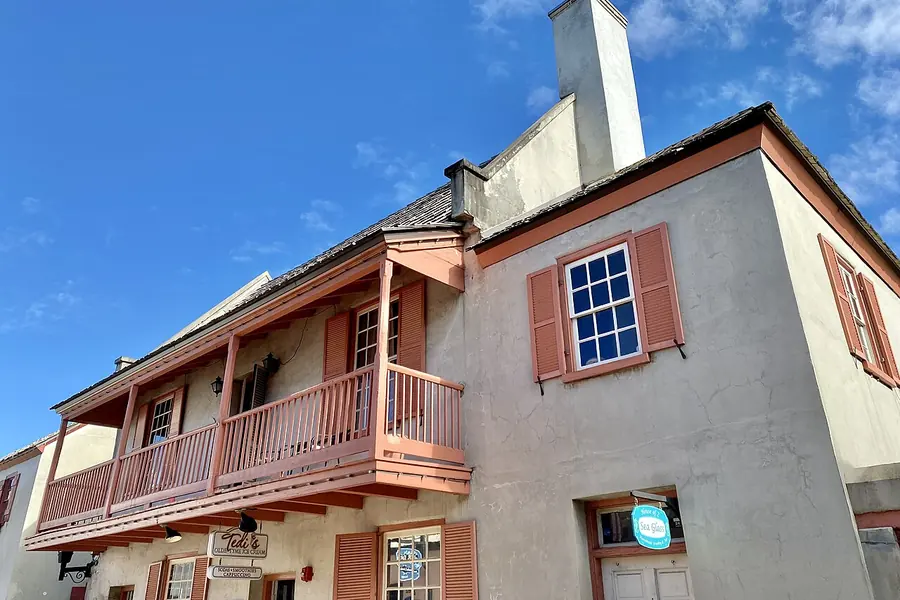
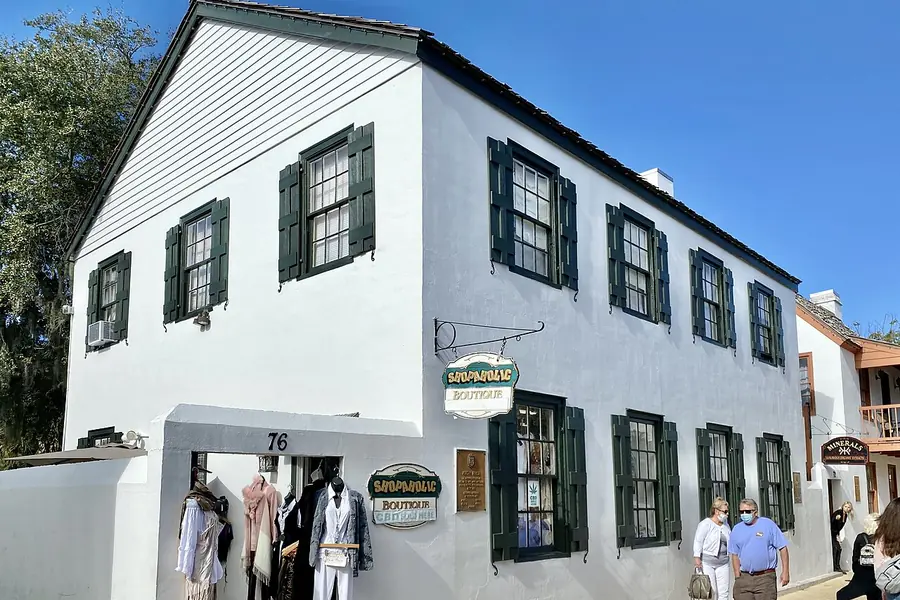
Pedestrianised St George Street is the heart of the historic district — coquina-walled buildings, the old city gate, shops, and the reconstructed Oldest Wooden Schoolhouse. Duck into the Colonial Quarter for living- history demos of 16th- and 18th-century life. It's touristy, yes, but genuinely atmospheric. Grab a Minorcan datil-pepper clam chowder for lunch — a true local specialty.
Stroll the seawall as the marble lions glow and the bay turns gold.
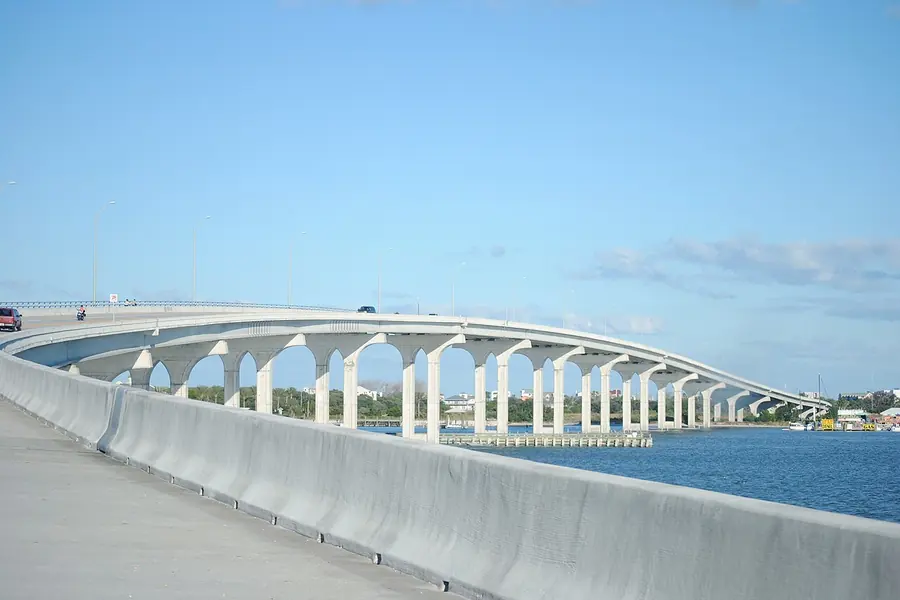
End the first day along the Matanzas Bay seawall, walking out toward the Bridge of Lions — the elegant 1927 drawbridge guarded by twin marble lions. The light over the water and the Castillo at golden hour is the city's best free spectacle. Plenty of bayfront restaurants here for dinner with a view; O.C. White's is the classic choice.
Day 2
The Gilded Age — Flagler's St Augustine
Spanish Renaissance palaces built by a railroad baron
Lightner Museum
A Gilded Age luxury hotel turned museum, set around the indoor pool Tiffany loved.
Henry Flagler's 1888 Hotel Alcazar is now the Lightner Museum, packed with Gilded Age decorative arts, antiques, and curiosities — all in a gorgeous Spanish Renaissance building. The former indoor swimming pool (then the world's largest) is now a café where you can eat surrounded by the original architecture. A genuinely lovely, under-the-radar couple of hours.
Tour a working college that lives inside a jaw-dropping 1888 luxury hotel.
Across the street, the former Hotel Ponce de Leon — Flagler's flagship — is now Flagler College, and student-led tours take you into the breathtaking rotunda and dining hall, lined with the largest collection of Tiffany stained glass in one place. It's astonishing that students eat lunch in here daily. Book the guided tour; the lobby alone is worth it.
Old-school Spanish-Cuban grandeur — the 1905 salad and paella in a tiled courtyard.
Round off the Gilded Age day at the St Augustine outpost of the Columbia, Florida's oldest restaurant — Spanish-Cuban classics like the tableside- tossed 1905 Salad, paella, and a serious sangria, in a tiled, fountain-lit dining room. It leans grand and traditional in the best way. Reserve ahead; it's deservedly popular with locals for special occasions.
Day 3
Anastasia Island — Lighthouse + Beaches
Climb high, then sink into the sand
St Augustine Lighthouse & Maritime Museum
219 steps up a candy-striped tower for the best view in the city, ghost stories included.
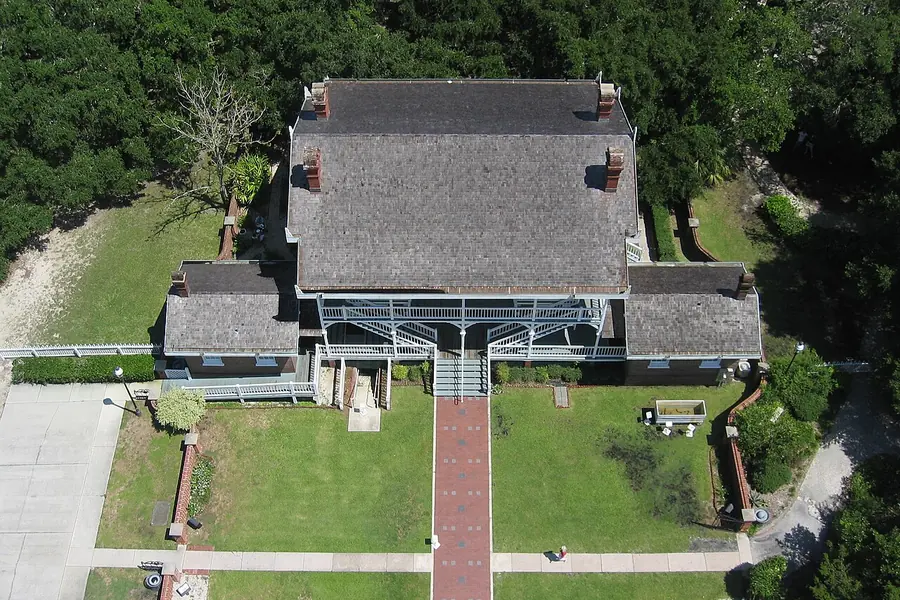
The black-and-white spiral-striped lighthouse on Anastasia Island is a local icon — climb its 219 steps for a sweeping view over the city, the inlet, and the Atlantic. The maritime museum at the base is genuinely good, and the site is famous for its (allegedly) resident ghosts. Go in the morning before the heat and the climb-day crowds.
Four miles of wide Atlantic beach, dunes, and a tidal lagoon for paddleboarding.
Just past the lighthouse, Anastasia State Park protects four miles of unspoiled beach, rolling dunes, and a sheltered tidal lagoon perfect for paddleboarding or kayaking. It's the best beach in the area — natural, spacious, and far nicer than the developed strips. Pack a picnic and shade; there's a small concession but it's basic. Spend the afternoon.
Sunset oysters and grouper on a dock over the Intracoastal, toes-near-the-water casual.
For a late lunch or early dinner, Cap's on the Water sits on a wooden deck over the Intracoastal north of town — raw oysters, fresh grouper, and one of the area's best sunset spots. It's the kind of unpretentious waterfront seafood shack that locals guard jealously. Get there before sunset for a dock table; no reservations, so there may be a short wait.
Day 4
Ghosts, Gators + the Fountain of Youth
Lean all the way into Florida-strange
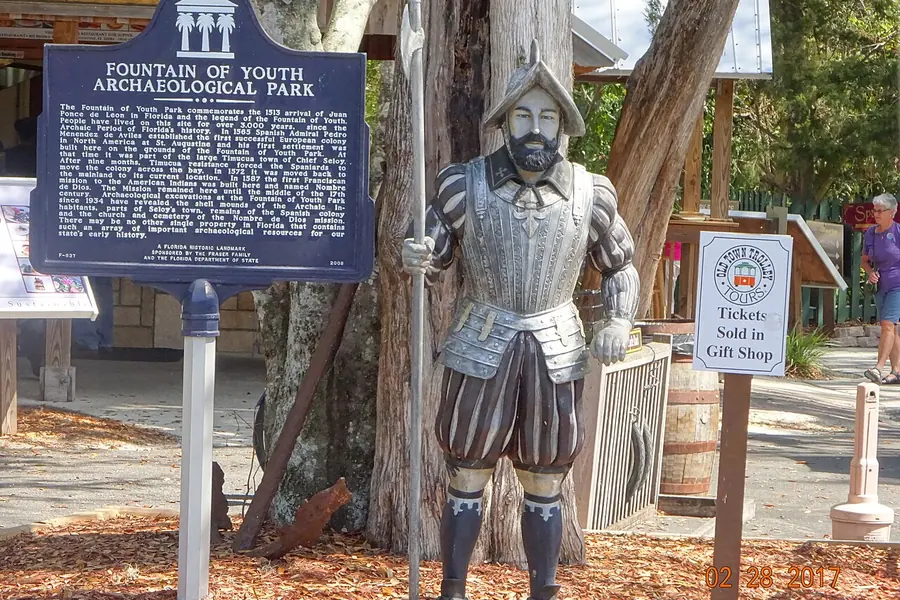
Fountain of Youth Archaeological Park
Sip from Ponce de León's legendary spring at a gloriously old-school roadside park.
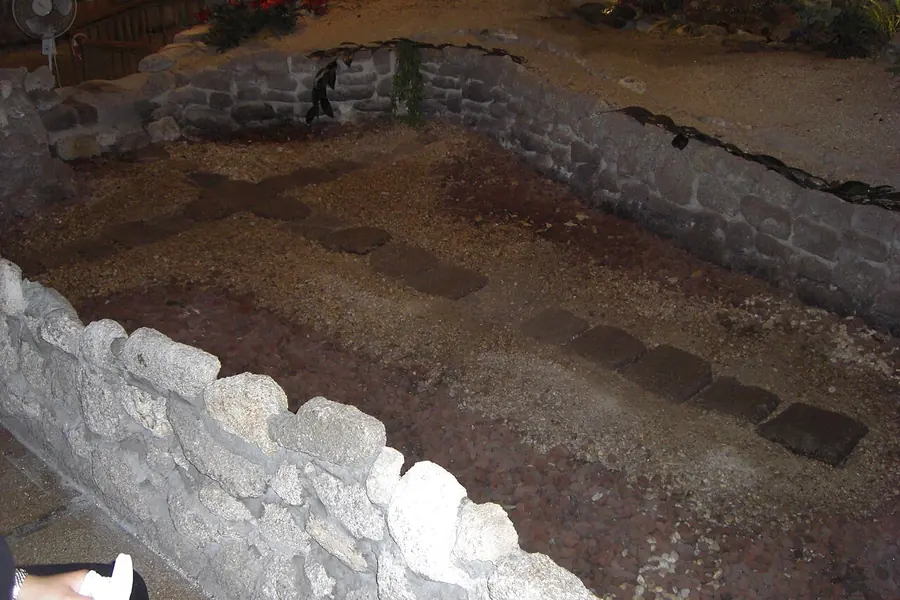
The Fountain of Youth park marks the spot tied to Ponce de León's 1513 landing, and yes, you can drink the sulphurous spring water that supposedly grants eternal youth (it tastes like eggs). Beyond the kitsch, there's real archaeology, a planetarium, peacocks roaming the grounds, and cannon and weapon demos. It's wonderfully, defiantly old-fashioned and a lot of fun.
A 1893 attraction with every crocodilian species on earth and a zipline over the gators.
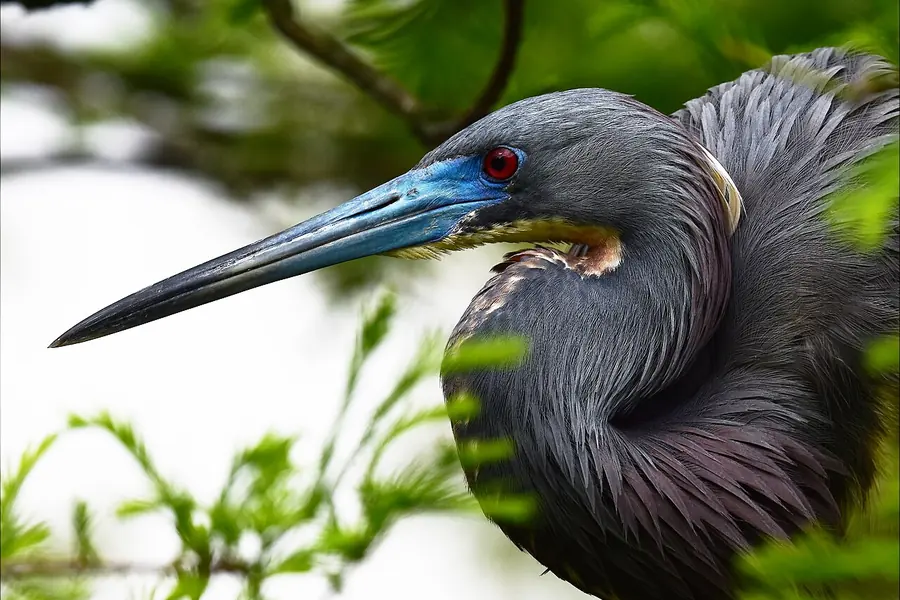
Open since 1893, the Alligator Farm is the only place that displays all living crocodilian species, plus a famous wild rookery where wading birds nest right above the gator lagoon. Brave souls can zipline over the enclosures. It's part old-Florida attraction, part legitimate conservation centre, and a guaranteed hit with kids and reluctant adults alike.
America's oldest city has had four-plus centuries to accumulate ghosts. The tours lean in.
As night falls, St Augustine's signature evening activity is a ghost tour — by lantern-lit walk or vintage trolley — through the cemeteries, old jail, and shadowy lanes of a city with 450 years of death and drama to draw on. It's equal parts genuine history and theatrical spookiness. The walking tours are more atmospheric than the trolleys; book the small-group option.
The locals' laid-back beach across the inlet, with a fishing pier and a town center revival.
Just across the inlet north of the historic district, Vilano Beach is the relaxed, less-touristed alternative — a wide drive-on beach, a fishing pier, and a small revived town center with good casual eats. It's where residents go to escape the downtown crowds. A perfect slow beach morning with fewer people and easier parking.
Miles of pristine, undeveloped Atlantic coast and tidal marsh for hiking and birding.
North toward Ponte Vedra, the Guana reserve protects a stretch of wild, undeveloped barrier-island coast — empty Atlantic beach on one side, tidal marsh and trails on the other. It's superb for hiking, birding, and seeing what this coast looked like before the resorts. Bring water and bug spray; this is genuine Old Florida nature.
The rare oceanfront dining room here — sit by the glass with the surf right there.
The Reef on Vilano Beach is one of the few true oceanfront restaurants in the area — floor-to-ceiling glass onto the Atlantic, fresh local seafood, and a deck for sunset drinks. The food is solid and the setting does the heavy lifting. A relaxed end to a north-coast day; reserve a window table for the view.
Day 6
On the Water + Bayfront Living
See the old city the way it was meant to be seen — from the bay
Matanzas Bay sailing cruise
A schooner cruise past the Castillo and Bridge of Lions — the city's best angle is from the water.
The old city was built around its harbour, and seeing it from the water is a revelation — a sailing or schooner cruise on Matanzas Bay glides past the Castillo, under the Bridge of Lions, and out toward the inlet, often with dolphins alongside. The sunset sail is the most popular; the morning trips are quieter and just as scenic. A lovely, restful morning.
St Augustine Distillery
A restored 1907 ice plant making small-batch bourbon, gin, and rum, with free tastings.
Housed in the city's restored 1907 ice plant, the St Augustine Distillery offers free guided tours and tastings of its small-batch spirits — bourbon, gin, vodka, and rum made from Florida ingredients. The on-site Ice Plant bar does some of the best craft cocktails in town in a gorgeous industrial space. An easy, enjoyable afternoon out of the sun.
O.C. White's — bayfront dinner
Seafood in a 1790s coquina house with a courtyard right on the Matanzas Bay seawall.
O.C. White's occupies a late-1700s coquina mansion right on the bayfront, with a leafy courtyard and a menu of well-done Florida seafood — the datil-pepper shrimp and the catch of the day are reliable. It's a local institution with one of the best settings in town, steps from the seawall. Book a courtyard table on a clear evening.
Day 7
Day Trip + Farewell
One last adventure beyond the city walls
Fort Matanzas National Monument
A free ferry to a tiny 1740s Spanish watchtower fort guarding the southern inlet.
A short drive south, Fort Matanzas is the Castillo's little sibling — a 1740s coquina watchtower on its own island, reached by a free National Park Service ferry across the river. It's small, quick, and wonderfully atmospheric, with a marsh boardwalk and far fewer crowds. The ferry runs on a first-come basis; arrive early to grab a slot.
Marineland Dolphin Adventure
The world's original marine attraction, now a small, intimate dolphin research center.
Continuing south, Marineland — once the world's first oceanarium, opened in 1938 — is now a compact dolphin research and encounter center. You can do a close, small-group dolphin program or simply visit, and it pairs well with the wild beaches of nearby Washington Oaks Gardens State Park and its unusual coquina-rock shoreline. A nice off-beat final adventure.
Collage — farewell dinner
The old town's special-occasion table — global fine dining in an intimate historic room.
End the week at Collage, consistently rated the city's best fine-dining room — an intimate spot in the historic district with a globally inflected menu built on local seafood, prime steaks, and an excellent wine list. It's the considered splurge to bookend a week of history and beaches. Reserve well ahead; the dining room is small and books out.
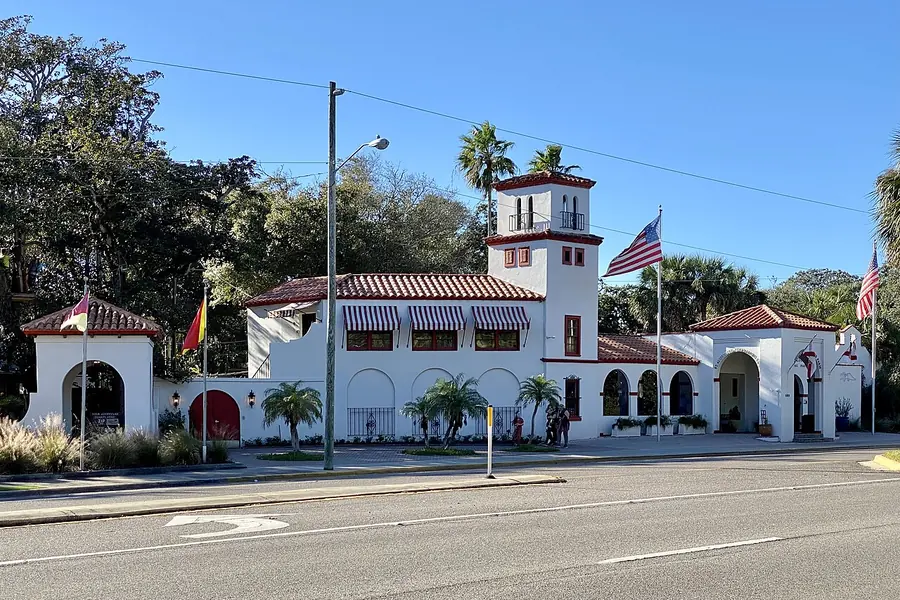
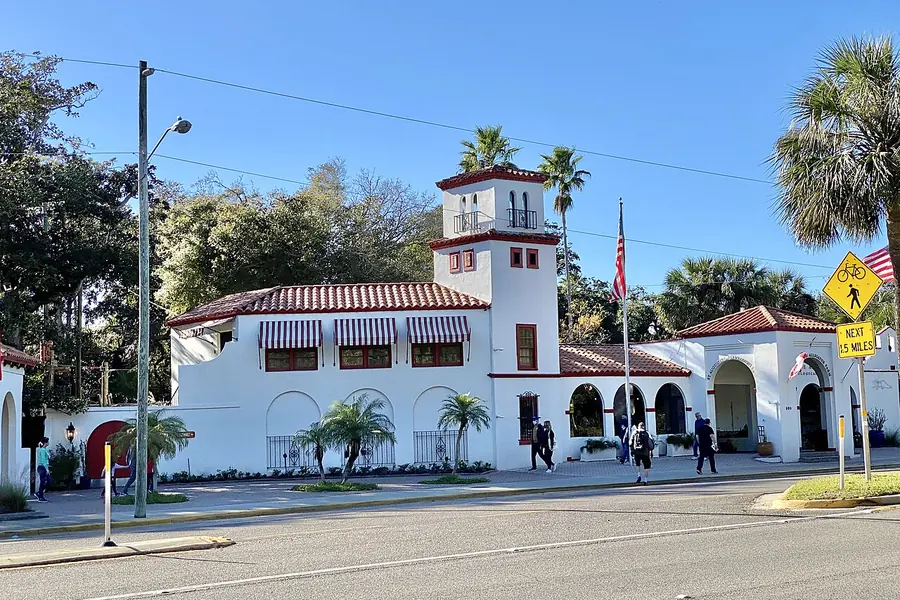
St Augustine is the great surprise of Florida. While the rest of the state is busy with theme parks and high-rise beach condos, this little city on the northeast coast has been quietly being the oldest continuously inhabited European-founded settlement in the country since 1565 — older than Jamestown, older than Plymouth, older than the United States by more than two centuries. It wears that history lightly and everywhere: a Spanish fort on the bay, coquina-walled lanes, and a downtown that two railroad-age fortunes turned into a fantasia of Spanish Renaissance architecture.
The joy of it is the compactness. The historic core is genuinely walkable, the beaches are a five-minute bridge away, and you can fold in real history, old-Florida kitsch, and proper beach time without ever feeling rushed. This itinerary scales to fit. Two days nails the fort, the old city, and the Gilded Age architecture. Three adds the lighthouse and the beaches. Four leans into the ghosts, gators, and the Fountain of Youth. And seven days spreads everything out, adds quieter north beaches, a day on the water, and easy day trips down the coast.
A couple of honest notes. The downtown is touristy in stretches — St George Street in peak season can feel like a gauntlet of fudge shops — but the genuine history is right there underneath it, and the crowds thin the moment you step a block off the main drag. Parking in the historic district is a real headache, so stay close and walk, or use the trolley.
When to Go
Spring (March-May) and fall (October-November) are the sweet spots — warm but not brutal, lower humidity, and the spring festivals and fall Nights of Lights bracketing the calendar nicely.
Summer is hot, humid, and afternoon-thunderstorm-prone, though the beaches are at their best; winter is mild and quiet, with the spectacular Nights of Lights display draping the old town from mid-November through January.
Use the filter above to see exactly which stops apply to your trip length.
This article contains affiliate links marked with rel="sponsored". We may earn a commission at no extra cost to you.