I descended the Initiation Well at Quinta da Regaleira in a thin morning mist, spiralling down nine flights of damp stone into the earth, and at the bottom a small Portuguese girl looked up at me and announced, gravely, that this is where the dragons live. Her father shrugged as if to say, she's not wrong. Sintra is the only place I've been where a child's cosmology and the actual architecture are in complete agreement. The town was built by romantics who refused to grow up, and it shows.
Two days is Pena Palace at opening time, the Quinta da Regaleira's tunnels and well in the afternoon, and the Moorish Castle's ramparts the next morning. Stay overnight in town — the day-trippers from Lisbon vanish by evening and Sintra goes quiet and strange and yours.
Buy palace tickets online with timed slots. Pena sells out its early slots days ahead in season.
72 Hours: Add the National Palace and Monserrate
Three days buys the twin chimneys of the National Palace in the old town, the exquisite gardens of Monserrate, and time to walk between sites through the forest rather than fighting the shuttle bus traffic.
4 Days: Sintra Plus the Wild Coast
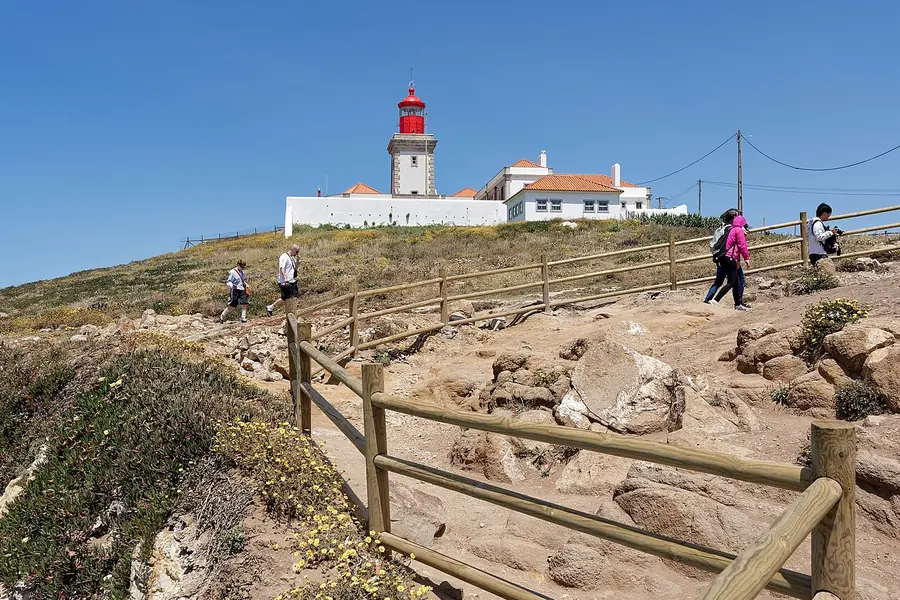
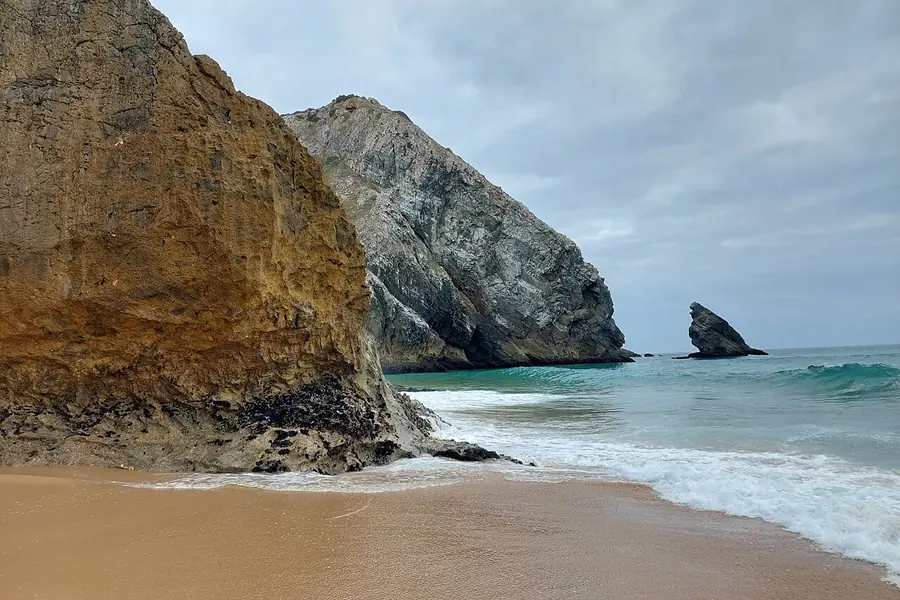
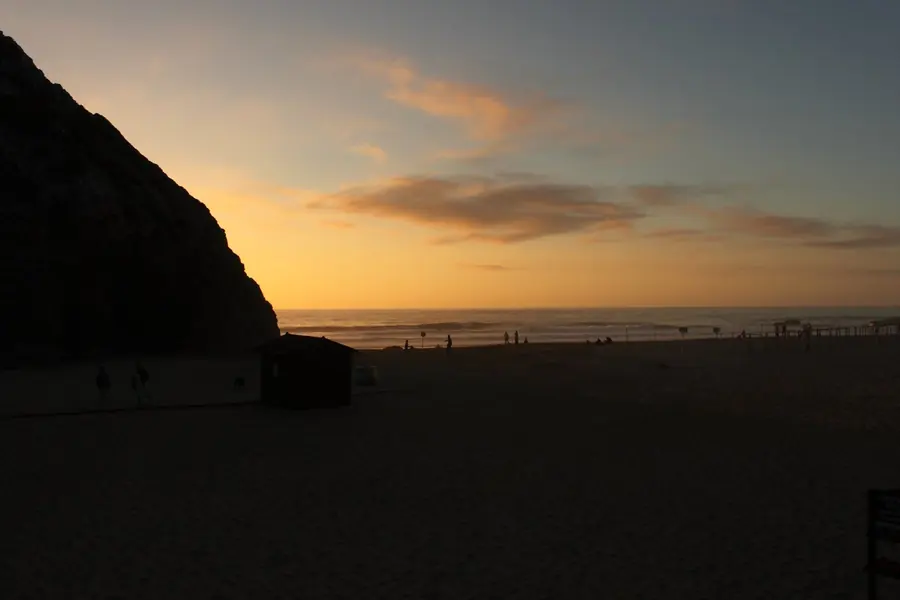
Four days lets you reach Cabo da Roca — the westernmost point of mainland Europe — and the beaches at Praia das Maçãs and Adraga, where the Atlantic crashes in cold and theatrical and nobody's wearing a lanyard.
7 Days: Living in the Romantic Daydream
A week and you've done the coast, the lesser palaces, Cascais down the line, and learned the rhythm of mist that burns off by noon. You'll have found a tasca the tour buses miss and eaten travesseiros warm from the oven at Piriquita more times than you'll admit.
Estimated budget:$220-$440
Estimated budget:$330-$660
Estimated budget:$440-$880
Estimated budget:$770-$1,540
[ THE DISPATCH · FIELD MAP ]
A tilted, hand-drawn dispatch of Sintra. Click a quarter to explode it open.
0 / 6 quarters explored
Legend · tap to highlight
[ SINTRA-VILA (OLD TOWN) ]
Old stones, older stories.
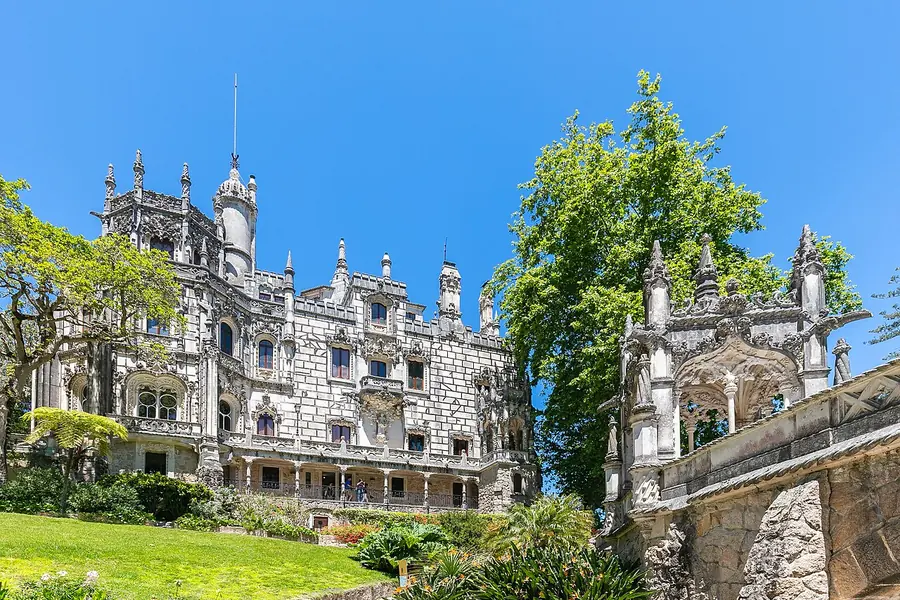
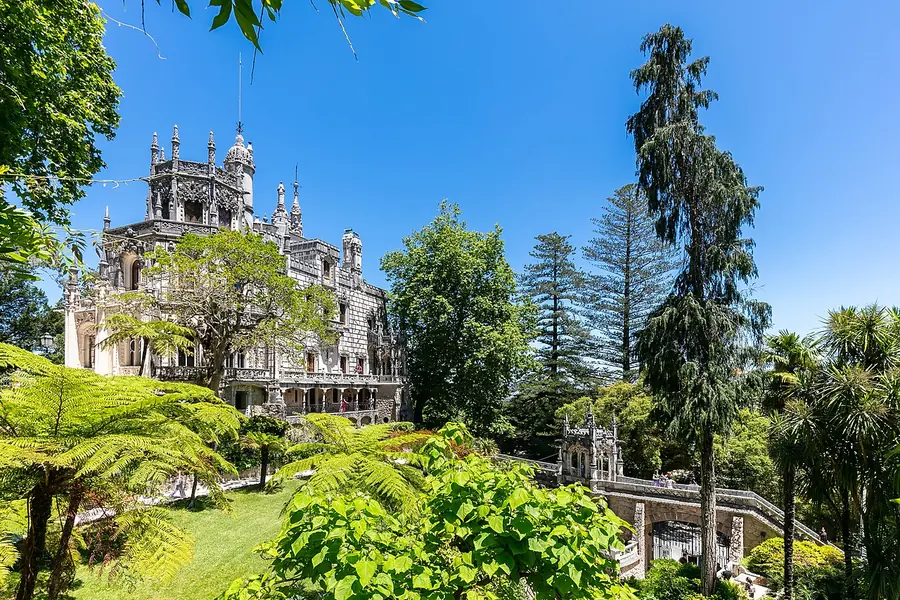
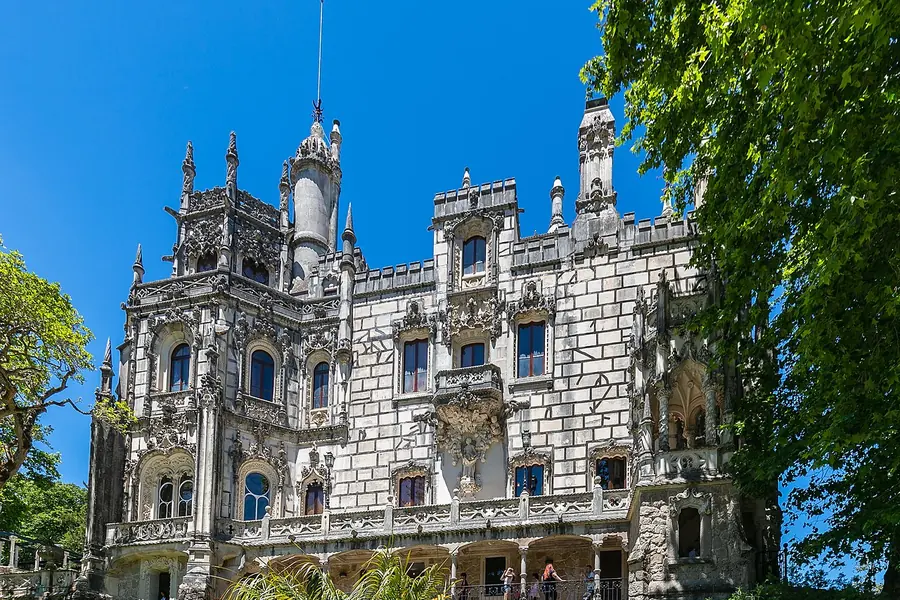
Quinta da RegaleiraAn esoteric garden of grottoes, towers, and a spiralling well into the underworld.
Sintra-Vila (Old Town)Cobbled lanes, tile facades, and the warm pillow pastries everyone queues for.
[ PENA & THE HILLTOP ]
Green breathing room.
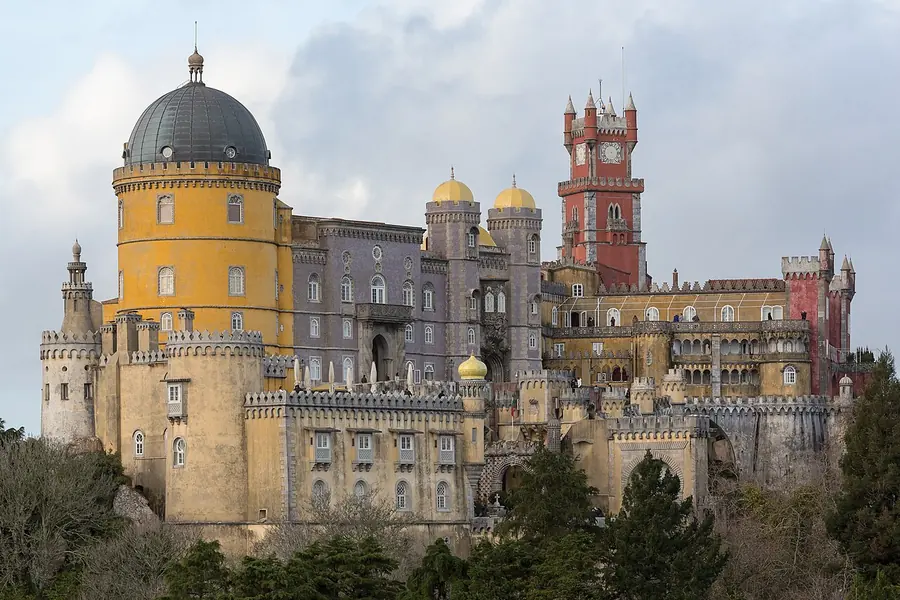
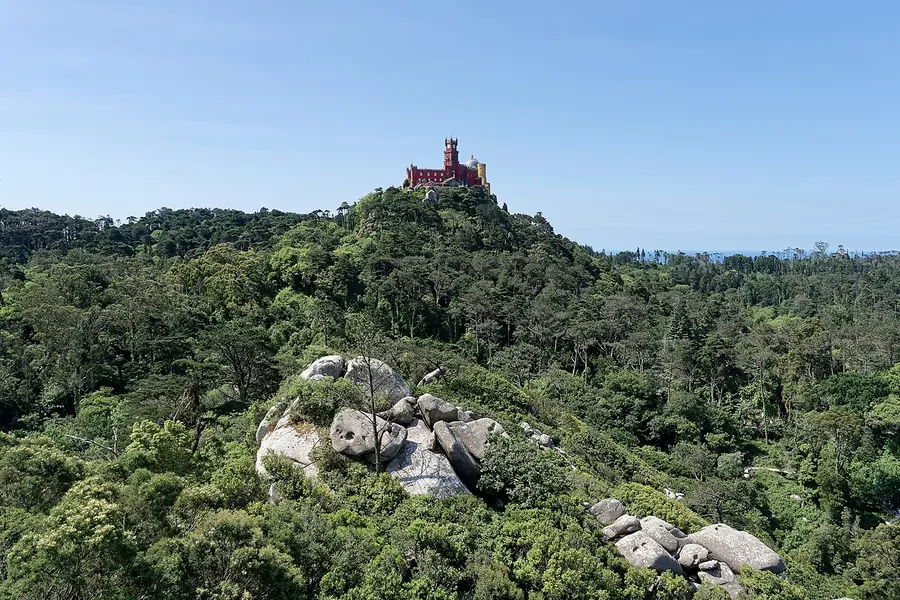
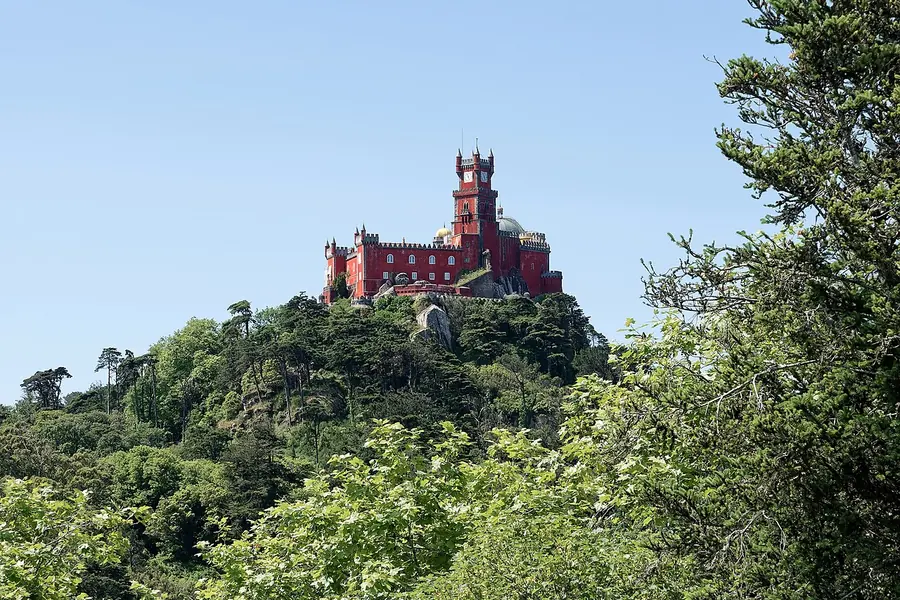
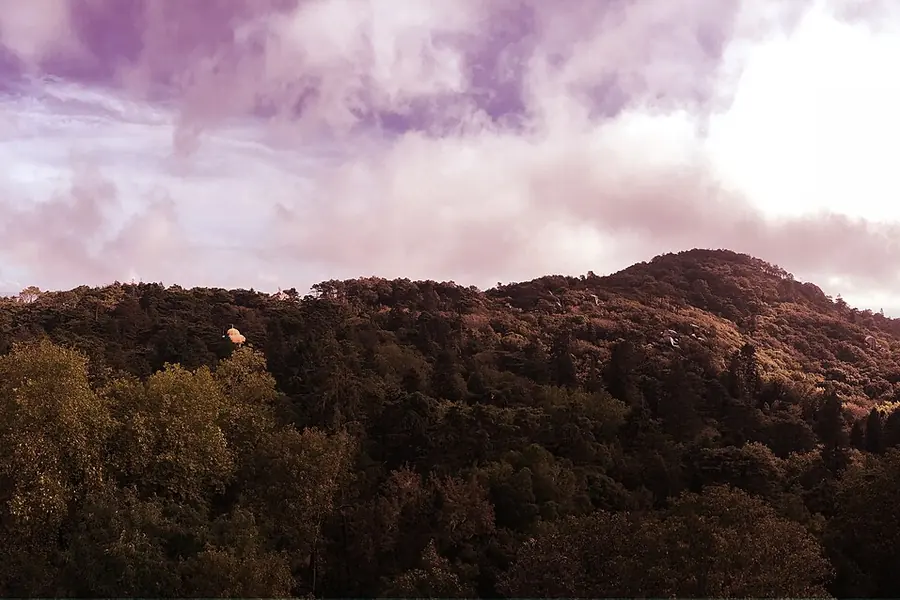
Pena PalaceA candy-coloured 19th-century fantasy castle floating above the clouds.
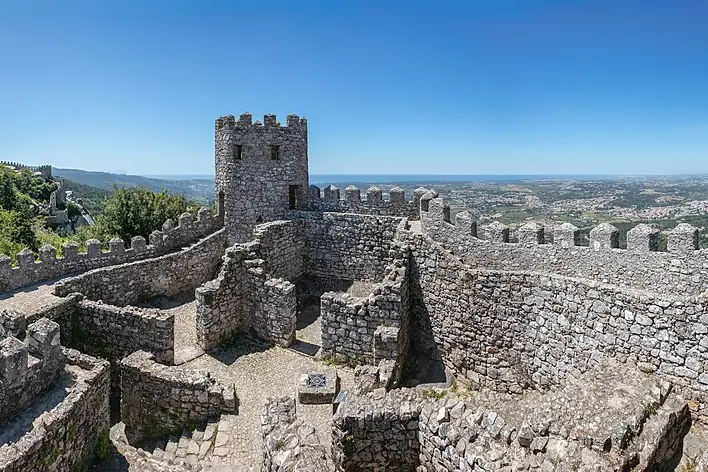
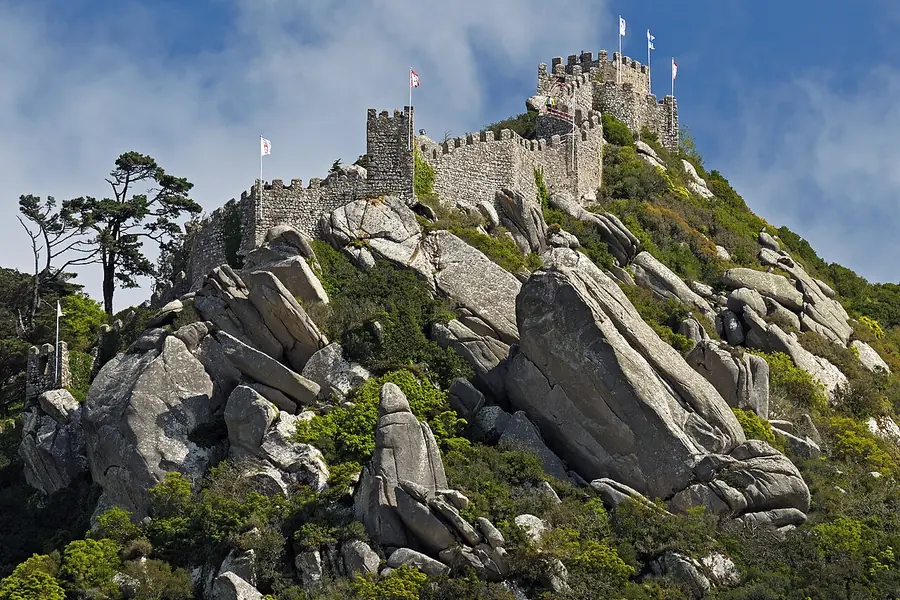
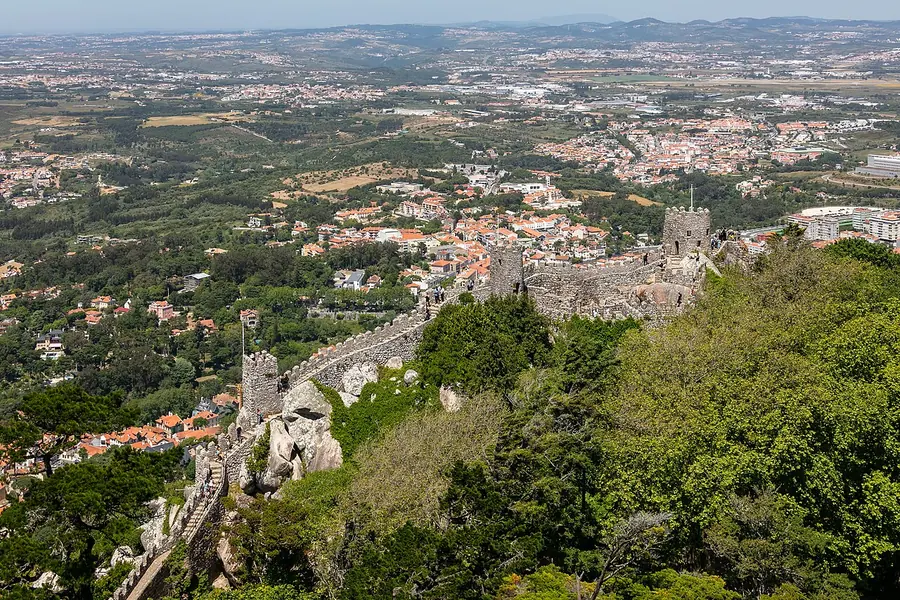
Castle of the MoorsRuined 8th-century ramparts snaking along the ridge — a Great Wall in miniature.
[ MONSERRATE ]
Green breathing room.
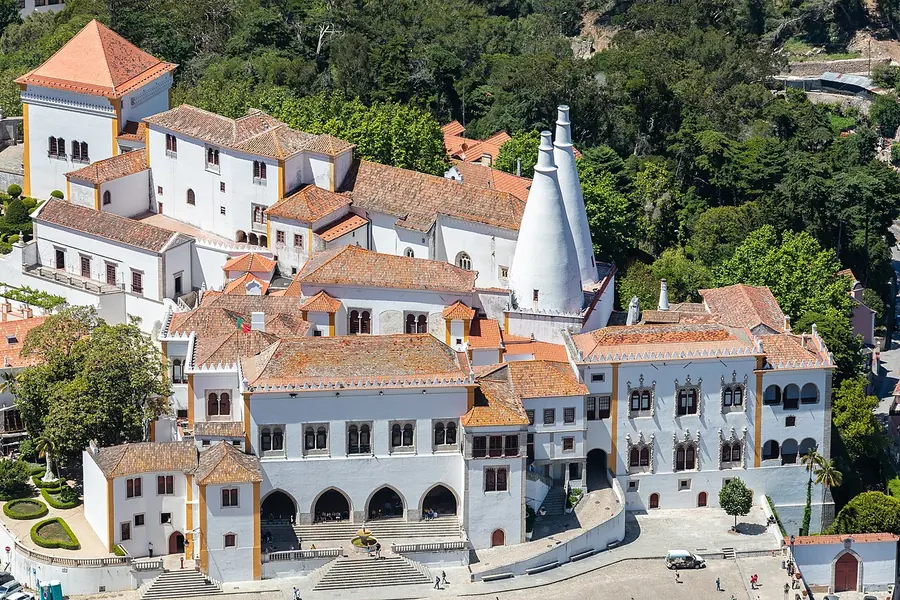
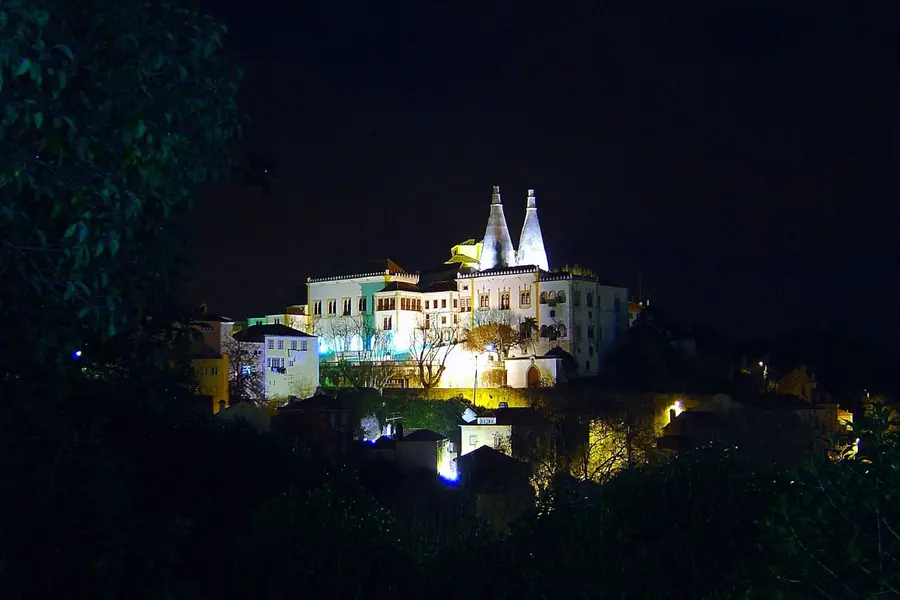
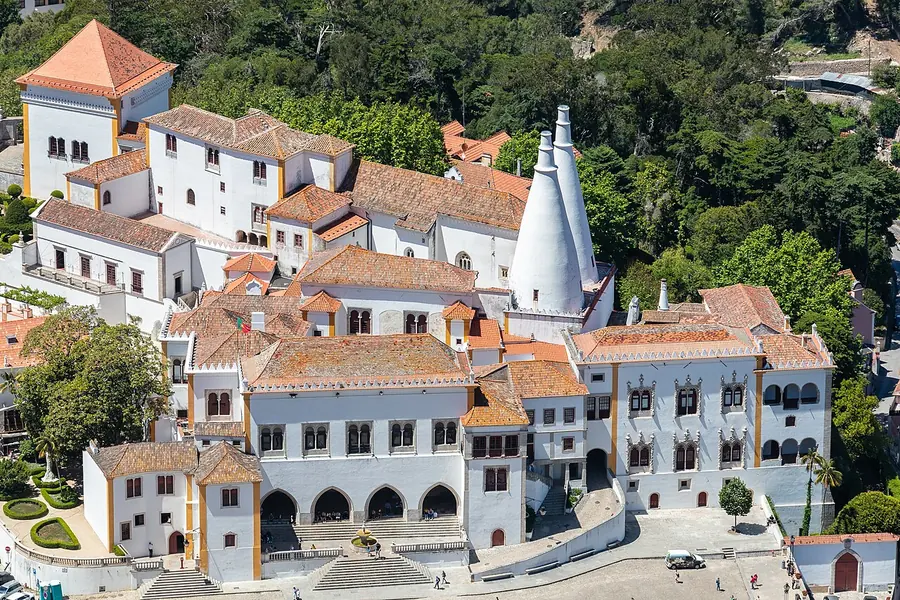
Sintra National PalaceTwo giant conical chimneys mark the oldest royal palace in Portugal.
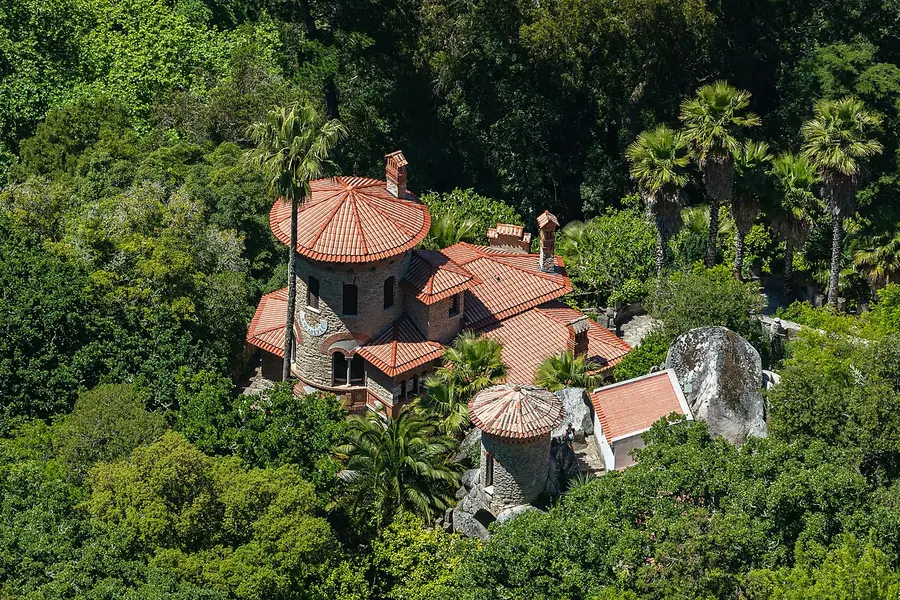
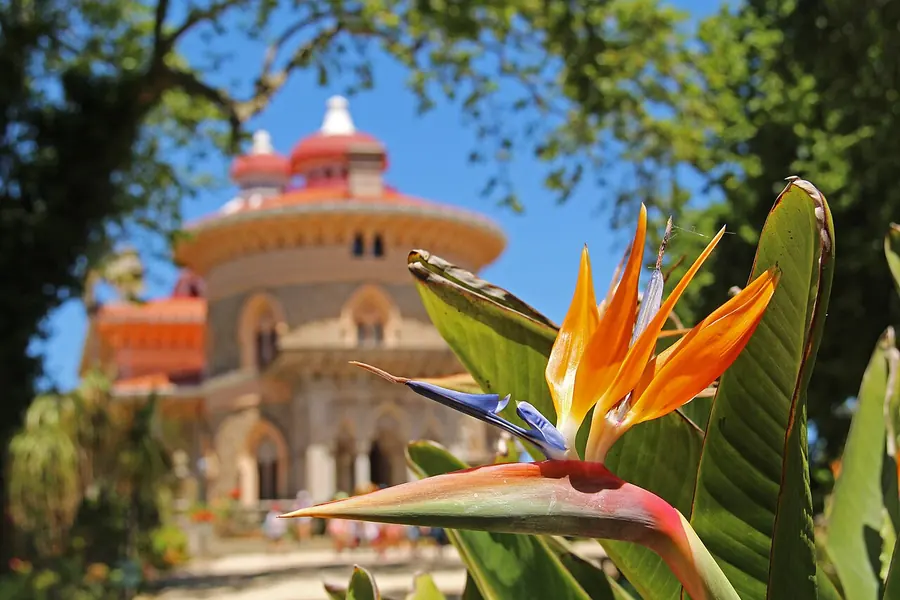
Monserrate Palace & gardensA Mughal-inspired villa in a botanical garden that locals quietly call the best.
[ SERRA DE SINTRA ]
Green breathing room.
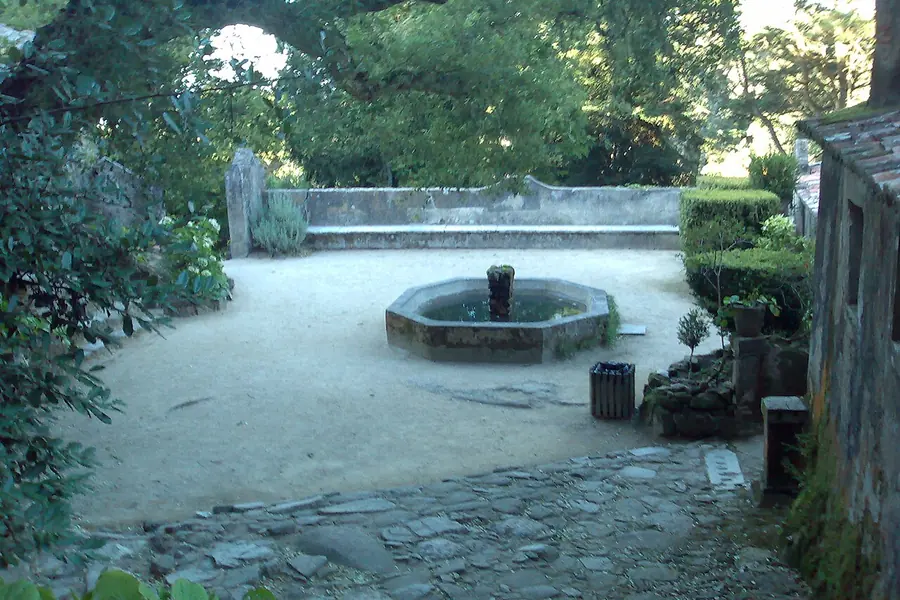
Convento dos CapuchosA tiny cork-lined hermitage where 16th-century monks lived in poverty.
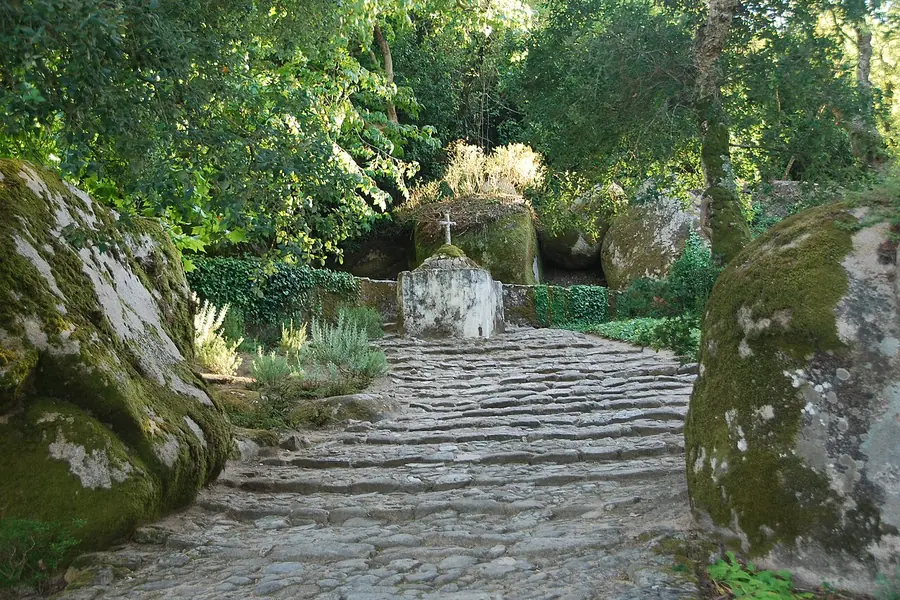
Serra de Sintra forest walkMossy paths, springs, and dripping ferns under the palaces.
[ ATLANTIC COAST ]
Boats, bridges and reflections.
Cabo da RocaThe westernmost point of mainland Europe — windswept cliffs and a lighthouse.
Praia da AdragaA spectacular cliff-backed beach with one excellent seafood restaurant.
[ CASCAIS LINE ]
Where the city meets the water.
CascaisA former fishing village turned elegant seaside resort, easy by train.
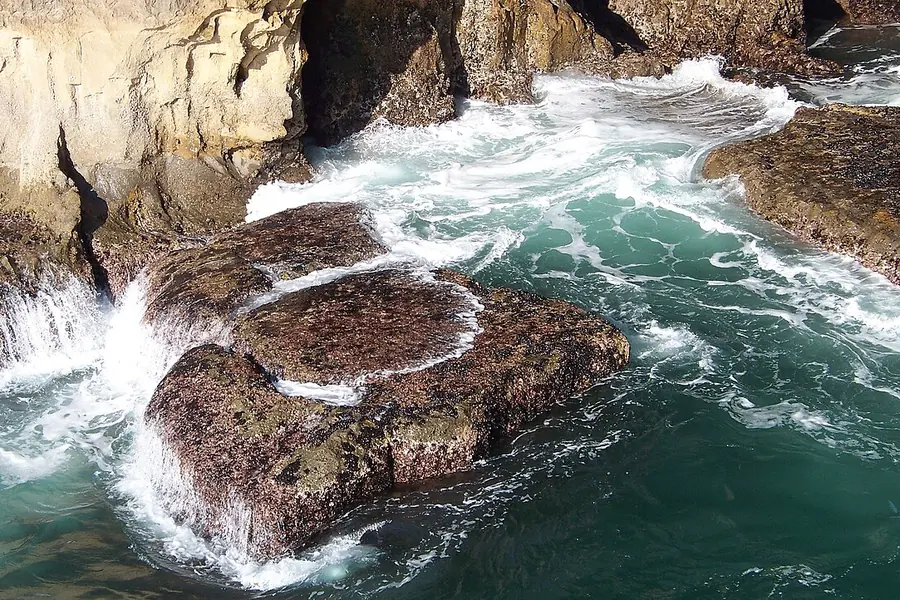
Boca do InfernoThe 'Mouth of Hell' — a sea chasm where the Atlantic explodes through rock.
Day 1
Pena Palace + Moorish Castle
The hilltop fantasy, climbed before the crowds
Pena Palace
A candy-coloured 19th-century fantasy castle floating above the clouds.
The wild red-and-yellow Romanticist palace (around 20 euros, timed entry) is the icon of Sintra — a mad collage of Moorish domes, Gothic gargoyles, and tile work, built by King Ferdinand II. Book the earliest slot online; by midday the queues are brutal and the mist may have burned off the magic.
Ruined 8th-century ramparts snaking along the ridge — a Great Wall in miniature.
A ten-minute walk from Pena, these restored Moorish battlements (around 12 euros) ribbon along the hilltop with vertiginous views over the town and out to the sea. Fewer crowds than Pena, more actual history, and a proper leg workout along the walls.
Secret tunnels, the Initiation Well, and the village heart
Quinta da Regaleira
An esoteric garden of grottoes, towers, and a spiralling well into the underworld.
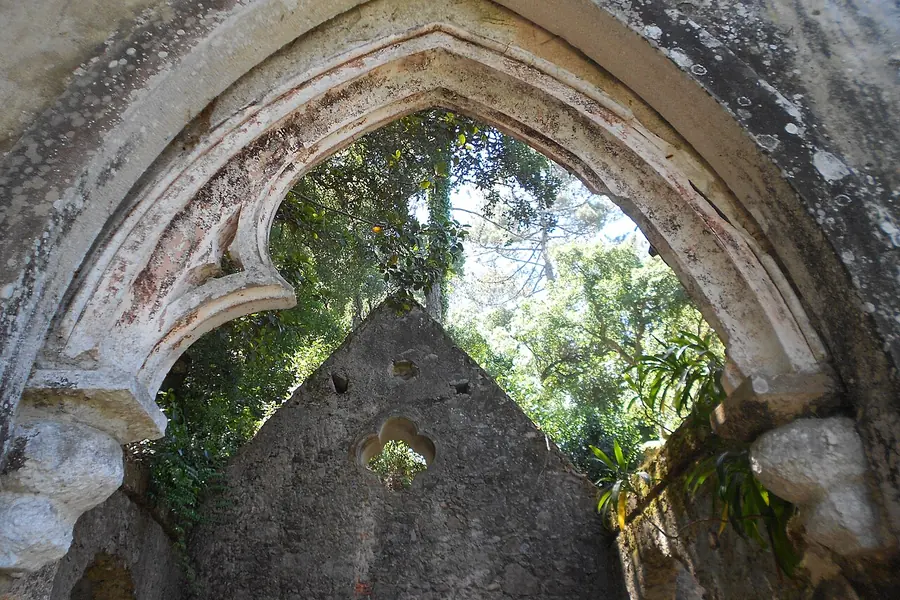
The most atmospheric site in Sintra (around 12 euros): a neo-Manueline estate riddled with Masonic and alchemical symbolism, hidden tunnels, and the famous Initiation Well you descend in a spiral. Go early, before the tunnels turn into a single-file shuffle. Allow two hours and a torch on your phone.
Cobbled lanes, tile facades, and the warm pillow pastries everyone queues for.
The historic village core is small, steep, and gorgeous. Get a travesseiro and a queijada from Piriquita — pastries Sintra has made for over a century. Wander the lanes off the main square where the day-trippers thin out. Lunch at a tasca rather than a tourist terrace.
The royal town palace and the most beautiful garden in Portugal
Sintra National Palace
Two giant conical chimneys mark the oldest royal palace in Portugal.
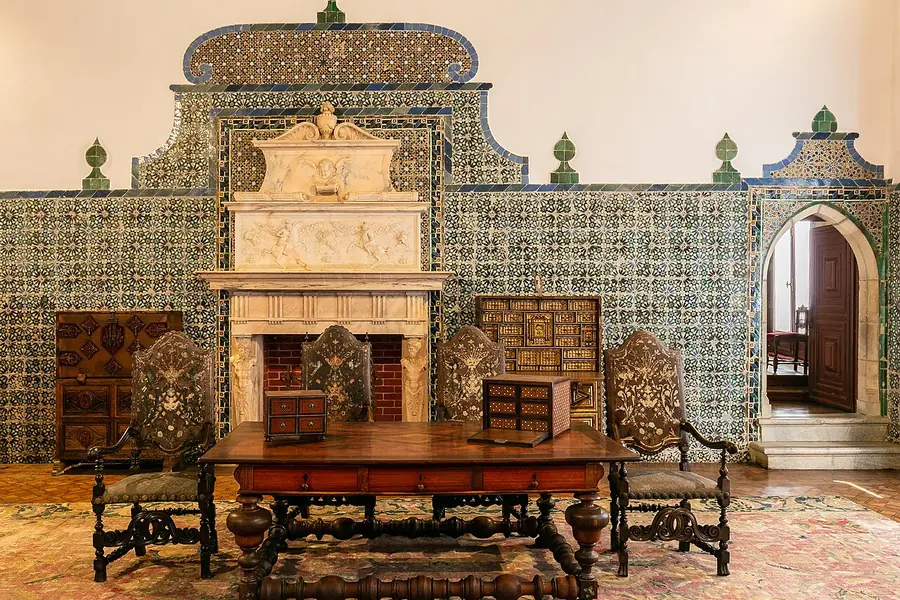
Right in the old town, the National Palace (around 13 euros) is unmistakable thanks to its enormous kitchen chimneys. Inside, the tiled Magpie and Swan rooms are among the finest azulejo interiors in the country. Smaller and quieter than the hill palaces, and centuries older.
A Mughal-inspired villa in a botanical garden that locals quietly call the best.
A few kilometres out, Monserrate (around 12 euros) has a delicate Romantic palace with intricate plasterwork set in lush subtropical gardens. It draws a fraction of Pena's crowds and is arguably more beautiful. The gardens alone are worth the bus ride.
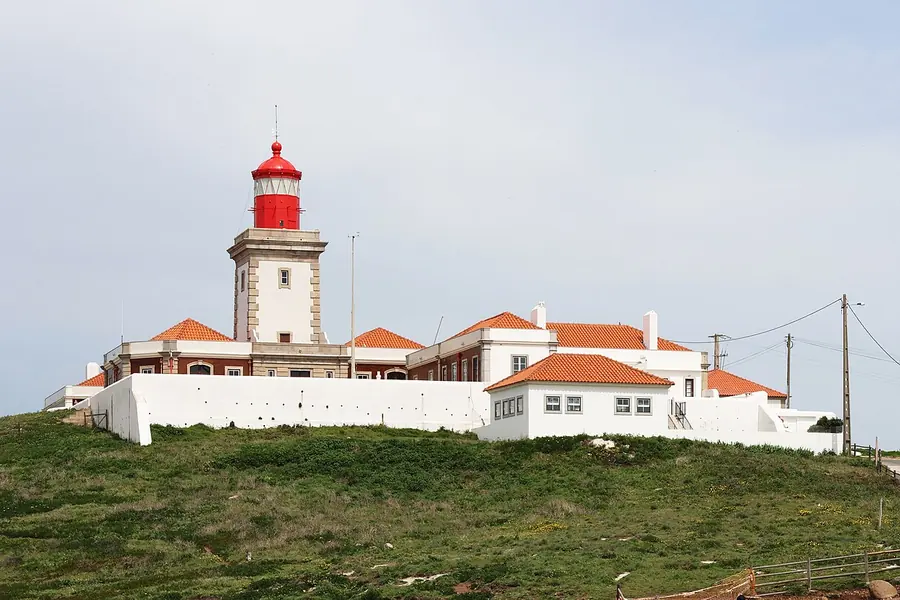
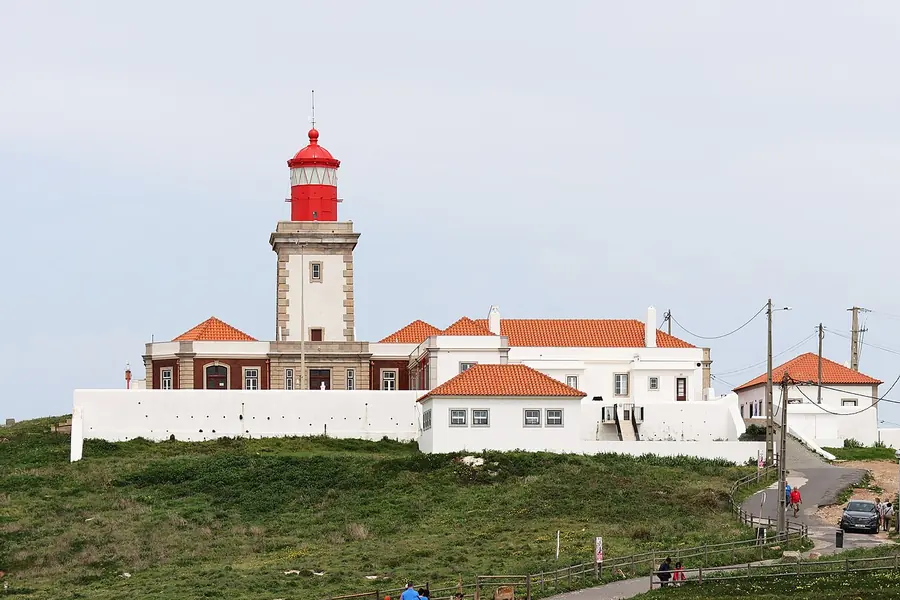
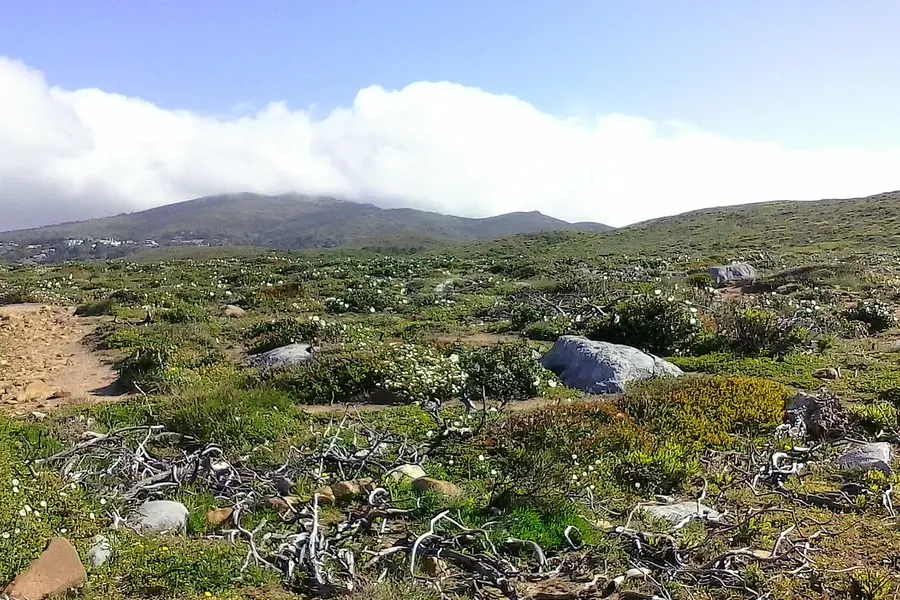
The westernmost point of mainland Europe — windswept cliffs and a lighthouse.
A dramatic, blustery headland where the continent runs out into the Atlantic. There's a stone marker, a lighthouse, and a certificate you can buy proving you stood here. Free to visit; bring a jacket because the wind is relentless even in July.
A spectacular cliff-backed beach with one excellent seafood restaurant.
A wild, sea-stack-framed beach near Almoçageme, far less busy than the resort beaches. The beachfront restaurant does superb grilled fish and percebes (goose barnacles). Cold water, big surf, perfect long lunch. This is the coast locals keep for themselves.
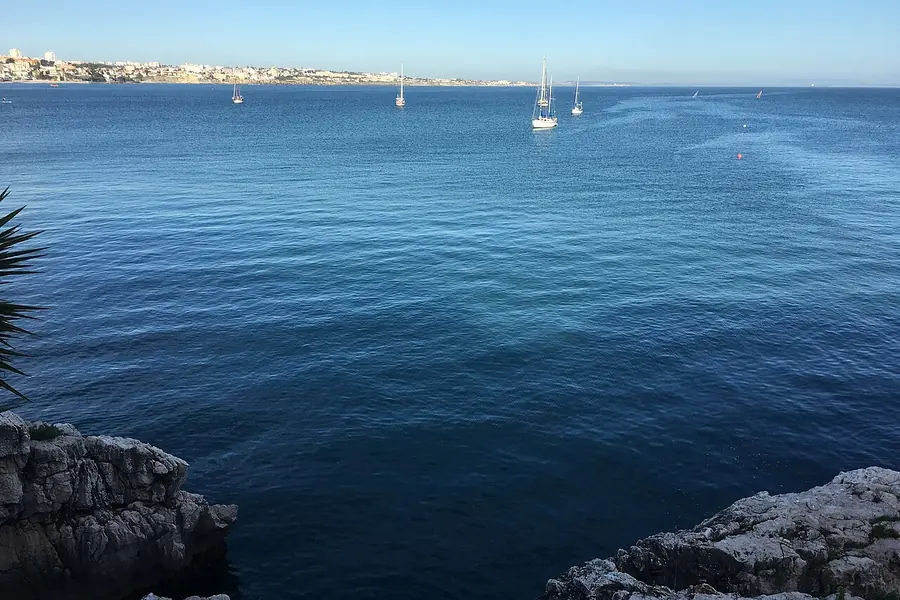
A former fishing village turned elegant seaside resort, easy by train.
A relaxed, pretty coastal town with a marina, a fortress, sandy bays, and the dramatic Boca do Inferno blowhole nearby. Rent a bike along the seafront to Guincho. Lunch on fresh fish at the market restaurants. A breezy change from Sintra's misty hills.
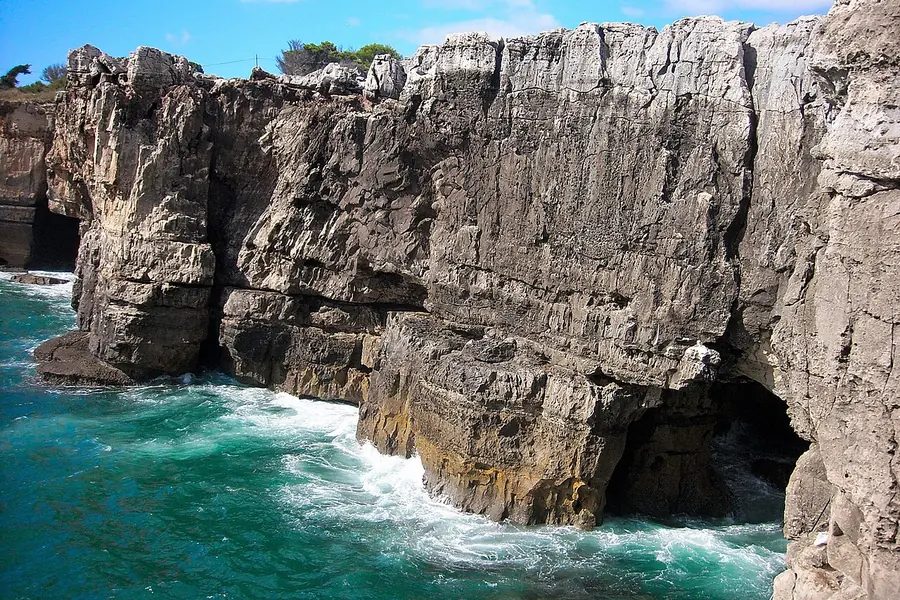
The 'Mouth of Hell' — a sea chasm where the Atlantic explodes through rock.
A short walk or cycle from Cascais, this collapsed sea cave roars when the swell is up. Free, dramatic, and worth timing for a rough sea. Combine with a coastal walk and an ice cream back in town.
A tiny cork-lined hermitage where 16th-century monks lived in poverty.
The most haunting site in Sintra: a minuscule Franciscan friary carved into rock and boulders, its cells lined with cork for warmth (around 8 euros). It's remote, eerie, and almost empty. You crawl through doorways built for a hard, humble life. Bring a taxi or your own wheels; transit is sparse.
Mossy paths, springs, and dripping ferns under the palaces.
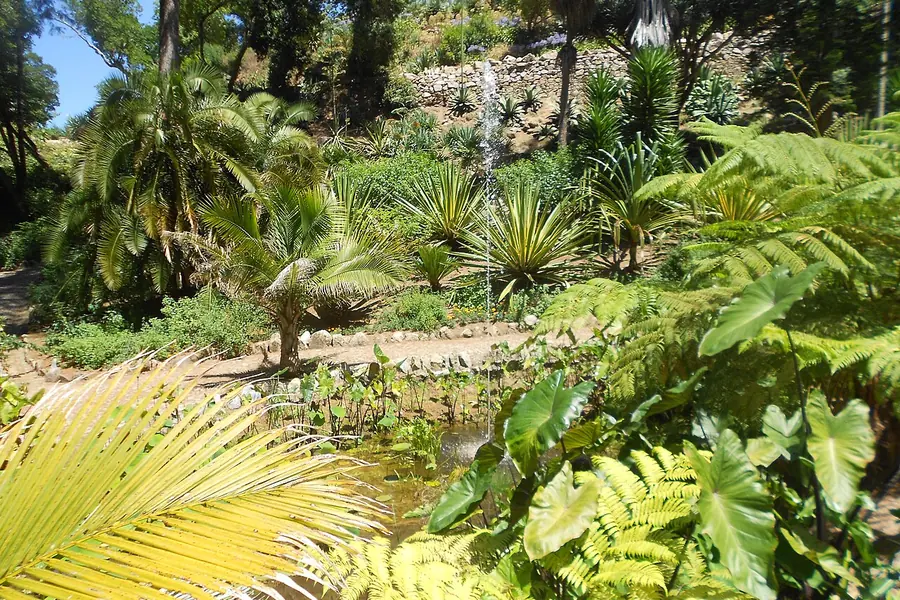
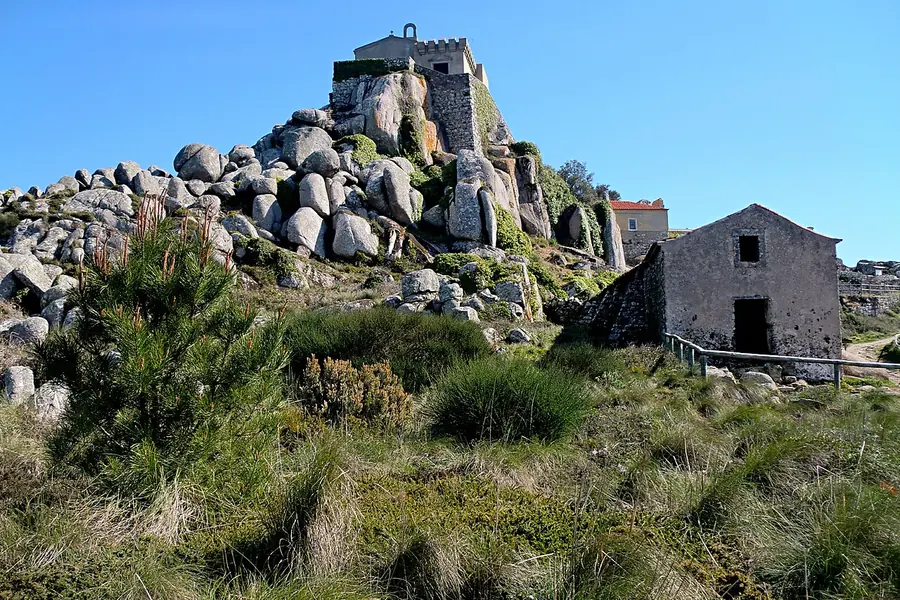
The whole hill is a UNESCO cultural landscape laced with walking trails through dense, almost rainforest-like woodland. Walk a section between the palaces and you trade shuttle-bus fumes for birdsong and the smell of eucalyptus. Free, and the real Sintra.
Day 7
Slow Sintra — Pastries, Lanes, Goodbye
The last day of anything done properly
Final pastries at Piriquita
The travesseiro warm from the oven — the correct way to begin a last day.
Beat the queue at the original Piriquita on Rua das Padarias for a travesseiro (flaky almond-cream pillow) and a bica. It's been serving these since 1862 and tastes like it. Sit, eat, watch the village wake up before the buses arrive.
Vila Sassetti garden path
A quiet landscaped trail winding down from the hills into town.
A free, beautifully designed walking path that drops from near the Moorish Castle down through gardens and a Romantic villa estate back into Sintra-Vila. Almost no one uses it. A perfect, gentle, downhill farewell to the Serra before you head for the station.
Sintra is what happens when a country lets its romantics run unsupervised with a building budget. In the 19th century, kings, eccentric aristocrats, and at least one Brazilian coffee magnate looked at this misty, forested hill above Lisbon and decided to build their wildest architectural daydreams on it. The result is a small town carrying an absurd density of palaces, follies, and esoteric gardens — and a UNESCO listing for the whole cultural landscape. Lord Byron called it a glorious Eden, and for once the hyperbole undersells it.
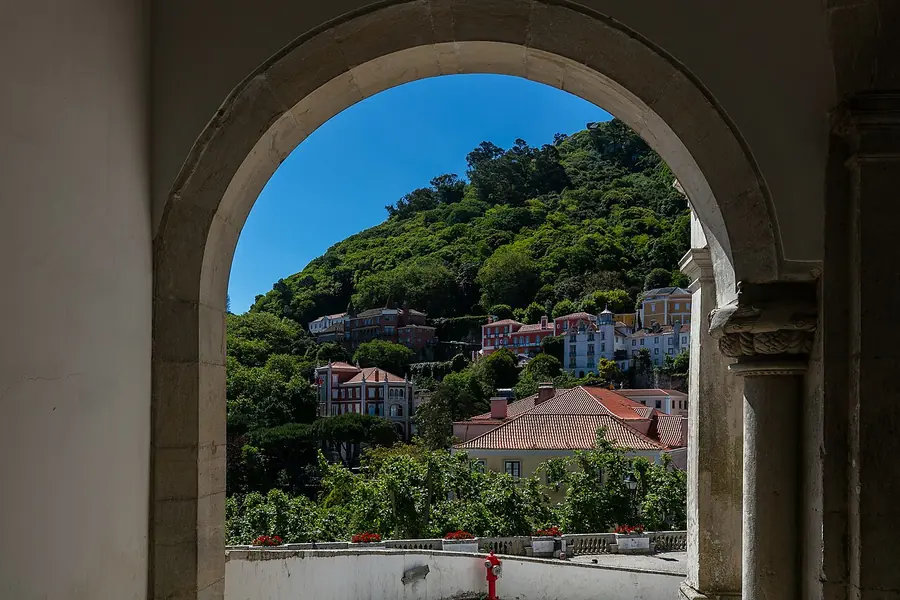
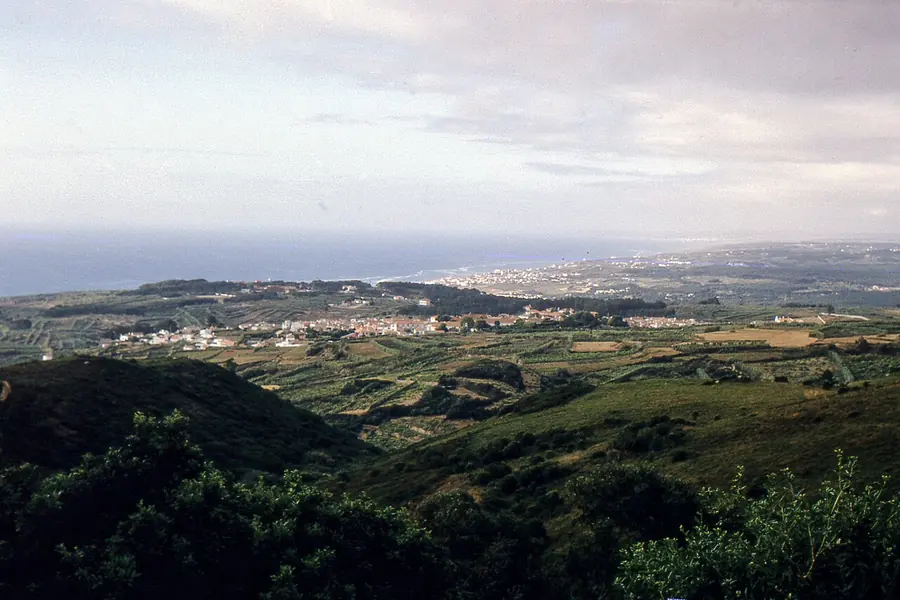
The geography is a steep, green ridge with the old village (Sintra-Vila) at its foot and the fantasy sites scattered up and across the hills: Pena and the Moorish Castle on the high ridge, Monserrate further west, the Atlantic coast beyond. The hill traffic is genuinely bad, so plan around the 434 and 435 shuttle buses, or walk the forest paths between sites — often faster and infinitely nicer. Critically: stay overnight. As a Lisbon day trip Sintra is a stressful queue. As a base, with early palace slots and quiet evenings, it’s sublime.
This itinerary front-loads the must-sees at opening time and saves the coast, the lesser palaces, and the forest for the longer stays. The 2/3/4/7-day versions add the wild Atlantic edge, Cascais, and the eerie cork hermitage most visitors never reach.
Where to Stay in Sintra
Area
Vibe
Best For
Sintra-Vila
Cobbled, central, atmospheric
First-timers wanting to walk everywhere
Estefânia
Near the station, practical
Easy train arrivals and value
São Pedro
Local, quieter, good tascas
Travellers who want fewer crowds
Coast (Praia das Maçãs)
Beachy, breezy
Longer stays mixing palaces and sea
This article contains affiliate links marked with rel="sponsored". We may earn a commission at no extra cost to you.