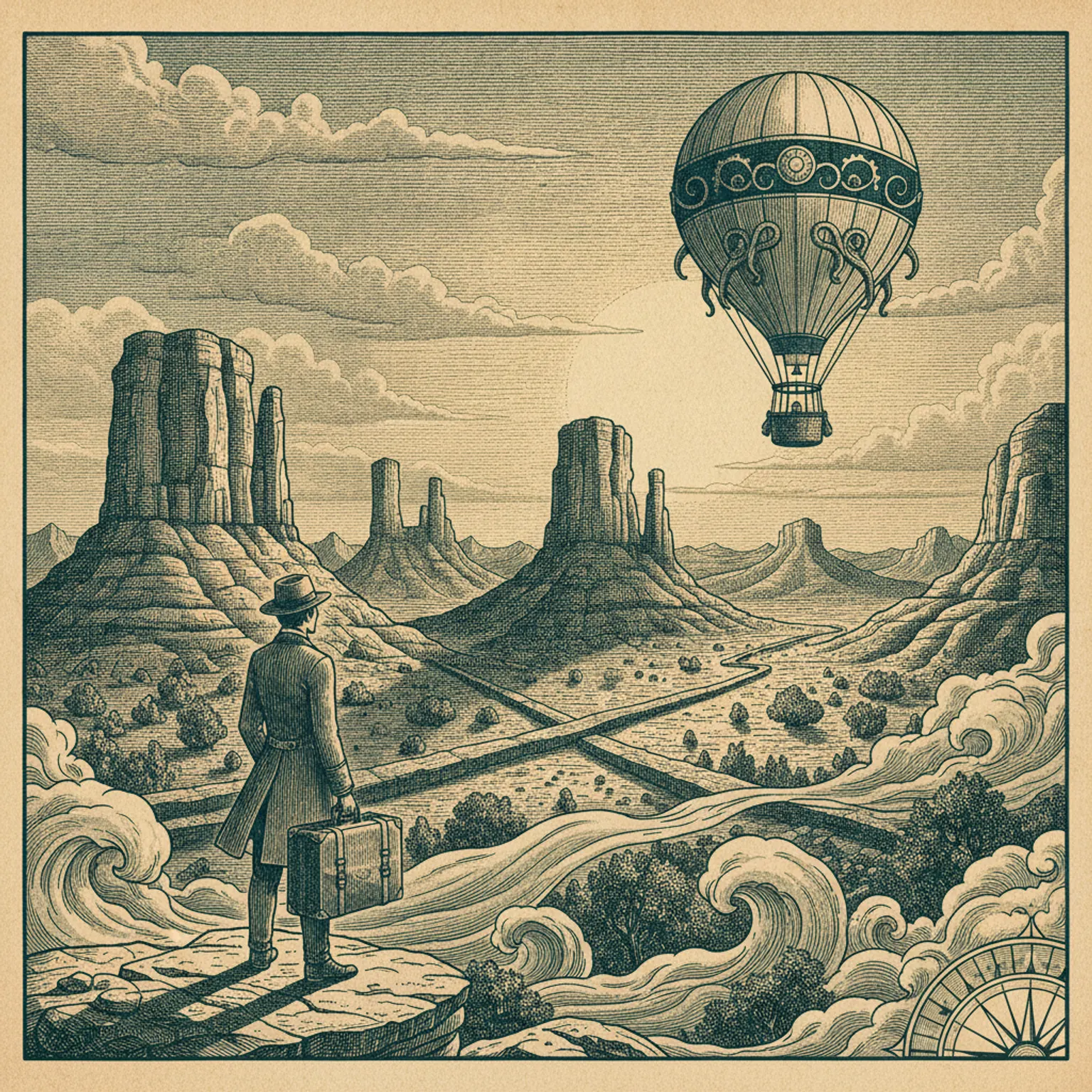
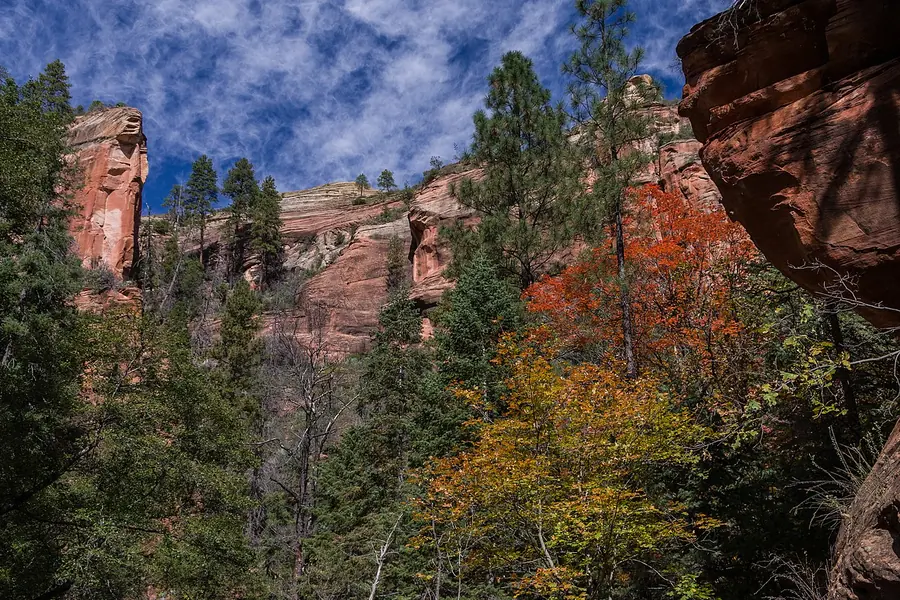
A woman at a Sedona trailhead told me, with total sincerity, that the rocks were "recalibrating my chakras." I was sceptical until I climbed Cathedral Rock at sunset and stood in light so absurdly golden it felt rude not to feel something. I don't know about vortexes. I do know I left calmer than I arrived.
Two days is Cathedral Rock at sunset, a vortex or two, and the scenic drive that ruins all future scenic drives. You won't hike everything. You'll see enough to start saying "the light here is different" to people who didn't ask. Book a permit shuttle if visiting Cathedral Rock.
Reserve the Cathedral Rock / Soldier Pass trailhead shuttle in advance.
72 Hours: Add Devil's Bridge & the Canyon
Three days adds the Instagram-famous Devil's Bridge and a drive up Oak Creek Canyon, the cool green counterpoint to all that red rock. You leave with sore calves and a camera roll you'll be insufferable about.
4 Days: Jeeps, Ruins & Wine
Four days makes room for a pink-Jeep backcountry tour, ancient cliff dwellings, and the surprisingly good wine country down in the Verde Valley. Sedona is more than its trailheads. Drink the local Syrah and find out.
7 Days: Grand Canyon, Stargazing & the Full Red-Rock Life
A week reaches the Grand Canyon, dark-sky stargazing, and slow mornings with coffee facing Snoopy Rock. You'll develop a favourite trail, a favourite taco, and a deeply held opinion about the best sunset spot.
Estimated budget:$320–$540 est. (1 hotel night, meals, shuttle/permits, fuel)
Estimated budget:$480–$780 est. (2 nights, canyon drive, trail permits, dinners)
Estimated budget:$700–$1,150 est. (3 nights, Jeep tour, wine tasting, ruins)
Estimated budget:$1,400–$2,400 est. (full week, mid-range lodging, Grand Canyon day, tours)
[ THE DISPATCH · FIELD MAP ]
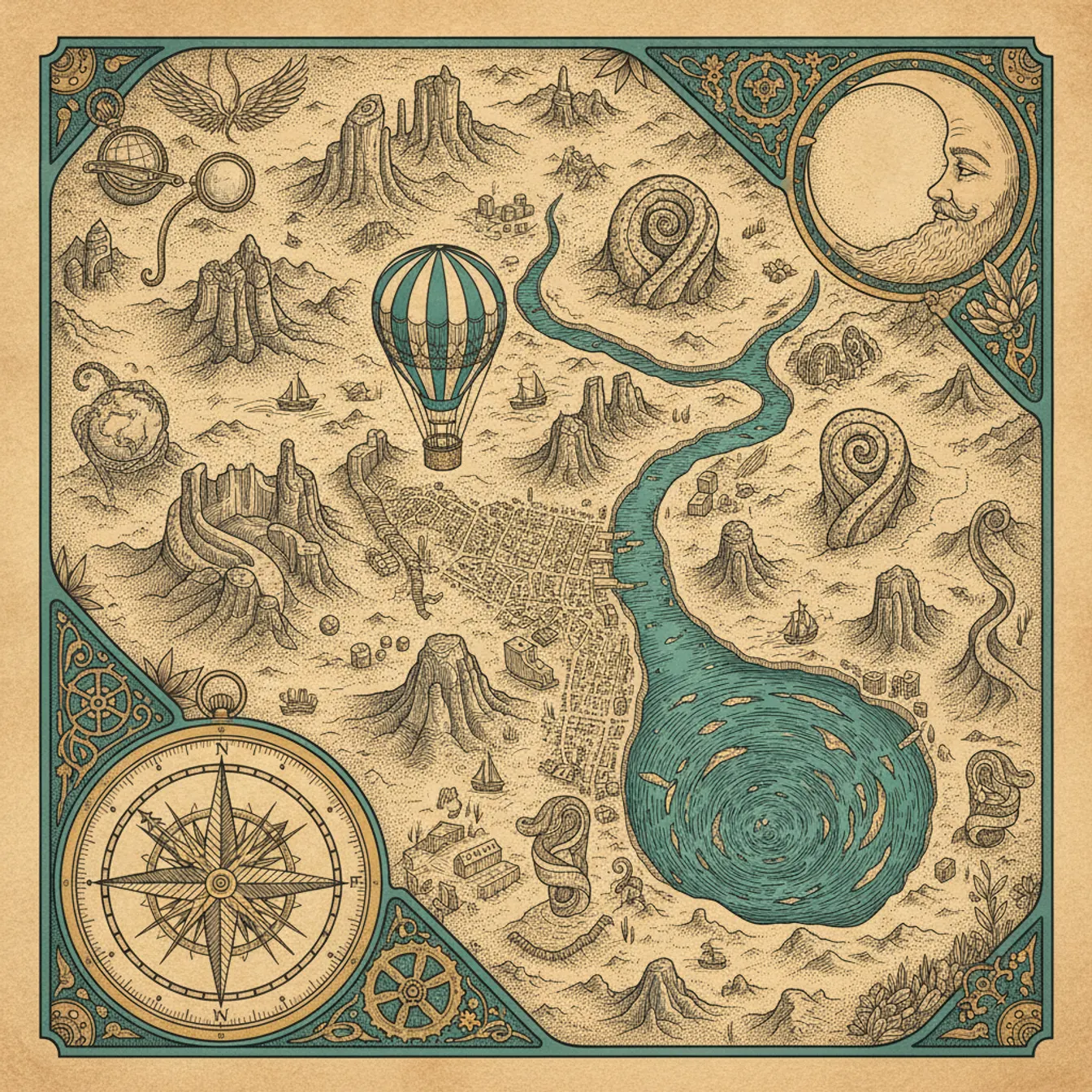
A tilted, hand-drawn dispatch of Sedona. Click a quarter to explode it open.
0 / 6 quarters explored
Legend · tap to highlight
[ UPTOWN & CENTRAL SEDONA ]
Grand squares and big ideas.
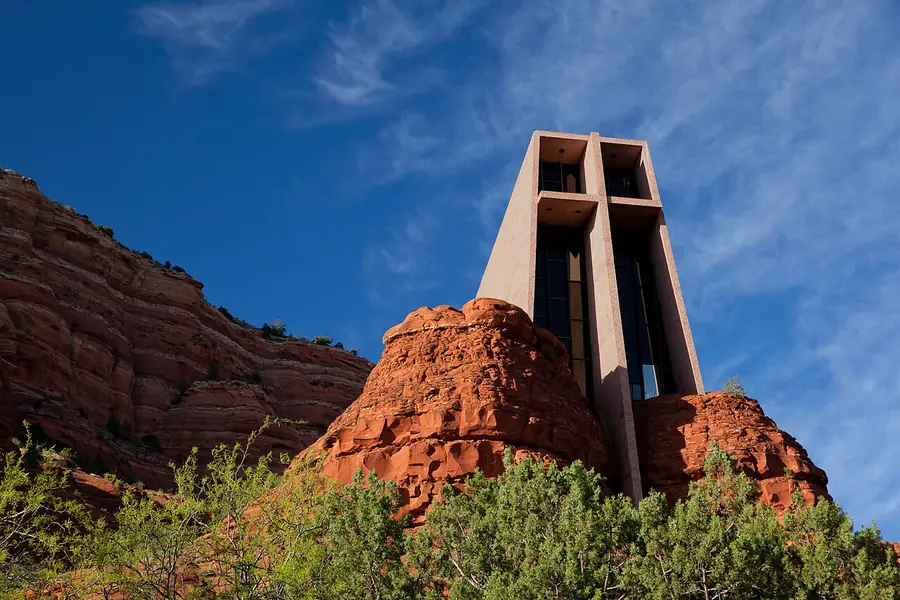
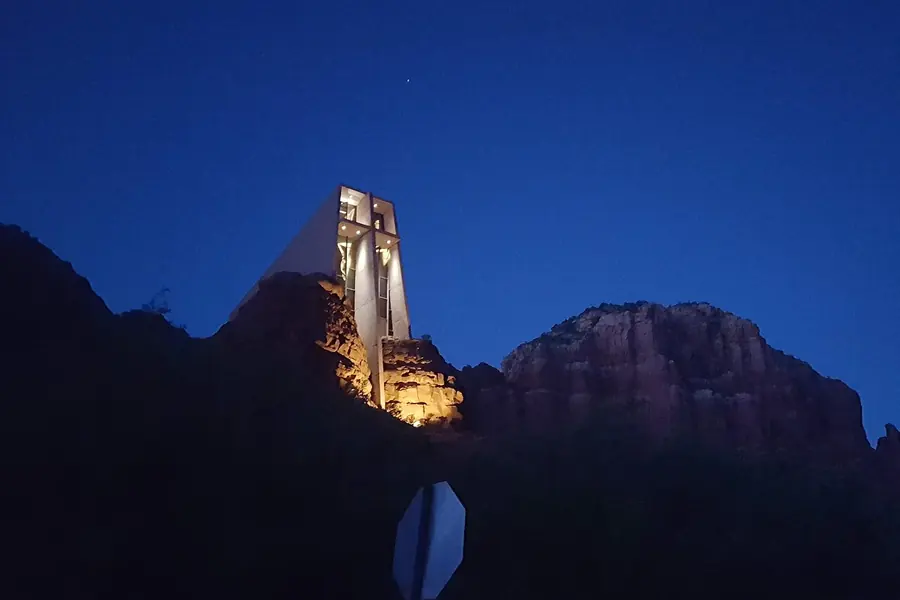
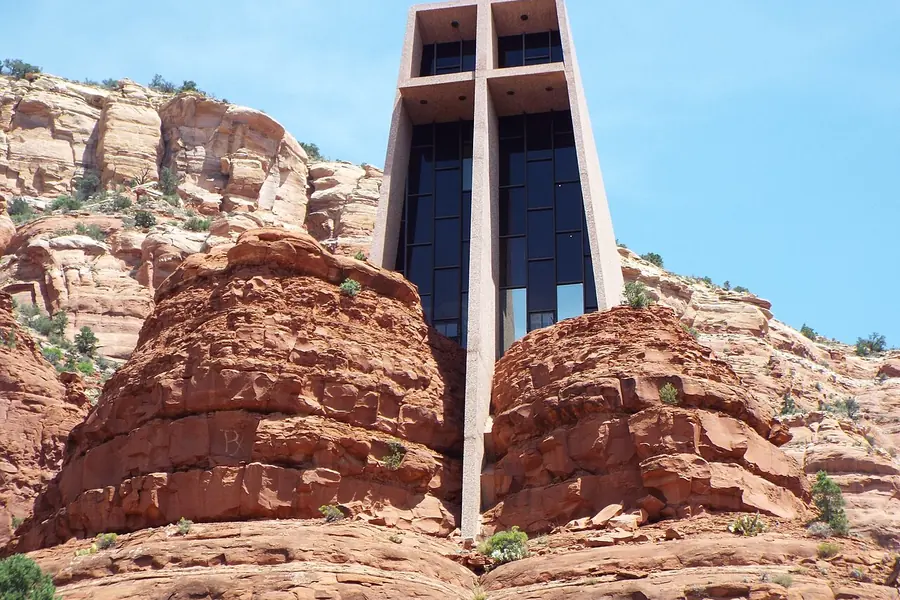
Chapel of the Holy CrossA modernist chapel jammed dramatically into the red rock, free and quietly stunning.
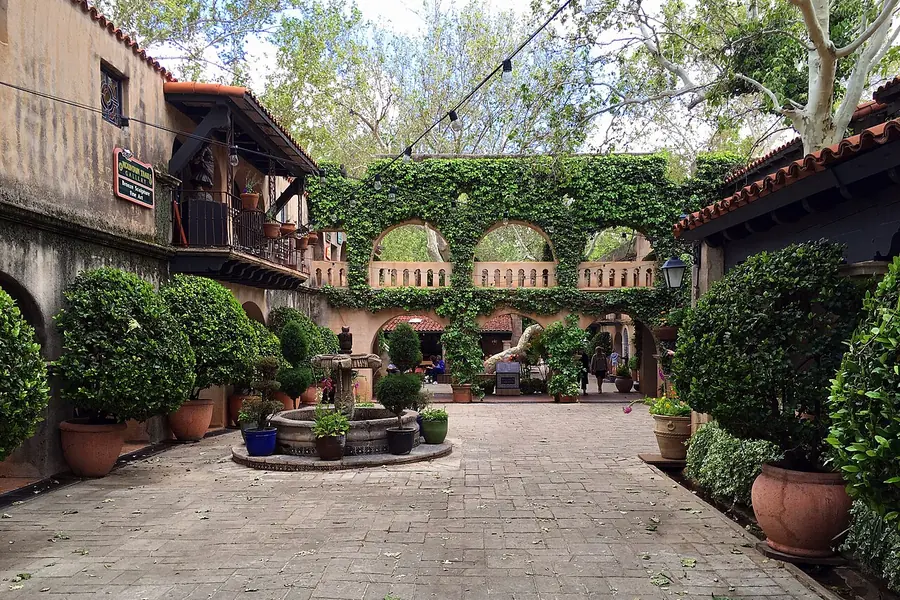
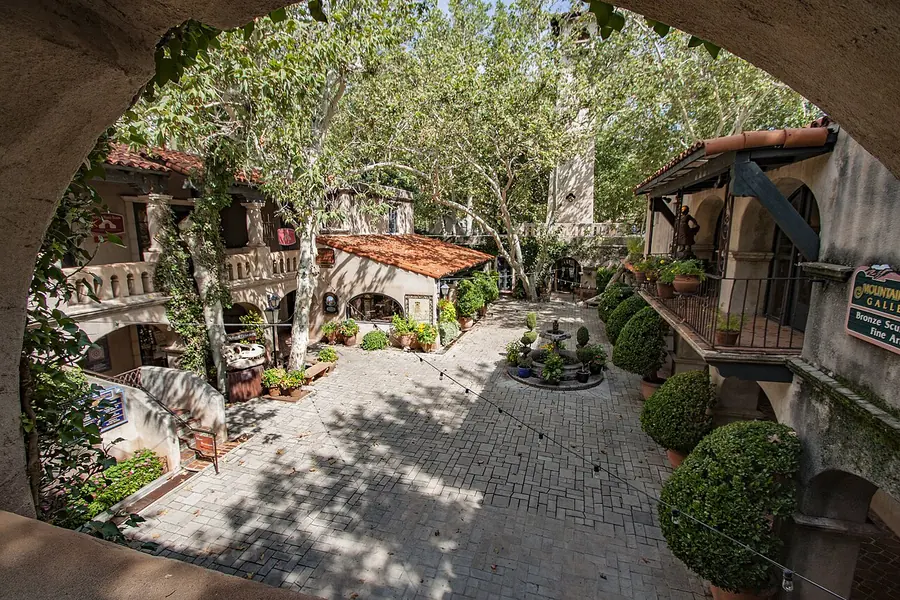
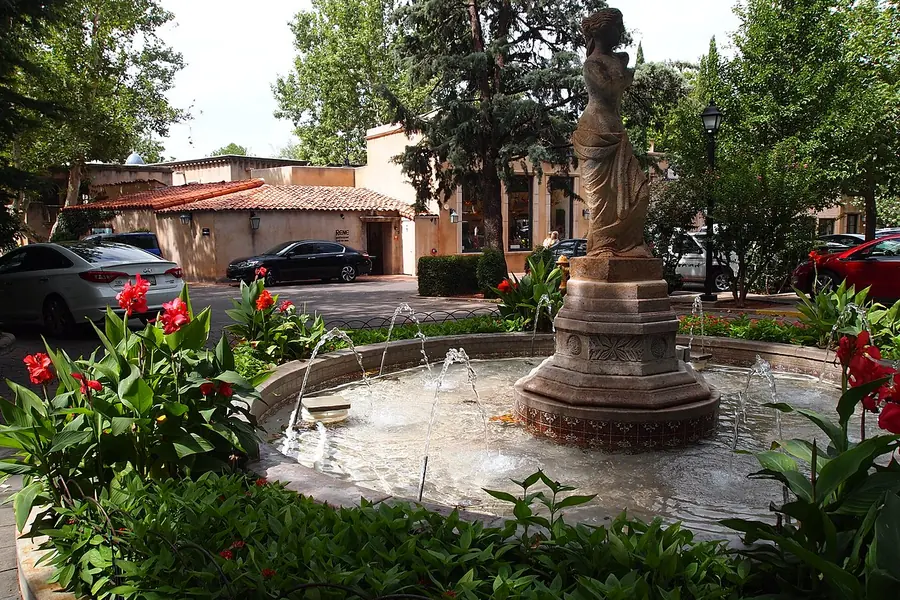
Tlaquepaque Arts & Crafts VillageA faux-Mexican village of galleries, shaded courtyards, and a properly good lunch.
[ CATHEDRAL ROCK & RED ROCK CROSSING ]
Green breathing room.
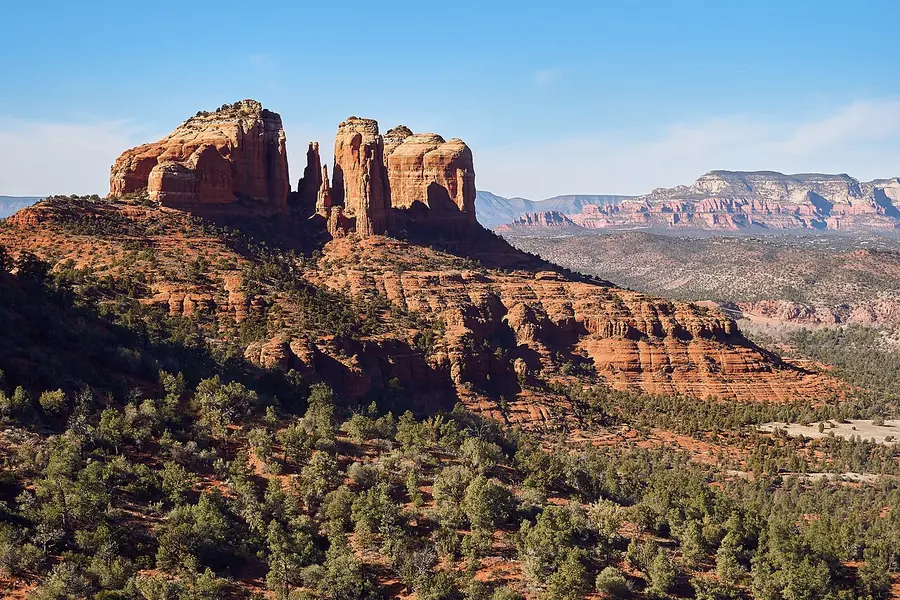
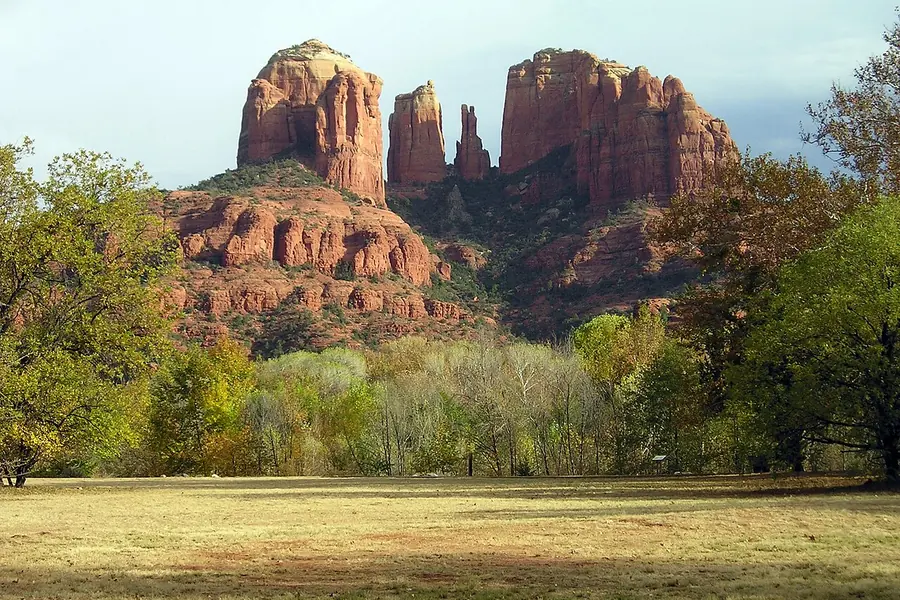
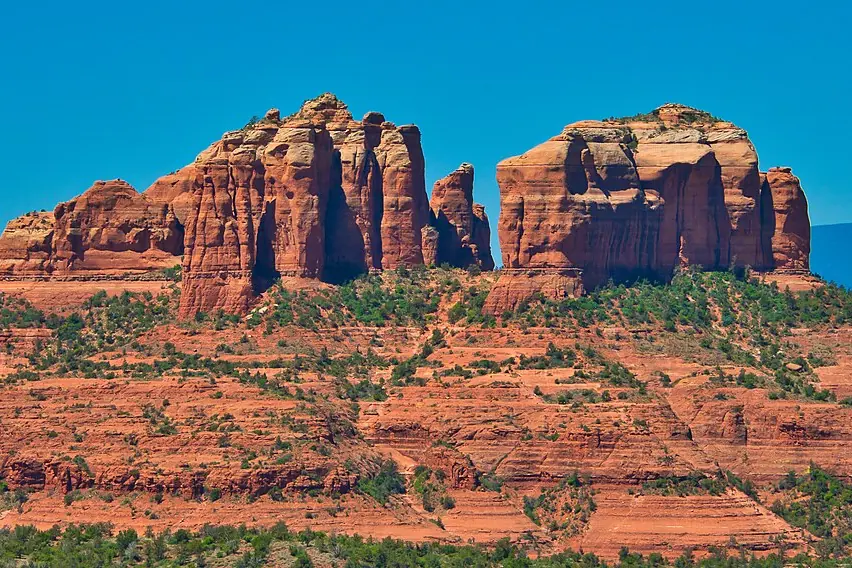
Cathedral Rock Trail (sunset)Short, brutally steep, and the single most spiritual sunset in Arizona. Vortex or not.
[ SOLDIER PASS & WEST SEDONA ]
Green breathing room.
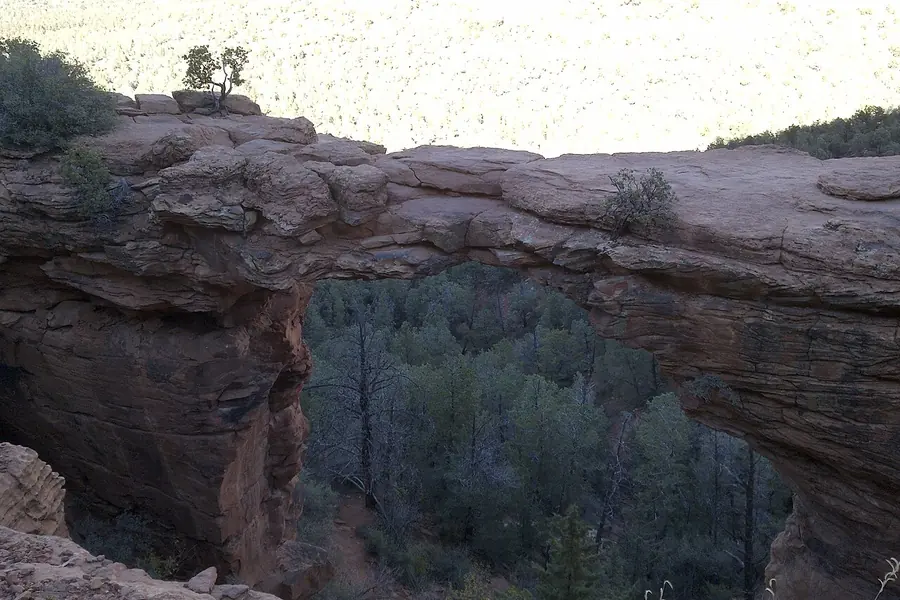
Devil's Bridge TrailThe largest natural arch in Sedona, and the photo everyone pretends they took alone.
Slide Rock State ParkA natural rock waterslide in cold creek water. Childish, freezing, completely essential.
[ OAK CREEK CANYON ]
Boats, bridges and reflections.
Indian Gardens Cafe & MarketShaded creekside deli on the canyon road. The turkey-pesto sandwich is local legend.
[ VERDE VALLEY & WINE COUNTRY ]
Grand squares and big ideas.
Pink Jeep Broken Arrow TourA bright-pink Jeep bouncing down slickrock you absolutely cannot drive yourself.
Montezuma Castle National MonumentA 1,000-year-old cliff dwelling tucked into a limestone alcove. Misnamed, still magnificent.
[ GRAND CANYON SOUTH RIM ]
Green breathing room.
Mather Point & Rim TrailYour first look into the Grand Canyon. No photo, no words, no preparation suffices.
Bright Angel Trail (upper section)Walk a little way down into the canyon. Going down is easy; remember you must climb back.
Day 1
Cathedral Rock, the Chapel & Tlaquepaque
Meet the red rocks at golden hour
Chapel of the Holy Cross
A modernist chapel jammed dramatically into the red rock, free and quietly stunning.
This 1956 chapel is built right into a sandstone butte, all clean concrete lines against raw red rock — a genuinely striking piece of architecture and free to enter. The views from the terrace sweep across the valley to Courthouse Butte. Go early; the small parking lot fills fast and the shuttle alternative adds time. It's a working chapel, so keep the volume respectful.
A faux-Mexican village of galleries, shaded courtyards, and a properly good lunch.
Tlaquepaque (tla-keh-PAH-keh) is a Spanish-colonial-style arts village with cobbled courtyards, sycamore shade, fountains, and dozens of galleries and shops. It's touristy but genuinely pretty, and a good cool-off in the midday heat. Lunch at the on-site restaurants is solid. Browse the Native American jewellery and resist, or don't, the urge to buy turquoise.
Short, brutally steep, and the single most spiritual sunset in Arizona. Vortex or not.
Cathedral Rock is the most photographed formation in Sedona — and a short but steep 1.2-mile round-trip scramble to the saddle. The final stretch is hand-over- hand on slickrock, so wear grippy shoes. Time it for late afternoon and the red rock catches fire as the sun drops. Parking is permit/shuttle only in peak season; arrange it ahead. This is the one to prioritise.
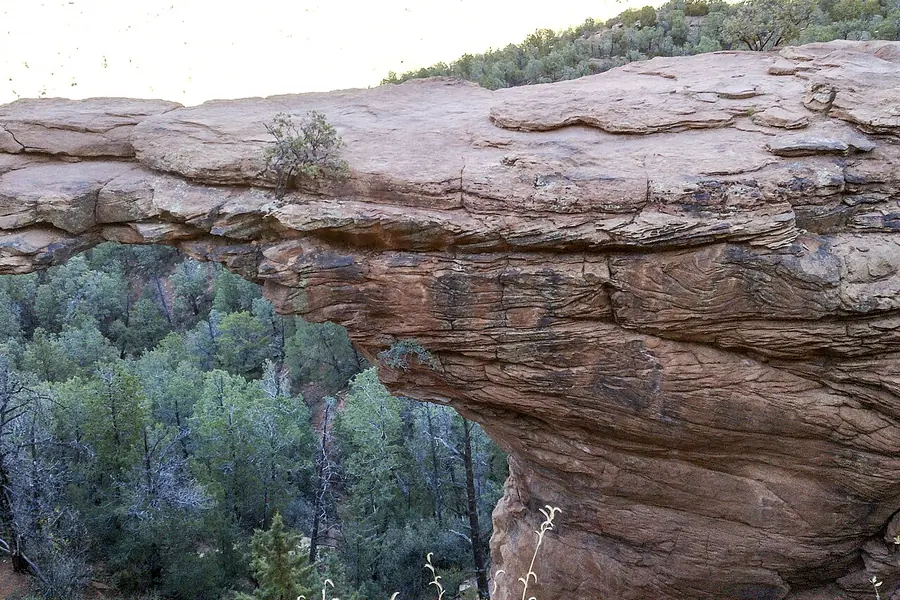
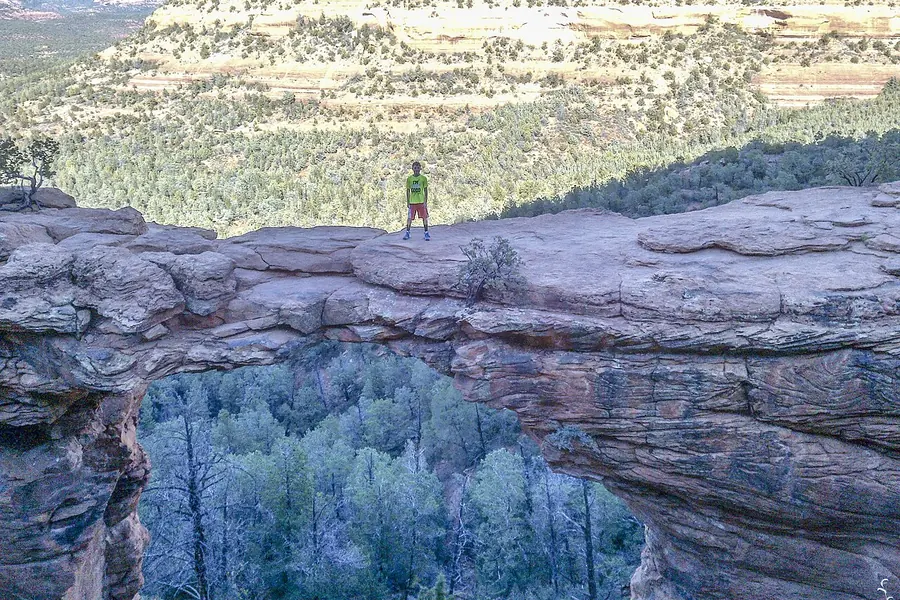
The largest natural arch in Sedona, and the photo everyone pretends they took alone.
Devil's Bridge is Sedona's most Instagrammed spot — a natural sandstone arch you can stand on for the hero shot. The full hike is about 4 miles round-trip from Dry Creek Road (high-clearance vehicles can shorten it). Go at dawn; by mid-morning there's a queue of people waiting their turn to pose on the arch. The drop is real, so mind your footing for the photo. Bring water — Arizona sun.
A natural rock waterslide in cold creek water. Childish, freezing, completely essential.
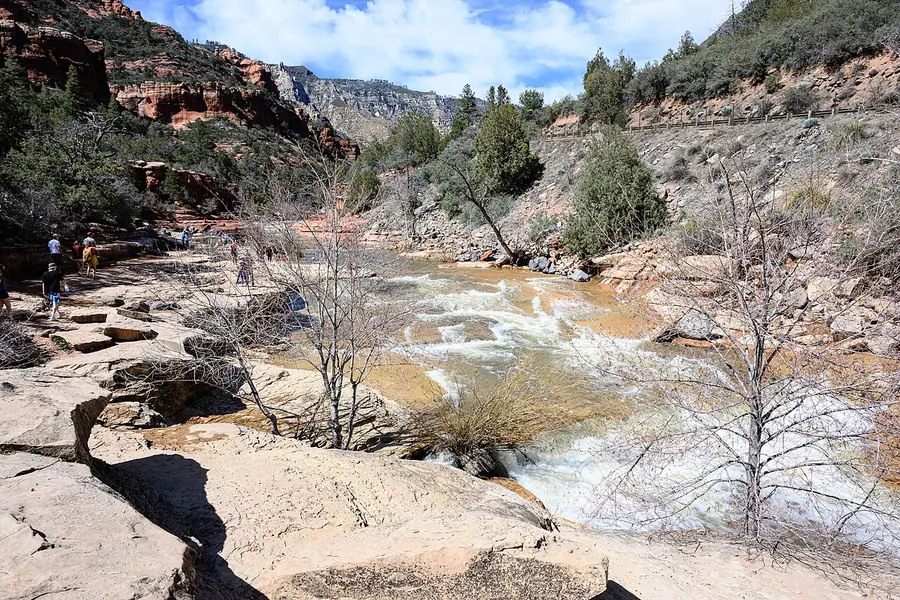
Up Oak Creek Canyon, Slide Rock State Park is a stretch of smooth sandstone chute where the creek lets you slide down naturally into pools. The water is snowmelt-cold even in July, which is exactly the point after a desert morning. It's an old apple farm too, so the setting is leafy and shaded. Bring a towel, water shoes, and a willingness to shriek. Entry fee per vehicle applies.
Shaded creekside deli on the canyon road. The turkey-pesto sandwich is local legend.
A leafy roadside cafe and market in Oak Creek Canyon, Indian Gardens is the locals' refuel stop — excellent sandwiches, good coffee, and a shaded back patio by the creek. After a morning of slickrock, the cool and the green feel like a different state entirely. Grab a sandwich for the drive or linger with an iced coffee. Either is correct.
Day 3
West Fork Trail & a Vortex
The prettiest hike, then the woo-woo
West Fork of Oak Creek Trail
Repeatedly voted Arizona's most beautiful hike. Thirteen creek crossings, zero regrets.
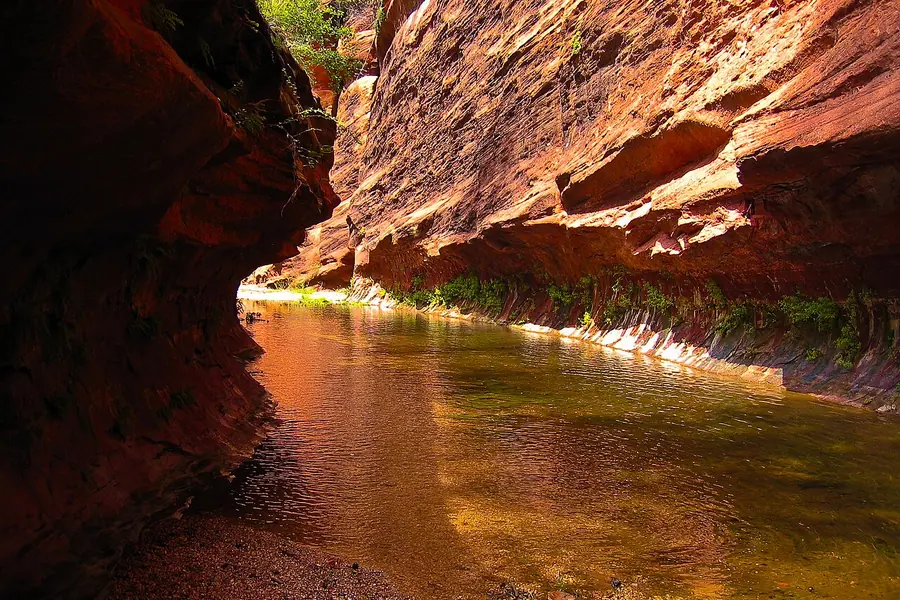
West Fork is a flat, shaded 6.5-mile round-trip that winds through a narrow canyon, crossing the creek 13 times beneath towering walls. It's a cool, green escape from the exposed red-rock trails and arguably the loveliest walk in the region. Go on a weekday morning; the small lot fills and overflow parking gets grim. Waterproof-ish shoes help with the crossings.
An alleged energy vortex with a 360-degree view. The view is the part I can confirm.
Airport Mesa is one of Sedona's four famous "vortex" sites, said to swirl with subtle earth energy. Believe it or don't — the short rocky loop up the saddle delivers a genuine 360-degree panorama of the whole red-rock basin, and the Airport Overlook nearby is a top sunset spot. Come at golden hour and bring a jacket; the mesa catches wind. Parking is metered and limited.
Mariposa Latin Inspired Grill — dinner
Latin grill with a patio aimed straight at the red rocks. Book the sunset table or weep.
Lisa Dahl's Mariposa pairs wood-fired Latin-American cooking with the best sunset terrace in town, looking out over the red-rock skyline. The grilled meats and ceviches are excellent and the cocktails are dangerous. Reservations are essential, especially for a patio table at sunset — book days ahead. It's a splurge, and worth it for the view alone.
Day 4
Jeep Tour, Ruins & Verde Valley Wine
Backcountry red dirt, ancient cliffs, and a glass of Syrah
Pink Jeep Broken Arrow Tour
A bright-pink Jeep bouncing down slickrock you absolutely cannot drive yourself.
The iconic Pink Jeep Broken Arrow tour takes you on a teeth-rattling 4x4 route across slickrock ledges and down the famous "Devil's Staircase" — terrain no rental car will survive. The guides are knowledgeable about the geology and the views are spectacular. It's pricey but it's the quintessential Sedona adventure. Book ahead; popular slots sell out, especially in spring.
Montezuma Castle National Monument
A 1,000-year-old cliff dwelling tucked into a limestone alcove. Misnamed, still magnificent.
About 45 minutes south, Montezuma Castle is a remarkably preserved five-story cliff dwelling built by the Sinagua people around 1100 CE — nothing to do with Montezuma, but the name stuck. You view it from below via a short paved loop; you can't climb in. It's a quick, awe-inducing stop and a window into the region's deep human history. National Park Service entry fee applies.
Page Springs Cellars
Creekside Arizona winery proving the desert can absolutely make a serious Rhône blend.
The Verde Valley is a genuine wine region, and Page Springs Cellars is its friendliest gateway — a creekside tasting room with a shaded deck and surprisingly excellent Rhône-style reds. Arizona wine sounds like a joke until you taste the Syrah. Designate a driver or book a tour. The setting alone, oak trees over a burbling creek, justifies the detour.
Day 5
Grand Canyon South Rim Day Trip
The big one, two hours north
Mather Point & Rim Trail
Your first look into the Grand Canyon. No photo, no words, no preparation suffices.
It's about a 2-hour drive north to the South Rim. Start at Mather Point near the visitor center for the classic first gasp, then walk a stretch of the paved Rim Trail for ever-shifting views. The scale genuinely does not compute — people go quiet. Arrive earlier rather than later to beat tour-bus crowds and afternoon haze. National Park entry fee applies (or use an America the Beautiful pass).
Bright Angel Trail (upper section)
Walk a little way down into the canyon. Going down is easy; remember you must climb back.
Even a short descent on the Bright Angel Trail — say to the 1.5-Mile Resthouse and back — transforms the canyon from a view into an experience, with the walls rising around you. Crucial rule: down is optional, up is mandatory, and it's twice as hard. Carry plenty of water, turn around with energy to spare, and never attempt rim-to-river in a day. Respect the desert.
Desert View Watchtower
Mary Colter's 1932 stone tower at the canyon's quiet eastern edge. Climb it for the view.
On the drive back east, stop at Desert View Watchtower — architect Mary Colter's 70-foot stone tower honouring Ancestral Puebloan design, decorated with Hopi murals inside. Climb to the top for a sweeping view where the canyon meets the Painted Desert. It's the least crowded major overlook and a fitting, quiet finale before the drive south to Sedona.
Day 6
Jerome & the Verde Valley
A haunted mining town clinging to a mountain
Jerome ghost town
A former copper boomtown turned arty 'ghost town' stacked vertically up a hillside.
Once a roaring copper-mining town of 15,000 (and "the wickedest town in the West"), Jerome nearly died, then reinvented itself as a quirky artist colony clinging to Cleopatra Hill. The steep streets are full of galleries, wine tasting rooms, and supposedly haunted hotels. The valley views from up here are immense. Wear good shoes; everything is uphill, both ways, somehow.
Jerome State Historic Park
The old mine owner's mansion, now a museum of boomtown excess and copper grime.
The Douglas Mansion, built 1916 by a mining magnate, is now a small state-park museum telling Jerome's wild boom-and-bust story with photos, minerals, and old mining gear. The 3D model of the underground mine tunnels is a highlight. It's a tidy hour and pairs perfectly with wandering the town. The terrace view over the Verde Valley is spectacular.
Day 7
Sunrise Hike & Stargazing Farewell
Bookending the red rocks with light
Bell Rock Pathway (sunrise)
An easy, flat trail to a perfect dome-shaped butte, best when the first light hits it.
Bell Rock is one of Sedona's most recognisable formations and, mercifully, one of its easiest to reach — a flat, well-marked pathway loops around its base, with options to scramble higher if you fancy. At sunrise the rock glows and the crowds haven't arrived. It's also a "vortex" site, for the believers. A gentle, lovely way to spend a final morning.
Sedona Dark Sky stargazing
Sedona is a certified Dark Sky Community. The Milky Way shows up like it's contractually obliged.
Sedona is an International Dark Sky Community, meaning serious limits on light pollution — and the night sky here is genuinely jaw-dropping. Join a guided telescope tour or simply drive a few minutes out of town, lie on the hood of the car, and watch the Milky Way arc overhead. A perfect, free (or cheap) finale. Bring a blanket; desert nights cool off fast.
Sedona is what happens when geology shows off. Wind, water, and 300 million years carved the Schnebly Hill Formation into towers, buttes, and spires of impossibly red sandstone, and then someone built a town in the middle of it. The result is one of the most photogenic places in the United States — a desert that turns the colour of embers every evening and a sky so clear it’s legally protected.
This itinerary leans into the contrast that makes Sedona work: blazing red-rock trails by day and cool green creek canyons in the shade, ancient cliff dwellings and a slightly mystical present-day culture of vortexes and crystal shops. You can be sceptical about the energy fields (I am, mostly) and still leave feeling weirdly recalibrated. The light does something to people.
The 2/3/4/7-day versions build outward from the central red rocks. Two days nails Cathedral Rock and a vortex sunset. Three adds Devil’s Bridge and Oak Creek Canyon. Four brings in a Pink Jeep tour, ancient ruins, and Verde Valley wine. Seven reaches the Grand Canyon, the ghost town of Jerome, and Sedona’s famous dark skies.
Permits, Parking & the Shuttle
Sedona’s popularity has outrun its trailheads. Several of the busiest — Cathedral Rock, Soldier Pass, Devil’s Bridge access — now require a free Red Rock Shuttle reservation or a Red Rock Pass to park in peak seasons. Sort this before you arrive. Start hikes at dawn: lots fill by 8am and the desert sun is no joke by mid-morning.
When to Visit
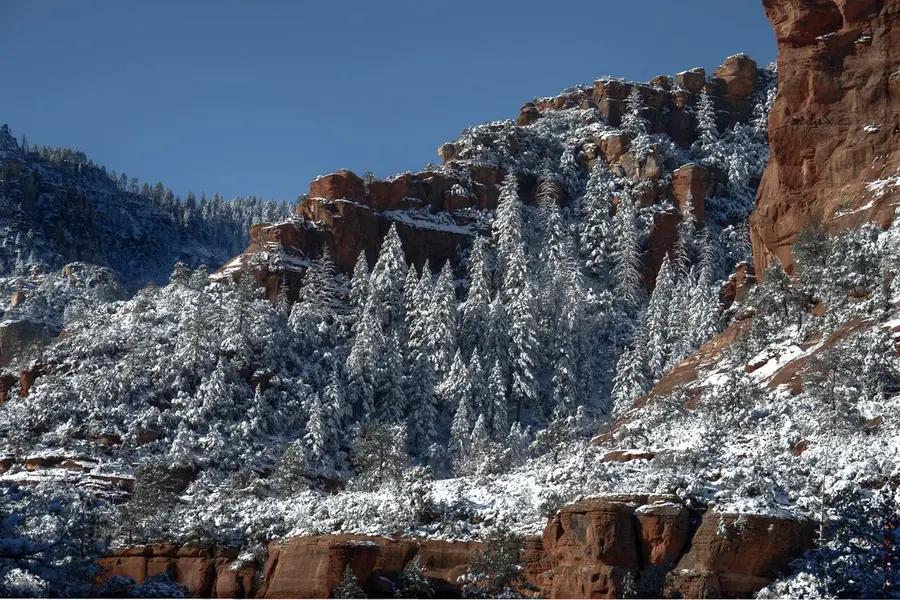
Spring (March–May) and autumn (September–November) are ideal — warm days, cool nights, glowing light. Summer is hot but manageable if you hike early and retreat to Oak Creek’s water by noon. Winter is quiet and can even dust the red rocks with snow, which is spectacular. Always carry more water than you think you need.
Use the filter above to see exactly which stops apply to your trip length.
This article contains affiliate links marked with rel="sponsored". We may earn a commission at no extra cost to you.