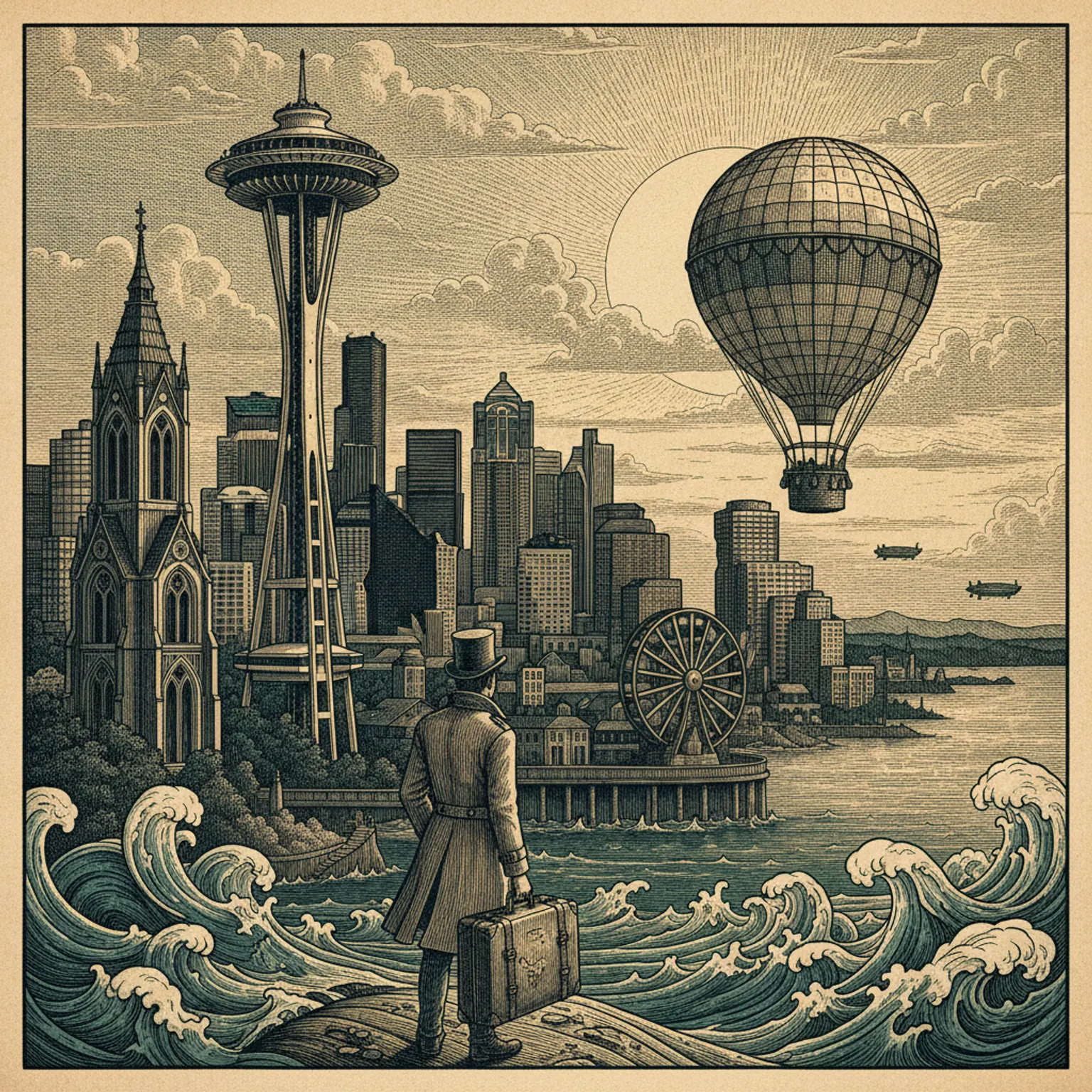
My ferry to Bainbridge Island was held for twelve minutes because I was photographing a harbor seal on the dock and didn't notice boarding had begun. The captain came on the PA system: "The tourist with the seal can board now." Everyone on the upper deck cheered. I boarded. The seal watched me go. That is Seattle — a city that finds you endearing even when you are obstructing maritime transport.
48 Hours: Pike Place + the View That Changes Everything
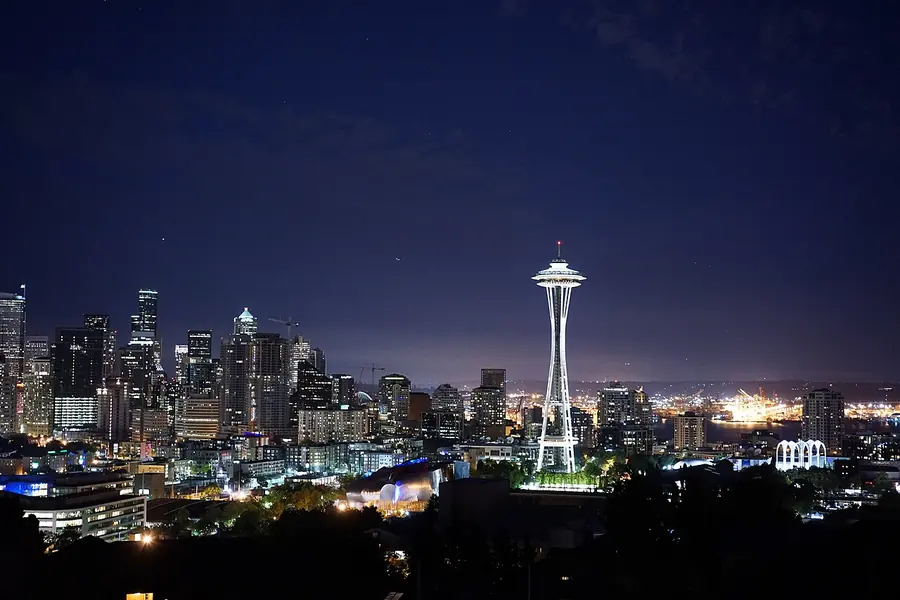
Two days in Seattle means Pike Place, the Space Needle, and Capitol Hill — done in the right order so you see the city, not just its lobby. The market in the morning, the needle at sunset, and a coffee somewhere important between them.
Buy salmon at Pike Place. They will throw it at you if you ask.
72 Hours: The Neighbourhoods Emerge
Three days reveals Seattle's distinct personality districts. Day 3 takes you to Fremont — the self-declared Centre of the Universe — and Ballard, where the fishing industry became a craft brewery district without losing the grit. You will understand why people move here and never leave.
4 Days: The Island Day
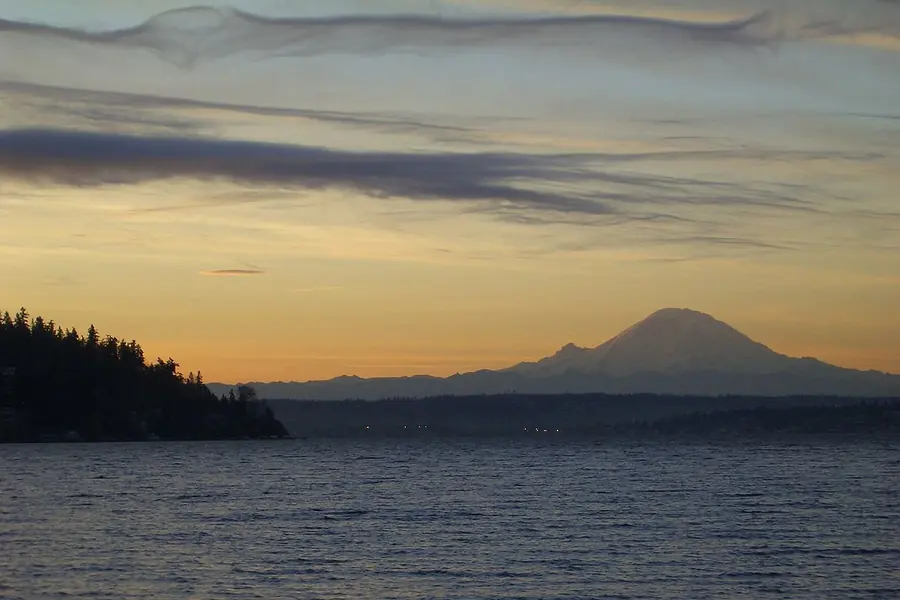
Day 4 is the Bainbridge Island ferry — the 35-minute crossing that gives you the full Seattle skyline from the water, a charming island town, and the Mount Rainier view that appears on every clear day like a hallucination. The ferry costs $9.15. It is the best value in the Pacific Northwest.
7 Days: Rain and Revelation
A week in Seattle means the rain comes at least twice and you stop minding. You find a favourite coffee counter. You have a favourite view of the Olympics. By Day 6, you understand why Seattle residents pity everyone else and are too polite to say so directly.
Estimated budget:$380–$580 est. (1 hotel night, Pike Place + Capitol Hill)
Estimated budget:$540–$820 est. (2 nights + Fremont + Ballard day)
Estimated budget:$700–$1,050 est. (3 nights + Bainbridge Island ferry day)
Estimated budget:$1,300–$2,100 est. (full week, mid-range Capitol Hill hotel)
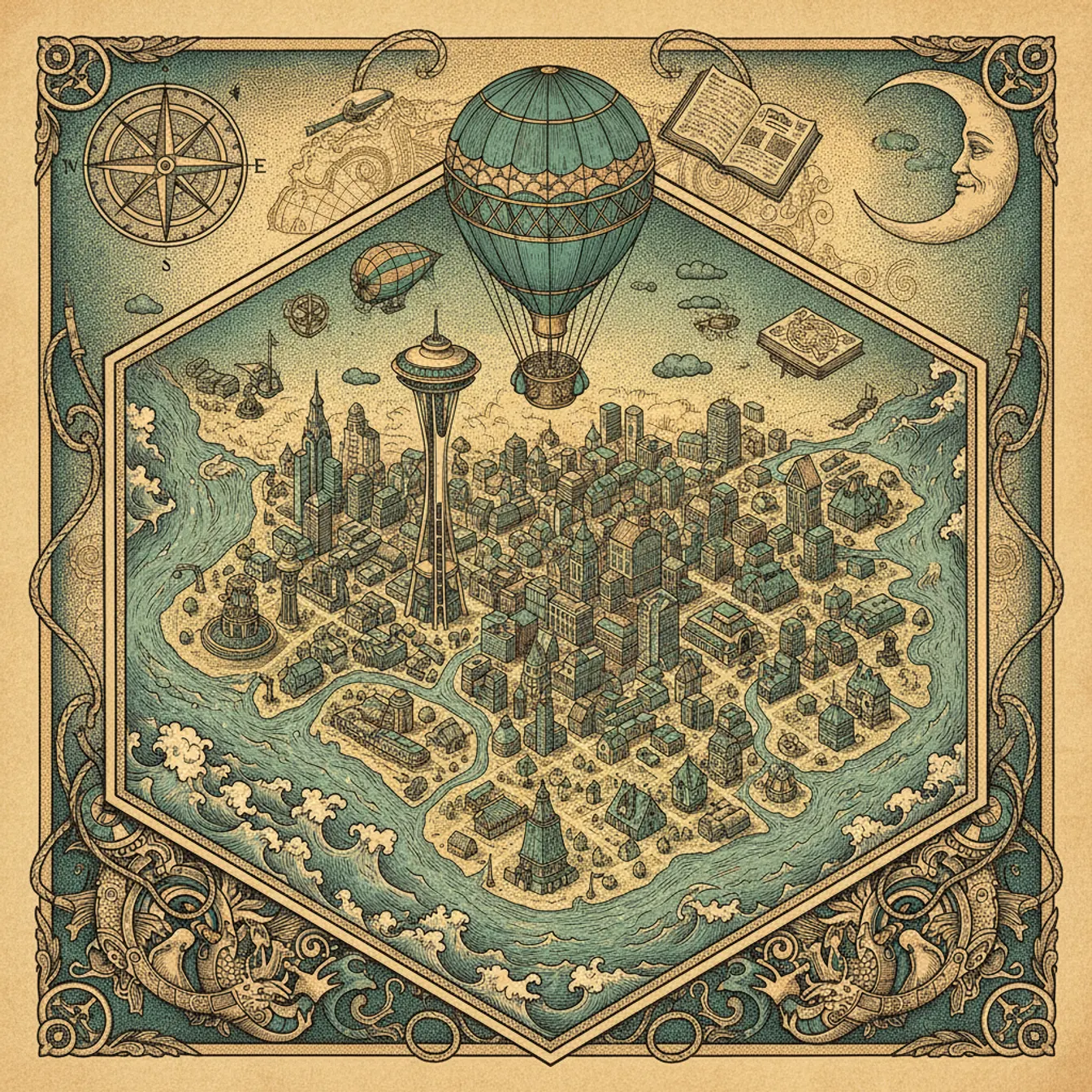
[ THE DISPATCH · FIELD MAP ]
A tilted, hand-drawn dispatch of Seattle. Click a quarter to explode it open.
0 / 6 quarters explored
Legend · tap to highlight
[ PIKE PLACE ]
Where the city meets the water.
Pike Place Market (morning opening)The fishmongers start at 8 AM. The throwing starts when you ask.
Pike Place Chowder (or Lowell's RestaurantNew England clam chowder served inside a market above the Pacific Ocean. This is not a contradiction.
[ CAPITOL HILL ]
Stays up later than you do.
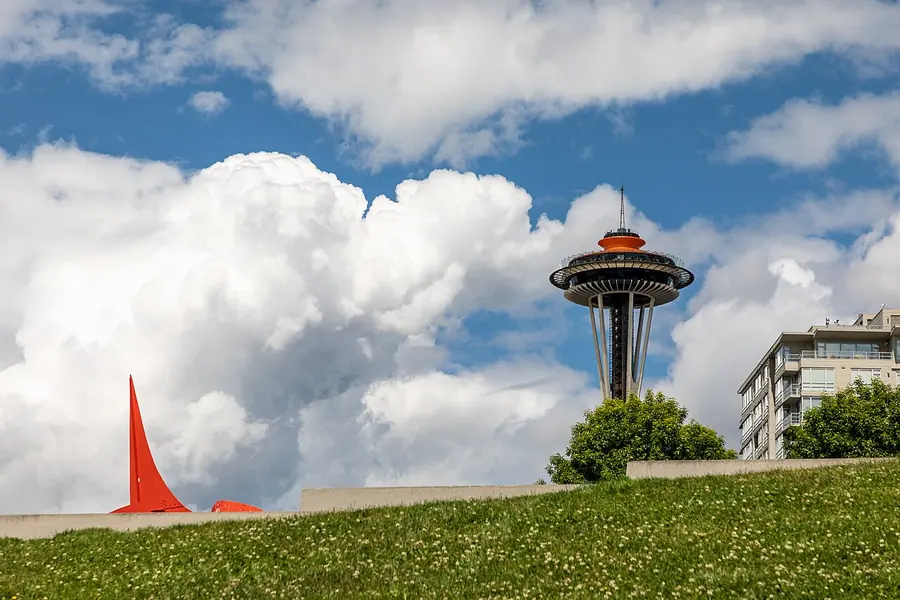
Space Needle (observation deck)The rotating glass floor is either thrilling or the worst idea. There is no middle ground.
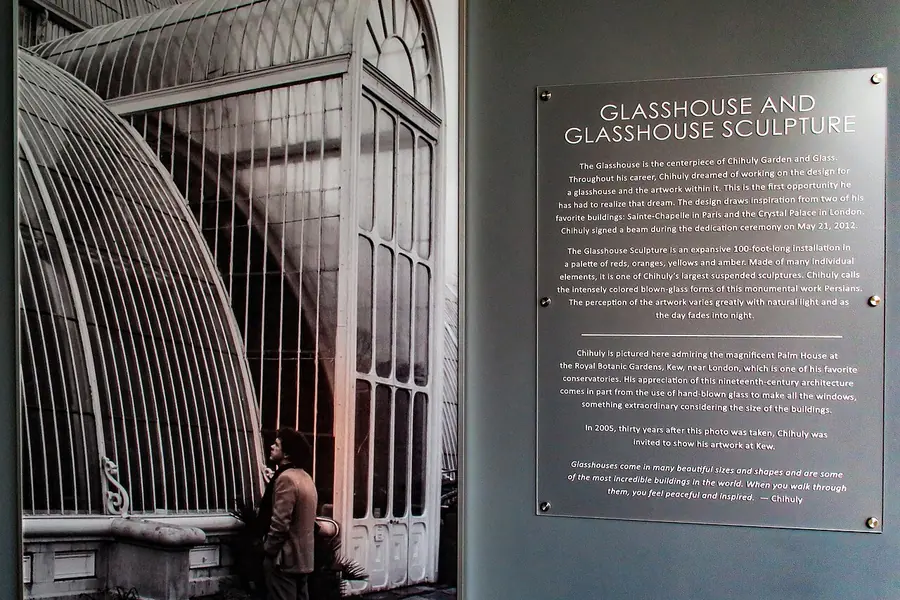
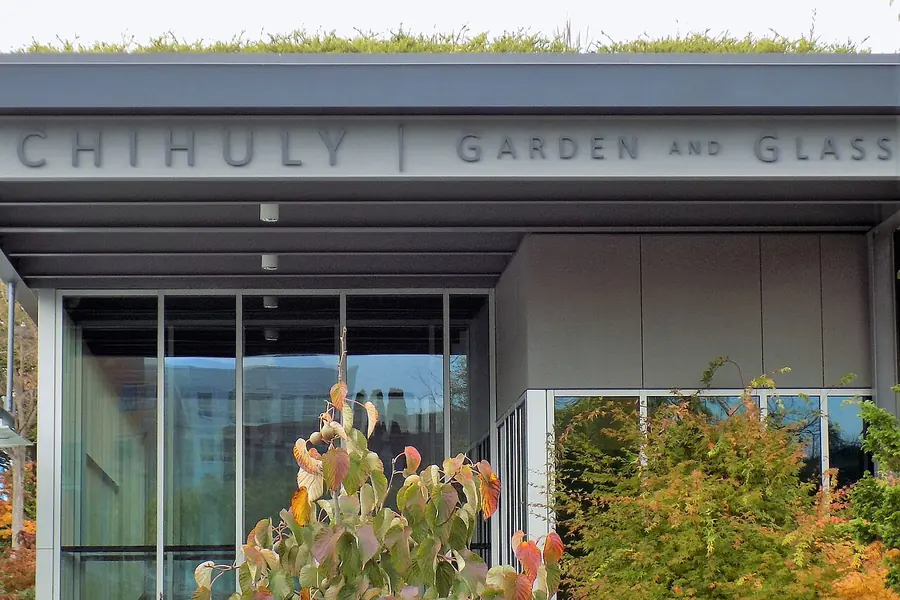
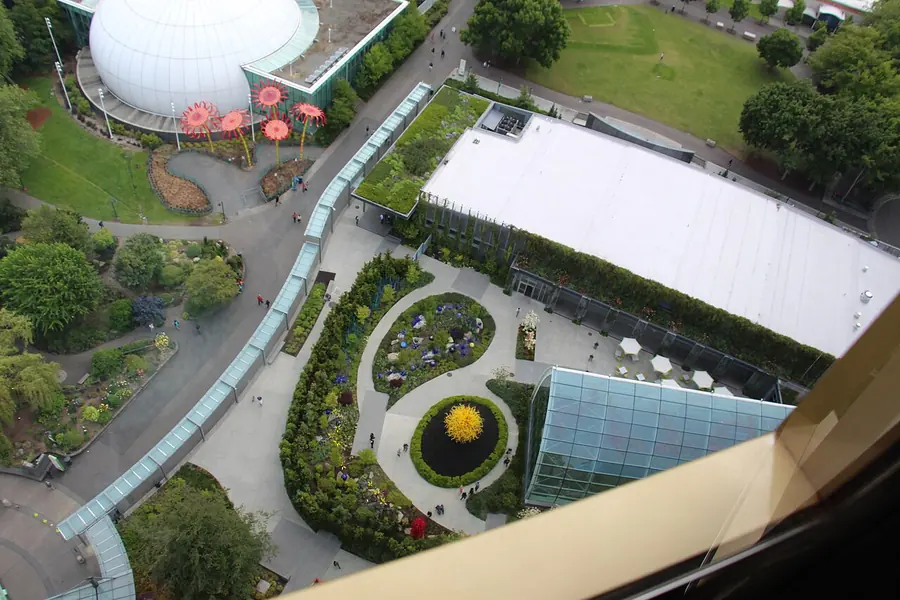
Chihuly Garden and GlassDale Chihuly's life work in a greenhouse next to the Space Needle — this is Seattle showing off.
[ FREMONT ]
Green breathing room.
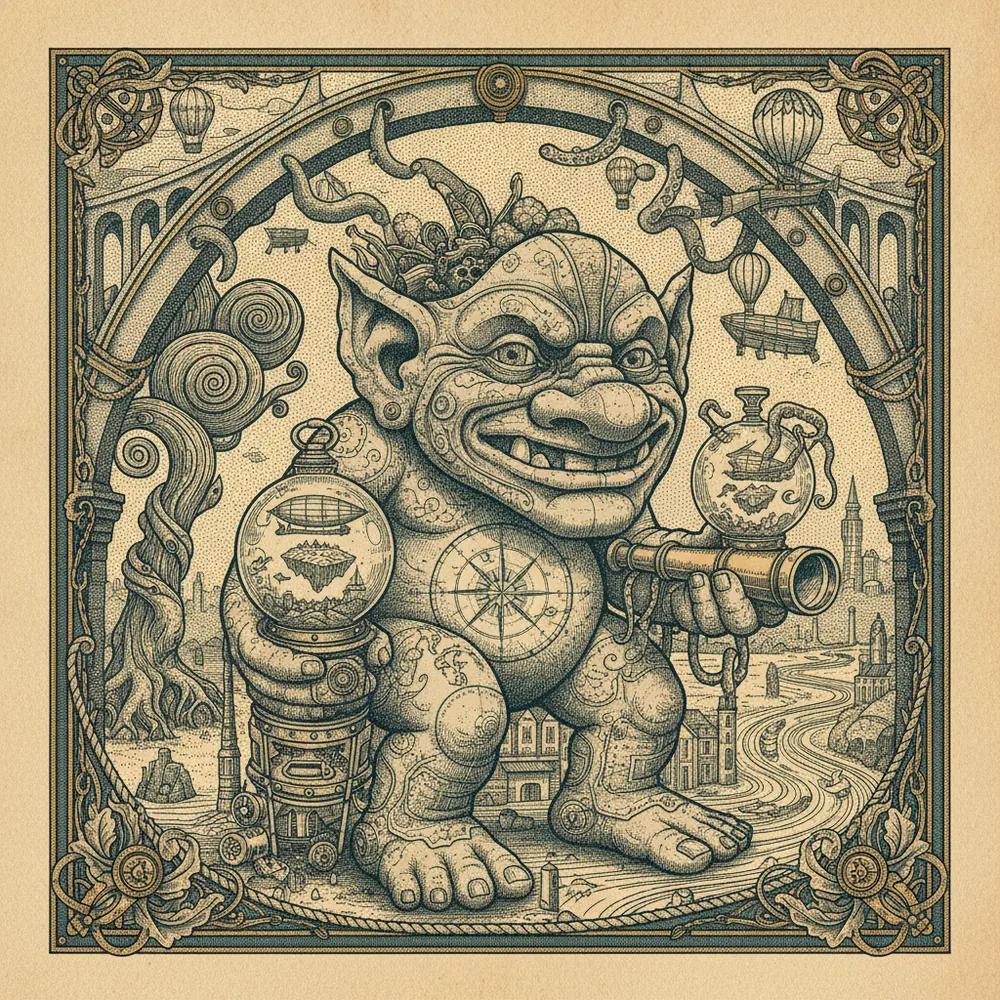
Fremont Troll + Aurora BridgeA concrete troll under a bridge, clutching a Volkswagen Beetle. Obviously mandatory.
Fremont Sunday Market (Sundays only)Vintage goods, local food, and the only market where you can buy a 1970s synthesizer and a tamale in one trip.
[ BAINBRIDGE ISLAND ]
Boats, bridges and reflections.
Washington State Ferry — Coleman Dock to BThe $9 crossing that every Seattle visitor calls the highlight of their trip, and they're not wrong.
Winslow Way — Bainbridge Island town centrThe small-town main street that has been here long enough to be earnest about it.
[ PIONEER SQUARE ]
Old stones, older stories.
Pioneer Square — Klondike Museum + UndergrThe city that burned down in 1889 and rebuilt itself one storey higher.
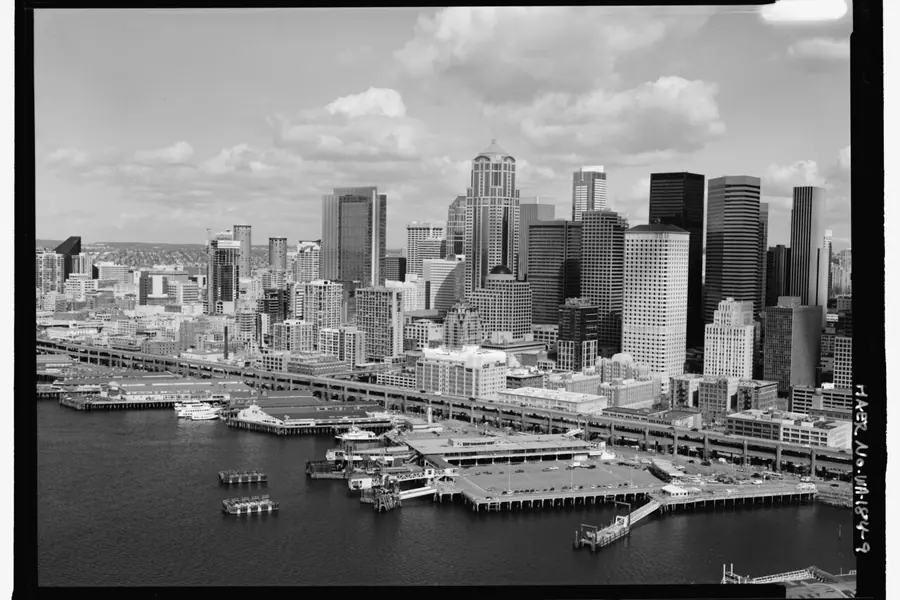
Seattle Waterfront — Pier 62, Elliott Bay,The waterfront that rebuilt itself after the viaduct came down.
[ SEATTLE CENTER ]
Grand squares and big ideas.
Seattle Center grounds — food trucks and tThe fairgrounds that became a permanent civic amenity.
Capitol Hill — Cal Anderson Park + Pike/PiThe park where Seattle goes to exist publicly, and the corridor where it goes to have opinions.
Day 1
Pike Place Market + Pioneer Square + Waterfront
Fish, coffee, and the oldest part of the city
One morning to do Seattle's two most essential neighbourhoods before heading to Capitol Hill in the afternoon. Pike Place before 9 AM is a different place than Pike Place at noon. Try to be there early.
No rush. Pike Place at 8 AM with a coffee from the original Starbucks (or Pike Place Roast from the market itself, which is better) and the fishmongers setting up. This is the rhythm of Seattle Day 1.
Pike Place Market (morning opening)
The fishmongers start at 8 AM. The throwing starts when you ask.
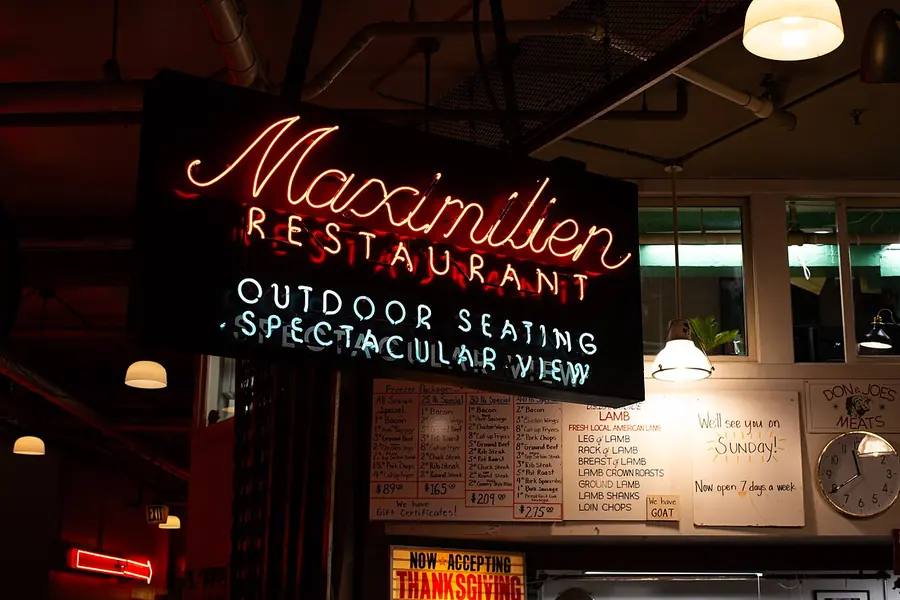
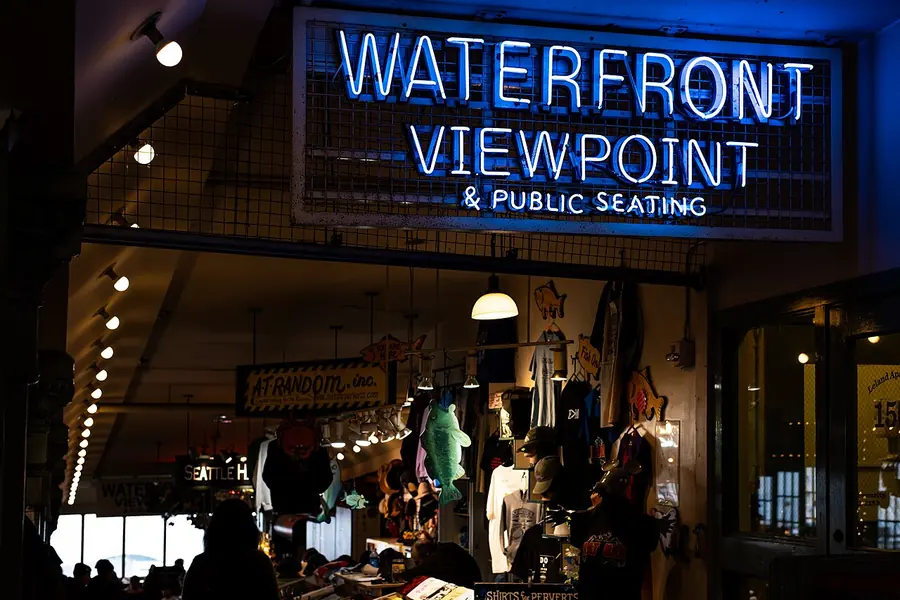
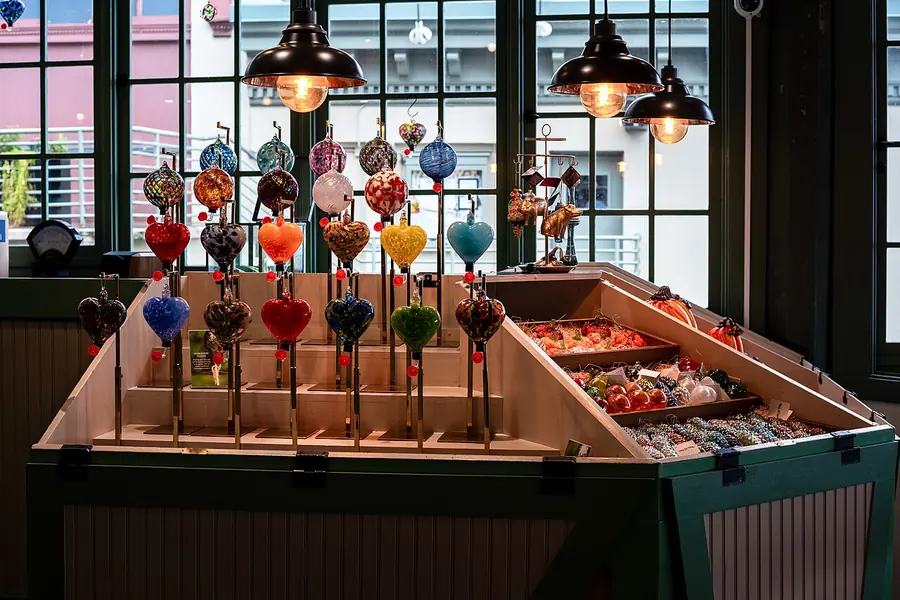
Pike Place Market has been on this hillside above Elliott Bay since 1907 and is the oldest continually operating farmers market in the US. The fish throw is real and performed on request. The Rachel the Pig piggy bank at the main entrance has collected over $200,000 for local charities. Go early: the vendors arrive from 6 AM, the flowers are best before noon, and the famous chowder stands open by 8. Walk all three levels — the lower Post Alley labyrinth has the best independent shops and the original Starbucks.
New England clam chowder served inside a market above the Pacific Ocean. This is not a contradiction.
Pike Place Chowder has won the Best Chowder award at the Boston Chowderfest so many times they were asked to stop entering. The sourdough bread bowl is not optional. Lowell's Restaurant above the market is the underrated alternative — open since 1957, three floors of Elliott Bay view, breakfast menu until 3 PM.
Pioneer Square — Klondike Museum + Underground Tour
The city that burned down in 1889 and rebuilt itself one storey higher.
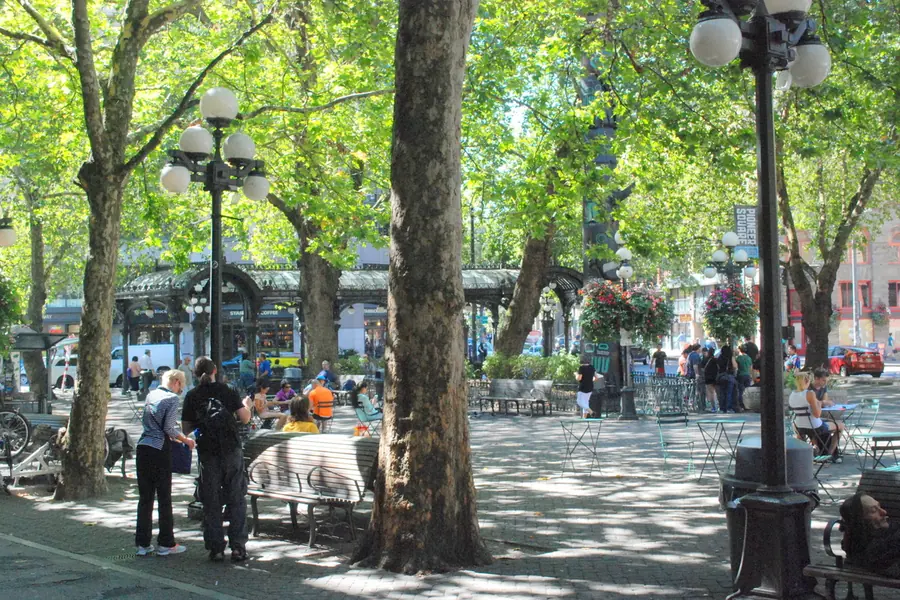
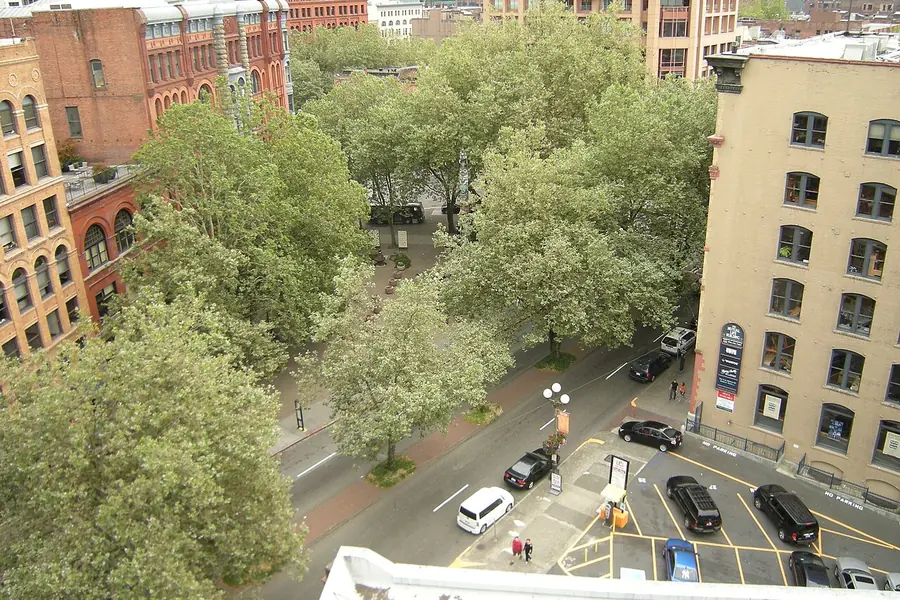
Pioneer Square is Seattle's original neighbourhood — Victorian Romanesque brick buildings, cobbled streets, and the Klondike Gold Rush National Historical Park museum (free, excellent). The Underground Tour is the essential Seattle experience: guides take you beneath the current street level to the original 1889 city that was buried when Seattle raised its streets after the Great Fire. Eighty minutes, fully worth it.
Seattle Waterfront — Pier 62, Elliott Bay, Olympic Sculpture Park
The waterfront that rebuilt itself after the viaduct came down.
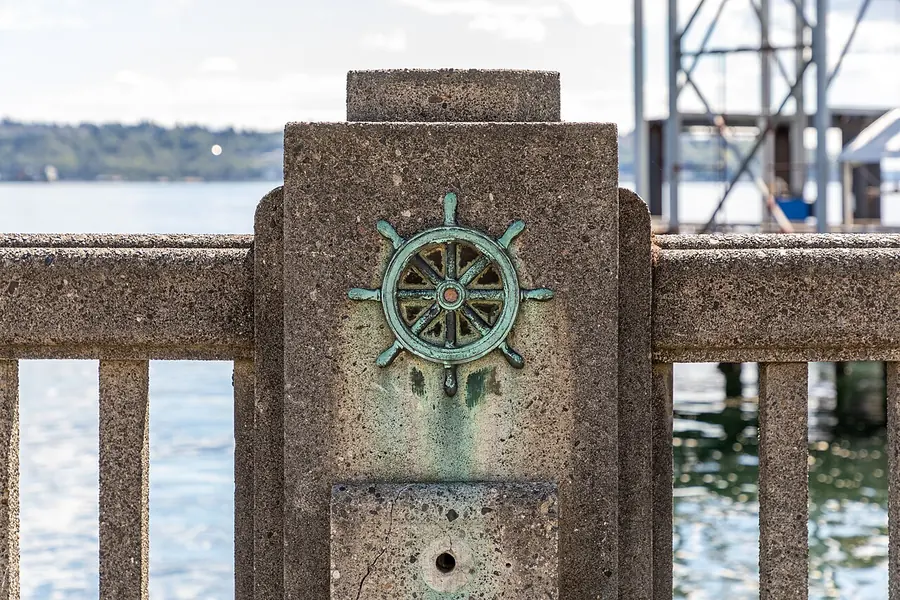
The Alaskan Way Viaduct was demolished in 2019 and the waterfront reconnected to the city — Pier 62 is now a public events space with sound installations and the best unobstructed view of the Olympics from the central waterfront. Walk north to the Olympic Sculpture Park (free, year-round, with works by Serra, Calder, and Di Suvero above Elliott Bay) or south toward CenturyLink Field. Either direction works.
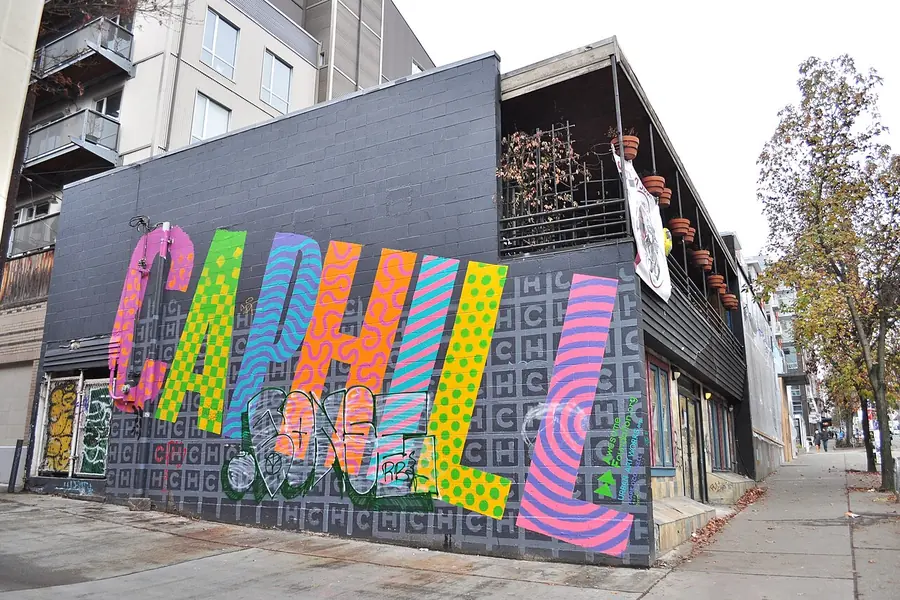
Seattle's most alive neighbourhood, which is saying something for a city this alive.
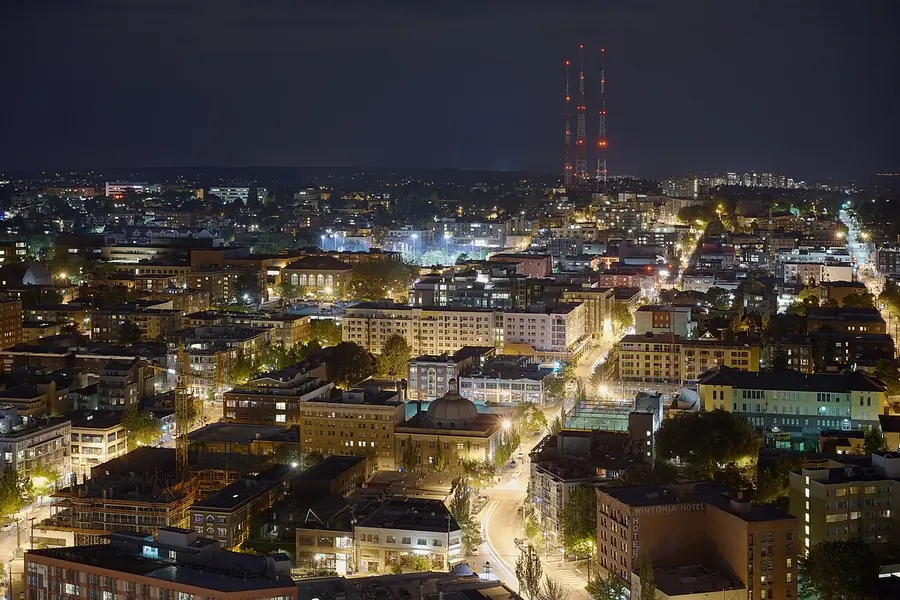
Capitol Hill is where Seattle's creative industry, LGBTQ+ community, tech workers, and long-term residents share the same 10 blocks. Dinner on Broadway or Pine Street: Oddfellows for weekend brunch energy at dinner time, Altura for the tasting menu that wins awards, or any of the ramen spots on 15th that have lines out the door and justify every minute of the wait.
The icon, the museum, the neighbourhood that actually runs the city
Last day. Space Needle at opening time (9 AM) before the tour groups arrive, then Chihuly Garden next door, then Capitol Hill for the rest of the day and your flight home.
Morning at Seattle Center, full afternoon in Capitol Hill. You have an extra day tomorrow for Fremont and Ballard, so you don't have to rush.
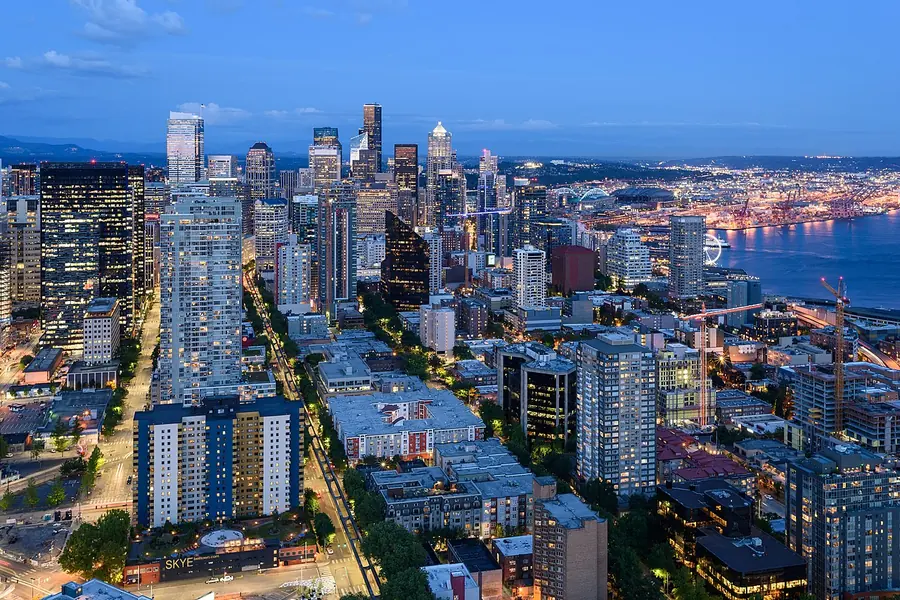
Space Needle at golden hour instead of morning — book the 7 PM entry and watch the Olympics go orange. Then Capitol Hill for dinner and whatever the night becomes.
Space Needle (observation deck)
The rotating glass floor is either thrilling or the worst idea. There is no middle ground.
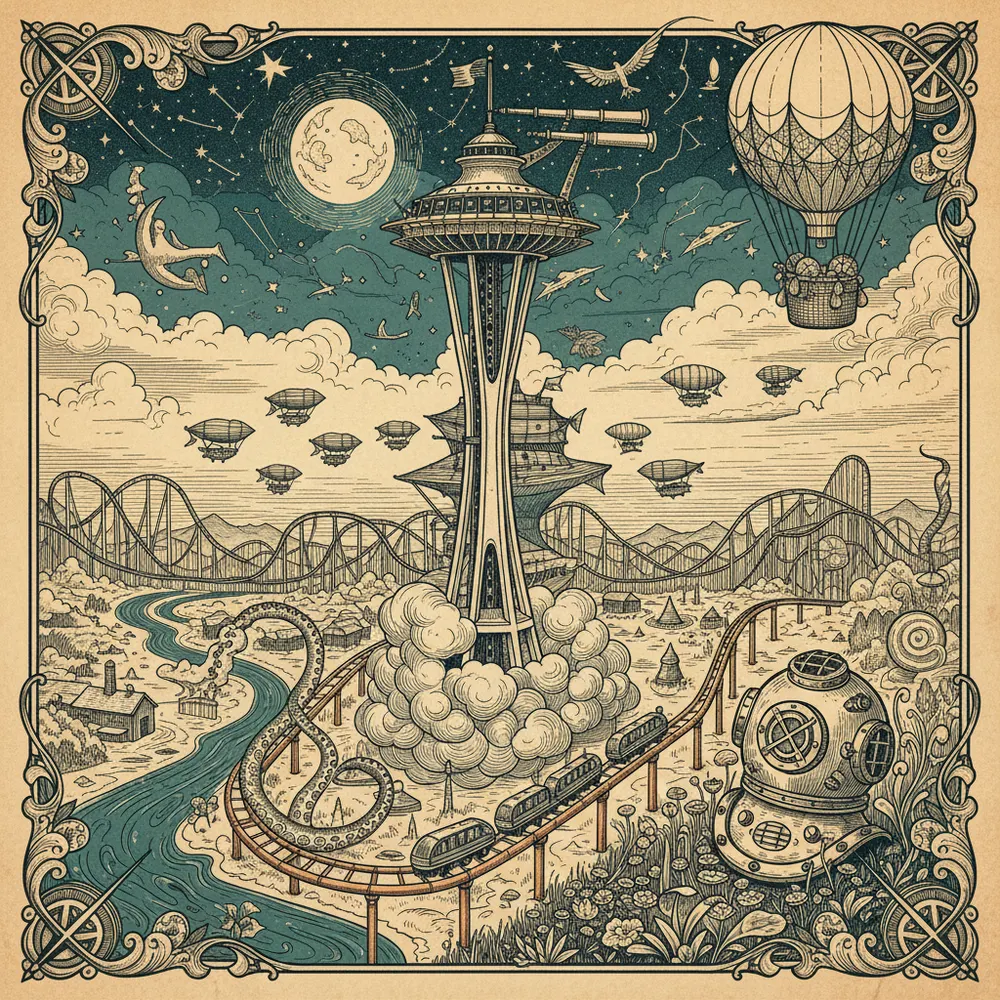
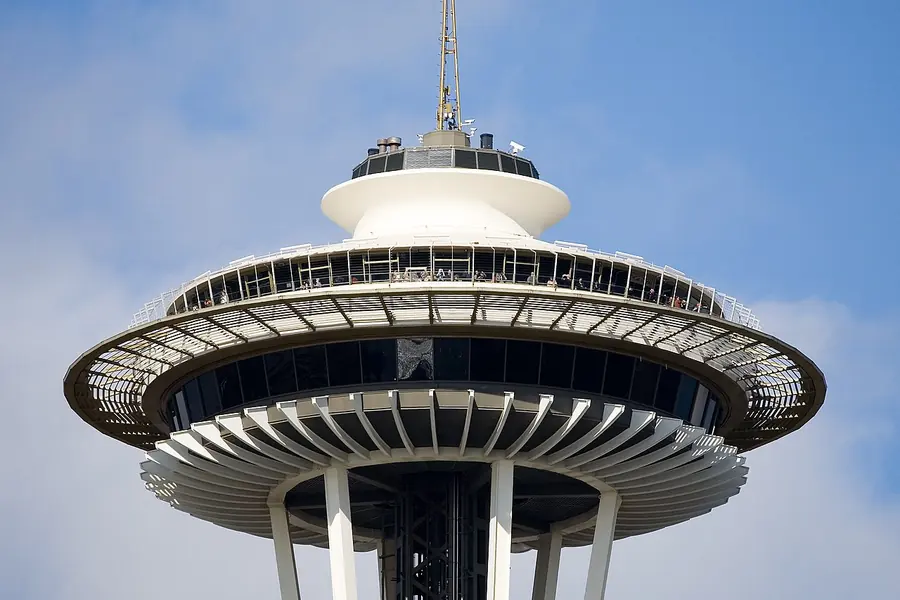
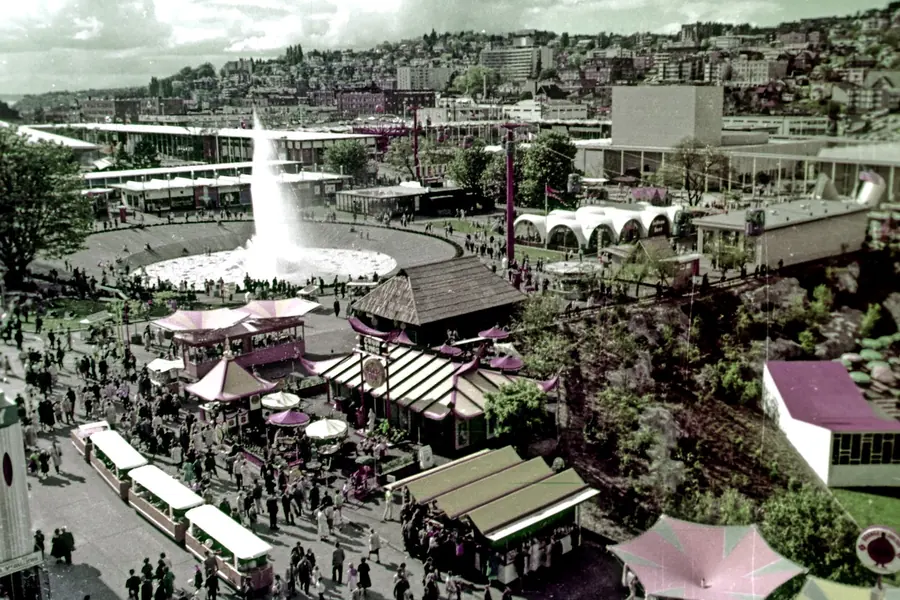
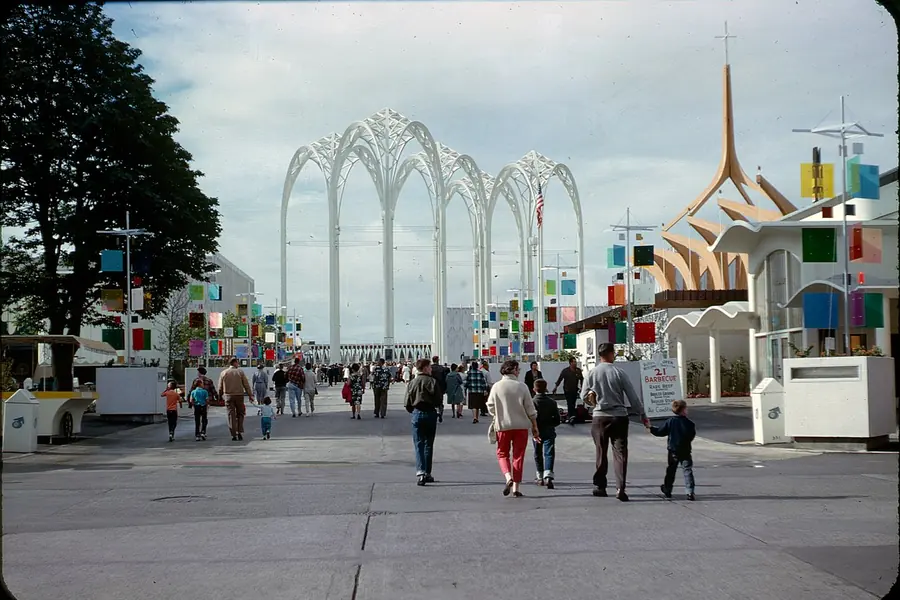
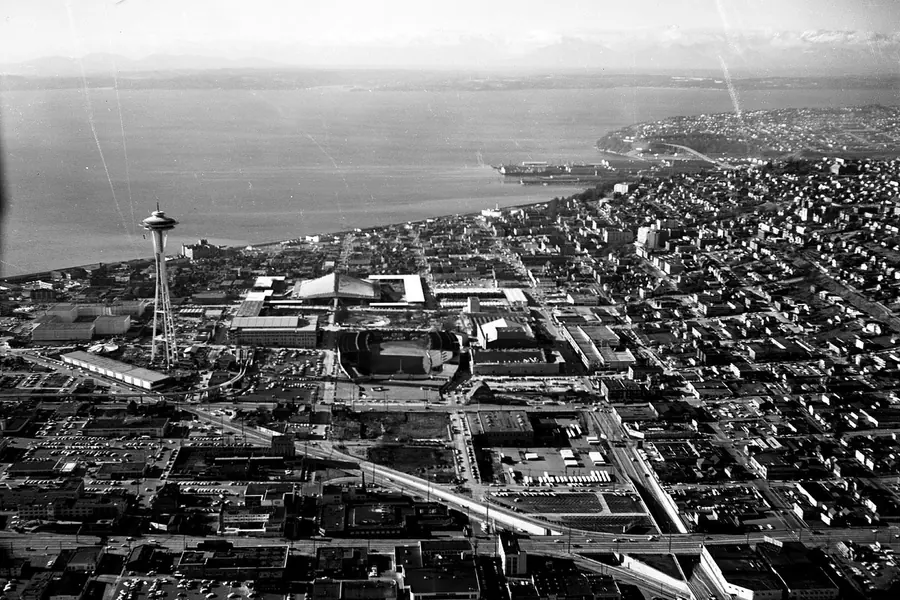
The Space Needle was built for the 1962 World's Fair and has been staring down at Seattle ever since from 605 feet. The 2018 renovation added a rotating glass floor on the observation deck and floor-to-ceiling glass walls — the Mount Rainier view on a clear day stops people mid-sentence. Book the first entry at 9 AM. The interior café is fine; the view is not fine, it is extraordinary.
Dale Chihuly's life work in a greenhouse next to the Space Needle — this is Seattle showing off.
Chihuly Garden and Glass sits directly beneath the Space Needle and contains the most comprehensive display of Dale Chihuly's blown-glass work in the world. The interior galleries are intense; the outdoor garden is the revelation — enormous glass installations among Pacific Northwest plantings, and on a clear day the Space Needle frames the whole thing. Two hours minimum.
Seattle Center grounds — food trucks and the International Fountain
The fairgrounds that became a permanent civic amenity.
The 74-acre Seattle Center grounds have food trucks, the Museum of Pop Culture (worth a full afternoon if you have one), the Pacific Science Center with its IMAX, and the International Fountain — a 1962 World's Fair feature that still shoots water 120 feet into the air on a schedule. Eat at the food trucks. The Seattle Center Armory has a permanent food hall with solid options.
Capitol Hill — Cal Anderson Park + Pike/Pine corridor
The park where Seattle goes to exist publicly, and the corridor where it goes to have opinions.
Cal Anderson Park is Capitol Hill's central park and a genuine democratic public space — dog walkers, skaters, picnickers, and the occasional protest all share the lawn without incident. The Pike/Pine corridor immediately north is the most interesting two blocks of retail in Seattle: independent record stores, vintage clothing, bookshops, and coffee counters that make the Starbucks at Pike Place look like a theme park exhibit.
Capitol Hill bars — Queer Bar, Unicorn, or Sun Liquor
Seattle's LGBTQ+ neighbourhood runs the most interesting bar program in the Pacific Northwest.
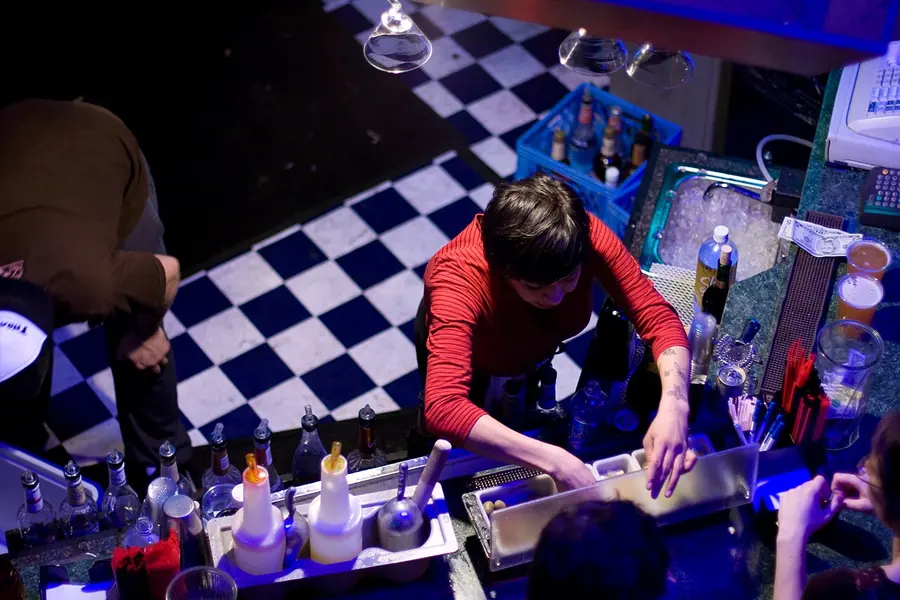
Queer Bar on 11th is the anchor — two floors, themed nights, and a commitment to being a community space that shows in the programming. Unicorn is the dive bar with taxidermy unicorns and the best cocktail menu in the neighbourhood. Sun Liquor makes its own spirits and the cocktail list changes with the seasons. All three are within three blocks of each other.
The Centre of the Universe and the neighbourhood that turned salmon into craft beer
Final day. Fremont's Sunday market if it's the weekend; Gas Works Park and the Ship Canal regardless. Then Ballard for lunch at the Hiram Chittenden Locks, and a brewery crawl if time and sobriety permit.
Fremont in the morning, Ballard in the afternoon. You have Bainbridge tomorrow, so a relatively early night tonight is in order.
Fremont and Ballard deserve a full day. The Ballard Locks watching salmon migrate upriver is one of the great free spectacles in American cities. The fish ladder viewing window is extraordinary.
Fremont Troll + Aurora Bridge
A concrete troll under a bridge, clutching a Volkswagen Beetle. Obviously mandatory.
The Fremont Troll has lived under the north end of the Aurora Bridge since 1990, a public art installation by four local artists who won a neighbourhood competition to do something about the space under the bridge. The troll is 18 feet tall, grips a genuine VW Beetle in its left fist, and has been an emergency meeting point, a picnic backdrop, and a graduation photo location for 35 years. It remains excellent.
Fremont Sunday Market (Sundays only)
Vintage goods, local food, and the only market where you can buy a 1970s synthesizer and a tamale in one trip.
The Fremont Sunday Market runs year-round at North 34th Street and Evanston Avenue — vintage and antique goods in the western section, craft market and food vendors in the east. The tamale stands arrive by 10 AM and sell out by noon. The vintage electronics and music gear section is the best in the Pacific Northwest.
Gas Works Park
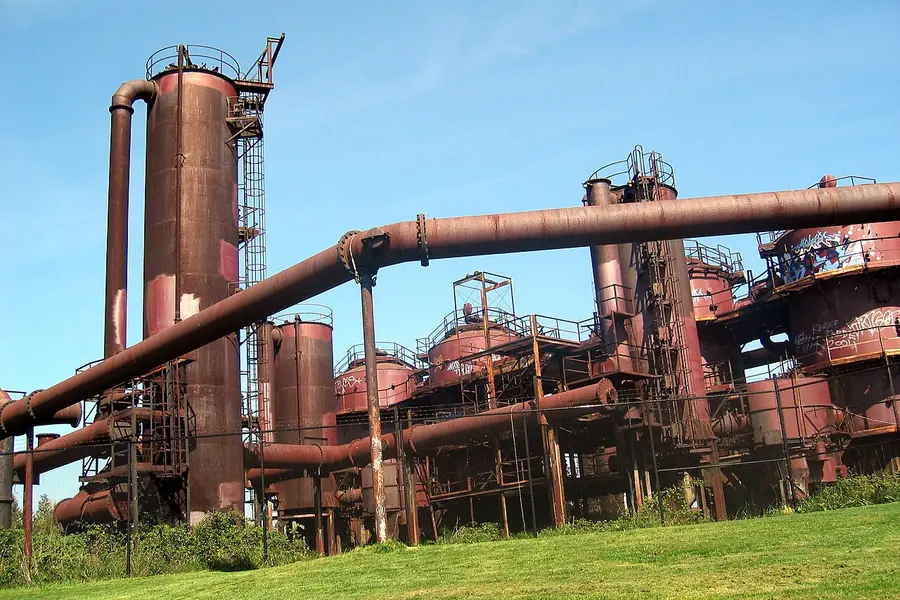
The only public park in America built around a preserved coal gasification plant. It shouldn't work. It absolutely
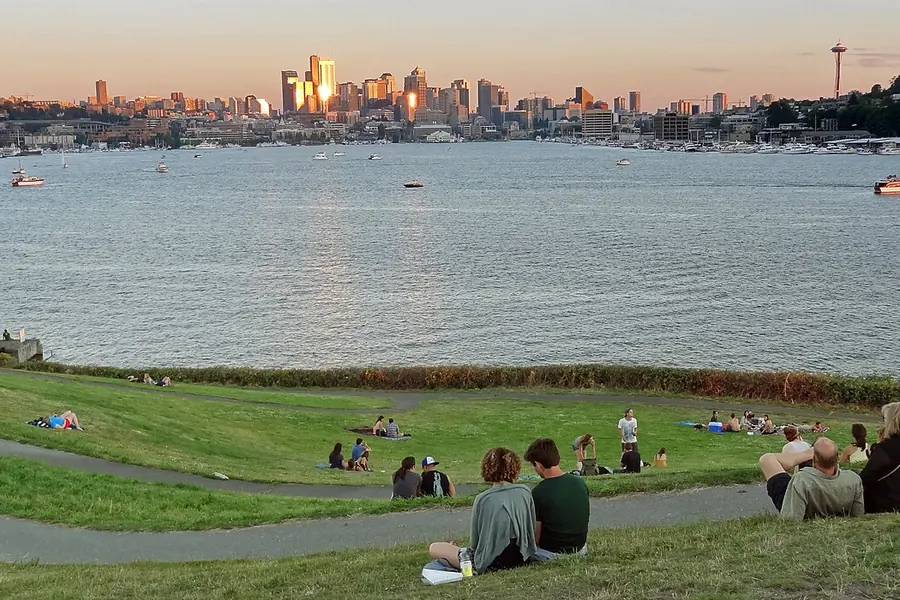
Gas Works Park sits on the north shore of Lake Union where a decommissioned coal gasification plant was preserved as industrial sculpture when the park was designed in 1975. The rusted structures are climbed, painted, and picnicked around. The view south across Lake Union to the Seattle skyline — with Mount Rainier floating behind it on clear days — is the best in the city. Bring lunch.
Watch salmon migrate upriver through a glass viewing window while tugboats queue above them.
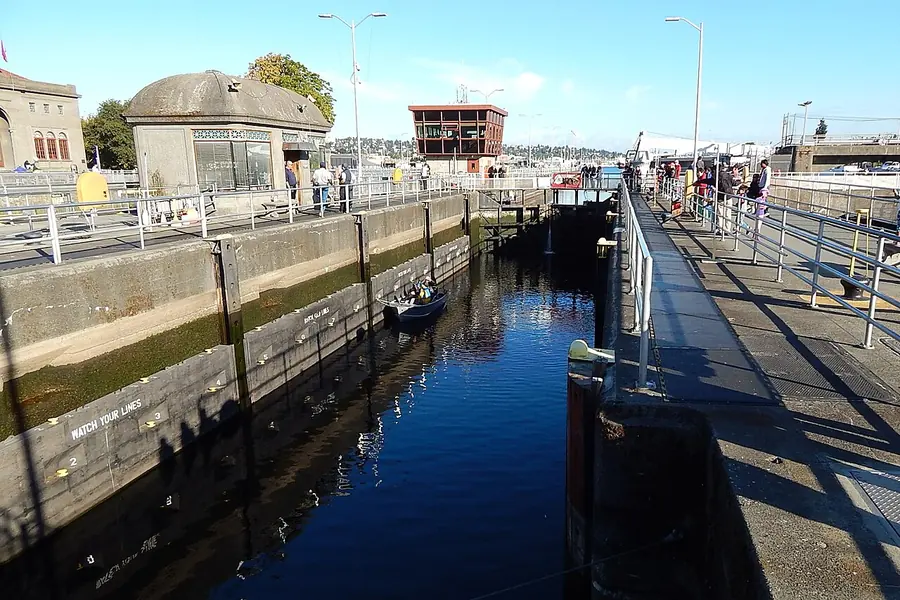
The Ballard Locks connect Puget Sound to Lake Union and Lake Washington, raising boats 21 feet between saltwater and freshwater. The locks have been operating since 1917. Between June and November, sockeye and Chinook salmon use the fish ladder alongside — the viewing window below water level lets you watch them pass at eye level. One of the most improbable urban wildlife experiences in the US, and it costs nothing.
Ballard brewery district — Reuben's Brews or Stoup Brewing
The neighbourhood that decided salmon fishing and craft beer were natural companions.
Ballard Avenue has more craft breweries per block than any street in Seattle, which is saying a great deal in a city that treats brewing with the seriousness others reserve for wine. Reuben's Brews wins the most awards. Stoup Brewing has the best taproom design. Populuxe does the most unusual styles. All three are within four blocks. Pick based on thirst and available stool space.
A $9 boat ride, a charming island, and the Seattle skyline from the water
Take the 9:05 AM ferry from Colman Dock — the 35-minute crossing gives you the full downtown Seattle skyline receding as Bainbridge grows ahead. Spend the day on the island and return for sunset. The whole day including the ferry costs less than one cocktail on a South Beach rooftop.
Same plan; you have the luxury of the later boat if you want a slow morning first. Return on the 5 PM ferry for the crossing at golden hour facing downtown.
Washington State Ferry — Coleman Dock to Bainbridge Island
The $9 crossing that every Seattle visitor calls the highlight of their trip, and they're not wrong.
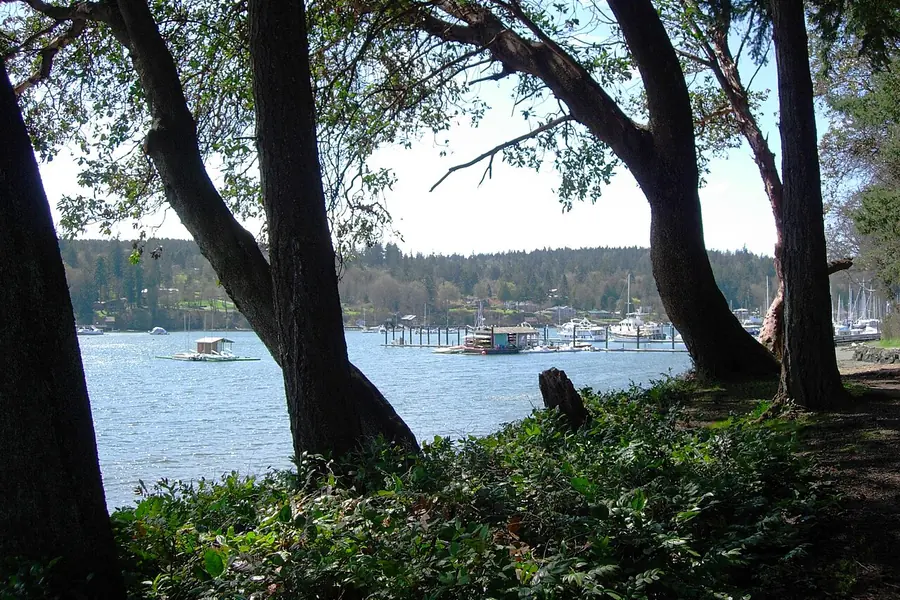
Washington State Ferries run from Colman Dock (Pier 52) to Bainbridge Island every 35–50 minutes starting at 5:35 AM. The crossing takes 35 minutes. Stand on the upper deck regardless of the weather — the view of downtown Seattle framed by the Olympics behind you is the photograph you are here to take. The ferry carries cars and walk-ons; foot passenger fare is $9.15. No booking required.
Winslow Way — Bainbridge Island town centre
The small-town main street that has been here long enough to be earnest about it.
Winslow Way runs uphill from the ferry dock for six blocks and contains a full town: a hardware store, three good coffee shops, an independent bookshop (Eagle Harbor Book Company, one of the best in Washington State), a wine bar, and a farm-to-table restaurant. The Bainbridge Island Museum of Art at the top of the hill is free and consistently excellent. Plan two hours here.
150 acres of Pacific Northwest forest garden, designed to have no straight lines.
Bloedel Reserve is 150 acres of designed landscape on the north end of Bainbridge Island — Japanese garden, moss garden, bird refuge, and old-growth forest connected by paths that deliberately avoid straight lines. It was the private estate of Prentice Bloedel, a timber magnate who spent twenty years designing the gardens, and has been public since 1988. Reservations required. Allow three hours.
Harbour Public House (or Bruciato) — Bainbridge lunch
The lunch that makes you consider missing the return ferry. Do not miss the return ferry.
Harbour Public House sits on the harbour north of the ferry terminal with outdoor seating over the water and Dungeness crab cakes that appear on every Bainbridge Island best-of list going back two decades. Bruciato is the Italian alternative one block from the ferry dock — wood-fired, local ingredients, always busy. Book ahead for either on summer weekends.
Return ferry — Bainbridge to Seattle (golden hour crossing)
The skyline you left this morning is now catching the last of the light.
Take the 5 or 6 PM return ferry for the golden hour crossing — the same skyline view as the morning but now with the sun behind you and the glass towers going amber. If Mount Rainier is out, it will be visible to the southeast from the upper deck. The harbor seal population around the dock is active in the late afternoon. Stay on deck.
Day 5
Olympic Sculpture Park + Belltown + Queen Anne
Free art on the waterfront, the neighbourhood between the hills, and a long sunset
No agenda today. Olympic Sculpture Park from 10 AM, lunch in Belltown, and an afternoon wandering Queen Anne — the residential hill with the view that makes Seattle residents smug at dinner parties.
Olympic Sculpture Park (SAM)
A free outdoor museum above Elliott Bay, with Serra and Calder arguing about weight.
The Seattle Art Museum's outdoor park on the waterfront opened in 2007 on a former industrial site and never charged admission. Permanent installations by Richard Serra, Alexander Calder, Ellsworth Kelly, and Louise Bourgeois share a nine-acre hillside with an unobstructed view of Elliott Bay, the Olympics, and the Bainbridge ferry passing below. The Serra is the most important outdoor work in the Pacific Northwest. The Calder is the most fun.
Puget Sound oysters, shucked by people who know the name of the bay they came from.
Taylor Shellfish farms have been operating on Puget Sound since 1890 and the Belltown oyster bar is the best place in Seattle to eat the results. The Kumamoto oysters are the house specialty; the Pacific oysters are bigger and sweeter. Pair with the local Dungeness crab if it's in season. Sit at the counter. Order more than you think you need.
Kerry Park, Queen Anne
The view that appears on every Seattle postcard, calendar, and Instagram grid.
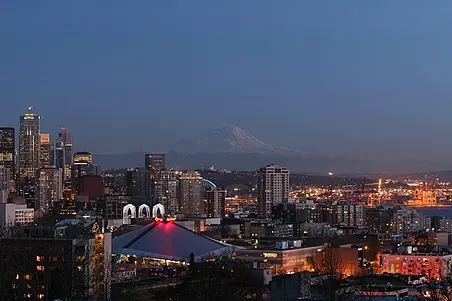
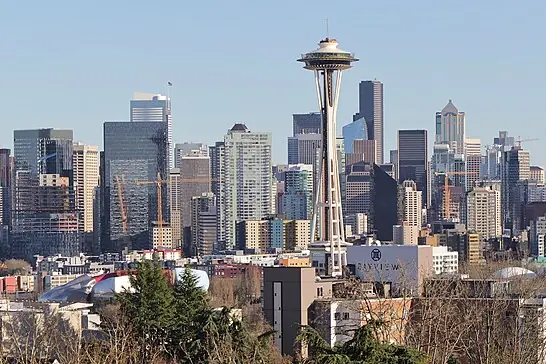
Kerry Park on Queen Anne Hill has the most reproduced view of the Seattle skyline — Space Needle, downtown towers, Elliott Bay, and Mount Rainier floating behind the whole arrangement on clear days. The park is a small residential green space with a clear sightline south. Arrive around 4 PM and stay until the city lights come on. The golden hour version is different from every other version.
Upper Queen Anne dinner — 5 Spot or Toulouse Petit
The neighbourhood where Seattle families eat, which means the food is honest.
Upper Queen Anne has the dining density of a neighbourhood that doesn't rely on tourists. 5 Spot does regional American diner food at a sophisticated level — the Pacific Northwest brunch menu is excellent. Toulouse Petit does upscale Louisiana Cajun with a bar program that takes the cocktails as seriously as the gumbo. Both have patios with tree-filtered sky views.
Day 6
Georgetown + Columbia City
The south Seattle that the tech boom forgot and the artists remembered
South Seattle has been gentrifying slower than Capitol Hill and it shows — in a good way. Georgetown has a genuine arts district in industrial buildings. Columbia City has the most diverse restaurant strip in the city. Today is about the Seattle that doesn't appear on the Space Needle gift shop postcards.
Georgetown neighbourhood — arts district walk
The warehouse arts district that Capitol Hill priced out and Georgetown kept.
Georgetown sits around East Marginal Way and Airport Way South, ten minutes from downtown by car. The industrial buildings house ceramicists, metalworkers, printmakers, and galleries that have been here since before Capitol Hill became expensive. The Georgetown Brewing Company taproom is open from 11 AM and is the biggest craft brewery in Washington State by volume. The neighbourhood art walk happens on the second Saturday of each month.
Columbia City — lunch on Rainier Ave
The most internationally diverse restaurant strip in Seattle, within two blocks.
Columbia City's Rainier Avenue South has Ethiopian, Somali, Vietnamese, Indian, and Pacific Islander restaurants within a quarter mile — the concentration of international cuisines reflects the neighbourhood's demographics rather than any curated food hall concept. Tadu Ethiopian Kitchen, Ludi's Ethiopian Restaurant, and Columbia City Ale House anchor the strip. Order injera, share everything, and return for a second round of whatever was best.
Seward Park — old-growth forest on Lake Washington
120 acres of old-growth Douglas fir forest on a peninsula, in a city of 750,000 people.
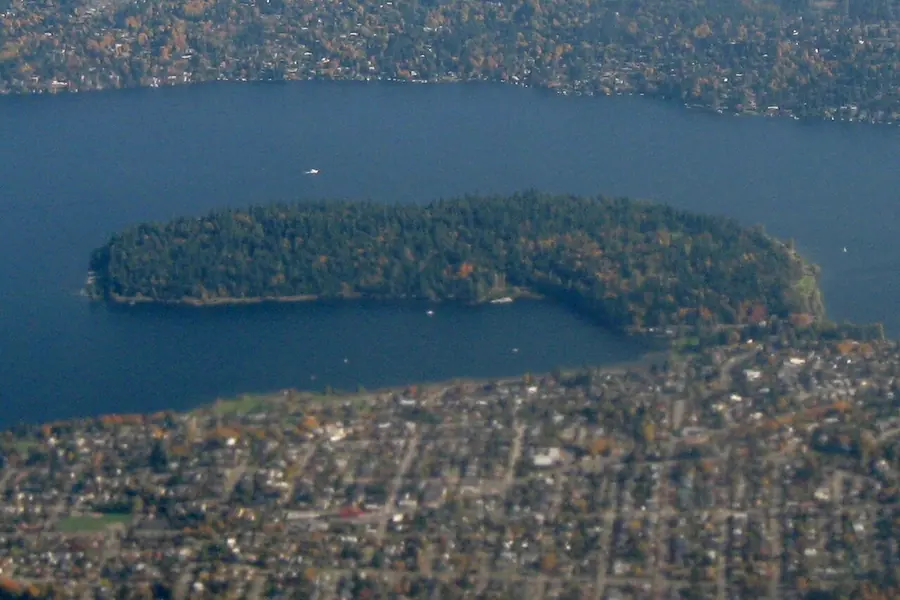
Seward Park occupies a forested peninsula in Lake Washington and contains the largest remaining old-growth forest within the Seattle city limits. The 2.4-mile loop trail around the peninsula passes through Douglas fir trees that predate the city by centuries. The lake view east catches Mount Rainier on clear afternoons. Eagles nest in the park year-round and are commonly spotted.
Local craft beer in a neighbourhood that was here before the craft beer movement.
Columbia City Ale House has been pouring local taps since 1996 and predates the current craft beer boom by enough years to be humble about it. Machine House Brewery in Georgetown makes British-style cask ales that have no business being this good this far from London. Either works for an unhurried final evening before the goodbye day.
Day 7
Green Lake + Farewell Coffee Ceremony
The lake that saved itself, the last coffee, and the fog that might lift
Last day in Seattle. Green Lake in the morning — the 2.8-mile loop around the lake is the definitive Seattle morning ritual. Then a proper farewell coffee at the shop you've been meaning to return to all week. Then Phinney Ridge or Wallingford for a last lunch, and whatever comes after.
Green Lake Park — morning loop (2.8 miles)
Seattle's morning ritual, involving ducks, a loop path, and competitive but polite joggers.
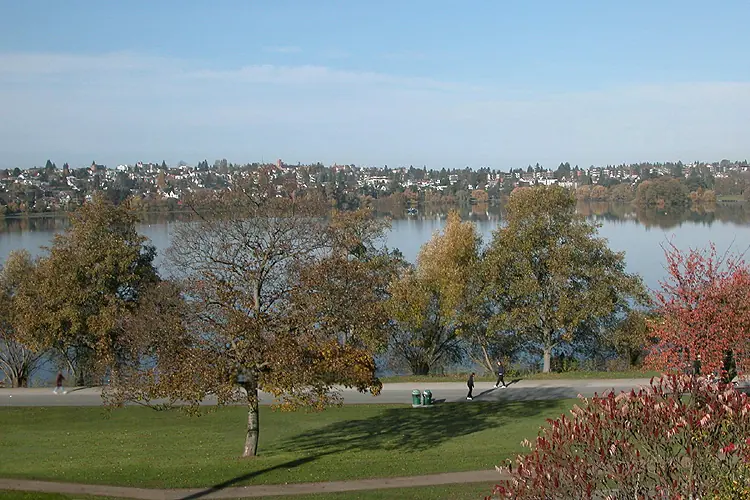
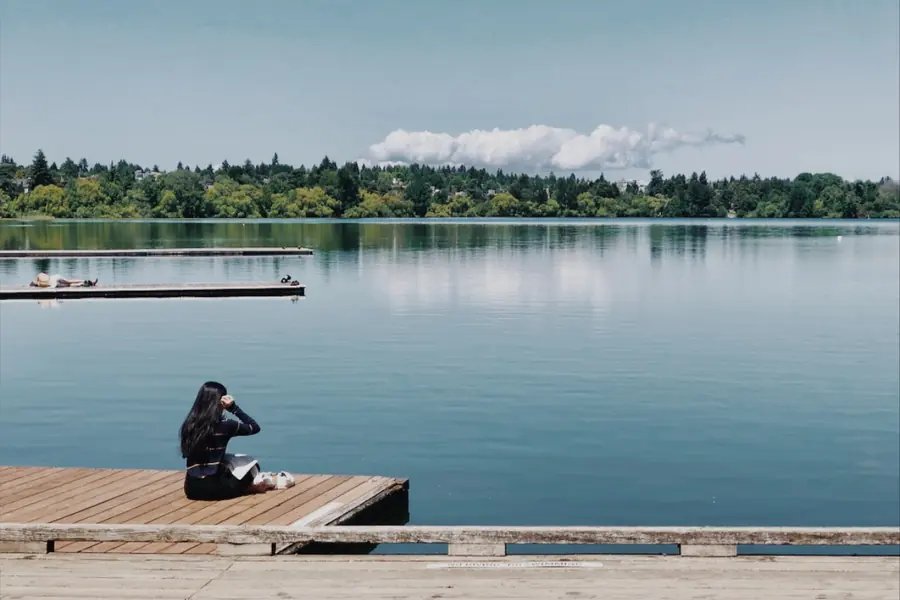
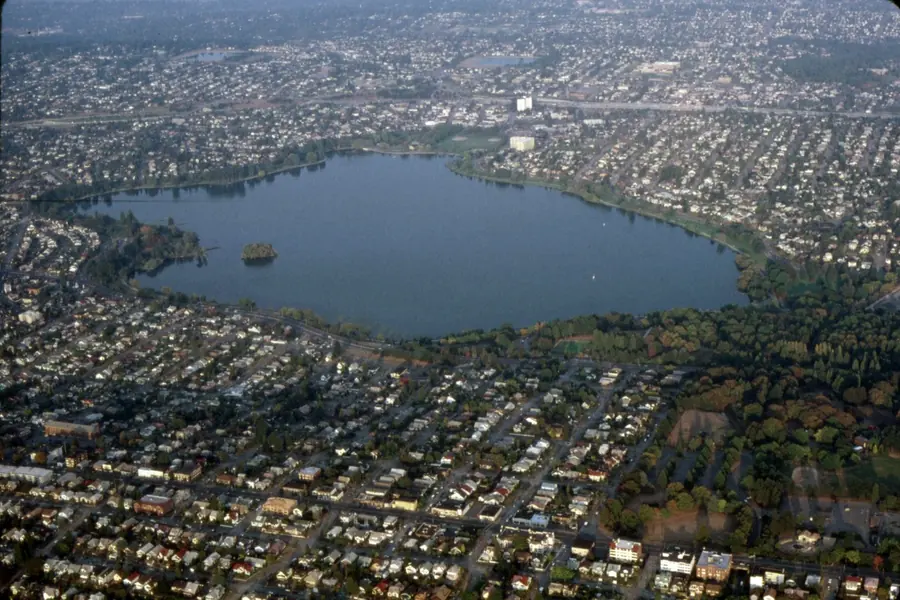
Green Lake Park has a 2.8-mile paved path around the glacially formed lake that is the most-used trail in Seattle. The morning population is a cross-section of the entire city: triathletes, elderly couples, families with strollers, the person who does this every day regardless of rain (which is most days). The lake has resident ducks, herons, and in summer, an osprey pair. Rent a rowboat or paddleboat from the boathouse on the east shore and do the loop on the water instead.
Farewell coffee — Victrola, Lighthouse, or Elm Coffee Roasters
The city that invented the premium coffee culture owes you one good final cup.
Seattle did not invent coffee but it did invent the idea of caring deeply about where the coffee came from and how it was made, and exported that idea to the world via Starbucks and the independent roasters that grew up around it. Victrola on Capitol Hill is the sentimental choice. Lighthouse Coffee on NE 65th is the neighbourhood favourite. Elm Coffee Roasters in Pioneer Square is the serious drinker's choice. Pick based on proximity to your hotel checkout.
Phinney Ridge or Wallingford — farewell lunch
Two adjacent residential hills with the restaurant density of a much larger city.
Phinney Ridge has the Woodland Park Zoo (excellent, worth a morning visit if you have children) and a strip of independent restaurants on Phinney Ave North that feel like the neighbourhood they've always been. Wallingford's 45th Street has been good for lunch since before the tech boom changed much of the city. Tilth and the Phinney Ridge neighbourhood both represent a Seattle that hasn't changed its personality to accommodate visitors, which is the best possible recommendation.
One last water view — pick your favourite
You know where to go now. Go there.
Kerry Park if you need the skyline one more time. The Bainbridge Ferry dock at Pier 52 if the boat is running. The Olympic Sculpture Park bench above Elliott Bay if you want to sit and not move. You know the city now. Pick the view that felt most like Seattle to you this week and go back to it. That is the whole point of Day 7.
Seattle does not apologise for the rain. It also does not apologise for the coffee, the traffic, or the fact that a free public park contains old-growth Douglas fir trees that were standing before the United States existed. The city is extraordinarily comfortable with its own identity, which makes it easy to spend a week here and hard to leave.
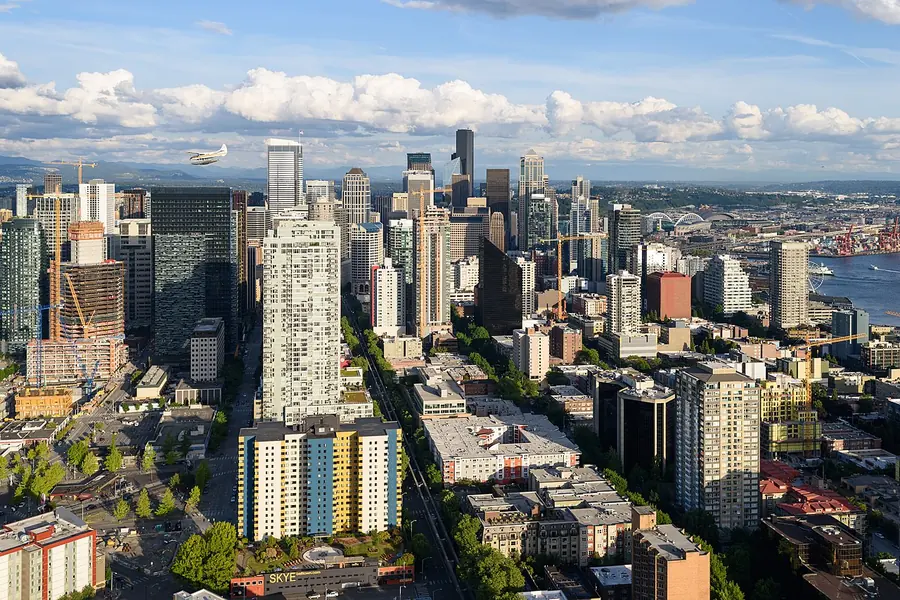
This itinerary is built around Seattle’s defining characteristic: its relationship with water. Every great day here involves the Puget Sound, Lake Union, Lake Washington, or the rain — sometimes all four. Pike Place is above the waterfront. The Bainbridge ferry crosses the Sound. Gas Works Park sits on Lake Union. Kerry Park looks down at Elliott Bay. The city faces west toward the Olympics and the water, and that orientation shapes everything.
The 2/3/4/7-day versions here are genuinely different experiences. Two days is Pike Place, the Space Needle, and Capitol Hill — the essential Seattle. Seven days is discovering that the city has a whole south side, a whole archipelago of neighbourhoods, and a coffee culture so evolved it now quietly judges its own origin story.
2-day vs 7-day Seattle at a glance
2-day
7-day
Pike Place Market
Full morning, Day 1
Full morning + food tour, Day 1
Pioneer Square
Underground Tour, Day 1
Full afternoon, Day 1
Space Needle + Chihuly
Morning, Day 2
Evening golden hour, Day 2
Capitol Hill
Evening both days
Full day + nightlife, Day 2
Fremont + Ballard
Skipped
Full day, Day 3
Bainbridge Island ferry
Skipped
Full day, Day 4
Olympic Sculpture Park
Skipped
Morning, Day 5
Georgetown + Columbia City
Skipped
Full day, Day 6
Green Lake farewell loop
Skipped
Day 7 morning
Budget (per person)
$380–$580
$1,300–$2,100
Best for
First impression
The city that ruins everywhere else
This article contains affiliate links marked with rel="sponsored". We may earn a commission at no extra cost to you.