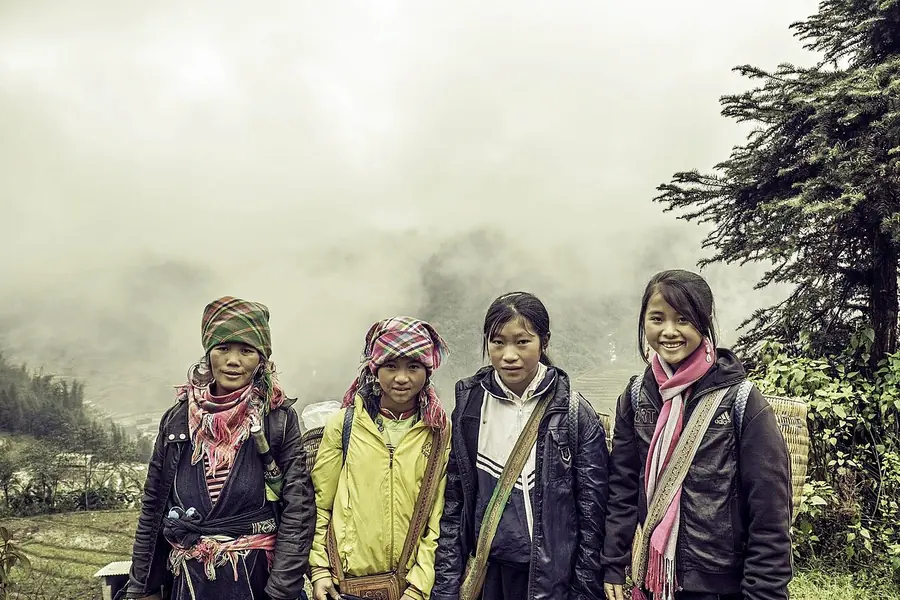
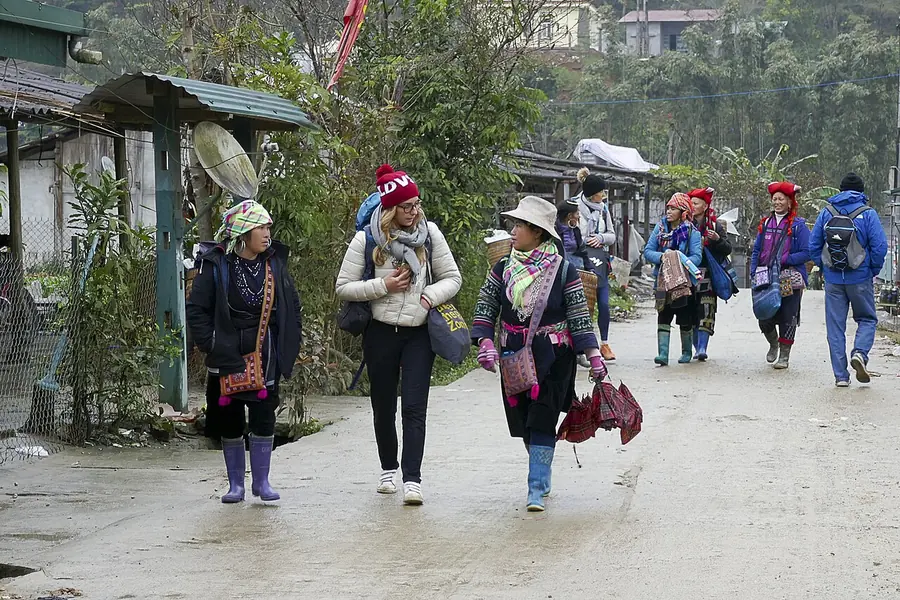
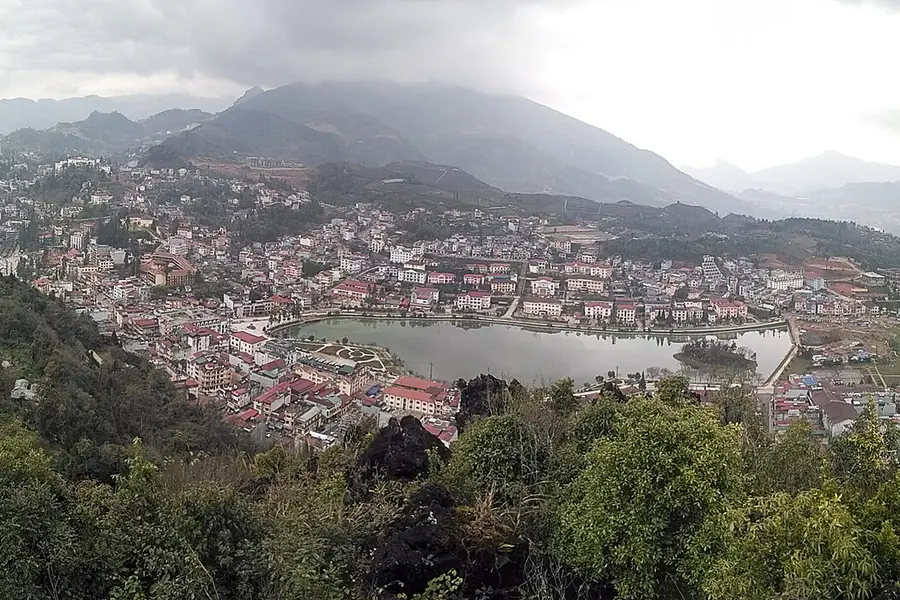
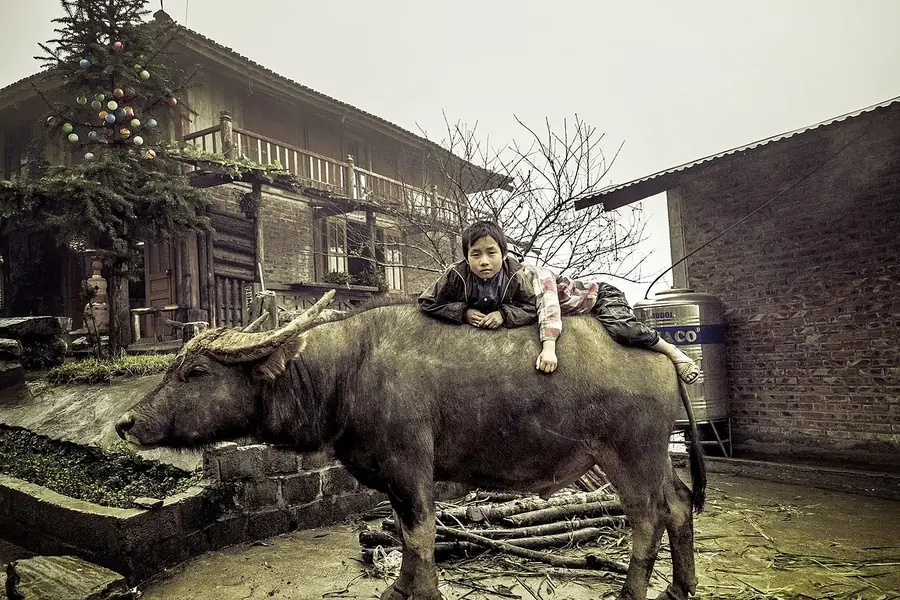
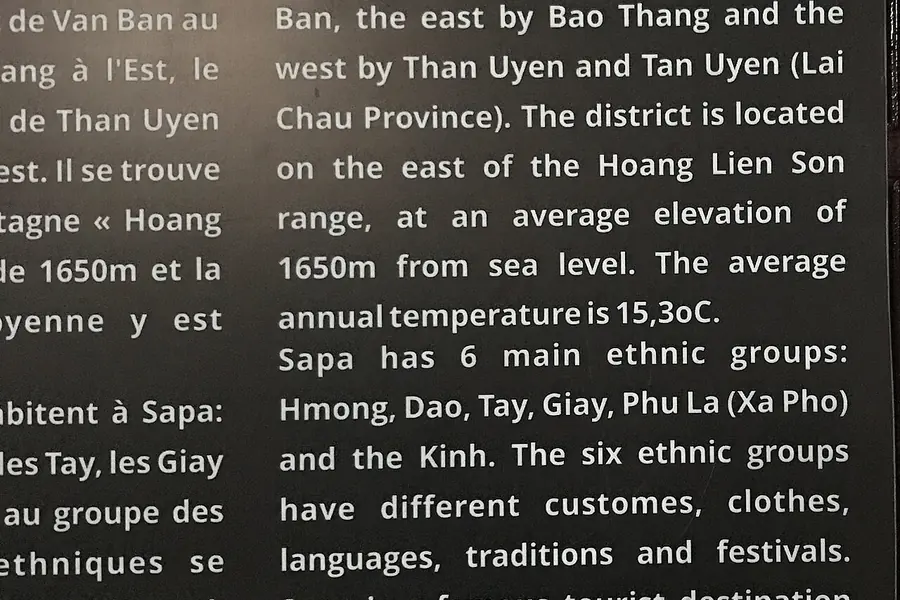
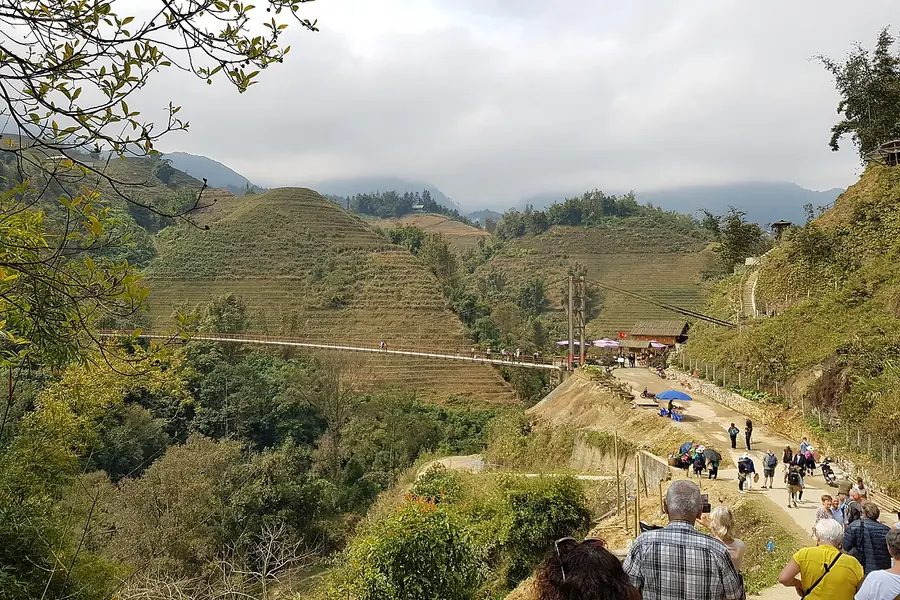
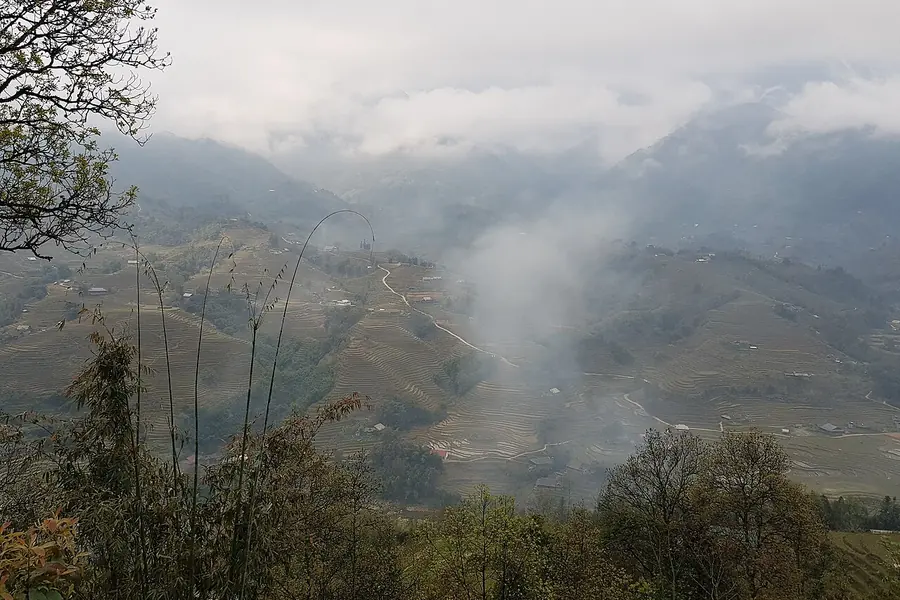
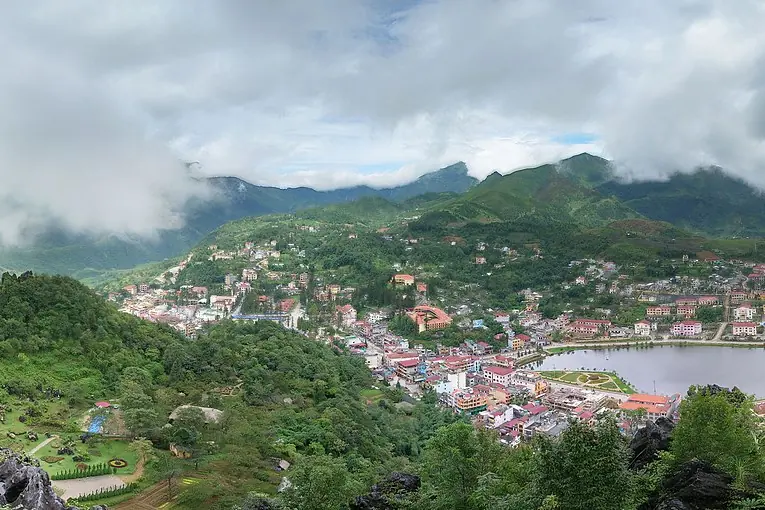
We set off from Sapa town in thick fog, sure we'd come all this way to walk through grey soup. Then, halfway down into the Muong Hoa valley, the cloud peeled back like a curtain and the whole valley opened up below us — terrace after terrace of luminous green rice stacked a thousand feet to a silver river, a Hmong woman striding ahead of us in indigo. Sapa town itself is a chaotic, half-built mess of karaoke bars and concrete. But step off the main road into those valleys and it becomes one of the most quietly staggering landscapes in Asia.
Two days is enough for the trek that matters: down through the Muong Hoa valley to the Hmong and Dao villages, ideally with a night in a homestay. You skip the town's tat and get straight to the terraces. A short, sharp hit of the real Sapa.
Do this one thing: hire a local Hmong guide directly — it puts money where it belongs and the trails make far more sense with one.
The valley trek plus Mount Fansipan
A third day adds Fansipan, the roof of Indochina, reached by a cable car (or a brutal two-day hike if you're hard). You pair the soft green valleys with a high, cold summit. A satisfying contrast of low and high country.
Trekking, Fansipan, and a hill-tribe market
Four days lets you time it around the Bac Ha or Can Cau market, a riot of colour where the Flower Hmong trade everything from buffalo to brocade. You move from landscape to living culture. My recommended length for Sapa.
Deep treks, remote villages, and the road less walked
A week lets you trek further into the Ta Phin and Ta Van back-valleys, sleep in more homestays, and dodge the day-tripper crowds entirely. You stop being a tourist and start being a guest. Seven days is for walkers who want the mountains, not the souvenir stalls.
Estimated budget:$80-$220
Estimated budget:$130-$350
Estimated budget:$180-$480
Estimated budget:$340-$900
[ THE DISPATCH · FIELD MAP ]
A tilted, hand-drawn dispatch of Sapa. Click a quarter to explode it open.
0 / 6 quarters explored
Legend · tap to highlight
[ SAPA TOWN ]
Grand squares and big ideas.
Giang Ta Chai TrekA quieter back-valley walk past a bamboo forest and waterfall.
Sapa Town & Stone ChurchThe chaotic hub — French-era church, lake, and hot pho.
[ MUONG HOA VALLEY ]
Green breathing room.
Cat Cat VillageThe closest Hmong village — pretty, popular, a gentle warm-up.
Muong Hoa Valley TrekThe classic descent through terraces to Lao Chai and Ta Van.
[ CAT CAT & HAM RONG ]
Green breathing room.
Ta Van HomestayDinner, rice wine, and a quiet night among the terraces.
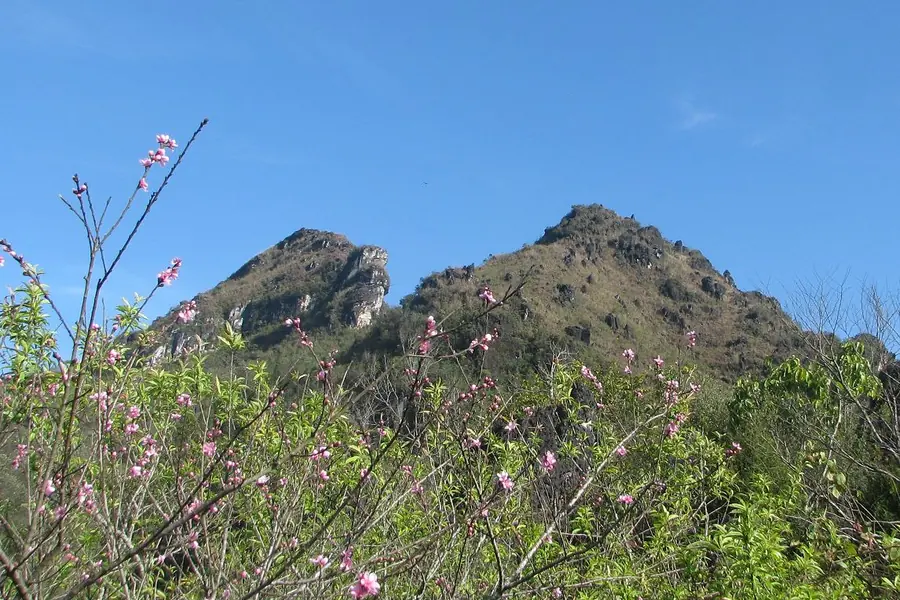
Ham Rong MountainDragon Jaw Mountain — gardens, a viewpoint, right above town.
[ MOUNT FANSIPAN ]
Green breathing room.
Fansipan Cable CarA record-breaking cable car to Indochina's highest summit, 3,143 m.
Fansipan Spiritual ComplexA surreal mountaintop world of pagodas above the clouds.
[ TA PHIN VALLEY ]
Green breathing room.
Ta Phin Valley TrekA Red Dao valley of terraces, caves, and indigo dyeing.
Red Dao Herbal BathA steaming wooden tub of medicinal herbs for trail-worn legs.
Can Cau MarketThe smaller Saturday market for the same colour, fewer tourists.
Day 1
Into the Muong Hoa Valley
The trek that makes the whole trip worth it
Cat Cat Village
The closest Hmong village — pretty, popular, a gentle warm-up.
A short downhill walk from Sapa town leads to Cat Cat, a Black Hmong village with a waterfall and old hydro station. It's the most touristed village (there's an entrance fee and some staged photo spots), but it's a fine leg-stretcher and the terraced approach is lovely. Treat it as the appetiser, not the main course.
The classic descent through terraces to Lao Chai and Ta Van.
The signature Sapa walk: a few hours downhill on muddy paths through rice terraces to the Hmong village of Lao Chai and the Giay village of Ta Van. Hire a local guide directly (around 600,000-900,000 VND) — they read the weather and trails, and the money stays local. Wear proper boots; the clay turns to a skating rink when wet.
Dinner, rice wine, and a quiet night among the terraces.
Sleep in a valley homestay rather than rushing back to town. A good one (try a family-run place in Ta Van) means a home-cooked dinner of spring rolls and stir-fried greens, a few shots of fierce homemade rice wine, and a morning of birdsong and mist instead of karaoke. This is the heart of the trip.
Day 2
Terraces and Town
A morning walk out and the view from the top of the village
Giang Ta Chai Trek
A quieter back-valley walk past a bamboo forest and waterfall.
From Ta Van, walk on to the Red Dao village of Giang Ta Chai through bamboo groves and across a swaying suspension bridge to a waterfall. It sees far fewer feet than the Lao Chai stretch and the terraces are just as good. A perfect, lung-clearing morning before the climb back to the road.
Sapa Town & Stone Church
The chaotic hub — French-era church, lake, and hot pho.
Back in town, the 1930s French stone church anchors the central square, and the man-made lake is a pleasant loop. The town is overbuilt and brash, but it has the warmest food after a cold trek: a steaming bowl of pho or thang co (a Hmong horse-meat stew, if you're brave) and a strong egg coffee. Buy your Fansipan or market tickets here.
Day 3
The Roof of Indochina
Up Mount Fansipan, by cable car or boot
Fansipan Cable Car
A record-breaking cable car to Indochina's highest summit, 3,143 m.
Unless you want a hard two-day hike, the cable car from Sun World whisks you up Fansipan in 15 spectacular minutes, often through the clouds. From the top station a funicular and steps reach the summit, dotted with Buddhist statues and pagodas. Go early; afternoons cloud over completely. Bring a fleece — it's properly cold up top.
Fansipan Spiritual Complex
A surreal mountaintop world of pagodas above the clouds.
The summit's Buddhist complex is divisive — purists hate that they built a theme-park-ish temple cluster on a wild peak — but walking among the giant bronze Buddha and the cloud-wreathed pagodas is genuinely atmospheric when the mist rolls through. Give it an hour or two before the crowds thicken, then drop back down for a late lunch.
Day 4
Market Day
A hill-tribe market in full, chaotic colour
Bac Ha Market
The region's biggest Sunday market — Flower Hmong, buffalo, brocade.
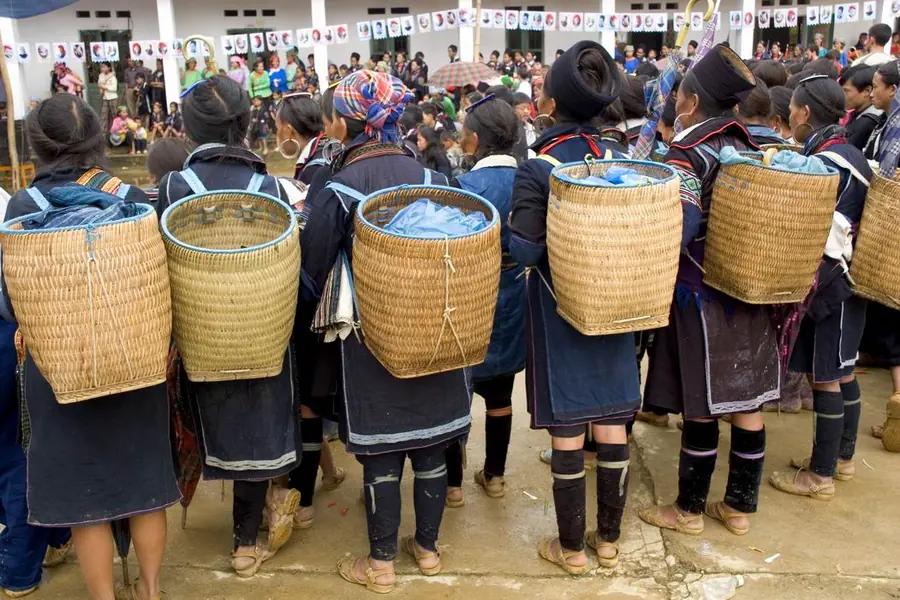
Two and a half hours from Sapa, the Sunday Bac Ha market is the great hill-tribe gathering: Flower Hmong women in dazzling embroidered dress, a roaring livestock section where buffalo change hands, and stalls of textiles, herbs, and corn wine. Go with a small-group tour for the transport, but wander off solo once there. The single most vivid cultural day in the north.
The smaller Saturday market for the same colour, fewer tourists.
If your timing lands on a Saturday instead, Can Cau, further north near the Chinese border, is the quieter, less commercialised cousin of Bac Ha. Same Flower Hmong dress, same livestock trading, a fraction of the cameras. Either market is a feast; pick the one that fits your dates.
Day 5
The Ta Phin Back-Country
Red Dao villages and a herbal bath
Ta Phin Valley Trek
A Red Dao valley of terraces, caves, and indigo dyeing.
North of Sapa, the Ta Phin valley is home to the Red Dao, known for their crimson headscarves and herbal medicine. Trek through terraces to the village, visit the limestone Ta Phin cave, and watch traditional indigo cloth-dyeing. It's gentler and less trodden than Muong Hoa — a different community and a calmer day.
Red Dao Herbal Bath
A steaming wooden tub of medicinal herbs for trail-worn legs.
The Red Dao are famous for their herbal baths — a wooden tub of near-scalding water steeped in dozens of mountain herbs, traditionally used for recovery and warmth. After days of trekking it is pure bliss. Several Ta Phin homestays and a few Sapa spas offer the real thing. Don't skip it.
Day 6
Deep Valley Trek
The long walk to remote villages
Y Linh Ho Trail
A steep, rugged Black Hmong trail few day-trippers reach.
From Sapa, descend a tough, narrow trail to Y Linh Ho, a scattered Black Hmong hamlet clinging to the steepest part of the valley. The path is more demanding and far emptier than the main route, crossing streams and skirting the river. With a guide it's the most rewarding walking around Sapa — raw, quiet, and real.
Down by the river lies the Muong Hoa rock field, scattered with stones carved with ancient petroglyphs no one has fully decoded. It's a serene, strange spot for a packed lunch by the water before the long climb back. A reminder that people have read meaning into these valleys for a very, very long time.
Day 7
Last Views and Farewell
A final ridge walk and the slow goodbye
Ham Rong Mountain
Dragon Jaw Mountain — gardens, a viewpoint, right above town.
An easy last morning: climb the landscaped Ham Rong (Dragon Jaw) Mountain right behind Sapa town for orchid gardens, rock formations, and a panoramic viewpoint over the whole valley and, on a clear day, Fansipan. Touristy and a little kitsch, but the top-of-town view is a fitting last look before you head down.
Smoky street skewers and one last egg coffee before the bus.
End at Sapa's covered market and the evening grill stalls nearby: skewers of pork, river fish, and sticky rice cooked in bamboo, washed down with a final egg coffee or a shot of corn wine. Stock up on a length of Hmong embroidery or a bag of mountain tea. A warm, smoky goodbye to the highlands.
Sapa is two completely different places, and your trip depends on which one you spend your time in. There’s Sapa town — overbuilt, brash, ringed with karaoke bars and half-finished hotels, a real disappointment if it’s all you see. And then there are the valleys: the Muong Hoa terraces, the Hmong and Dao villages, the cloud forests and the long quiet trails. Spend your hours in the second Sapa and you’ll understand why people fall hard for the place.
How to use this plan
Trekking is the entire point, so build around it. Two days is enough for one good valley walk down to Lao Chai and Ta Van, ideally with a homestay night so you actually wake up among the terraces. Three adds Mount Fansipan, the roof of Indochina, reached the easy way by cable car. Four — my pick — times the trip around the dazzling Bac Ha or Can Cau hill-tribe market.
The 7-day version is for walkers. It pushes into the quieter Ta Phin and Y Linh Ho back-valleys, builds in more homestay nights, and includes a Red Dao herbal bath that will resurrect your trekking legs. With a week you trade the day-tripper trails for the empty ones and start being treated as a guest rather than a tour group.
A few honest notes
Hire a local Hmong or Dao guide directly rather than booking through a big agency — the trails make far more sense with one, and the money lands where it should. Go in spring (March to May) or autumn (September to November): summer is hot and pours, and winter can be bone-cold and fogged in (though the empty mist has its own beauty). Pack real boots and a rain layer; the clay paths turn lethal when wet. And don’t judge Sapa by its town. Walk out of it, and quickly.
This article contains affiliate links marked with rel="sponsored". We may earn a commission at no extra cost to you.