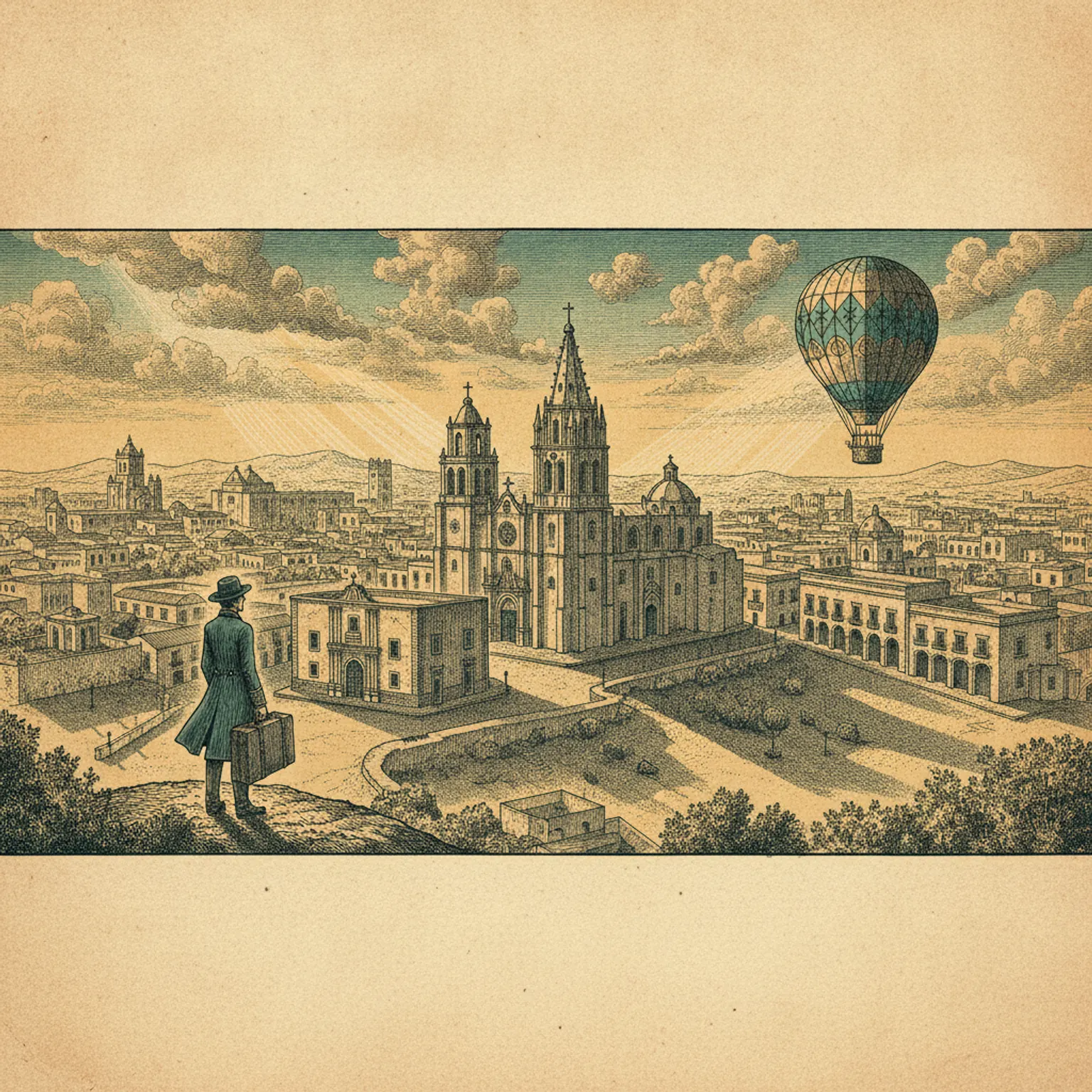
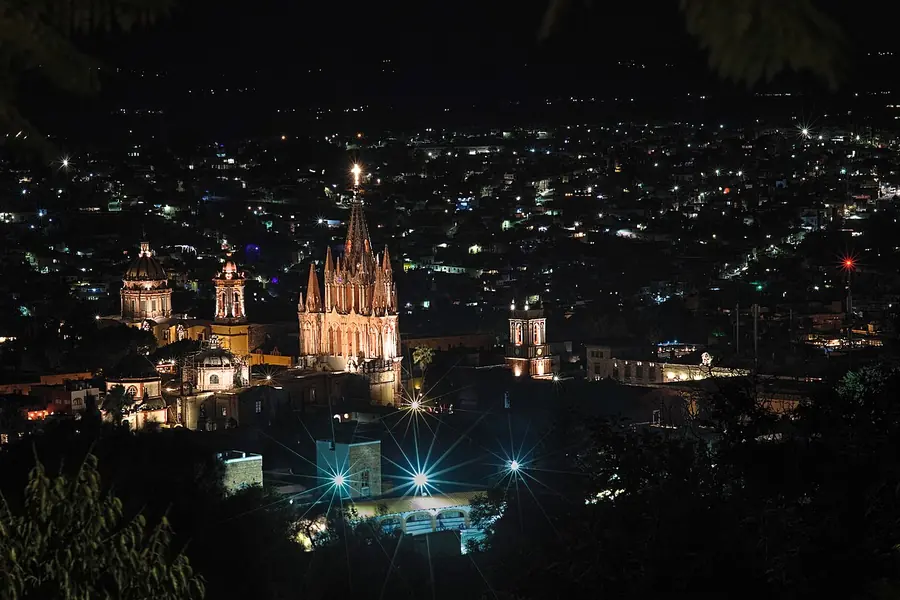
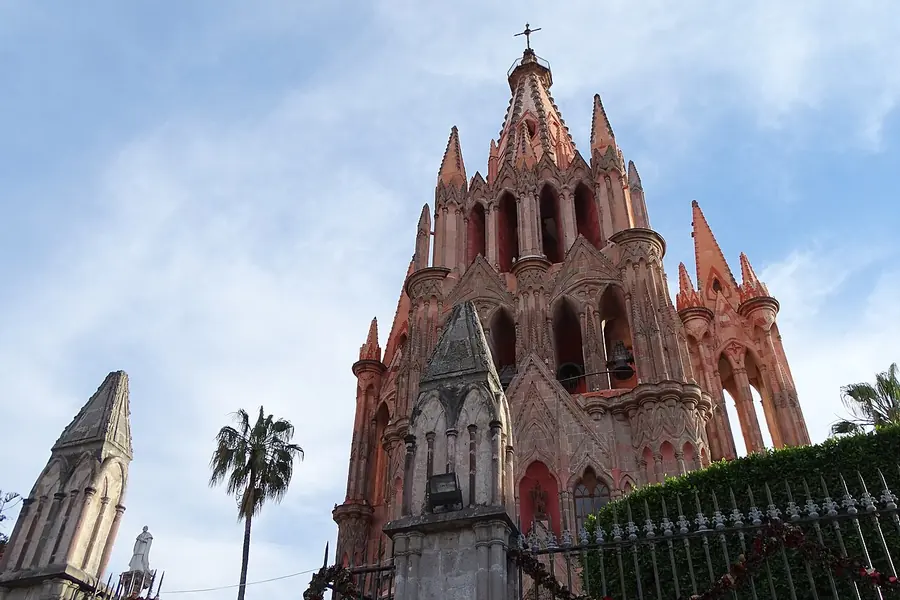
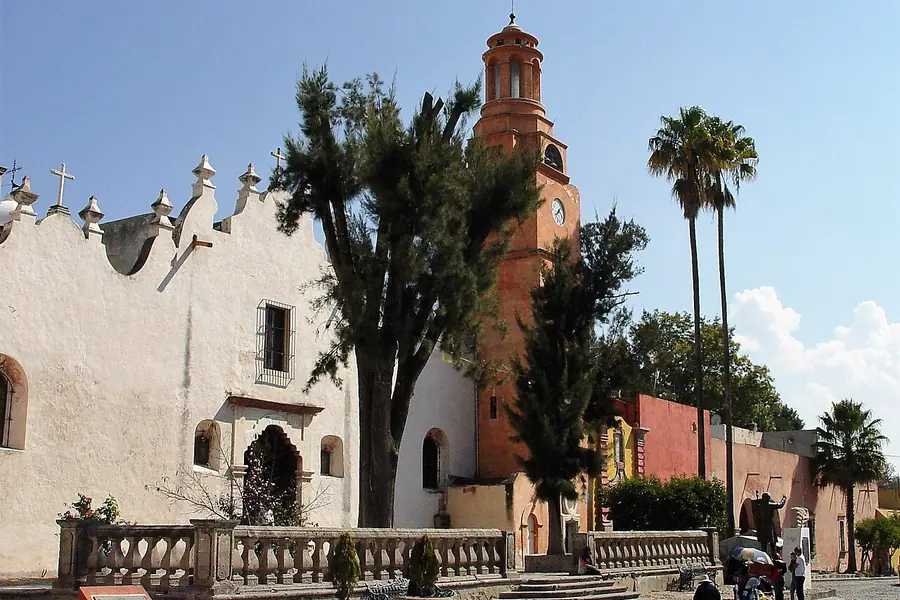
I rolled my ankle within twenty minutes of arriving in San Miguel, because the cobblestones here are not a charming detail — they are an ongoing personal attack. But that evening I limped up to a rooftop bar, ordered a mezcal, and watched the pink Parroquia turn gold and then violet as the sun went down behind the hills, mariachis warming up in the square below. I forgot about my ankle entirely. This is the prettiest town in Mexico, and it knows it, and somehow that doesn't ruin it.
Perfect San Miguel de Allende Itinerary (2, 3, 4 & 7 Days)
Two days is the historic centre: the pink Parroquia and the Jardin on Day 1, a wander through the cobbled lanes and galleries, and a sunset from a rooftop bar with a mezcal in hand. Day 2 adds Fabrica La Aurora and a long lunch. It's a small town — you can walk all of it, ankles permitting.
Wear real shoes. The cobblestones are brutal, the town sits at 1,900 metres, and the sun is fierce. Hydrate, go slow, and nap before sunset.
72 Hours: Add the Markets and a Cooking Class
Three days lets you eat properly — the Tuesday Market (Tianguis), the Mercado de Artesanias, and a hands-on cooking class learning Guanajuato cuisine. Add the Charco del Ingenio botanical garden for a hike with city views. This is when San Miguel stops being a backdrop and starts being a place you taste.
4 Days: Hot Springs and a Vineyard
Four days means a slow day out of town: the Escondido Place hot springs (warm grottoes and pools 15 minutes away) in the morning, or one of the Guanajuato wine country vineyards like Cuna de Tierra for a long lunch. San Miguel rewards a slower pace; this is the day you find it.
7 Days: The Bajio Beyond the Cobblestones
A week turns San Miguel into a base for the whole Bajio highlands — colourful Guanajuato city, the pottery town of Dolores Hidalgo, the sanctuary of Atotonilco, hot springs, and vineyards. By Day 5 you'll have a favourite rooftop, a regular taco stand, and a strong opinion about which church bell wakes you up. That's when you know it's working.
Estimated budget:$180-$420
Estimated budget:$260-$600
Estimated budget:$360-$820
Estimated budget:$620-$1,450
[ THE DISPATCH · FIELD MAP ]
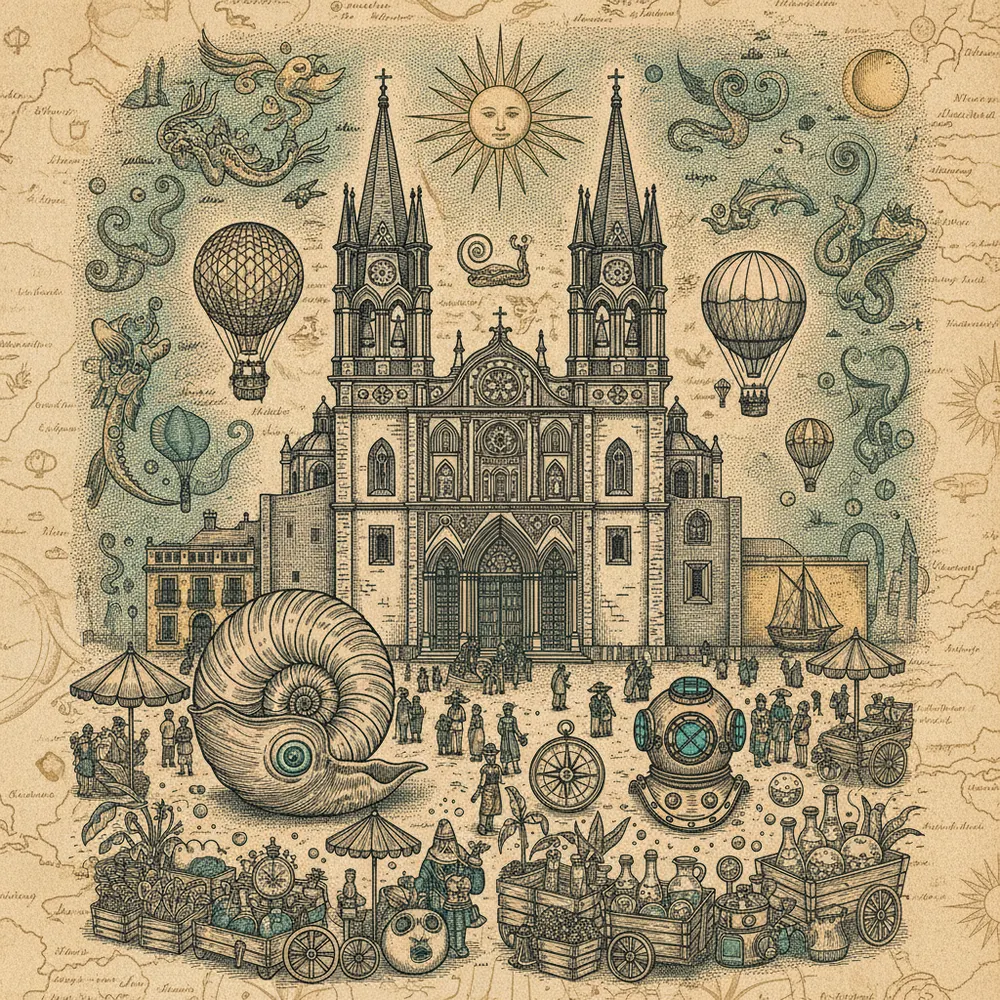
A tilted, hand-drawn dispatch of San Miguel De Allende. Click a quarter to explode it open.
0 / 6 quarters explored
Legend · tap to highlight
[ EL CENTRO / THE JARDIN ]
Old stones, older stories.
Parroquia de San Miguel ArcangelThe pink neo-Gothic fantasy church that became the symbol of the whole town.
El Centro + Callejon walkA UNESCO-listed maze of ochre walls, bougainvillea, and ankle-testing cobblestones.
[ ROOFTOP BARS ]
Stays up later than you do.
Rooftop sunset at Luna or QuinceMezcal in hand, the Parroquia going gold — the moment the whole town exists for.
[ FABRICA LA AURORA ]
Grand squares and big ideas.
Fabrica La AuroraA 1902 textile factory reborn as the best art-and-design complex in central Mexico.
Templo del Oratorio + Plaza CivicaA cluster of colonial churches and the everyday market square locals actually use.
[ MARKETS & PLAZA CIVICA ]
Grand squares and big ideas.
Mercado de Artesanias + TianguisEmbroidered textiles, tin work, and a sprawling open-air market full of everything.
Guanajuato cooking classLearn to make mole, salsas, and handmade tortillas from a local cook.
[ EL CHARCO DEL INGENIO ]
Green breathing room.
El Charco del IngenioA botanical garden and canyon reserve with cacti, a reservoir, and the best town views.
[ INSTITUTO ALLENDE ]
Old stones, older stories.
Instituto Allende + gallery hopA historic art school and a final wander through San Miguel's studios.
Farewell rooftop + final mezcalOne last sunset over the Parroquia, and a toast to the prettiest town in Mexico.
Day 1
The Parroquia + El Centro + Rooftop Sunset
The pink church, the main square, and the sunset everyone comes for
Parroquia de San Miguel Arcangel
The pink neo-Gothic fantasy church that became the symbol of the whole town.
The Parroquia is San Miguel's icon — a wildly pink, neo-Gothic confection of spires that a local stonemason, Zeferino Gutierrez, allegedly designed in the 1880s based on postcards of European cathedrals. The interior is more restrained than the facade promises. Sit on a bench in the Jardin (the main square) opposite and just watch it; the building changes colour with the light all day and is unrecognisable between noon and dusk.
A UNESCO-listed maze of ochre walls, bougainvillea, and ankle-testing cobblestones.
The historic centre is a UNESCO World Heritage Site for good reason: street after street of pastel and ochre colonial houses draped in bougainvillea, with carved wooden doors and hidden courtyards. Wander without a plan — up Calle Aldama for the most photographed view of the Parroquia, into the Casa de Allende museum on the square, through the galleries off the Jardin. Stop for a coffee whenever your ankles file a complaint.
Rooftop sunset at Luna or Quince
Mezcal in hand, the Parroquia going gold — the moment the whole town exists for.
San Miguel's sunset is a religion, and the rooftop bars are its churches. Luna Rooftop Tapas Bar at the Rosewood and the rooftop at Quince both deliver the killer view of the Parroquia against the hills as the light goes pink. Get there early to claim a railing seat, order a mezcal or a paloma, and watch the bells start ringing across the rooftops. It's a cliche because it's genuinely that good.
Day 2
Fabrica La Aurora + Galleries + Long Lunch
Art, design, and the slow Mexican lunch
Fabrica La Aurora
A 1902 textile factory reborn as the best art-and-design complex in central Mexico.
Fabrica La Aurora is a former cotton mill turned sprawling art and design centre — dozens of galleries, antique dealers, and studios in a beautifully patinated industrial shell, with a leafy cafe in the middle. Even if you're not buying, it's the best browsing in town and the artists are often working in their studios. The Cafe La Aurora is a lovely, shaded spot for a mid-morning coffee.
A cluster of colonial churches and the everyday market square locals actually use.
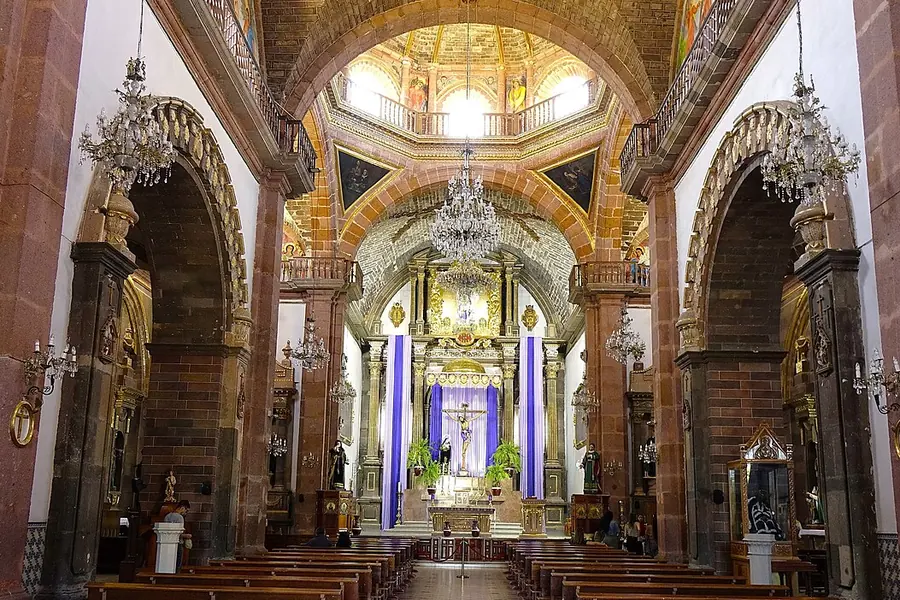
A few blocks from the Jardin, the Templo del Oratorio de San Felipe Neri and the adjoining Santa Casa de Loreto form a quieter, gilded counterpoint to the Parroquia, with extraordinary baroque interiors. The nearby Plaza Civica and Ignacio Ramirez market is where locals shop — a good antidote to the polish of the tourist centre and a place to grab cheap, excellent tacos.
Long lunch at La Parada or Aperi
Peruvian-Mexican plates or a tasting menu — proof San Miguel can really cook.
San Miguel punches far above its weight on food. La Parada does vibrant Peruvian ceviches and pisco sours in a courtyard; Aperi at Dos Casas offers a refined farm-to-table tasting menu; The Restaurant by Donnie Masterton is a long-running local favourite. Settle in for a proper midday meal, Mexican-style — unhurried, with a cocktail and no plan for the afternoon beyond a nap.
Day 3
Markets + Cooking Class + Charco del Ingenio
Eat the region, then walk it off in a cactus garden
Mercado de Artesanias + Tianguis
Embroidered textiles, tin work, and a sprawling open-air market full of everything.
Start at the Mercado de Artesanias, a long alley of stalls selling tin lanterns, Talavera ceramics, embroidered blouses, and silver. If it's Tuesday, the enormous Tianguis market on the edge of town is the real local affair — produce, street food, household goods, and zero tourist polish. Bargain gently, eat a gordita or two, and bring cash in small bills.
Guanajuato cooking class
Learn to make mole, salsas, and handmade tortillas from a local cook.
A hands-on cooking class is the best way to actually understand central-Mexican food. Several well-run schools (Sazon, Casa Mexicana) start with a market visit, then teach you to grind salsas in a molcajete, press fresh tortillas, and build a regional mole. You eat everything you make for lunch, with a margarita or agua fresca. You leave full and able to fake it at home for at least a month.
El Charco del Ingenio
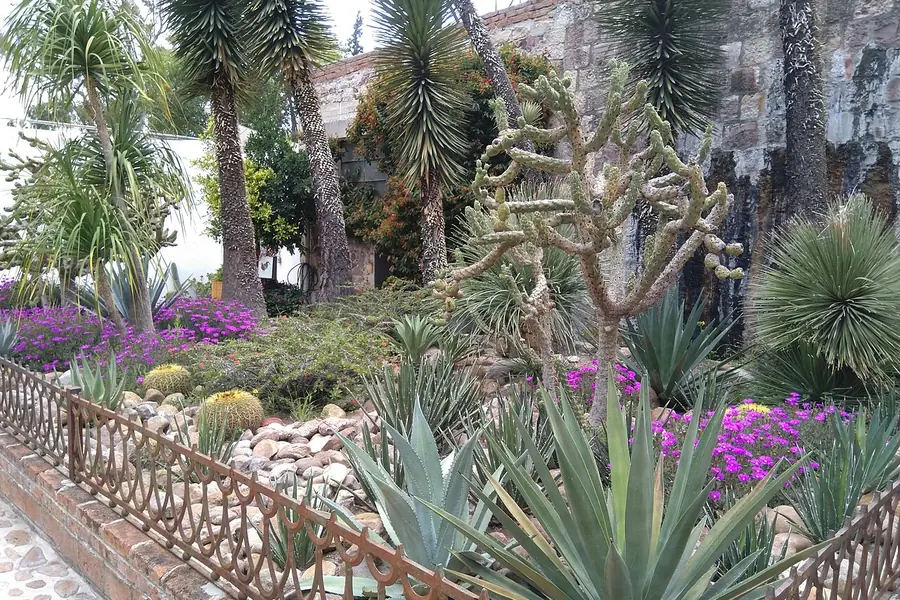
A botanical garden and canyon reserve with cacti, a reservoir, and the best town views.
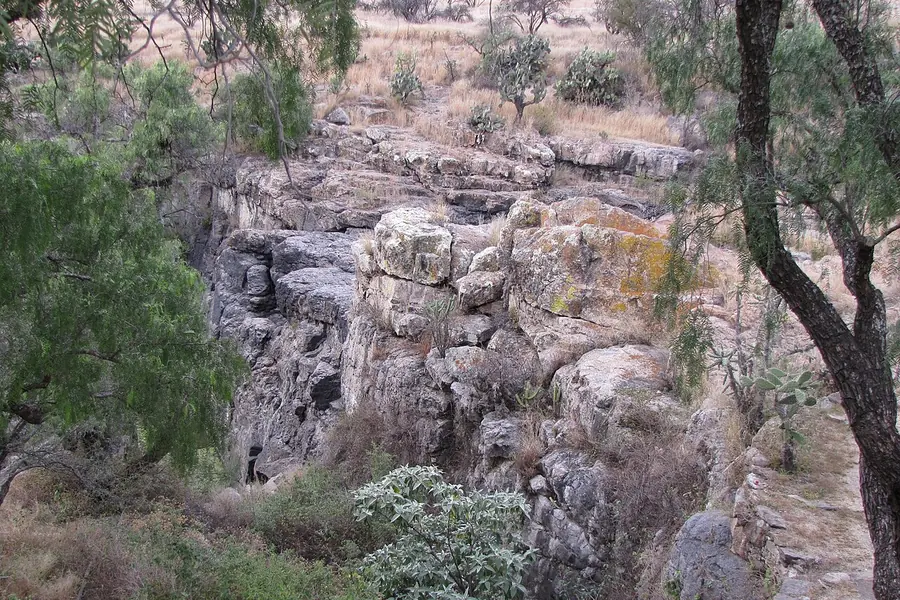
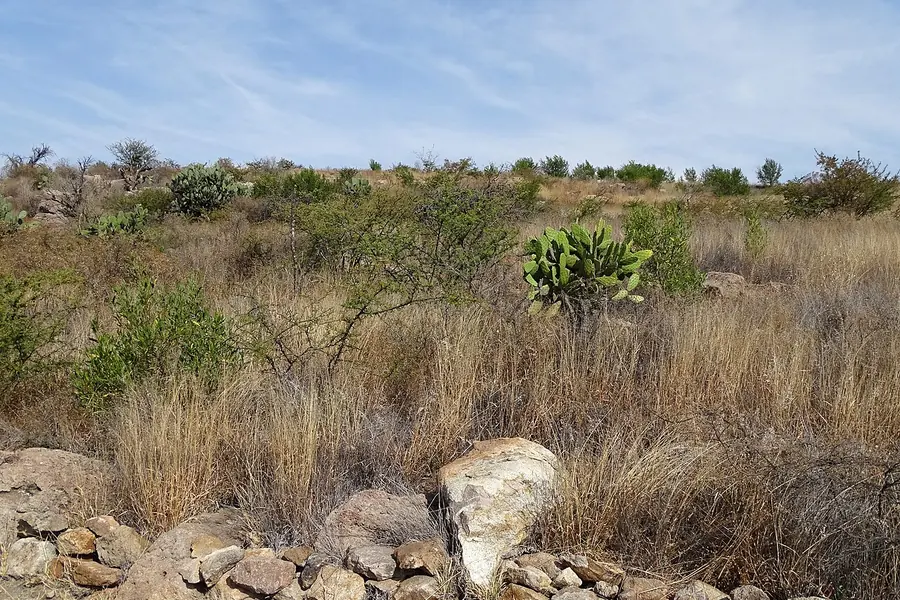
El Charco del Ingenio is a 67-hectare botanical garden and nature reserve on the edge of town — desert plants, a dramatic canyon, a reservoir, and well-marked trails. It's the place to walk off lunch and catch a different, wider view of San Miguel across the valley, especially in the late-afternoon light. Quiet, cool, and a complete change of pace from the cobblestones.
Warm spring-fed pools and a candlelit grotto, 15 minutes out of town.
The thermal springs north of San Miguel are a glorious morning. La Gruta has a series of warm pools and a famous candlelit tunnel-grotto you swim into; Escondido Place offers quieter, prettier landscaped pools. Go early before the day-trippers arrive, float in the mineral-warm water, and accept that you'll achieve nothing else ambitious today. That's the point.
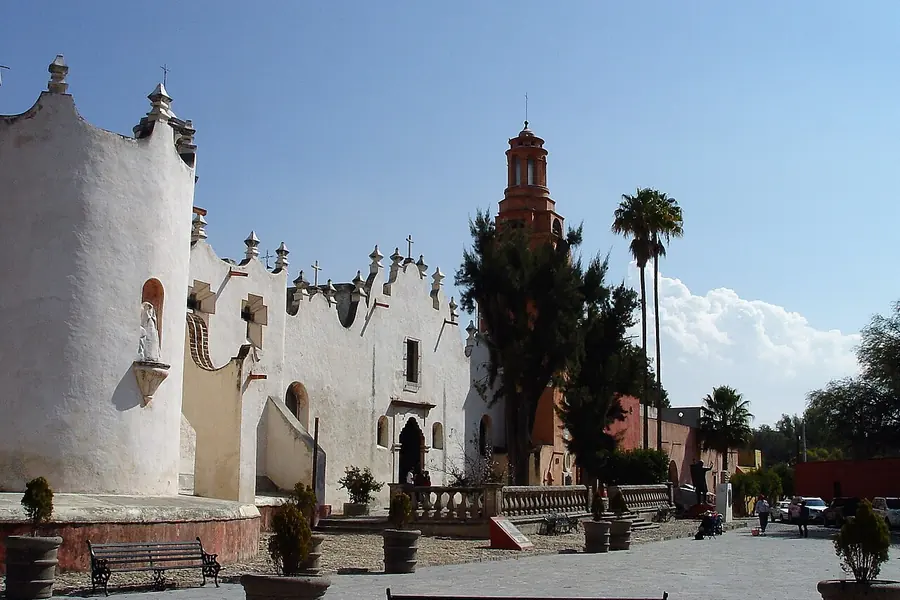
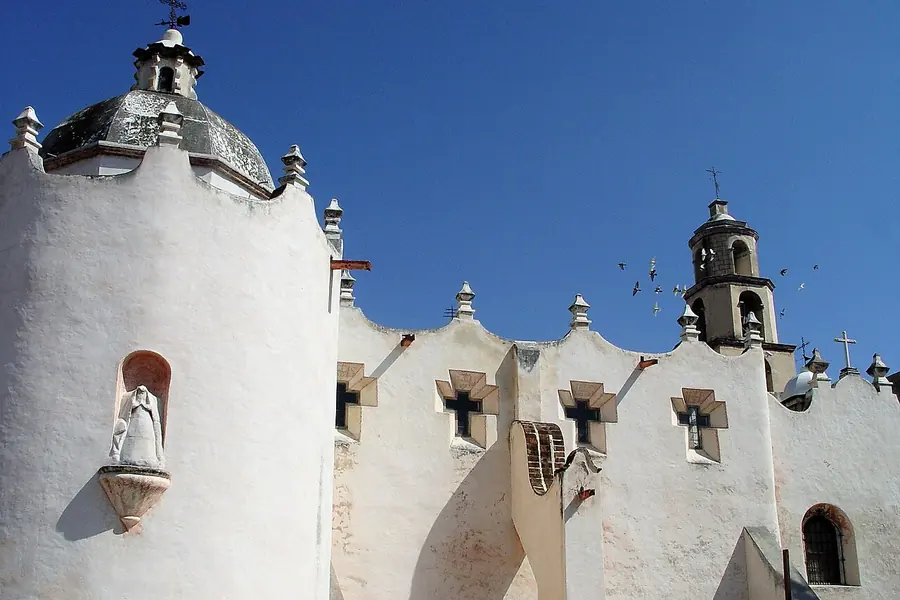
Santuario de Atotonilco
A UNESCO sanctuary covered floor-to-ceiling in folk-baroque murals.
The Santuario de Jesus Nazareno de Atotonilco, a short drive from the springs, is a UNESCO-listed pilgrimage church nicknamed the "Sistine Chapel of Mexico" for its astonishing interior — every wall and ceiling covered in vivid 18th-century folk-baroque murals. It's an intense, slightly overwhelming place, and an important Mexican pilgrimage site. Dress respectfully; it's a working sanctuary, not a museum.
Tunnels, alleys, and the most colourful city in Mexico
Guanajuato old town + Callejon del Beso
A rainbow city of tunnels, plazas, and the legendary alley of the kiss.
Guanajuato city, 90 minutes away, is a UNESCO-listed former silver-mining capital famous for its underground road tunnels and steep, technicolour houses stacked up the hillsides. Wander the plazas, squeeze down the Callejon del Beso (the Alley of the Kiss, barely wide enough for the legend), and ride the funicular up to the Pipila monument for the iconic view over the whole candy-coloured bowl of the city.
Teatro Juarez + Diego Rivera house
An opulent 1900s theatre and the birthplace of Mexico's most famous muralist.
The Teatro Juarez is a gloriously over-the-top belle-epoque opera house — Roman columns, bronze muses, a Moorish-inspired interior worth the tour. A few streets away, the Museo Casa Diego Rivera is the muralist's birthplace, now a museum of his early work. Lunch on a plaza in between, then drive back to San Miguel before the mountain roads get dark.
Day 6
Dolores Hidalgo + Wine Country
Ceramics, ice cream, and Guanajuato's vineyards
Dolores Hidalgo + Talavera
The cradle of Mexican independence, the home of Talavera pottery, and very weird ice cream.
Dolores Hidalgo is where Father Hidalgo rang the bell that started Mexican independence in 1810, and the town centres on that history. It's also Mexico's Talavera ceramics capital — workshops line the approach roads, selling hand-painted tiles and dishware at a fraction of San Miguel prices. Don't leave without trying the famously strange local ice cream: flavours run to avocado, shrimp, and pulque. Brave one.
Guanajuato wine country lunch
High-altitude vineyards and a long lunch you didn't know Mexico could offer.
Guanajuato's wine region is a genuine, lesser-known surprise. Wineries like Cuna de Tierra and Vinedos San Lucas offer tastings and long terrace lunches among the vines, with the dry Bajio light and big skies all around. It's a relaxed, grown-up afternoon and a reminder that central Mexico does far more than tequila and beer. Have a designated driver or book a tour.
Day 7
Slow San Miguel Farewell
A last gentle day in the town you've fallen for
Instituto Allende + gallery hop
A historic art school and a final wander through San Miguel's studios.
The Instituto Allende, in a grand 18th-century hacienda, is the art school that first drew American artists and writers here after WWII, launching San Miguel's expat scene. Walk its courtyards, browse the galleries and shops around it, and pick up the one piece of art or textile you've been thinking about all week. This is the town that made itself an artists' colony; lean into it on your last day.
Farewell rooftop + final mezcal
One last sunset over the Parroquia, and a toast to the prettiest town in Mexico.
End where you began — on a rooftop, mezcal in hand, watching the Parroquia turn gold and pink and violet one last time as the bells ring out across the cobblestones below. By now you've earned a favourite bar and learned to walk the stones without rolling an ankle. Raise the glass. San Miguel is a town people come to visit and end up never leaving; you'll understand why.
San Miguel de Allende is the kind of place that makes you suspicious before you arrive. It’s been crowned the world’s best small city by travel magazines roughly a hundred times, it’s full of expats and weekending Mexico City weekenders, and the cobblestones will genuinely try to maim you. I went braced for a pretty trap. I left planning my return.
Here’s the honest version: yes, it’s polished, and yes, it’s gentrified, but the beauty is real and the food is exceptional. This is a town for slow days — gallery wandering, long lunches, rooftop sunsets — punctuated by easy day trips into the gorgeous Bajio highlands. It is not a town for a packed, march-through-checklist trip. The altitude (1,900 metres), the sun, and the cobblestones will all conspire to slow you down. Let them.
The 2/3/4/7-day versions scale from “the centre and the sunset” out to “a whole week using San Miguel as a base.” Two days does the Parroquia, the galleries, and the rooftops. Seven days reaches Guanajuato city, Dolores Hidalgo, the hot springs, and the surprising local wine country.
A few practical notes. Wear proper shoes — the cobblestones are no joke. The best months are spring and autumn; summer brings afternoon rains and winter nights get cold. Bring cash for markets and small vendors. And book a rooftop sunset table early, because everyone in town has the same idea. Use the duration filter above to plan your version of this gorgeous, infuriating, irresistible town.
This article contains affiliate links marked with rel="sponsored". We may earn a commission at no extra cost to you.