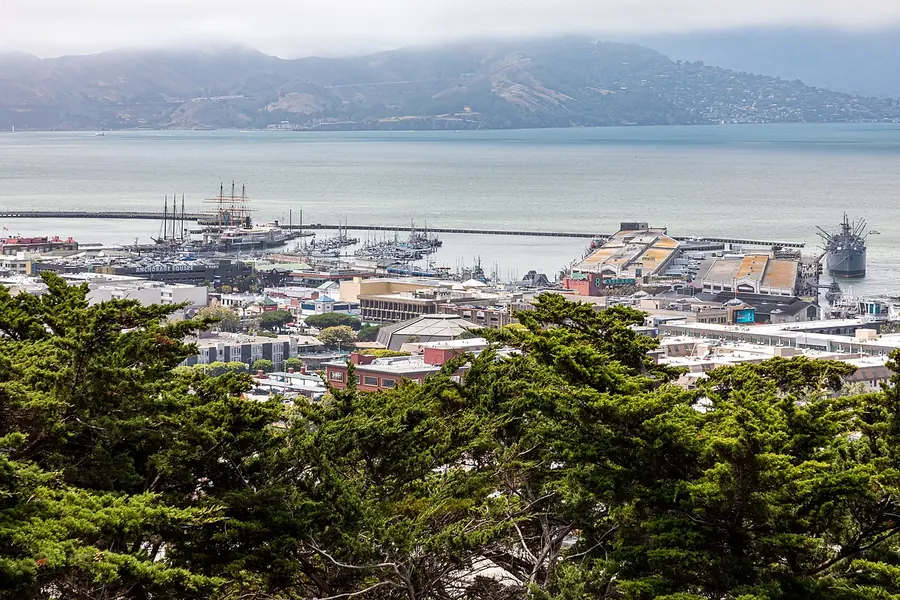
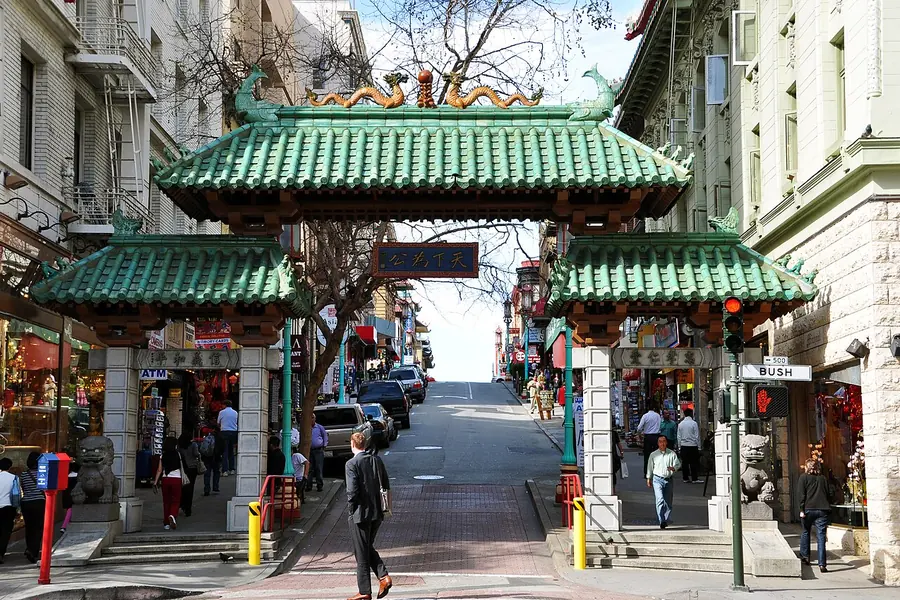
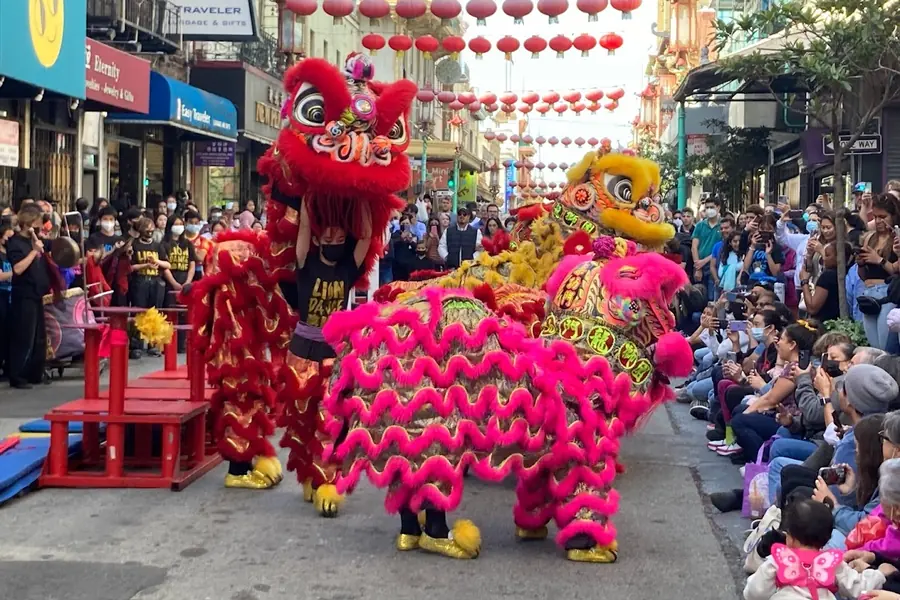
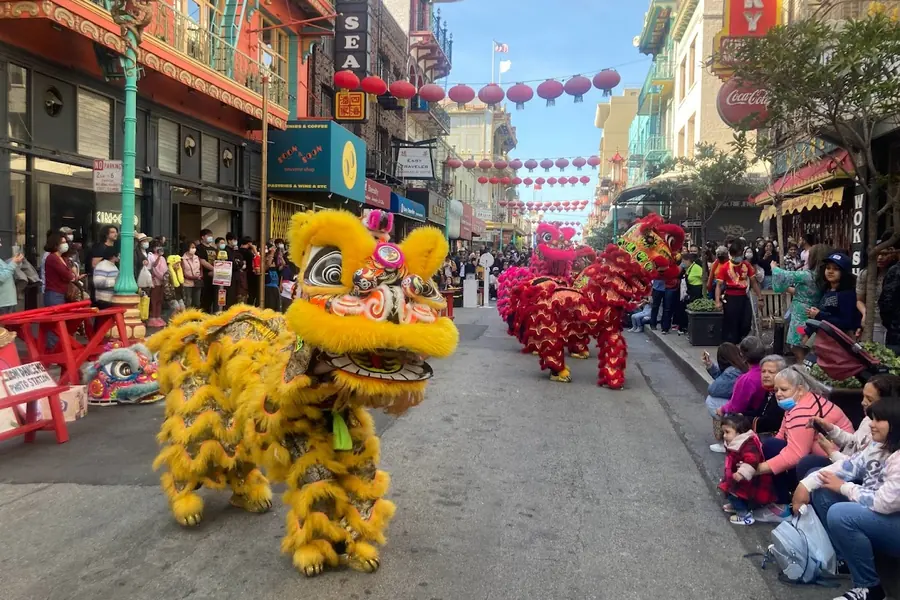
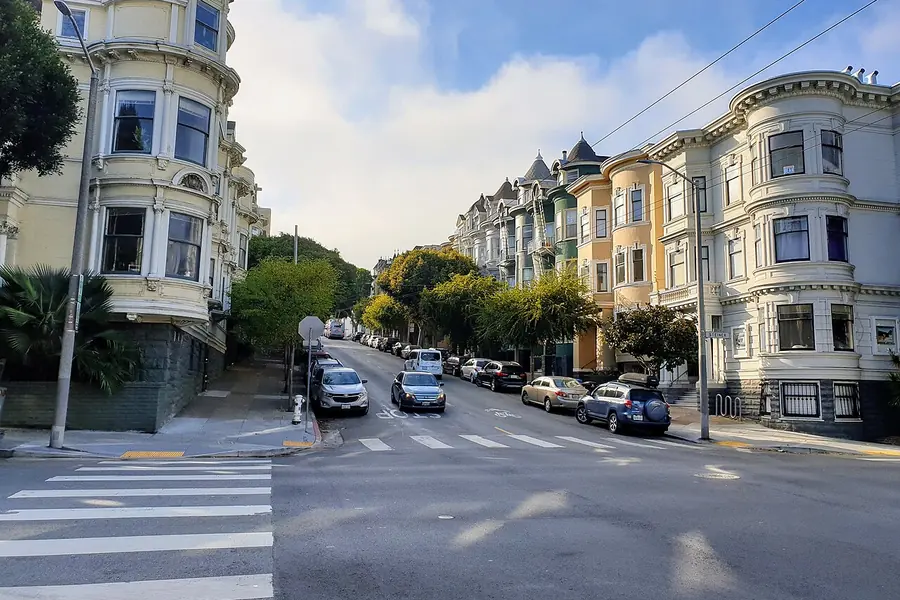
My Lyft driver took a hard left through Chinatown because "the dim sum place on Stockton closes at noon and you look like someone who needs pork buns." He was right on both counts. I was late to everything that morning. I had the best pork bun of my life and spent the rest of the trip chasing that particular accident.
The Perfect San Francisco Itinerary (2, 3, 4 & 7 Days)
Two days in San Francisco means ruthless sequencing: Ferry Building at dawn, the waterfront by mid-morning, and the Golden Gate before the afternoon fog rolls in. Every minute is earmarked. You will still leave having missed half the city. That's why people come back.
Book Alcatraz tickets 2+ weeks ahead — they sell out without exception.
72 Hours: The Parks and the Haight
Three days earns you Golden Gate Park properly, the Haight on a morning when the incense shops are just opening, and the leisure to eat two long meals in a row without guilt.
4 Days: Cross the Bridge to Marin
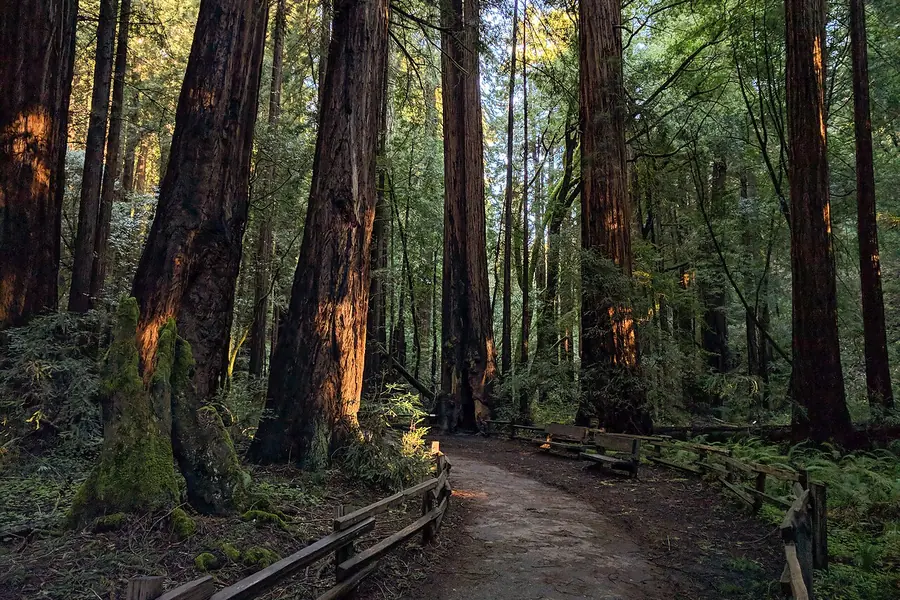
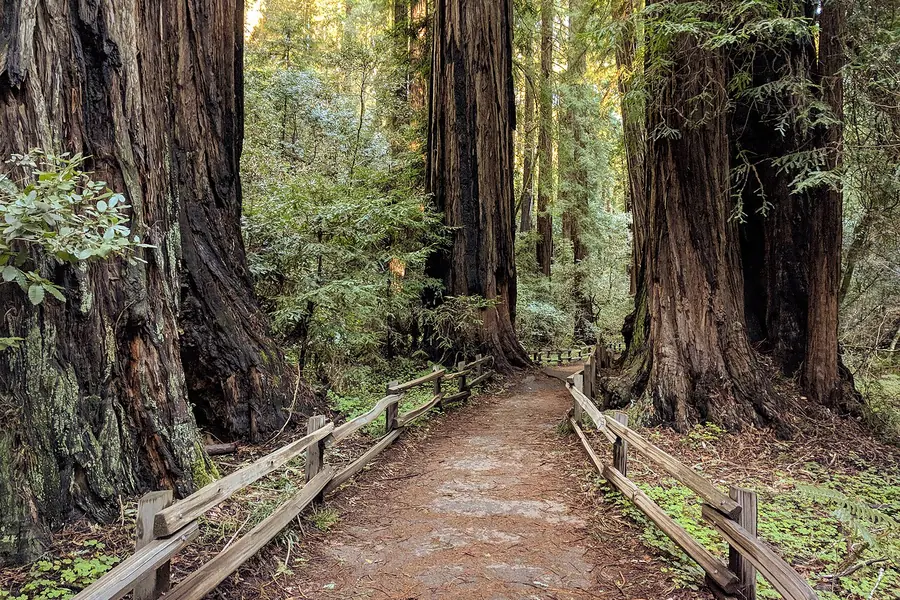
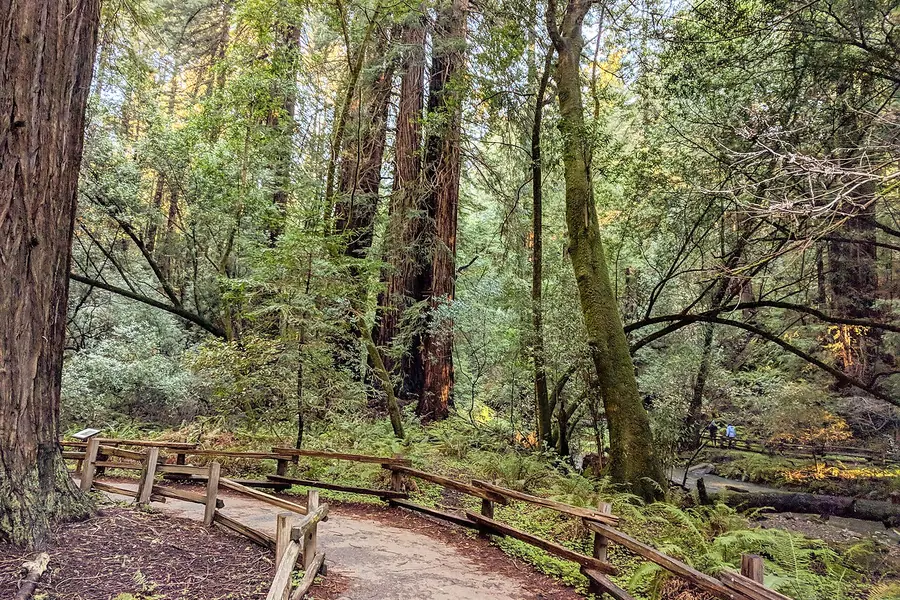
Four days means Muir Woods on Day 4 — old-growth redwoods an hour from downtown — and a Sausalito afternoon that resets everything. The city is better on return, once you've left it briefly.
7 Days: The Neighbourhood-by-Neighbourhood Version
A week in SF means you get the Mission and the Castro and Noe Valley and Pacific Heights. By Day 5 you'll have a position on the sourdough debate that will get you into arguments at dinner parties for years.
Estimated budget:$420–$650 est. (budget–mid, incl. 1 hotel night)
Estimated budget:$600–$950 est. (2 hotel nights + Alcatraz tickets)
Estimated budget:$780–$1,200 est. (Muir Woods day trip + 3 nights)
Estimated budget:$1,500–$2,400 est. (full week, mid-range hotels)
[ THE DISPATCH · FIELD MAP ]
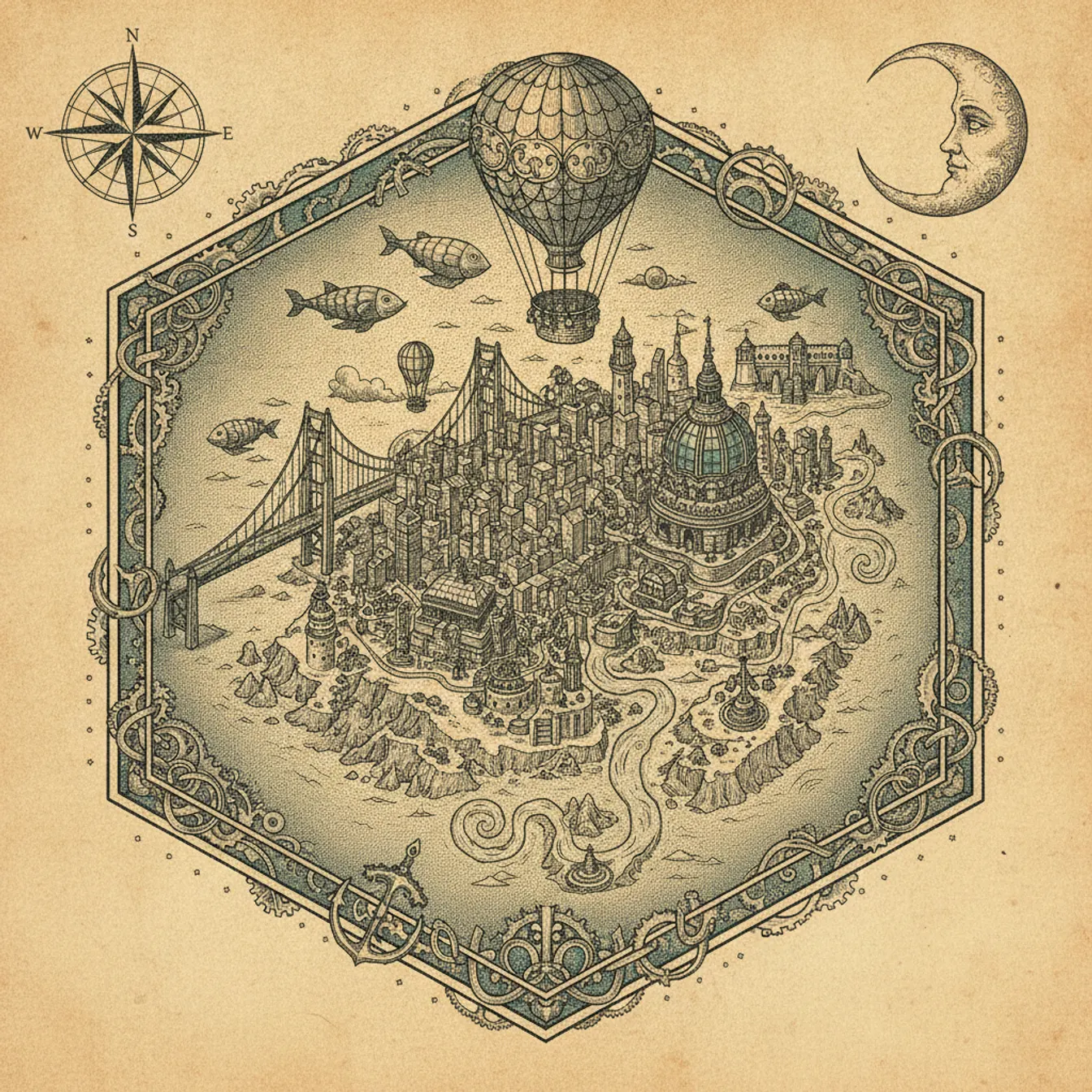
A tilted, hand-drawn dispatch of San Francisco. Click a quarter to explode it open.
0 / 6 quarters explored
Legend · tap to highlight
[ EMBARCADERO & FERRY BUILDING ]
Where the city meets the water.
Ferry Building MarketplaceThe market hall that turned local food into a San Francisco religion.
Embarcadero Waterfront WalkThe waterfront that replaced the freeway and gave San Francisco its bay back.
[ FISHERMAN'S WHARF & ALCATRAZ ]
Old stones, older stories.
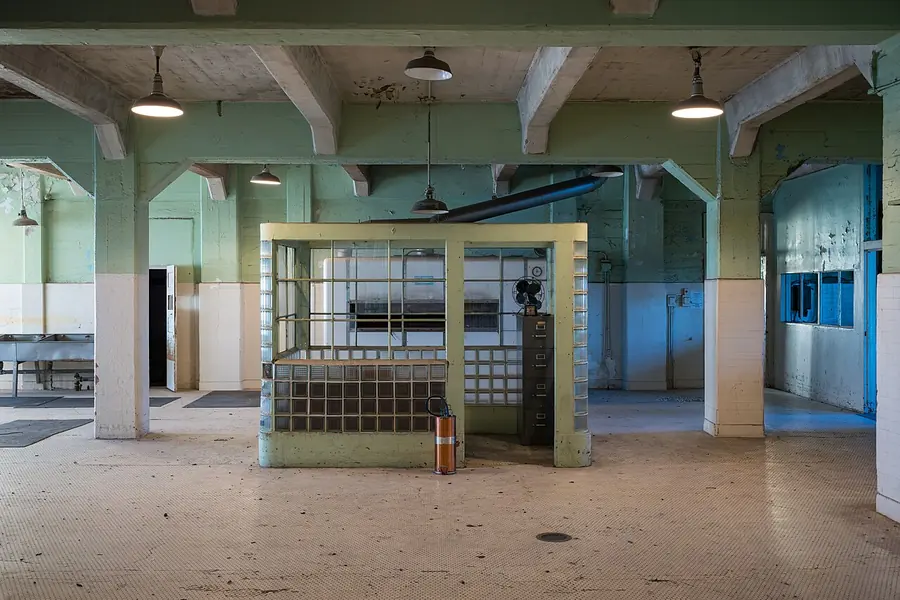
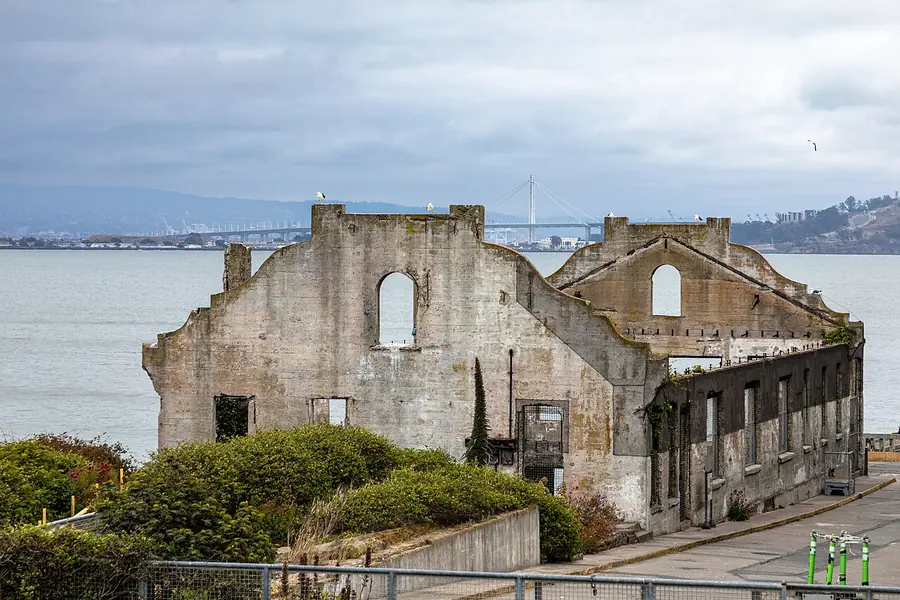
Alcatraz Island (Day Tour)The most dramatic piece of real estate in the Bay, and a genuinely great museum.
Fisherman's Wharf — Pier 39 + Clam ChowderThe sourdough bread bowl is not a joke. It is an institution.
[ HAIGHT-ASHBURY & GOLDEN GATE PARK ]
Green breathing room.
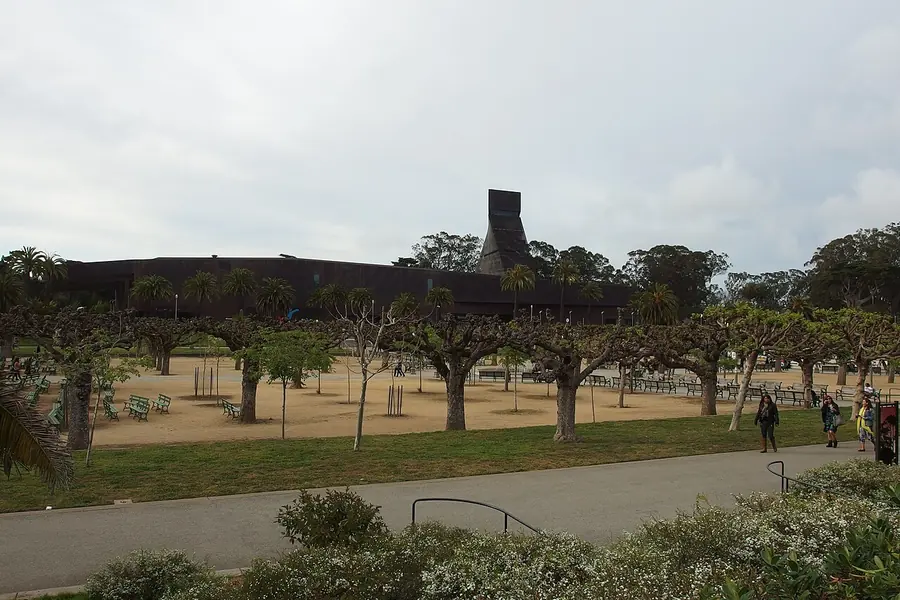
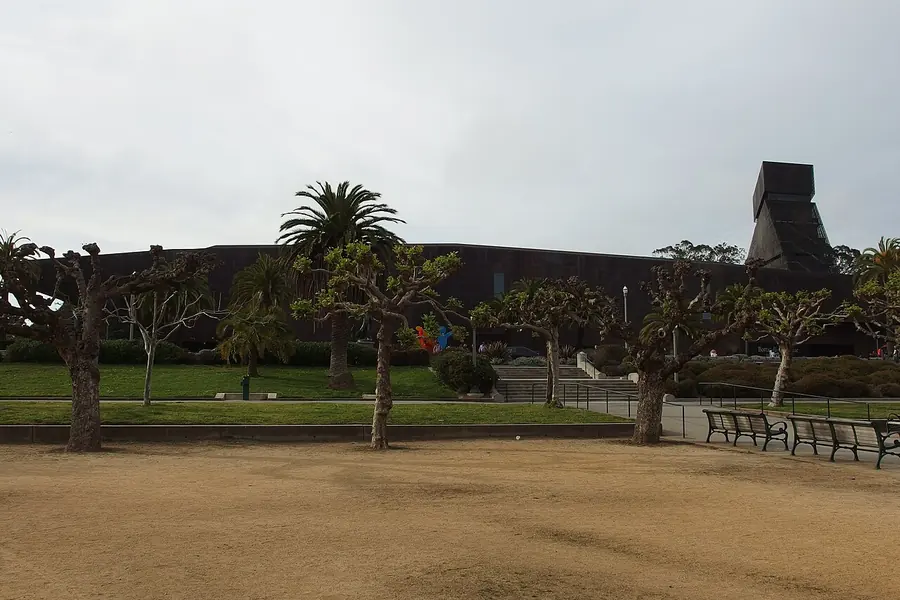
de Young Museum, Golden Gate ParkThe Herzog & de Meuron copper building that turns green as it ages. The art inside is also very good.
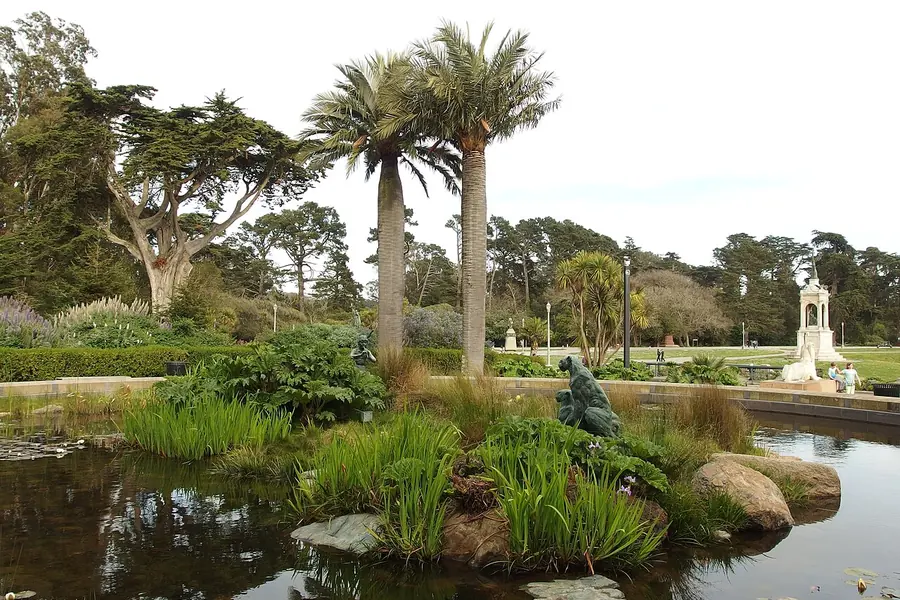
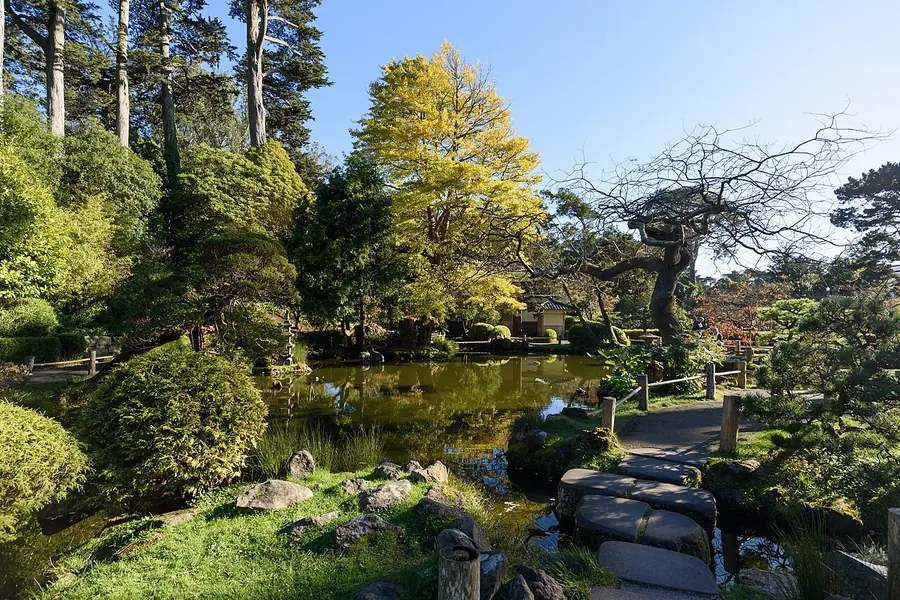
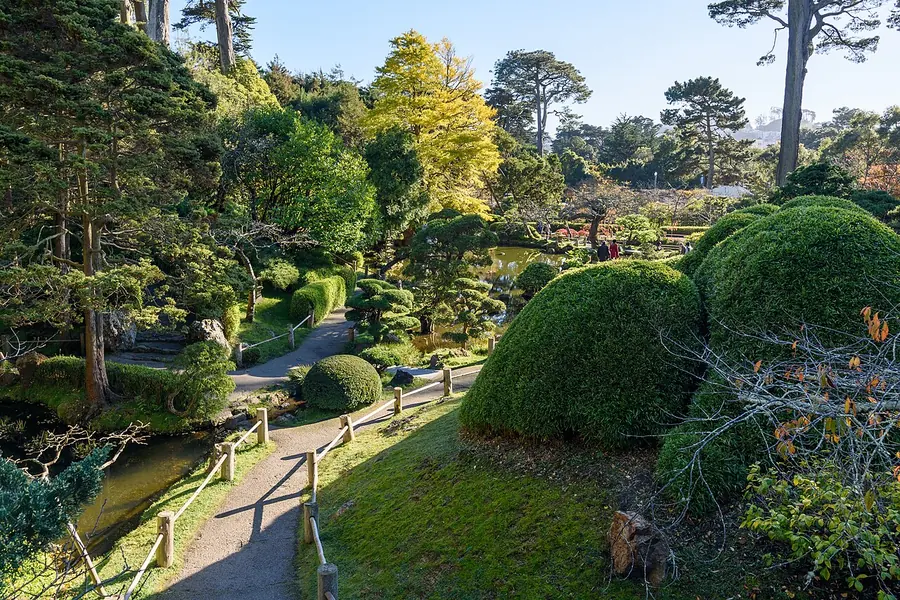
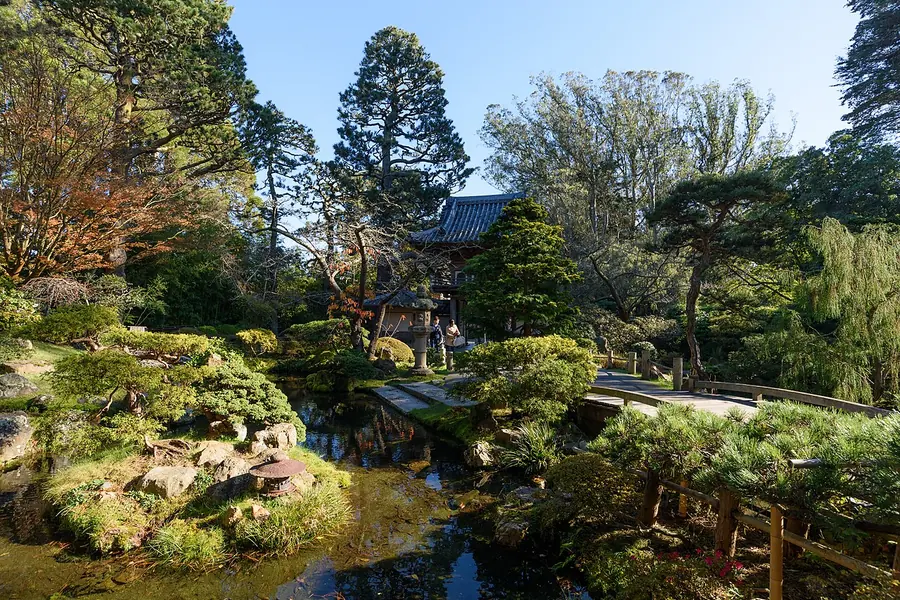
Japanese Tea GardenThe oldest public Japanese garden in the US, in the middle of the largest park in the city.
[ MUIR WOODS & SAUSALITO ]
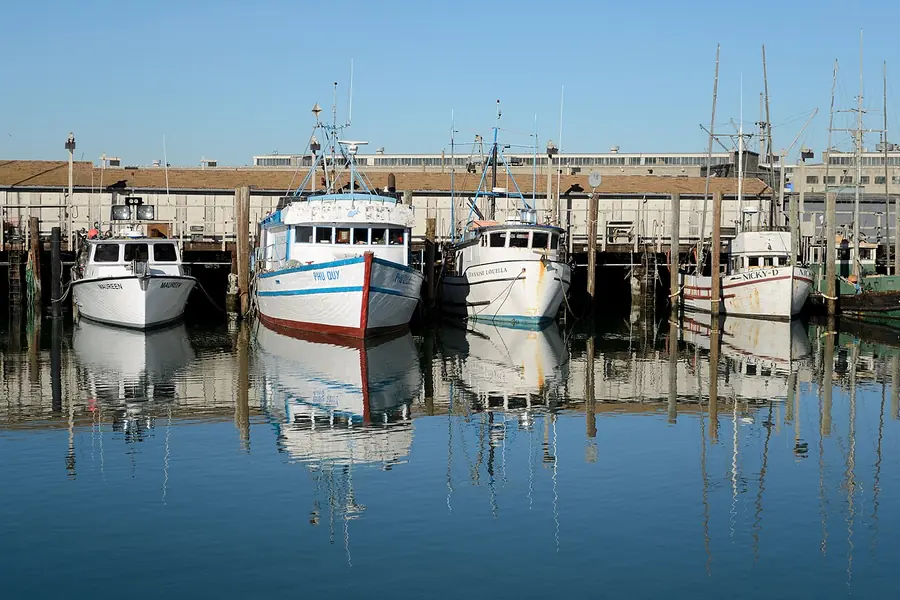
Boats, bridges and reflections.
Muir Woods National MonumentOld-growth coast redwoods that have been standing since the Norman Conquest.
Sausalito Waterfront — Bridgeway Ave + FerThe Marin town where the ferry back to SF is the best part of the day.
[ MISSION DISTRICT & DOLORES PARK ]
Stays up later than you do.
Tartine Bakery — morning pastriesThe croissant that made San Francisco revise its opinion of itself.
Clarion Alley Mural ProjectThe half-block alley that has been a living gallery of Mission political art since 1992.
[ CASTRO & NOE VALLEY ]
Old stones, older stories.
Castro Theatre + Harvey Milk Historic SiteThe movie palace that anchors the neighbourhood that changed American civil rights.
Noe Valley — 24th StreetThe village within the city that SF locals move to when they want less city.
Day 1
Ferry Building + Embarcadero + Golden Gate Bridge
Water, fog, and the bridge that earned every photograph
Two days, and this one has to carry a lot. Ferry Building for breakfast (market on Tuesdays, Thursdays, Saturdays), Embarcadero walk, then straight to the Golden Gate before noon fog obscures it. Dinner in the Marina or North Beach — you've earned a long table.
No rush. Ferry Building on a Saturday market morning is one of the great urban experiences in the US. Take two hours. Buy the sourdough, the oysters, the cheese. Walk to the Golden Gate via Crissy Field — the 3-mile approach is how the bridge was meant to be arrived at.
Ferry Building Marketplace
The market hall that turned local food into a San Francisco religion.
The Ferry Building on the Embarcadero is the best food market hall in the US. On Tuesday, Thursday, and Saturday mornings the outdoor farmers market wraps around the building — Hog Island Oyster for the raw bar, Acme Bread for the Sour Batard, Blue Bottle Coffee for the pour-over. Inside: Cowgirl Creamery, Recchiuti Chocolates, and the Slanted Door in various forms. Come hungry. Leave with more than you planned.
Embarcadero Waterfront Walk
The waterfront that replaced the freeway and gave San Francisco its bay back.
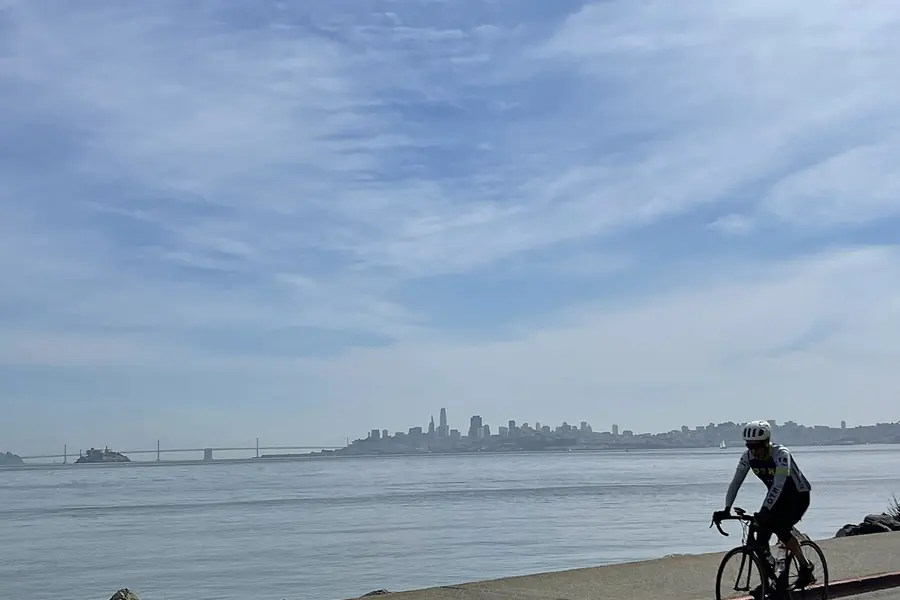
Walk north along the Embarcadero from the Ferry Building. Pier 7 for the Bay Bridge view (best in the city for free). The historic piers with their original wooden planking. The Bay Lights installation on the bridge after dark. The waterfront is flat, wide, and gives you the city's geography from the outside — useful context before you start climbing hills.
Walk it. You have to walk it. Driving over is a consolation prize.
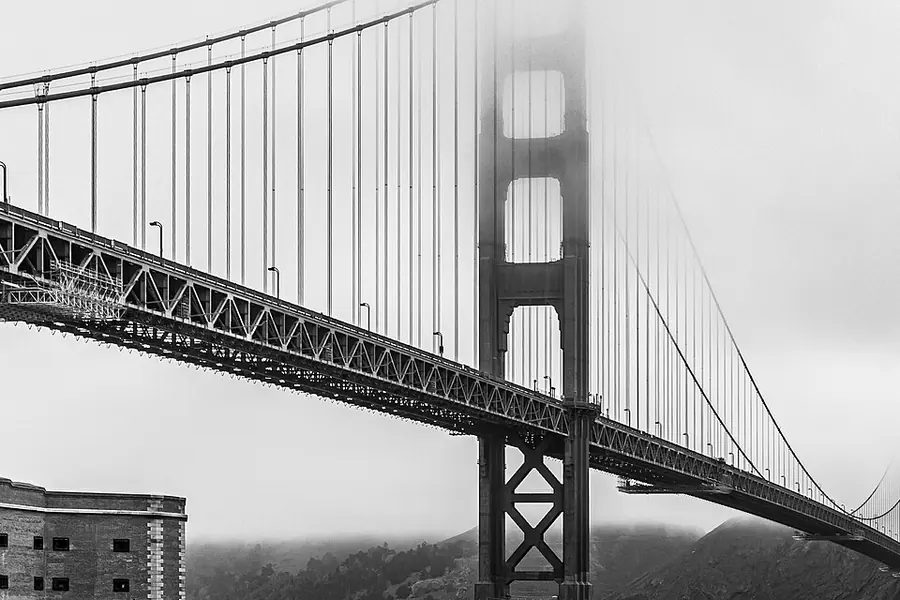
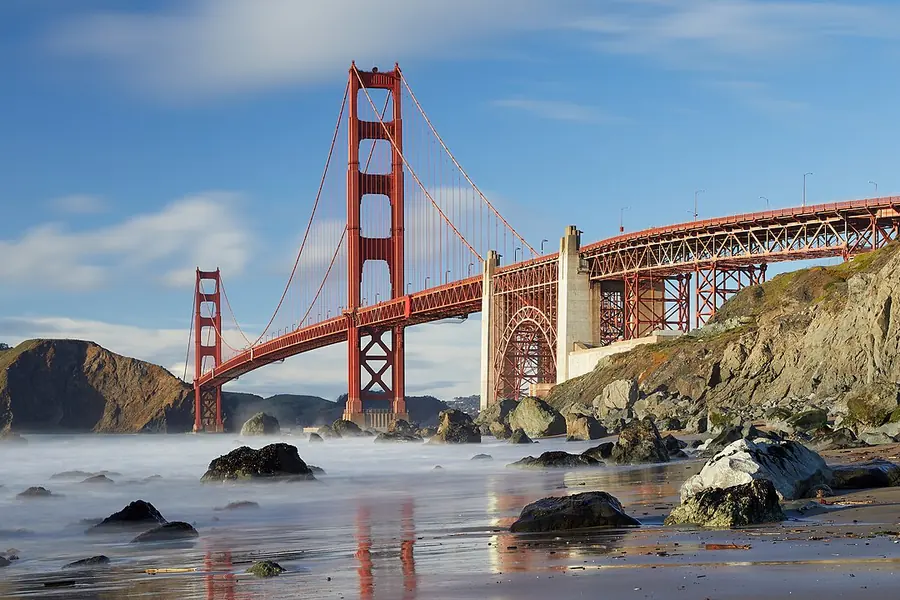
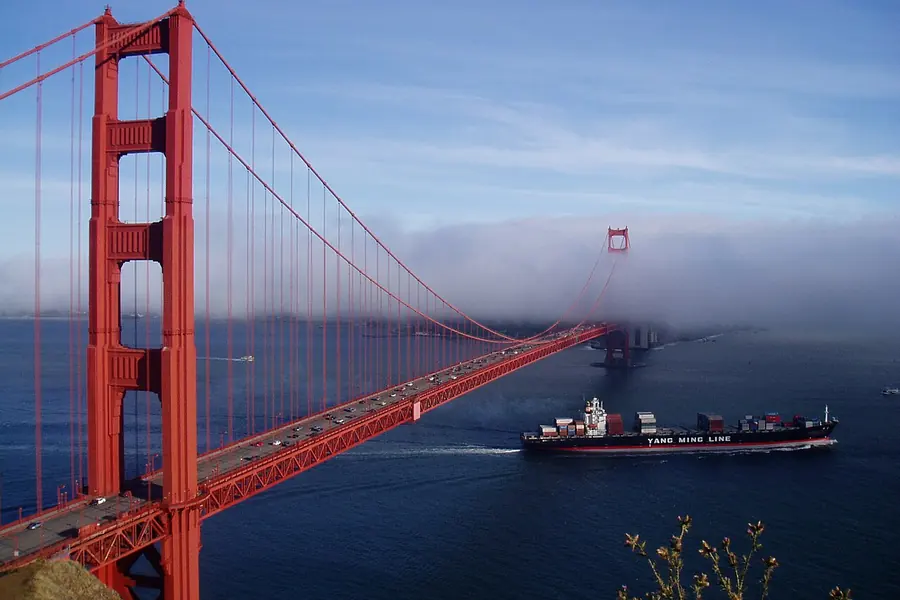
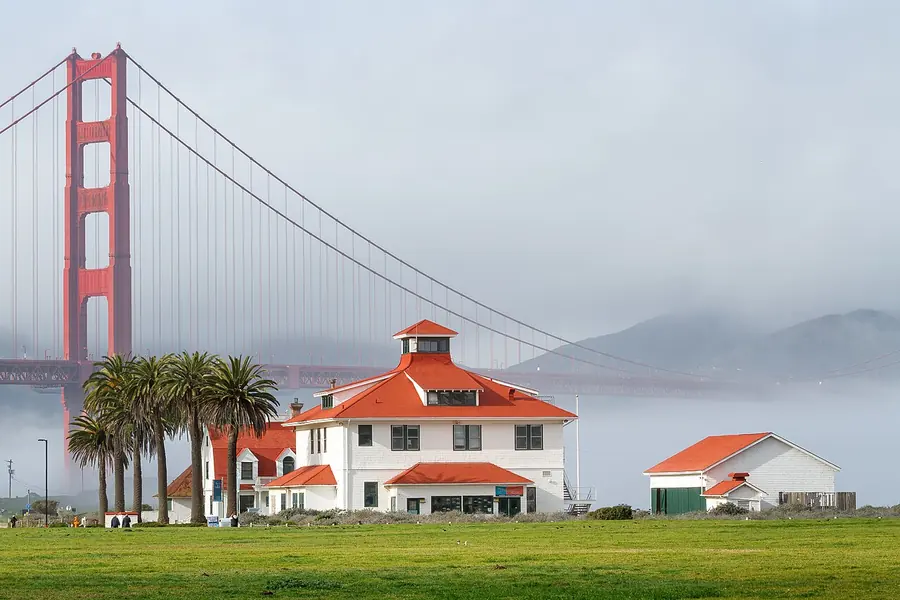
Park at the welcome center or rideshare to the south trailhead. The 1.7-mile walk across the bridge takes 45 minutes and nothing can prepare you for how large it is up close, how the cables sing in the wind, how Marin County materialises out of the fog on the north side. Walk back on the east side for the city view. The vista point on the Marin side is worth the extra ten minutes.
The neighbourhood that still thinks it's 1955 and is right to do so.
North Beach is San Francisco's Italian-American quarter, and it has the restaurants to prove it. Tony's Coal-Fired Pizzeria on Stockton has won the World Pizza Championships. Cotogna on Jackson Square is the more refined version — wood-fired Roman cooking, exceptional wine list, the kind of room where dinner becomes the event. Both are essential. Pick your occasion.
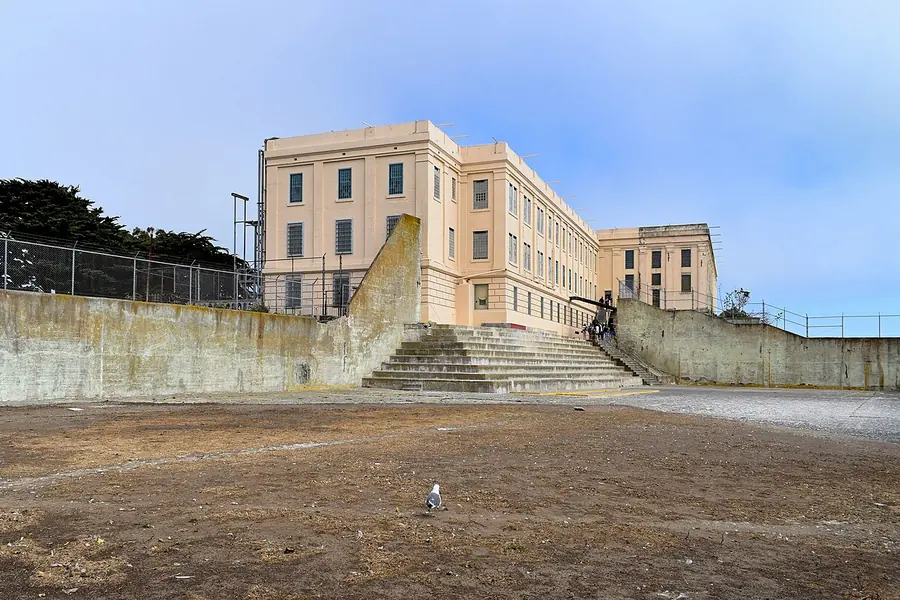
Last day. Alcatraz in the morning (audio guide — the real inmates did the narration), then Fisherman's Wharf for the clam chowder you are allowed to eat in a bread bowl exactly once per life. Done.
Alcatraz morning, Fisherman's Wharf afternoon, Chinatown evening. The Portsmouth Square detour from Chinatown into the Financial District adds context to how this city was built.
Alcatraz Island (Day Tour)
The most dramatic piece of real estate in the Bay, and a genuinely great museum.
Book the first ferry from Pier 33. The audio guide — narrated by actual guards and former inmates — is one of the best museum experiences in the US. The cell house walk through the recreation yard, the solitary confinement block, the view back to the city from the dock on return: all of it earns the ticket price. Night tours are available and strange and worth it if you can get them.
The sourdough bread bowl is not a joke. It is an institution.
After Alcatraz: clam chowder in a Boudin sourdough bread bowl on the wharf. Then Pier 39 for the sea lions (genuine wildlife; they colonised the marina without permission in 1989 and the city gave up). The Musée Mécanique on Pier 45 — a collection of antique penny arcade machines — is the most charming free museum in the city.
The oldest Chinatown in North America, and the best argument for Stockton over Grant.
Grant Avenue is for tourists. Stockton Street is for everyone else — where locals actually shop, eat, and conduct the business of the largest Chinese-American community in the US. Walk from Bush Street north. The dim sum parlours on Pacific Ave open early and close when they run out. The fortune cookie factory on Ross Alley charges $1 to watch and is completely worth it.
Dungeness crab prepared by people who have been doing this for sixty years.
Great Eastern on Jackson (open until 1 AM on weekends) does the salt and pepper crab that has been on the menu since before most restaurants in this city existed. R&G Lounge on Kearny is the banker dinner institution — the salt and pepper pork chops, the house special beef, the crab done three ways. Both take reservations and both fill up.
Day 3
Haight-Ashbury + Golden Gate Park
The park that's bigger than Central Park, and the neighbourhood that tried to change everything
Final day for 3-day travellers. Golden Gate Park before the crowds (de Young Museum opens at 9:30), then Haight-Ashbury for the afternoon — the incense, the vintage shops, the sense that 1967 is being kept running on fumes and good intentions.
Full park day. Add the Japanese Tea Garden after the de Young. Haight in the afternoon, dinner at Nopa or Zuni Café afterward — the SF institutions that haven't gotten tired.
Spend the morning in the park's less-visited corners: Stow Lake, the Buffalo Paddock, the Dutch Windmills at the ocean end. Haight after lunch. Evening at Amoeba Records — still the best record shop in California.
de Young Museum, Golden Gate Park
The Herzog & de Meuron copper building that turns green as it ages. The art inside is also very good.
The de Young is one of the best fine arts museums on the West Coast — American art from the 17th century to now, plus the textile collection and a rotating contemporary program that punches well above its regional-museum weight. The observation tower is free and gives you the full park canopy view. The Hamon Tower at 9:30 AM before school groups arrive is San Francisco at its quietest and most beautiful.
The oldest public Japanese garden in the US, in the middle of the largest park in the city.
The Japanese Tea Garden predates WWII, survived WWII, and has been quietly tended for over a century. The five-story pagoda, the drum bridge, the koi pond, and the tea house serving matcha and fortune cookies (invented here, according to contested local lore). Best on a weekday morning when the school groups are elsewhere.
The neighbourhood that peaked in 1967 and has been comfortable with that ever since.
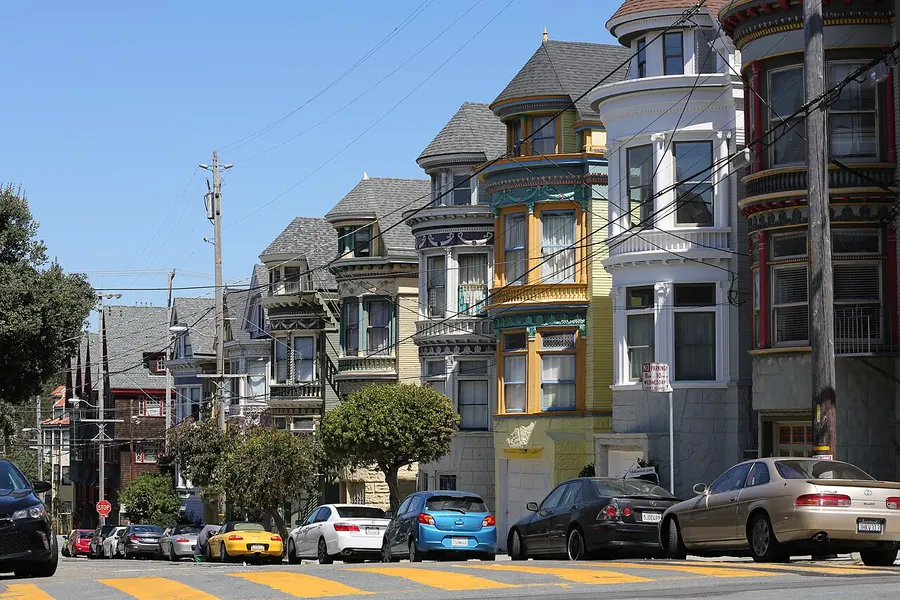
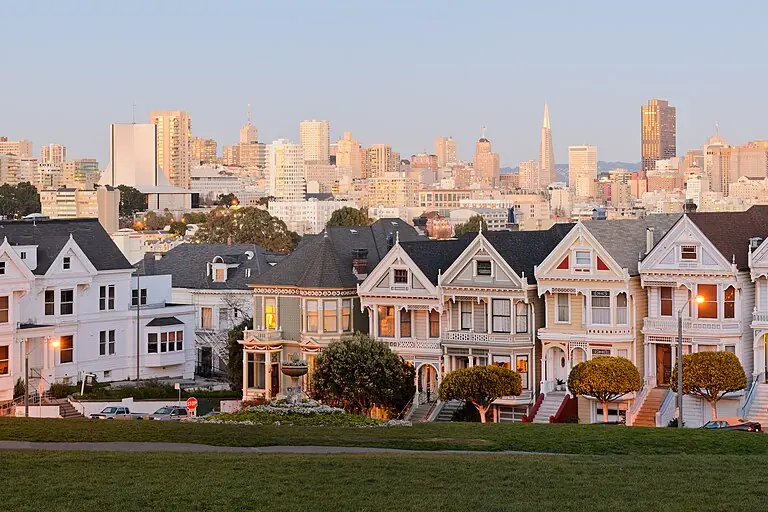
Walk from Masonic to Stanyan. Amoeba Music at the Clayton end is the record shop that survived the death of record shops by being irreplaceable. Wasteland vintage for the leather jackets. The cheese shop on Cole Street. The painted Victorian Painted Ladies at the Alamo Square end are the postcard, yes, but walk past them to see the park itself.
The SF restaurant institutions that actual San Franciscans eat at on important occasions.
Nopa on Divisadero is open until 1 AM, serves community-table style, and the whole roasted chicken has been on the menu for years for good reason. Zuni Café on Market is older, more formal, and the brick-oven roast chicken for two with bread salad is the most influential dish in San Francisco. Both require reservations. Both are exactly as good as promised.
Ancient trees, then a harbour town that looks like the Mediterranean
Early start — shuttle to Muir Woods departs from Sausalito Ferry terminal and sells out. Cathedral Grove by 9 AM before the tour groups arrive. Sausalito for lunch and the return ferry to the Ferry Building — one of the great harbour approaches in the world.
Same plan, different energy. You have time to walk the Bootjack Trail loop in addition to the main grove walk. Linger in Sausalito for the afternoon. Take the last ferry back as the sun drops.
Muir Woods National Monument
Old-growth coast redwoods that have been standing since the Norman Conquest.
Muir Woods is 12 miles north of the Golden Gate and requires advance shuttle reservation or a timed parking pass (book at gomuirwoods.com — do not arrive hoping to wing it). Cathedral Grove, the 1-mile main loop, has redwoods over 250 feet tall and 800 years old. The silence in the grove when the tour groups haven't arrived yet is the best moment in the Bay Area.
The Marin town where the ferry back to SF is the best part of the day.
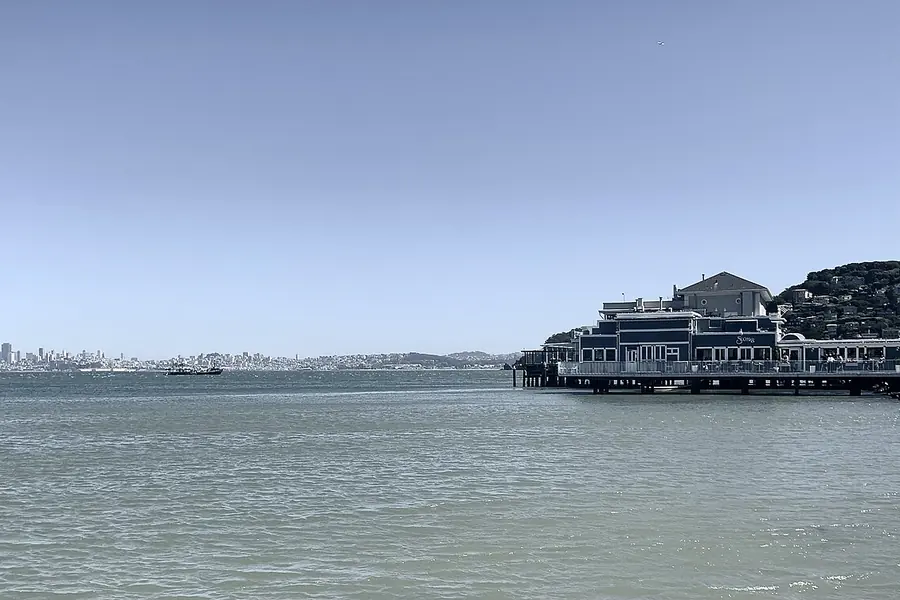
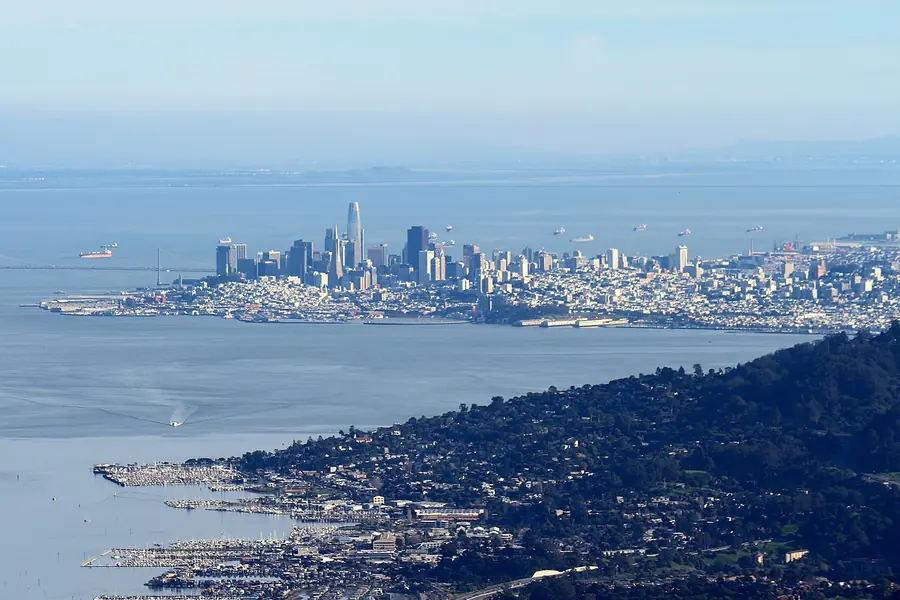
Sausalito is the Mediterranean fantasy of the Bay Area — painted houseboats, gallery-lined streets, and a waterfront with a direct view back to the San Francisco skyline. Lunch at Fish restaurant (sustainable seafood on the water, worth the wait) or Bar Bocce for the wood-fired pizza on the dock. Take the Golden Gate Ferry back to the Ferry Building — 30 minutes, no bridge needed, city skyline growing as you approach.
Late lunch/early dinner — Fish Restaurant, Sausalito
The sustainable seafood restaurant on the water that Marin goes to on weekends.
Fish is a counter-service seafood spot on the water — dungeness crab roll, local sand dabs, house-smoked salmon. It closes at 8 PM and the outdoor tables fill by 5. Order the crab sandwich and the clam chowder and eat with your feet in the gravel with the bay in front of you. Then take the 6:30 ferry back.
Day 5
Mission District + Dolores Park
The Latin heart of SF, and the park where the city shows up on sunny Saturdays
Mission mornings start at Tartine. Then Dolores Park if the sun cooperates (it will — the Mission has its own microclimate). The mural walk on Clarion Alley. Dinner at one of the taquerias that has been making Mission-style burritos since before the term meant anything.
Tartine Bakery — morning pastries
The croissant that made San Francisco revise its opinion of itself.
Tartine opens at 8 AM on weekdays and the morning bun — orange zest, cinnamon sugar, laminated pastry — has been sold out by 9:30 every day for years. Get there early. The bread (loaves available from 5 PM) is the most influential sourdough in American baking. The morning pastries are the reason to go now.
Clarion Alley Mural Project
The half-block alley that has been a living gallery of Mission political art since 1992.
Clarion Alley between Mission and Valencia is a half-block of continuously rotating murals — activist, political, personal, sometimes furious, always sincere. The 24th Street BART station mural corridor nearby is the larger public art context. Walk the alley slowly, read the art, then walk Valencia Street north to understand what the Mission is becoming alongside what it has always been.
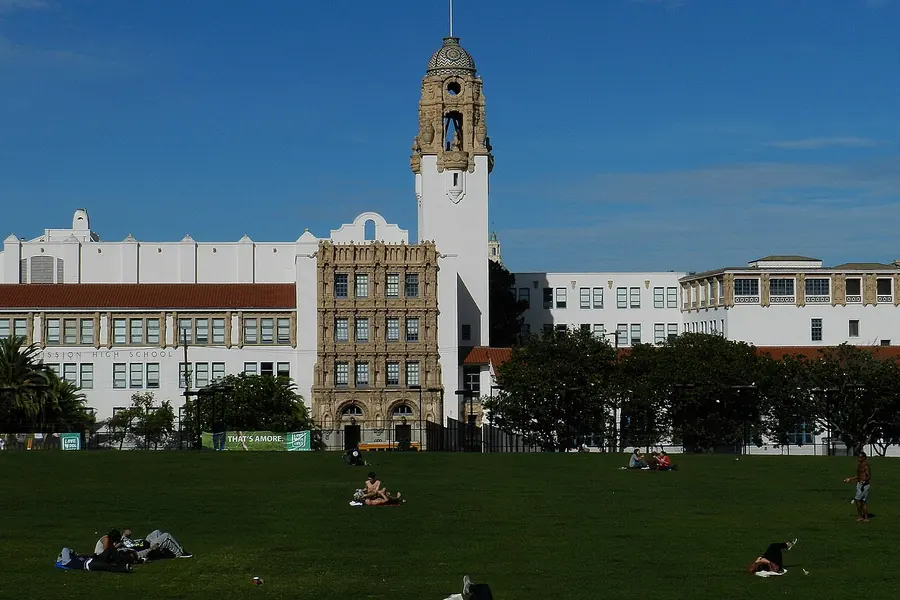
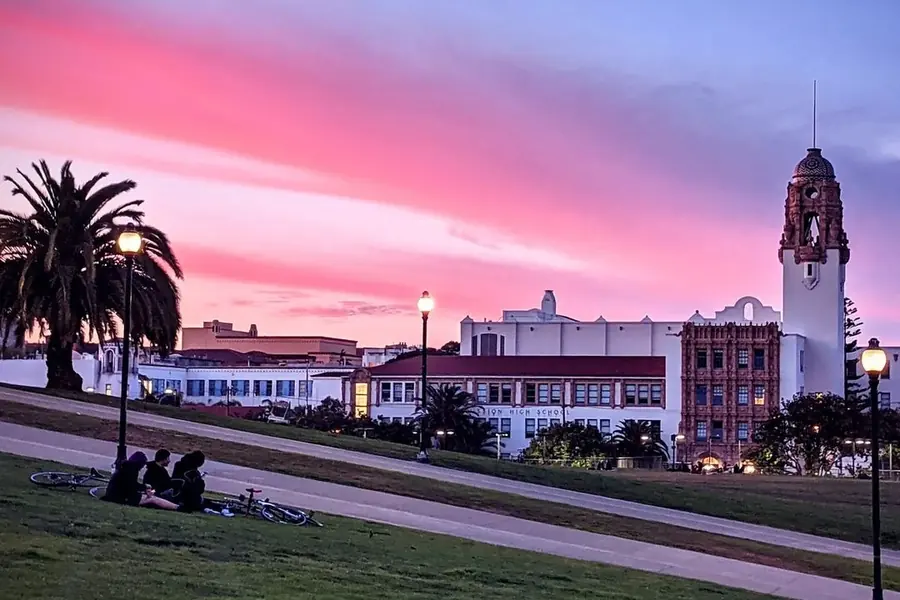
Mission Dolores Park
San Francisco's living room on a sunny day — bring snacks, a blanket, and no agenda.
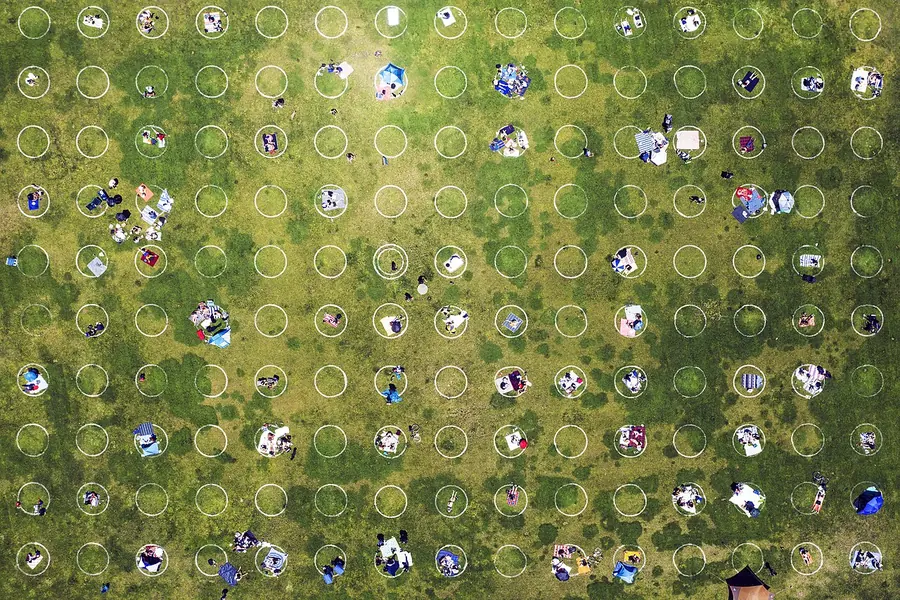
On a sunny Saturday, Dolores Park is every demographic in San Francisco simultaneously — Mission families, Castro regulars, tech workers, dog people, the group doing contact improvisation in the upper northwest corner. The Bi-Rite Creamery lines start at the gate. Get the honey lavender. Sit on the hill facing the downtown skyline. This is the city without performance.
The Mission burrito debate has two sides and both sides are right.
La Taqueria on Mission Street won America's Test Kitchen's best burrito competition and has been insufferable about it ever since (the burrito earns the attitude). El Farolito on 24th is the late-night version — no frills, cash only, open until 3 AM, the correct burrito for what you need after a long day in the Mission. Both are $12–$16 and either will be the best burrito of your trip.
Day 6
Castro + Noe Valley
The neighbourhood that changed American history, and the village that grew up next door
Castro morning — the Harvey Milk camera shop, the Rainbow Honor Walk, the Castro Theatre marquee. Then climb over the hill to Noe Valley for the afternoon: 24th Street's bookshops and brunch spots, and the micro-neighbourhood that somehow feels like a small coastal town within a city of 900,000.
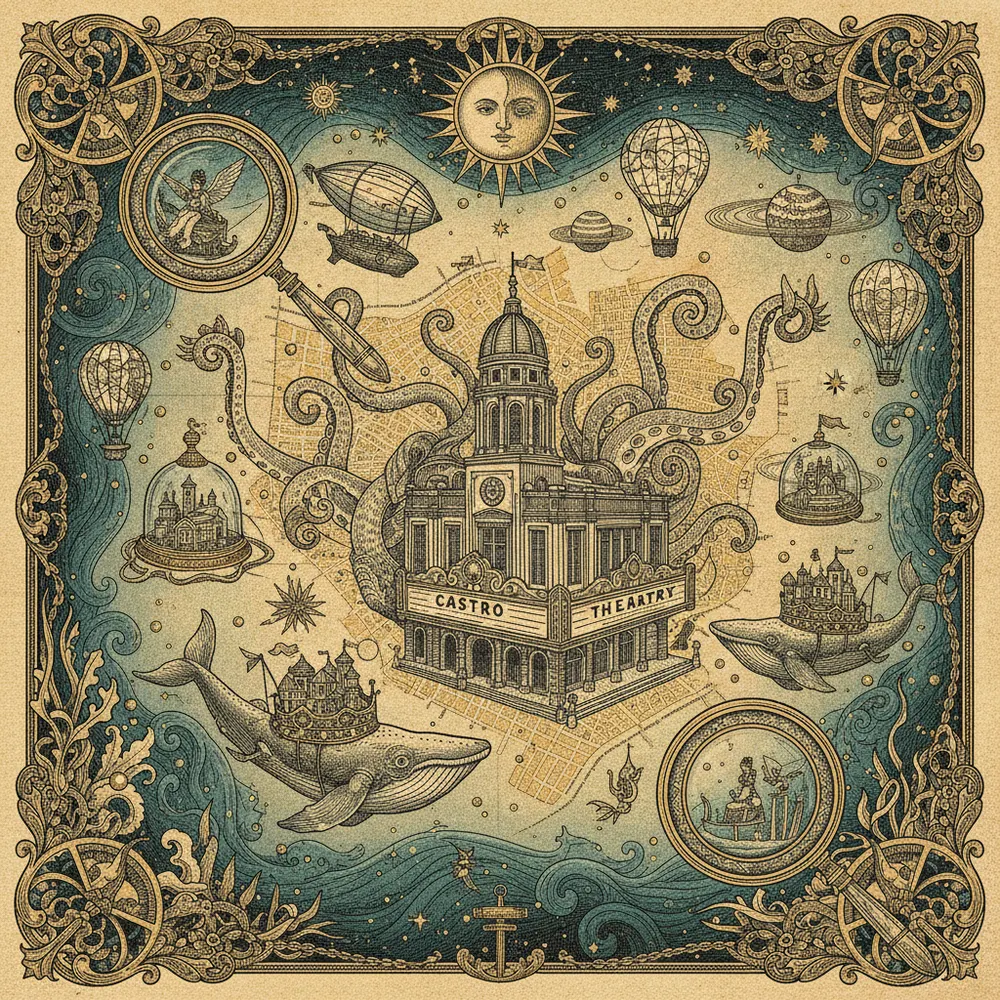
Castro Theatre + Harvey Milk Historic Site
The movie palace that anchors the neighbourhood that changed American civil rights.
The Castro Theatre (1922) is the most beautiful cinema in San Francisco — the Wurlitzer organ plays before screenings and the arch ceiling is worth the ticket price alone. The camera shop at 575 Castro was Harvey Milk's base of operations, now a National Historic Site. The Rainbow Honor Walk on Castro Street marks the figures who shaped LGBTQ+ history. Walk slowly. Read the plaques.
Noe Valley — 24th Street
The village within the city that SF locals move to when they want less city.
24th Street in Noe Valley is SF's neighbourhood main street at its most functional and charming — the cheese shop, the independent bookstore, the coffee roaster whose single-origin is actually worth discussing. Church Street Diner for the straightforward lunch. Omnivore Books (cookbook-only bookshop, genuinely) for the afternoon browse. Diamond Street for the residential streets that explain why Noe Valley has the highest stroller-per-capita ratio in the city.
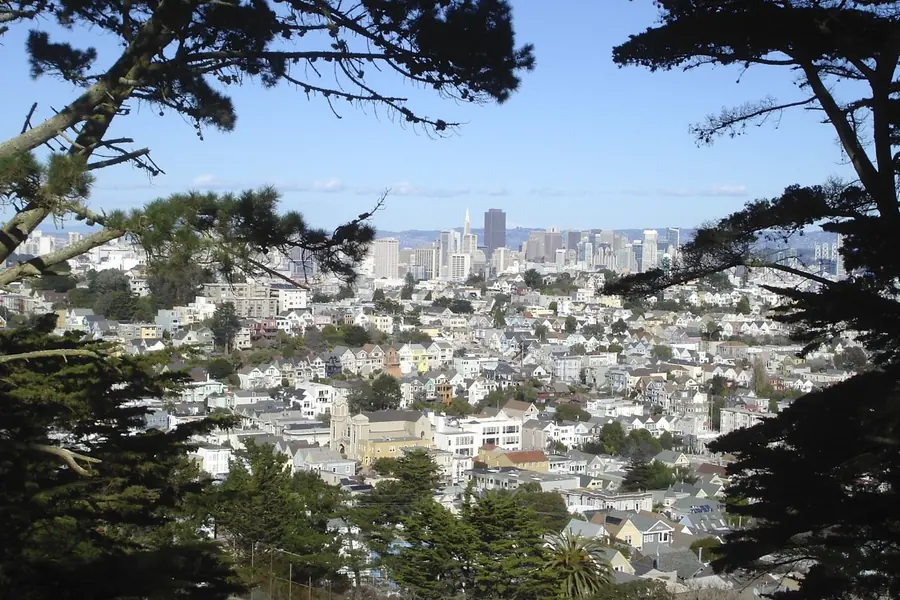
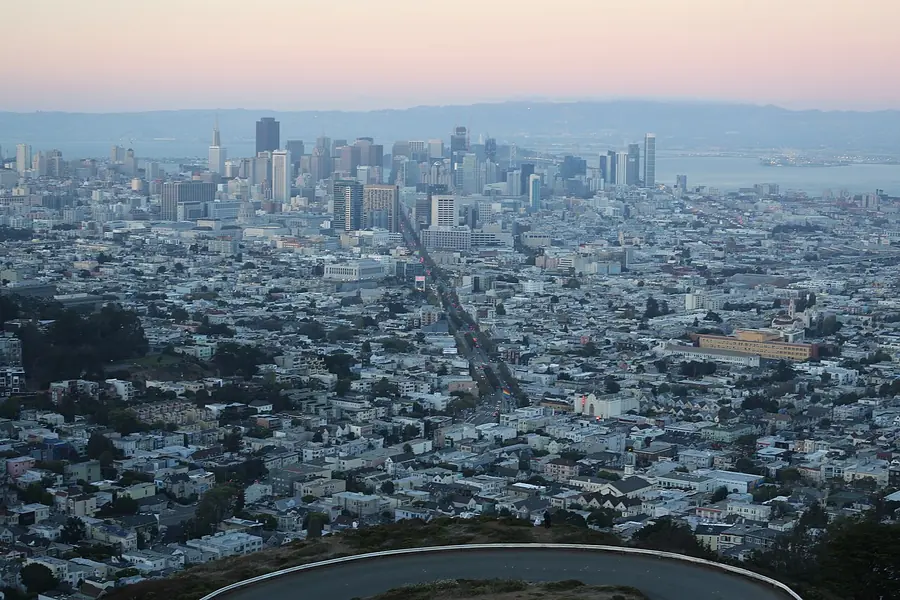
The 360-degree view that makes San Francisco legible.
Twin Peaks sits 925 feet above downtown and offers the widest panoramic view in the city — the Bay Bridge, the Golden Gate, the Pacific, Marin, the East Bay hills. At dusk in September and October the fog pours through the Golden Gate like liquid while the city stays clear below it. Bring a layer. Always bring a layer.
The neighbourhood restaurant that Michelin couldn't leave alone.
Frances on 17th Street is the Castro's best restaurant and one of the most consistent tables in the city — small plates, daily market-driven menu, a short but perfectly chosen wine list. Melissa Perello's cooking is the kind that makes you understand why San Francisco takes its food seriously. Reserve well ahead. The bar seats are first-come.
Last day. Don't rush. Pacific Heights for the Painted Ladies and the Fillmore Street breakfast. Crissy Field for the Golden Gate approach walk you've been putting off. One final great meal. Then LAX — no, wait, SFO. The other airport.
Fillmore Street — Pacific Heights Breakfast
The most genteel breakfast street in the city, with a jazz history underneath.
Fillmore Street was the heart of SF's jazz scene in the 1940s and 50s — now it's Pacific Heights's shopping street, with a morning coffee culture that takes itself just seriously enough. Jane on Fillmore for the coffee and the toast program that SF inexplicably became famous for. Sandbox Bakery for the croissants. Walk north toward Broadway to see the mansions.
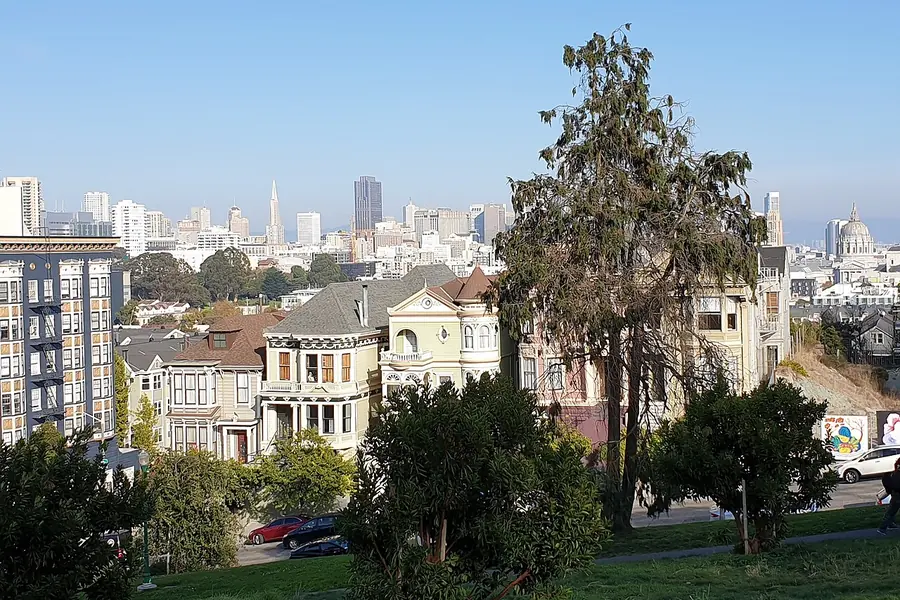
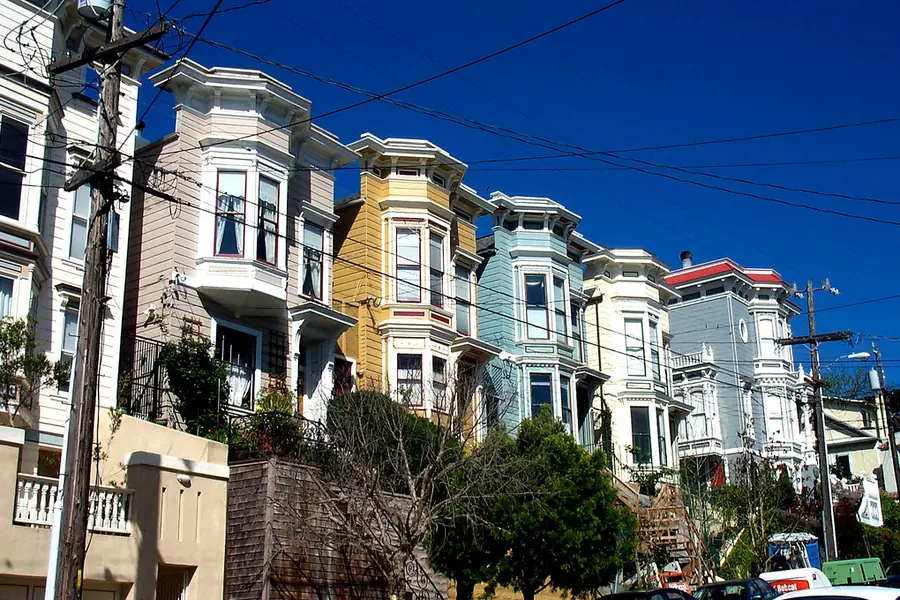
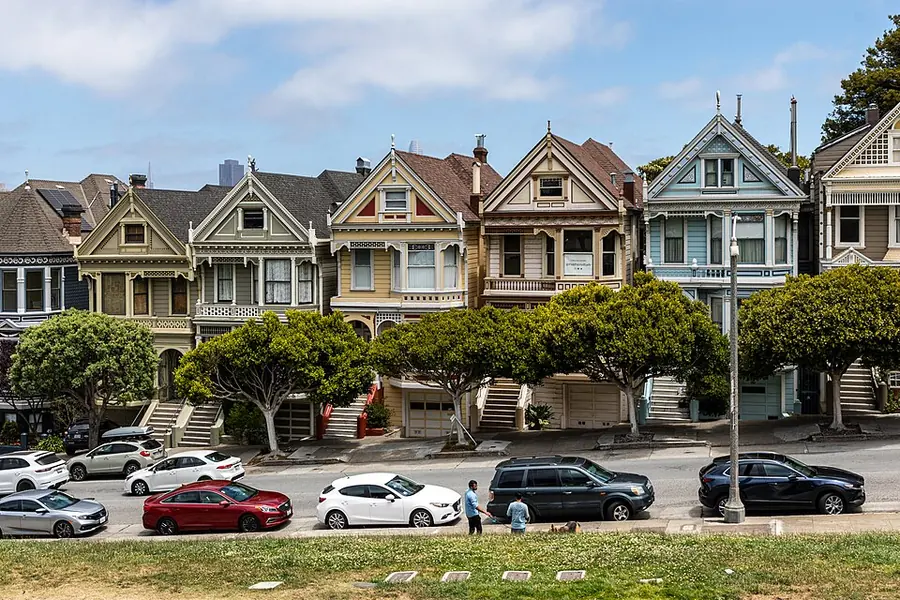
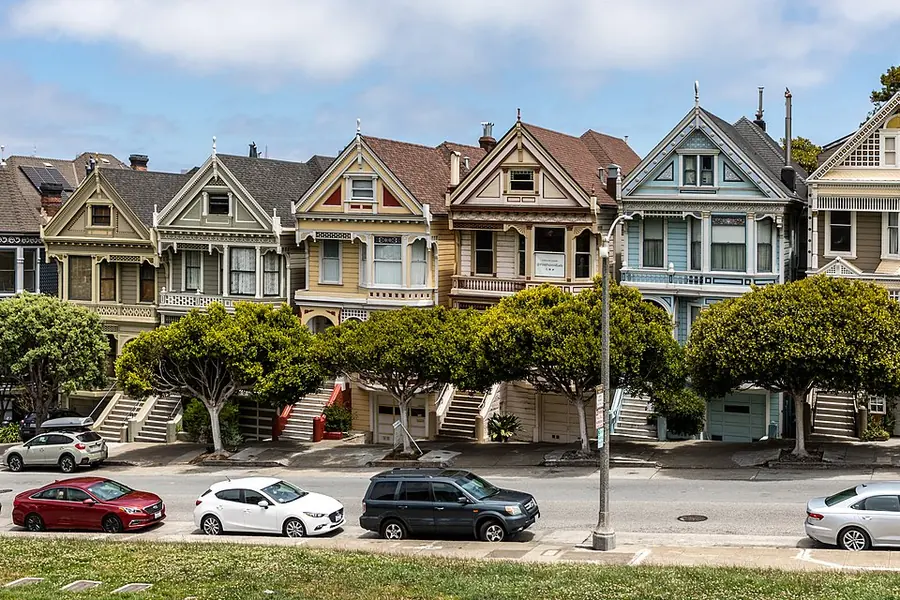
Painted Ladies — Alamo Square
The postcard is real. The park in front of it is even better.
The six Victorian Painted Ladies facing Alamo Square are the most photographed buildings in the city and earn every picture. What the Full House opening credits didn't show: Alamo Square Park is a genuine neighbourhood park with a dog run, morning picnickers, and a view of the downtown skyline over the Victorian rooftops that beats the Golden Gate photo on a clear morning.
The restored wetland walk that ends at the bridge base and makes the whole trip make sense.
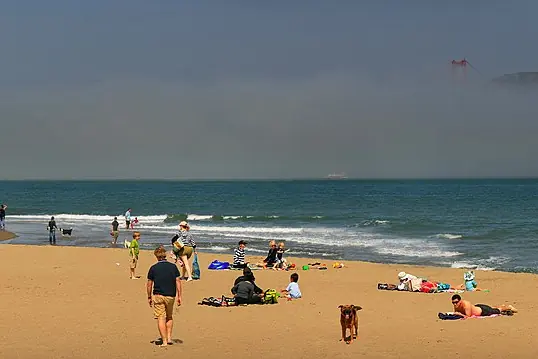
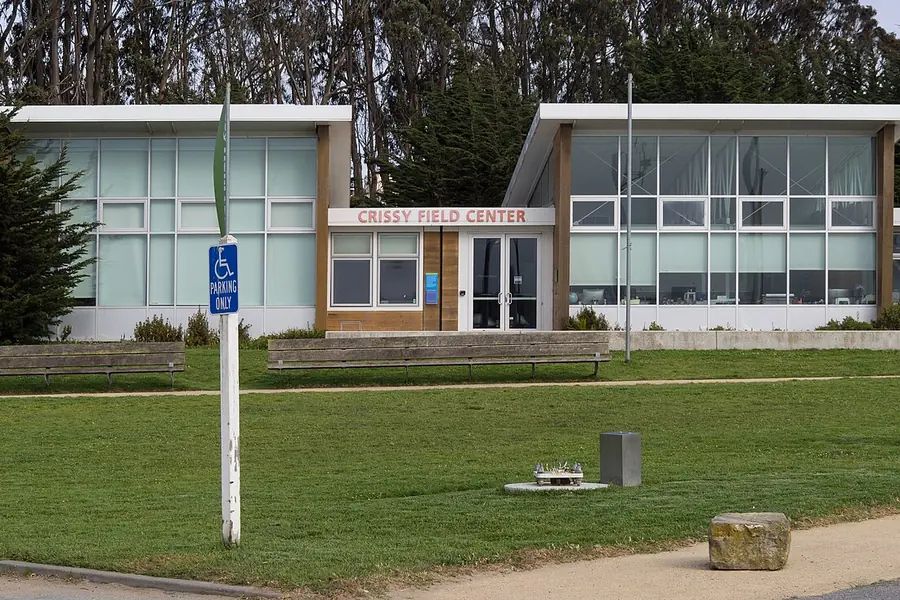
Crissy Field is the restored tidal marsh and beach between the Marina and Fort Point, directly beneath the Golden Gate. Walk from the East Beach picnic area west to Fort Point — 1.5 miles, completely flat, the bridge growing larger with every step until you're standing under it and it no longer seems possible that humans made this. Turn around and the city sits behind you across the water. This is the farewell walk.
Final lunch — State Bird Provisions or The Progress
The dim sum format applied to Californian cuisine — the meal that other restaurants are still catching up to.
Stuart Brioza and Nicole Krasinski's restaurants share a wall on Fillmore and share a philosophy: California produce, dim sum service, flavours that reference everywhere without imitating anywhere. State Bird is the original and still the most exciting dinner (or lunch) in the city. The Progress next door is the more composed version. Both require booking weeks ahead. Both will be the highlight of the food portion of this trip.
San Francisco is a city that resists straight lines. You arrive planning an efficient tourist loop and a Lyft driver reroutes you through Chinatown for pork buns, and suddenly the whole trip has a different shape — looser, more interesting, slightly late to everything.
This itinerary is built for both versions: the sequenced, cover-the-ground version for 2-day visitors who want the Golden Gate, the Bay, and a great meal; and the layered, neighbourhood-by-neighbourhood version for 7-day visitors who want to understand why people move here, pay the rents, and never quite leave.
San Francisco is compact enough that you can walk from Fisherman’s Wharf to the Ferry Building in forty minutes — but it’s hilly enough that you’ll feel every one of those forty minutes. The city rewards the pedestrian who accepts the topography as part of the experience, not an inconvenience to be ridden-shared around.
2-Day vs 7-Day SF at a Glance
2-Day SF
7-Day SF
Morning pace
First ferry booked, first stop by 8:30
Ferry Building coffee; no schedule until 10
Neighbourhoods visited
Embarcadero, Fisherman’s Wharf, North Beach, Chinatown
All of the above plus Haight, Mission, Castro, Noe Valley, Pacific Heights
Transport mode
Rideshare + cable car once
Walk, BART, ferry, shuttle to Muir Woods
Museum count
1 (Alcatraz)
3+ (de Young, Alcatraz, California Academy)
Sourdough credibility
Aware of the reputation
Defensive opinions about Tartine vs Acme
Budget (est.)
$420–$650
$1,500–$2,400
What you leave with
”I need to see more of this city”
Strong and poorly supported feelings about fog
This article contains affiliate links marked with rel="sponsored". We may earn a commission at no extra cost to you.