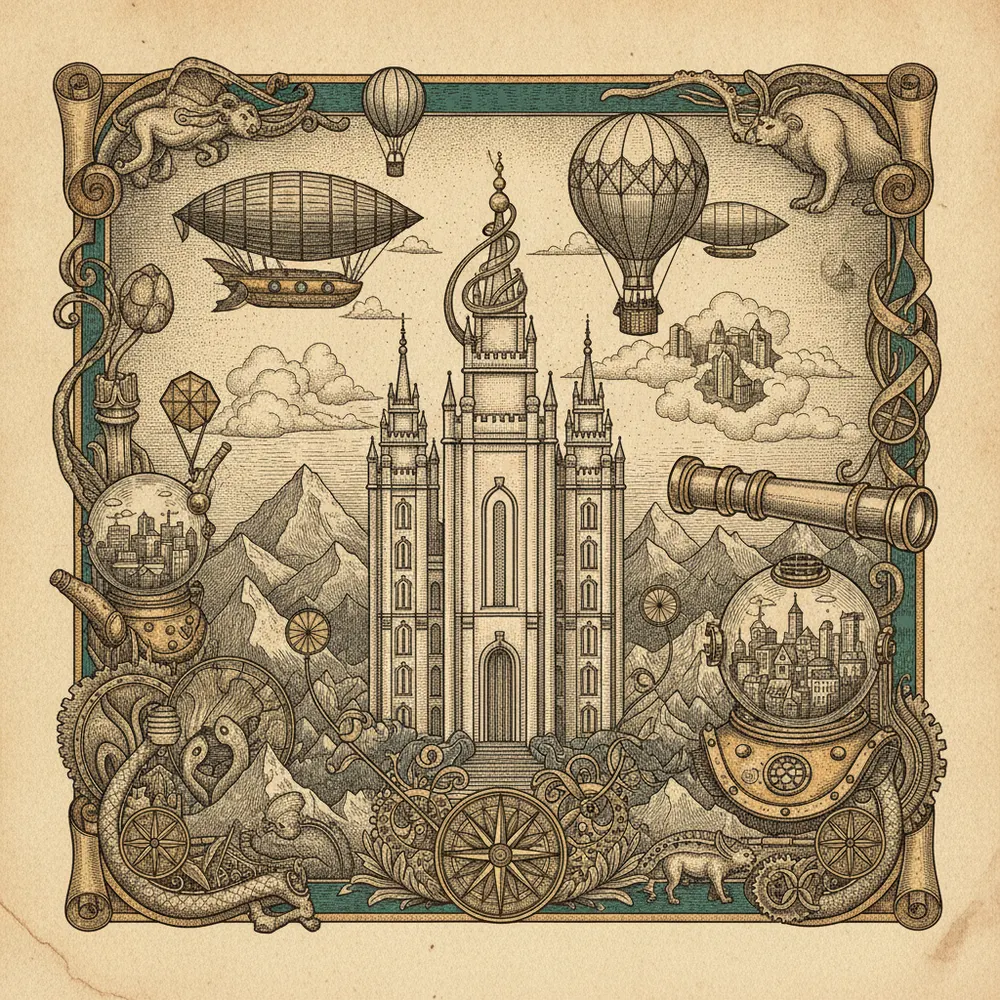
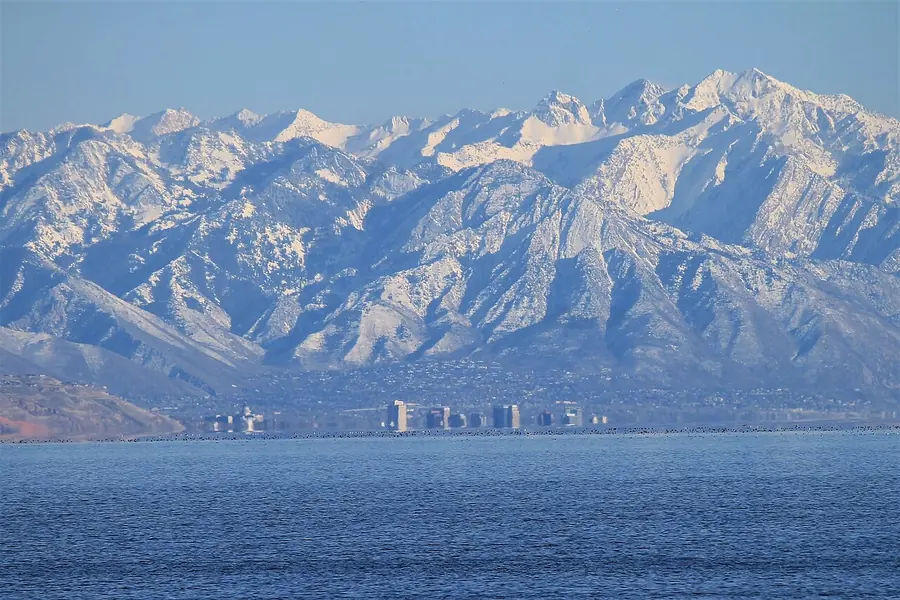
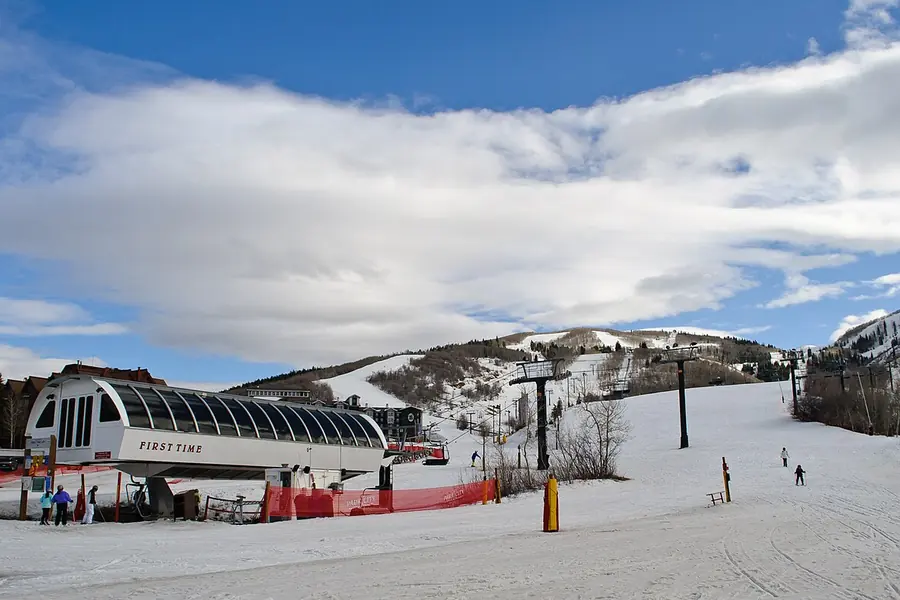
I had breakfast downtown, was skiing knee-deep powder by 9:30, and was back in the city for a craft beer (yes, they exist here, despite what you have heard) by mid-afternoon. That commute, from a coffee shop to the top of a chairlift in under forty minutes, is the thing nowhere else in America does. A lift operator at Alta told me, deadpan, that he had skied 180 days that season and only twice driven more than an hour from home. The mountains here are not a getaway from the city. They lean right over it. Bring layers, bring sunscreen, and rethink everything you assume about Utah and a drink.
The Perfect Salt Lake City Itinerary (2, 3, 4 & 7 Days)
Two days covers the icons. Temple Square and the historic downtown core, a drive up one of the Cottonwood Canyons for the mountain views (or the powder, in winter), and the city's surprisingly good food and beer scene. Compact and ringed by peaks.
In winter, check the canyon road and avalanche conditions before you drive up. UDOT updates are gospel here.
72 Hours: Mountains, Lake, and History
Three days adds the Great Salt Lake itself, the Natural History Museum and the foothill trails of the Wasatch, and more time in the resorts or on the trails. You start to grasp how the city and the mountains function as one organism.
4 Days: Park City and the High Peaks
Four days reaches over the mountains to Park City and its huge resort and Main Street, plus the alpine drives of the Mirror Lake or Alpine Loop scenic byways. This is the trip where the Wasatch really opens up.
7 Days: Gateway to the National Parks
A week turns Salt Lake into a launchpad for Utah's legendary red rock. Day trips and overnights to Arches and Canyonlands near Moab, the wild Bonneville Salt Flats, and Antelope Island, with the city as your comfortable base camp between adventures.
Estimated budget:$300-$560
Estimated budget:$450-$840
Estimated budget:$600-$1150
Estimated budget:$1100-$2300
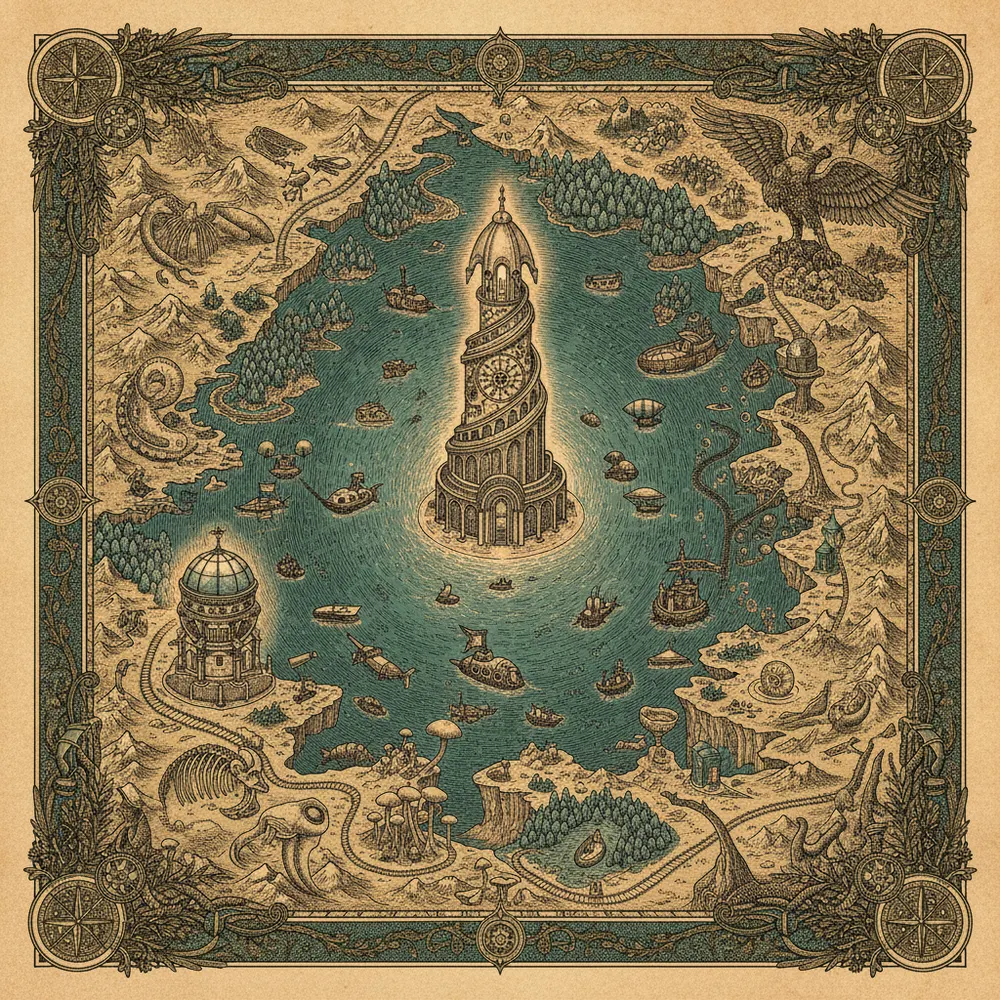
[ THE DISPATCH · FIELD MAP ]
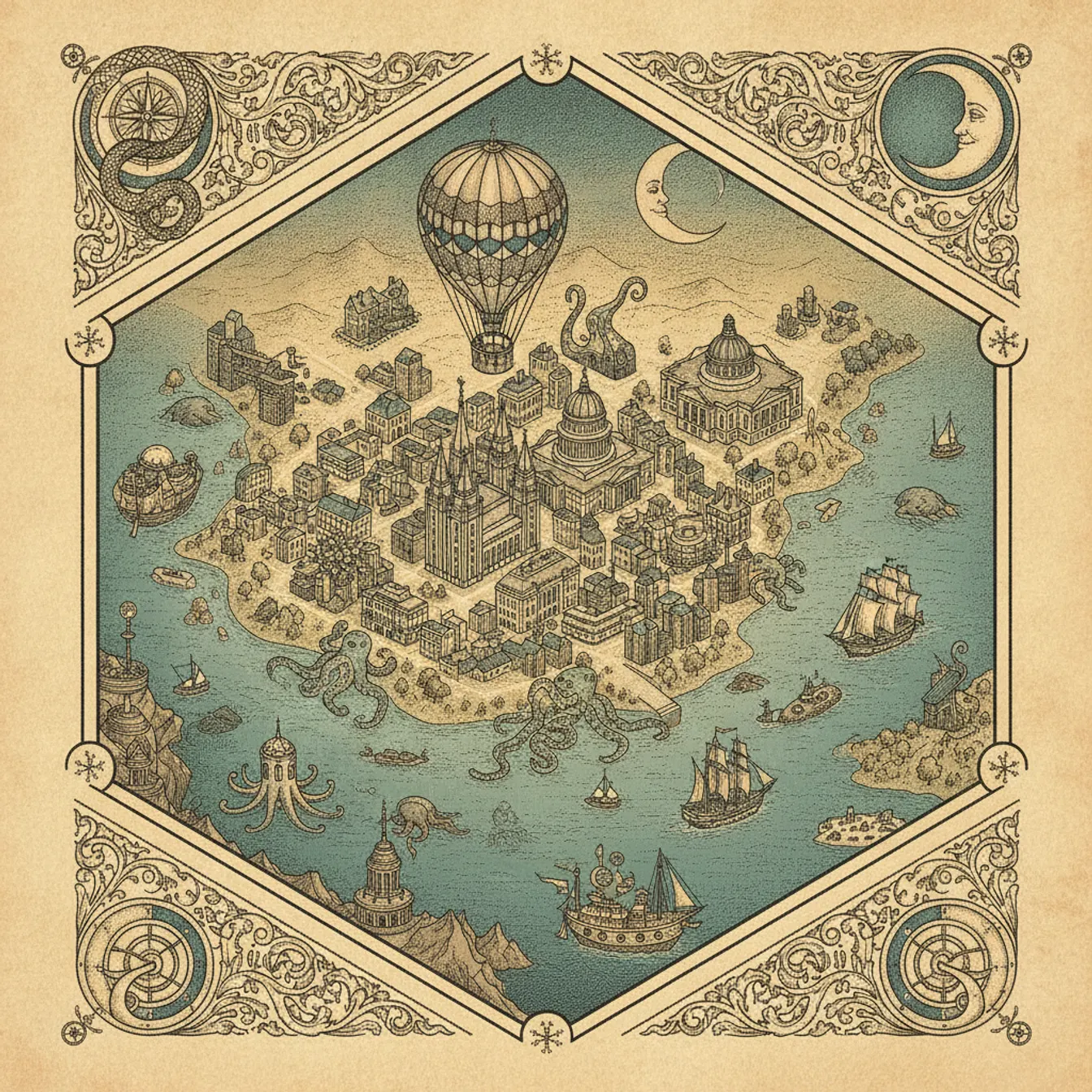
A tilted, hand-drawn dispatch of Salt Lake City. Click a quarter to explode it open.
0 / 6 quarters explored
Legend · tap to highlight
[ DOWNTOWN & TEMPLE SQUARE ]
Grand squares and big ideas.
Temple SquareThe 10-acre spiritual core of the Mormon faith, gardens, spires, and free tours.
City Creek and downtown coreAn open-air mall with a real creek running through it, and the grid Brigham Young laid out.
[ THE COTTONWOOD CANYONS ]
Green breathing room.
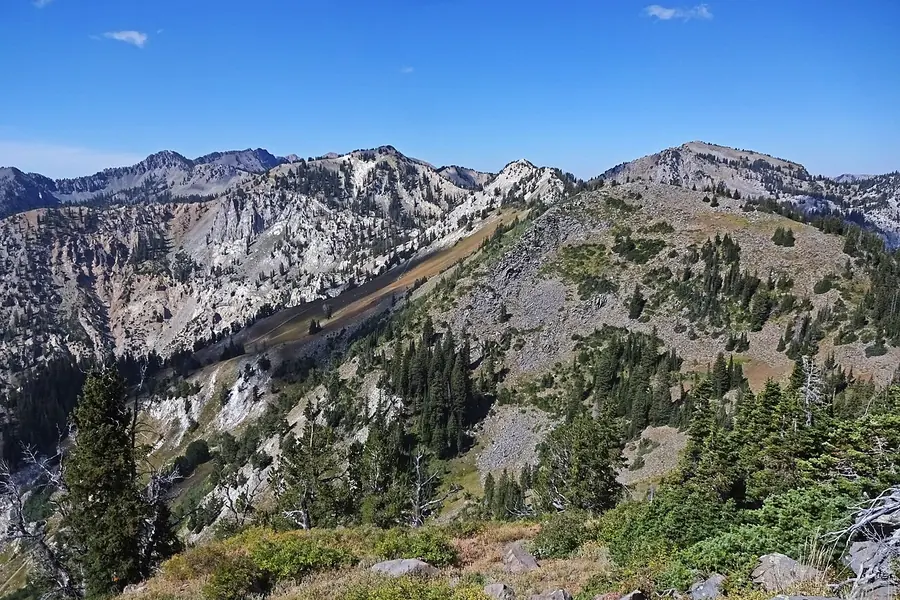
Little Cottonwood Canyon: Alta and SnowbirThe legendary powder canyon, 500-plus inches a year and famously good snow.
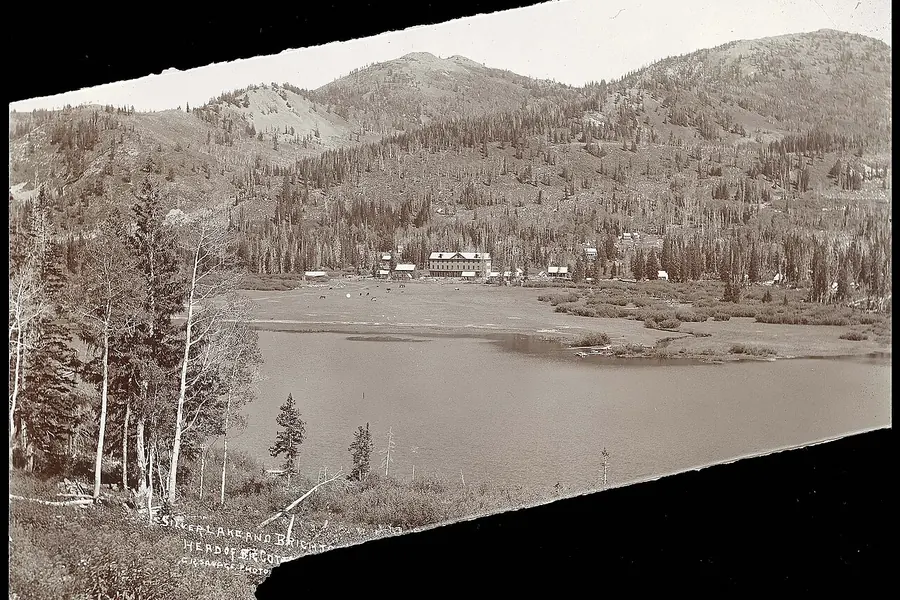
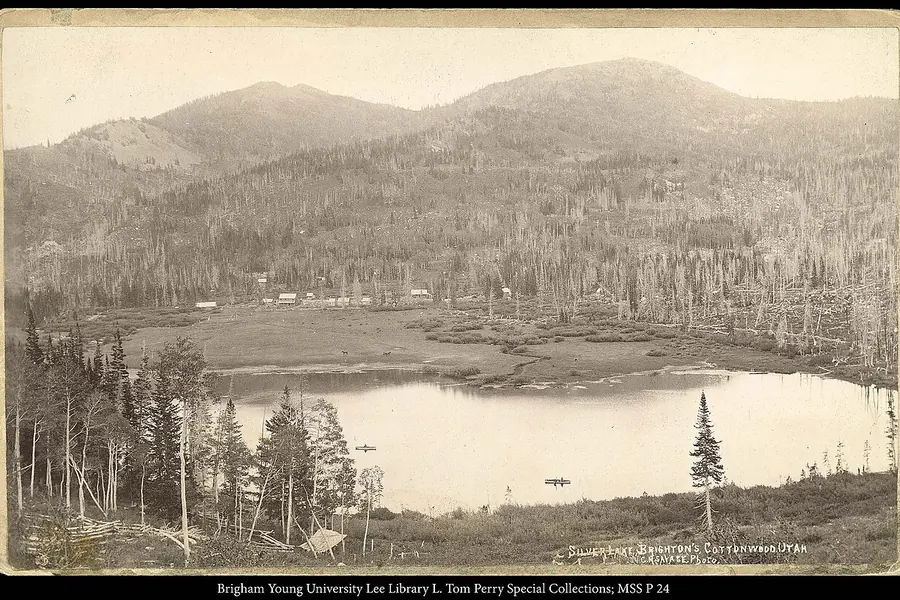
Big Cottonwood Canyon and BrightonThe other great canyon, with Solitude, Brighton, and gorgeous summer wildflowers.
[ THE GREAT SALT LAKE ]
Boats, bridges and reflections.
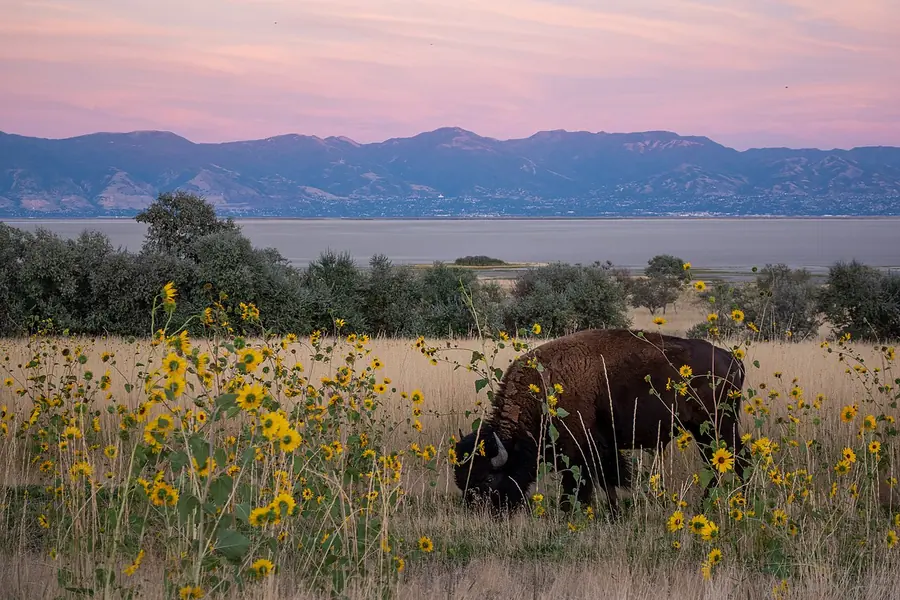
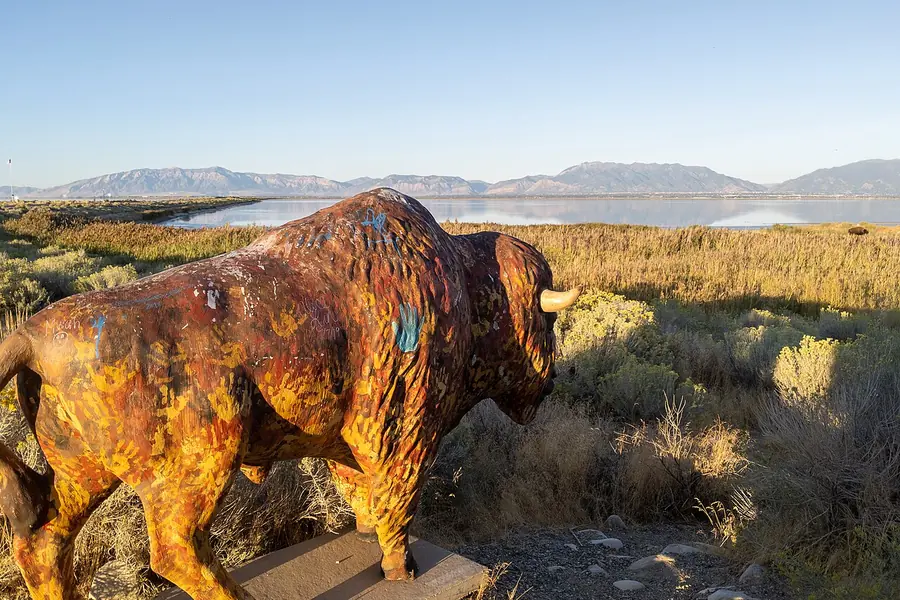
Antelope Island State ParkA bison-roamed island in the salt lake, with eerie views and floating swims.
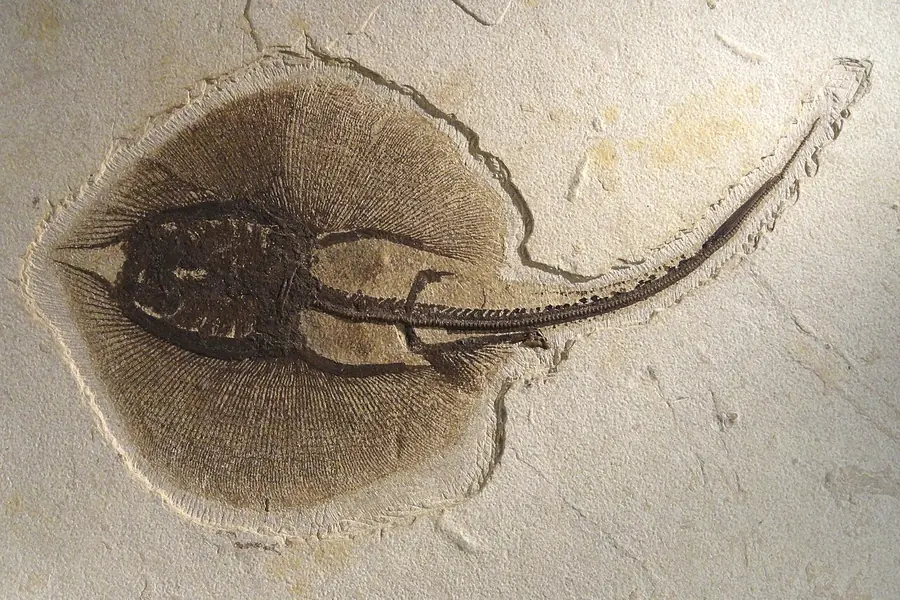
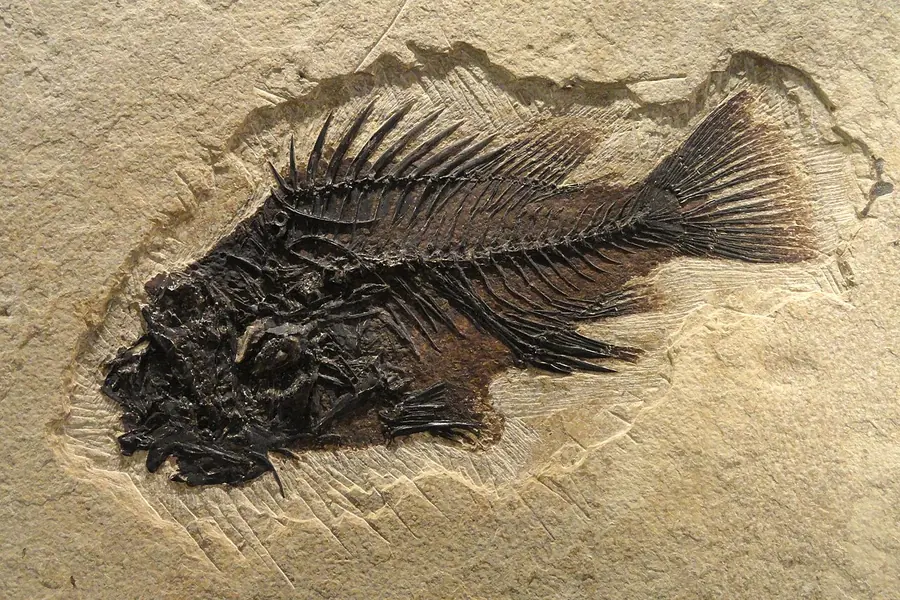
Natural History Museum of UtahA striking copper-clad museum in the foothills, stuffed with Utah dinosaurs.
[ WASATCH FOOTHILLS ]
Green breathing room.
Ensign Peak at golden hourA short foothill hike to the spot where the pioneers first surveyed the valley.
[ PARK CITY & THE HIGH WASATCH ]
Green breathing room.
Park City Main StreetA restored silver-mining street turned Sundance-and-ski-town heart.
Park City Mountain / Deer ValleyThe largest ski resort in the US in winter, lift-served hiking and biking in summer.
[ MOAB RED ROCK COUNTRY ]
Green breathing room.
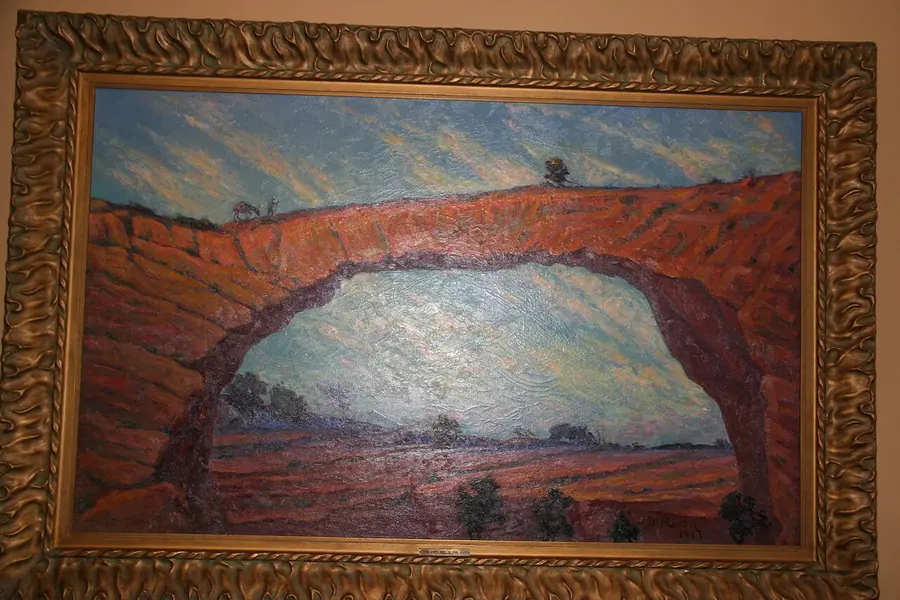
Arches National ParkOver 2,000 natural stone arches in a surreal red desert, including Delicate Arch.
Delicate Arch at sunsetThe world's most famous arch, glowing copper as the desert light fades.
Day 1
Downtown and Temple Square
The historic heart of the city
Temple Square
The 10-acre spiritual core of the Mormon faith, gardens, spires, and free tours.
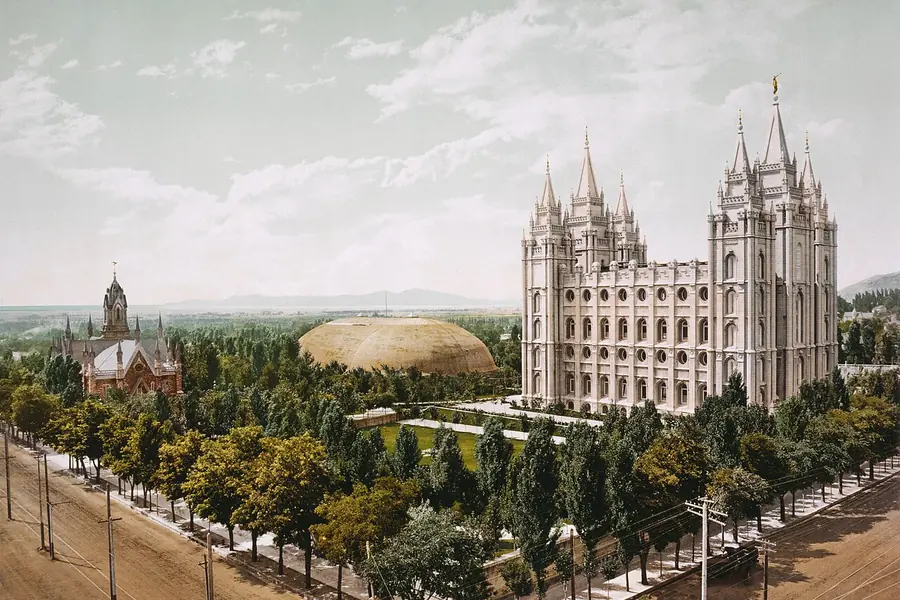
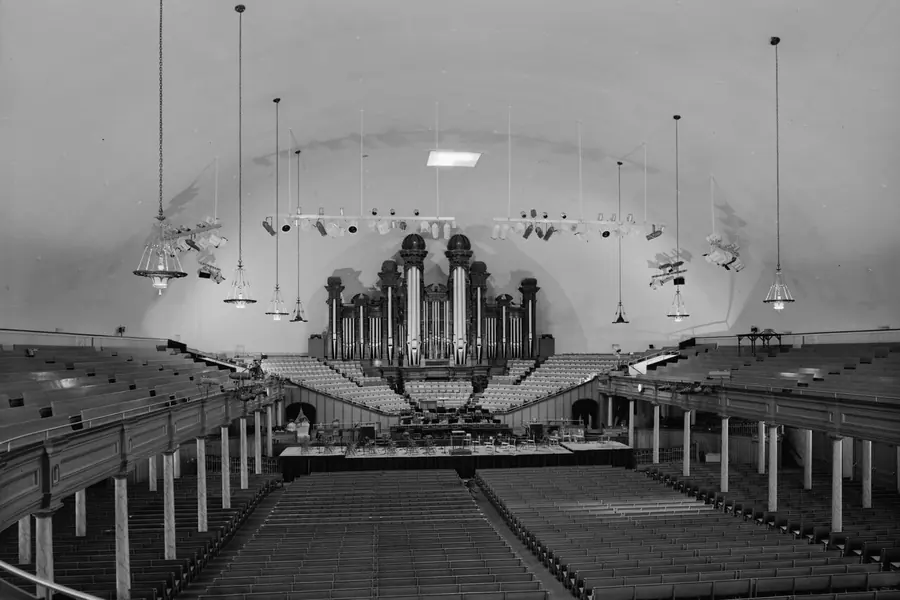
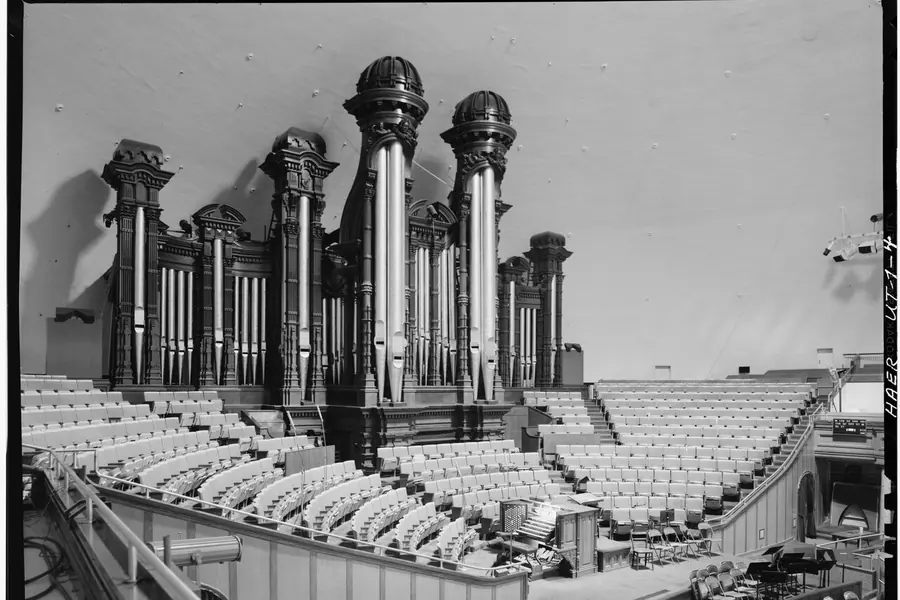
Temple Square is the symbolic centre of Salt Lake City and the worldwide LDS Church, ten landscaped acres around the granite Salt Lake Temple (under restoration, viewable from outside), the domed Tabernacle famous for its choir and acoustics, and lovely gardens. The grounds and guided tours are free. Whatever your beliefs, it is the key to understanding how and why this city exists.
An open-air mall with a real creek running through it, and the grid Brigham Young laid out.
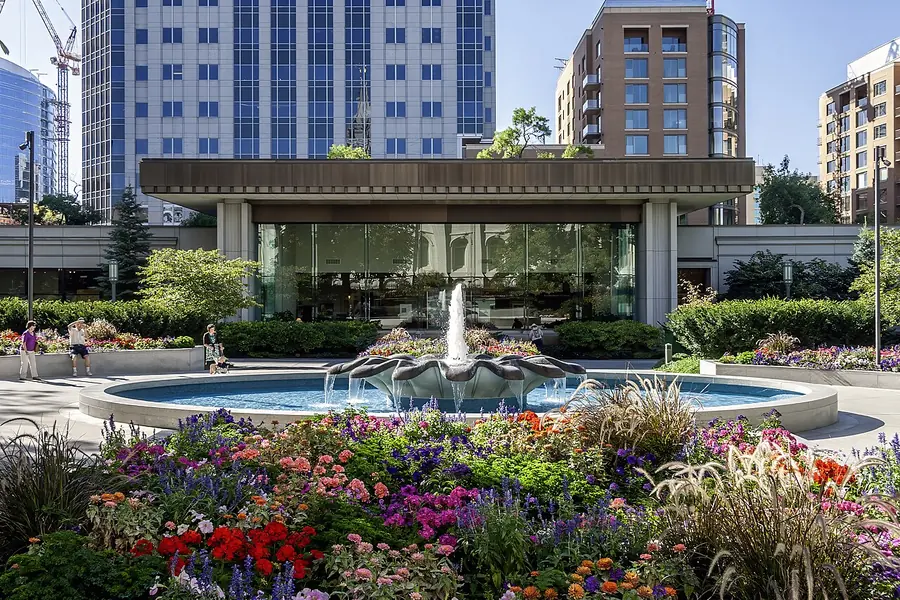
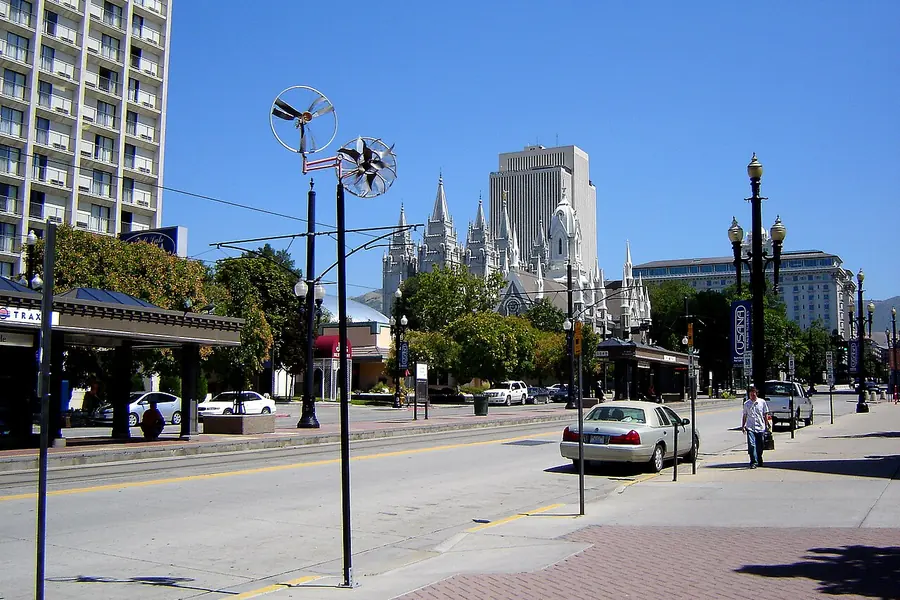
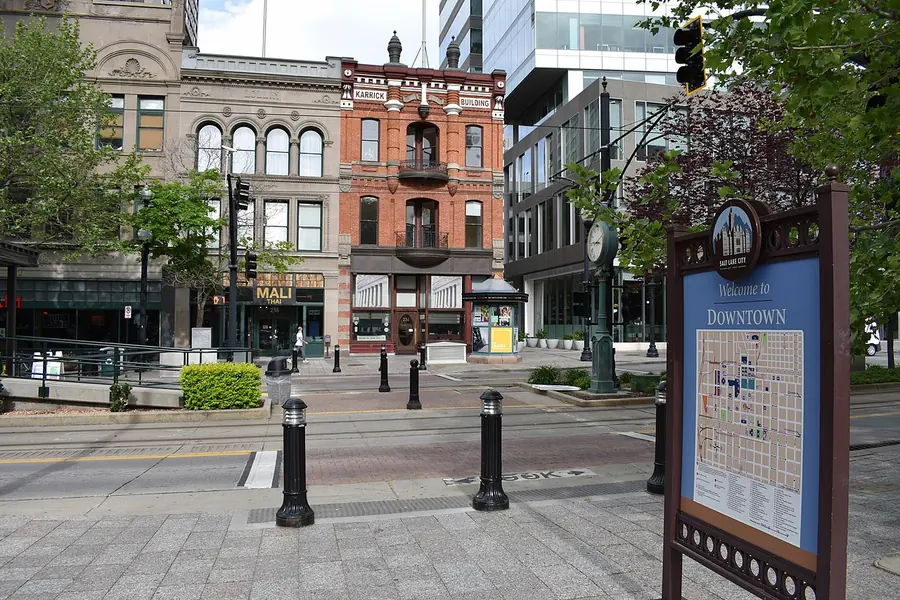
Around Temple Square spreads a clean, walkable downtown built on Brigham Young's famously wide grid. City Creek Center is an upscale open-air mall with a literal trout stream and retractable roof, and the surrounding blocks hold the State Capitol, good lunch spots, and the historic buildings of the old city. Use the free downtown transit zone to get your bearings on day one.
Beer Bar and the local craft scene
Proof that Utah can drink: a buzzy beer hall co-owned by a former mayor.
Dispelling the myth that you cannot get a drink in Utah, Salt Lake has a genuine craft beer and cocktail scene. Beer Bar, next to its sister Bar X, pours dozens of local and regional beers alongside excellent sausages and frites in a lively hall. Learn the state's quirky liquor rules (they exist, but they will not stop you) and toast your arrival in the mountain west.
Day 2
Up the Cottonwood Canyons
Into the Wasatch for powder or peaks
Little Cottonwood Canyon: Alta and Snowbird
The legendary powder canyon, 500-plus inches a year and famously good snow.
Little Cottonwood Canyon, twenty-odd miles from downtown, holds Alta and Snowbird, two of the best snow resorts in North America, blessed with light, abundant Wasatch powder. In summer the same canyon is a paradise of granite cliffs and alpine trails. In winter, ski or ride; in summer, hike to Cecret Lake. Check road and avalanche conditions before driving up in snow season.
Big Cottonwood Canyon and Brighton
The other great canyon, with Solitude, Brighton, and gorgeous summer wildflowers.
The parallel Big Cottonwood Canyon holds the Solitude and Brighton resorts and a string of stunning alpine trailheads. The drive itself, winding up past granite walls and aspen groves, is reason enough. In summer the Brighton Lakes trail past Lake Mary is a knockout wildflower hike; in winter it is friendly, less-crowded skiing. Either season, the canyon is a short hop from the city below.
A beloved 1930s trolley-car diner up a canyon, famous for its mile-high biscuits.
On the way back to town, Ruth's Diner up Emigration Canyon has been slinging comfort food since 1930 from a converted streetcar, and its enormous mile-high biscuits are a local institution. Eat on the creek side patio after a day in the mountains. It is the kind of unpretentious Utah spot that makes the canyons feel like home, not just a postcard.
Day 3
The Great Salt Lake and the Foothills
The lake that named the city
Antelope Island State Park
A bison-roamed island in the salt lake, with eerie views and floating swims.
Antelope Island, reached by a long causeway across the Great Salt Lake, is the best place to actually experience the lake, with free-roaming bison and pronghorn, hiking trails, and beaches where the super-salty water lets you float effortlessly. The light and the vast pale flats are otherworldly. Bring water and sun protection, and rinse off the salt and (in season) the brine flies afterward.
A striking copper-clad museum in the foothills, stuffed with Utah dinosaurs.
The Natural History Museum of Utah, set into the foothills at the Rio Tinto Center, is a beautifully designed copper-skinned building with a world-class dinosaur collection, much of it dug from Utah's own rock. Beyond the bones, exhibits cover the geology and Native cultures of the region, and the rooftop terrace frames the valley and the Wasatch. A great rainy-day or hot-afternoon pick.
A short foothill hike to the spot where the pioneers first surveyed the valley.
For sunset, the short, steep trail up Ensign Peak just north of the Capitol climbs to the knoll where Brigham Young's party first surveyed the Salt Lake Valley in 1847. It takes about twenty minutes up and delivers a sweeping golden-hour view over the city grid, the lake, and the mountains. It is the perfect quick hike to cap a day and grasp the whole valley at a glance.
A restored silver-mining street turned Sundance-and-ski-town heart.
Forty minutes east over the mountains, Park City's historic Main Street is a pretty strip of restored mining-era buildings now full of galleries, restaurants, and bars, the beating heart of the Sundance Film Festival each January. Ride the free trolley, browse the shops, and have lunch on a patio. It is a polished, walkable counterpoint to rugged Salt Lake proper.
The largest ski resort in the US in winter, lift-served hiking and biking in summer.
Park City Mountain is the biggest ski resort in the United States by acreage, with neighbouring Deer Valley adding upscale, skier-only slopes. In summer the lifts serve mountain biking, hiking, and an alpine coaster. Whatever the season, riding a chairlift up for the view over the high Wasatch is worth the trip. Lift tickets and gear are pricey here, so book ski days ahead.
A switchbacking mountain drive past Sundance and Mount Timpanogos.
On the way back, the Alpine Loop Scenic Byway (open in the warmer months) climbs past Robert Redford's Sundance resort and around the flank of dramatic Mount Timpanogos through golden aspen forest. Stop at the overlooks and, if time allows, the Timpanogos Cave. It is one of the most beautiful drives in the state and a fitting way to end a mountain-heavy day.
Day 5
Moab: Arches National Park
Red rock arches and desert towers
Arches National Park
Over 2,000 natural stone arches in a surreal red desert, including Delicate Arch.
About four hours south near Moab (an overnight is wise), Arches National Park packs over 2,000 natural sandstone arches into a jaw-dropping red landscape. The hike to Delicate Arch, Utah's license-plate icon, is the must-do, best at sunset when the rock glows. Start early to beat the heat and crowds, carry far more water than you think you need, and reserve a timed entry in peak season.
The world's most famous arch, glowing copper as the desert light fades.
The 3-mile round-trip hike to Delicate Arch climbs slickrock to a natural amphitheatre where the freestanding arch frames the La Sal Mountains beyond. At sunset the sandstone burns orange and the whole scene is unforgettable, which is why everyone comes, so expect company. Bring a headlamp for the walk down, plenty of water, and grippy shoes for the smooth rock.
Day 6
Canyonlands and the Desert
Vast canyons and the mighty Colorado
Canyonlands: Island in the Sky
A mesa-top district of staggering canyon overlooks above the Colorado and Green rivers.
Canyonlands' Island in the Sky district, near Moab, is a high mesa ringed by sheer drops into a maze of canyons carved by the Colorado and Green rivers. The overlooks at Grand View Point and Green River are immense, and the short walk to Mesa Arch frames a famous sunrise. It feels like a smaller, emptier Grand Canyon. Fuel up and carry water; services are sparse out here.
Dead Horse Point State Park
A gooseneck bend of the Colorado 2,000 feet below a dramatic clifftop overlook.
Right beside Canyonlands, Dead Horse Point State Park offers one of the most jaw-dropping overlooks in the West, the Colorado River curling in a tight gooseneck two thousand feet below sheer red cliffs. The short rim trail and the main overlook are pure spectacle, especially at sunset. It famously stood in for the Grand Canyon in the film Thelma & Louise. Mind the unfenced edges.
Day 7
Bonneville Salt Flats Return
A blinding white desert and the drive home
Bonneville Salt Flats
A blinding white expanse of salt where the world land-speed records are set.
On the drive back west toward the city (or out toward Nevada), the Bonneville Salt Flats are a vast, dead-flat plain of cracked white salt stretching to the horizon, where land-speed records have been set for a century. When dry, you can walk or drive out onto the surreal surface for photos that look like nowhere on earth. Check conditions; the flats flood and turn to mud after rain.
Spiral Jetty / Saltair
Smithson's earthwork coil in the lake, and a quirky historic lakeside pavilion.
Closer to the city, the Great Salt Lake offers two offbeat finales: Robert Smithson's Spiral Jetty, a 1,500-foot coil of black basalt curling into the pink-tinged water (a long gravel-road drive, best when lake levels are low), or the easier, historic Saltair pavilion on the south shore. Either gives a fittingly strange last look at the lake that gave the city its name before you head home.
Salt Lake City is the rare American capital where you can ski world-class powder and be back downtown for dinner the same afternoon. Ringed by the soaring Wasatch Range and sitting beside its eerie namesake lake, it is a clean, walkable city laid out on Brigham Young’s enormous grid, founded by Mormon pioneers and now a surprisingly young, outdoorsy, and (yes, really) drink-friendly place.
This itinerary is built around one honest truth: the mountains are the main event, and they are absurdly close. The Cottonwood Canyons are twenty minutes from your hotel, and the city itself works best as a launchpad, into the powder in winter, the alpine trails in summer, and Utah’s mind-bending red rock parks year-round.
The 2/3/4/7-day versions are real choices. Two days is the city core and a canyon. Three adds the Great Salt Lake. Seven turns Salt Lake into a base camp for Arches, Canyonlands, and the otherworldly salt flats.
How to use this plan
Use the day filter to match your trip length. Downtown is walkable with free transit, but you will want a car for the canyons, the lake, and the national parks. In winter, watch UDOT for canyon road and avalanche closures, and consider a snow-rated vehicle; in summer, carry far more water than feels reasonable for the desert day trips. Come January to March for the powder, or June through September for the high trails and red rock, and pack for big temperature swings between the valley and the peaks.
This article contains affiliate links marked with rel="sponsored". We may earn a commission at no extra cost to you.