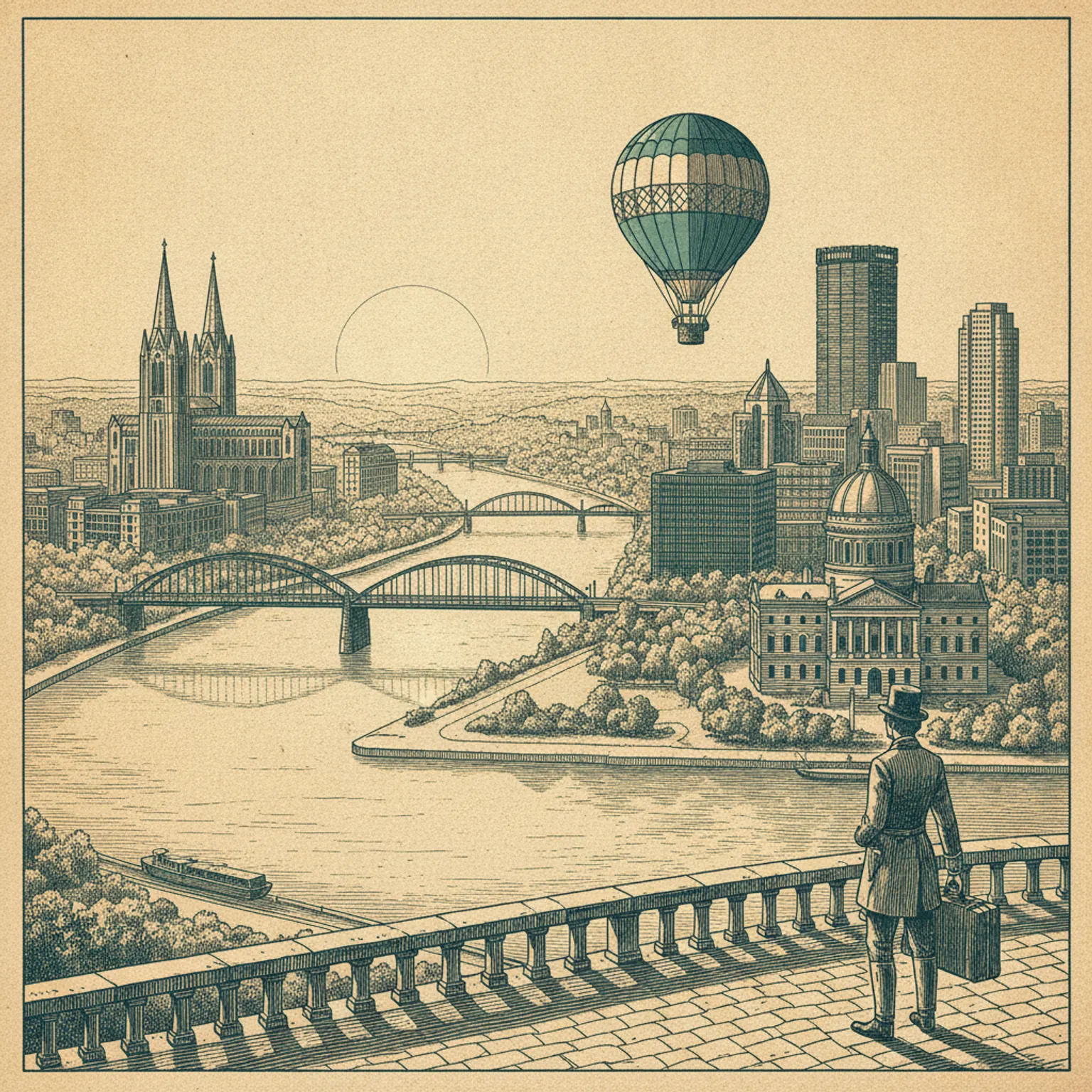
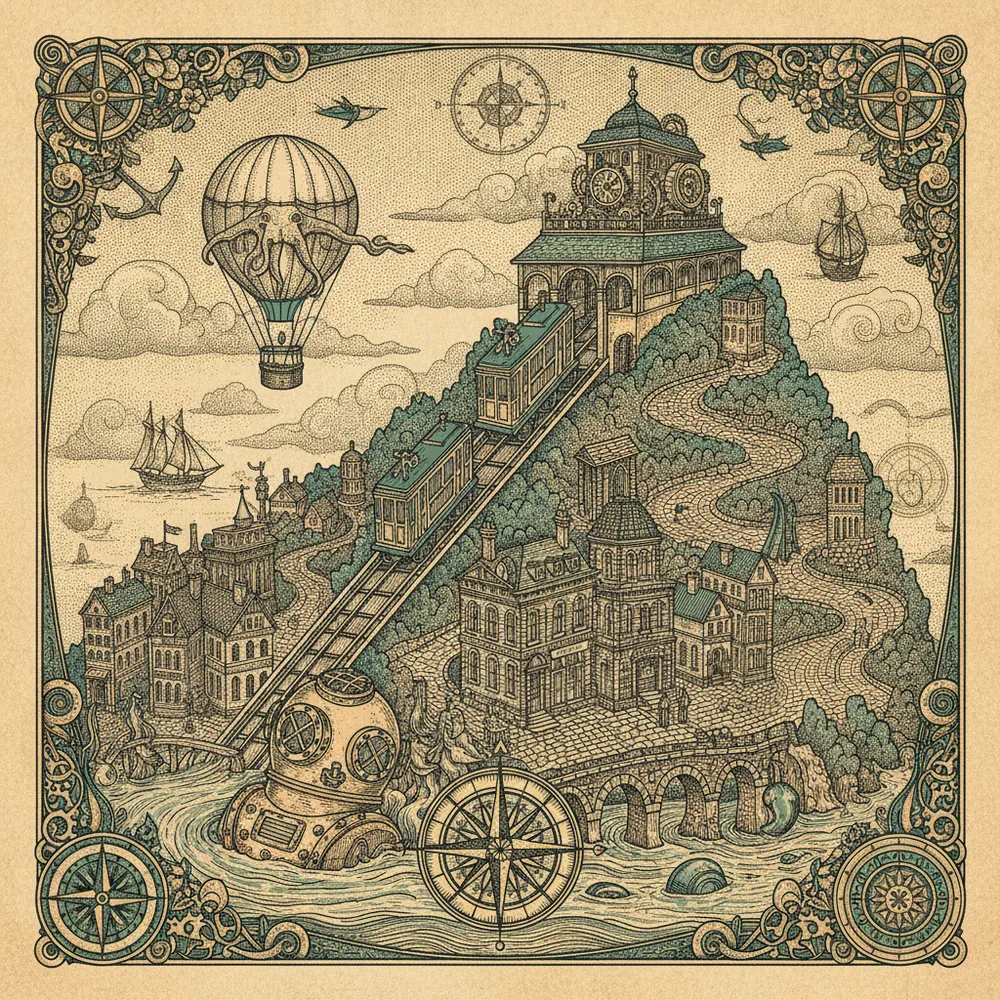
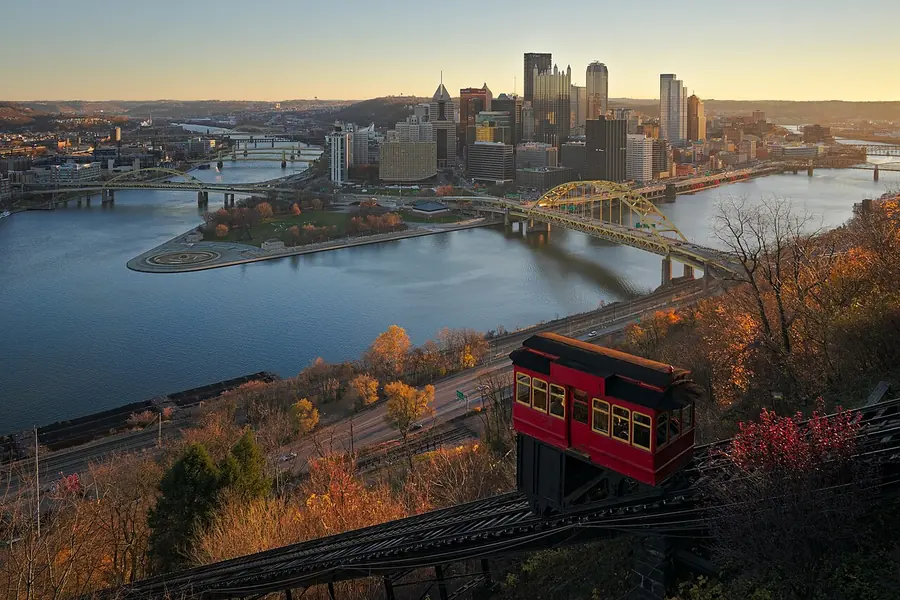
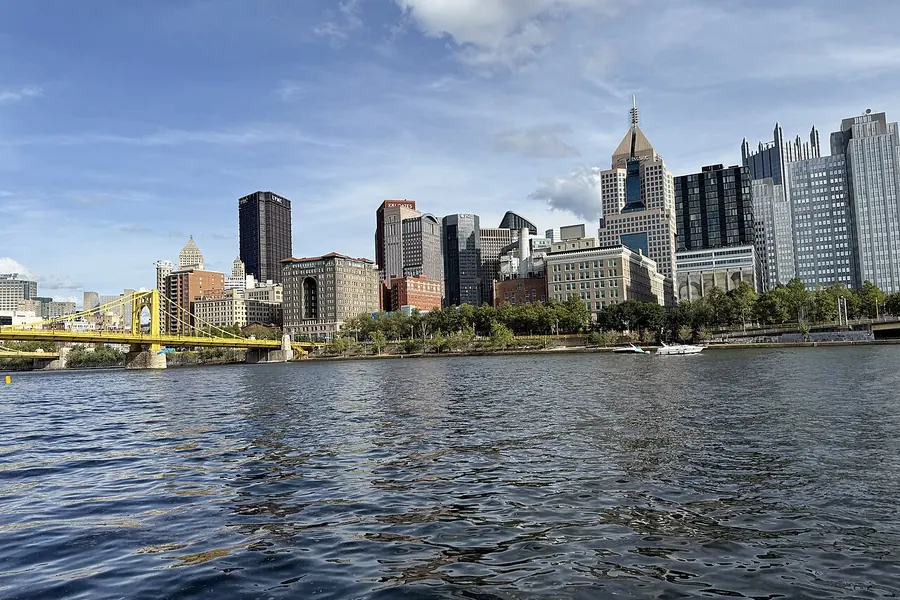
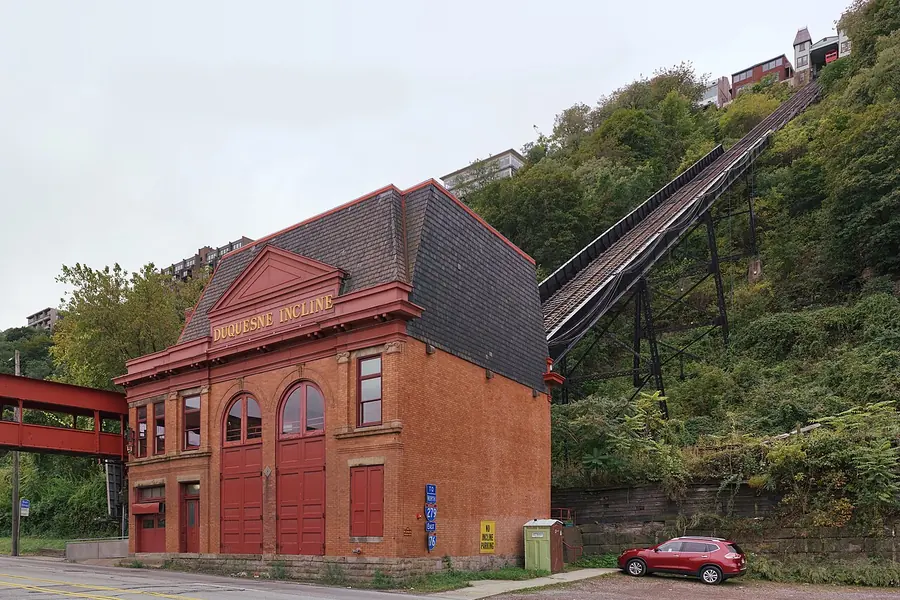
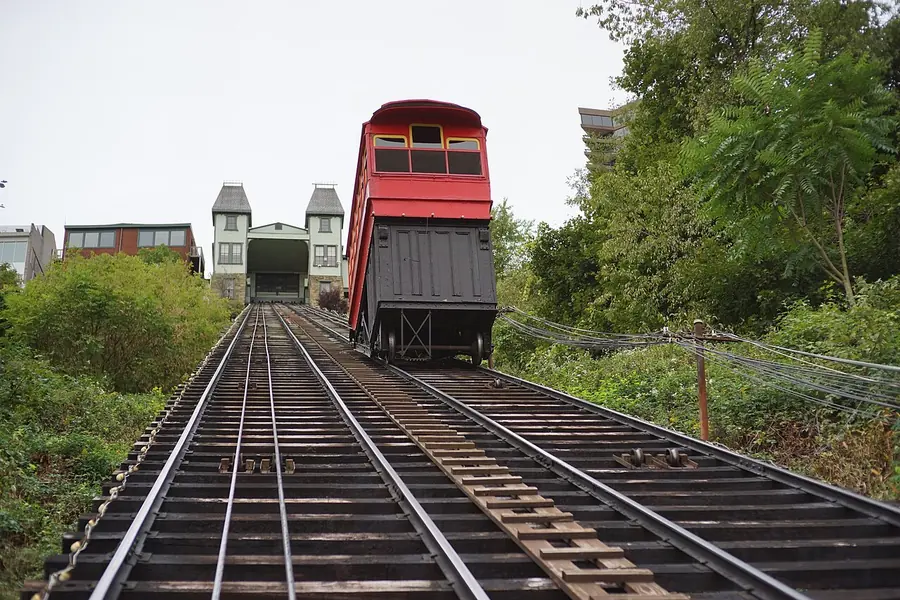
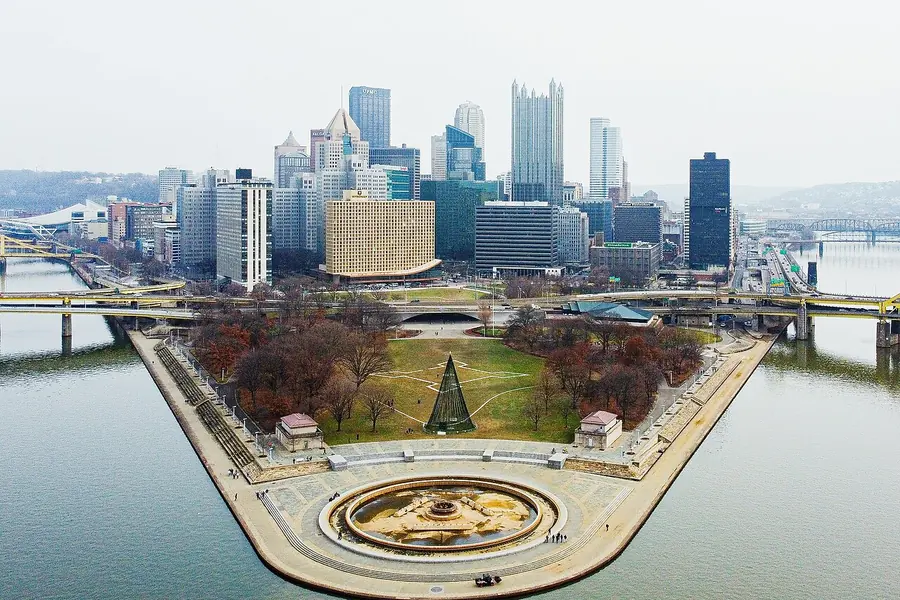
I rode the wooden cable car of the Duquesne Incline up Mount Washington expecting a creaky tourist gimmick, and then it cleared the trees and the whole of Pittsburgh unfolded below me — three rivers meeting at a perfect point, the skyline wedged into the fork, hundreds of bridges stitching the hills together. I'd had no idea this city looked like this. People joke about Pittsburgh, the steel and the football and the accent, and then you stand on that overlook at dusk and realise it's quietly one of the best-looking cities in America. The 'yinzer' next to me just nodded, like, yeah, we know.
The Perfect Pittsburgh Itinerary (2, 3, 4 & 7 Days)
Two days nails the icons: the incline ride to the Mount Washington overlook, the Point where three rivers meet, the genuinely great Andy Warhol Museum, and a graze through the Strip District's food stalls. It's enough to be properly converted to a city most people underestimate.
Do this one thing: ride a hillside incline at sunset — the Duquesne or Monongahela — for the best free-ish view in town.
Add the museums and the neighbourhoods
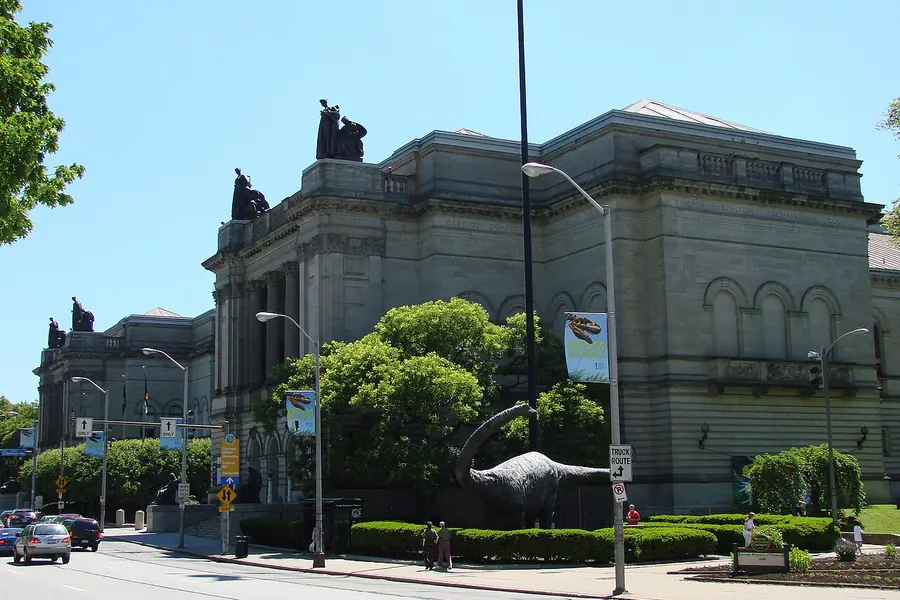
A third day gives the Carnegie Museums their due — natural history's dinosaurs and a world-class art wing — plus time in the leafy student energy of Oakland and the indie shops of Lawrenceville. You move past the postcard and into a real, layered city.
Sports, science, and the river towns
Four days adds a ballgame at PNC Park (the prettiest in baseball), the hands-on Carnegie Science Center, and a wander through Pittsburgh's quirkier corners. You balance culture, sport, and the rivers. My recommended length for a first visit.
Pittsburgh as a base for the region
A week opens up southwestern Pennsylvania: Frank Lloyd Wright's Fallingwater, the Laurel Highlands' forests and trails, and deep dives into the food and neighbourhoods. Seven days makes the city a base for one of the most underrated corners of the country.
Estimated budget:$280-$560
Estimated budget:$420-$840
Estimated budget:$560-$1150
Estimated budget:$1000-$2200
[ THE DISPATCH · FIELD MAP ]
A tilted, hand-drawn dispatch of Pittsburgh. Click a quarter to explode it open.
0 / 6 quarters explored
Legend · tap to highlight
[ DOWNTOWN & THE POINT ]
Grand squares and big ideas.
Duquesne InclineAn 1877 wooden cable car to the best skyline view in the city.
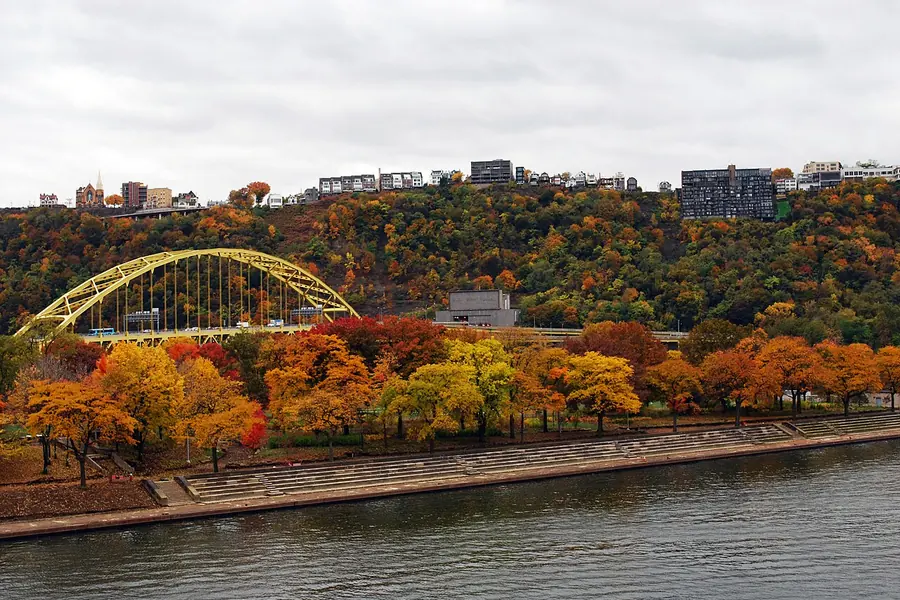
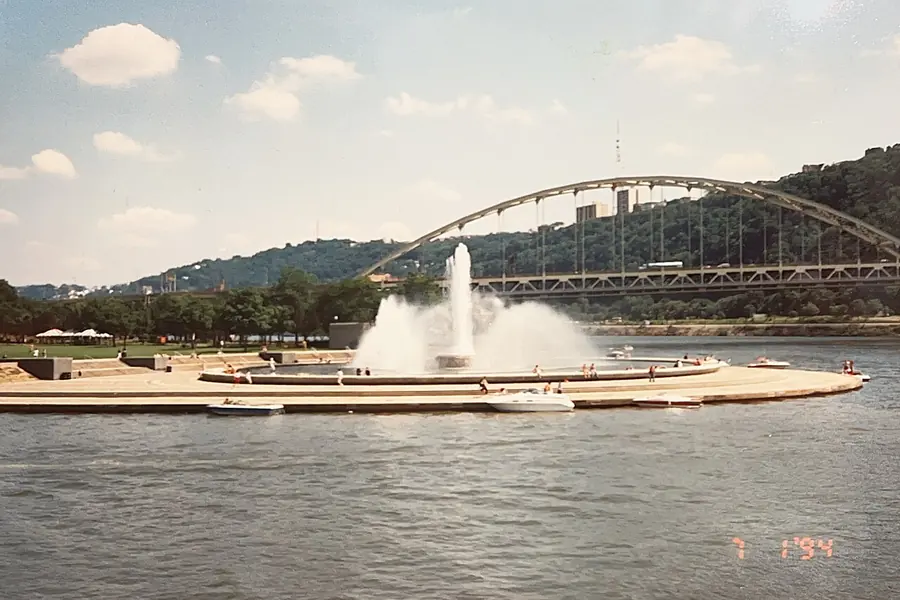
Point State ParkThe literal point where the Allegheny and Monongahela become the Ohio.
[ MOUNT WASHINGTON ]
Green breathing room.
Market SquareDowntown's pedestrian square, ringed by bars and the legendary Primanti's.
Phipps ConservatoryA Victorian glasshouse of orchids, ferns, and seasonal flower shows.
[ NORTH SIDE & NORTH SHORE ]
Where the city meets the water.
The Andy Warhol MuseumSeven floors devoted to Pittsburgh's most famous son.
The Strip DistrictA half-mile of ethnic groceries, food stalls, and Steelers merch.
[ THE STRIP DISTRICT ]
Old stones, older stories.
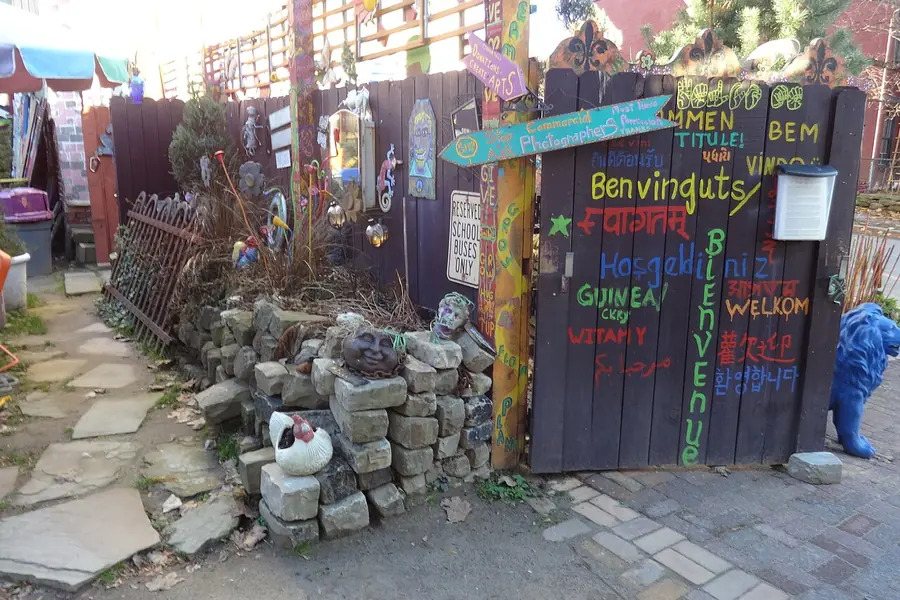
Randyland & the Mexican War StreetsA riot of folk-art colour in the historic North Side.
[ OAKLAND ]
Grand squares and big ideas.
Carnegie Museums of Art & Natural HistoryTwo great museums under one Gilded Age roof.
Cathedral of Learning & OaklandA 42-storey Gothic skyscraper full of themed classrooms.
[ LAWRENCEVILLE ]
Stays up later than you do.
LawrencevillePittsburgh's hippest mile of indie shops, cafés, and bars.
Bicycle HeavenThe world's largest bicycle museum, and it's gloriously free.
Day 1
The View and the Point
Get the geography into your head first
Duquesne Incline
An 1877 wooden cable car to the best skyline view in the city.
Ride the original red wooden cars up Mount Washington for under $4 each way. The upper station has a little museum and an observation deck where the three-rivers panorama lays itself out perfectly. Walk Grandview Avenue along the ridge for more overlooks. Come back at sunset if you can — the view is even better with the lights on.
The literal point where the Allegheny and Monongahela become the Ohio.
The wedge of green at the tip of downtown is where the city began (Fort Pitt stood here) and where its three rivers converge under a huge fountain. The Fort Pitt Museum tells the French-and-Indian-War origin story well. Walk the riverfront trails out to the bridges. It's the geographic and historical heart of Pittsburgh in one easy stop.
Downtown's pedestrian square, ringed by bars and the legendary Primanti's.
The cobbled square downtown is the easy spot for a first dinner. Primanti Bros. is the obligatory Pittsburgh institution — a sandwich with the fries and slaw stuffed inside it, which sounds wrong and tastes great after a beer. The square has better food too if you want it. People-watch, grab a drink, get a feel for downtown after dark.
Day 2
Warhol and the Strip
Pop art by day, pierogis by lunch
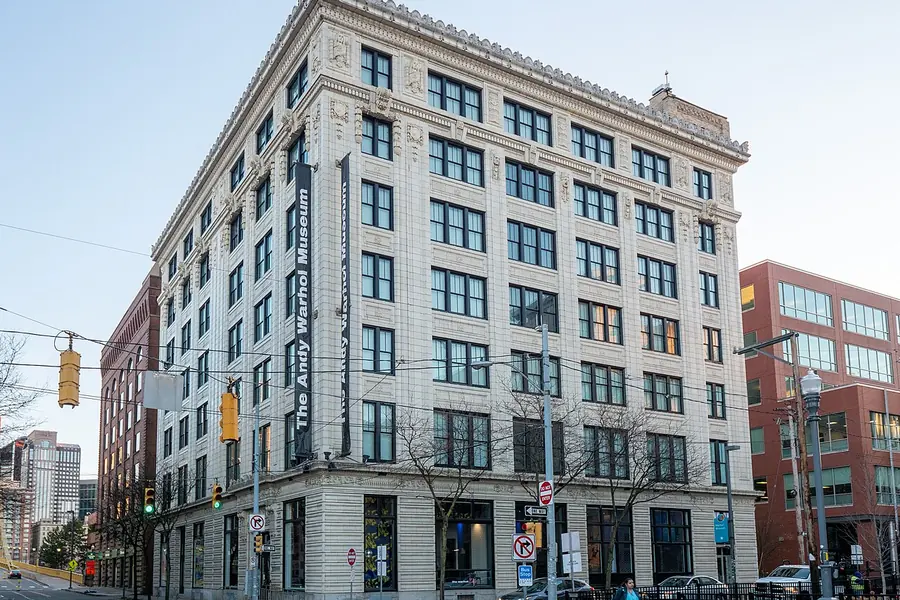
The Andy Warhol Museum
Seven floors devoted to Pittsburgh's most famous son.
Warhol grew up here, and the largest single-artist museum in North America does him justice across seven floors — the soup cans, the screen tests, the silver clouds room you can bat around. It's smarter and more moving than the kitsch reputation suggests, tracing his whole arc from commercial illustrator to icon. Easily two hours, and the gift shop is genuinely good.
A half-mile of ethnic groceries, food stalls, and Steelers merch.
The Strip is Pittsburgh's old wholesale market district turned food-lover's playground: Italian delis, a Polish grocer slinging pierogis, fish markets, spice shops, and street vendors. Graze your way down Penn Avenue — get a pierogi, a cannoli at Enrico Biscotti, and a coffee. It's busiest and best on a weekend morning. Bring cash and an appetite.
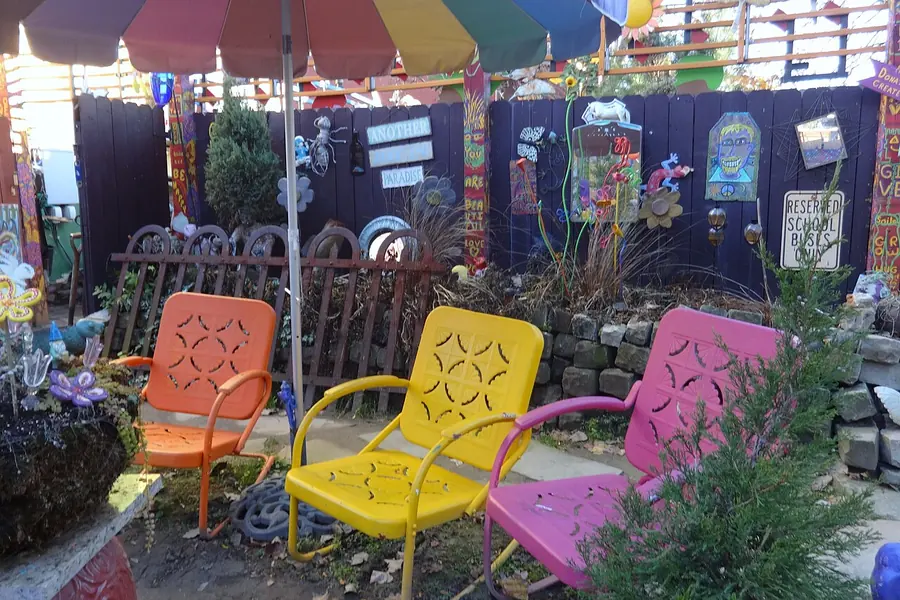
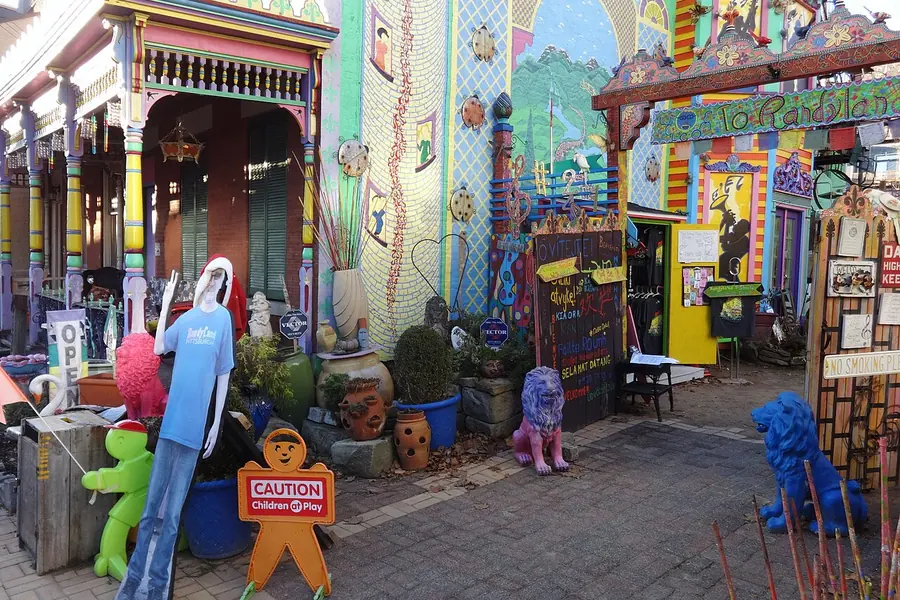
Randyland & the Mexican War Streets
A riot of folk-art colour in the historic North Side.
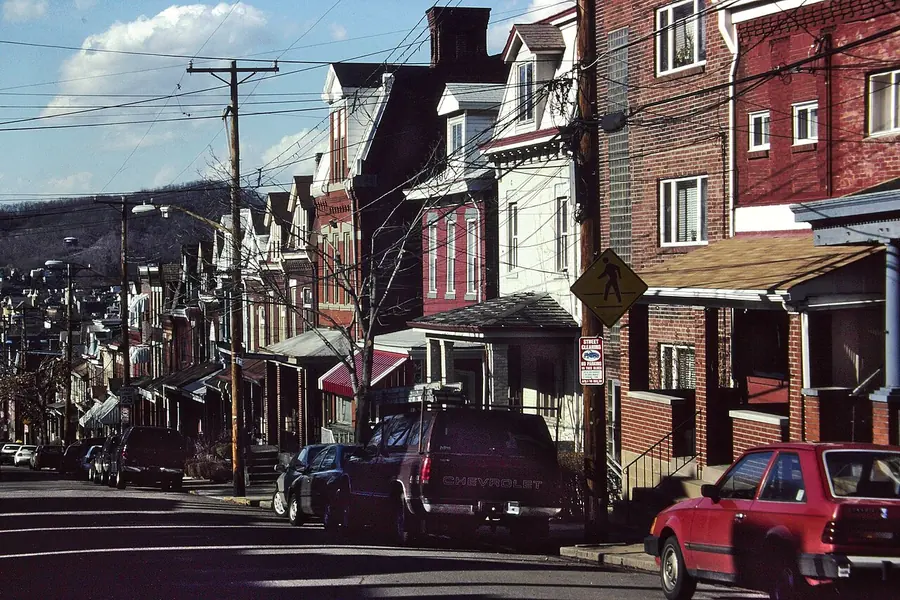
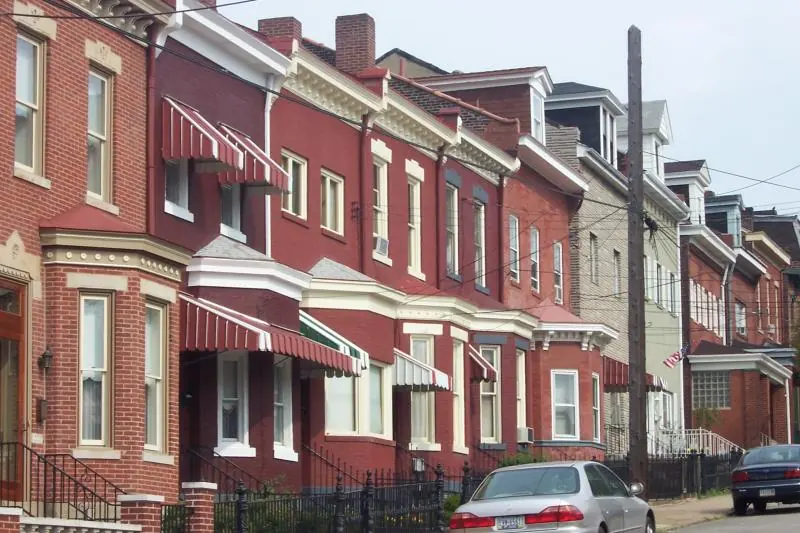
Randyland is a free, gloriously chaotic outdoor folk-art courtyard created by local legend Randy Gilson — all murals, mirrors, and salvaged colour. It sits in the Mexican War Streets, a handsome district of restored Victorian rowhouses worth a wander. The whole area is the friendly, eccentric face of Pittsburgh, and it's a short walk from the Warhol.
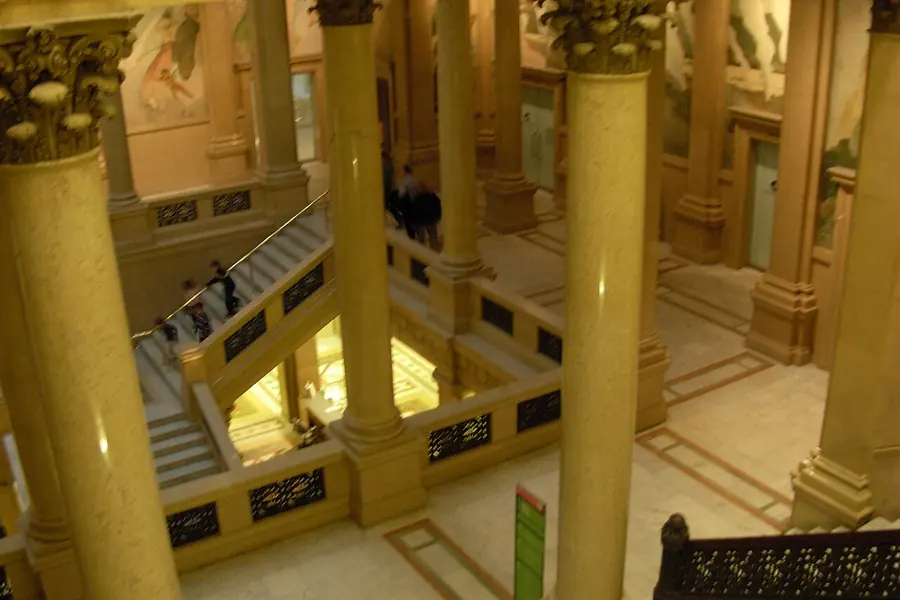
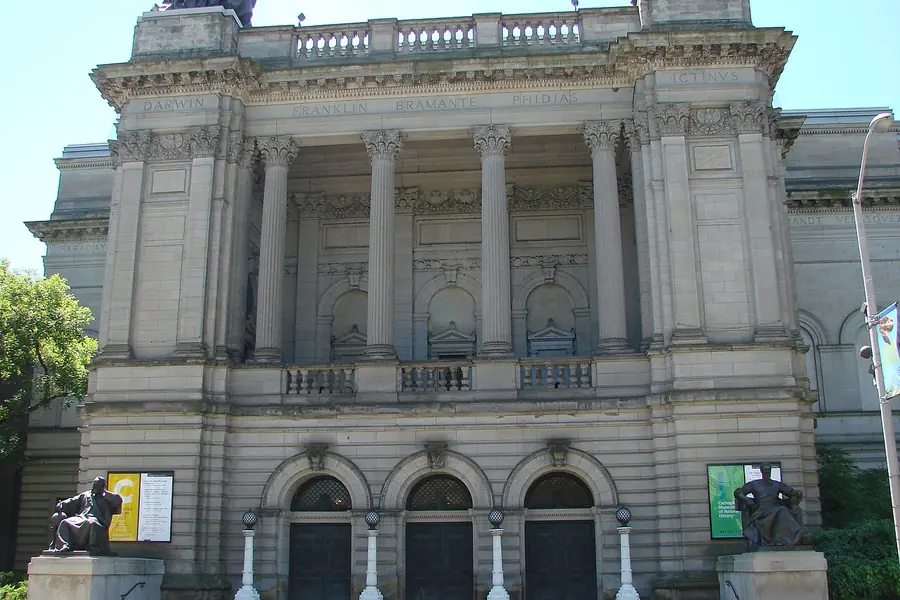
Andrew Carnegie's twin museums share a grand building in Oakland. Natural History has one of the world's best dinosaur halls — real T. rex and Diplodocus skeletons in dramatic poses. The art museum next door runs from Impressionists to contemporary, with the famous Hall of Architecture's plaster casts. A combined ticket covers both; give it a half-day and don't try to rush it.
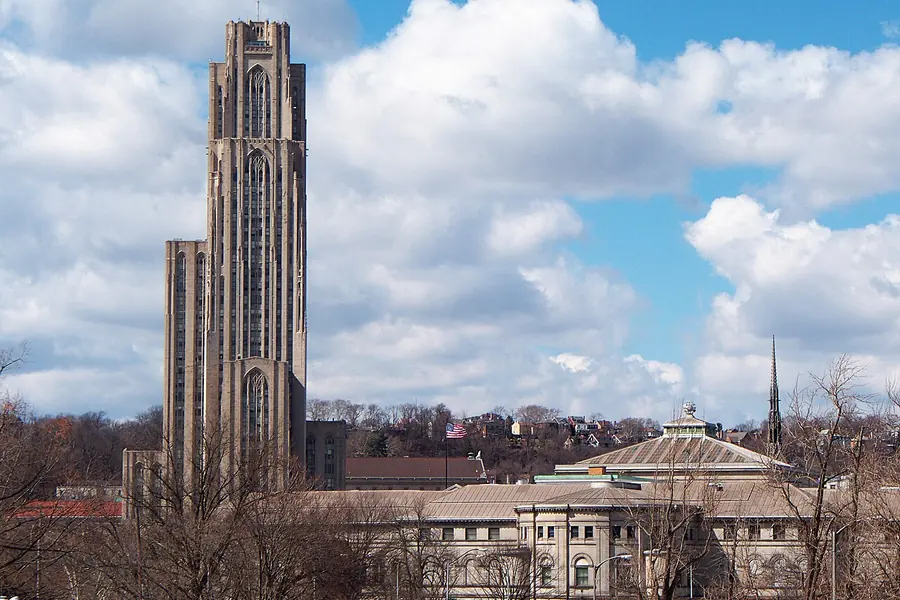
A 42-storey Gothic skyscraper full of themed classrooms.
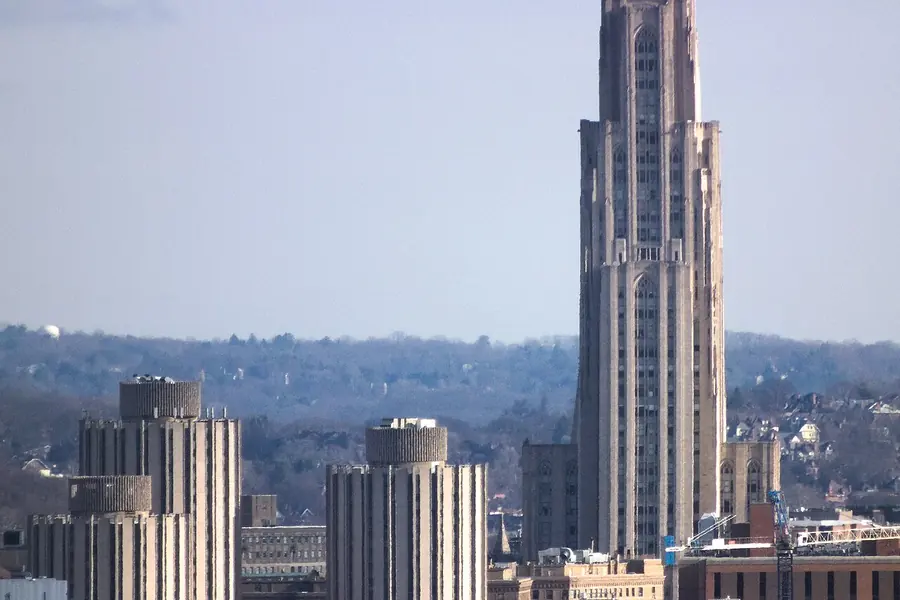
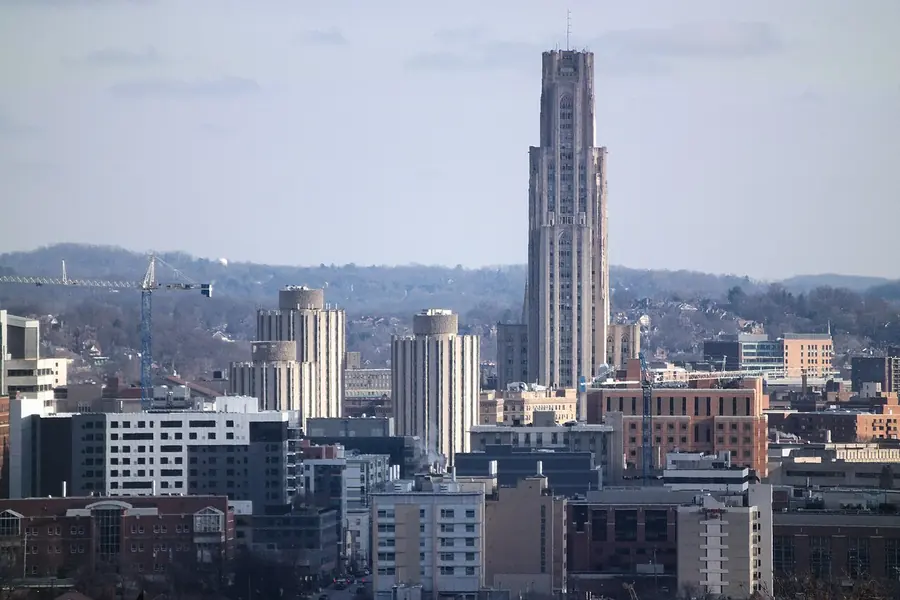
The University of Pittsburgh's Cathedral of Learning is a stone Gothic tower you can ride to the top of, with 30-odd 'Nationality Rooms' downstairs — fully decorated classrooms in styles from Chinese to Norwegian. The surrounding Oakland neighbourhood is all student cafés, the Phipps Conservatory glasshouse nearby, and a youthful buzz. A great contrast to the steel-town clichés.
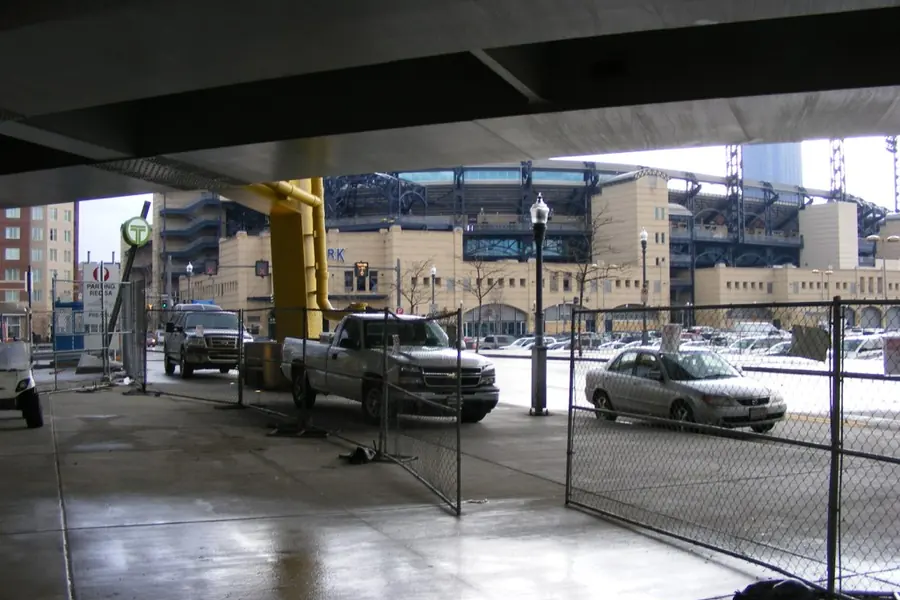
Widely called the best ballpark in America — and the skyline view proves it.
Even if you don't care about baseball, PNC Park is worth seeing: an intimate riverside stadium with the downtown skyline framed perfectly beyond the outfield. Catch a Pirates game if the schedule lines up, or just walk the North Shore riverfront and the Roberto Clemente Bridge, which closes to traffic on game days. The setting does most of the work.
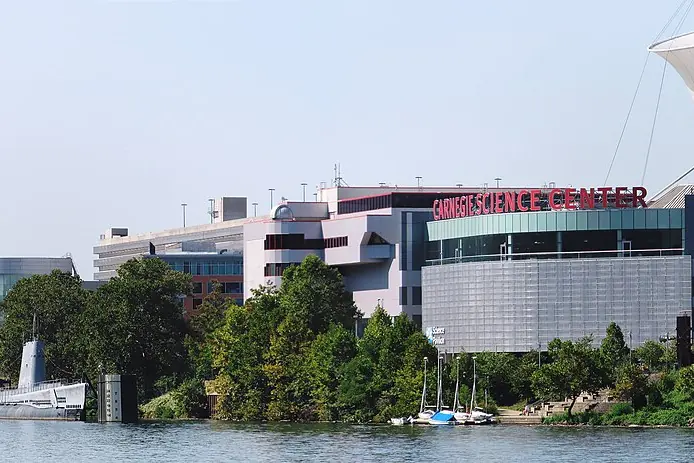
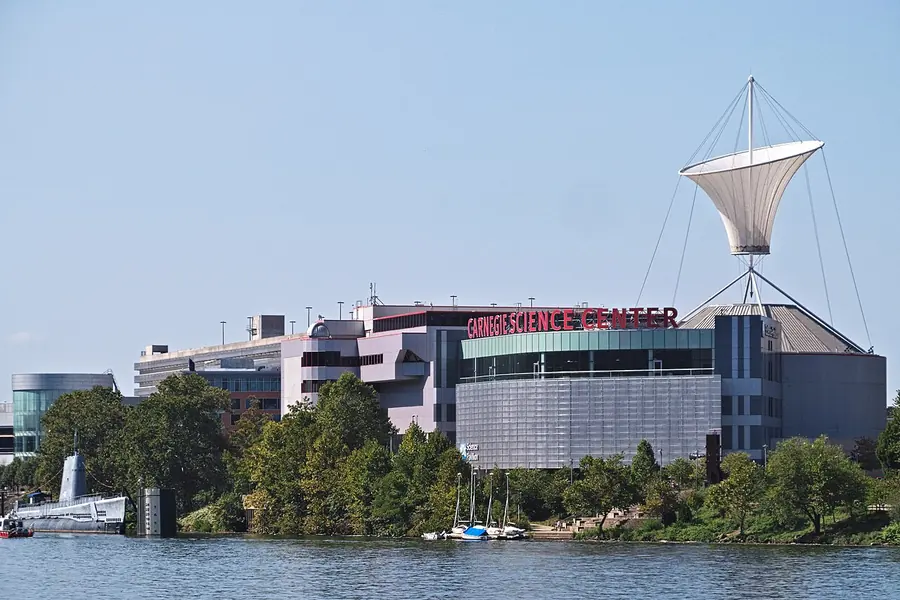
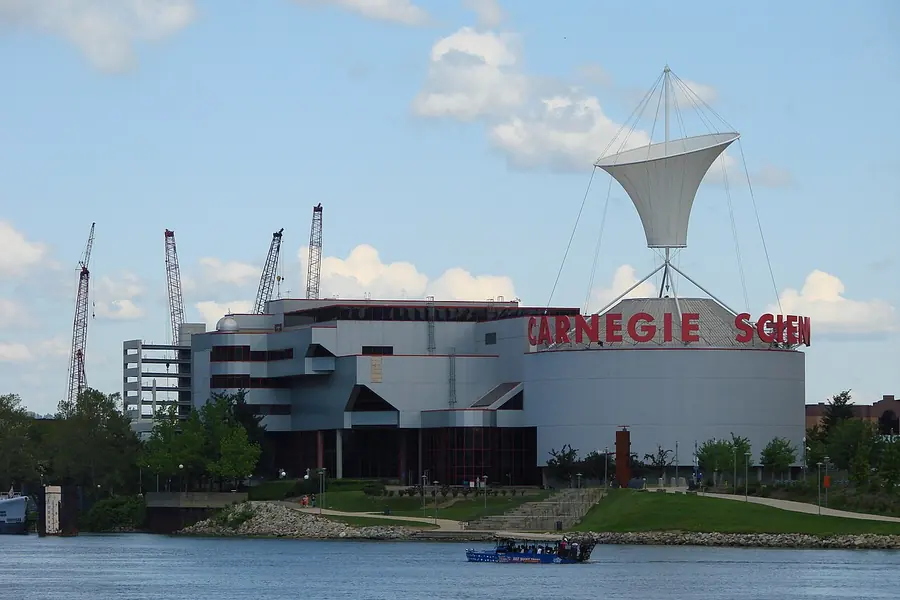
A retired WWII submarine, a planetarium, and a lot of buttons to push.
On the riverfront, the Science Center is a deservedly popular hands-on museum — there's a real WWII submarine (the USS Requin) tied up outside that you can tour, plus a planetarium and a giant model railroad. It leans family-friendly but is good fun for anyone. Pair it with the North Shore riverfront walk for an easy, breezy afternoon by the water.
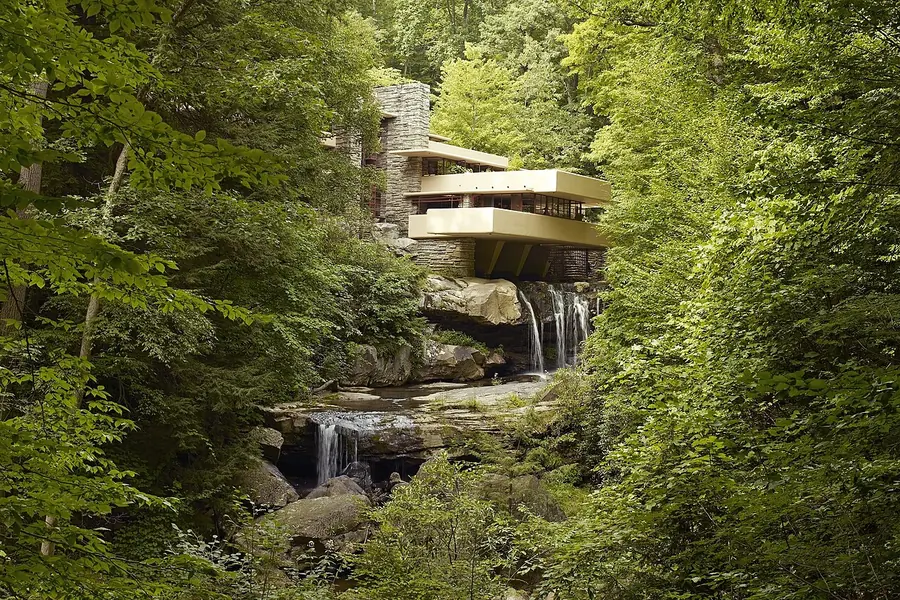
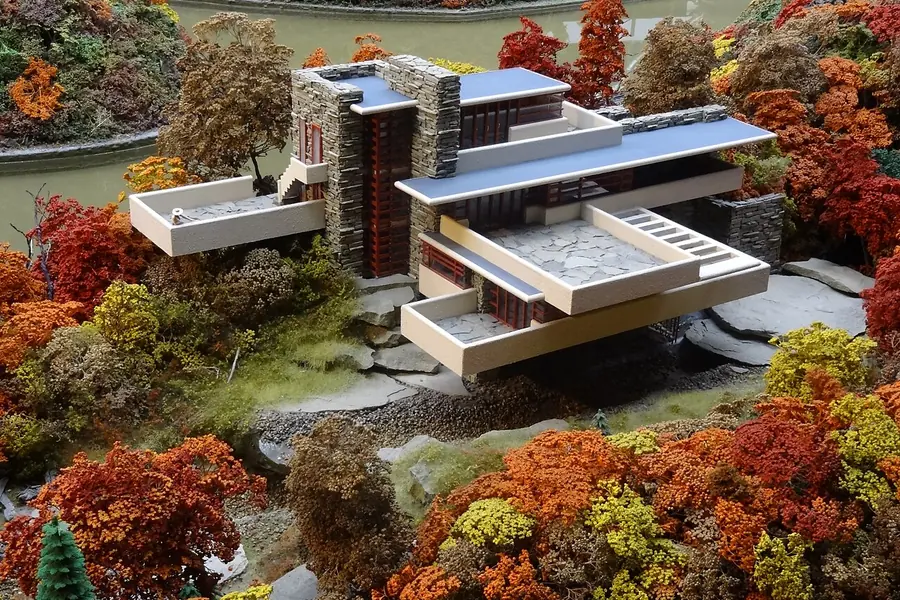
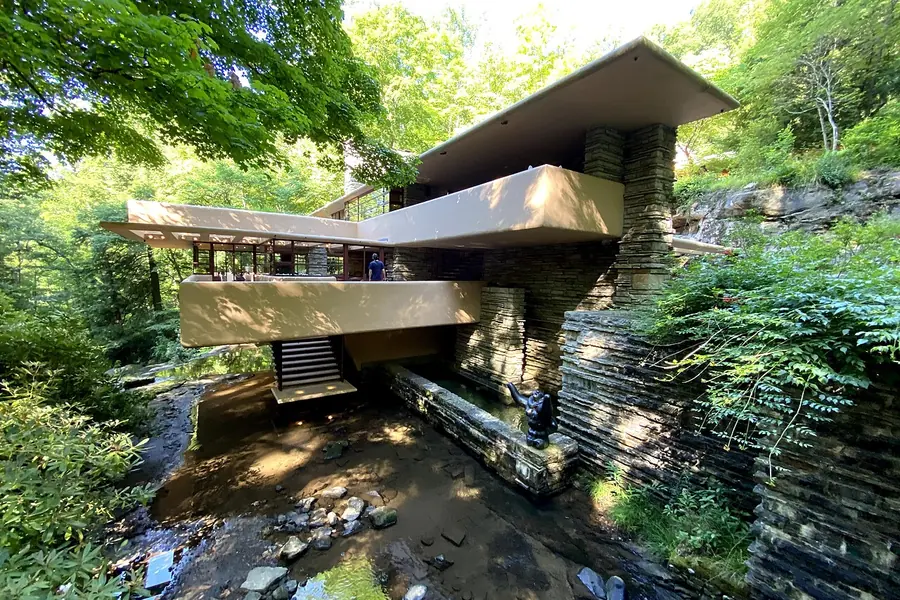
The most famous house in America, cantilevered over a stream.
Ninety minutes southeast in the Laurel Highlands, Frank Lloyd Wright's 1935 masterpiece is built directly over a waterfall, its concrete terraces floating above the rushing water. Book the guided house tour well ahead — it sells out. Standing on the cantilevered terrace, water roaring below, is one of architecture's great experiences. The forest setting alone is worth the drive.
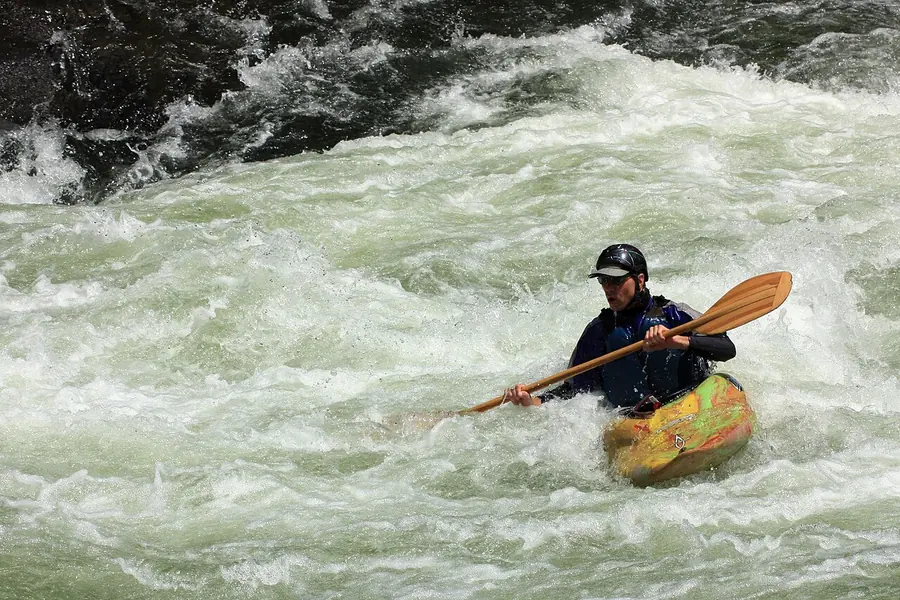
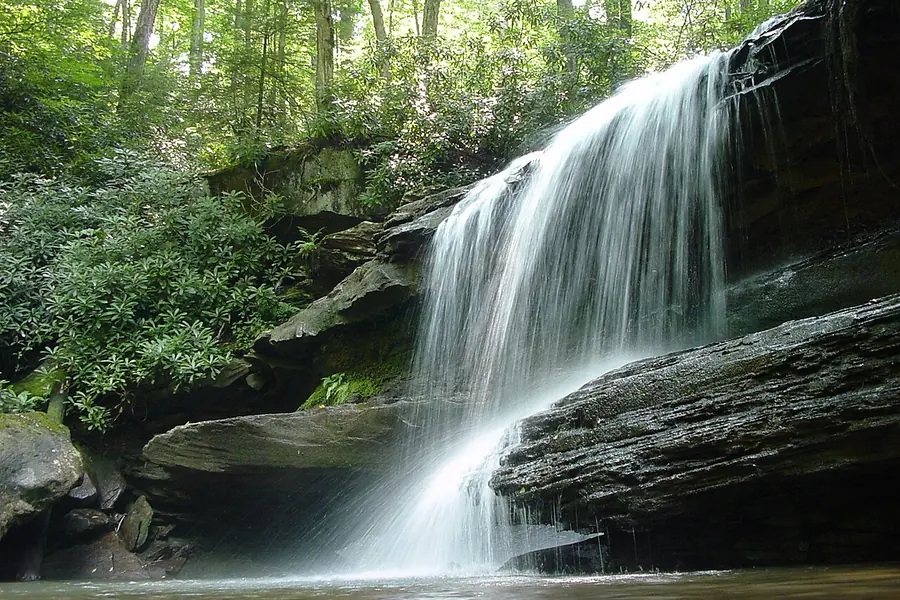
Waterfalls, whitewater, and forest trails near Fallingwater.
Just down the road from Fallingwater, Ohiopyle is a gorgeous chunk of the Laurel Highlands with the Youghiogheny River churning through it — whitewater rafting in season, the natural waterslides at Meadow Run, and miles of trail along the gorge. It's the perfect leg-stretch after a morning of architecture, and the drive between the two is a green, winding pleasure.
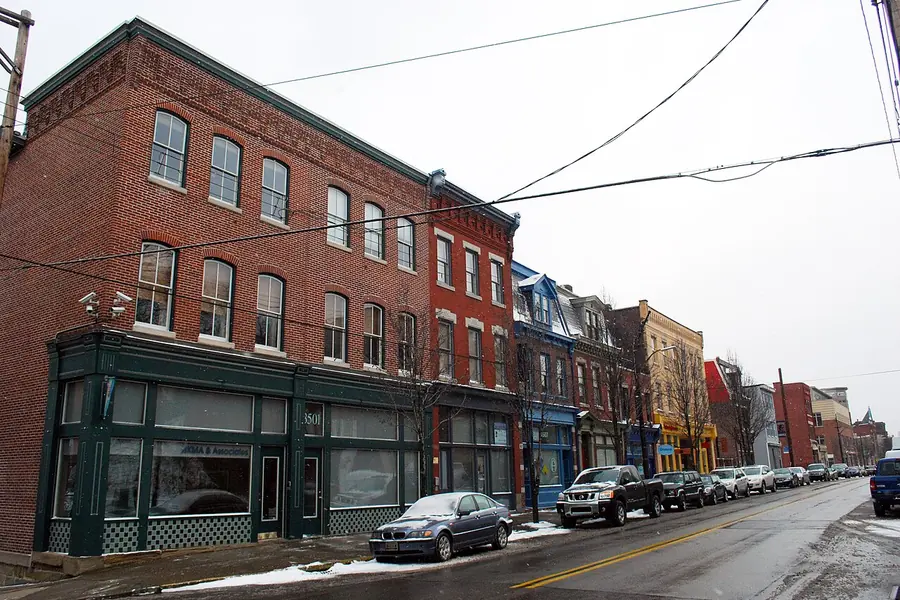
Pittsburgh's hippest mile of indie shops, cafés, and bars.
Butler Street in Lawrenceville is the heart of the new Pittsburgh — vintage stores, design shops, third-wave coffee, and some of the city's best restaurants packed into restored rowhouses. It's where the steel-town grit got a creative-class makeover without losing its character. Wander, browse, and stop for lunch wherever the queue looks promising.
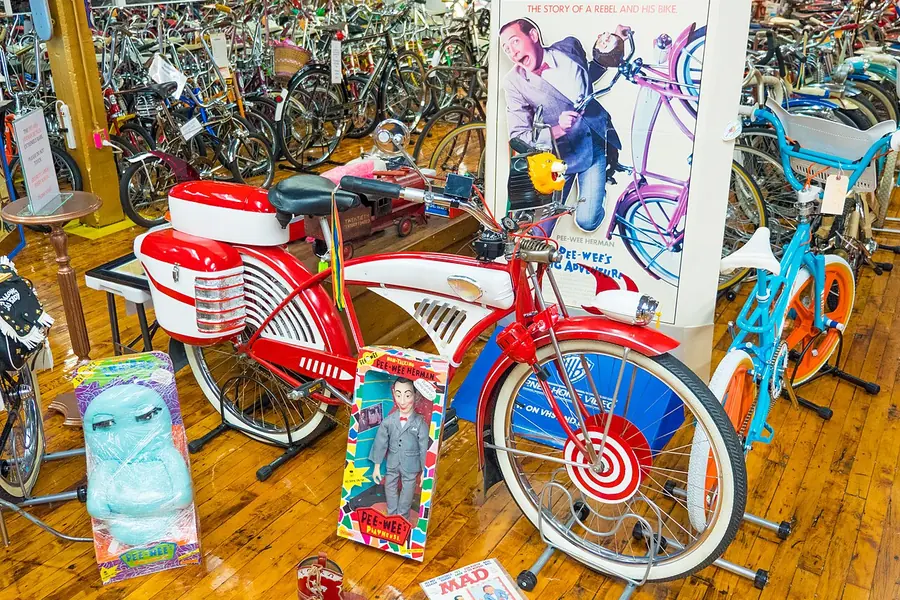
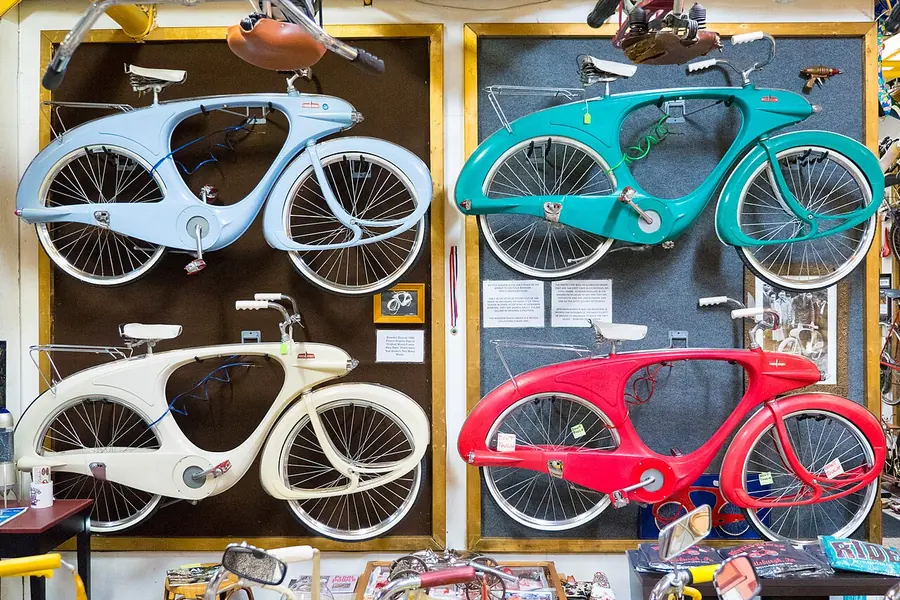
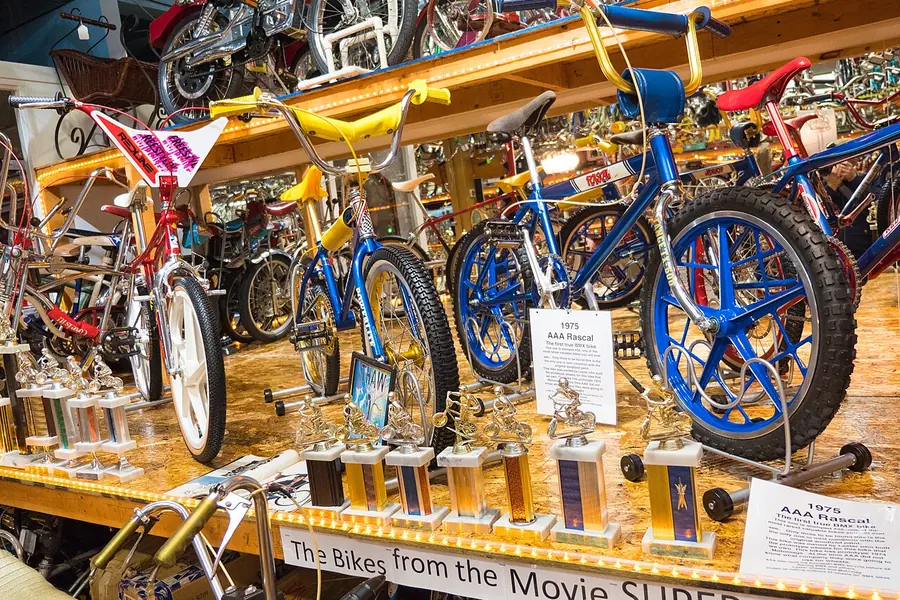
The world's largest bicycle museum, and it's gloriously free.
A wonderfully odd, free museum stuffed with thousands of bikes — including movie bikes and rare antiques — crammed into a riverside warehouse. It's the kind of unhinged passion project that Pittsburgh specialises in. Whether or not you care about bicycles, the sheer volume and the owner's enthusiasm are infectious. A perfect rainy-day or just-because stop.
A Victorian glasshouse of orchids, ferns, and seasonal flower shows.
This grand 1893 glasshouse in Schenley Park is one of the loveliest in the country — a sequence of climate-controlled rooms running from desert cacti to tropical orchids, with elaborate seasonal flower displays. It's calm, gorgeous, and a sustainability pioneer to boot. A serene way to spend a last morning, with Oakland's cafés right outside for a final coffee.
Monongahela Incline
The oldest working incline in the US, for a final skyline goodbye.
Take the other historic incline — the 1870 Monongahela, the country's oldest still running — up Mount Washington for a last look at the rivers and the city from a slightly different angle than Day 1. Have lunch at one of the Grandview Avenue restaurants perched on the cliff edge. It's the perfect, sentimental sign-off before heading home.
People love to underestimate Pittsburgh, and people are wrong. The steel mills are long gone, replaced by museums, universities, hospitals, and tech — but what really gets you is the look of the place: three rivers meeting at a perfect point, a skyline crammed into the fork, and 446 bridges stitching the steep green hills together. Ride an incline up Mount Washington at dusk and you’ll see one of the best urban views in America, in a city most travellers never think to visit.
How to use this plan
Get the geography into your head on Day 1 — an incline ride and the Point — and the rest of the city makes sense. Two days adds the genuinely excellent Andy Warhol Museum and a grazing session through the Strip District. Three brings the Carnegie museums (real dinosaurs, real masterpieces) and the student buzz of Oakland. Four — my pick for a first visit — works in a ballgame at gorgeous PNC Park and the riverfront. The food, from Primanti’s overstuffed sandwiches to Strip District pierogis, is half the fun.
The 7-day plan uses Pittsburgh as a base for southwestern Pennsylvania: Frank Lloyd Wright’s Fallingwater (book ahead — it sells out), the forests and waterfalls of the Laurel Highlands, the indie mile of Lawrenceville, and gloriously odd stops like the world’s biggest bicycle museum. With a week you see a whole underrated region, not just the city.
A few honest notes
The hills are real — wear comfortable shoes, and don’t assume two neighbourhoods that look close on a map are an easy walk apart. Late spring and early autumn are the sweet spots; summers are humid and winters grey. The locals are famously, almost aggressively friendly, and yes, they really do say “yinz” for “you all.” Lean into it. And ride at least one incline at sunset — it’s the cheapest, best thing you’ll do here.
This article contains affiliate links marked with rel="sponsored". We may earn a commission at no extra cost to you.