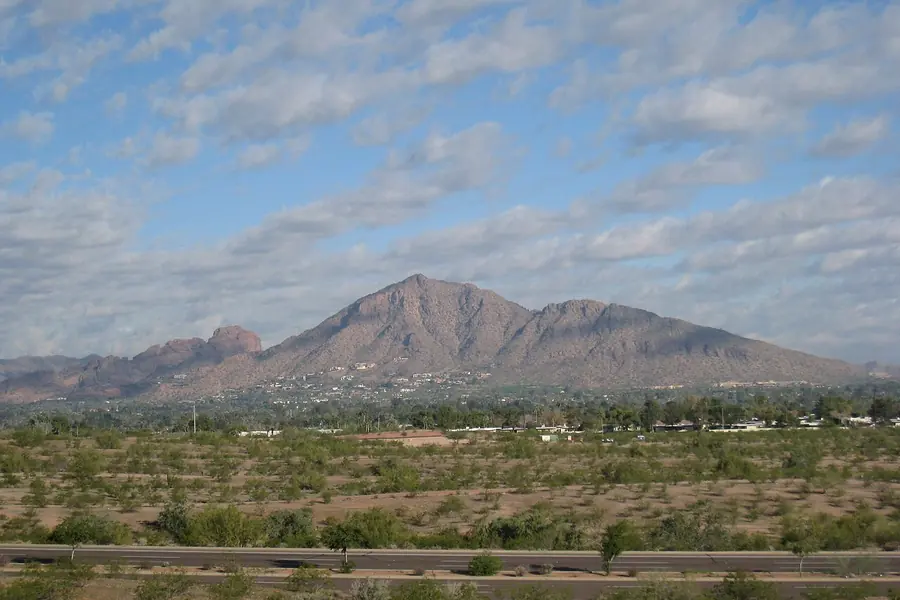
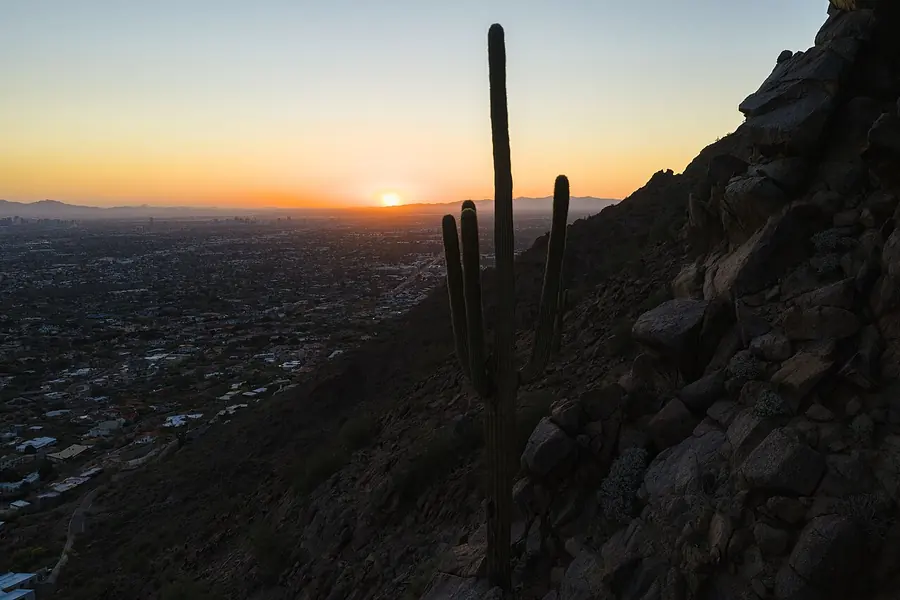
I started up Camelback Mountain at 5:45am because every local had warned me, in the same haunted tone, not to hike it in the heat. Two-thirds up the Echo Canyon trail — scrambling over red rock on all fours, calves burning — the sun cracked over the ridge and the whole Valley of the Sun went gold beneath me, saguaros throwing long shadows. By 8am it was already 35 degrees and I understood the warnings completely. Phoenix doesn't reward laziness. But get up before it does, and the desert hands you genuine, edge-of-the-wild beauty, right at the city limits.
Two days covers the essentials of the Valley: a dawn hike up Camelback or Piestewa Peak, the superb Desert Botanical Garden, and a stroll through Old Town Scottsdale's galleries and patios. It's enough to understand the strange appeal of a city built in the Sonoran Desert.
Do this one thing: hike at dawn. The desert is sublime at sunrise and genuinely dangerous by noon — this is not optional.
Add the art and the architecture
A third day brings world-class culture: the Heard Museum's Native American collections and Frank Lloyd Wright's desert masterpiece Taliesin West. You move past the cactus-and-pool cliché into a city with serious cultural weight.
Sedona's red rocks
Four days gets you up to Sedona, two hours north — towering red-rock formations, gentle hikes, and that famous high-desert glow. You balance the Valley's culture with Arizona's most spectacular scenery. My recommended length for a first visit.
Phoenix as a base for the Southwest
A week reaches the Grand Canyon, the mining-town quirk of Jerome, and the saguaro forests around the city. Seven days makes Phoenix a base for some of the most jaw-dropping landscapes in America.
Estimated budget:$300-$620
Estimated budget:$470-$960
Estimated budget:$650-$1350
Estimated budget:$1200-$2600
[ THE DISPATCH · FIELD MAP ]
A tilted, hand-drawn dispatch of Phoenix. Click a quarter to explode it open.
0 / 6 quarters explored
Legend · tap to highlight
[ DOWNTOWN PHOENIX ]
Grand squares and big ideas.
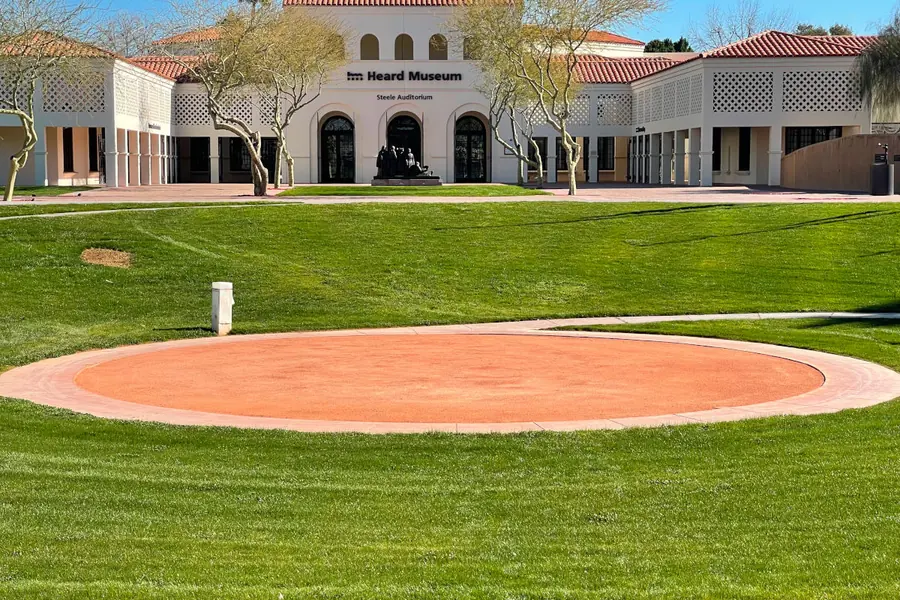
Heard MuseumThe country's premier museum of Native American art and history.
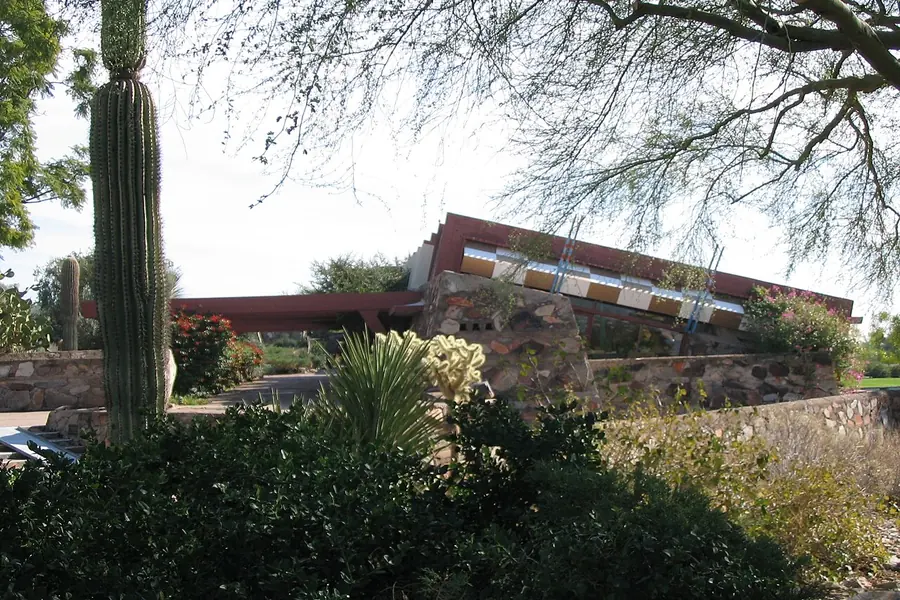
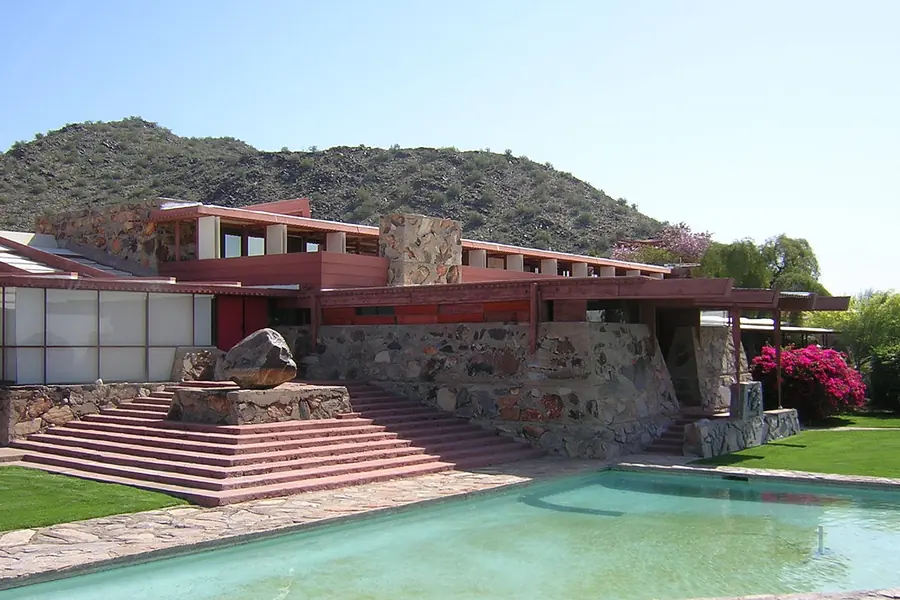
Taliesin WestFrank Lloyd Wright's desert home and architecture school.
[ PAPAGO & EAST VALLEY ]
Green breathing room.
Camelback MountainThe city's iconic peak and its most rewarding (and brutal) hike.
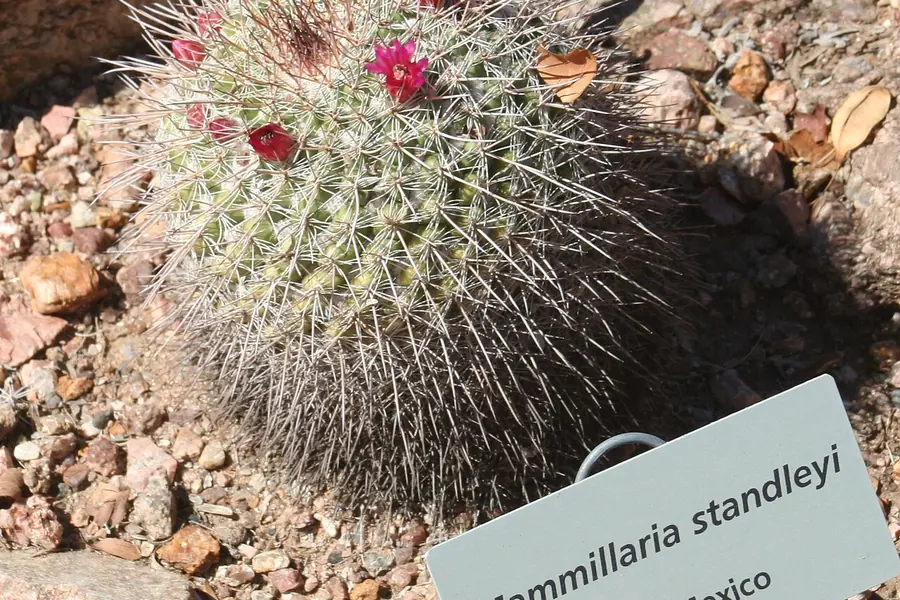
Desert Botanical GardenFifty acres that make you fall in love with cactus.
[ CAMELBACK & ARCADIA ]
Green breathing room.
Old Town ScottsdaleGalleries, patios, and the valley's most walkable nightlife.
Piestewa PeakA final dawn summit and one last valley panorama.
[ SCOTTSDALE ]
Stays up later than you do.
Old Town ScottsdaleA nightlife worth your time.
Taliesin WestA landmark worth your time.
[ NORTH VALLEY ]
Grand squares and big ideas.
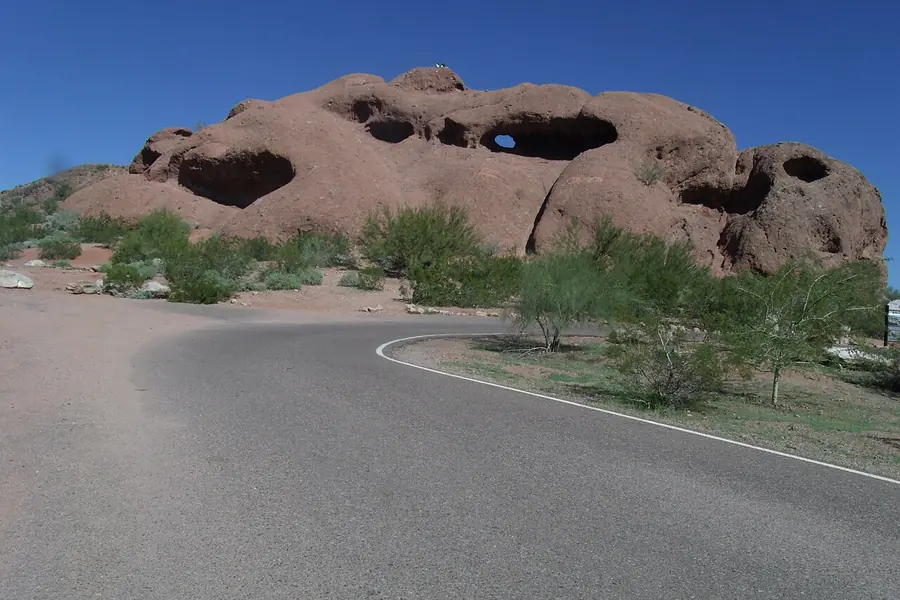
Papago Park & Hole-in-the-RockEasy red-sandstone buttes with a natural window over the city.
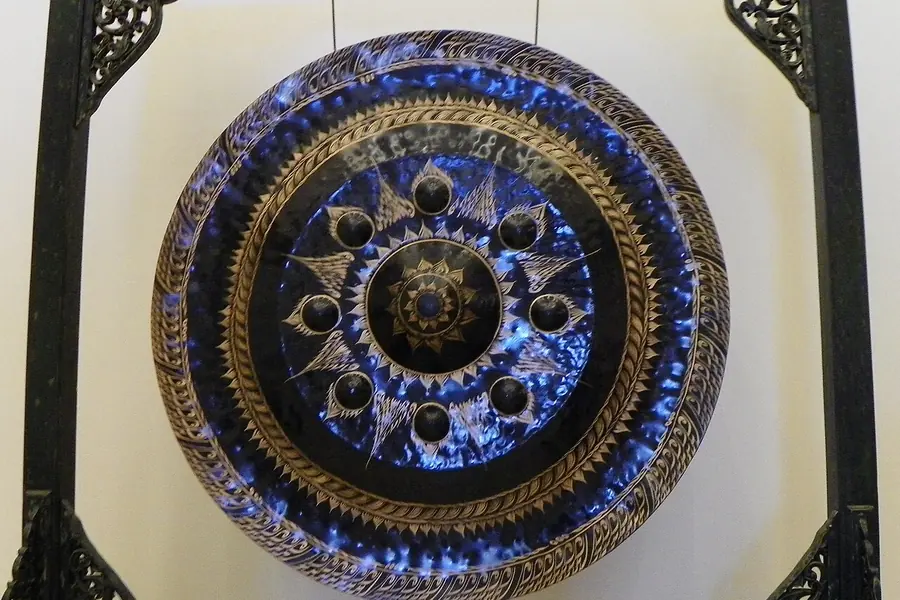
Musical Instrument MuseumA wildly good museum of instruments from every country on earth.
[ NORTHERN HIGH DESERT ]
Green breathing room.
Sedona Red RocksCathedral Rock, Bell Rock, and some of the West's most beautiful scenery.
Oak Creek CanyonA lush green canyon and natural rock waterslide north of Sedona.
Day 1
Desert Dawn and Gardens
Hike early, then learn the desert
Camelback Mountain
The city's iconic peak and its most rewarding (and brutal) hike.
The Echo Canyon trail is short but steep and rocky — a genuine scramble near the top — with a summit view over the entire valley. Start at first light: it's both cooler and stunning, and rangers close the trail in extreme heat for good reason. Bring far more water than you think you need. If it's beyond you, Piestewa Peak is the slightly gentler classic alternative.
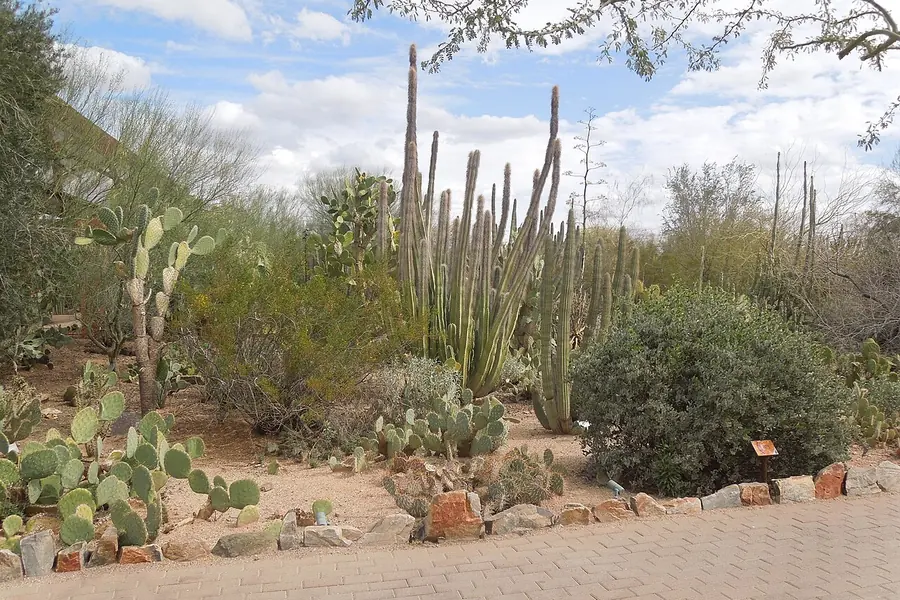
Fifty acres that make you fall in love with cactus.
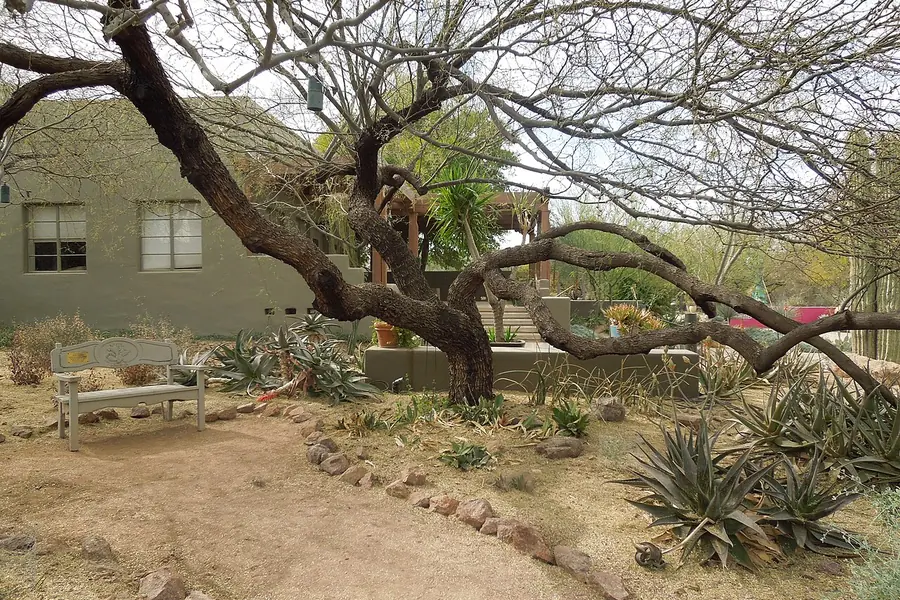
Tucked in Papago Park, this is one of the best botanical gardens in the country, with thousands of desert plants from around the world and brilliant trails through towering saguaros and blooming agave. Go in the morning before the heat, or check for evening events in summer. It will completely change how you see the 'empty' desert. Allow two hours; the cactus is genuinely beautiful.
Galleries, patios, and the valley's most walkable nightlife.
Old Town Scottsdale is the metro area's most pleasant evening base — adobe-style buildings housing Western galleries, boutiques, and a dense cluster of patio restaurants and bars. The Thursday-night ArtWalk is a long tradition. It's polished and a bit pricey, but after a desert day it's a lovely place to eat and stroll. The closest the sprawling valley comes to a proper walkable downtown.
Day 2
Papago and the Valley
Red buttes, views, and Southwestern food
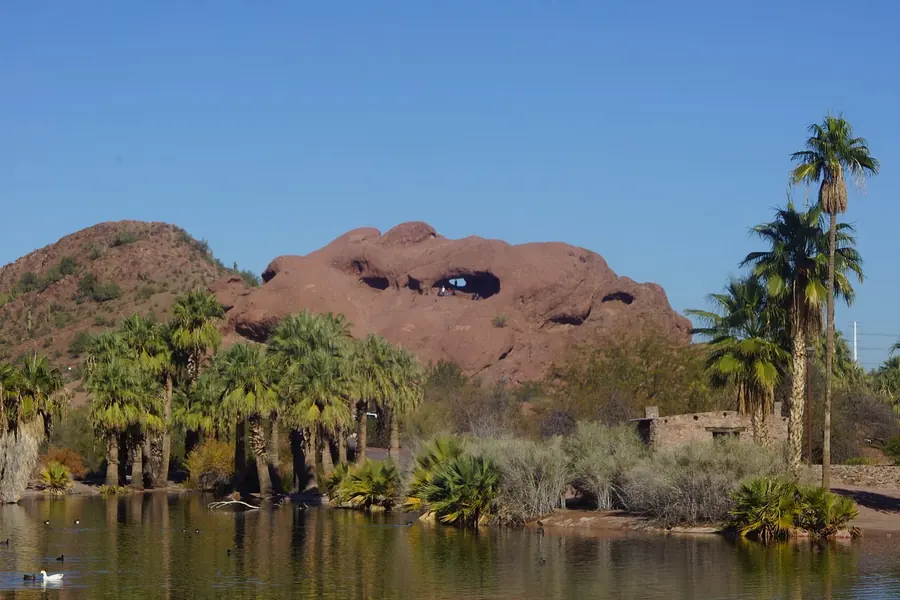
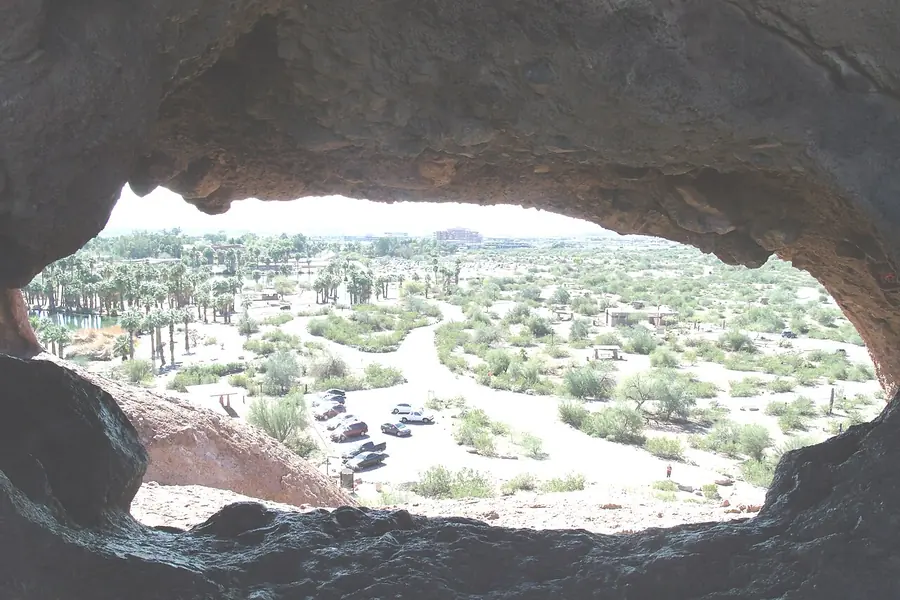
Papago Park & Hole-in-the-Rock
Easy red-sandstone buttes with a natural window over the city.
A gentle counterpoint to Camelback, Papago Park has short, flat trails among striking red-rock buttes. The Hole-in-the-Rock — a natural sandstone arch — is a five-minute walk to a frame-perfect city view, used by the ancient Hohokam to track the seasons. It's family-friendly and free, and shares the park with the botanical garden and the Phoenix Zoo. A relaxed desert morning.
A wildly good museum of instruments from every country on earth.
Don't let the dry name fool you — the MIM is one of Phoenix's surprise delights. Wireless headphones play music automatically as you approach each of thousands of instruments from around the world, room by room by country. It's immersive, beautifully done, and a perfect air-conditioned midday escape. Even non-music people leave raving. Easily two to three hours and worth every minute.
Chef-driven regional Mexican that outclasses the Tex-Mex crowd.
Phoenix does Mexican food exceptionally, and Barrio Café is the standout — chef Silvana Salcido Esparza's modern takes on Oaxacan and regional Mexican cooking, with tableside guacamole and a famous cochinita pibil. It's lively, colourful, and a real cut above the chain-Mexican most visitors settle for. Go hungry, order the mole, and have a margarita. The genuine flavour of the borderlands.
Day 3
Art and Architecture
Native cultures and Frank Lloyd Wright
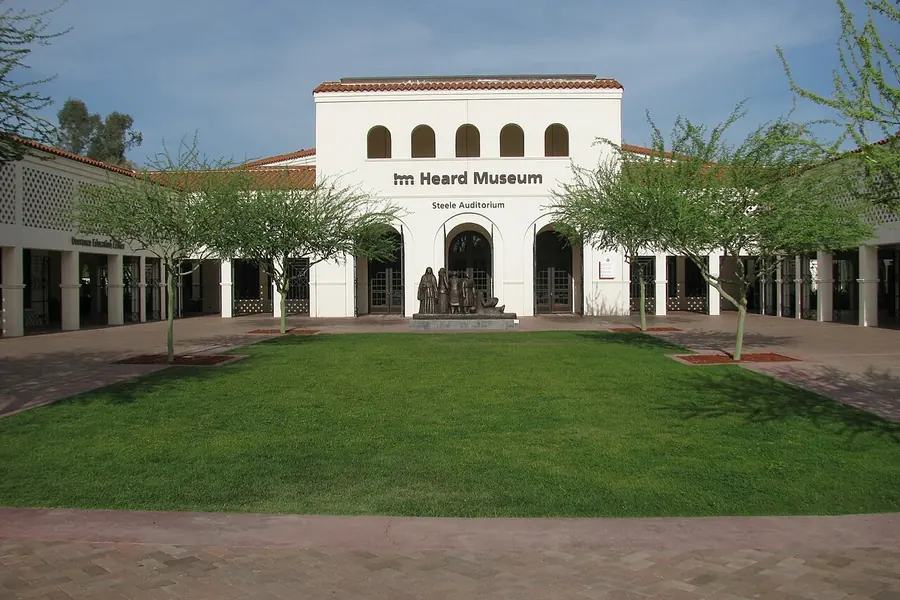
Heard Museum
The country's premier museum of Native American art and history.
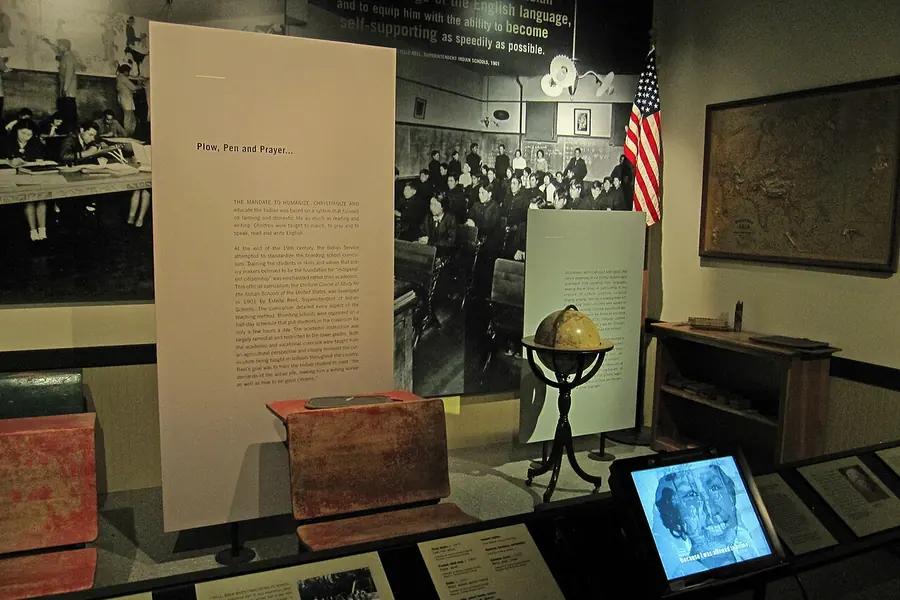
The Heard is genuinely world-class — the definitive collection of Southwestern Native American art, from ancient pottery to contemporary work, with a powerful, unflinching exhibit on the Indian boarding schools. It's mid-sized and thoughtfully curated, never overwhelming. This is the cultural heart of Phoenix and essential for understanding the land you're standing on. Give it two to three hours.
Frank Lloyd Wright's desert home and architecture school.
Wright built his winter home and studio into the desert foothills using local stone and 'desert masonry,' and it's a UNESCO World Heritage Site that perfectly expresses his organic-architecture philosophy. The guided tours are excellent — book ahead. Seeing how he framed the desert through low ceilings and sudden views is a masterclass. A short drive northeast in Scottsdale; pair it with Old Town for the evening.
Cathedral Rock, Bell Rock, and some of the West's most beautiful scenery.
Two hours north, Sedona sits among towering red-rock buttes that glow impossibly orange at dawn and dusk. Hike the short Bell Rock or Cathedral Rock trails, drive the scenic Red Rock loops, and browse the arty town centre. It's busy and a touch new-agey (the 'energy vortexes'), but the landscape is the real, undeniable magic. A guided jeep tour gets you onto the trickier off-road viewpoints.
Oak Creek Canyon
A lush green canyon and natural rock waterslide north of Sedona.
Just above Sedona, Oak Creek Canyon is a surprisingly green, shaded river gorge — a cool contrast to the red rock. Slide Rock State Park has a natural sandstone waterslide and swimming holes that are heaven on a hot day (go midweek; it gets packed). The drive up the canyon switchbacks is gorgeous. A perfect refreshing stop before the drive back to the Valley.
A mile-deep, 18-mile-wide hole in the planet that defies photographs.
It's a long day — about 3.5 hours each way — but standing at the South Rim of the Grand Canyon is one of those sights that no image prepares you for. Walk a stretch of the Rim Trail, peer over at Mather and Yavapai Points, and let the scale of it sink in. A guided tour from Phoenix handles the long drive. Time it so you're at the rim in good light; the colours shift all day.
A 1932 stone tower with the canyon's best easterly panorama.
On the eastern end of the South Rim, the Desert View Watchtower — designed by architect Mary Colter to echo ancestral Puebloan towers — offers a sweeping view where the Colorado River bends far below. It's less crowded than the main village viewpoints and architecturally lovely. A great final stop before the drive south. The river glinting at the canyon floor is the detail people miss.
Day 6
Saguaros and the Old West
Cactus forests and a ghost-mining town
Superstition Mountains & Apache Trail
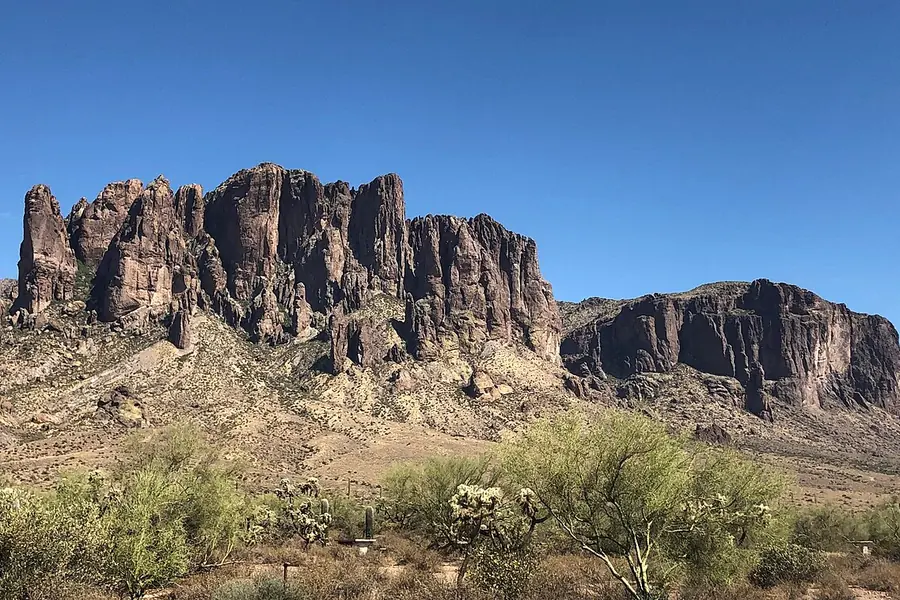
Jagged peaks, lost-gold legends, and a classic desert drive east.
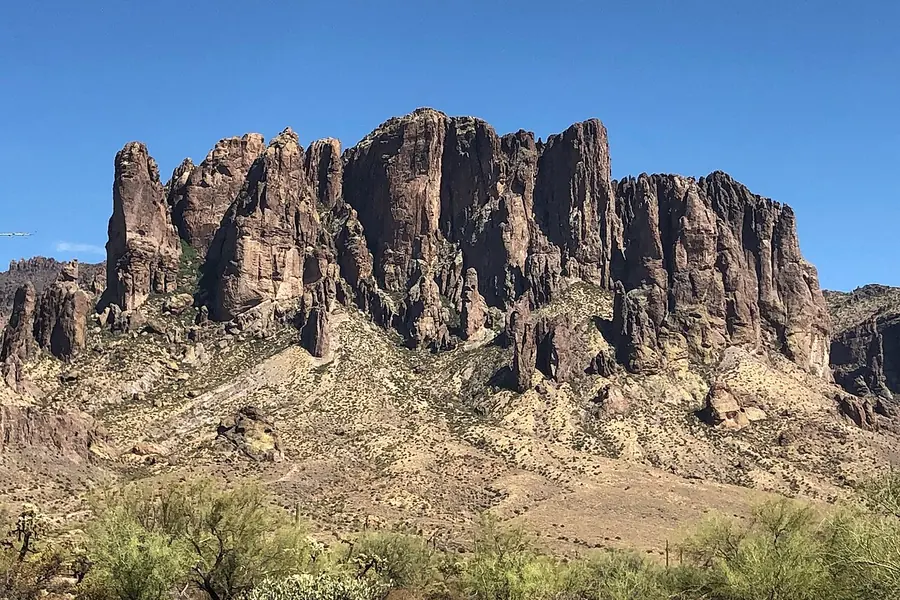
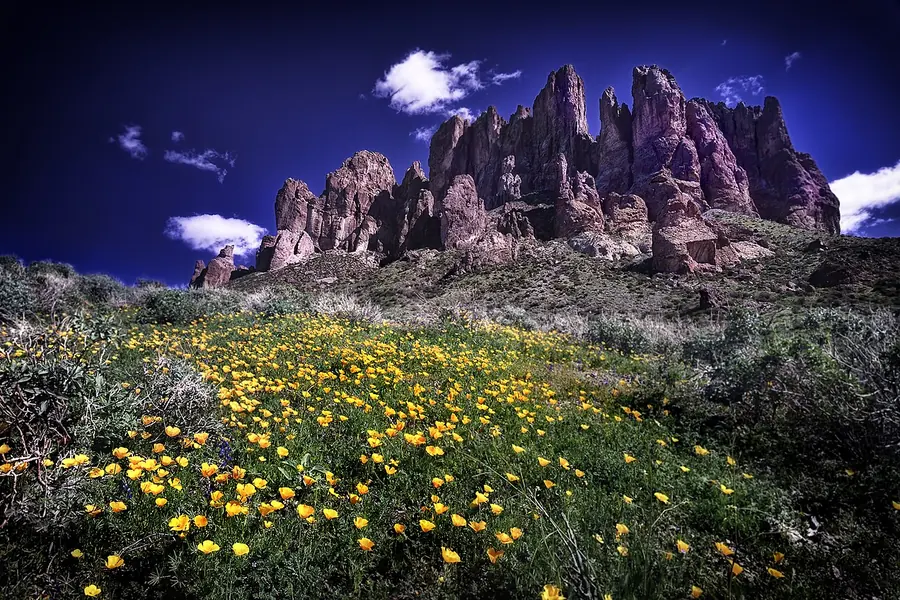
East of the city, the Superstition Mountains rise in jagged silhouette, steeped in the legend of the Lost Dutchman's gold mine. The Lost Dutchman State Park has lovely saguaro-studded trails beneath the peaks, and the historic mining ghost town of Goldfield nearby is hokey fun. It's the quintessential Sonoran Desert landscape — thick saguaro forest under dramatic mountains. A great half-day with a Western soul.
A vertical former mining town clinging to a mountainside, now arty and odd.
Once a roaring copper-mining town of 15,000, Jerome nearly became a ghost town and reinvented itself as a quirky artists' colony, its old buildings stacked up a steep hillside with valley views. Wander the galleries, the spooky old hotel, and the historic streets. It pairs naturally with a Sedona-direction day. Charming, slightly haunted, and unlike anywhere else in Arizona.
Day 7
Slow Valley and Farewell
A last sunrise, art, and goodbye
Piestewa Peak
A final dawn summit and one last valley panorama.
For a last desert sunrise, Piestewa Peak (the old Squaw Peak) is a steep but shorter hike than Camelback, with an equally panoramic summit over the Valley of the Sun. Start at first light to beat the heat and the crowds. The early glow on the saguaros and the waking city below is the perfect, quiet sign-off to a Phoenix trip. Bring water, always.
Phoenix Art Museum
The Southwest's largest art museum, including Yayoi Kusama's Fireflies.
Cool down after the hike at the Phoenix Art Museum, the largest in the Southwest — strong collections of American, Latin American, and Western art, plus the hugely popular Yayoi Kusama 'Fireflies on the Water' infinity room (timed tickets). It's calm, air-conditioned, and a smart final stop before the airport. A civilised, cultured cap to a trip built mostly around desert and sky.
Phoenix surprises people. The clichés — pools, golf, retirees, relentless heat — are all true, and also beside the point, because the Valley of the Sun is one of the great desert cities, where genuine wilderness starts at the city limits. Hike up Camelback at dawn and the whole valley turns gold beneath you; wander the Desert Botanical Garden and you’ll never call the desert “empty” again. Add world-class museums, brilliant Mexican food, and Sedona and the Grand Canyon within reach, and the case makes itself.
How to use this plan
The single rule that governs everything here: hike at dawn. The desert is sublime at sunrise and genuinely dangerous by midday, so front-load the outdoor stuff and save museums and meals for the heat. Two days covers a peak, the botanical garden, and Old Town Scottsdale. Three adds the world-class Heard Museum and Frank Lloyd Wright’s Taliesin West. Four — my pick for a first visit — gets you up to Sedona’s red rocks. Don’t sleep on the food; Phoenix does regional Mexican as well as anywhere in the country.
The 7-day plan turns the city into a base for the Southwest: the once-in-a-lifetime Grand Canyon, the saguaro forests and lost-gold legends of the Superstitions, and the artsy ghost-town of Jerome. With a week you stack up some of the most spectacular landscapes in America, with a comfortable city to come home to each night.
A few honest notes
Heat is the headline: from May through September, daytime highs routinely top 40°C, and the only sane approach is dawn hikes, midday air-conditioning, and a lot of water. Winter and spring are glorious and the reason snowbirds flock here. You’ll absolutely need a car — the metro sprawls vastly and the best day trips are a long drive. And take the trail closures and water warnings seriously; people get into real trouble on these mountains every year. Respect the desert and it’ll reward you generously.
This article contains affiliate links marked with rel="sponsored". We may earn a commission at no extra cost to you.