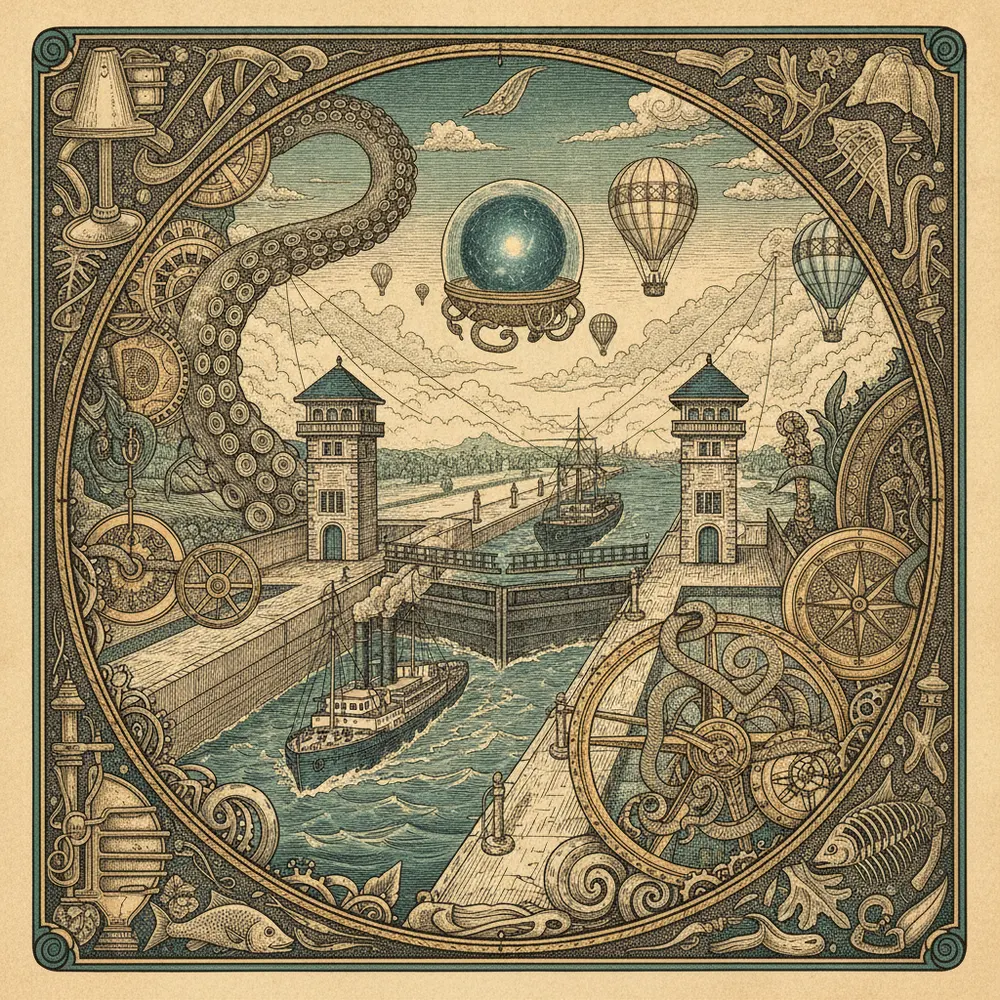
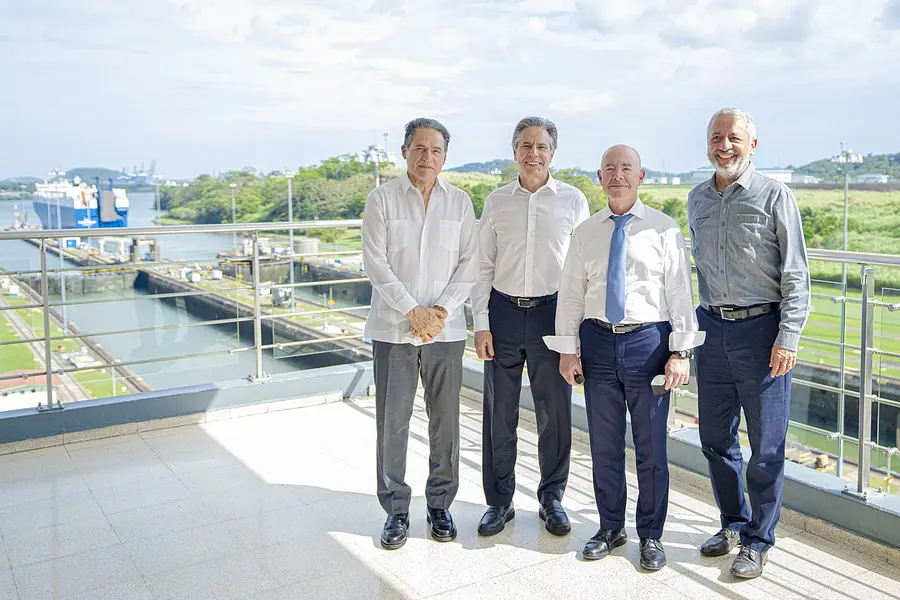
I stood on the viewing deck at Miraflores Locks fully prepared to be bored by some concrete and water, and then a 300-metre container ship slid into a chamber with about a metre to spare on each side, the gates closed behind it, and 100 million litres of water just quietly disappeared. The whole thing happened with the unhurried confidence of a machine that has been doing this since 1914. I clapped. A Panamanian man next to me also clapped, then looked slightly embarrassed, then clapped again. That's Panama City: it lets you take it for granted, and then it shows off.
The Perfect Panama City Itinerary (2, 3, 4 & 7 Days)
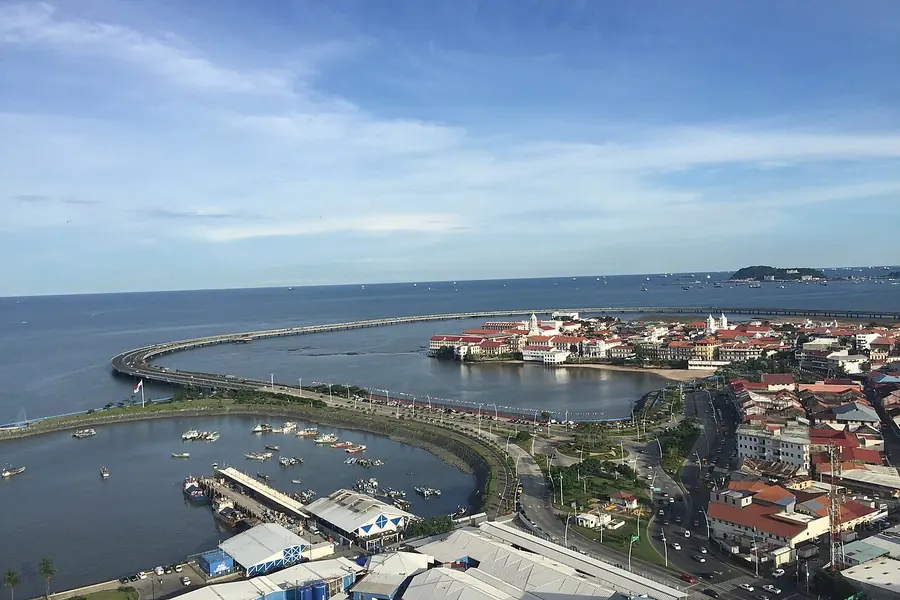
Two days covers the essentials: a ship transiting Miraflores Locks, a long wander through the restored colonial streets of Casco Viejo, and a sundowner with the skyline lit up across the bay. It's enough to understand why a city this small punches so far above its weight.
Do this one thing: time your Miraflores visit for the morning northbound traffic, when the big ships come through.
Add the rainforest and the ruins
A third day gets you out to the rainforest of Soberanía or the eerie 17th-century ruins of Panamá Viejo, the city the pirate Henry Morgan burned down. You start to see that the jungle is genuinely fifteen minutes from the financial district.
Islands, beaches, and the full Canal
Four days lets you reach the Pacific — the Amador Causeway, a boat out to the Pearl Islands, or a partial Canal transit on a tourist boat. You balance city, ocean, and engineering. My recommended length for a first trip.
Panama City as a base for the isthmus
A week opens up the country: a day in the Caribbean cloud forest of El Valle, the colonial fort ruins of Portobelo, and time to dig properly into the food and the neighbourhoods. Seven days makes Panama City a launchpad, not just a stopover.
Estimated budget:$240-$520
Estimated budget:$360-$780
Estimated budget:$520-$1100
Estimated budget:$950-$2100
[ THE DISPATCH · FIELD MAP ]
A tilted, hand-drawn dispatch of Panama City. Click a quarter to explode it open.
0 / 6 quarters explored
Legend · tap to highlight
[ CASCO VIEJO (OLD TOWN) ]
Old stones, older stories.
Miraflores Locks Visitor CenterWatch a ship the length of three football pitches get lifted by water.
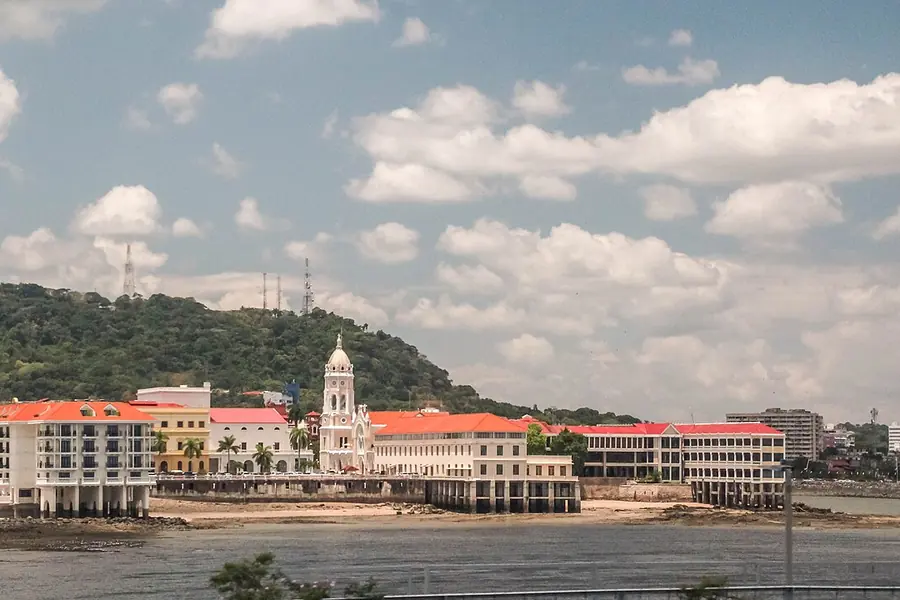
Casco ViejoThe crumbling-then-restored colonial quarter that's the soul of the city.
[ CANAL ZONE (MIRAFLORES) ]
Grand squares and big ideas.
Tántalo RooftopCocktails with the financial-district skyline glittering across the water.
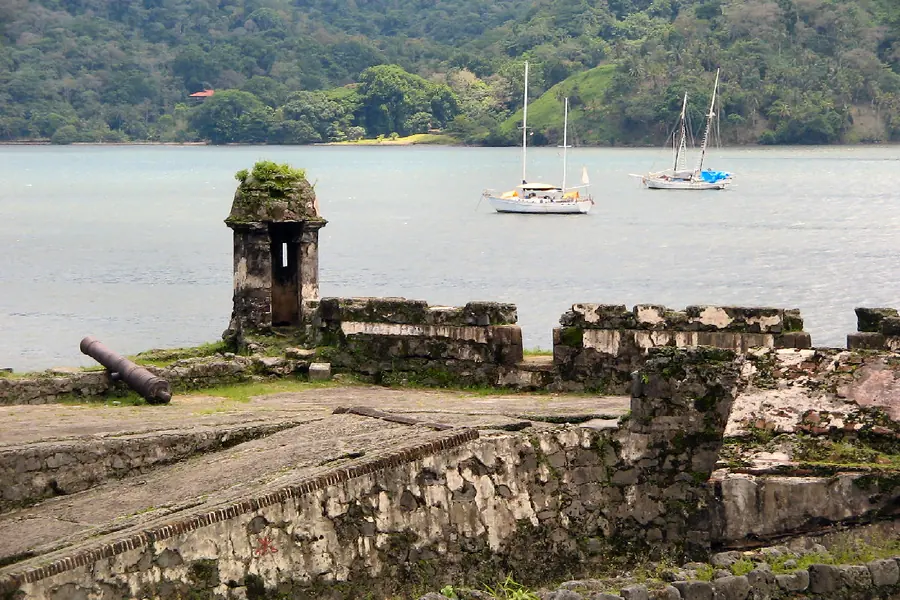
PortobeloRuined Spanish forts where the New World's gold once shipped to Spain.
[ AMADOR CAUSEWAY ]
Where the city meets the water.
Panamá ViejoThe skeletal ruins of the original city, sacked by Henry Morgan in 1671.
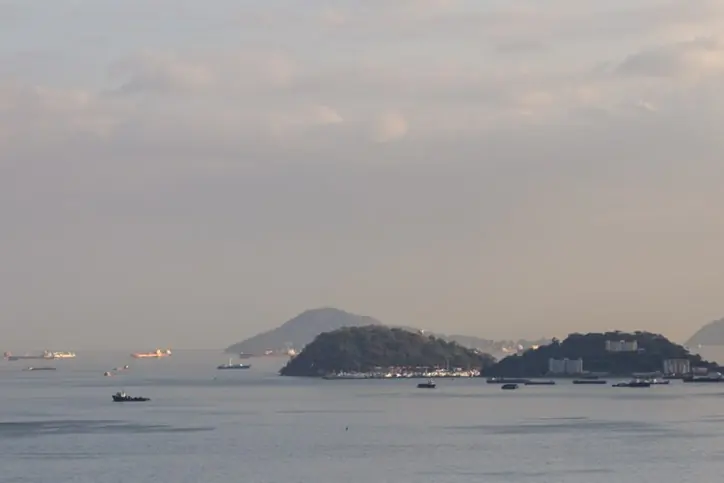
Amador CausewayA breezy palm-lined spit linking four islands to the mainland.
[ PANAMÁ VIEJO ]
Old stones, older stories.
Cathedral tower ruinsA landmark worth your time.
Panamá Viejo MuseumA museum worth your time.
[ SOBERANÍA & GAMBOA ]
Green breathing room.
Soberanía National ParkToucans, sloths, and howler monkeys, 25 minutes from downtown.
Gamboa & the Chagres RiverLunch over the river that feeds the entire Canal.
[ PACIFIC ISLANDS & COAST ]
Boats, bridges and reflections.
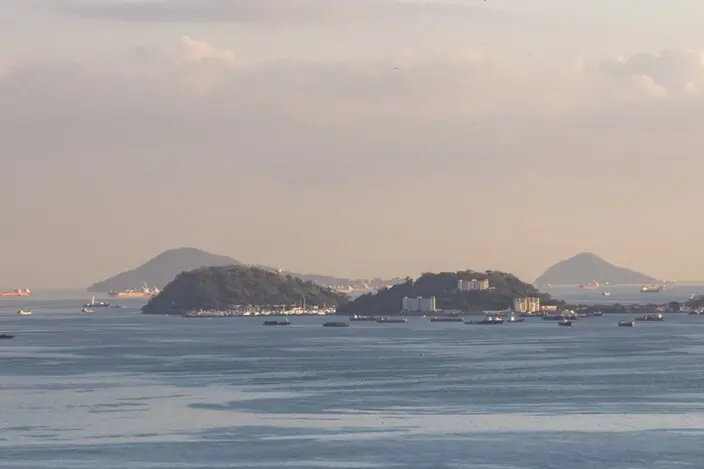
Taboga IslandThe 'Island of Flowers,' an hour by ferry from the Causeway.
Mercado de MariscosThe waterfront fish market with the best $5 ceviche in the city.
Day 1
The Canal and Casco Viejo
The two things you came for, done properly
Miraflores Locks Visitor Center
Watch a ship the length of three football pitches get lifted by water.
Go in the morning, when the northbound ships transit and the viewing decks are busiest with actual action. The four-floor museum explains the lock mechanics and the brutal history of building it. Entry is around $20; the rooftop terrace is the spot. A ship arriving is the whole show, so check the transit schedule online before you commit to a time.
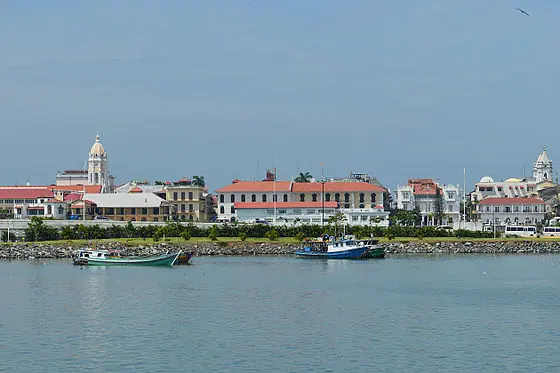
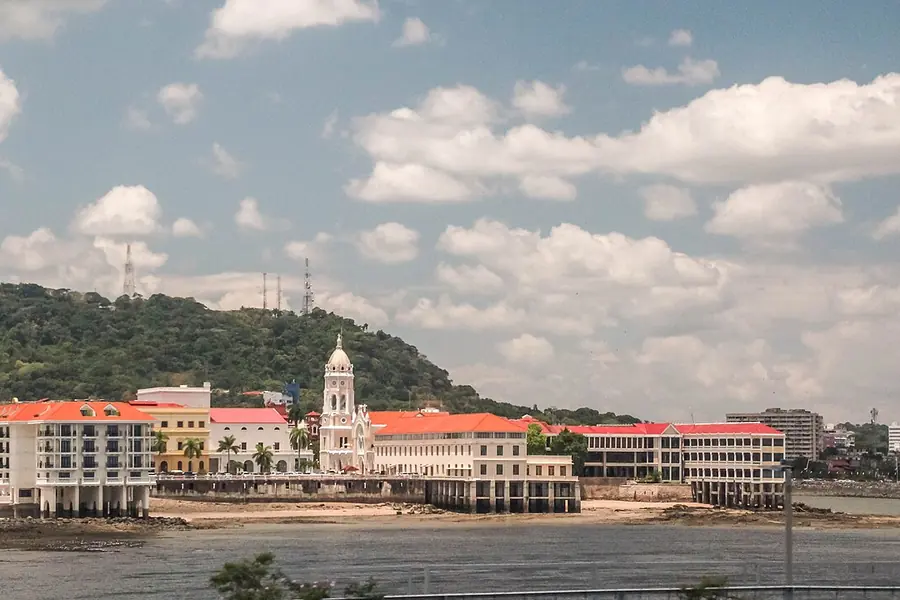
The crumbling-then-restored colonial quarter that's the soul of the city.
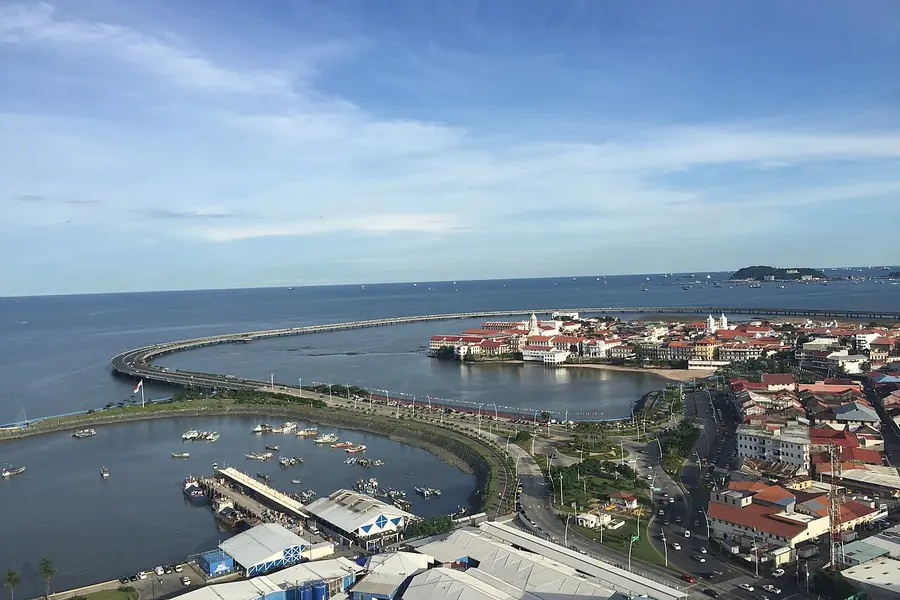
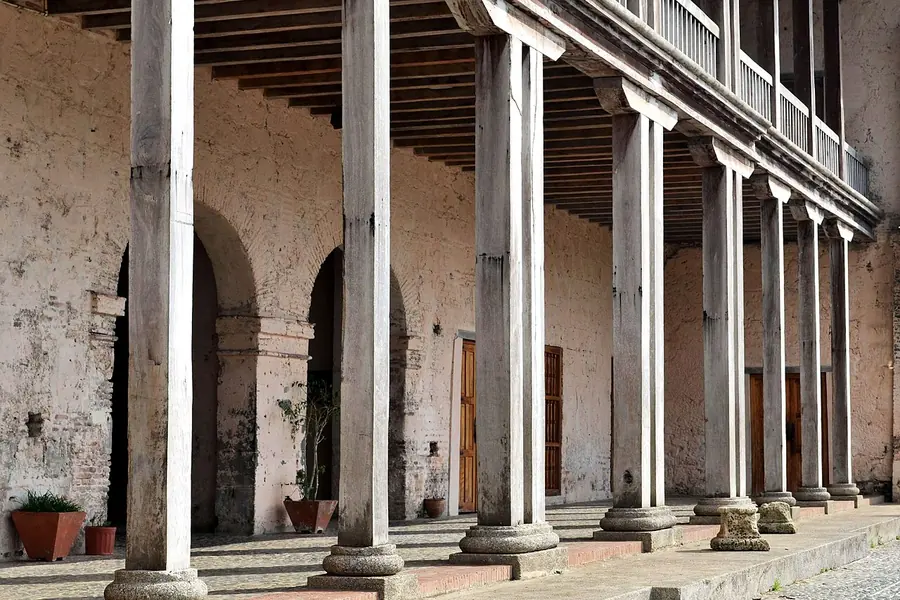
The old town is a UNESCO-listed tangle of plazas, churches, and balconied townhouses, half lovingly restored and half romantically falling apart. Walk Plaza de la Independencia, the seafront Paseo Esteban Huertas, and the ruins of the Santo Domingo convent. Duck into a café for a Geisha coffee — Panama grows some of the best beans on earth.
Cocktails with the financial-district skyline glittering across the water.
Casco Viejo's rooftop bars are the city's signature move, and Tántalo is the reliable one — a cold cocktail, a warm Caribbean night, and the wall of glass towers lit up across the bay. It gets busy, so go early for a railing spot. The contrast of colonial roof tiles in the foreground and skyscrapers behind is the whole city in one photo.
Day 2
Old Panama and the Causeway
Pirate ruins by day, sea breeze by evening
Panamá Viejo
The skeletal ruins of the original city, sacked by Henry Morgan in 1671.
This is where the city stood for 150 years before the pirate Henry Morgan torched it. The stone cathedral tower still stands, and you can climb it for a view over the ruins and the modern skyline behind. The on-site museum is small but sharp. It's a 20-minute taxi from Casco and genuinely atmospheric, especially mid-morning before the heat peaks.
A breezy palm-lined spit linking four islands to the mainland.
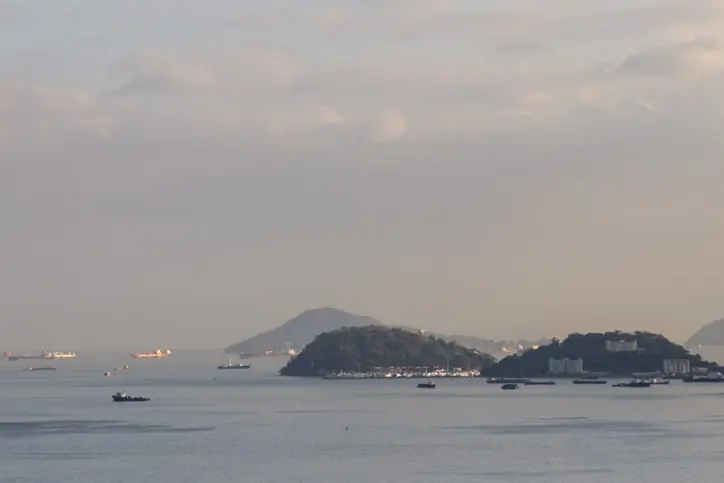
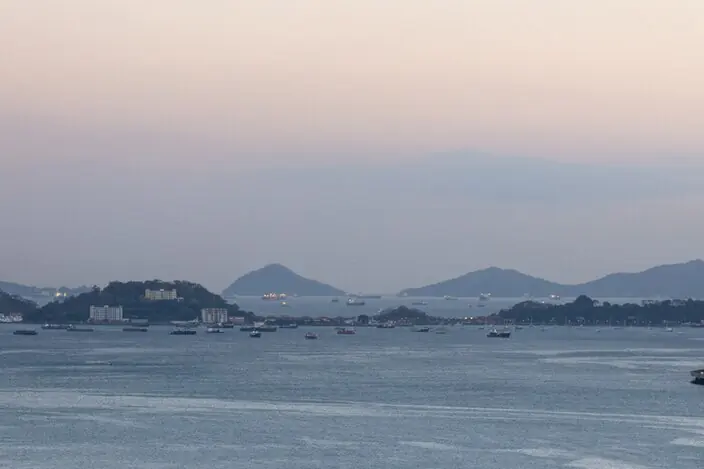
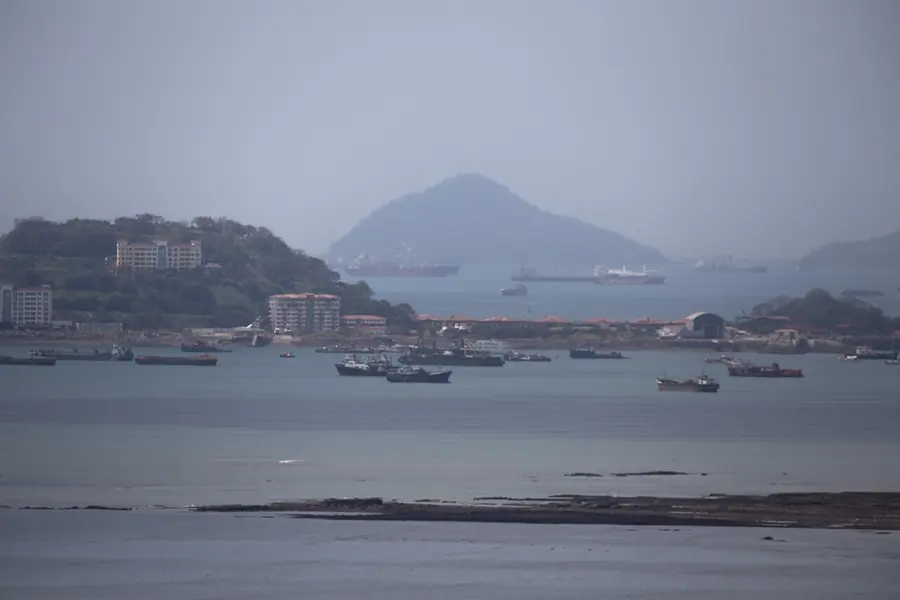
Built from rock excavated to dig the Canal, the Causeway is where the city goes to cycle, jog, and eat seafood with the ships waiting offshore. Rent a bike, watch the boats queue for the Canal entrance, and grab a ceviche cup. The Biomuseo here — a wild Frank Gehry building in clashing colours — is worth a look even just from outside.
Toucans, sloths, and howler monkeys, 25 minutes from downtown.
The Pipeline Road here is one of the best birding trails in the world — hundreds of species, plus sloths and the occasional capuchin troop. Go at dawn with a guide for the wildlife; by 10am the birds go quiet. It's astonishing how fast the city gives way to genuine rainforest. Bring water and insect repellent and prepare to sweat.
The little town of Gamboa sits where the Chagres River meets the Canal, and an aerial tram or a boat trip to the monkey islands fills an easy afternoon. The Embera village tours here are touristy but the river journey itself is lovely. Lunch with a deck over the water is the move before heading back to the city.
Day 4
Pacific Islands
Trade the skyline for an actual beach
Taboga Island
The 'Island of Flowers,' an hour by ferry from the Causeway.
A short ferry from Amador drops you on a sleepy island of bougainvillea-draped lanes and a quiet beach, all within sight of the city skyline. There are no cars to speak of. Have grilled fish at a beach shack, swim, and nap. It's the easy, cheap antidote to a few intense city days, and it makes the towers feel a world away.
The waterfront fish market with the best $5 ceviche in the city.
The seafood market on the edge of Casco is loud, fishy, and brilliant. Upstairs are tidy restaurants, but the real play is the ceviche stalls out front — a styrofoam cup of corvina ceviche for a few dollars, eaten standing up, watching the boats come in. Get there before the late-afternoon rush clears them out.
Day 5
El Valle de Antón
A crater town in the cool green highlands
El Valle de Antón
A village inside an extinct volcano crater, cool and green.
Two hours from the city, El Valle sits in the basin of a long-dead volcano, where the air is cooler and the hills are draped in cloud forest. The Sunday handicraft market, the golden-frog sanctuary, and the India Dormida ridge hike fill a great day. Lunch at a roadside fonda on the way back keeps the budget honest and the food excellent.
Just outside El Valle, this tall waterfall has a short trail and a clear pool you can swim in for a few dollars' entry. The braver climb to a canopy zipline alongside it. It's the kind of low-key nature stop that the highlands do beautifully — green, quiet, and a world away from the Canal traffic.
Day 6
The Caribbean Coast
Spanish forts and pirate harbours on the other ocean
Portobelo
Ruined Spanish forts where the New World's gold once shipped to Spain.
On the Caribbean side, a 90-minute drive away, Portobelo's crumbling cannon-studded forts once guarded the treasure that funded an empire — and got repeatedly sacked anyway. The setting, on a deep blue bay ringed by jungle, is gorgeous. The church of the Black Christ is the spiritual heart of the town. It's raw, real, and far less polished than Casco.
The new, enormous locks that handle today's mega-ships.
On the Caribbean side near Colón, the Agua Clara expansion locks (opened 2016) dwarf the old Miraflores chambers — these take ships too big for the original Canal. The viewing platform looks down on a vessel the size of a small town being walked between oceans. Pair it with Portobelo for a full Caribbean-side day.
Day 7
Slow City and Farewell
Coffee, a market, and one last skyline
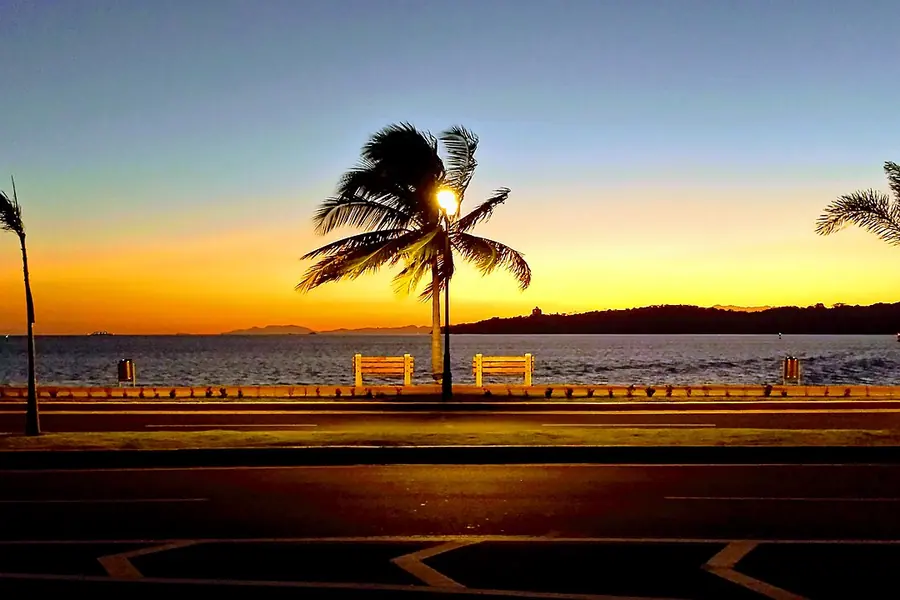
Cinta Costera & Mercado
A waterfront walk and a final coffee with a view.
Stroll the Cinta Costera, the landfill promenade that hugs the bay, for the postcard skyline shot you've been meaning to nail. Then settle into a Casco café for one last cup of Panamanian Geisha coffee, which costs a fortune at home and a few dollars here. It's the quiet, civilised way to wind down a full week.
Biomuseo
Frank Gehry's chaotic-coloured ode to how Panama joined two continents.
The only Gehry building in Latin America, this clashing-coloured shed on the Causeway tells the story of how the isthmus rose from the sea three million years ago and changed the planet's biology forever. It's compact, smart, and genuinely moving once you get the premise. A fitting last stop before the airport, with the Pacific right outside.
For a long time Panama City was a place people changed planes in, and that was a genuine waste. It’s one of the most surprising capitals in the Americas: a wall of glittering glass towers facing a colonial old town that’s half restored and half gloriously crumbling, with actual rainforest — toucans, sloths, howler monkeys — a fifteen-minute taxi ride from the financial district. And then there’s the Canal, which is exactly as good as everyone says.
How to use this plan
The two non-negotiables are the Canal and Casco Viejo, and two days handles both with a rooftop sundowner thrown in. Three days gets you into the jungle or the pirate ruins of Panamá Viejo. Four — the length I’d recommend for a first visit — adds the Pacific, whether that’s an island ferry or a beach on the Causeway. The food, by the way, is a sleeper hit: ceviche by the cup at the fish market, and some of the best coffee on the planet grown a few hours away.
The 7-day plan turns the city into a base for the whole isthmus: the cool volcanic-crater town of El Valle, the Caribbean forts of Portobelo, and the giant new Agua Clara locks. You also get time to stop rushing — to find a café in Casco you like and go back to it, which is the real point of a longer trip.
A few honest notes
It is hot and humid, full stop, and the dry season (roughly December to April) is far more pleasant than the green-but-soggy rest of the year. The US dollar is the currency, which makes budgeting easy. Uber works well and is the sane way to get around; the old town and the rainforest are both close, but the city in between sprawls. And don’t skip the ceviche cups at the Mercado de Mariscos because they look humble — they’re the best few dollars you’ll spend here.
This article contains affiliate links marked with rel="sponsored". We may earn a commission at no extra cost to you.