I ate takoyaki for breakfast on my first morning in Osaka and felt not one gram of shame. The vendor handed me a tray of eight, the octopus inside was molten, and a woman next to me nodded approvingly. That nod is the whole city in a gesture: come hungry, eat something, now you belong.
Two days in Osaka is enough for the non-negotiables: the neon chaos of Dotonbori, Osaka Castle before the tour buses arrive, and one sit-down meal at a kushikatsu counter where the no-double-dipping rule is enforced with genuine menace.
Book Dotonbori boat cruise in advance — evening slots sell out.
72 Hours: Add Shinsekai and Kuromon Market
Three days lets you escape Dotonbori's tourist vortex. Day 3 goes to Shinsekai — the retro working-class district that time forgot in the best possible way — and a proper morning wander through Kuromon Ichiba, the market that feeds Osaka's restaurants.
4 Days: Day Trip to Nara + Neighborhood Depth
Four days earns you a half-day in Nara (deer that will steal your snacks with aristocratic confidence) and a proper afternoon in Tennoji — Osaka's most misunderstood, most rewarding neighbourhood.
7 Days: Kobe, Kyoto Day, and the Slow Osaka
A full week means day trips to Kobe (best beef in Japan, fight me) and one careful day in Kyoto that you plan around avoiding the crowds. It also means finding your ramen shop, your konbini routine, and your corner of Amerikamura that feels like yours.
Estimated budget:$280–$420 est. (1 hotel night, budget–mid)
Estimated budget:$420–$640 est. (2 hotel nights + day activities)
Estimated budget:$580–$880 est. (Nara day trip + 3 nights)
Estimated budget:$1,100–$1,800 est. (full week, Kobe + Kyoto day trips)
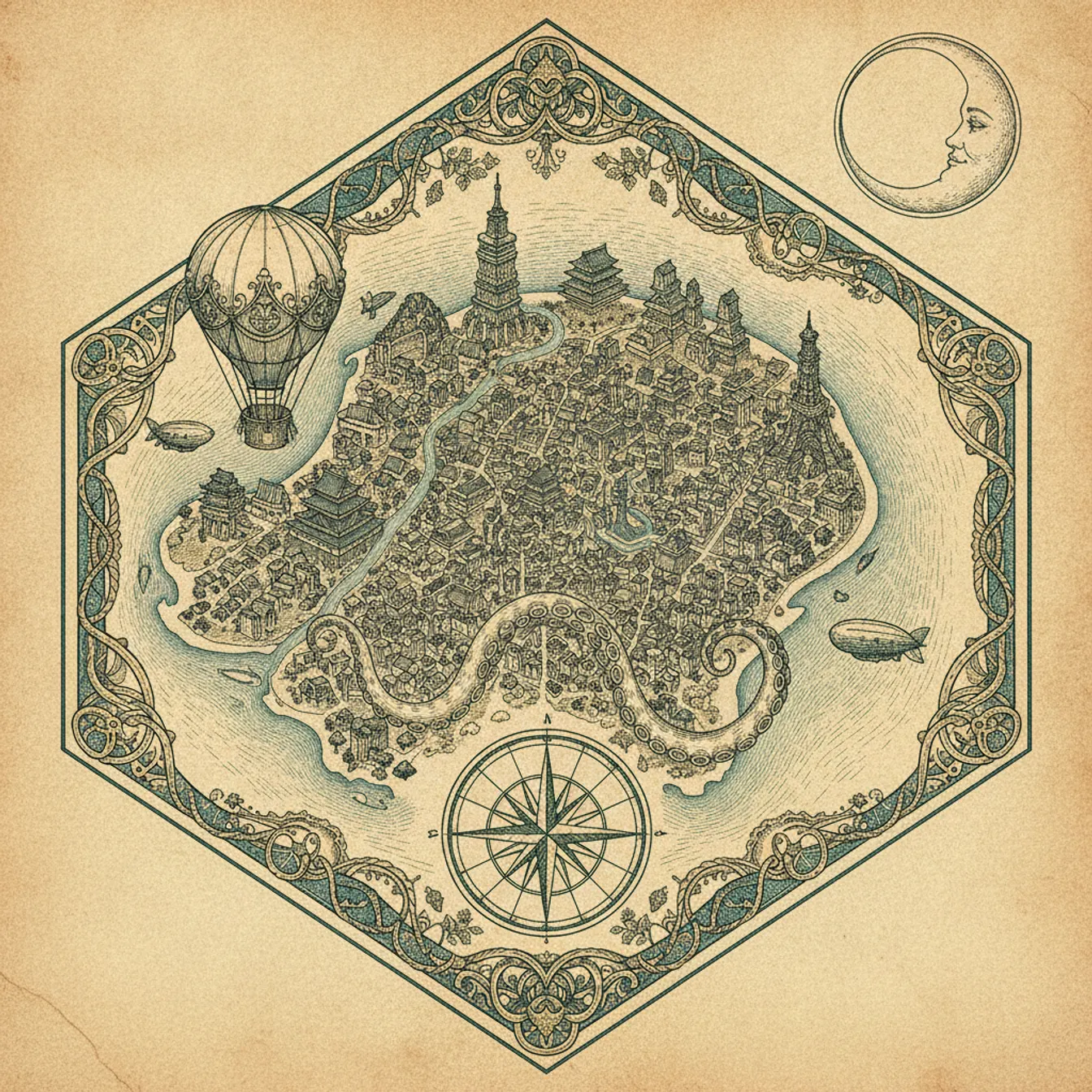
[ THE DISPATCH · FIELD MAP ]
A tilted, hand-drawn dispatch of Osaka. Click a quarter to explode it open.
0 / 6 quarters explored
Legend · tap to highlight
[ DOTONBORI ]
Stays up later than you do.
Kuromon Ichiba Market (morning)Osaka's kitchen, open to civilians.
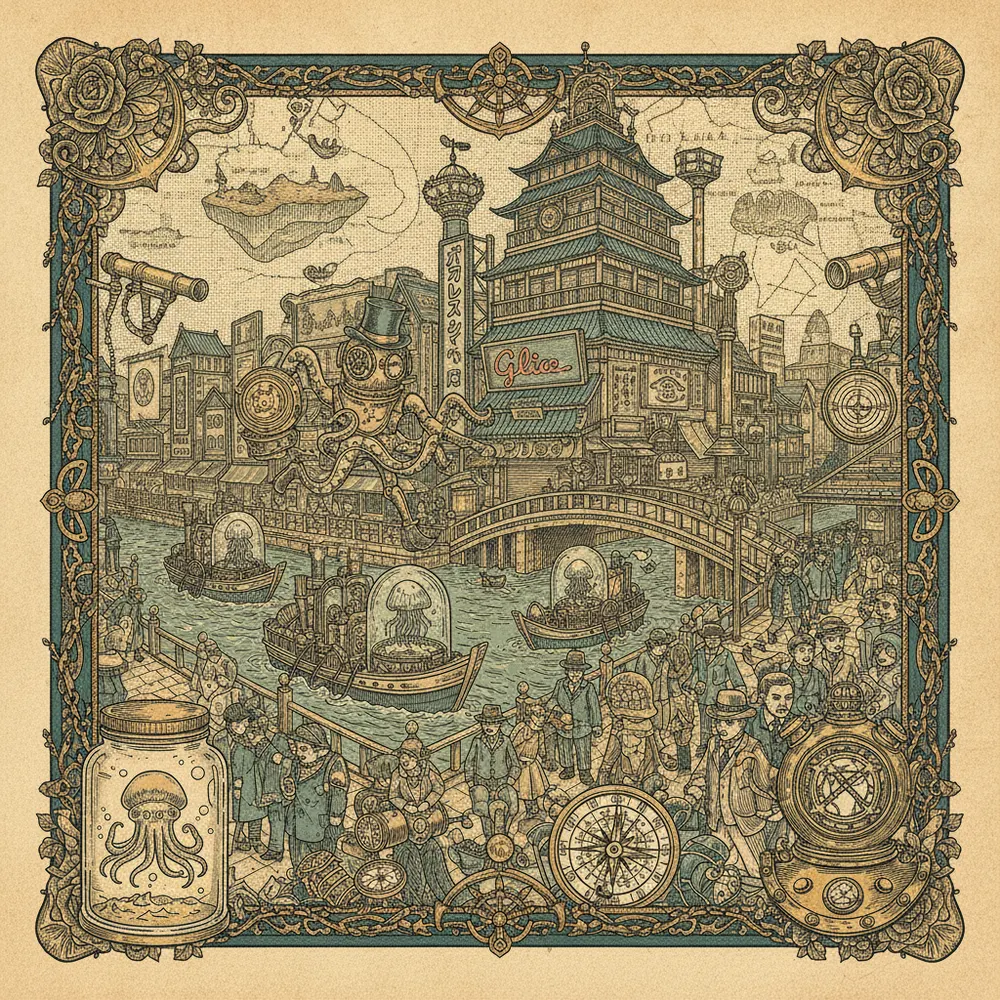
Dotonbori Canal Walk + Glico ManThe neon fever dream that is the actual Osaka.
[ OSAKA CASTLE & CHUO-KU ]
Old stones, older stories.
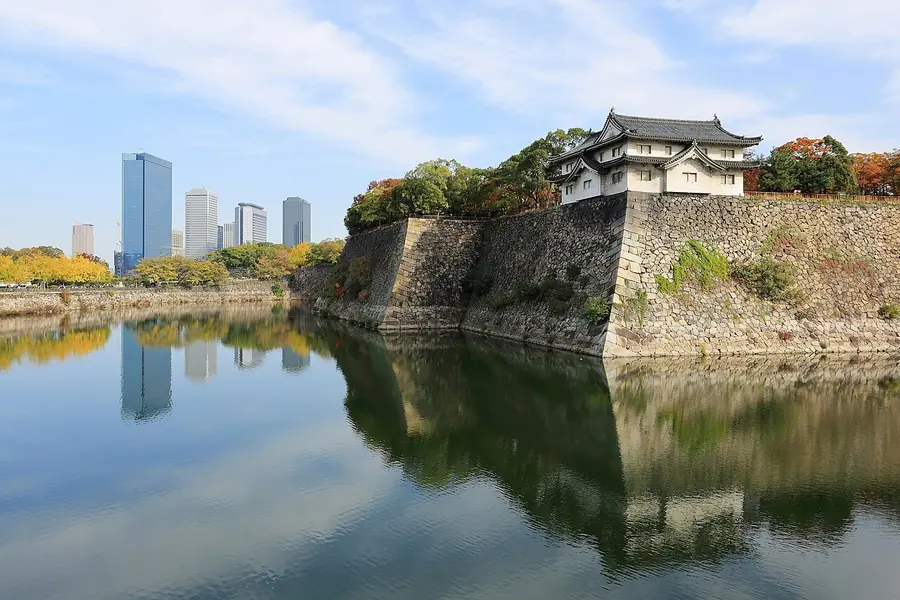
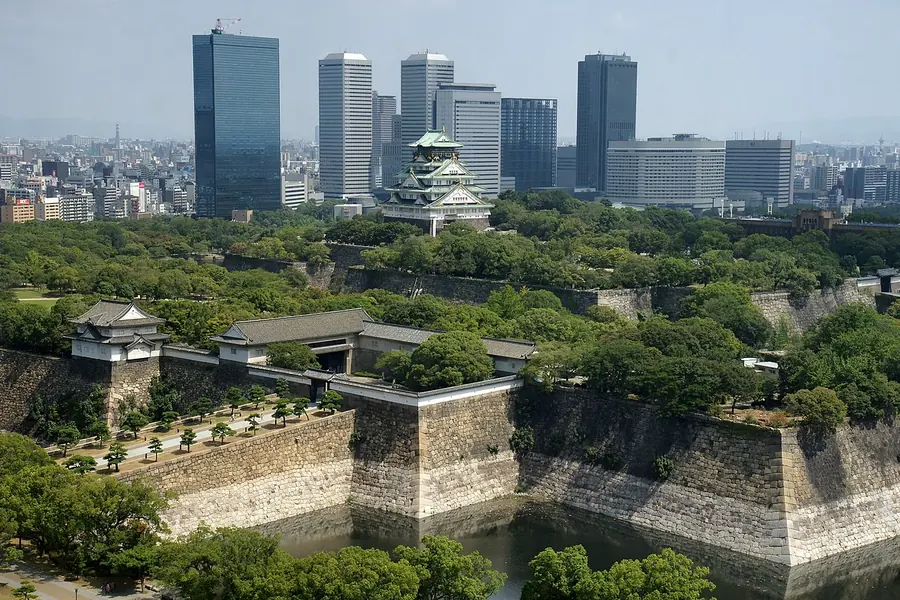
Osaka Castle + Castle ParkJapan's most dramatic piece of feudal architecture and a very good park.
Shinsekai + Tsutenkaku TowerThe 1950s that never left, and a tower shaped like an optimistic antenna.
[ SHINSEKAI ]
Old stones, older stories.
Kuromon Ichiba — full market morningEat your way from one end to the other.
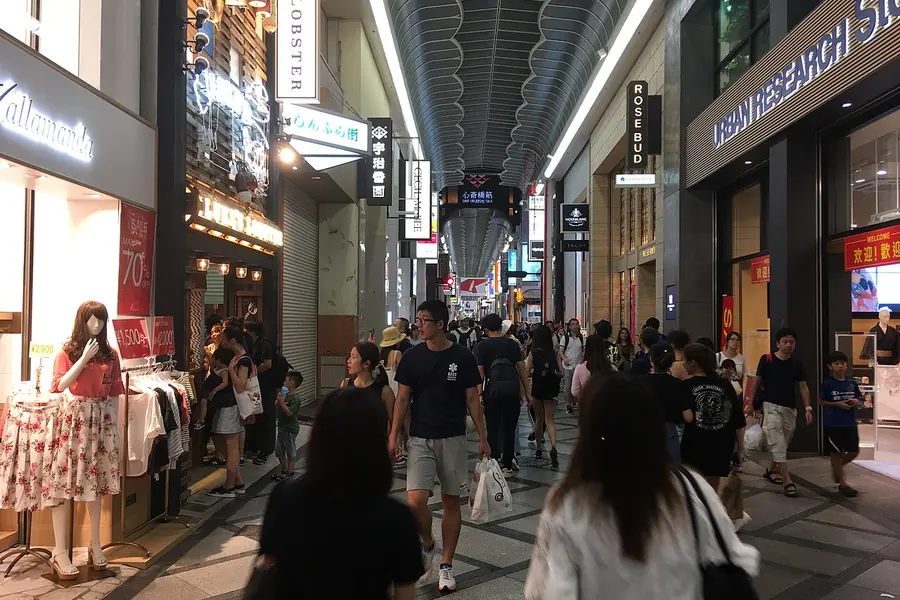
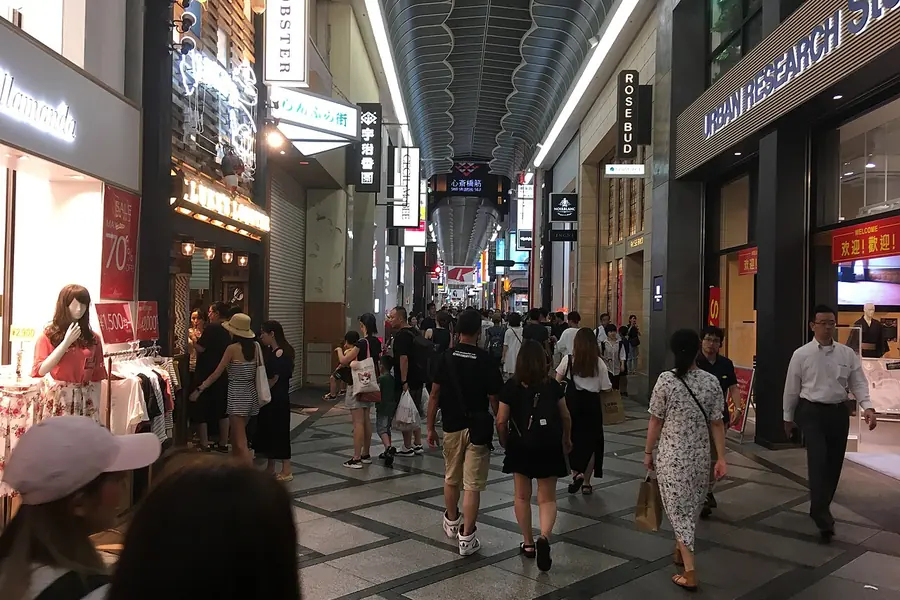
Shinsaibashi Shopping Arcade600 metres of covered arcade that is somehow not stressful.
[ TENNOJI ]
Grand squares and big ideas.
Nara Park + Tōdai-ji TempleThe deer will bow. You will bow back. This is the contract.
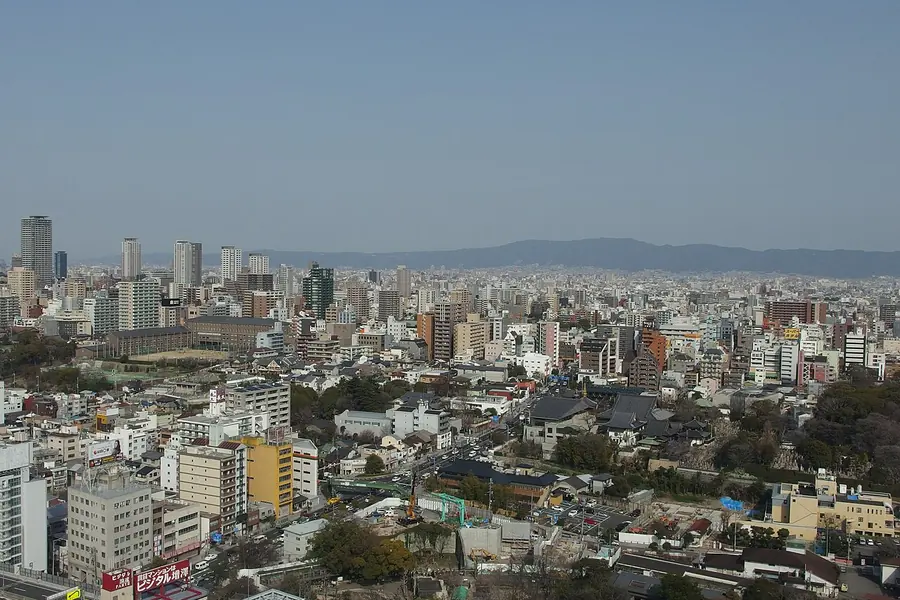
Tennoji — Abeno Harukas Observatory + TsutJapan's tallest building, and a skyline view that puts everything in perspective.
[ AMERIKAMURA ]
Stays up later than you do.
Wanaka Takoyaki (Shinsaibashi location)The takoyaki that started the argument about what takoyaki should be.
Mizuno (Dotonbori) — Osaka-style OkonomiyaThe savoury pancake that Osaka will tell you it invented (it did).
[ NAMBA ]
Where the city meets the water.
Kitano Ijinkan (Foreign Settlement Hill)Victorian mansions on a Japanese hillside — the collision that made Kobe.
Kobe Beef Lunch — Steak Aoyama or MouriyaYes it is expensive. No it is not overrated. Yes you should order the sirloin.
Day 1
Dotonbori + Namba + First Ramen
Welcome to Japan's most joyfully excessive neighbourhood
No time to ease in — Dotonbori first, takoyaki immediately, ramen before 8 PM so you can be back up for the castle at 8 AM tomorrow.
Gentle start. Get to Dotonbori by late afternoon when the neon is warm but the crush hasn't peaked. Your konbini is your best friend for the first dinner — scout the canal first, eat later.
Kuromon Ichiba Market (morning)
Osaka's kitchen, open to civilians.
The 580-metre covered market that supplies the city's restaurants. Grilled scallops, fresh uni on rice, enormous strawberries in spring. Arrive by 9 AM — the serious eating crowd arrives at 10 and the good stalls start running low by 11.
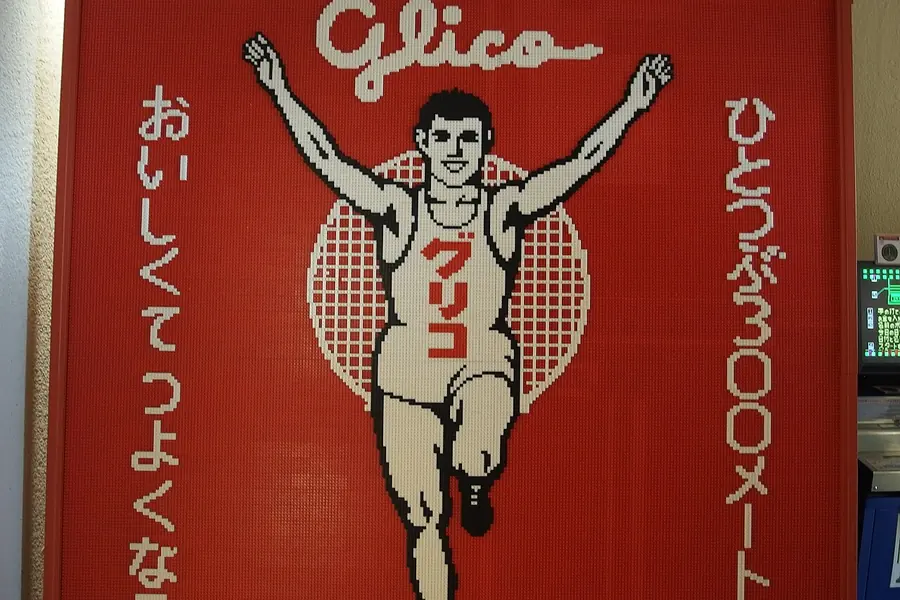
Dotonbori Canal Walk + Glico Man
The neon fever dream that is the actual Osaka.
Walk the canal from the Ebisubashi bridge west toward Shinsaibashi. The Glico running man photo is mandatory — get it out of the way early so you can enjoy the rest without feeling like you missed something. The boat cruise at dusk shows the neon from the right angle.
The ramen booth designed for a traveller eating alone with complete dignity.
Ichiran's cubicle system — bamboo blinds, a form to specify noodle firmness and spice level, a tiny window through which your bowl appears — is either antisocial genius or a masterpiece of introvert hospitality. It is both. Order extra noodles (kaedama) by pressing the button.
Day 2
Osaka Castle + Tennoji + Shinsekai Intro
History in the morning, retro grit in the afternoon
Final day. Castle first (go at opening — 9 AM — before the groups arrive), then straight to Shinsekai for kushikatsu lunch, then the Tsutenkaku Tower view, then your train home.
Castle in the morning, Tennoji Zoo park wander after lunch (the park is free, skip the zoo), then Shinsekai for dinner — it's the most photogenic street in Osaka after dark.
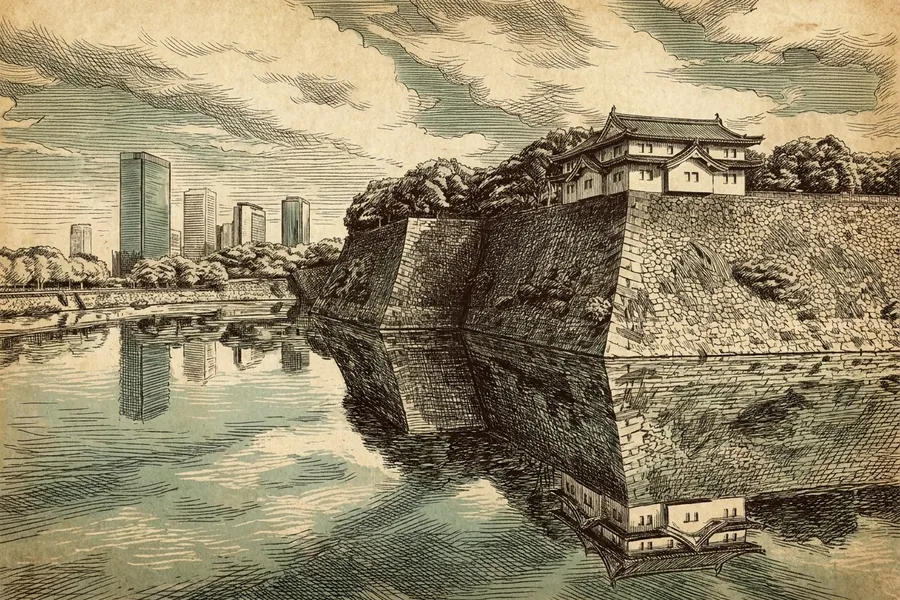
Osaka Castle + Castle Park
Japan's most dramatic piece of feudal architecture and a very good park.
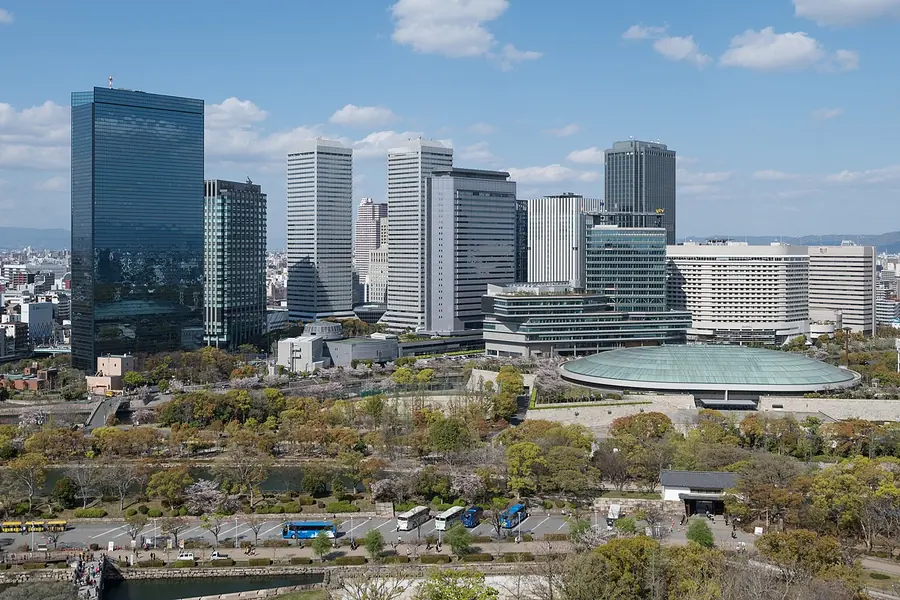
Toyotomi Hideyoshi built it to announce that he had unified Japan. It was destroyed twice and rebuilt in 1931 with a modern interior that is actually decent for a castle-as-museum conversion. The castle park's cherry blossoms (late March/April) are the reason Osaka parks make the global shortlist for hanami.
The 1950s that never left, and a tower shaped like an optimistic antenna.
Shinsekai was designed in 1912 to look like New York (south half) and Paris (north half). The resemblance is approximate. What it became is something better: a preserved slice of showa-era Osaka where fugu restaurants share walls with pachinko parlours and old men play shogi outside.
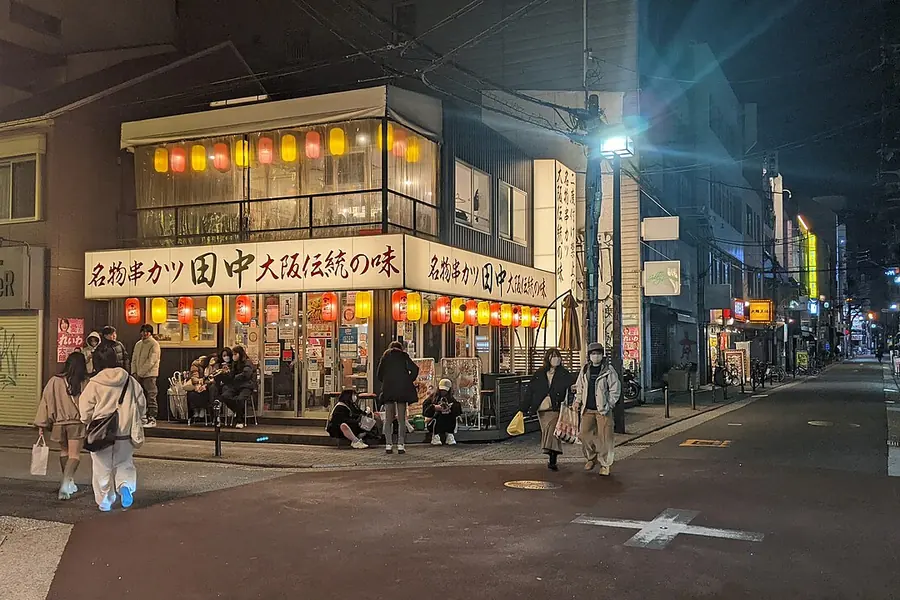
Breadcrumbed, deep-fried, and subject to the sacred no-double-dipping law.
Kushikatsu is Osaka's version of tempura: everything on a skewer, battered, fried, and dipped in communal sauce exactly once. The no-double-dipping rule (二度漬け禁止) is posted on signs as a genuine cultural commandment. Order the set, point at what looks interesting, drink cold Asahi.
Day 3
Kuromon Deep Dive + Shinsaibashi + Amerikamura
Shopping streets, vintage denim, and the real under-30 Osaka
Final full day — spend the morning in the market, afternoon in Shinsaibashi (the shopping arcade that somehow doesn't feel terrible), evening in Amerikamura where the vintage shops are excellent and the people-watching is free.
Slow morning in Kuromon, then Amerikamura for the afternoon — specifically the vintage clothing shops on the side streets west of Triangle Park. This is where Osaka's fashion scene actually lives.
Kuromon Ichiba — full market morning
Eat your way from one end to the other.
The plan: enter from the Nipponbashi end, eat a crab claw at the first stall, collect a tuna sashimi cup at the midpoint, and exit with a tamagoyaki sandwich from the egg vendor near the exit. This is the order. Do not deviate.
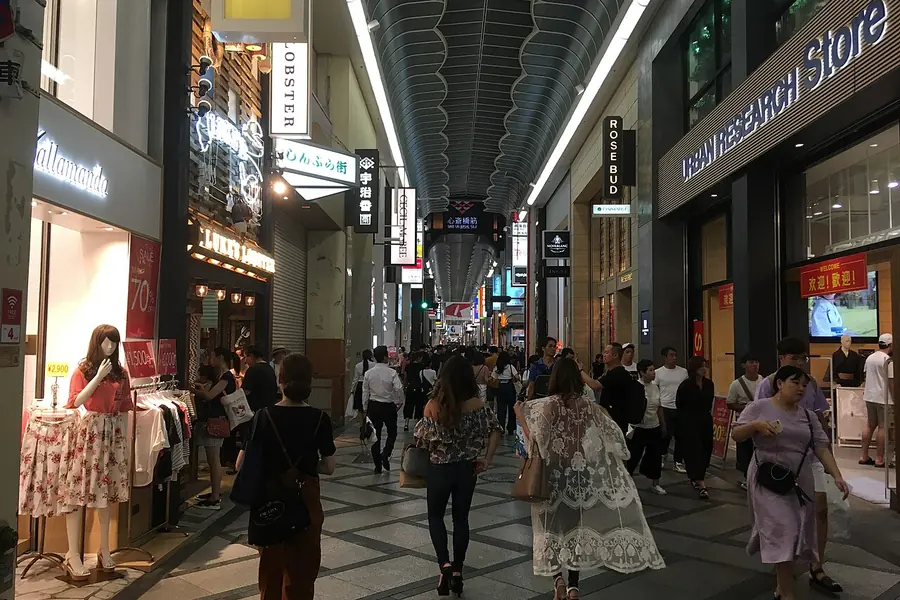
Shinsaibashi Shopping Arcade
600 metres of covered arcade that is somehow not stressful.
Japan's covered shopping arcades (shotengai) are a civilised alternative to department stores. Shinsaibashi's is the flagship: Uniqlo, local fashion labels, kitchen supply shops, a drugstore selling sunscreen that actually works. Buy the sunscreen.
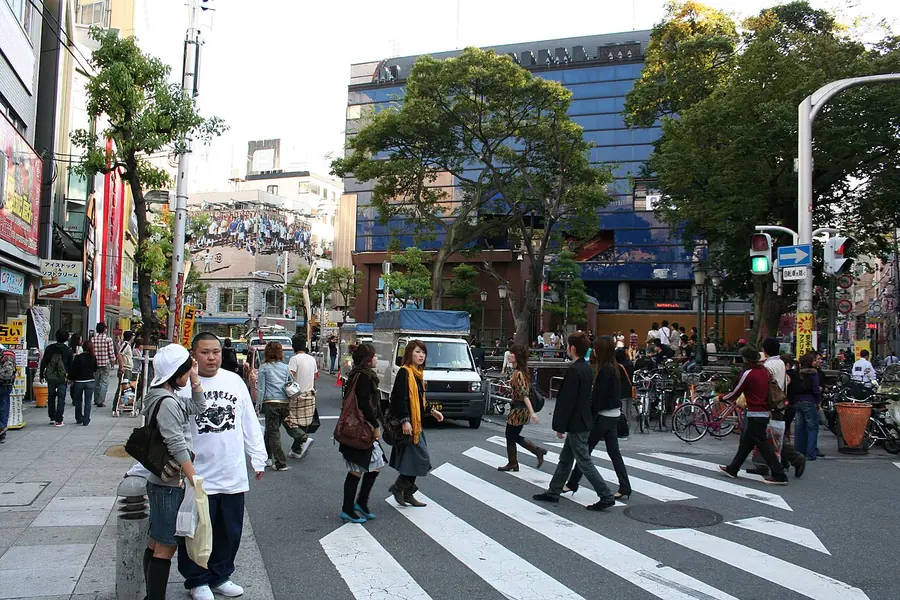
Osaka's harajuku-ish district, with better vintage and fewer tourists.
The streets around Triangle Park are packed with vintage clothing stores, record shops, and cafés that serve coffee in unexpected vessels. The secondhand Levi's are cheaper than vintage shops in London or New York. The street food (takoyaki, crepes, corn dogs) is available from 5 PM and the crowd is entirely local.
Deer that bow at you, a lantern-lit temple, and Osaka's most honest neighbourhood
Early train to Nara (35 minutes from Osaka Namba via Kintetsu Nara line). Back by 2 PM, afternoon in Tennoji. It's Osaka's most real neighbourhood — no Instagram backdrop strategy required.
Same Nara plan but no rush back. You have a full evening; consider Tennoji Zoo in the late afternoon (the municipal zoo is genuinely good and cheap) and dinner in the Tennoji shotengai.
Nara Park + Tōdai-ji Temple
The deer will bow. You will bow back. This is the contract.
Nara's deer are considered sacred messengers of the gods and have been living in this park for over 1,200 years. They have decided this entitles them to eat your map. Buy shika senbei (deer crackers) from park vendors and become the most popular person in Nara for approximately 90 seconds. Tōdai-ji's Great Buddha hall is the largest wooden building in the world.
Japan's tallest building, and a skyline view that puts everything in perspective.
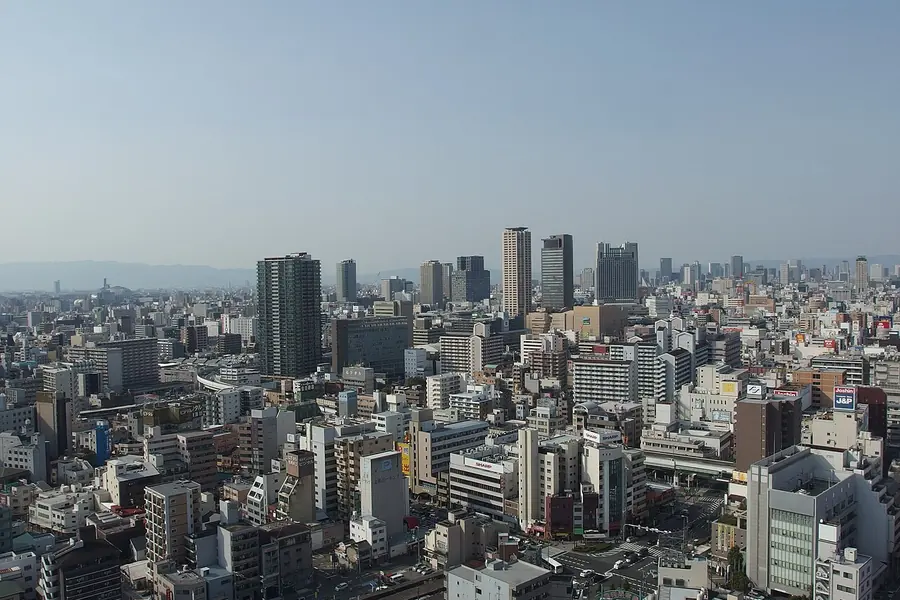
Abeno Harukas is 300 metres of mixed-use tower that contains a department store, a hotel, an art museum, and the Harukas 300 observatory on the top floors. The view north shows the entire Osaka plain stretching to the coast. The department store basement (depachika) sells the best ekiben (station lunch boxes) in the city.
The covered shopping street south of Tennoji station has izakayas and small restaurants that have been feeding the neighbourhood for decades. No English menus. Point at the plastic food display cases or use Google Lens. This is the best value eating in the city.
Day 5
Osaka Food Tour — Takoyaki, Okonomiyaki, Yakiniku
The three pillars of kuidaore — eat until you fall down
No sights today. Today is entirely structured around eating. Osaka invented the concept of kuidaore (eat yourself broke/ruined) and this is your day to honour it properly. We hit all three of the city's signature dishes before dinner, then go to a yakiniku grill and cook our own wagyu.
Wanaka Takoyaki (Shinsaibashi location)
The takoyaki that started the argument about what takoyaki should be.
Osaka's most contested debate isn't baseball — it's takoyaki style. Wanaka is the thin-batter, heavily sauced school. Some swear by it. Order a tray of eight, wait two minutes for them to cool to merely dangerous, and eat them in three bites each.
Mizuno (Dotonbori) — Osaka-style Okonomiyaki
The savoury pancake that Osaka will tell you it invented (it did).
Osaka-style okonomiyaki (as opposed to Hiroshima-style) mixes all ingredients together before cooking — a democracy of cabbage, egg, pork belly, and special sauce. Mizuno on Dotonbori has been making it since 1945 and has a queue that starts early. Get there at noon.
Yakiniku dinner — Namba grill restaurant
You cook it. That is the point. That is also why it's delicious.
Yakiniku means grilled meat, and in a yakiniku restaurant you do the grilling yourself over a tabletop charcoal grill. Order the wagyu tongue first (it sounds confronting, it's the best thing), then short rib, then whatever the server recommends. Order more rice than you think you need.
Day 6
Kobe Day Trip — Beef, Harbourside, and Kitano
The city that does Western better than the West
Kobe is 30 minutes from Osaka by shinkansen or a comfortable 40 on the Hanshin express. The plan: Kitano's foreign-settlement hillside mansions in the morning, Kobe beef lunch (non-negotiable, budget for it), and the harbourside Meriken Park in the afternoon. Back for Osaka dinner.
Kitano Ijinkan (Foreign Settlement Hill)
Victorian mansions on a Japanese hillside — the collision that made Kobe.
After the port opened in 1868, foreign merchants built Western-style homes on the hill above the harbour. Some are now museums, some are cafés, and all of them are beautifully incongruous against the pine trees. The neighbourhood still has Kobe's best bakeries (a French heritage worth following up on).
Kobe Beef Lunch — Steak Aoyama or Mouriya
Yes it is expensive. No it is not overrated. Yes you should order the sirloin.
Kobe beef is the Wagyu cattle raised in Hyogo prefecture — marbled to an absurd degree, melting in texture, and best eaten as a teppanyaki steak where the chef cooks it in front of you. Budget ¥6,000–¥12,000 per person for lunch. This is the meal you came to Kobe for.
The red lattice tower that appears on every Kobe postcard for good reason.
The red latticework Kobe Port Tower reopened after renovation in 2023. Walk the harbourside promenade, see the memorial to the 1995 earthquake (moving, not grim), and watch the container ships come in from the observation deck. The harbour at late afternoon light is among the best urban waterfronts in Japan.
Day 7
Umeda + Sky Building + Slow Departure Morning
The goodbye that tastes like dashi
Last day. The plan is gentler: morning in Umeda (Osaka's business and department store hub, which is better than that description makes it sound), the Sky Building for a final skyline view, one more bowl of ramen, and a slow exit via the depachika to stock up on snacks you will not be able to find at home.
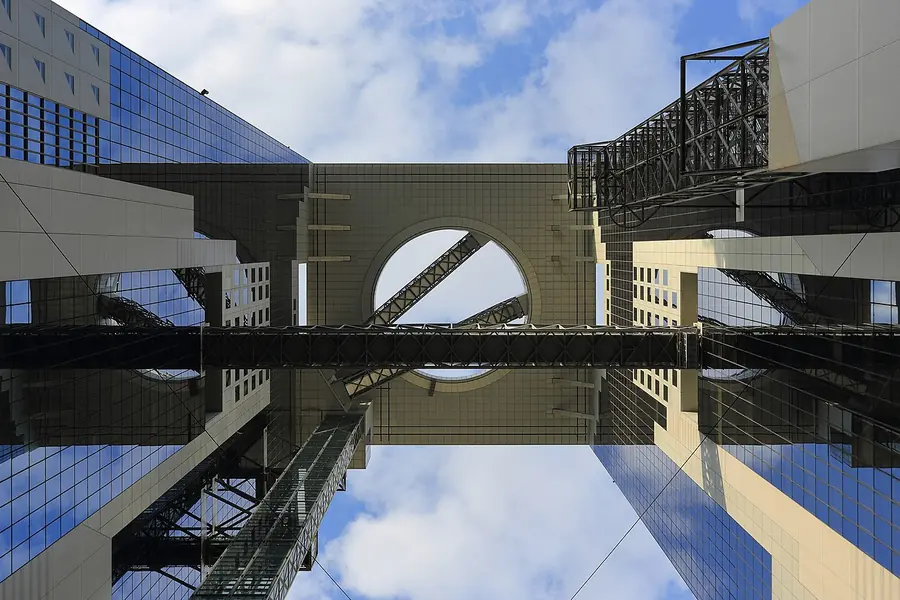
Umeda Sky Building — Floating Garden Observatory
Two towers connected at the top by a transparent walkway. Rational? No. Worth it? Absolutely.
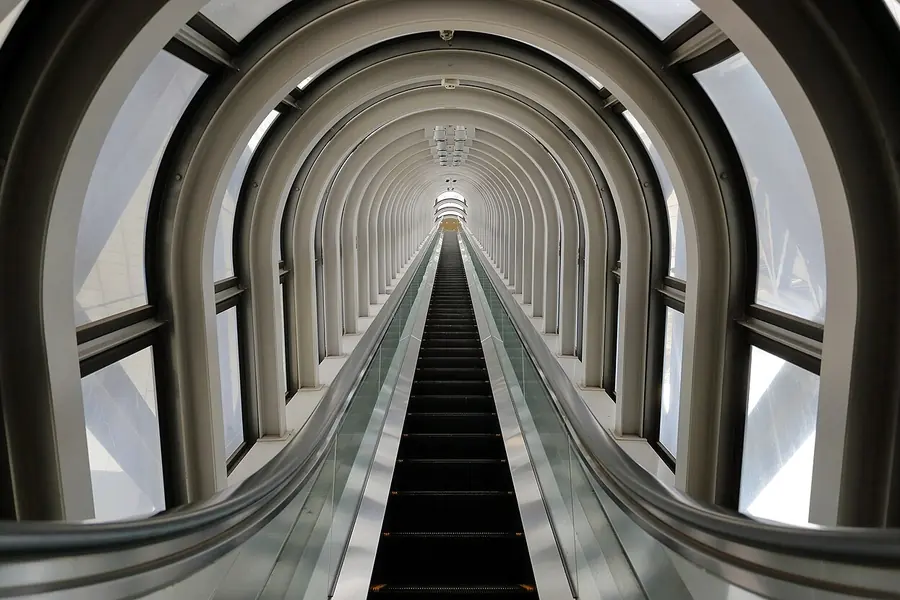
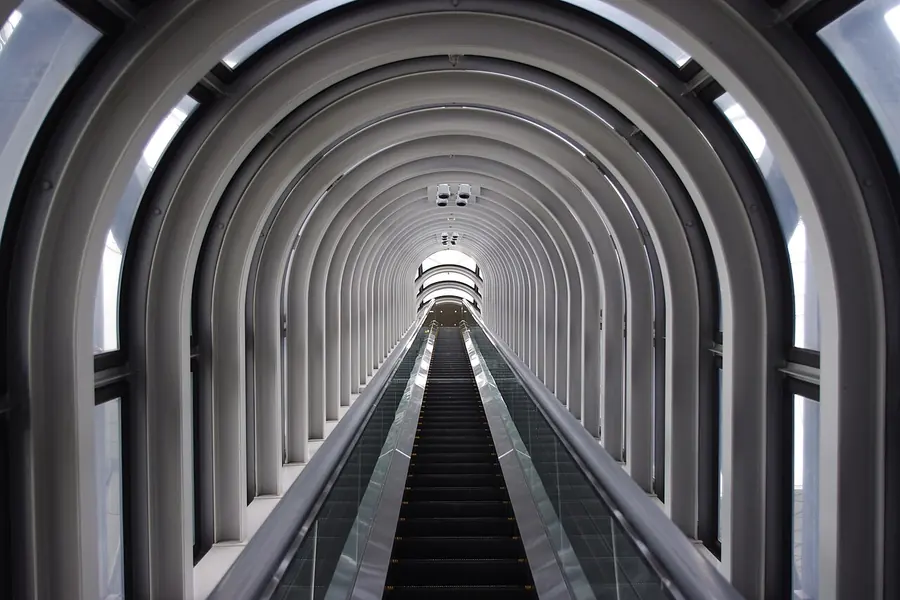
The Sky Building's twin towers are joined at the 39th floor by a circular observatory with open-air sections that were terrifying in 1993 and are merely exhilarating now. The view across the Osaka plain to the Rokko mountains is the best urban panorama in the city. The rooftop is open; the escalator through the hollow centre is a genuine architectural experience.
By Day 7 you should have a favourite. If you don't, Kinryu Ramen on Dotonbori is open 24 hours and the dragon sign is impossible to miss. Order the standard tonkotsu, add a soft-boiled egg, and eat it standing at the counter like a local who has somewhere to be, even if that somewhere is the airport.
Department store depachika — farewell food shopping
The basement food halls that will make every airport you pass through feel inadequate.
Osaka's department store food basements (Takashimaya, Daimaru, Hankyu) stock the best boxed sweets, instant dashi packets, and pickled vegetables in the city. Buy the mentaiko (spicy pollock roe) paste. Buy the matcha Kit Kats (the Kyoto ones are better but Osaka sells them too). Buy more than you think you need. You will wish you had bought more.
Osaka does not apologise for being itself. Where Tokyo is restrained and Kyoto is reverent, Osaka is the friend who orders four dishes at a restaurant where everyone else ordered one, talks too loud, and turns out to be the most interesting person in the room.
The city’s guiding philosophy is kuidaore — eat until you fall down. It is not a metaphor. Osaka has more restaurants per capita than almost any city on earth, and its residents will happily debate the superiority of their takoyaki, their dashi, their specific okonomiyaki ratio for as long as you have the stamina to listen.
This itinerary is sequenced to eat constantly without losing consciousness. The 2-day version is a greatest-hits sprint; the 7-day version is the version where you find your ramen shop, your konbini routine, and one quiet corner of the city that feels like yours by the end.
Use the duration filter above to see exactly what your trip length gets you.
Trip length
Highlights covered
Signature meal
Day trip
2 days
Dotonbori, Castle, Shinsekai
Kushikatsu counter
—
3 days
+ Shinsaibashi, Amerikamura
Okonomiyaki at Mizuno
—
4 days
+ Tennoji, Abeno Harukas
Yakiniku grill
Nara deer park
7 days
All of the above + full food tour
Kobe beef teppanyaki
Kobe + Nara
This article contains affiliate links marked with rel="sponsored". We may earn a commission at no extra cost to you.