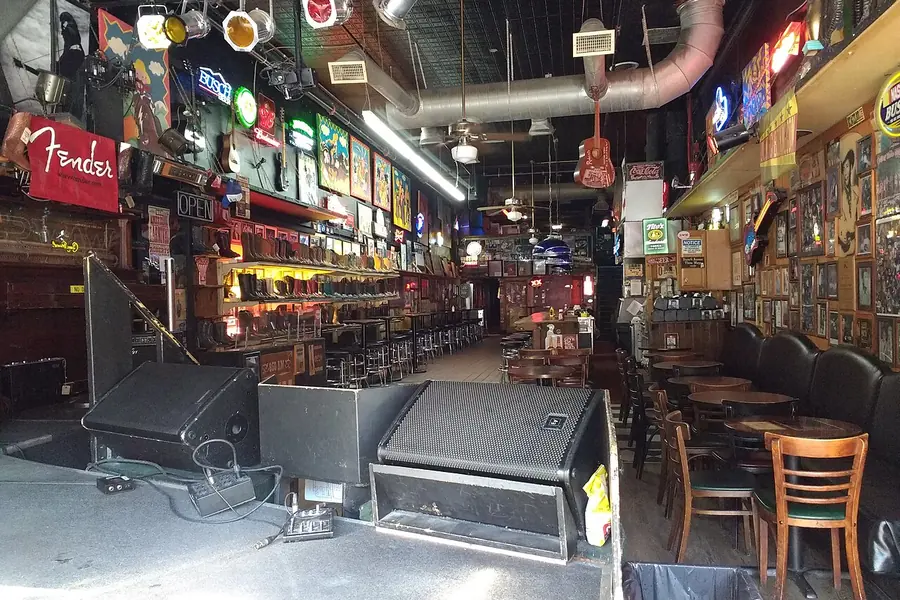
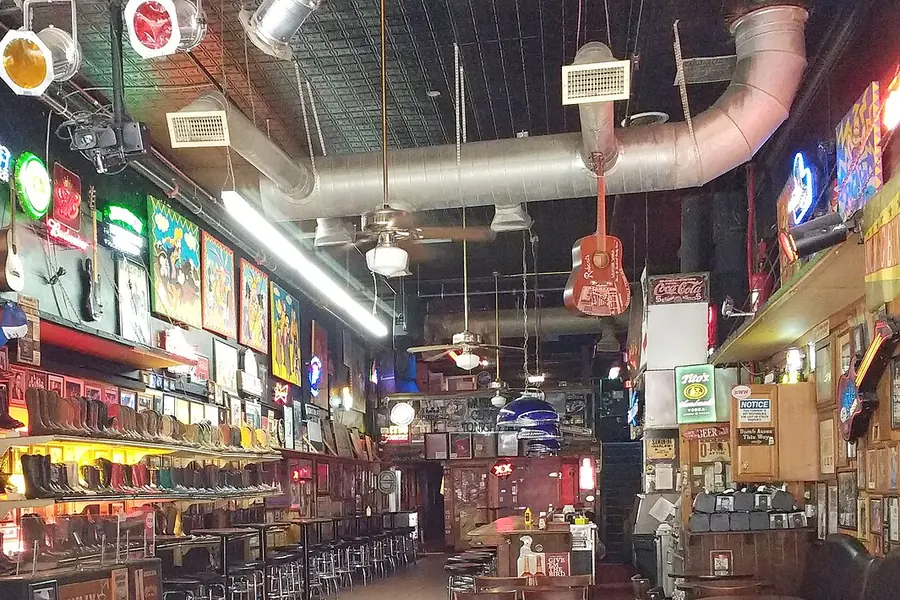
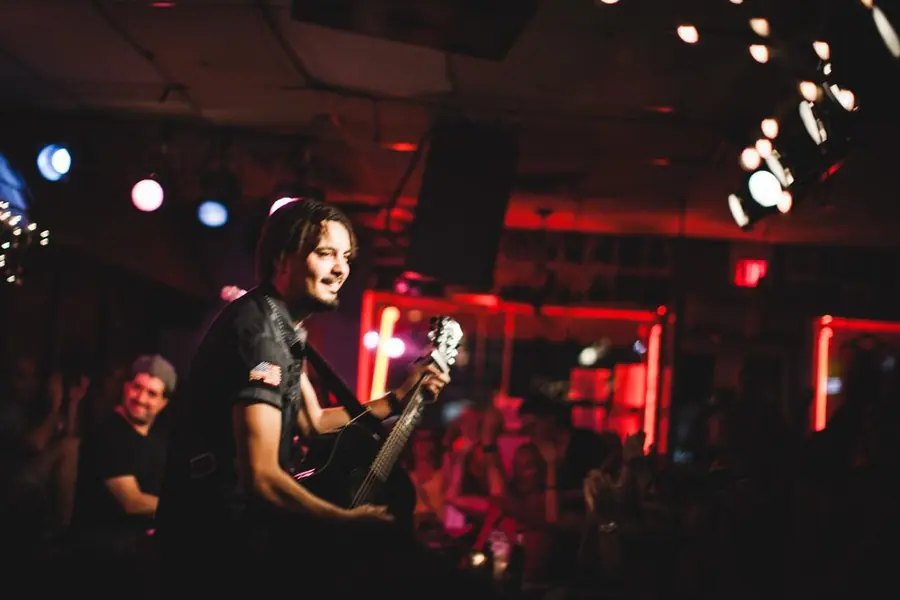
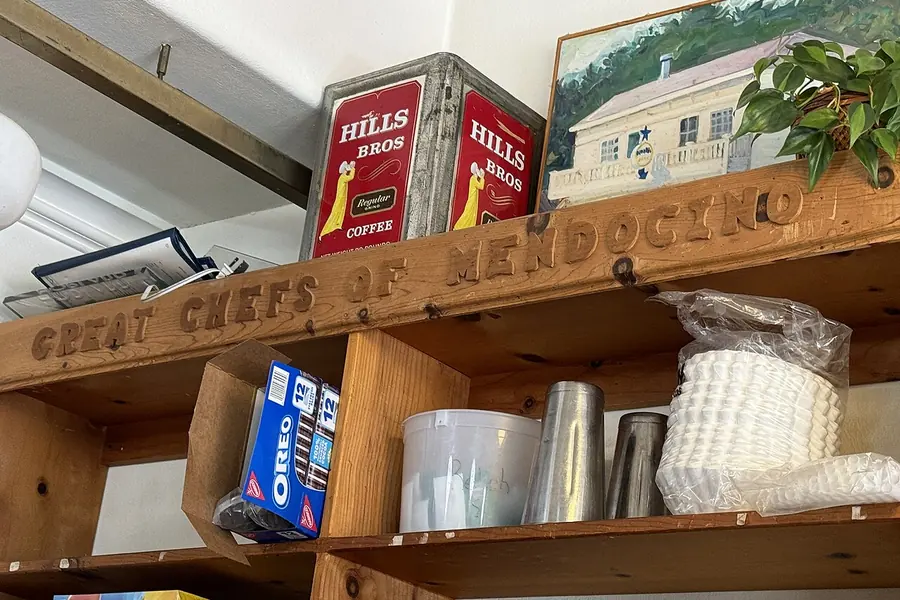
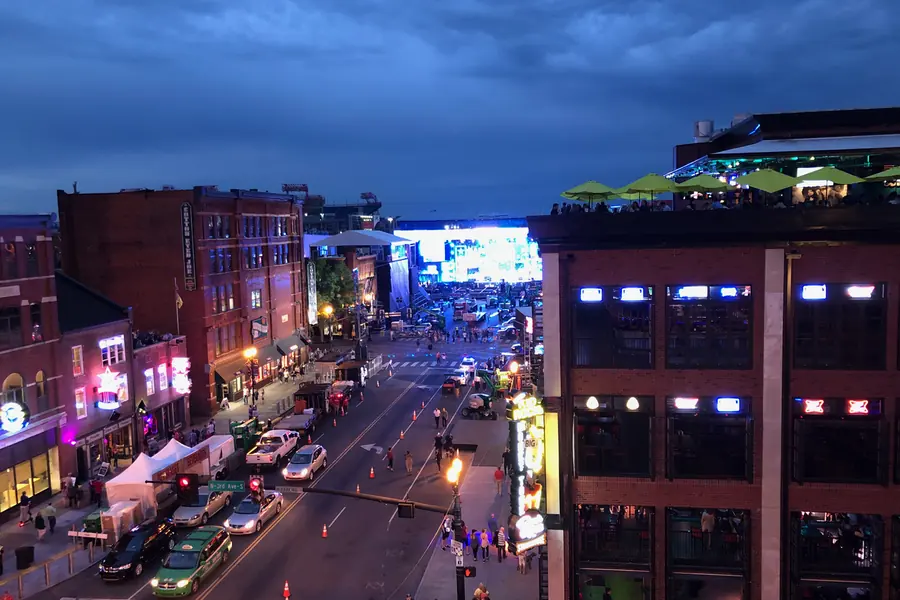
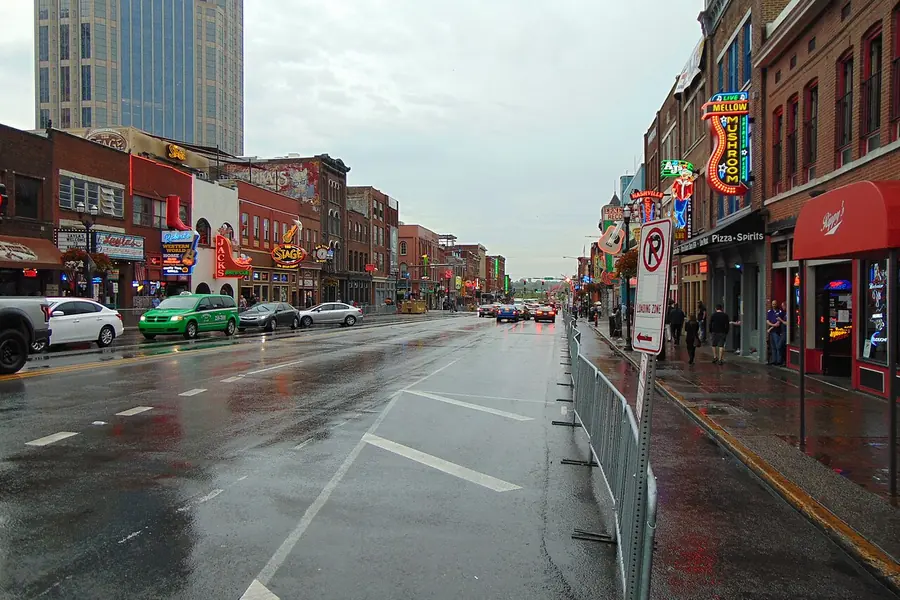
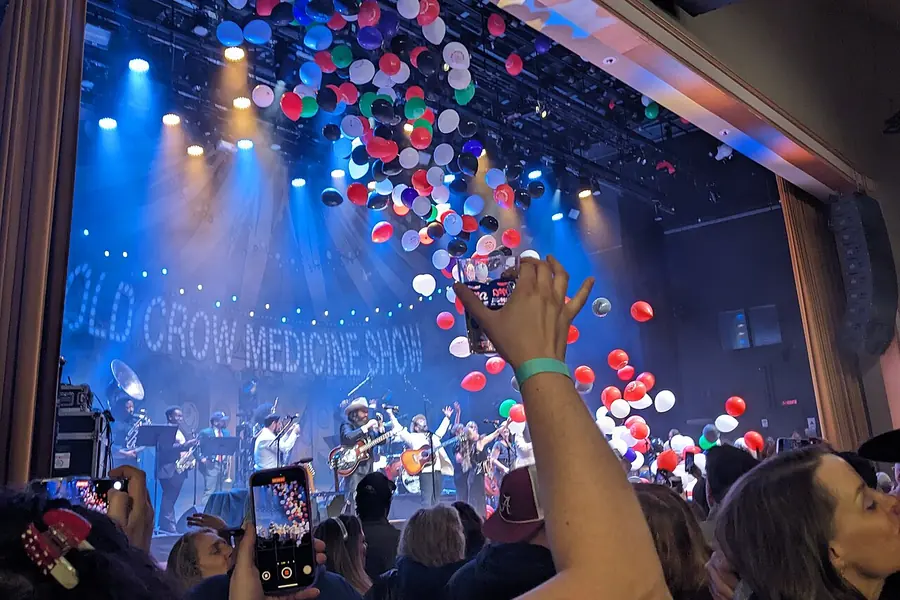
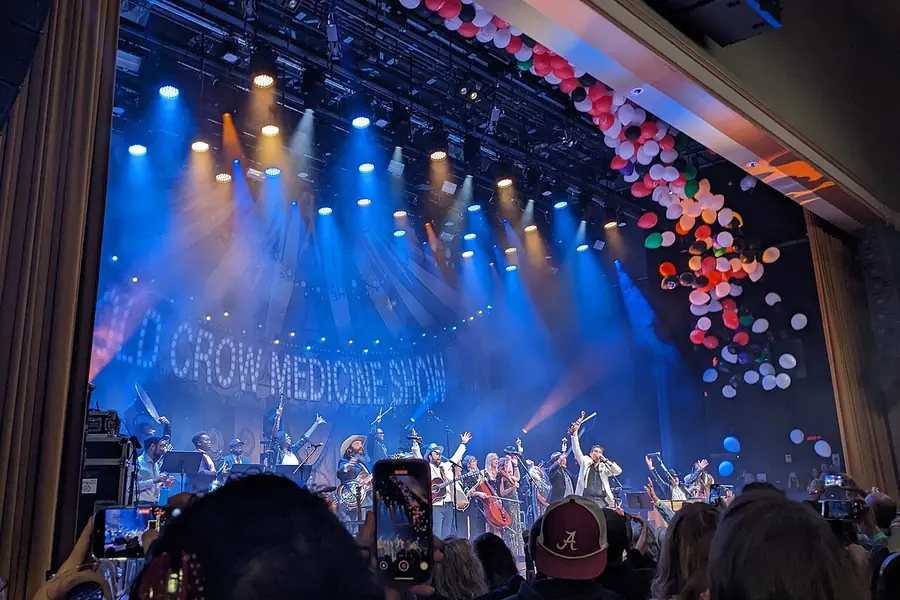
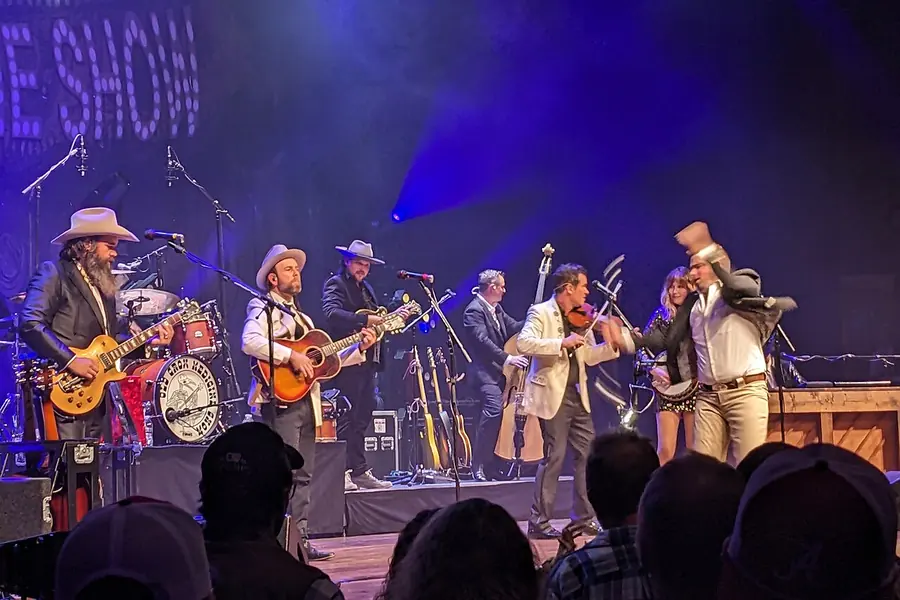
I walked into Robert's Western World at 11 AM on a Tuesday because the band inside sounded genuinely great and I had nowhere to be. I left at 3 PM having eaten a bologna sandwich, drunk two Pabst Blue Ribbons, and watched a fiddle player do something I still cannot fully explain. That is Nashville in a Tuesday afternoon.
The Perfect Nashville Itinerary (2, 3, 4 & 7 Days)
Two days means you hit the non-negotiables: Broadway's honky-tonks (at least one proper visit before the bachelorette parties arrive), hot chicken from Prince's or Hattie B's, and the Country Music Hall of Fame — which is genuinely excellent regardless of your relationship with country music.
Book Bluebird Cafe early — the songwriter rounds sell out weeks ahead.
72 Hours: Add East Nashville and the Real Local Scene
Three days lets you escape Lower Broadway's tourist gravity. Day 3 is East Nashville — Five Points, independent restaurants, and the bars where Nashville's actual musicians go when they're not performing for tourists.
4 Days: The Natchez Trace + Music Row Depth
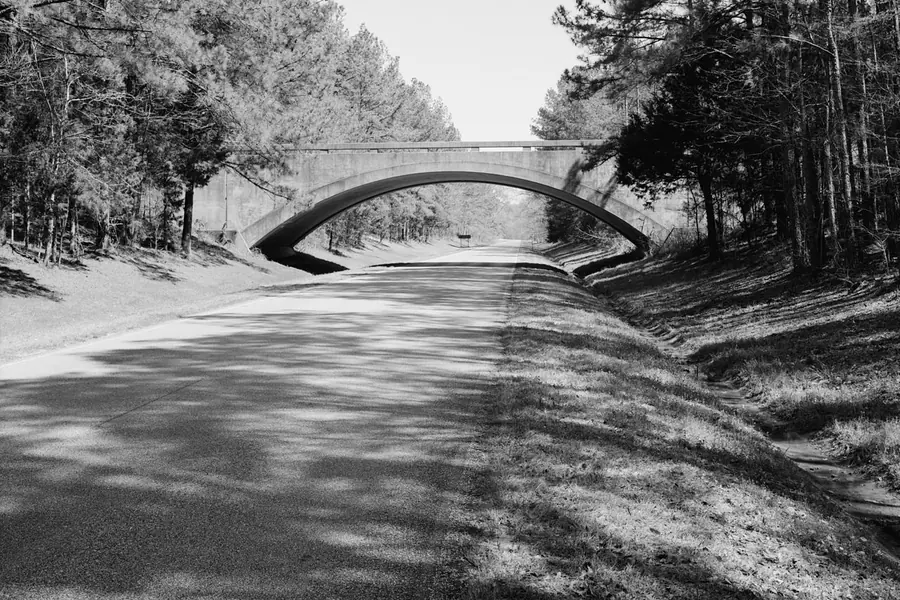
Four days earns you a morning drive on the Natchez Trace Parkway (the most beautiful road in Tennessee, possibly the South), a proper visit to Music Row, and enough time to find a show at the Ryman that isn't the Grand Ole Opry.
7 Days: Franklin, Distillery Trail, and the Songwriter Sessions
A full week means the Franklin day trip (the main street is the best small-town main street in Tennessee), the Tennessee whiskey distillery trail west of town, and enough nights out to catch a songwriter round at the Bluebird Cafe plus a headliner at the Ryman. The real Nashville music education.
Estimated budget:$380–$580 est. (1 hotel night, budget–mid)
Estimated budget:$560–$860 est. (2 hotel nights + shows)
Estimated budget:$740–$1,150 est. (Natchez Trace day + 3 nights)
Estimated budget:$1,400–$2,200 est. (full week, Franklin + distillery trail)
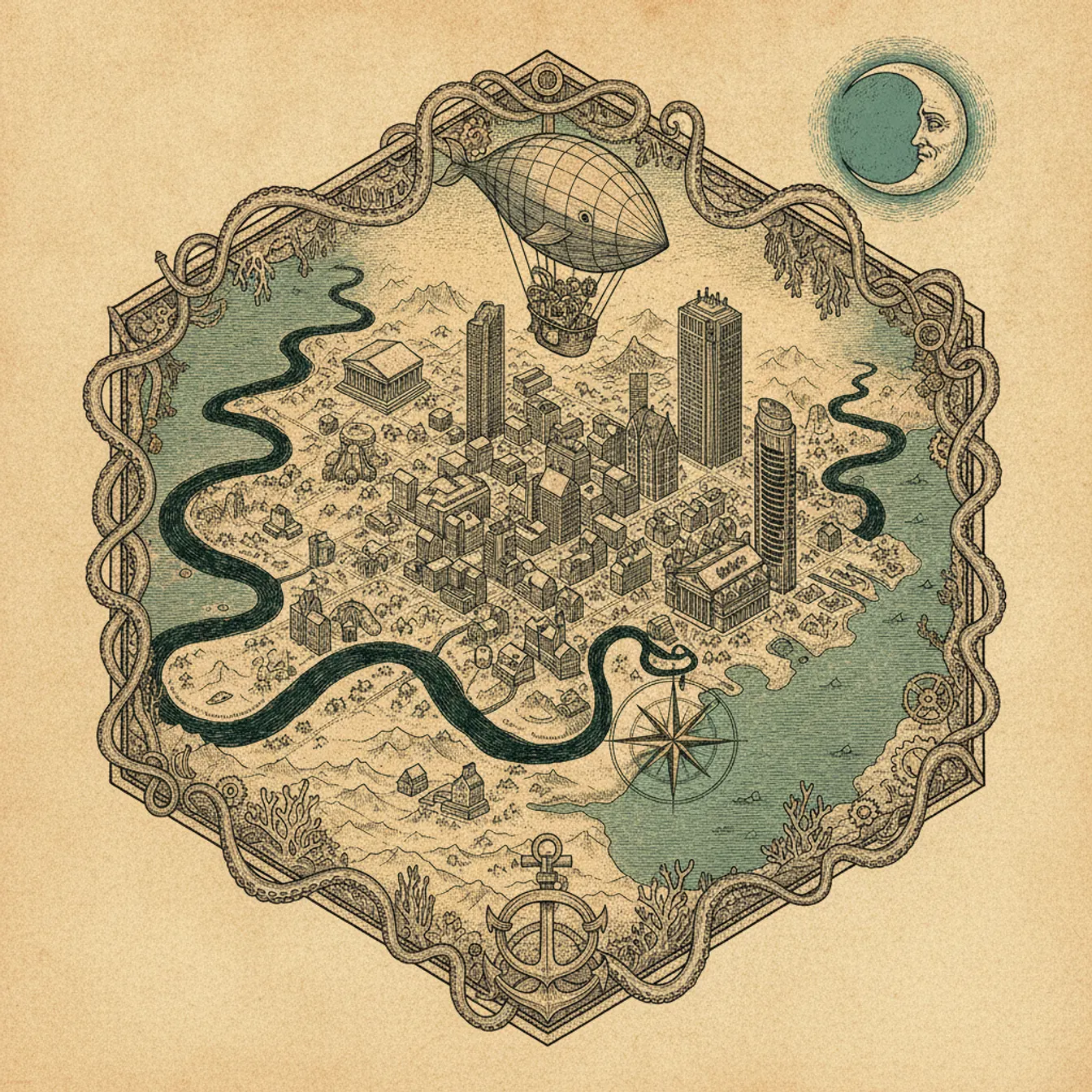
[ THE DISPATCH · FIELD MAP ]
A tilted, hand-drawn dispatch of Nashville. Click a quarter to explode it open.
0 / 6 quarters explored
Legend · tap to highlight
[ LOWER BROADWAY ]
Stays up later than you do.
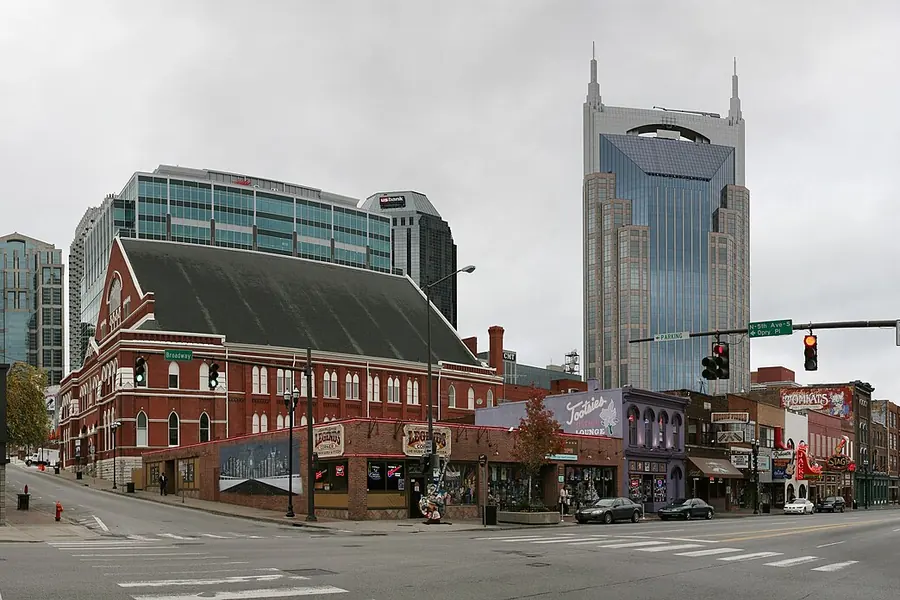
Robert's Western World (Lower Broadway)The honky-tonk that refused to gentrify, and is consequently the best one.
Prince's Hot Chicken Shack (original locatThe dish that Nashville invented, then the rest of the world discovered and got wrong.
[ MUSIC ROW ]
Old stones, older stories.
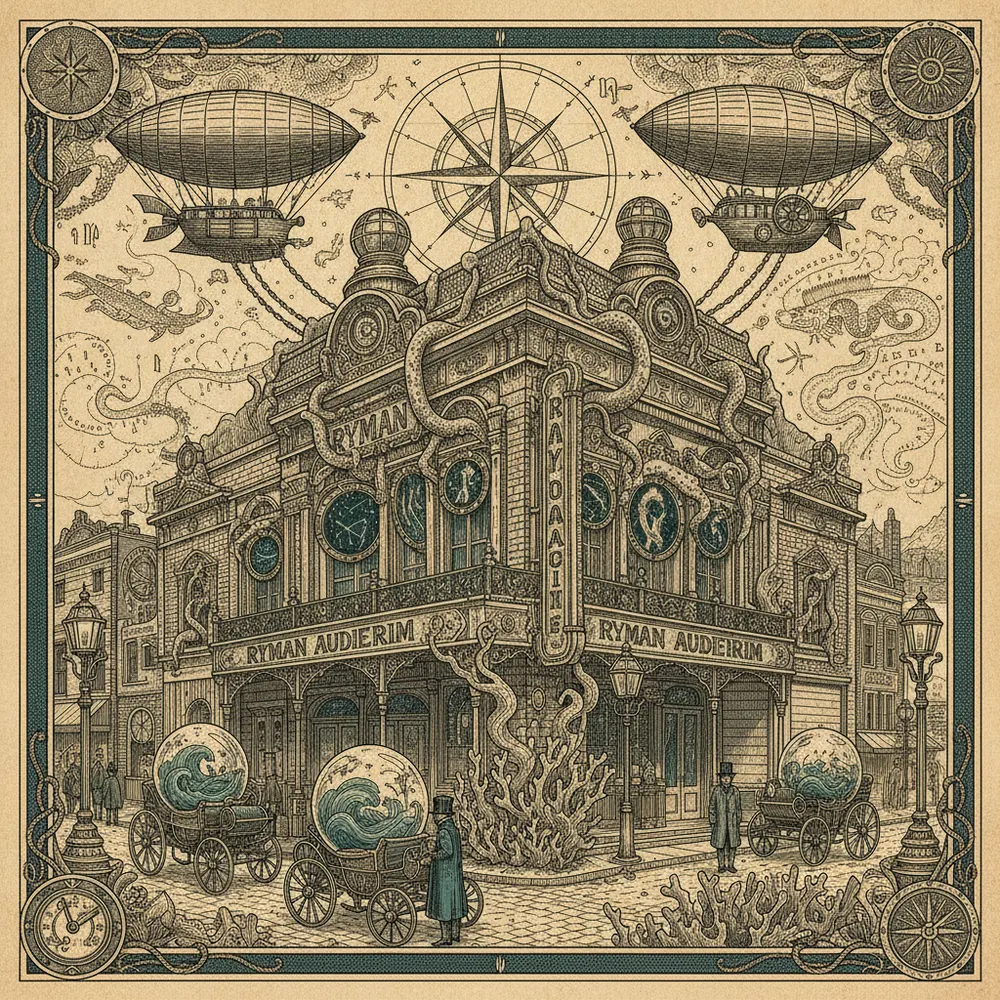
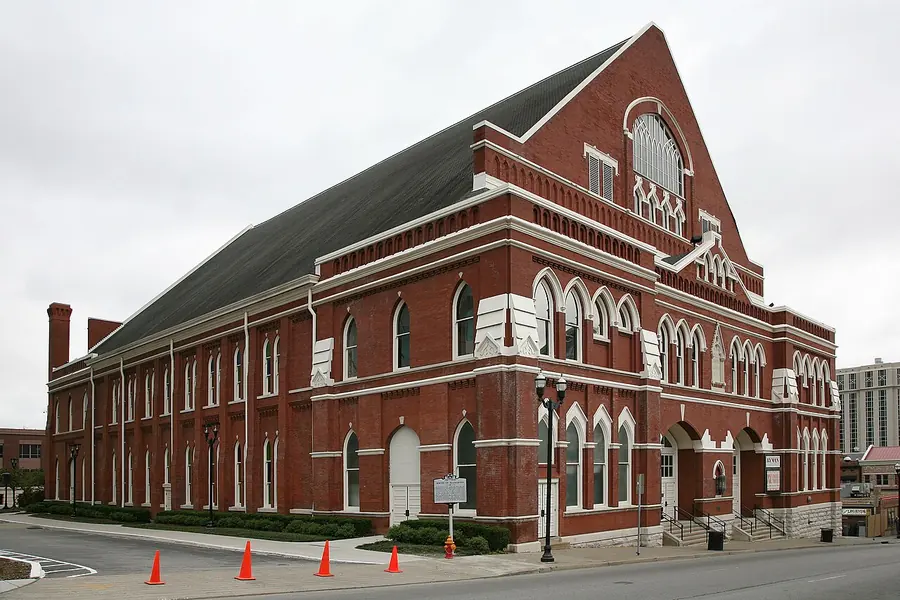
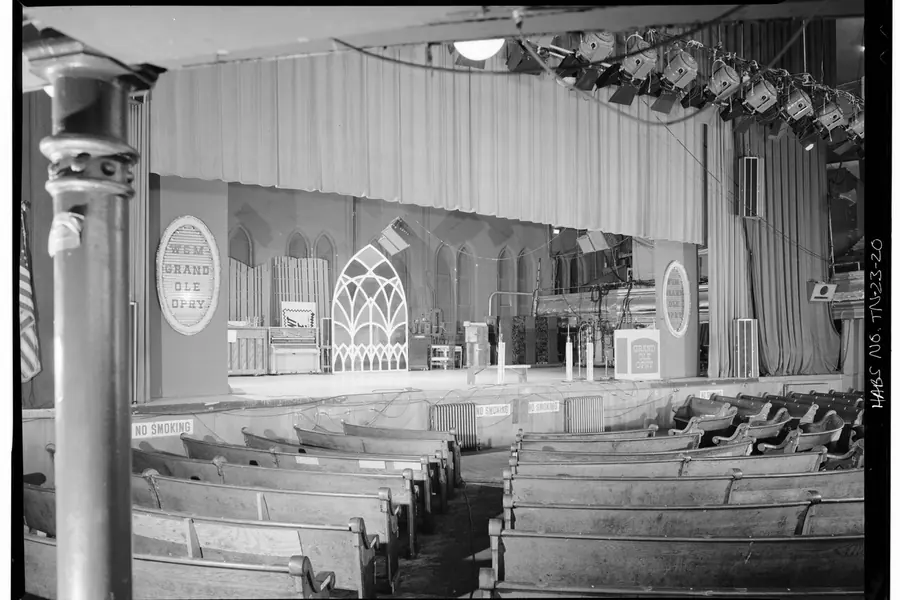
Ryman AuditoriumBuilt as a tabernacle in 1892. Became the home of the Grand Ole Opry. Still the best room for music in Tennessee.
Music Row — Demonbreun Street WalkThe street where the deals happen that you hear on the radio.
[ EAST NASHVILLE ]
Stays up later than you do.
Barista Parlor (East Nashville)The coffee shop that made Nashville take coffee seriously.
Five Points — neighbourhood wander + vintaThe intersection that East Nashville revolves around.
[ 12SOUTH ]
Green breathing room.
Natchez Trace Parkway (Nashville to Fairvi444 miles of uninterrupted American landscape. You only need the first 30.
12South Neighbourhood WalkThe street that became Instagram before Instagram existed.
[ GERMANTOWN ]
Old stones, older stories.
Nelson's Green Brier DistilleryThe whiskey family that disappeared for a century and came back to reclaim their recipe.
The Gulch — mural district walkThe neighbourhood that went from rail yard to Nashville's most photographed district.
[ THE GULCH ]
Grand squares and big ideas.
Franklin, TN — Main Street Historic DistriThe small-town main street that Tennessee gets right.
Belle Meade Historic Site + WineryA plantation house tour that actually reckons with its own history.
Day 1
Lower Broadway + Hot Chicken Initiation
Arrive, eat something that will change your palate, hear live music before noon
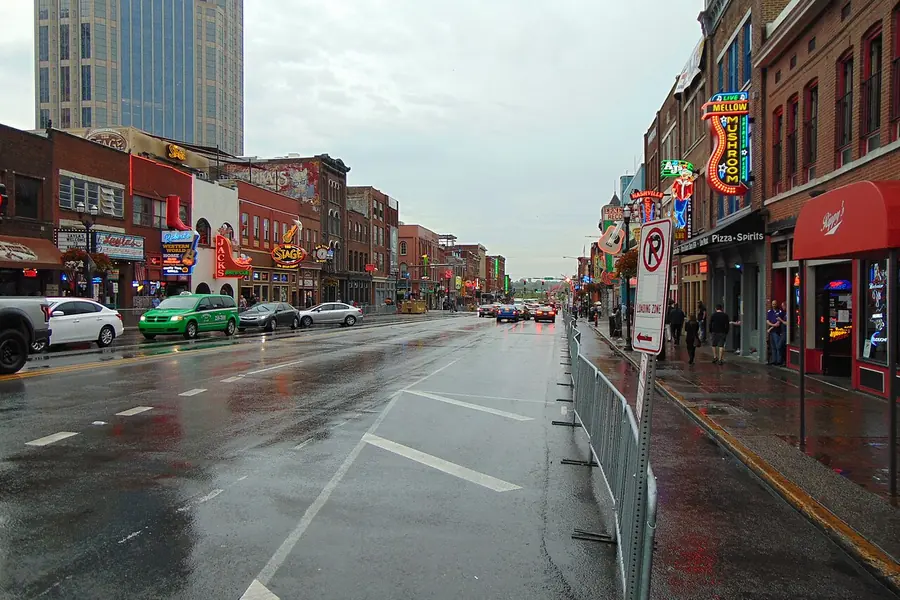
No easing in. Broadway first — find Robert's Western World or Tootsie's and listen to whoever's playing. Hot chicken for lunch. Country Music Hall of Fame in the afternoon. Back to Broadway for the evening with slightly better perspective on why it works.
The same plan but without urgency. Arrive midday, wander the honky-tonks in order from north to south, eat hot chicken at your pace, and be back on Broadway after dark when the bands rotate and the energy shifts.
Robert's Western World (Lower Broadway)
The honky-tonk that refused to gentrify, and is consequently the best one.
Robert's has been on Broadway since 1999 and sells both live music and cowboy boots. The band plays from 11 AM to 3 AM with minimal breaks. The bologna sandwich (The Recession Special) is $6 and correct. The Pabst Blue Ribbon is cold. The fiddle player has been here since before you were a country music fan.
The dish that Nashville invented, then the rest of the world discovered and got wrong.
Hot chicken is Nashville's singular culinary invention: a fried chicken breast coated in a cayenne paste that ranges from mild to Extra Hot (order Medium unless you are prepared for consequences). Prince's is the original, operating since the 1940s. The location on Ewing Drive is the correct one. Bring napkins. Bring more napkins.
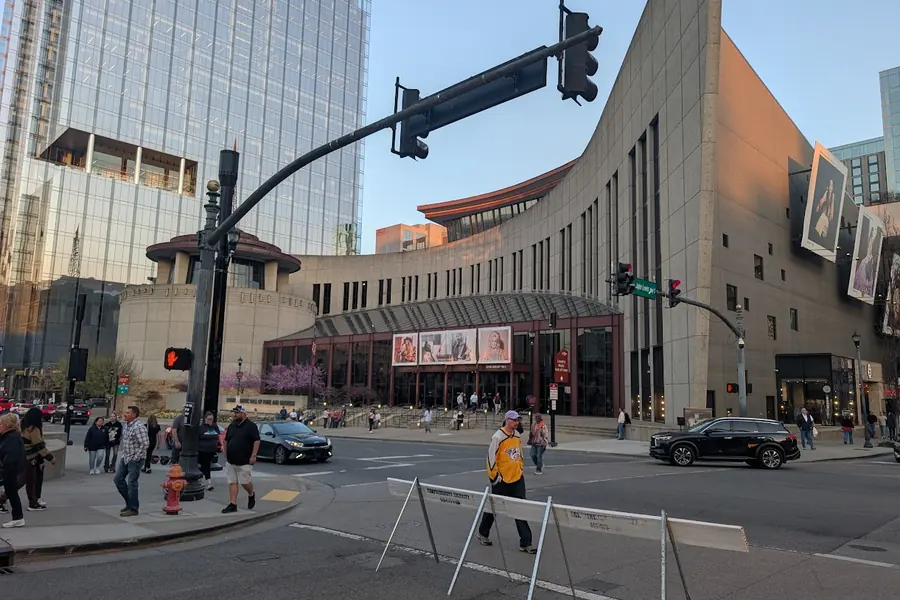
Three floors of American music history that works even if you think you hate country.
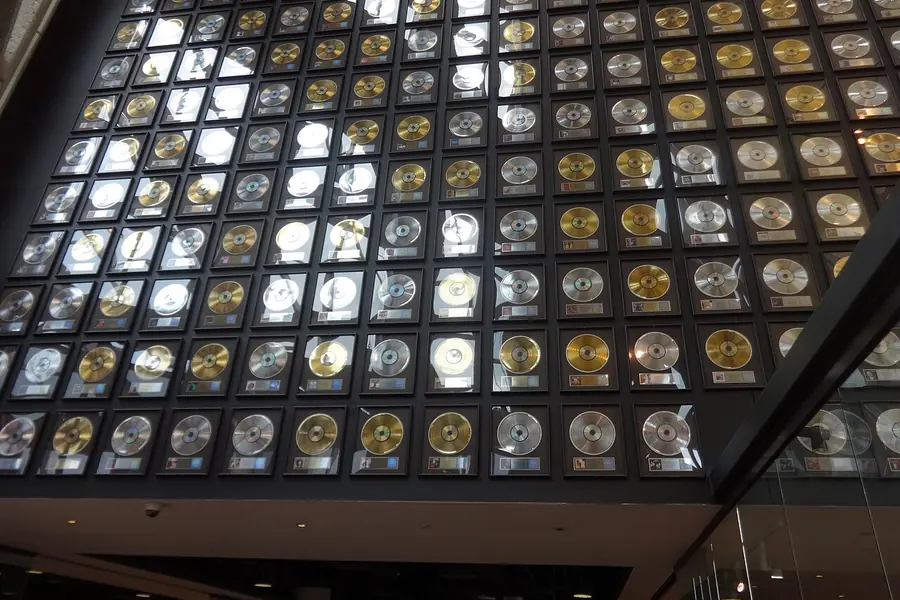
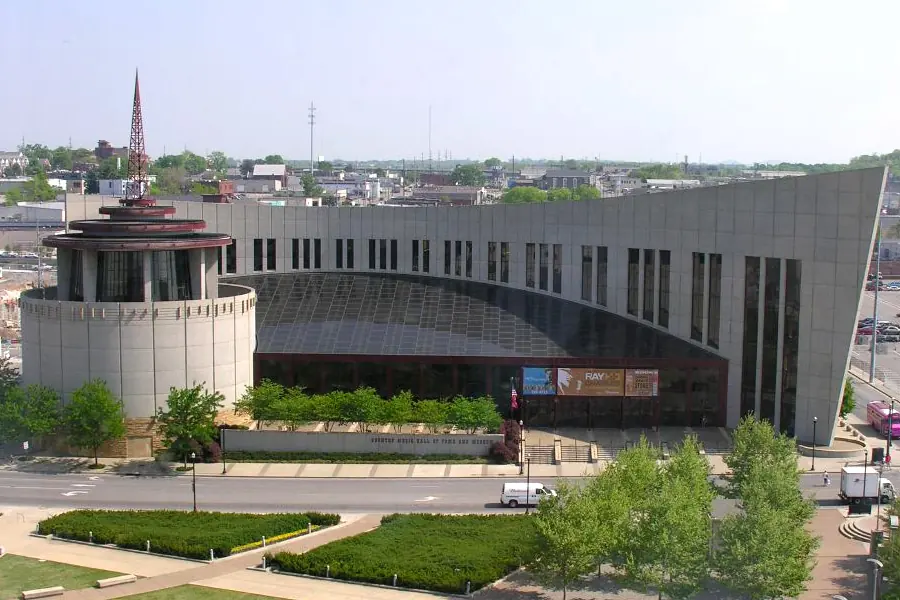
The Country Music Hall of Fame is one of the best music museums in America — not just for country fans, but for anyone interested in how a regional folk tradition became a global industry. Elvis's gold Cadillac is here. So is Hank Williams' suit. The guitar collection alone justifies the entry fee.
The same street, six hours later, at a completely different volume.
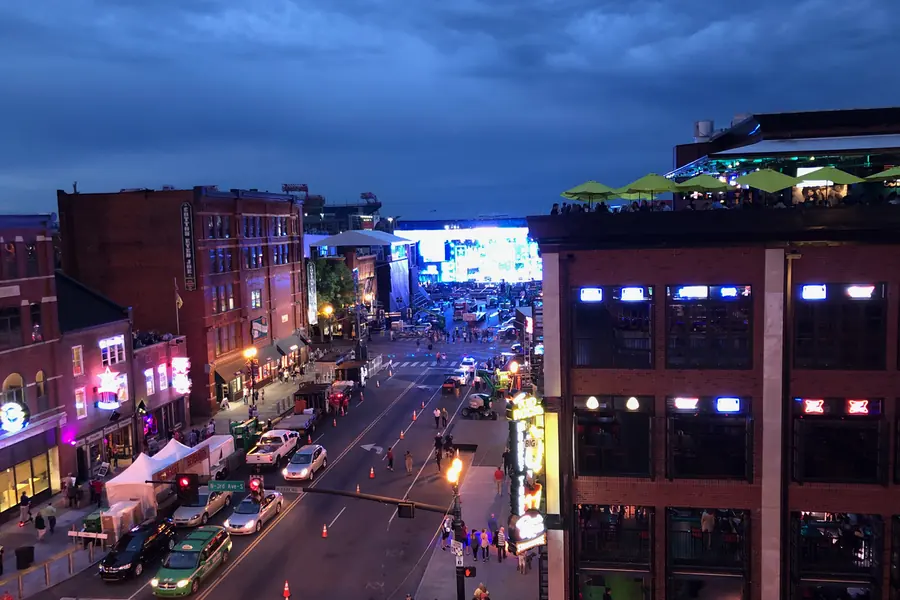
Broadway at night is a different organism. The bands are tighter (the 9 PM sets get the serious players), the crowd is denser, and the rooftop bars have views of the Cumberland River that justify the $15 beer. Do the circuit: Robert's, then Tootsie's, then Acme Feed & Seed for the rooftop view, then back to street level.
The mother church of country music and the neighbourhood that predates it
Final day. Ryman first — the self-guided tour takes 90 minutes and the acoustics are visible in the shape of the room. Music Row walk after lunch. Germantown for dinner — it's the oldest neighbourhood in Nashville and has the best restaurants outside of East Nashville.
Same plan but slower. You have time to do the RCA Studio B tour (where Elvis, Dolly, and Willie Nelson all recorded) as an add-on to the CMHOF combo ticket.
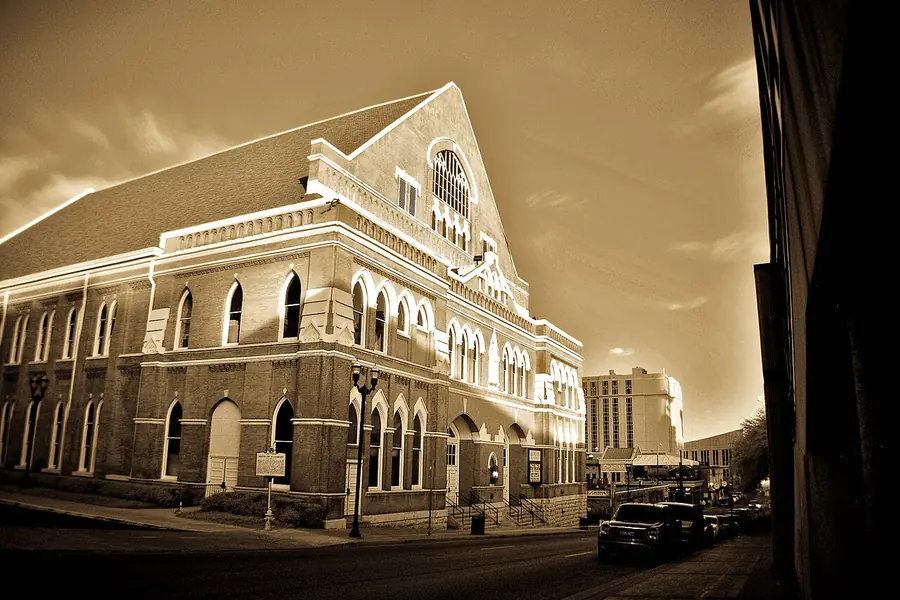
Ryman Auditorium
Built as a tabernacle in 1892. Became the home of the Grand Ole Opry. Still the best room for music in Tennessee.
The Ryman's self-guided daytime tour lets you stand on the stage that Hank Williams, Patsy Cline, and Johnny Cash all stood on. The church pew seating is still original. The acoustics are extraordinary. Book a show here if you can — any show, any genre. The room makes everything sound better.
The street where the deals happen that you hear on the radio.
Music Row is two streets (16th and 17th Avenue South) of recording studios, publishing houses, and management offices that produced more Top 40 hits per block than anywhere else in America. The architecture is undistinguished. The history is extraordinary. The murals are worth photographing. RCA Studio B is at the end — worth the CMHOF combo ticket to get inside.
Germantown — lunch at Germantown Café or Butcher & Bee
The oldest neighbourhood in Nashville still has the best lunch.
Germantown was settled by German immigrants in the 1840s and is now Nashville's most architecturally intact historic district. The restaurants are outstanding — Butcher & Bee for market-driven sandwiches and salads, Germantown Café for a proper sit-down Southern lunch. Either way, eat in the courtyard if the weather permits.
Bluebird Cafe — songwriter round
Four songwriters in a circle, playing the songs before anyone else knew them.
The Bluebird is a 90-seat listening room in a strip mall in Green Hills — the most improbable important music venue in America. The songwriter rounds (usually four writers taking turns) are where you hear the song behind the song, the story before the hit. Taylor Swift was discovered here. Book weeks ahead.
Cross the Cumberland River and stay there all day. East Nashville's Five Points is the anti-Broadway: independent coffee, neighbourhood bars, vintage shops, and restaurants where the chef is usually from somewhere interesting. This is where the city actually lives.
Slow morning in East Nashville — coffee at Barista Parlor, walk the Shelby Bottoms Greenway along the river, afternoon in Five Points. This is the day you stop being a tourist.
Barista Parlor (East Nashville)
The coffee shop that made Nashville take coffee seriously.
Barista Parlor opened in 2011 in an old auto garage in East Nashville and accidentally created the city's third-wave coffee culture. The industrial space is beautiful, the espresso is excellent, and the breakfast sandwiches are the correct way to start a day in this neighbourhood. There are multiple locations now; the East Nashville original is still the best.
Five Points — neighbourhood wander + vintage shops
The intersection that East Nashville revolves around.
Five Points is the confluence of five streets in East Nashville and has the city's best concentration of independent shops. Fond Object Records for vinyl, Two Old Hippies for guitars and boots, Fanny's House of Music for women-focused guitar gear. Walk a block in any direction and find something worth stopping for.
The neighbourhood restaurant that won a James Beard nomination without trying to.
Lockeland Table is exactly what a neighbourhood restaurant should be: locally sourced, seasonally rotating, unpretentious, and excellent. The menu changes; the biscuits do not. Reserve ahead — it is consistently the hardest table to get in East Nashville.
Day 4
Natchez Trace Parkway + 12South
The most beautiful drive in Tennessee, then the most photogenic street in Nashville
Early start — drive the Natchez Trace Parkway south from Nashville. The first 30 miles take you through hardwood forest with zero commercial traffic (the Trace is a National Parkway — no trucks, no billboards). Back by early afternoon for 12South.
Same Trace drive but extend it to the Leipers Fork exit for lunch at Puckett's Grocery — a working grocery store that serves country cooking and hosts live music on weekends. Back to 12South by mid-afternoon.
Natchez Trace Parkway (Nashville to Fairview section)
444 miles of uninterrupted American landscape. You only need the first 30.
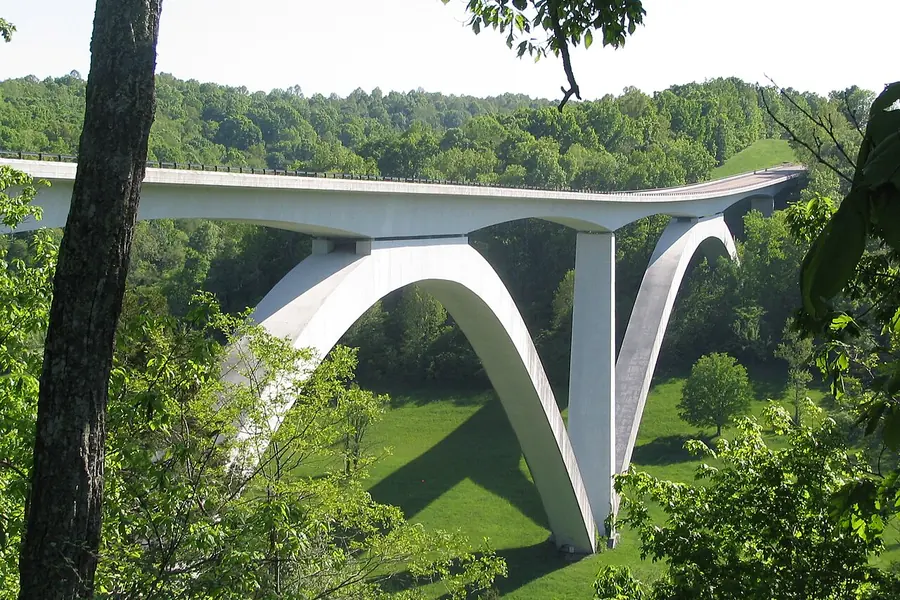
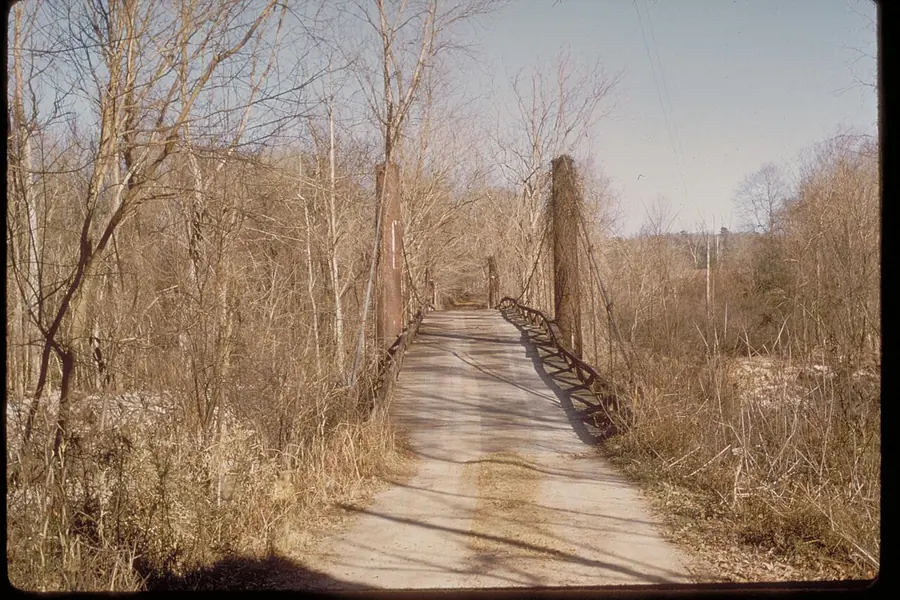
The Natchez Trace Parkway follows a 10,000-year-old path used by Indigenous peoples, then traders, then Andrew Jackson's army. No commercial vehicles allowed, no billboards, no strip malls. Just hardwood forest, limestone overlooks, and the occasional marker explaining something that happened here in 1815. Drive the first 30 miles south of Nashville and turn around at the Double Arch Bridge viewpoint.
The street that became Instagram before Instagram existed.
12th Avenue South is a six-block stretch of coffee shops, boutiques, and restaurants that happens to have the most photographed mural in Nashville (the 'I Believe in Nashville' sign, Draper James storefront). Frothy Monkey for coffee, Bartaco for late lunch, Sevier Park for an hour of city park normality. It is aggressively charming and it knows it.
12South dinner — Josephine or City House
Two of Nashville's best restaurants are within two blocks of each other.
Josephine is the neighbourhood bistro that makes everything from scratch including the pasta; City House (technically nearby in Germantown) launched the Nashville-meets-Italy genre. Either way, book ahead and order the roast chicken at Josephine or the belly ham pizza at City House.
Day 5
Tennessee Whiskey Trail + The Gulch
American spirits, American murals, and a neighbourhood that rebuilt itself
Morning on the Tennessee Whiskey Trail west of Nashville — specifically Nelson's Green Brier Distillery (the best story in Tennessee spirits) and Corsair (the most inventive). Afternoon in The Gulch for murals and shopping. Evening back on Broadway with 7-day perspective.
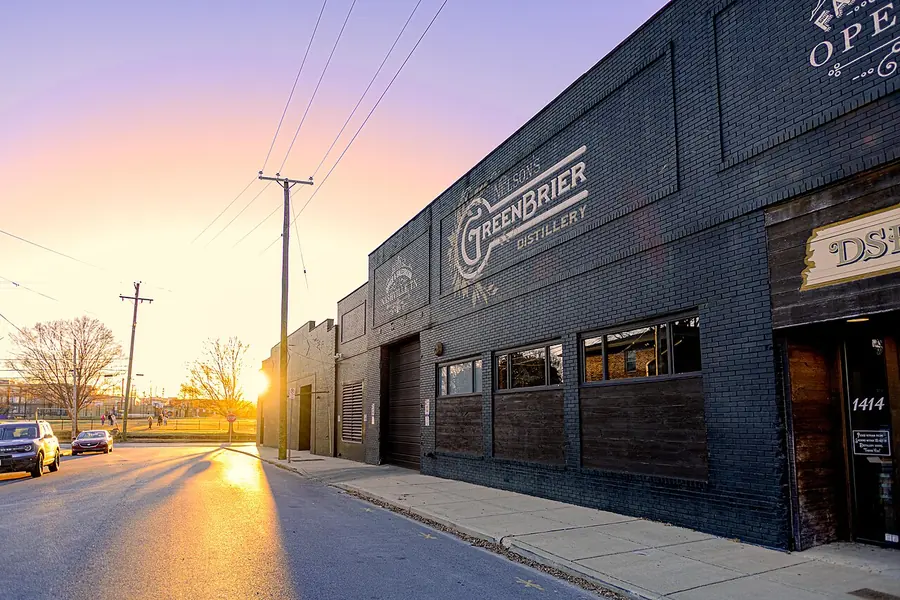
Nelson's Green Brier Distillery
The whiskey family that disappeared for a century and came back to reclaim their recipe.
Nelson's Green Brier was a major Tennessee whiskey producer before Prohibition shut it down. Two brothers in their 20s spent years researching the original recipes and relaunched in 2014. The tour explains how Tennessee whiskey differs from bourbon (the Lincoln County Process — charcoal filtering before barreling). The tasting room is excellent. Buy the Belle Meade Bourbon.
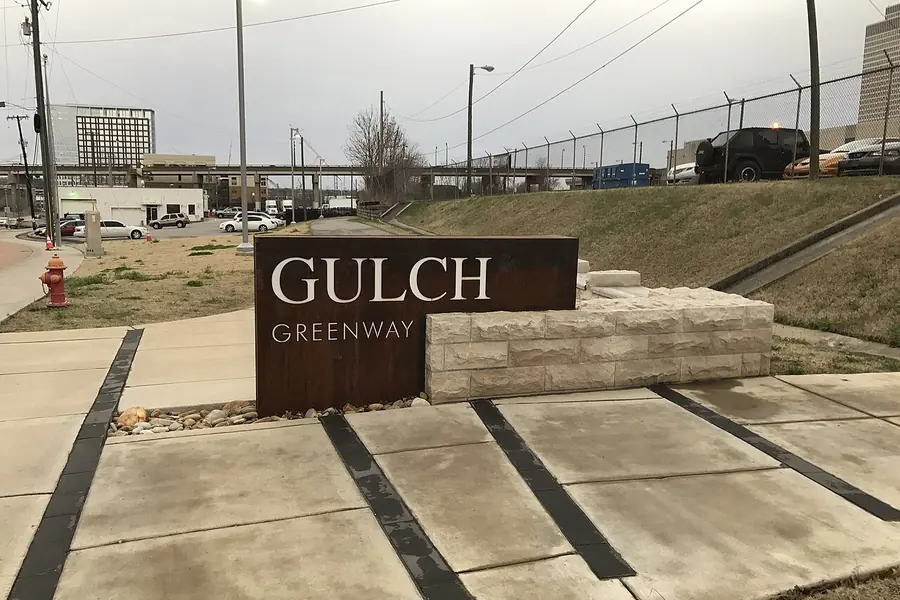
The neighbourhood that went from rail yard to Nashville's most photographed district.
The Gulch was a derelict rail yard until the early 2000s. Now it's a LEED-certified neighbourhood with the city's highest concentration of public art murals. The 'Wings' mural by Kelsey Montague is the one everyone photographs. The Gulch Market has decent food stalls on weekends.
After a week, Broadway feels different. You can distinguish the bands, you know which venues have the best sound, and you've probably developed an opinion about the hot chicken heat scale. Go back to Robert's for one final set. Order the thing you know is good.
Tennessee's best small-town main street and the plantation that became a winery
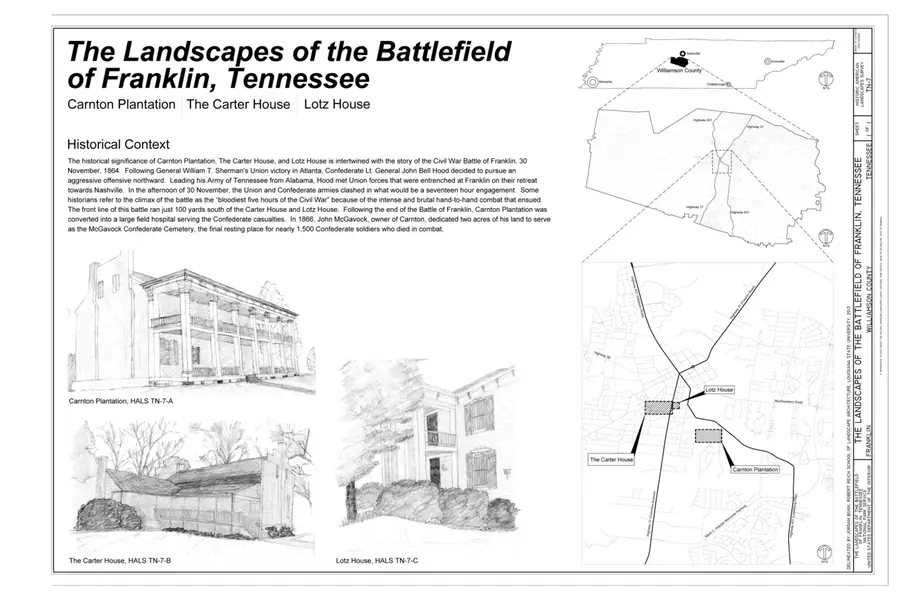
Franklin is 21 miles south of Nashville and has the best-preserved Civil War downtown in Tennessee. The main street is historic, the restaurants are excellent, and the Carter House (site of the 1864 Battle of Franklin) is the most honest Civil War site in the South about what the war was actually about. Belle Meade Historic Site on the way back is a former plantation turned winery with a tour that does not look away from that history.
Franklin, TN — Main Street Historic District
The small-town main street that Tennessee gets right.
Franklin's downtown square is the reference point for what a Tennessee small town should look like: preserved brick storefronts, independent restaurants, a used bookshop, and the Carter House museum at the south end. The Battle of Franklin (November 1864) was one of the bloodiest five hours of the Civil War; the Carter House has bullet holes in the walls and a tour that doesn't flinch.
A plantation house tour that actually reckons with its own history.
Belle Meade is an 1853 Greek Revival mansion that operated as a thoroughbred stud farm and was worked by enslaved people. The tour includes their stories — not as footnotes. The winery on the grounds produces Tennessee wines (try the Chardonnay) and the tasting room is a civilised way to end an afternoon of difficult history.
Whatever is playing, go. The room makes it better.
Any show at the Ryman is worth attending. The acoustic design of the converted tabernacle makes every performance — country, rock, comedy, spoken word — sound extraordinary. Check the calendar when you book your trip and get tickets as far ahead as possible.
Last morning. Sylvan Park for coffee and the Nashville that doesn't appear in travel guides. Final hot chicken before the airport — this time you can handle Medium Plus. Hattie B's for contrast with Prince's. Leave understanding why people move here.
Sylvan Park — McCabe Golf Course Park Walk
Where Nashville jogs, walks dogs, and has no interest in being photographed.
Sylvan Park is a bungalow neighbourhood west of the Gulch that most visitors never find. The McCabe park area has good coffee (McCabe Pub does a fine brunch), a par-3 golf course, and the unhurried atmosphere of a neighbourhood that has been quietly nice for decades without trying to become Instagrammable.
Prince's is the original. Hattie B's is the one with the ordering system that tests your nerve.
Hattie B's heat scale goes: Mild → Medium → Hot → Damn Hot → Shut the Cluck Up. On Day 7 you order Hot. You know this. The sides (pimento mac and cheese, black-eyed pea salad, banana pudding) are non-negotiable. The queue moves fast.
Final Broadway walk — daytime version
One more pass, this time as someone who knows what they're looking at.
Walk Broadway from end to end one more time, this time in daylight. You can see the wood panels, the neon signs unlit, the bands setting up for their noon sets. It looks less spectacular and more real. That is the right way to leave Nashville.
Nashville will not sneak up on you. It announces itself with neon on Broadway before you’ve fully left the airport shuttle, and the first bar you walk into will have a band playing something that makes you wonder why you ever listened to music on headphones.
This is a city built around live performance — not as a tourist attraction, but as an actual industry. The 200 songwriters who play the Bluebird Cafe’s songwriter rounds on weeknights wrote the songs you heard on the radio. The studios on Music Row still record them. The honky-tonks on Broadway exist because the session musicians needed somewhere to play between sessions.
The 2-day version of this itinerary is Broadway, hot chicken, and the Hall of Fame — the greatest hits. The 7-day version is where you find the Nashville that exists around the country music industry: East Nashville’s independent scene, Germantown’s historic neighbourhood restaurants, and the Natchez Trace’s extraordinary emptiness just 20 miles from downtown.
Use the duration filter above to see what your trip length gets you.
Trip length
Key stops
Must-eat
Live music
2 days
Broadway, CMHOF, Ryman tour
Prince’s hot chicken
Robert’s Western World
3 days
+ East Nashville, Five Points
Lockeland Table
Bluebird Cafe songwriter round
4 days
+ Natchez Trace, 12South
City House or Josephine
Ryman show
7 days
All above + Franklin, whiskey trail
Hattie B’s final chicken
Ryman headliner + Bluebird
This article contains affiliate links marked with rel="sponsored". We may earn a commission at no extra cost to you.