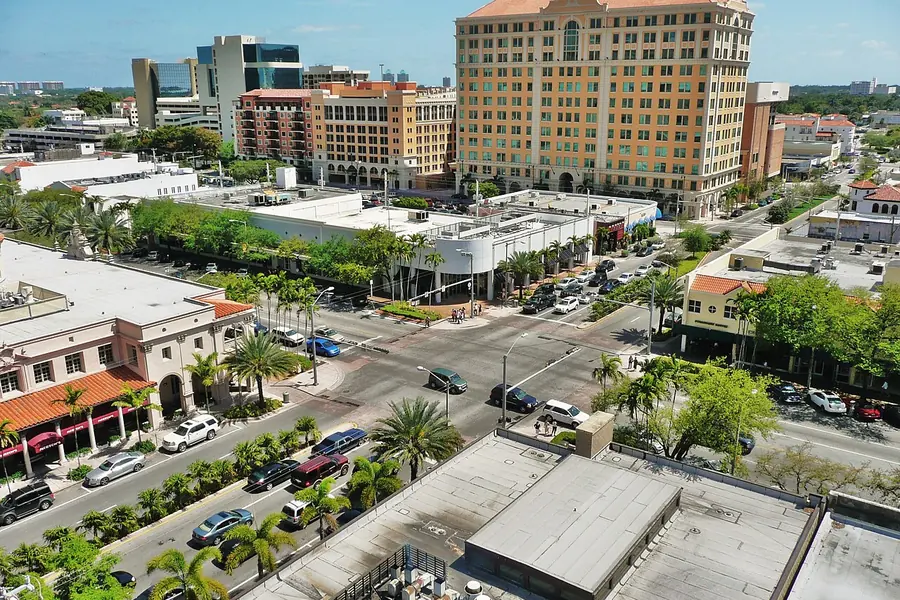
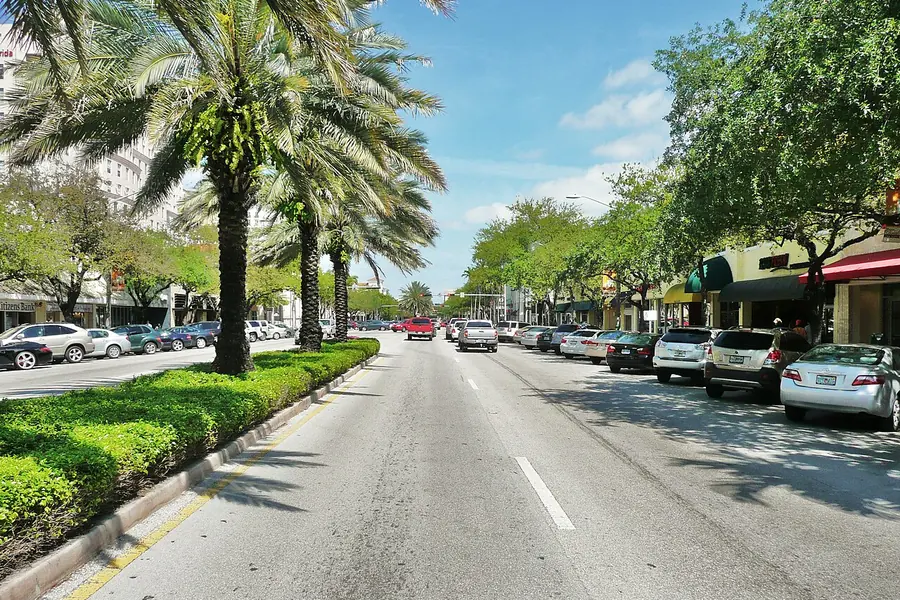
I showed up to a rooftop bar in Wynwood wearing flip-flops — in Miami, where the dress code changes every three blocks and nobody warned me. The host looked at my feet, then at my tote bag from a gallery opening down the street, and upgraded me to a private cabana with a view of the skyline. That is Miami in one sentence: chaos, warmth, and improbable upgrades if you just show up.
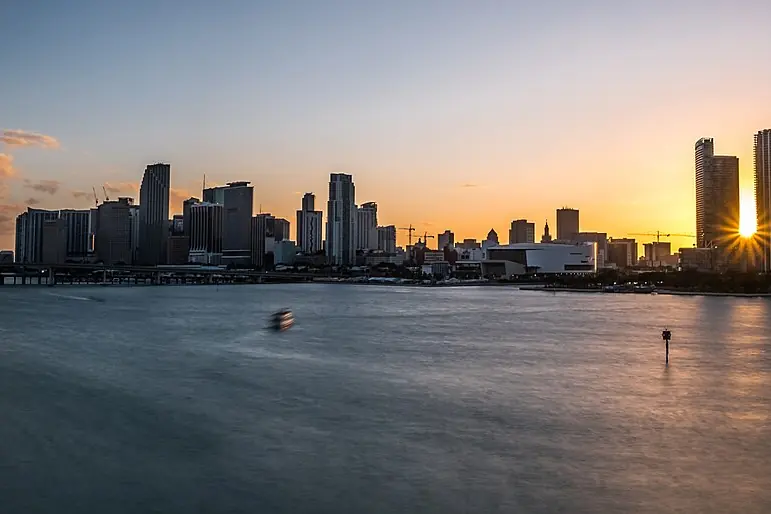
Two days in Miami means South Beach in the morning and Wynwood by night, with very little time to get lost in between. We sequence ruthlessly: Art Deco walk before the heat peaks, lunch in the Design District, and a rooftop cocktail watching the bay go gold. You will leave wanting more.
Book your rooftop bar in advance — the good ones fill up by Thursday.
72 Hours: The Real City Appears
Three days cracks Miami open. Day 3 takes you to Little Havana and Brickell — the Miami that belongs to people who actually live here. You will have eaten well, sweated appropriately, and spent at least one hour on a beach doing absolutely nothing.
4 Days: Island Time
Four days adds Key Biscayne and the Vizcaya Museum — two of Miami's best-kept secrets that most visitors fly home without seeing. You get the beach, the city, the art, the history, and one long lunch that runs into dinner.
7 Days: Become a Local for a Week
A week in Miami means you finally stop rushing. You find a favourite café counter on Lincoln Road by Day 4. By Day 6 you are giving directions to tourists. You also discover Coconut Grove exists, which is worth the whole trip.
Estimated budget:$450–$700 est. (1 hotel night, South Beach + Wynwood)
Estimated budget:$650–$1,000 est. (2 hotel nights + Little Havana day)
Estimated budget:$850–$1,300 est. (3 nights + Key Biscayne + Vizcaya)
Estimated budget:$1,600–$2,600 est. (full week, mid-range South Beach hotel)
[ THE DISPATCH · FIELD MAP ]
A tilted, hand-drawn dispatch of Miami. Click a quarter to explode it open.
0 / 6 quarters explored
Legend · tap to highlight
[ SOUTH BEACH ]
Where the city meets the water.
News Cafe (or Versailles Bakery, South BeaThe Art Deco breakfast that has been here since the Madonna era.
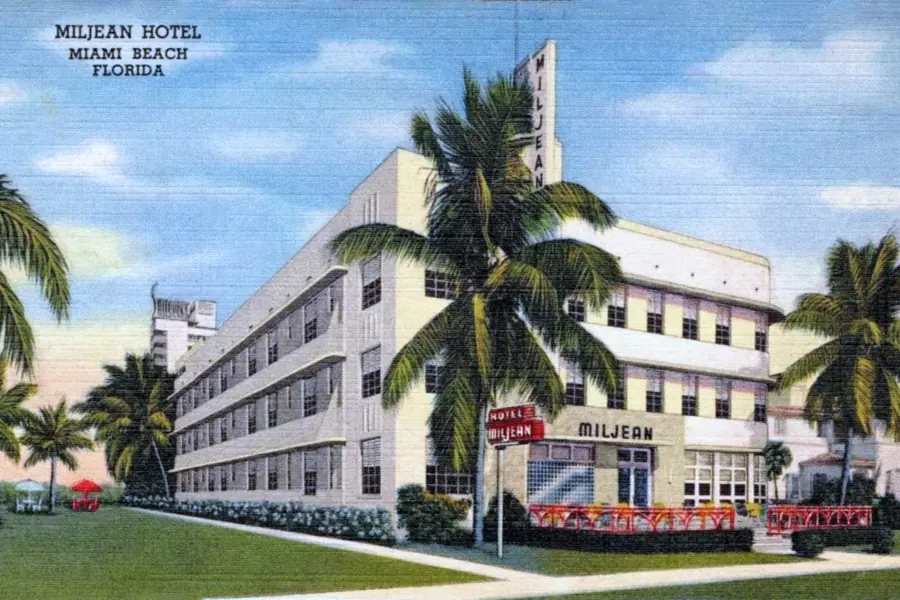
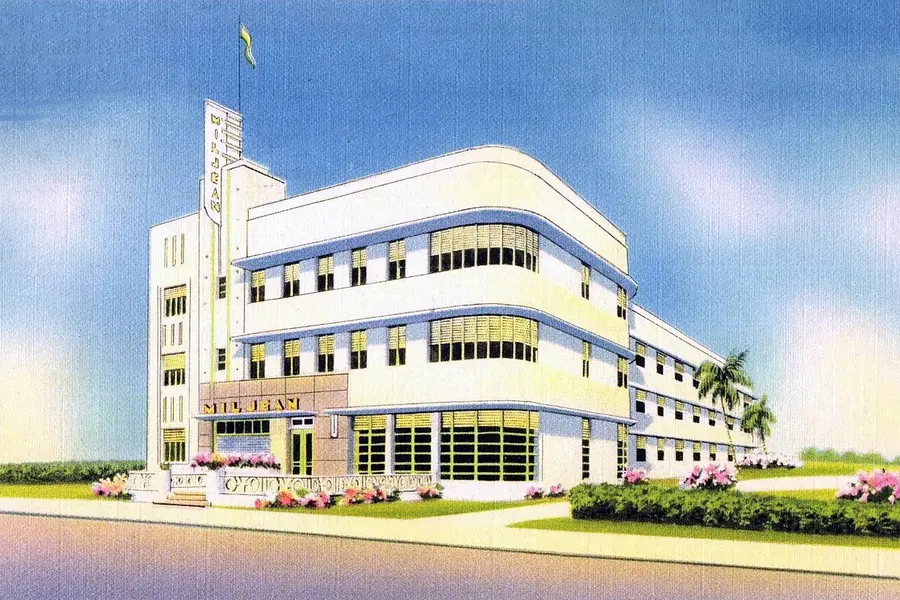
Art Deco Historic District Walk (Ocean DriThe world's largest concentration of Art Deco architecture, and it's all painted flamingo pink.
[ WYNWOOD ]
Stays up later than you do.
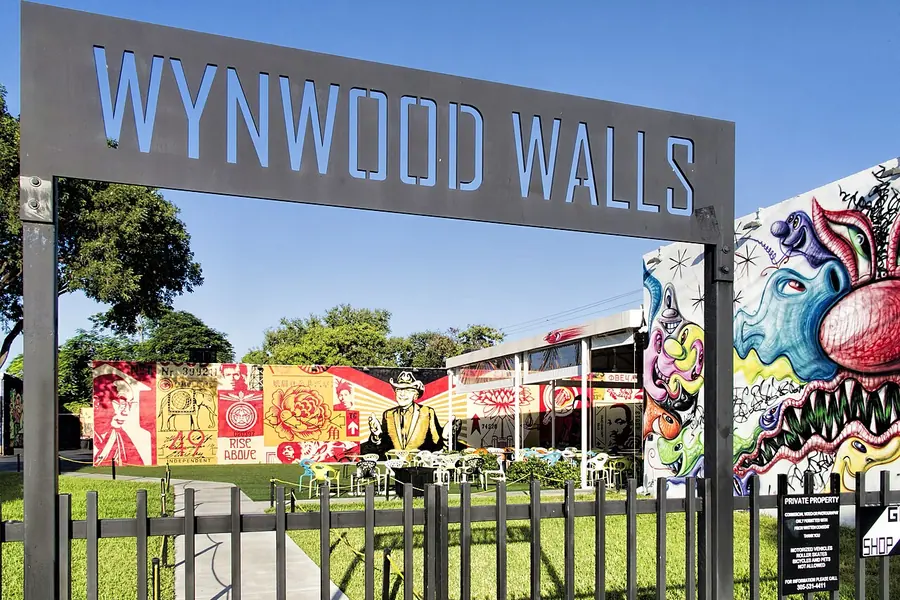
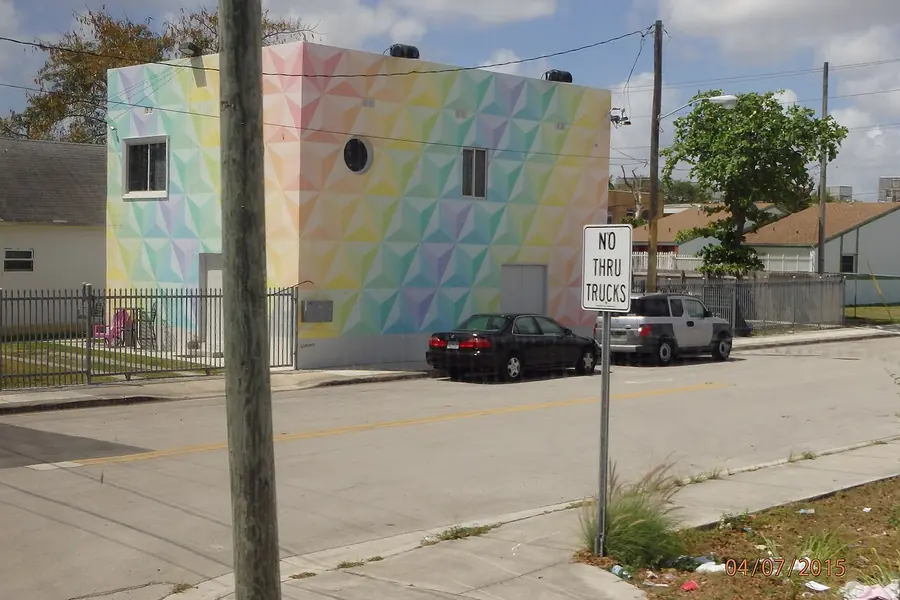
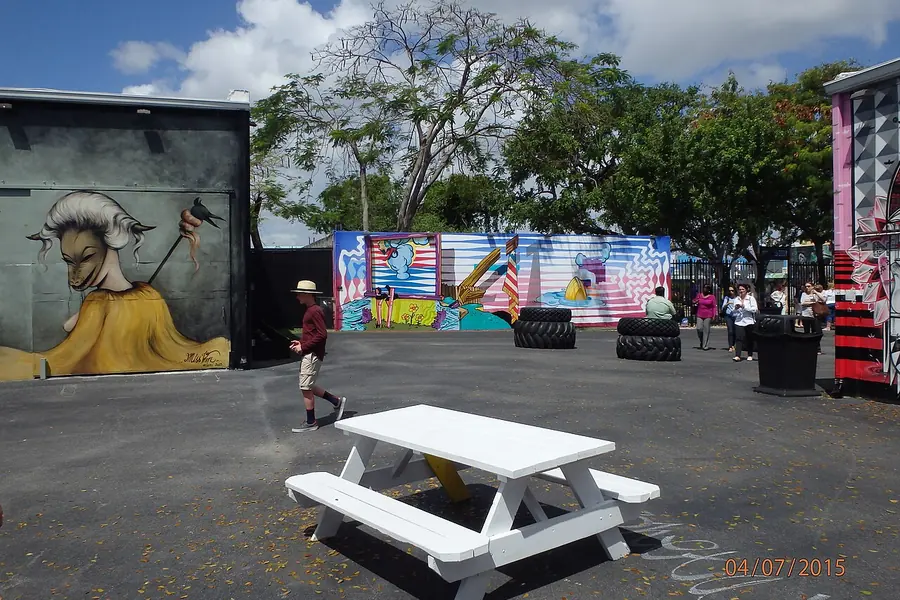
Wynwood WallsThe outdoor museum that accidentally created Miami's most visited neighbourhood.
Design District — Mandolin Aegean Bistro oThe only neighbourhood in Miami where the architecture competes with the food.
[ BRICKELL ]
Grand squares and big ideas.
Calle Ocho (SW 8th Street) — morning walkA street that has been performing Cuban identity since 1959 and is entirely sincere about it.
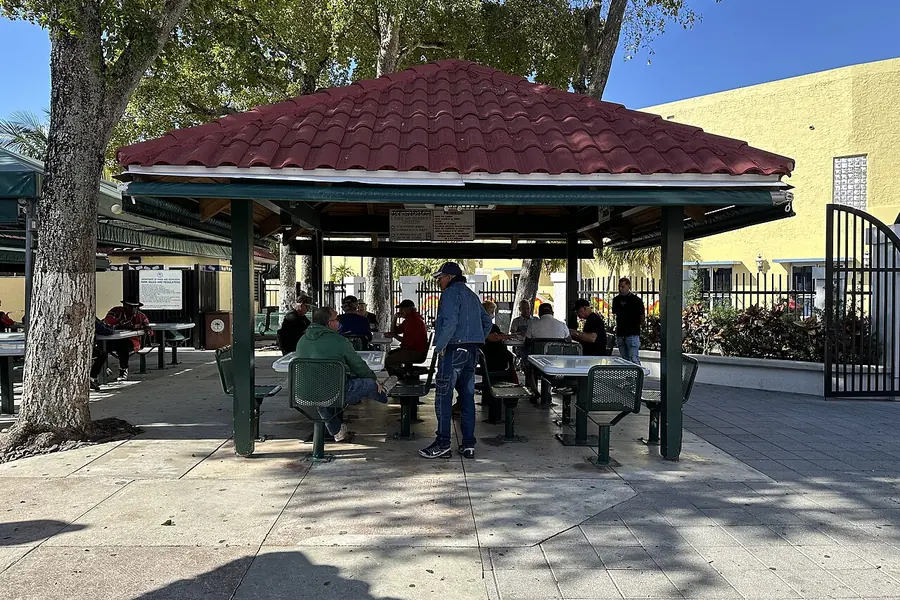
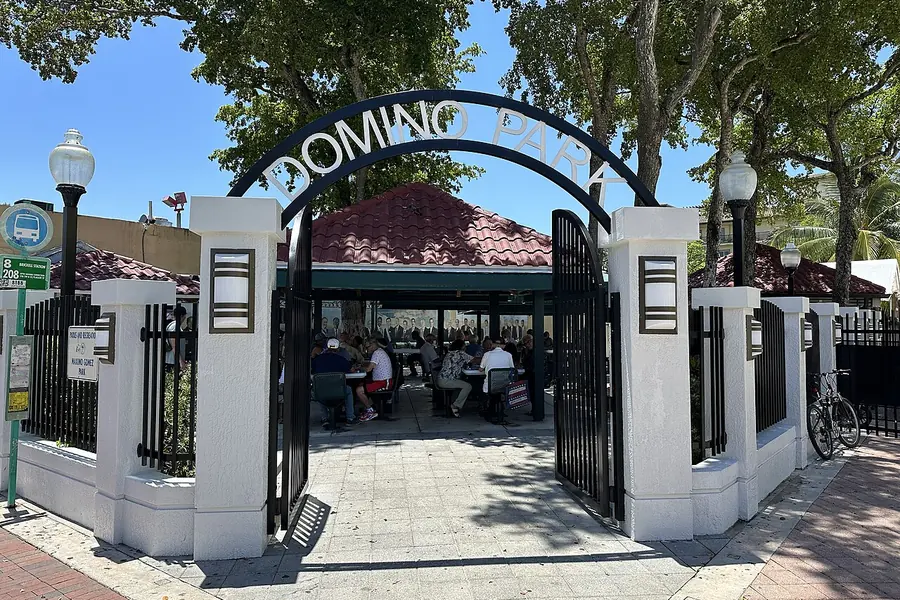
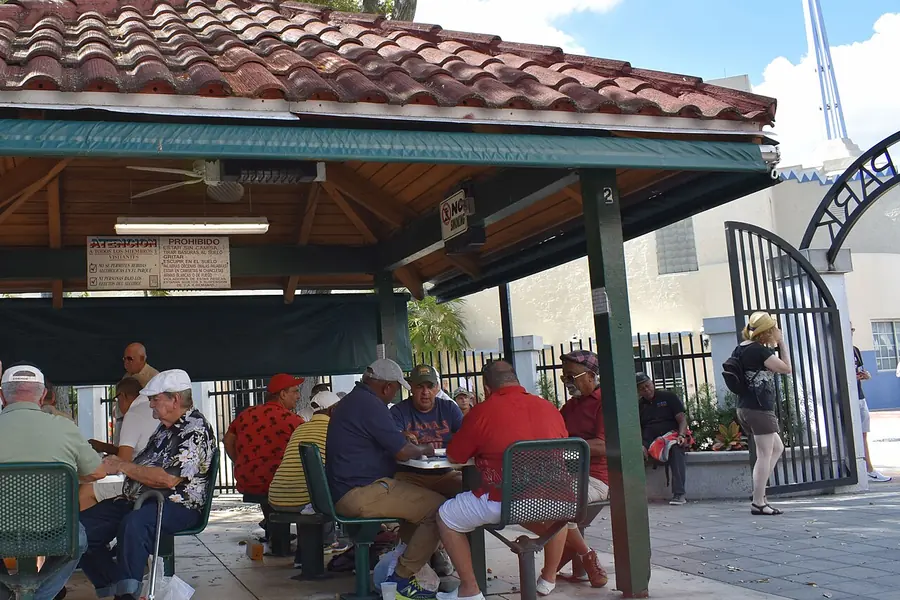
Domino Park (Maximo Gomez Park)The most contested 24 tables in Florida — spectating is fully permitted.
[ KEY BISCAYNE ]
Boats, bridges and reflections.
Rickenbacker Causeway — drive or cycle to The commute with the best skyline view in Florida.
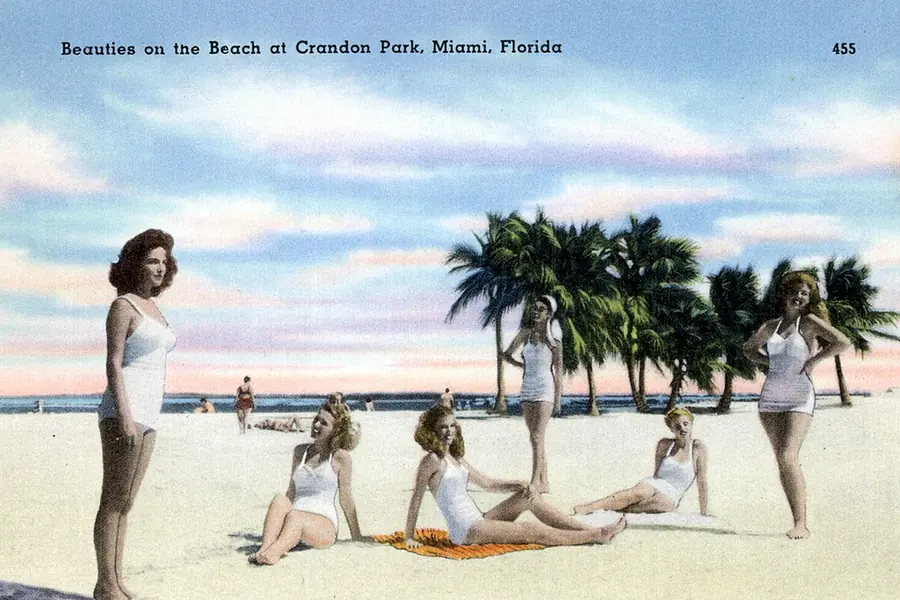
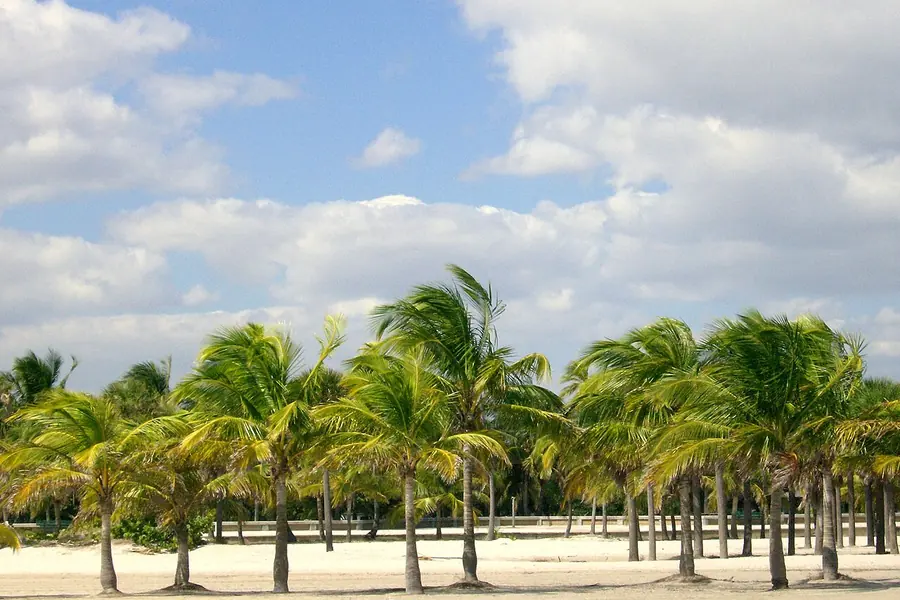
Crandon Park BeachThree miles of Atlantic shore with the density of an early Tuesday morning.
[ LINCOLN ROAD ]
Old stones, older stories.
Lincoln Road Mall (morning coffee circuit)A pedestrian mall that somehow became the city's most democratic social space.
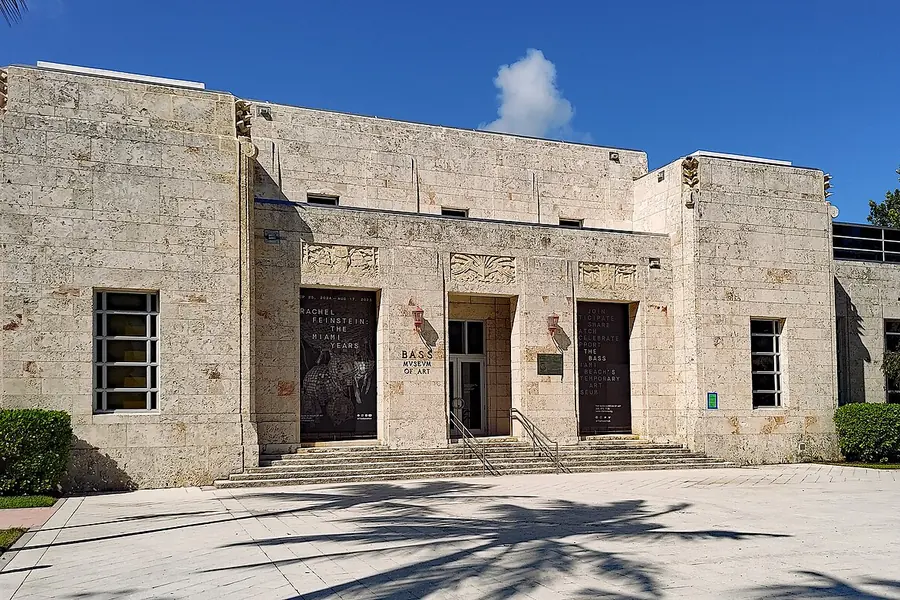
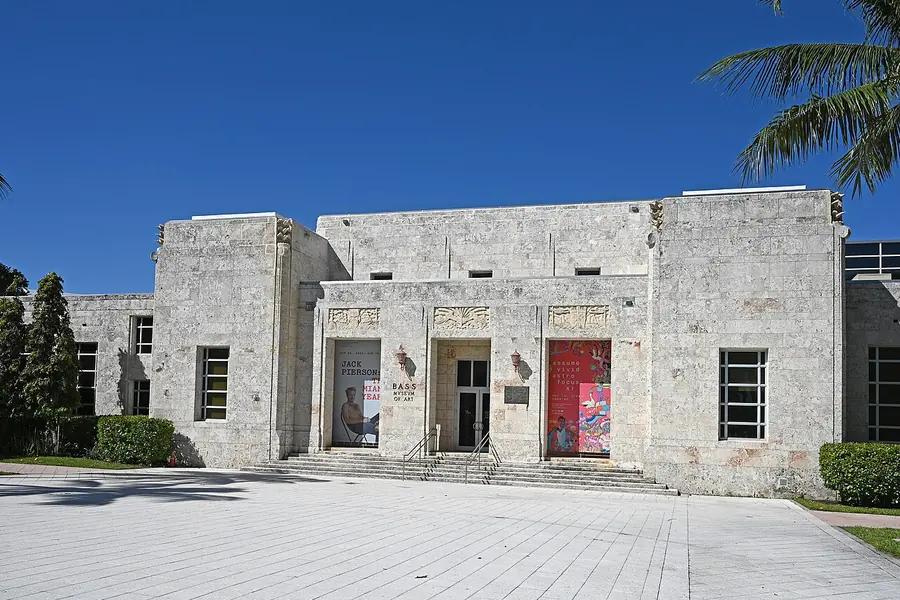
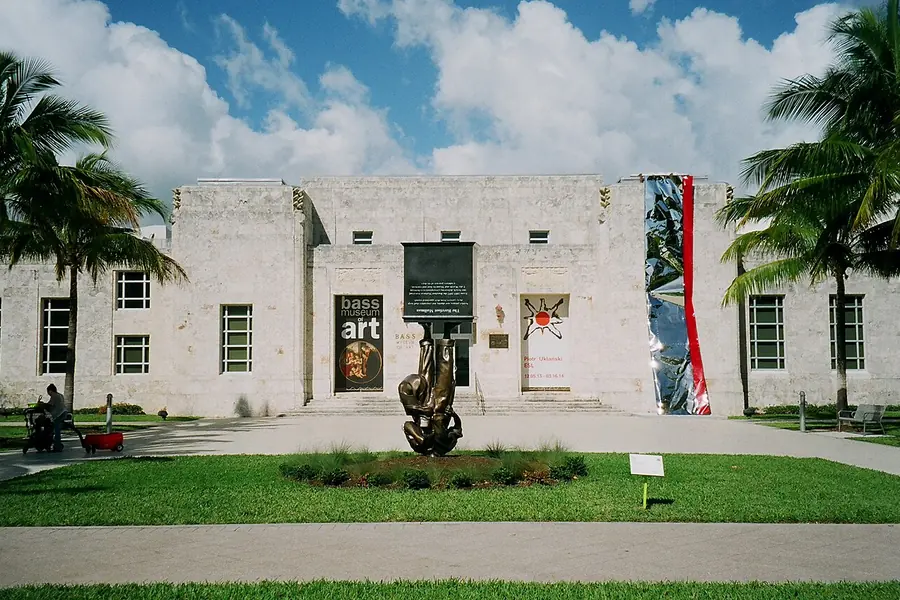
The Bass Museum of ArtMiami Beach's art museum, right on Lincoln Road, perpetually underrated.
[ CORAL GABLES ]
Green breathing room.
Coconut Grove Farmers Market (Saturdays)Local mangoes, fresh bread, and 40 varieties of heirloom tomato from South Florida farms.
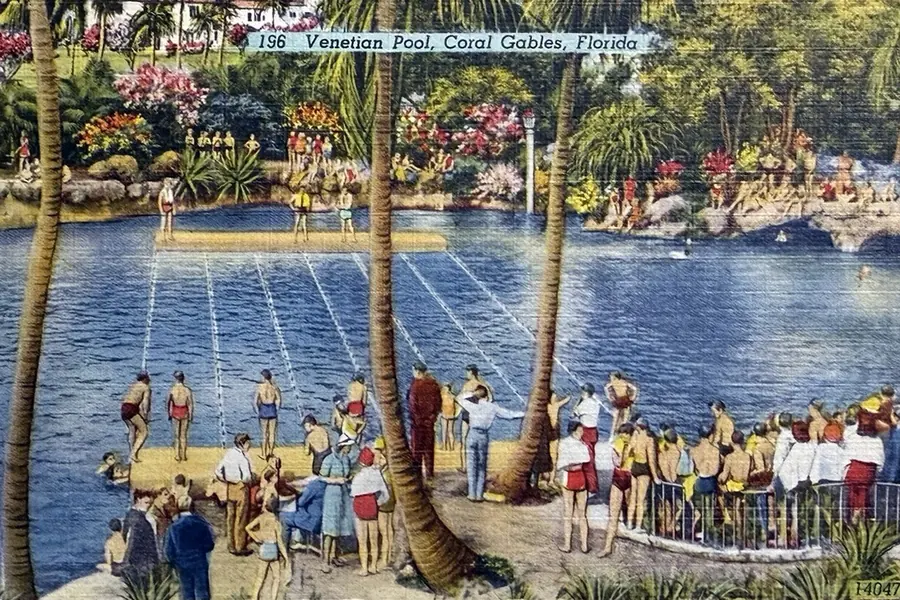
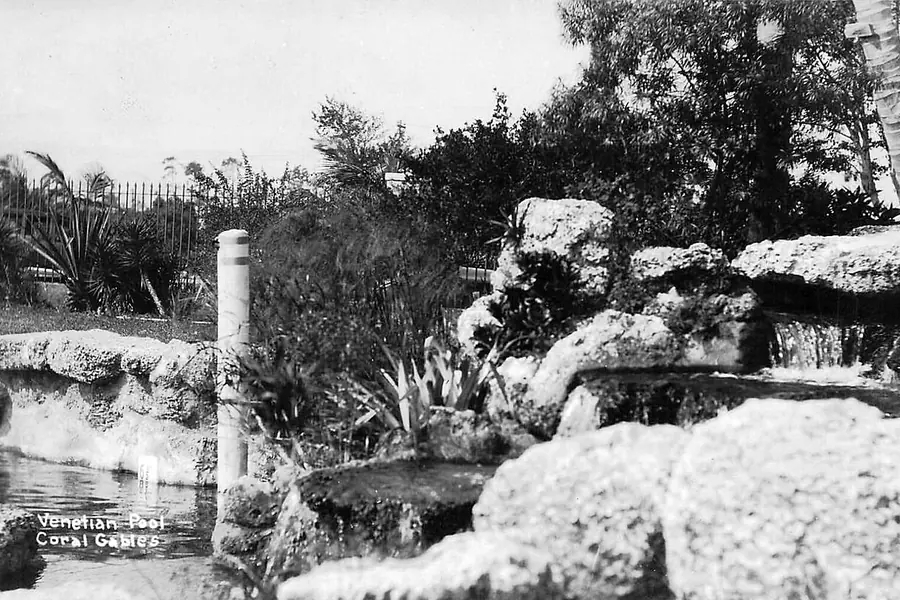
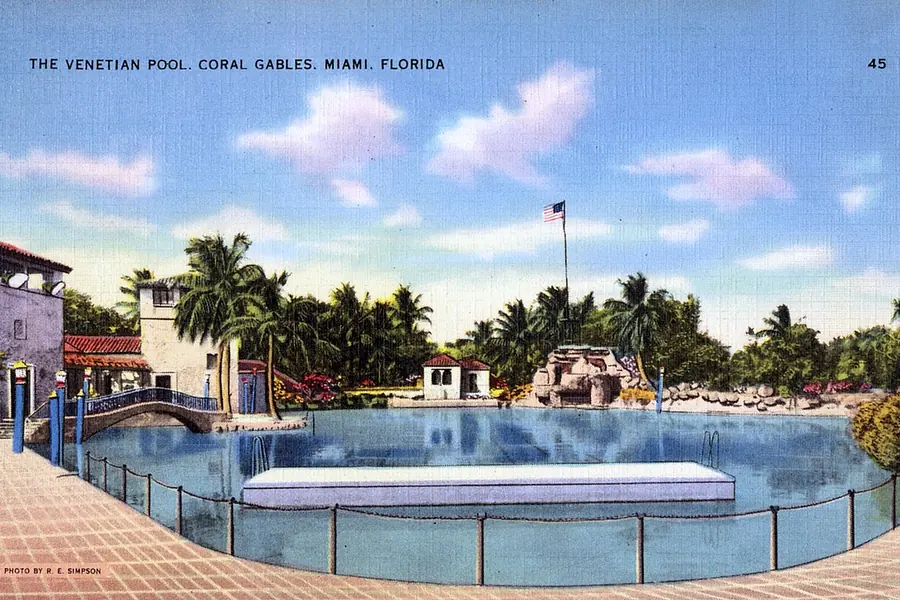
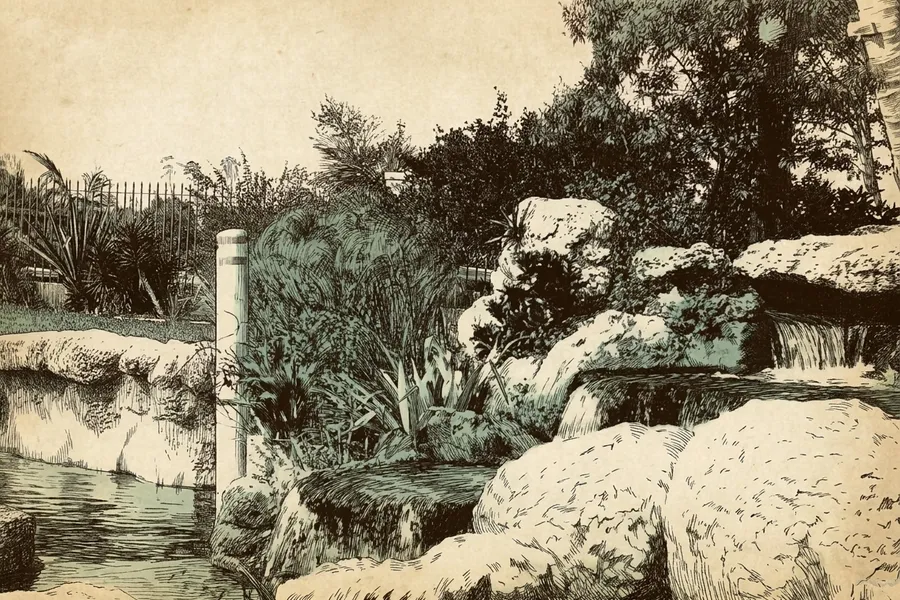
Venetian Pool, Coral GablesA public swimming pool designed in 1923 with waterfalls, caves, and 820,000 gallons of spring water.
Day 1
South Beach + Ocean Drive + Art Deco Walk
Pastel facades, Atlantic horizon, ice-cold coffee
One morning to nail the Art Deco strip before the heat arrives. Breakfast at News Cafe, walk Ocean Drive north to south, then the beach. Afternoon in Wynwood — you only have today and tomorrow.
Take it slow. The beach is better before 9 AM when the umbrellas are still folded. Have a proper Cuban breakfast, then the Art Deco walk at your own pace.
News Cafe (or Versailles Bakery, South Beach branch)
The Art Deco breakfast that has been here since the Madonna era.
News Cafe on Ocean Drive is open 24 hours and serves Cuban coffee, eggs, and the best people-watching on the strip. If you want the full Cuban experience, the Versailles Bakery outpost on Española Way does it better and cheaper. Start here regardless — the walk begins the moment you step outside.
Art Deco Historic District Walk (Ocean Drive to Collins Ave)
The world's largest concentration of Art Deco architecture, and it's all painted flamingo pink.
Walk Ocean Drive from 5th Street to 15th Street, pausing at the Cardozo, the Carlyle, and the Leslie — three of the best-preserved facades on the strip. Cross to Collins Avenue for the Essex House and the Marlin. Pick up a free map from the Art Deco Welcome Center at 10th and Ocean; the guided walking tours run at 10:30 AM on weekdays and are worth every dollar of the $25 ticket.
The Atlantic in November is warmer than most European summers.
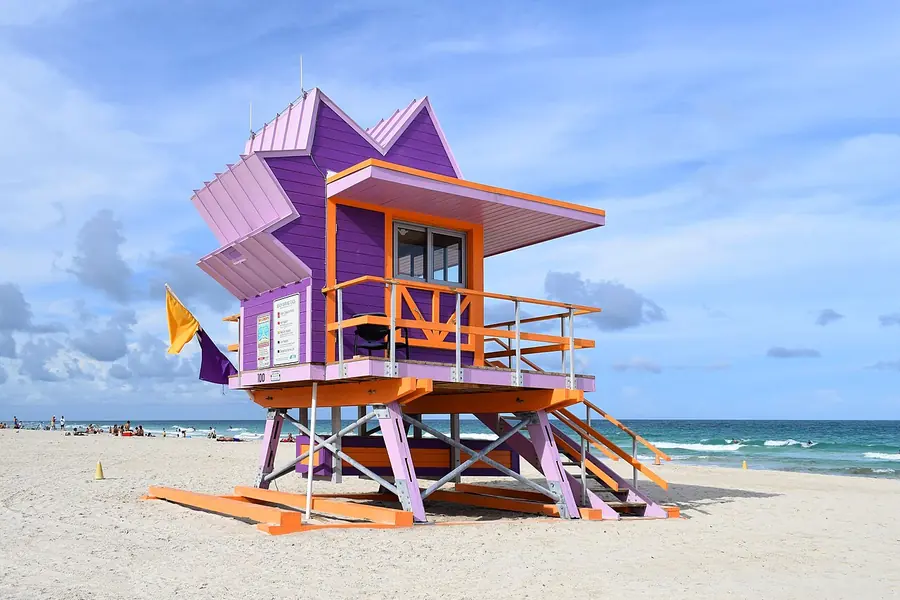
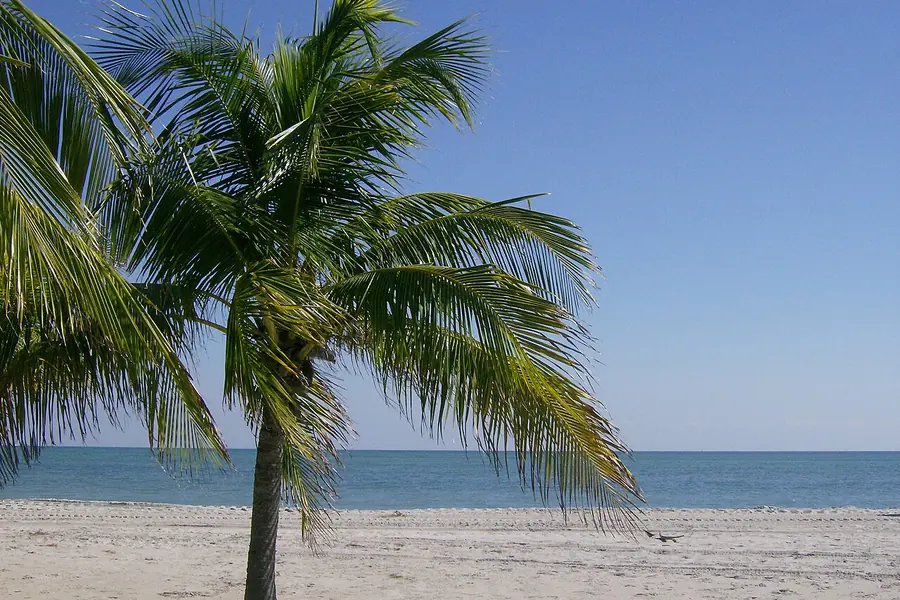
The 12th Street beach is quieter than the famous 8th Street section and right behind the Art Deco strip. Plant yourself, go in the water at least once (the Gulf Stream keeps it around 78°F even in winter), and do not forget sunscreen — the Miami sun in November will still burn a pale forearm in under an hour.
The bay goes pink at 7 PM and someone will have a camera out within seconds.
The Betsy on Ocean Drive has a quieter rooftop than the party hotels further north — better sightlines, better cocktails, and you can actually hear the person you're with. Hyde Beach at SLS is the louder option if that's what tonight calls for. Both face the same Biscayne Bay sunset.
Day 2
Wynwood + Design District
Street art, independent galleries, and the best natural wine in Florida
Last day — Wynwood is 20 minutes from South Beach by Uber and worth every minute of it. Hit the Walls early before the tour groups arrive, lunch in the Design District, afternoon back at the beach.
Full day. Wynwood in the morning, Design District for lunch, and enough afternoon left to discover the side streets that don't appear on any map.
Wynwood is always better on a weeknight when it's mostly locals. Do the galleries in the afternoon, dinner at 8 PM, and stay for the bar scene.
Wynwood Walls
The outdoor museum that accidentally created Miami's most visited neighbourhood.
The Wynwood Walls started as a 2009 project to fill empty warehouses with commissioned murals. It worked too well — the surrounding blocks are now galleries, coffee shops, and boutiques. Arrive before 11 AM to get the murals without a crowd, and walk north of the Walls on NW 2nd Avenue for the unpaid street art that's just as good.
Design District — Mandolin Aegean Bistro or Michael's Genuine
The only neighbourhood in Miami where the architecture competes with the food.
Mandolin does the best Greek food in South Florida — lamb chops, taramasalata, and a courtyard that feels more Mykonos than Miami. Michael's Genuine is the farm-to-table anchor of the neighbourhood; wood-fired, local, and excellent at every price point on the menu. Both require reservations on weekends.
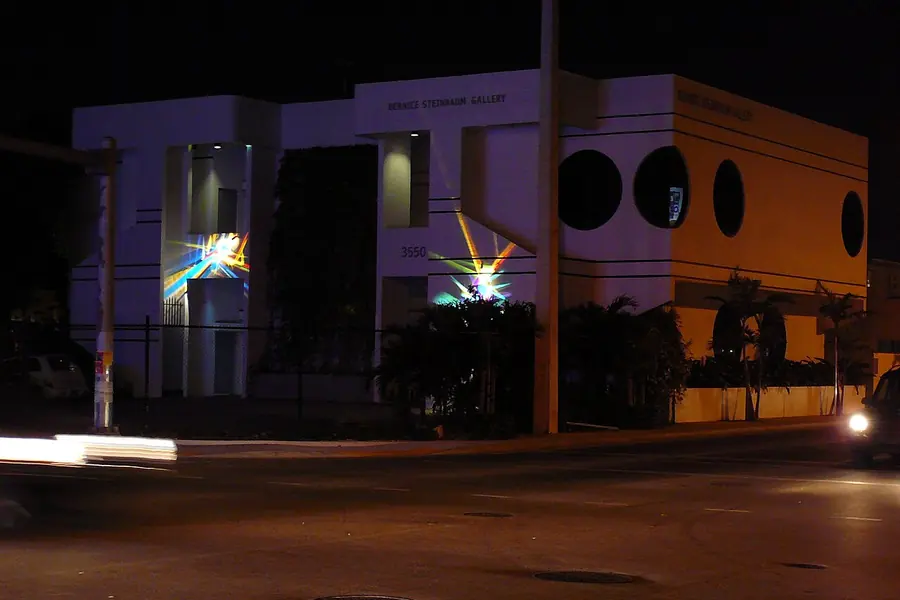
Three galleries within three blocks that punch above every other US art scene except New York.
Wynwood's gallery scene is the real reason the art world pays attention to Miami beyond Art Basel week. Spinello Projects represents the best of Florida-based artists; Nina Johnson is the most internationally connected; Primary has the most adventurous programming. All three are free and none require an appointment on weekday afternoons.
Miami's best natural wine list in a room that looks like a Parisian cave.
Margot is the neighbourhood secret that locals wish the internet would stop publishing. Small plates, rotating natural wine list, and a staff that knows exactly when to recommend the weird orange and when to suggest the Beaujolais. Book ahead or arrive at opening — it fills fast.
Day 3
Little Havana + Brickell
Cuban coffee, domino parks, and a skyline that materialized overnight
Final day. Little Havana before 11 AM when Calle Ocho is still running on its own schedule. Then Brickell for lunch and the afternoon — the financial district that somehow also has the city's best rooftop pool bar.
Split the day: morning in Little Havana at your own pace, afternoon in Brickell. If it's a Sunday, Domino Park will have a serious game going.
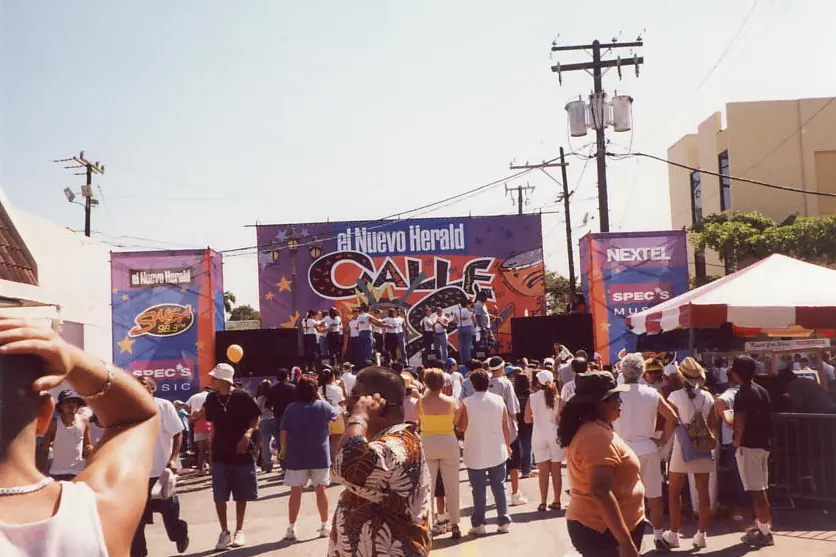
Thursday night Little Havana has live salsa on Calle Ocho — plan around it and stay until midnight.
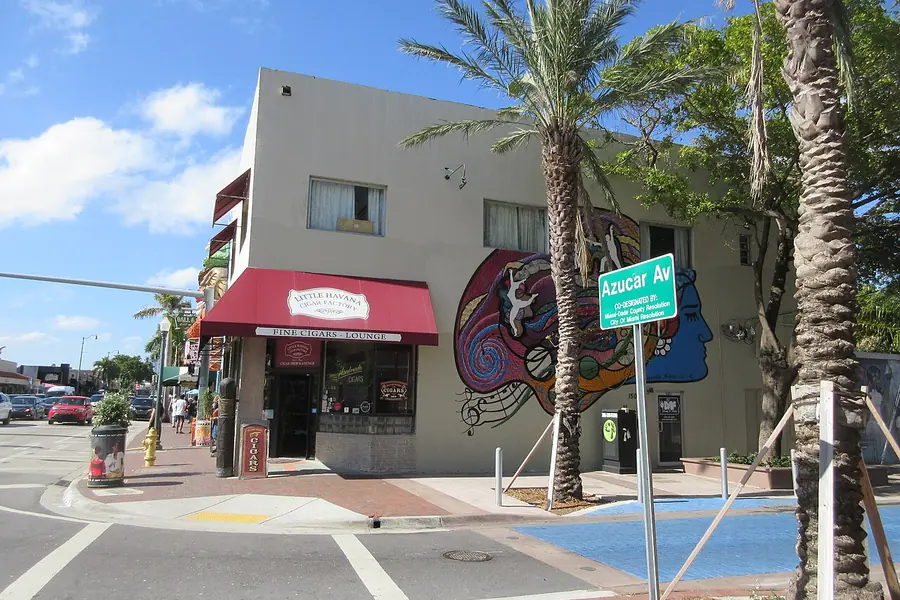
Calle Ocho (SW 8th Street) — morning walk
A street that has been performing Cuban identity since 1959 and is entirely sincere about it.
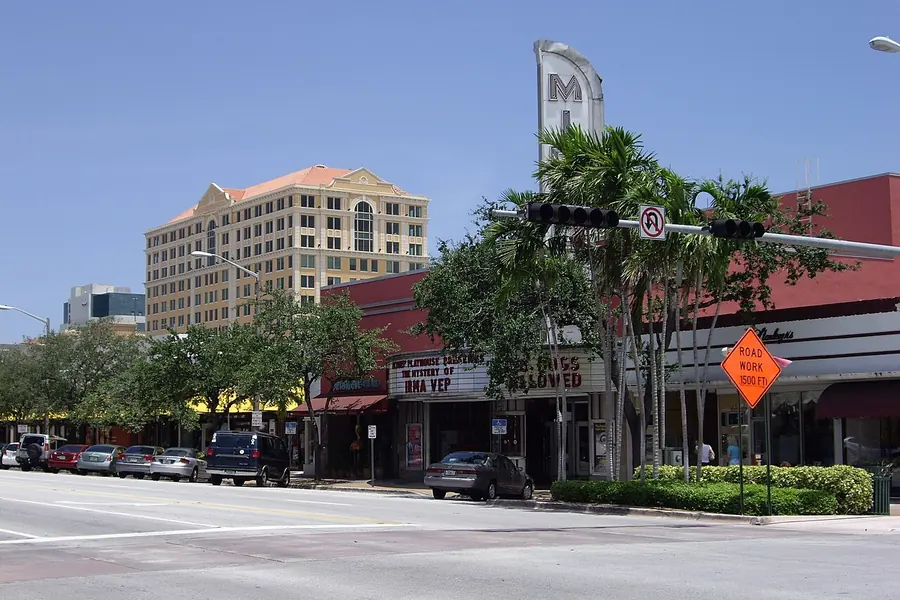
Start at Versailles Restaurant, the political and cultural epicentre of Cuban Miami, for café cubano and a pastelito. Walk west on SW 8th Street past the cigar shops, botanicas, and the Tower Theater. The Walk of Fame stars embedded in the pavement honor Latin music legends nobody in the northern US has heard of and everyone in Miami adores.
The most contested 24 tables in Florida — spectating is fully permitted.
Maximo Gomez Park on Calle Ocho has been the site of daily domino games since the 1970s Cuban exile community made it their living room. The players are serious, the rules are enforced, and the arguments are spectacular. Sit on a bench, buy a guarapo (fresh sugarcane juice) from the cart outside, and watch. Joining uninvited is not recommended. Watching is the whole point.
The financial district accidentally built the best lunch view in Florida.
Area 31 at the Epic Hotel does sustainable seafood 31 floors above the Miami River — the snapper is the best version of itself at this altitude. Zuma in the Epic does Japanese robata at the same elevation with better cocktails. Both serve lunch. Both have the same staggering bay view. Book either. Do not show up and hope.
The neighbourhood that built itself in six years and forgot to be modest about it.
Brickell City Centre's climate-controlled shopping atrium is a genuine architectural achievement — the CLIMATE Ribbon shade structure reduces the temperature by 15°F and lets you browse without melting. Mary Brickell Village next door has the restaurant density that the neighbourhood actually eats at: Tuesday taco nights, Saturday brunch queues, the works.
Day 4
Key Biscayne + Vizcaya Museum
A Venetian palace, a state park beach, and the day Miami shows you it's actually subtropical
Take the Rickenbacker Causeway at 9 AM — the views of downtown Miami from the bridge are the best photo of the trip. Spend the morning at Crandon Park, lunch at the beach, then Vizcaya in the late afternoon when the light is golden on the stone.
Same plan but you're not in a hurry. Rent a bike at Crandon and do the full 7-mile loop around the island before settling at the beach.
Rickenbacker Causeway — drive or cycle to Key Biscayne
The commute with the best skyline view in Florida.
The Rickenbacker Causeway is the only road to Key Biscayne and it crosses Biscayne Bay at a height that gives you downtown Miami's full skyline to the north. Cyclists do this route on weekends; the bike lane is separated and the incline is gentle. At the peak of the bridge, pull over if you can — the view encompasses Brickell, Coconut Grove, and on clear days the southern tip of Miami Beach.
Crandon Park Beach
Three miles of Atlantic shore with the density of an early Tuesday morning.
Crandon Park is the best beach day in the Miami area — calmer water than South Beach, a fraction of the crowds, and the kind of sand that makes you believe the Caribbean is just around the corner (it is). The northern end of the beach has shade trees and barbecue grills. Pack lunch or eat at the beachside café. Stay through midday.
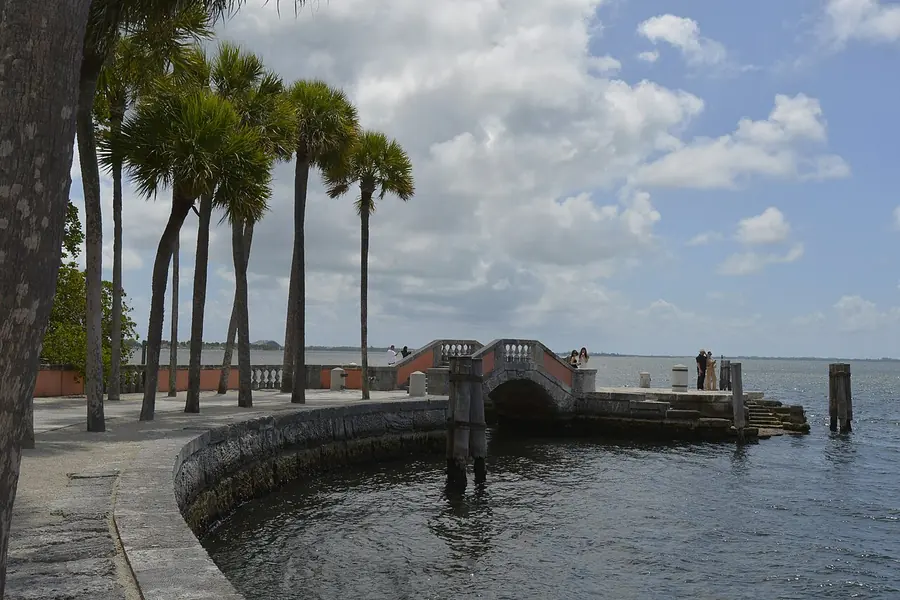
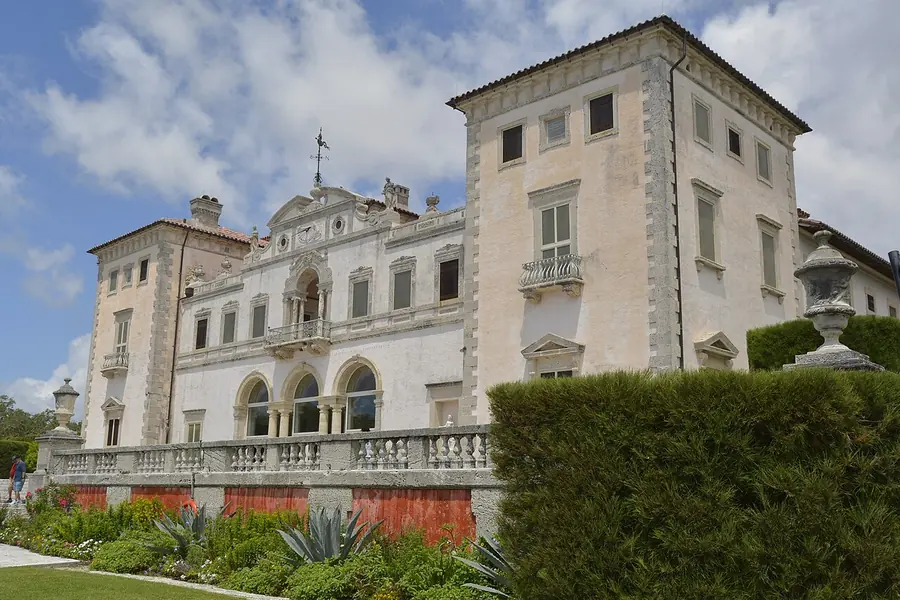
A Gilded Age robber baron built a Venetian palace in Florida. It worked.
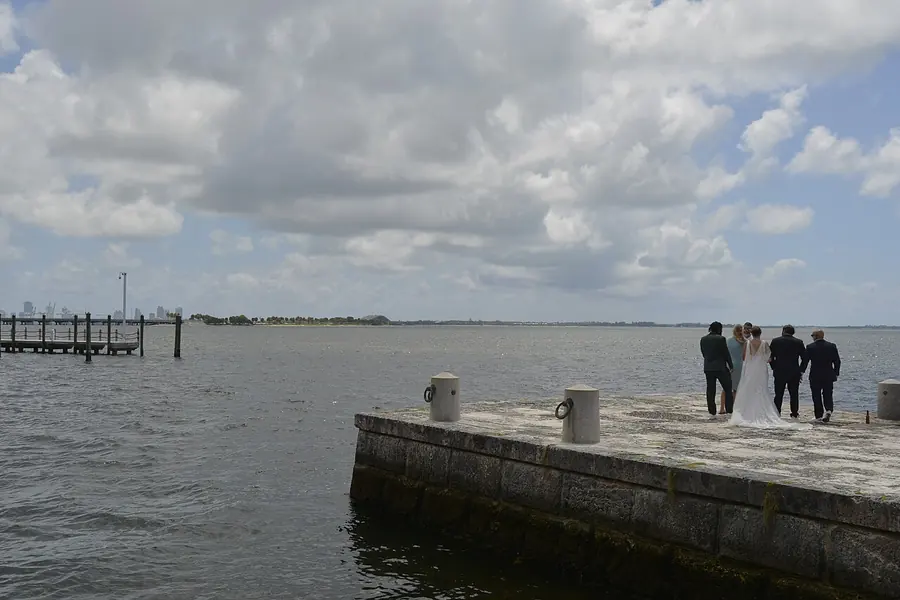
James Deering built Vizcaya between 1914 and 1922 as his winter residence, importing Italian Renaissance stonework, European antiques, and 1,000 workers to assemble it on Biscayne Bay. The formal gardens are the most beautiful in the southeastern US — the stone barge anchored offshore, the casino pavilion, the secret garden behind the main house. Allow 2 hours minimum.
Dinner in Coconut Grove — GreenStreet Cafe or Lokal
The oldest neighbourhood in Miami, and the one that kept its trees.
Coconut Grove predates Miami itself and it shows — the streets are wider, the trees are bigger, and the residents look less like they just arrived from somewhere else. GreenStreet Cafe has been the neighbourhood's living room since 1992. Lokal does craft burgers and local beer on an open-air patio. Either works.
Day 5
Miami Beach Neighborhoods + Lincoln Road
The island you thought was just South Beach finally shows its other neighbourhoods
Miami Beach is a barrier island with several distinct identities north of the Art Deco district. Today: Mid-Beach, North Beach, and Lincoln Road — the pedestrian mall that is Miami's living room for everyone who doesn't have a pool.
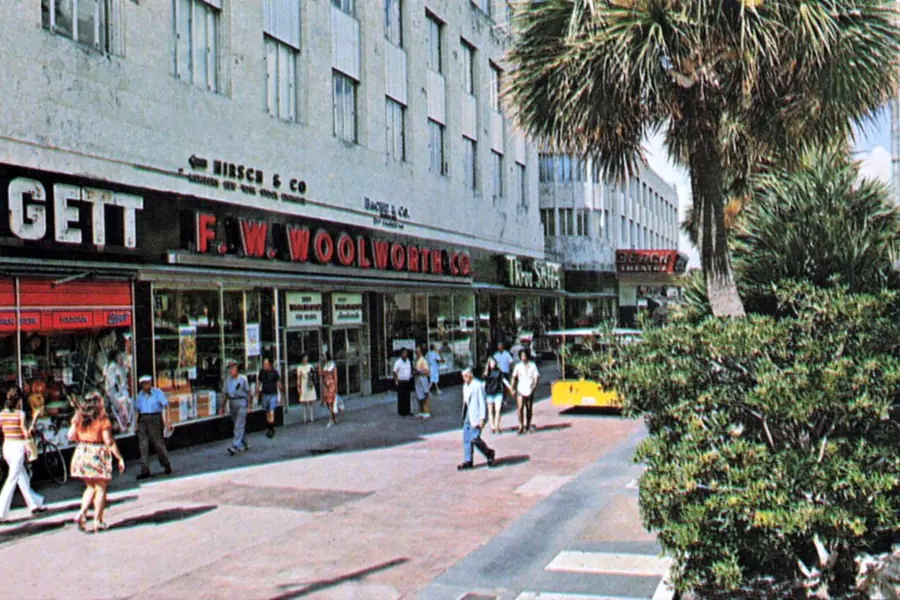
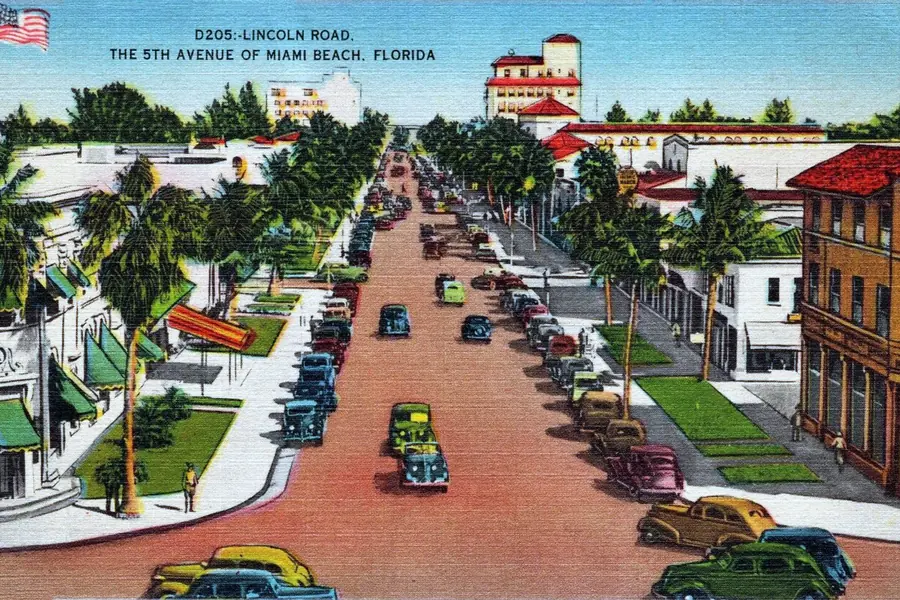
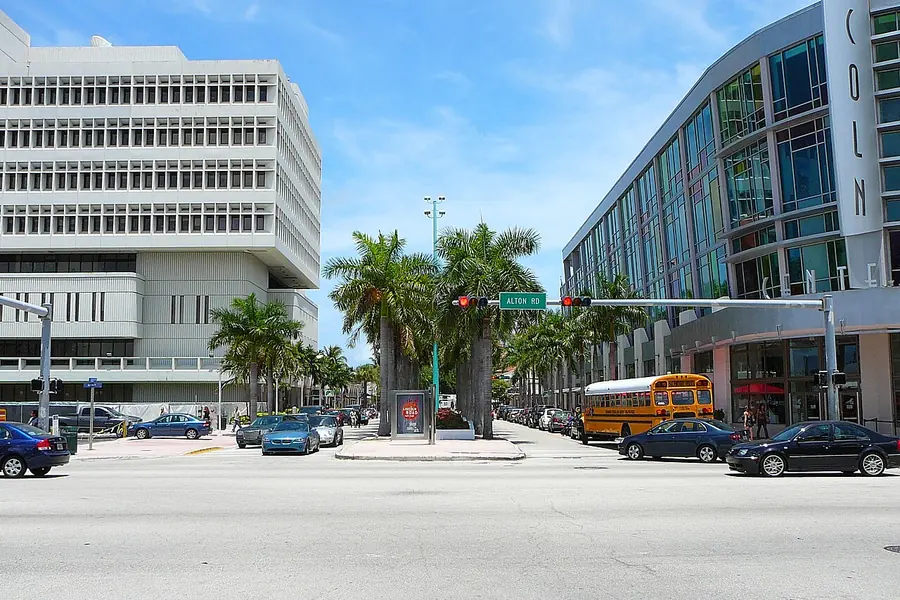
Lincoln Road Mall (morning coffee circuit)
A pedestrian mall that somehow became the city's most democratic social space.
Lincoln Road is eight blocks of outdoor pedestrian mall lined with restaurants, galleries, and the kind of people-watching that requires no commentary. Morning is the best time: the yoga crowd, the dog walkers, the seniors at the café counter who have been coming since before the renovation. Spris Artisan Pizza at the east end does the best coffee on the strip.
Miami Beach's art museum, right on Lincoln Road, perpetually underrated.
The Bass is a genuine collection in a beautifully renovated 1930s building — photography, modern art, and rotating exhibitions that would hold their own in any mid-sized US city museum. The permanent collection is strong on Renaissance works and 20th-century photography. One hour is enough; two hours is better.
The quieter Miami Beach that Miami Beach residents actually live in.
Drive or take the Beach Trolley north to the 71st Street corridor. This is where the Art Deco preservation didn't quite reach, which means the rents are lower and the restaurants are better value. The Roasters 'n Toasters deli has been here since the 1970s. The fish tacos at Pincho Factory on 71st do not need any further recommendation.
New World Center concert or SoundScape Park
Frank Gehry designed the concert hall; the lawn outside is free.
The New World Center is the New World Symphony's performance hall — one of Gehry's most restrained buildings and acoustically exceptional. If there's a concert (most Friday and Saturday nights, check the schedule), go. If not, the SoundScape Park lawn outside screens live performances on the exterior wall for free, with a hundred people on blankets watching.
Banyan trees, a Venetian pool, and the neighbourhood that never needed Instagram
The Miami that doesn't appear on most tourist itineraries: Coconut Grove for the morning farmers market, then Coral Gables with its extraordinary Mediterranean architecture and the Venetian Pool — a public swimming pool carved from a coral rock quarry in 1923. Afternoon on Miracle Mile.
Coconut Grove Farmers Market (Saturdays)
Local mangoes, fresh bread, and 40 varieties of heirloom tomato from South Florida farms.
The Saturday Coconut Grove Farmers Market has been running on Grand Avenue since the 1980s and is one of the best in Florida. South Florida agriculture is underrated — the tropical fruit alone is worth the trip. Lychees, mamey sapote, jackfruit, dragon fruit from farms thirty miles south. Eat breakfast here.
Venetian Pool, Coral Gables
A public swimming pool designed in 1923 with waterfalls, caves, and 820,000 gallons of spring water.
George Merrick drained a coral rock quarry in 1923 and filled it with spring water, Venetian bridges, and loggias. The result is the most beautiful public swimming pool in North America, and it costs $15 to use. The pool is drained and refilled daily from underground aquifers; the water is always cold enough to shock you. Book online — it fills fast in high season.
Have lunch at a hotel where Esther Williams filmed. That's the pitch.
The Coral Gables Biltmore was built in 1926 and has the largest hotel pool in the continental US. The terrace restaurant serves lunch to non-guests and the setting — 18 floors of Spanish-Mediterranean tower, a pool that seats 1,200 — is worth the price of the sandwich. The Sunday brunch is legendary but requires a reservation two weeks in advance.
Miracle Mile — Coral Gables
Four blocks of independent boutiques that refused to become a strip mall.
Coral Gables Miracle Mile (actually Coral Way between Douglas Road and LeJeune Road) has been the city's main shopping street since the 1920s and still has the density of independent stores that most US cities surrendered to chains twenty years ago. Bridal boutiques, art galleries, wine shops, and a French bakery that has been in the same spot since 1974. Walk it twice.
The last golden hour, the best ceviche in South Florida, and a boat
Last day. Do not try to squeeze in anything new. Do the things that Miami does better than anywhere else: be on water at sunset, eat something citrus-bright and cold, and watch the city decide what it wants to be next.
South Beach final morning swim
One more time, before the airport.
Go back to the 12th Street beach. The ocean is the same as Day 1. You are not. This is the point of spending a week somewhere. Stay in the water longer than is strictly practical given your check-out time. Pack wet.
El Cielo or Ceviche 105 — farewell ceviche lunch
The best ceviche north of Lima, and Miami knows it.
Ceviche 105 on Biscayne Boulevard is the Miami standard — Peruvian leche de tigre, fresh snapper, corn, and sweet potato, done with the precision of somewhere that has been perfecting the recipe for two decades. El Cielo in Brickell is newer and more inventive but equally serious. Both are better than anything you will eat at the airport. Plan accordingly.
Miami from the water at golden hour is the version that ruins all other cities.
Several operators run 2-hour sunset catamaran tours from Bayside Marketplace and the Miami Marina — most include drinks, some include a DJ who is optional. The Miami skyline from the water at 6:30 PM, with the light going sideways and the buildings going gold, is the image you'll look up in your photos three years from now to prove the city was real. Book a day ahead.
Miami is the only American city that genuinely doesn’t care what you think of it. New York performs indifference. Los Angeles performs cool. Miami is simply and completely itself — neon-lit, humid, chaotic, extravagant, and capable of stopping you mid-sentence with a view of Biscayne Bay going gold.
This itinerary is built around one Miami truth: the city is bigger and stranger than South Beach, and first-timers who never leave the strip miss the whole point. The Art Deco walk is mandatory. So is Wynwood, Little Havana, and at least one afternoon on a boat looking back at the skyline from the water. The sequence matters — beach in the morning before the heat, galleries and neighbourhoods in the afternoon, water at sunset.
The 2/3/4/7-day versions here are different philosophies, not just truncations. Two days is South Beach done right. Seven days is when Miami stops being a destination and starts being a habit.
2-day vs 7-day Miami at a glance
2-day
7-day
South Beach Art Deco
Full walk, Day 1
Full walk + guided tour, Day 1
Wynwood
Half day, Day 2
Full day with galleries, Day 2
Little Havana
Skipped
Full morning, Day 3
Key Biscayne
Skipped
Full day, Day 4
Vizcaya Museum
Skipped
Afternoon, Day 4
Lincoln Road + North Beach
Skipped
Full day, Day 5
Coral Gables + Venetian Pool
Skipped
Full day, Day 6
Sunset sail
Optional add-on
Day 7 send-off
Budget (per person)
$450–$700
$1,600–$2,600
Best for
First taste, quick trip
Falling properly in love
This article contains affiliate links marked with rel="sponsored". We may earn a commission at no extra cost to you.