I almost did not come to Mallorca. In my head it was sunburnt package tourists and identical resort strips - the cliche the island has spent decades trying to shake. Then a friend handed me her car keys and a hand-drawn map to a cove called Cala Deia. I drove a terrifying mountain road, climbed down a goat path, and swam in water so clear it looked fake, with a tiny seafood shack grilling fish on the rocks above. I have been wrong about a lot of places. I have never been more glad to be wrong than about Mallorca.
Two days means you stay near Palma and take one big swing into the mountains. Day one is the capital's underrated old town and a sunset by the cathedral; day two is the vintage train to Soller and a swim. It is a teaser, but a very good one - enough to book a return flight on the way home.
Rent a car from the airport if you possibly can. Mallorca's best bits are not reachable by bus, and the freedom is the whole point.
Add the Tramuntana's most beautiful village
Day three is the one people remember: the serpentine drive along the Serra de Tramuntana to Deia and Valldemossa, cliffs plunging into the sea, lunch in a stone village, a swim in a hidden cove. This is the Mallorca that has nothing to do with the package-holiday reputation.
The wild east coast and its caves
With four days you cross to the other side of the island - the calas of the east, where pine forests run down to impossibly turquoise inlets, plus the dripping underground theatre of the Drach Caves. A completely different landscape from the western mountains, and far quieter.
The whole island, slowly, by car
A week lets you actually live the island: wine country in the centre, the dramatic Cap de Formentor in the north, lazy cove days, a market morning, and the long slow lunches that are the true Balearic sport. You leave with a tan, a wine list, and a plan to buy a finca.
Estimated budget:$380-$720
Estimated budget:$560-$1080
Estimated budget:$760-$1500
Estimated budget:$1400-$2900
Day 1
Palma old town
The capital nobody gives enough credit
Cathedral of Santa Maria (La Seu)
A Gothic giant on the waterfront, with a Gaudi twist
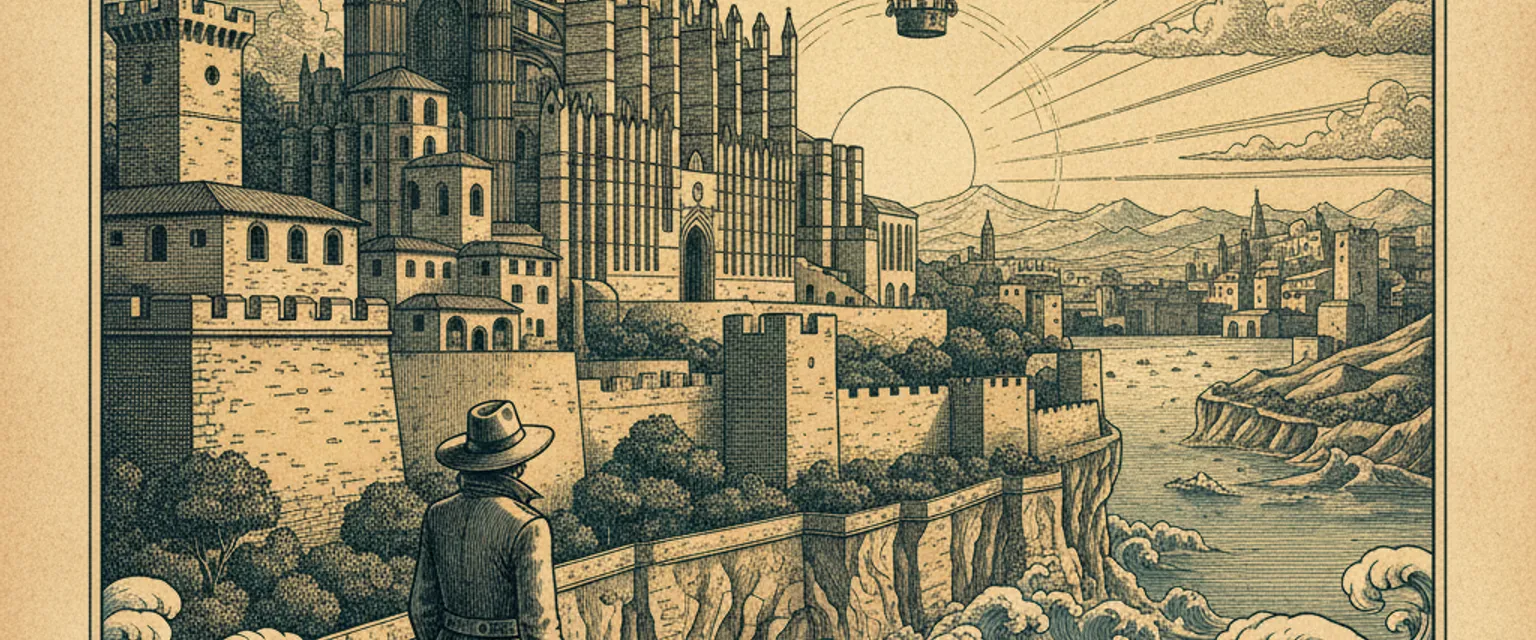
Palma's vast sandstone cathedral rises straight out of the harbour, and Gaudi himself reworked the interior - look up at the wild baldachin over the altar. Go at opening to beat the heat and crowds. The rose window throws colour across the nave on a sunny morning like a kaleidoscope.
Old Town and Arab Baths
Honey-stone lanes, patios, and a tenth-century bathhouse
Lose yourself in the maze behind the cathedral - hidden courtyards, the little Banys Arabs garden, independent boutiques in the Santa Catalina direction. Stop for a flaky ensaimada pastry and a cortado. Palma's old quarter is one of the most walkable and least touristy capital cores in the Med.
Santa Catalina district
Palma's foodie barrio for a long first dinner
This buzzy neighbourhood west of the centre is where locals actually eat - tapas bars, the converted market hall, and excellent seafood. Try Patron Lunares for refined tapas or just bar-hop with a glass of Mallorcan wine. The energy here at night is the antidote to every resort cliche.
Day 2
The Soller train and valley
A vintage tram into orange groves
Ferrocarril de Soller
A 1912 wooden train through the mountains to an orange valley
This century-old narrow-gauge railway rattles from Palma over the Tramuntana and down into the citrus-filled Soller valley, through tunnels and across viaducts. It is touristy and totally worth it. Book the morning departure, sit on the left for the best views, and arrive in a postcard.
Port de Soller
A horseshoe bay reachable by an even older tram
From Soller town, hop the open-sided wooden tram down to the port, a sheltered bay ringed by cafes. Swim, then eat grilled fish or a paella looking back at the harbour. The whole train-tram combo is the easiest, most charming day on the island for non-drivers.
Day 3
Deia and Valldemossa
The most beautiful drive in the Balearics
Valldemossa
Stone houses, Chopin's winter, and the island's prettiest village
Cobbled and almost absurdly photogenic, this mountain village is where Chopin and George Sand spent a famously miserable winter in the old monastery - the music survived, the romance did not. Eat a warm coca de patata pastry, wander the flower-draped lanes early, and leave before the tour buses.
Deia
An artists' bolthole clinging to the cliffs
Robert Graves made this ochre village famous and it still draws painters and writers. Have lunch on the terrace at Ca's Patro March - the seafood shack from every postcard - or just admire the views down to the sea. Tiny, gorgeous, and reason enough to come to Mallorca.
Cala Deia
A pebble cove with the clearest water on the island
A steep walk or short drive below Deia drops you at a small rocky cove where the water turns surreal shades of green. Two cliffside shacks grill fish and pour cold wine. It gets busy in August but is heaven in June or September. Bring water shoes - the entry is all pebbles.
Day 4
The east coast calas and caves
Turquoise inlets and an underground concert
Cuevas del Drach (Drach Caves)
Stalactite caverns with a boat ride and live music
Near Porto Cristo, these huge caves hold one of the largest underground lakes in the world, where a string quartet plays from rowing boats lit by candle-coloured light. It is pure theatre and a little kitsch, but genuinely jaw-dropping. Book the timed entry online before you go.
Cala Varques
An undeveloped pine-fringed cove worth the short hike
Reached by a 20-minute walk through the woods (no road, no resort, which is the point), this is the kind of wild turquoise cala that ends up on screensavers. Bring everything you need - there are no facilities. The trade-off for the effort is one of the most beautiful swims on Mallorca.
Day 5
Wine country and a market
The agricultural heart of the island
Binissalem wine region
Mallorca's own DO, built on local grapes you have never heard of
The flat centre of the island is quietly excellent wine country, with bodegas pouring reds from the native Manto Negro grape. Book a tasting at a winery like Jose L Ferrer or Macia Batle. Mallorcan wine barely leaves the island, which is exactly why you should drink it here.
Sineu or Sa Pobla
Inland villages where the real island shows up
Skip the coast for an afternoon and visit a sleepy inland town - Sineu holds a centuries-old Wednesday market, while the lanes of these farming villages give you the unvarnished Mallorca of churches, plazas, and old men playing cards. A quiet, grounding counterpoint to the beaches.
Day 6
The dramatic north
Cap de Formentor and a Roman town
Cap de Formentor
A knife-edge headland at the island's wild northern tip
The drive out to this lighthouse cape is a heart-in-mouth ribbon of switchbacks above sheer drops to the sea - check whether the road requires a shuttle in peak season. The Mirador es Colomer viewpoint is the money shot. Pair it with a swim at the pine-backed Platja de Formentor below.
Pollenca
A handsome town with 365 steps to a chapel
This elegant northern town is best known for the Calvari steps - a 365-stair cypress-lined climb to a hilltop chapel and a sweeping view. Reward yourself with a drink in the lovely main square afterwards. Sunday brings one of the island's nicest markets to the same plaza.
Day 7
A last slow cove day
Es Trenc and one final long lunch
Es Trenc
Mallorca's Caribbean-style white-sand beach
The south coast's long ribbon of white sand and shallow turquoise water is the island's closest thing to the tropics, backed by protected dunes rather than hotels. Arrive earlyish, walk away from the entrance for space, and float. The natural sea-salt flats nearby supply restaurants across Spain.
A beach chiringuito lunch
Grilled fish, cold albarino, sand between your toes
End the week the only correct way: at a beach shack with a plate of grilled sea bass, a salad, a bottle of cold white wine, and absolutely no schedule. The Balearic long lunch is the island's real signature dish. Order another round and miss your first flight option on purpose.
Let me say the quiet part out loud: Mallorca has an image problem, and it is mostly undeserved. Yes, there are stretches of the island given over to all-inclusive towers and full-English-breakfast bars. You can avoid every single one of them and never know they exist. The real island is mountains plunging into the sea, stone villages older than most countries, coves you have to hike to, and a food scene that quietly rivals the mainland.
The one thing that unlocks all of it is a rental car. I cannot stress this enough. The best calas have no bus, the mountain villages are strung along roads built for goats, and the freedom to chase a beach you saw on a map is the entire pleasure of the place. Pick the car up at the airport, get comfortable with narrow switchbacks, and the island opens up. If you genuinely will not drive, base yourself in Palma and lean on the Soller train - but you will be leaving the best bits on the table.
On timing: come in late May, June, September, or October. July and August are gorgeous but hot and rammed, and the prettiest coves turn into car-park scrums. The shoulder months give you warm sea, empty villages, and lunch tables you do not have to fight for. That is the Mallorca worth flying for.
How to use this plan
The days nest by length: 2 days keeps you around Palma and the Soller valley, 3 adds the unforgettable Deia-Valldemossa mountain drive, 4 crosses to the turquoise east coast and the Drach Caves, and a full week takes you through wine country, the wild northern cape, and one last lazy white-sand beach day. Treat it as a menu, not a march - if you find a cove you love, cancel the next thing and stay. The island always rewards the traveler who slows down and orders one more bottle of the local white.
This article contains affiliate links marked with rel="sponsored". We may earn a commission at no extra cost to you.