I had dinner in Madrid at 10:30 PM and the restaurant was full. I had a second glass of wine at midnight and felt completely normal about it. By 2 AM I was in a bar in Malasaña that appeared to have no closing time, and the people next to me were discussing philosophy at a volume that suggested they'd been there since the afternoon. I went to bed at 3 AM and slept wonderfully. Madrid recalibrates your relationship with time, and this is a service it provides.
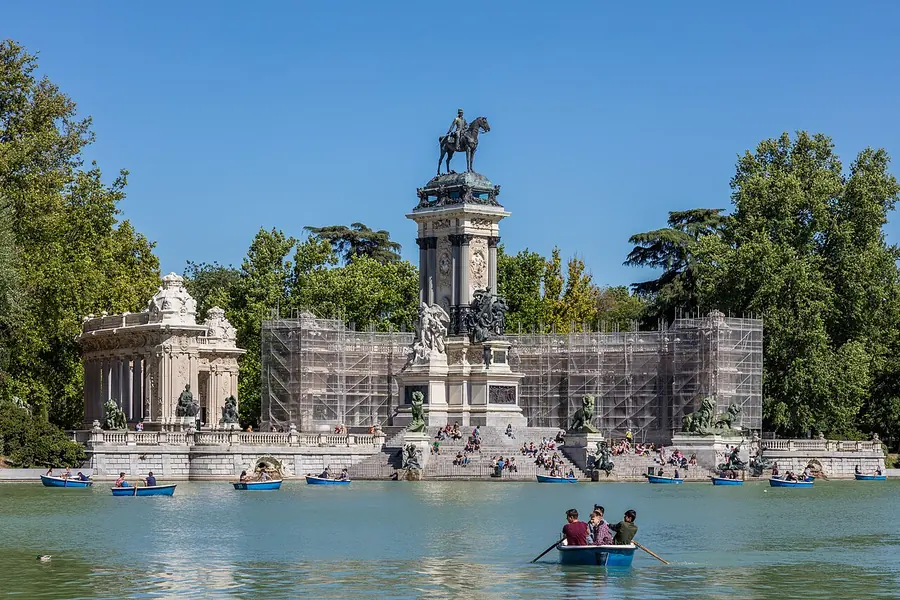
Two days covers the non-negotiables: the Prado (one wing — Dutch and Spanish Masters, the Velázquez rooms), Retiro Park for a boat on the pond, and La Latina for the tapas circuit that justifies the trip on its own. Dinner at 10 PM. This is correct.
Book Prado timed entry ahead. Reina Sofía sells out for Guernica viewing.
72 Hours: Reina Sofía + Malasaña + The Real Nightlife
Three days adds the Reina Sofía (Guernica — larger, more affecting, more politically alive than photographs suggest) and Malasaña, the neighbourhood that led Madrid's creative revival in the 1980s Movida and still has the best bars per block.
4 Days: Toledo Day Trip + Lavapiés
Four days earns you Toledo — a UNESCO medieval city 70 minutes by high-speed train, with a cathedral whose sacristy contains El Greco paintings you can get within two metres of. And Lavapiés, Madrid's most multicultural neighbourhood, for the best non-Spanish food in the city.
7 Days: Segovia, Flamenco School, and the Slow Madrid
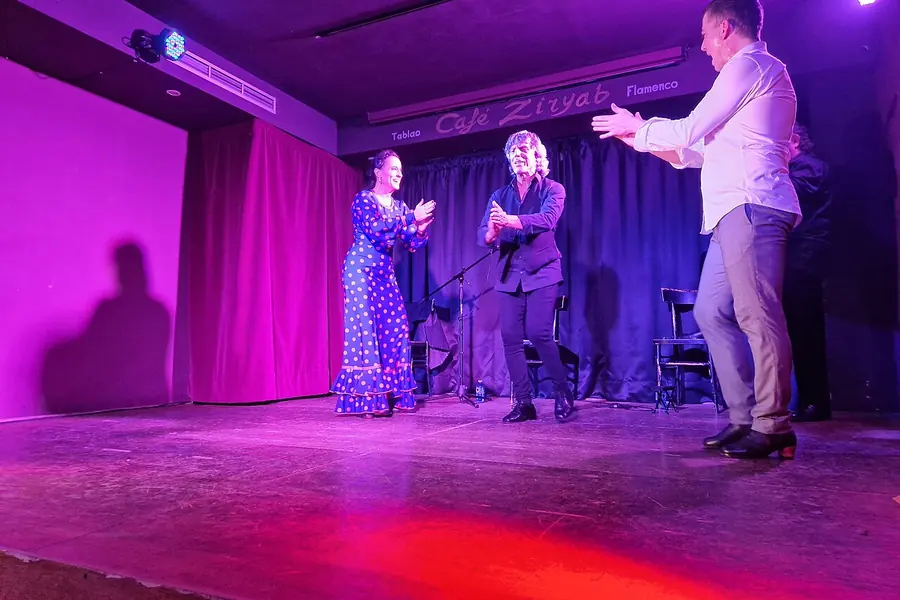
A full week means Segovia (a Roman aqueduct that still works, technically), a proper flamenco school visit (not a tourist show — a tablao where the performers are competing for their careers), and enough time in Madrid to stop being a tourist and start being someone who lives here for a week.
Estimated budget:$360–$560 est. (1 hotel night, budget–mid)
Estimated budget:$540–$840 est. (2 hotel nights + museum tickets)
Estimated budget:$720–$1,120 est. (Toledo day trip + 3 nights)
Estimated budget:$1,300–$2,100 est. (full week, Segovia + flamenco)
[ THE DISPATCH · FIELD MAP ]
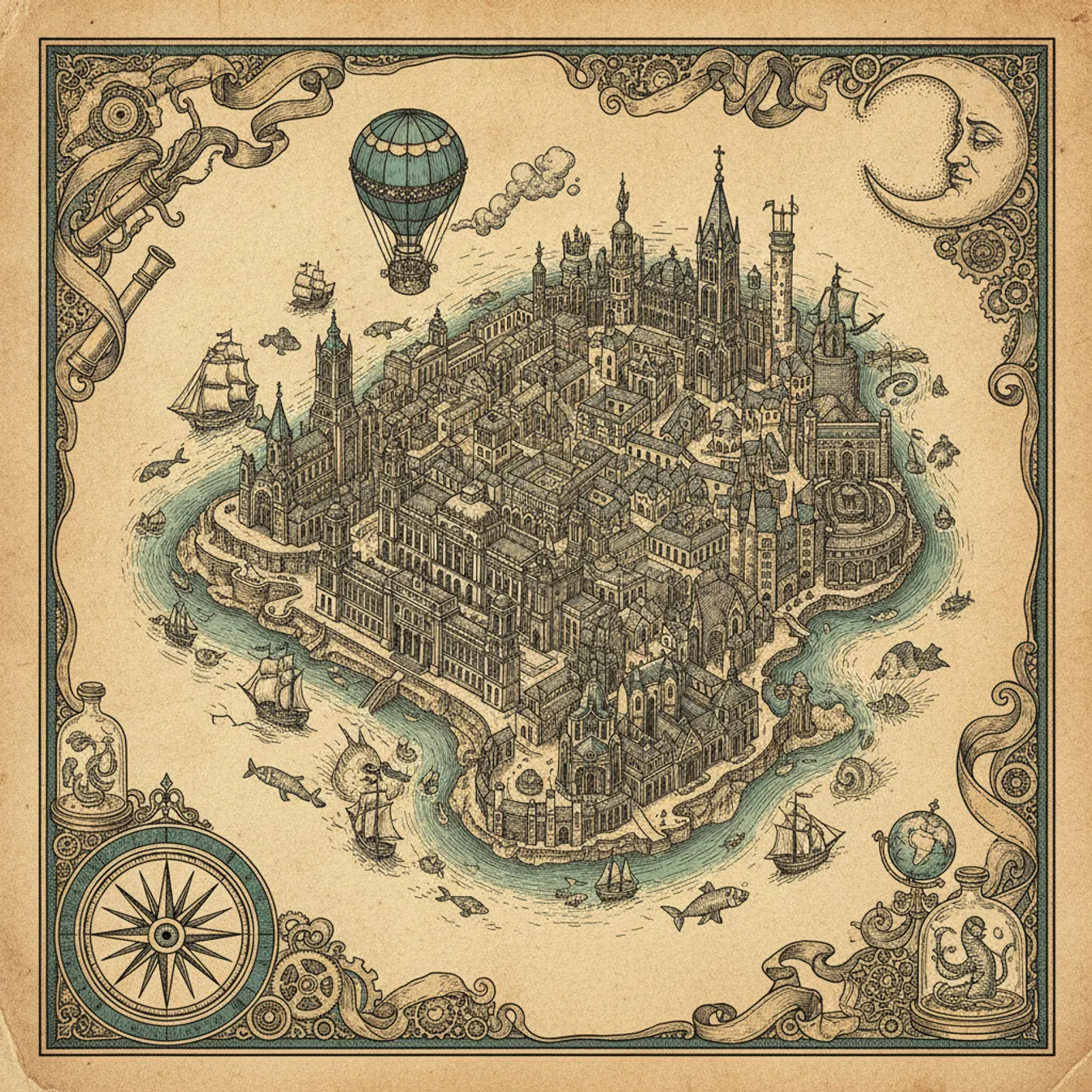
A tilted, hand-drawn dispatch of Madrid. Click a quarter to explode it open.
0 / 6 quarters explored
Legend · tap to highlight
[ LOS AUSTRIAS ]
Old stones, older stories.
Museo del PradoThe world's greatest collection of Spanish and European art, in a building that does not oversell itself.
Parque del Retiro — boating lake + CrystalMadrid's central park, complete with an 1887 glass palace that hosts contemporary art.
[ PASEO DEL PRADO ]
Grand squares and big ideas.
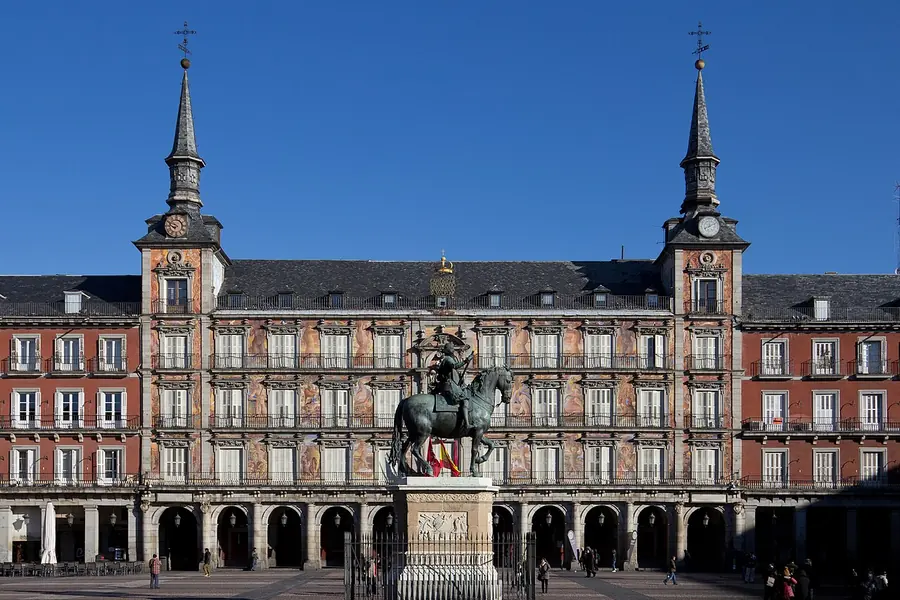
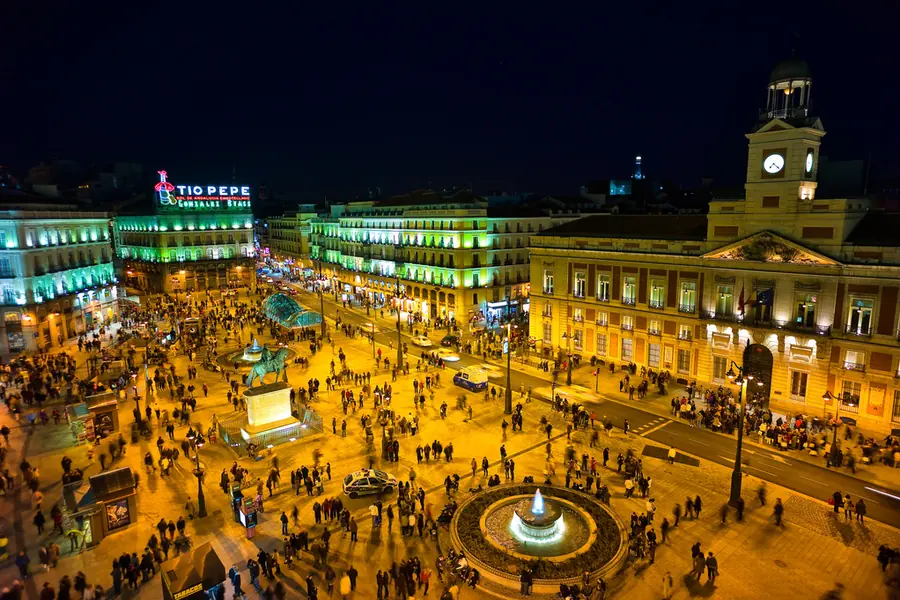
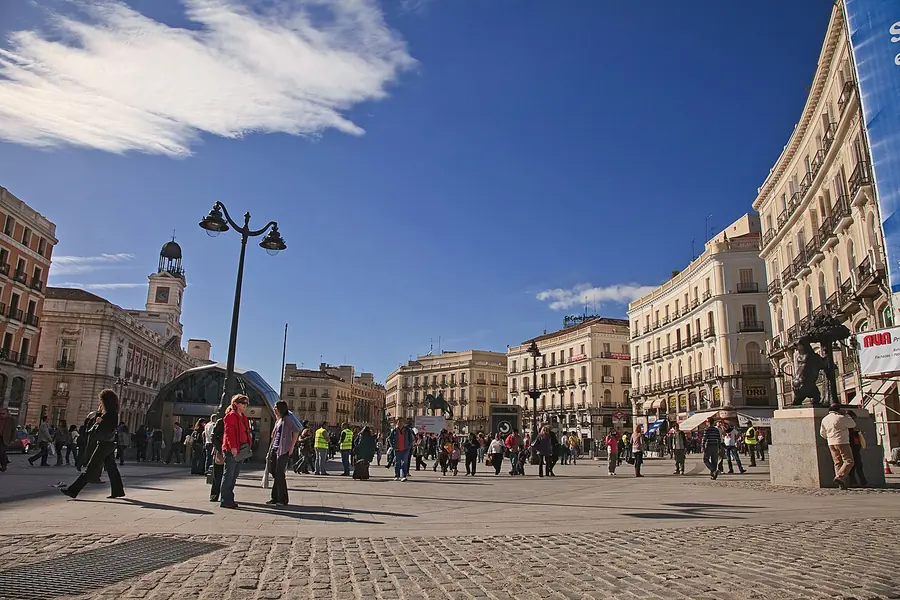
Plaza Mayor — early evening walkThe 17th-century square that has been the centre of Madrid since 1619.
La Latina — Cava Baja tapas circuitThe street where Madrid's tapas culture is at its most concentrated and its least apologetic.
[ LA LATINA ]
Old stones, older stories.
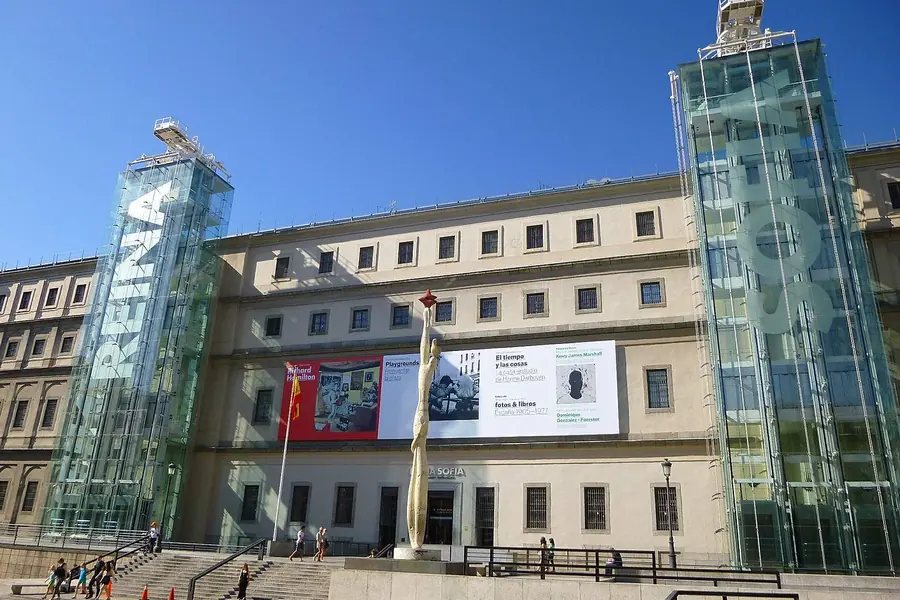
Museo Reina Sofía — Guernica + 20th-CenturPicasso painted it in 1937 as a response to the bombing of a Basque town. It has lost none of its force.
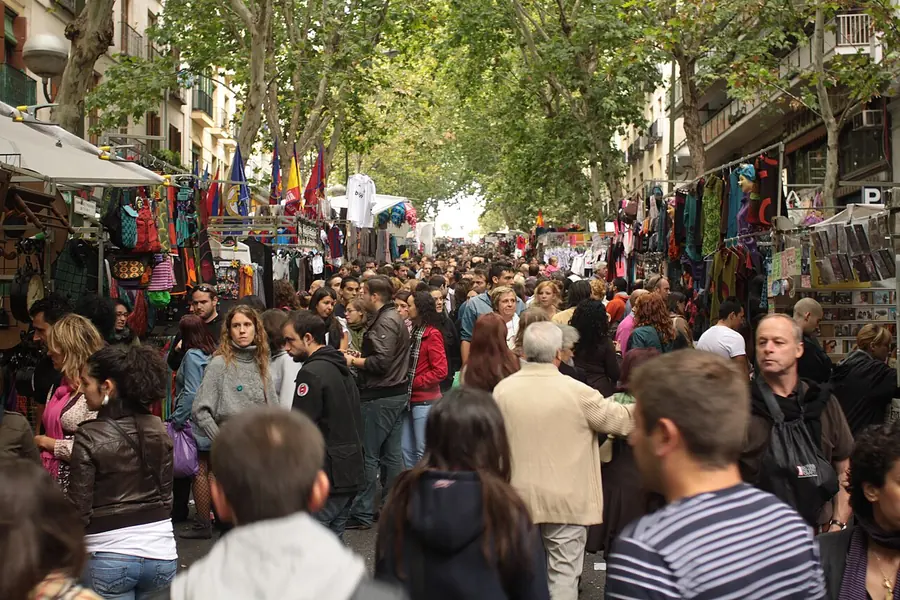
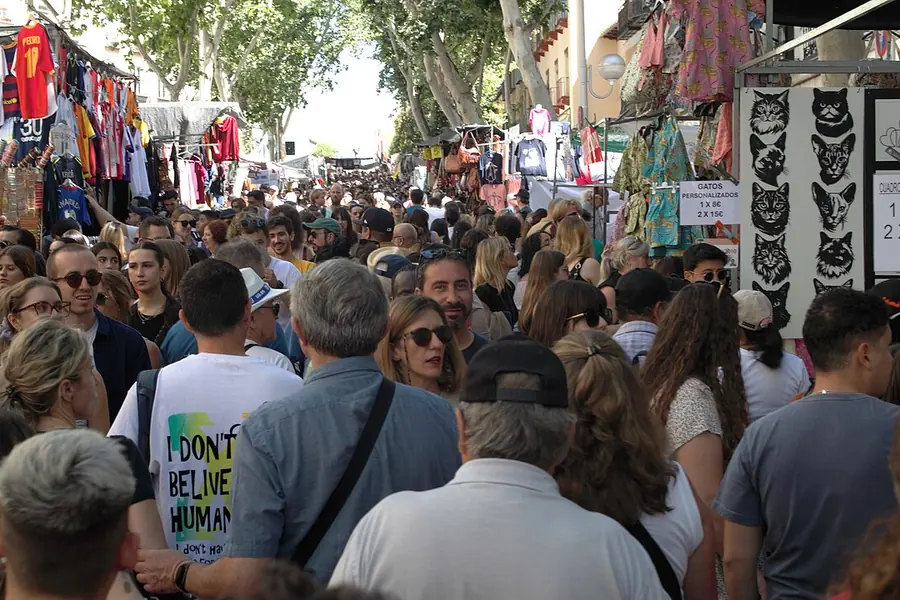
El Rastro Flea Market (Sunday only)Madrid's Sunday morning tradition since the 16th century — 3,000 stalls and a lot of olive oil.
[ MALASAÑA ]
Stays up later than you do.
Toma Café (Malasaña)The coffee shop that convinced Madrid to take coffee seriously.
Plaza del Dos de Mayo + Malasaña neighbourThe square named for the 1808 uprising that inspired Goya's most famous painting.
[ LAVAPIÉS ]
Old stones, older stories.
Toledo Cathedral + SacristyThe 13th-century cathedral where El Greco paintings hang at eye level.
Museo del Greco (El Greco's Toledo)The Greek painter who chose Toledo over Venice, and made it his city.
[ SALAMANCA ]
Grand squares and big ideas.
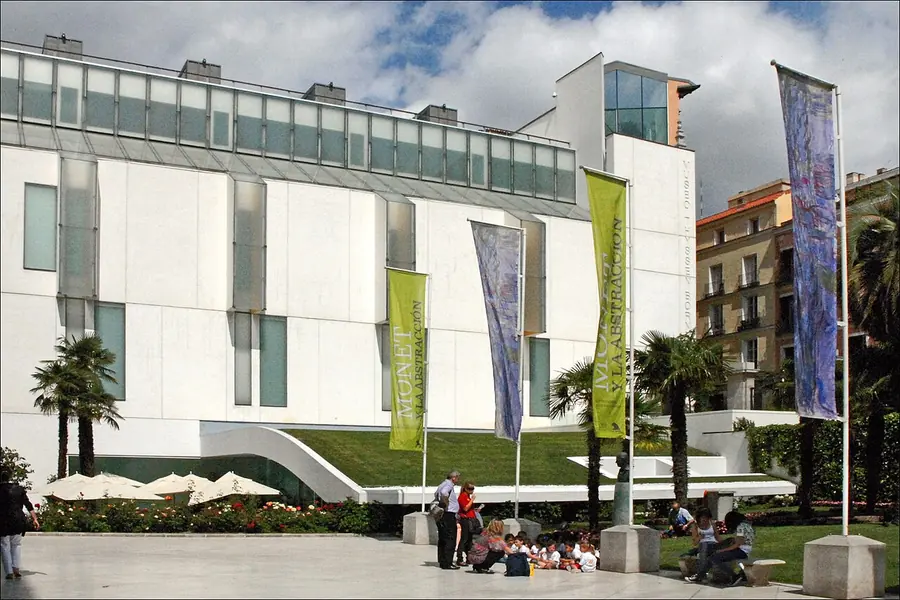
Museo Thyssen-BornemiszaThe private collection that filled in all the gaps the Prado left.
Salamanca district — Jamón lunch at Cinco The neighbourhood for the best Ibérico jamón in Madrid, eaten standing at a zinc bar.
Day 1
The Prado + Retiro Park + Plaza Mayor Tapas
Europe's greatest art museum, then the park that Madrid uses as its living room
Start at the Prado when it opens — the Velázquez rooms, the Goya rooms, and Las Meninas. Two hours, then out. Retiro after lunch. Plaza Mayor for the afternoon, La Latina for tapas at 8 PM (which is still early by Madrid standards).
Same plan but let the Prado take three hours. Have lunch inside (the cafeteria is better than it needs to be). Retiro boat from 3 PM. Dinner at 10 PM like a local person who has stopped being confused by the schedule.
Museo del Prado
The world's greatest collection of Spanish and European art, in a building that does not oversell itself.
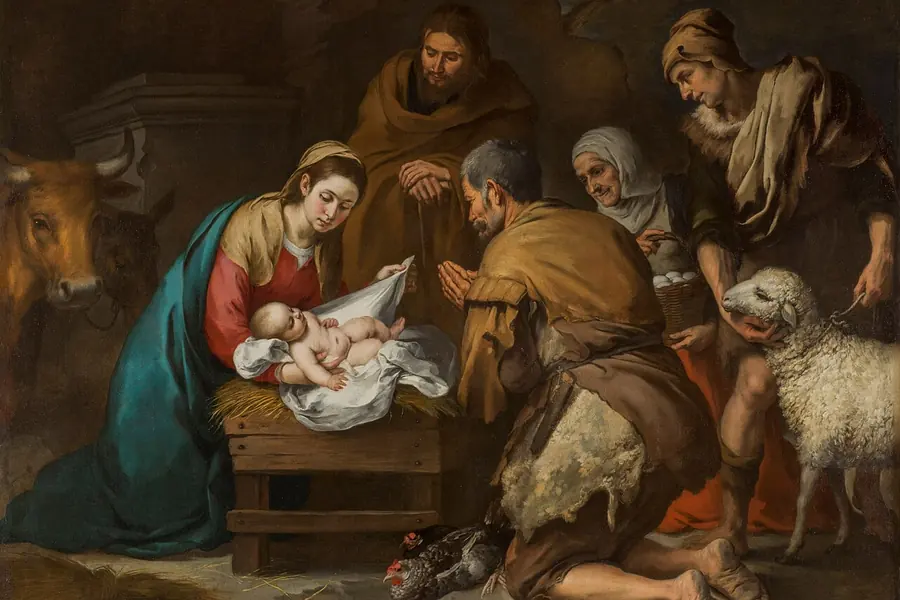
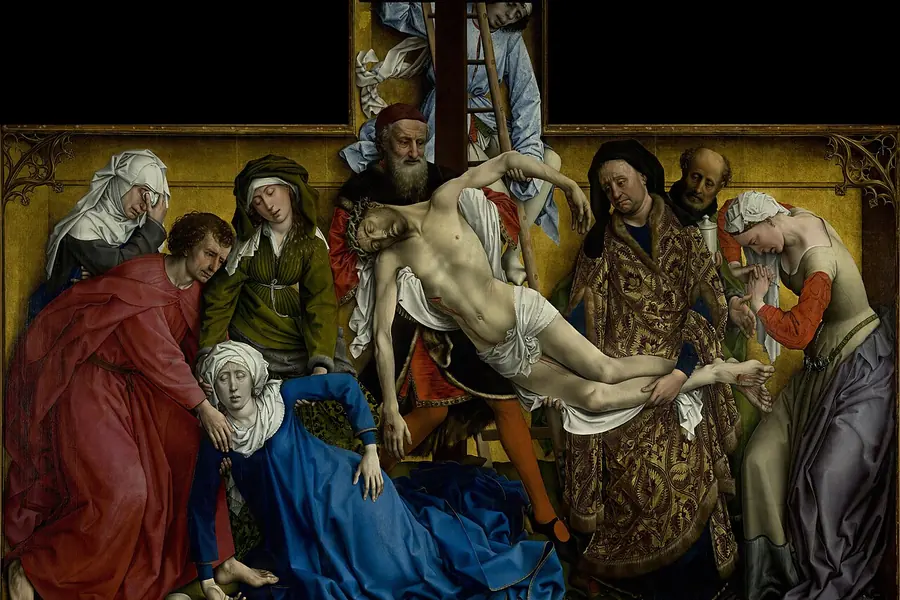
The Prado has 8,000 works on display across three floors. The strategy: Room 12 for Velázquez (Las Meninas will have a crowd — stand back and look at it from across the room, which is how Velázquez intended it), the Goya rooms for the Black Paintings (Room 67 — disturbing, extraordinary), and Bosch's Garden of Earthly Delights (Room 56A — medieval surrealism 500 years early). Pre-book timed entry.
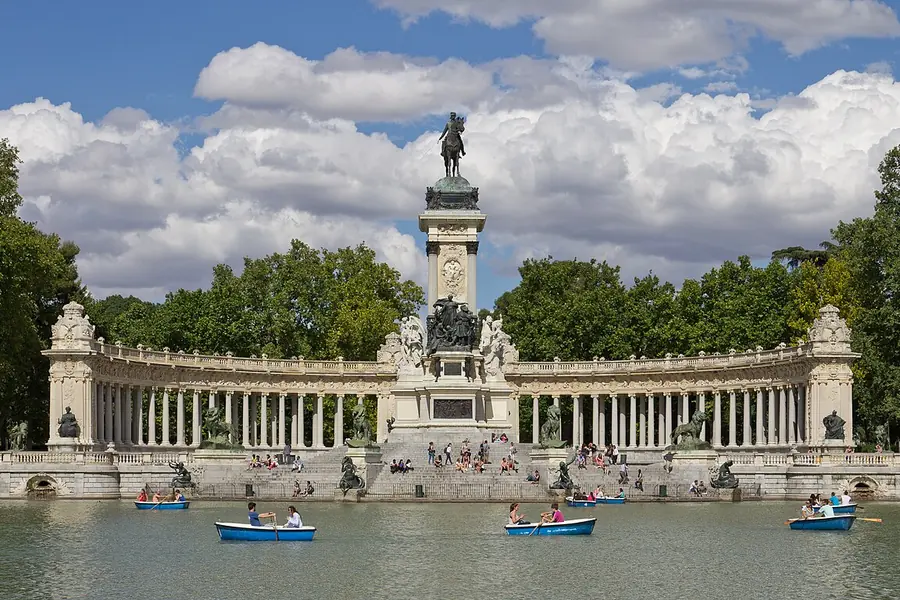
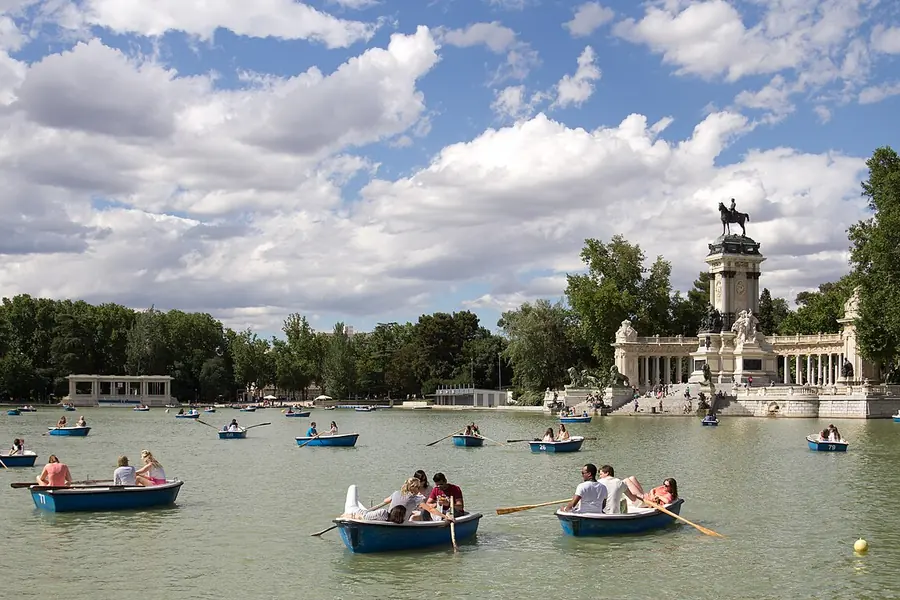
Madrid's central park, complete with an 1887 glass palace that hosts contemporary art.
The Retiro was a royal garden before it was opened to the public in 1868. The boating lake (Estanque) rents rowboats by the hour; the Palacio de Cristal (a Victorian iron-and-glass greenhouse built for the 1887 Philippine Exhibition) now hosts free contemporary art exhibitions. The rose garden in May–June is extraordinary. The park has a statue of Satan — the only public monument to the Devil in the world — which Madrid considers a selling point.
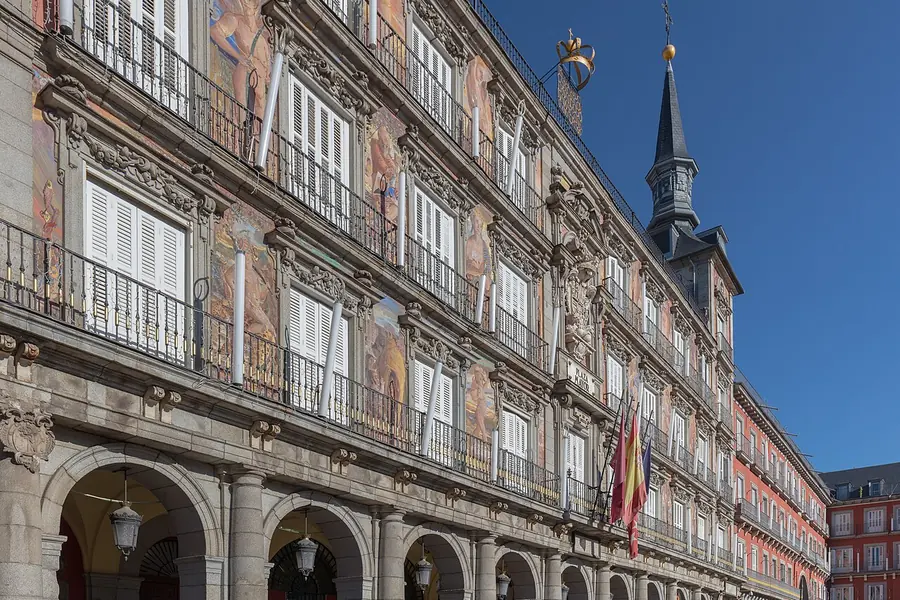
The 17th-century square that has been the centre of Madrid since 1619.
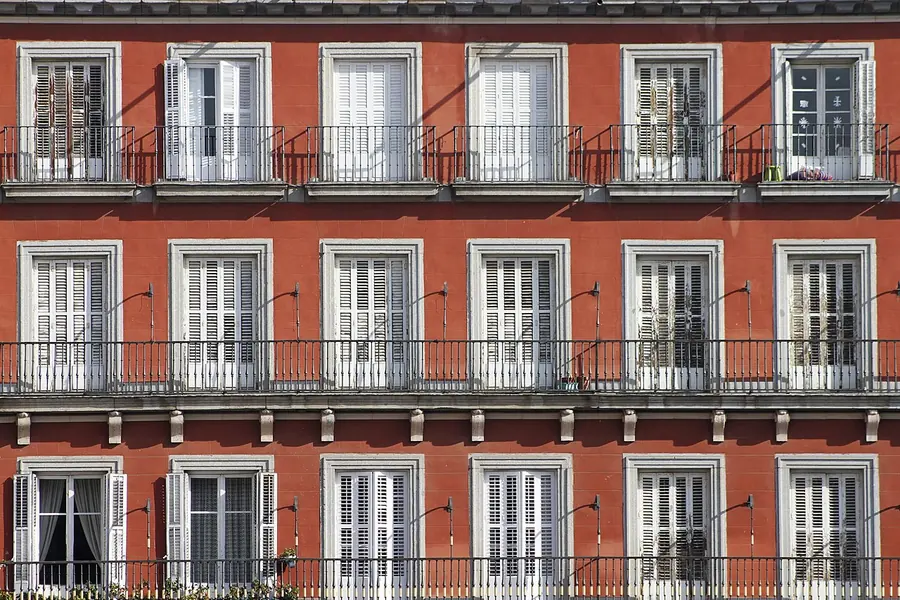
Plaza Mayor was built under Philip III and has been the site of executions, bullfights, markets, and the most famous calamari sandwich in Spain (Bocadillo de Calamares — squid, bread, nothing else). The arcaded square is pedestrianised; the surrounding streets (Calle Mayor, Calle de Postas) are the start of the La Latina tapas circuit. Arrive early, because the good tapas bars fill up.
The street where Madrid's tapas culture is at its most concentrated and its least apologetic.
Cava Baja is the central artery of La Latina's tapas zone. The bars (tabernas) open at 7 PM for vermouth hour; by 8:30 the serious eating begins. The circuit: Taberna Tempranillo (wine and tapas, old school), Casa Lucas (creative pintxos), El Almendro 13 (famous for huevos rotos — fried eggs broken over crispy potatoes). Drink one vermouth at each. Eat constantly.
Picasso's most political painting and the market that sells everything twice
Last full day. Reina Sofía first — go directly to Room 206 for Guernica, then find your way back through the 20th-century Spanish art collection. El Rastro flea market (Sunday only) if timing aligns; otherwise Mercado de San Miguel for lunch. Late afternoon: pick a neighbourhood you haven't walked through yet.
Reina Sofía in the morning. El Rastro if it's Sunday. Malasaña in the afternoon — Plaza del Dos de Mayo and the bars on Calle del Pez. Late dinner somewhere on Fuencarral.
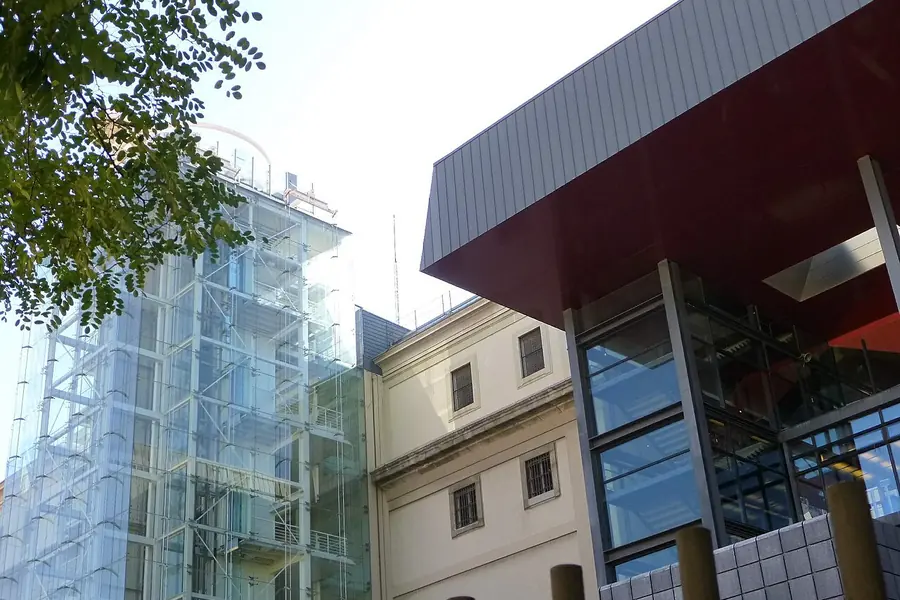
Museo Reina Sofía — Guernica + 20th-Century Collection
Picasso painted it in 1937 as a response to the bombing of a Basque town. It has lost none of its force.
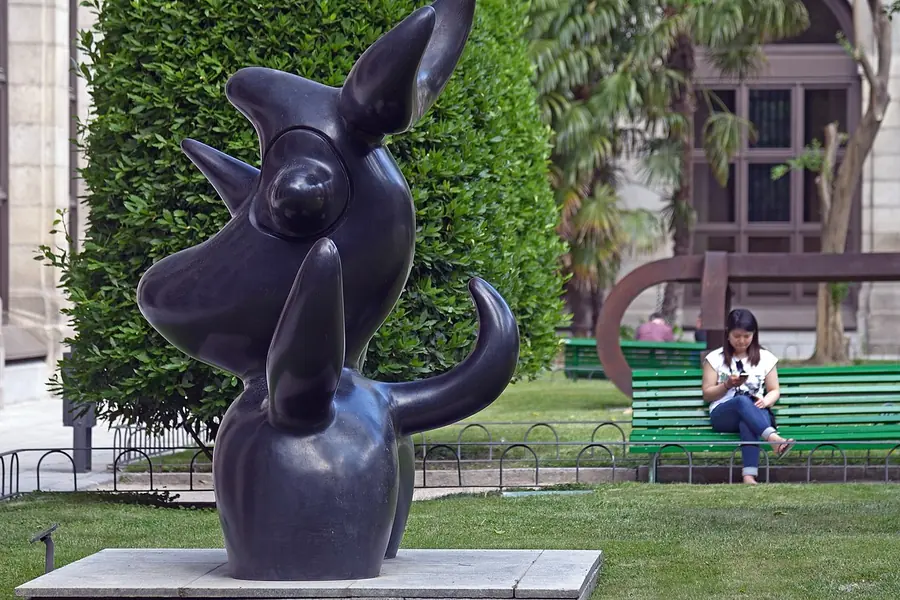
Guernica (Room 206, Collection 1) is 3.49 x 7.76 metres of black, white, and grey. Photographs do not convey its scale or its weight. Picasso refused to allow it to return to Spain under Franco; it came home in 1981, six years after Franco's death. The rest of the Reina Sofía collection traces Spanish art through the 20th century: Dalí, Miró, and the post-Civil War generation.
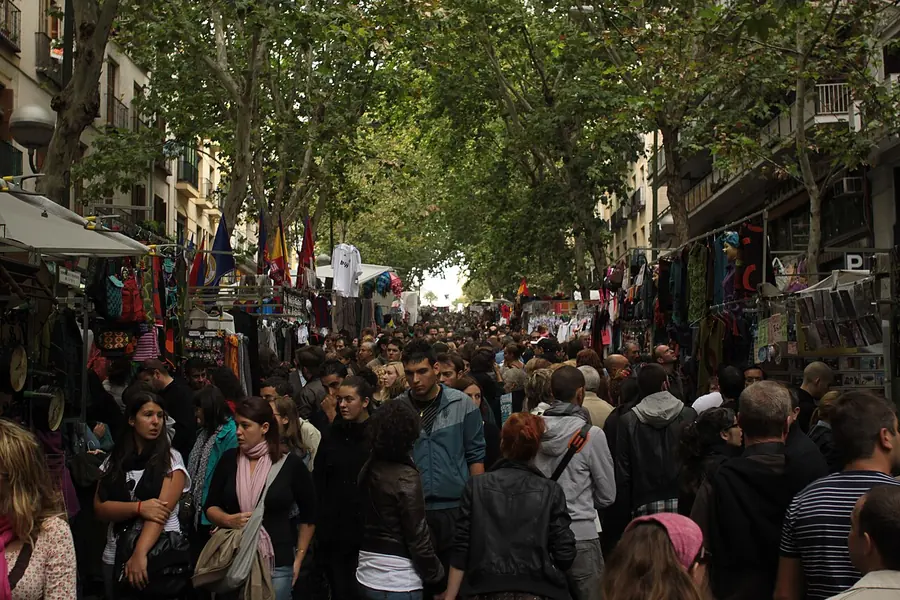
Madrid's Sunday morning tradition since the 16th century — 3,000 stalls and a lot of olive oil.
El Rastro runs every Sunday morning (and public holidays) from 9 AM to 3 PM along Calle de la Ribera de Curtidores and surrounding streets. 3,000+ vendors sell antiques, vintage clothing, tools, vinyl, and things that defy categorisation. The crowd is dense; the pickpockets are present (keep your bag in front); the vermouth bars around the market are the correct post-shopping strategy.
A 1916 iron market hall full of pintxos, vermouth, and very good anchovies.
Mercado de San Miguel is a covered iron-and-glass market hall built in 1916, now a food market with stalls selling pintxos, conservas (tinned seafood that Spain takes seriously as a luxury food), vermouth on tap, and croquetas that are the correct benchmark for the form. Touristy, yes. Delicious, also yes. Arrive at 1 PM before the lunch rush makes movement difficult.
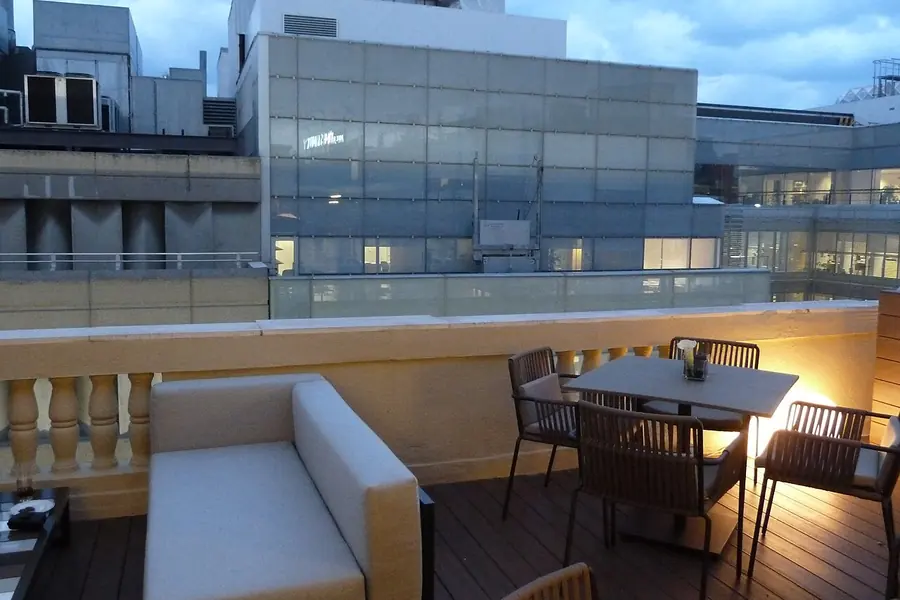
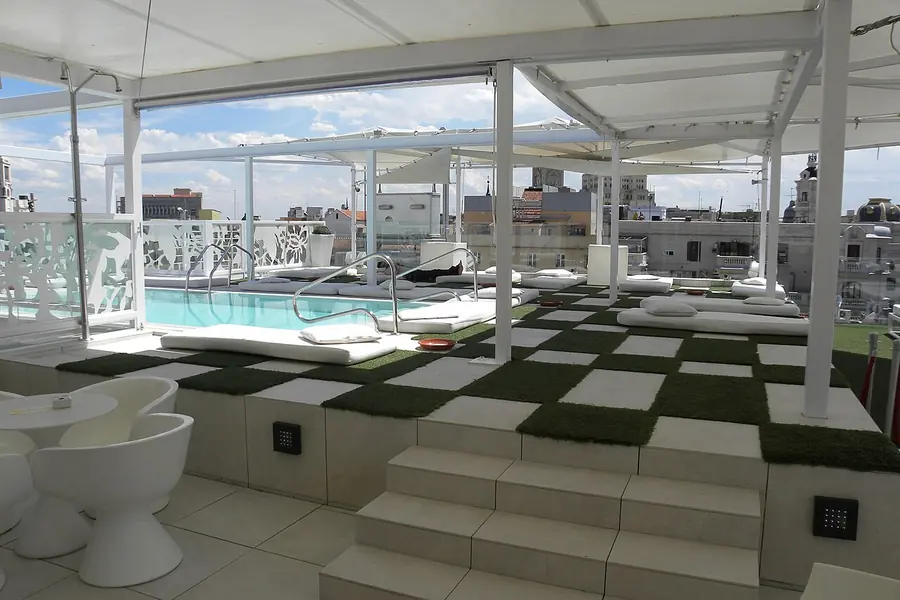
Rooftop bar — Círculo de Bellas Artes or Hotel Florida
Madrid from above, with a gin-tonic and the sunset over the Sierra.
The Círculo de Bellas Artes rooftop (Calle de Alcalá 42) has the best view of the Gran Vía from above and costs €4 entry. Hotel Gran Meliá Fénix (formerly Hotel Florida) has a newer terrace with views over the Salamanca district. Both do gin-tonics; both have the Guadarrama mountains visible on clear evenings. The gin-tonic (una copa de ginebra — with tonic, ice, and a garnish) is the correct Madrid aperitivo.
The neighbourhood that dragged Spain into the 1980s, one bar at a time
Final full day. Malasaña in the morning — coffee at Toma Café (the benchmark for Madrid speciality coffee), bookshops on Calle de Fuencarral, lunch around Plaza del Dos de Mayo. Afternoon at leisure. Dinner somewhere you discovered yourself, which is the point of a third day in any city.
Spend the morning browsing Malasaña's vintage and record shops. The neighbourhood has Madrid's best concentration of independent shops within six blocks of the Plaza del Dos de Mayo. Lunch in the plaza at any bar with outdoor seating.
Toma Café (Malasaña)
The coffee shop that convinced Madrid to take coffee seriously.
Toma Café on Calle de la Palma is a small, serious coffee shop that opened in 2010 and is responsible for at least half of Madrid's current third-wave coffee culture. The espresso is exact. The pour-over is careful. The space is small. This is where Madrid's food-conscious residents start their mornings.
Plaza del Dos de Mayo + Malasaña neighbourhood wander
The square named for the 1808 uprising that inspired Goya's most famous painting.
Plaza del Dos de Mayo is the heart of Malasaña — a neighbourhood that was working-class, bohemian, and dangerous in the 1970s, and is now creative, gentrifying, and good. The Movida Madrileña (Madrid's post-Franco cultural explosion, 1977-1985) centred here; Almodóvar made his first films nearby. The surrounding streets have the best vintage shops in Madrid and bars that open at noon.
Malasaña dinner — La Carmencita or Bodega de la Ardosa
Dinner at the hour that Madrid considers early-ish.
La Carmencita (Calle de la Libertad) is a Madrid institution — a traditional restaurant with a modernised menu that has been open since 1850. Bodega de la Ardosa (Calle de Colón) is a vermouth bar with ceramic taps and a back room that serves proper Spanish stews. Either way: arrive at 9:30 PM, order the vermouth first, don't rush the second glass.
Day 4
Toledo Day Trip
The medieval city that El Greco chose over Rome
High-speed train from Madrid Atocha to Toledo (33 minutes, renfe Avant — buy ahead). Full day in the city. Return by 7 PM for a late Madrid dinner. Toledo is compact enough to walk its entire historic core in one long day.
Same plan but you can take a later train and stay for the sunset — Toledo's hilltop position above the Tagus River means the city glows spectacularly at golden hour. The tourist buses leave at 5 PM.
Toledo Cathedral + Sacristy
The 13th-century cathedral where El Greco paintings hang at eye level.
Toledo Cathedral (begun 1226) is the primary cathedral of the Spanish Catholic Church and one of the great Gothic buildings of Europe. The Sacristy is the specific reason to go: it contains El Greco's 'The Disrobing of Christ' and Goya's 'The Taking of Christ,' both hanging at room level where you can get within two metres. In a major museum they'd be behind glass twenty feet up.
The Greek painter who chose Toledo over Venice, and made it his city.
Doménikos Theotokópoulos arrived in Toledo in 1577, having failed to get work from Philip II (the king didn't like his style), and stayed for the rest of his life. The Museo del Greco occupies a house adjacent to where he lived and has a room dedicated to his View and Plan of Toledo (1610) and a series of apostle portraits. The city he painted is still recognisable from the hilltop above.
The city that invented Spanish marzipan, and takes the credit seriously.
Toledo's marzipan (mazapán) has been made here since at least the 12th century and is protected by geographic indication. Santo Tomé confectionery (Calle de Santo Tomé) sells it in elaborate sculptural forms; a simpler version comes with lunch at any Toledo restaurant. Locum does good Castilian roasted meats; Casa Aurelio has been feeding Toledo since the 1950s with minimal fuss.
Day 5
Thyssen-Bornemisza + Salamanca + Vermouth Hour
The third great Madrid museum, and the neighbourhood that does lunch correctly
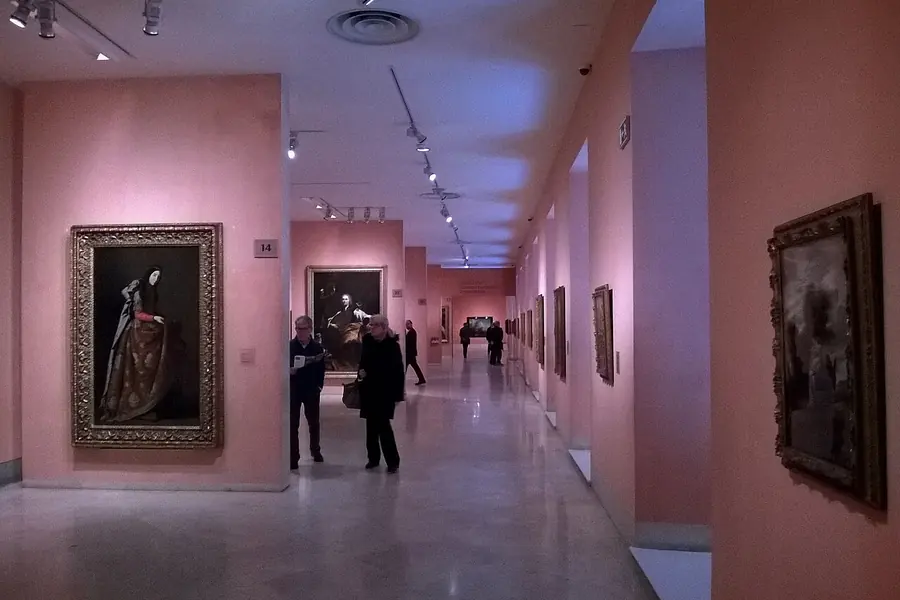
The Thyssen-Bornemisza completes the 'Golden Triangle' of Madrid art museums (Prado, Reina Sofía, Thyssen — all within 500 metres of each other). The Thyssen's collection spans 800 years from the 13th century to the present; the Impressionist and early 20th-century rooms are the highlight. Salamanca district for lunch and the Serrano afternoon.
Museo Thyssen-Bornemisza
The private collection that filled in all the gaps the Prado left.
The Thyssen-Bornemisza was a private collection assembled by the baron and his family over 50 years, covering periods and movements the Prado deliberately avoided. The result is a collection that goes from Flemish primitives to Rothko, with particularly strong Impressionist and German Expressionist holdings. The Mondrian rooms and the Hopper (Hotel Room, 1931) alone justify the ticket.
The neighbourhood for the best Ibérico jamón in Madrid, eaten standing at a zinc bar.
Cinco Jotas (Calle de Serrano) serves the top tier of Ibérico ham — Pata Negra jamón from acorn-fed pigs, sliced to order at the bar. Order a plate of jamón, a glass of Manzanilla sherry, and some pan con tomate (bread rubbed with tomato and olive oil). This is the correct Spanish lunch when you don't want a full sit-down meal.
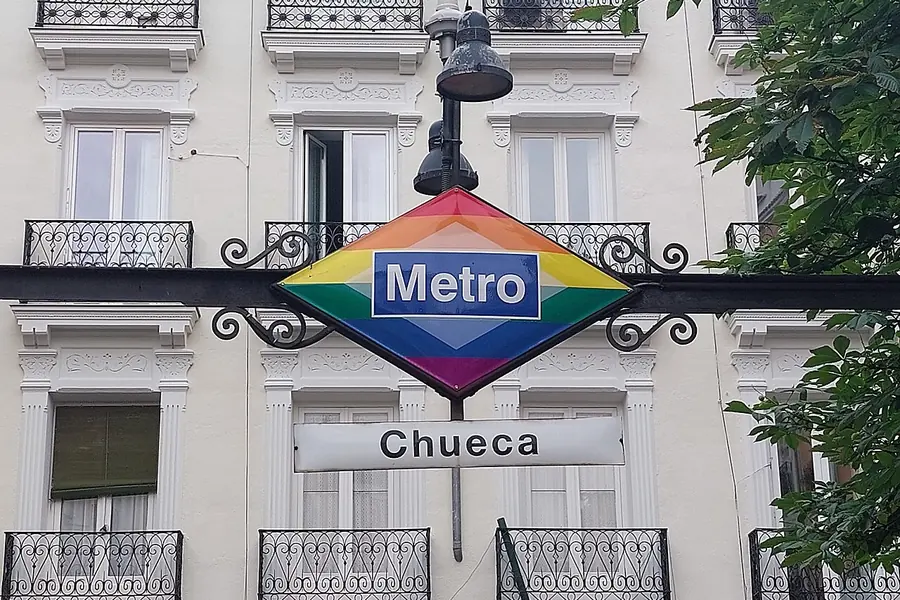
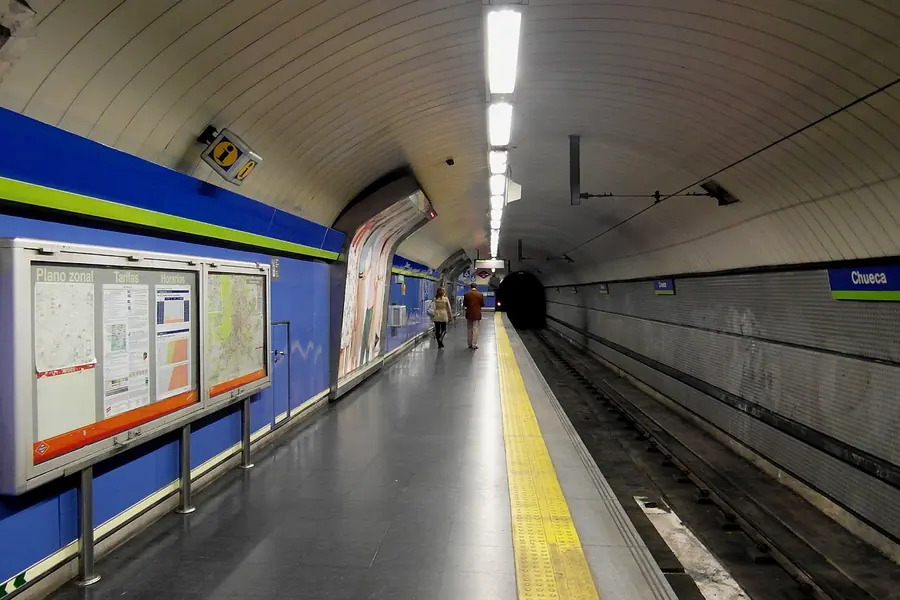
Chueca — aperitivo circuit
Madrid's LGBTQ+ district, and the neighbourhood with the best tapas bars on the east side.
Chueca was transformed by the Movida generation and is now one of Madrid's most vibrant neighbourhoods. The bars on Plaza de Chueca and the surrounding streets (Calle de Pelayo, Calle de Hortaleza) do an excellent aperitivo hour from 7-9 PM. La Doña Tomasa for vermouth; Baco y Beto for modern tapas; Estado Puro for creative Spanish small plates.
The art form and the neighbourhood — then the city at its most itself
Morning in Lavapiés — Madrid's most multicultural neighbourhood and the most interesting for food from everywhere that isn't Spain. Afternoon at leisure. Evening: flamenco tablao that takes the form seriously (book ahead). Post-flamenco: the city doesn't stop, and neither do you, on a night six of seven.
Lavapiés neighbourhood — La Corrala + Tabacalera
The Madrid neighbourhood that the city's middle class moved away from and now wishes it hadn't.
Lavapiés is Madrid's most ethnically diverse neighbourhood — Moroccan, West African, South Asian, South American communities coexist in the streets around the Tabacalera cultural centre. La Corrala (a traditional Madrid courtyard house with external galleries) is the neighbourhood's architectural centrepiece. The street food is the best in Madrid: Moroccan pastries, South Indian curry, Bangladeshi sweets, Ethiopian injera — all within 200 metres.
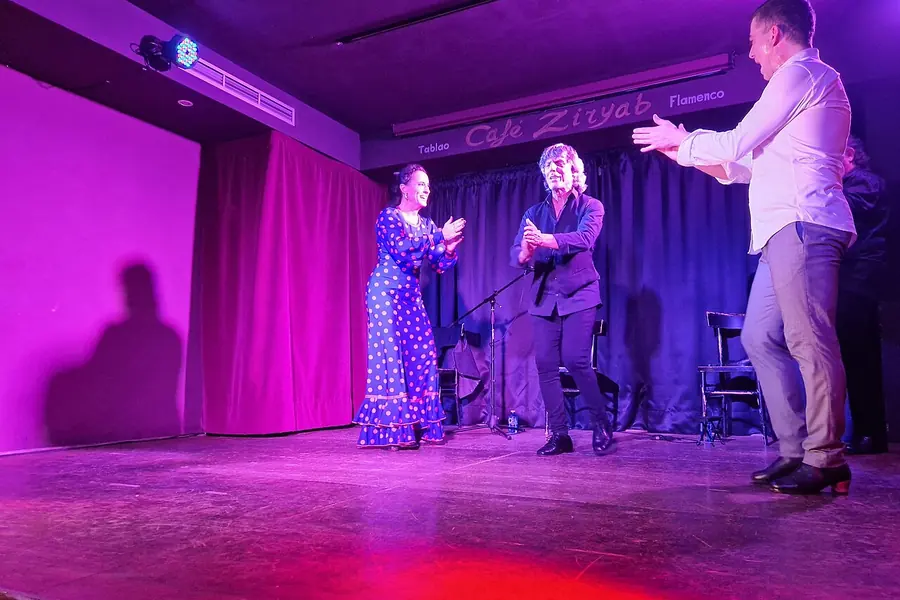
Flamenco tablao — Corral de la Morería or Las Carboneras
Flamenco as an art form, not a tourist attraction — though it is currently both.
Madrid's flamenco tablaos vary dramatically in quality. Corral de la Morería (opened 1956) has the most rigorous programming and the best performers; it also has the highest prices (from €50 per person without dinner). Las Carboneras in Los Austrias is smaller, slightly more intimate, and equally serious. Book well ahead for either — both sell out weeks in advance on weekends.
After flamenco (which typically ends at midnight), Madrid is still fully operating. The Huertas neighbourhood (south of the Prado) has jazz clubs, late-night tapas bars, and the Cervecería Alemana (where Hemingway drank and the ham is still good). Malasaña has bars that don't reach capacity until 1 AM. Do not feel obligated to go home.
A Roman aqueduct and the street that makes Spainin feel like a movie
Segovia is 90 minutes by high-speed train from Madrid (or 30 minutes by AVE to Segovia Guiomar, then bus). The Roman aqueduct is the best-preserved in the world. The Alcázar castle gave Disney its template for the Sleeping Beauty castle. Return for a final Gran Vía rooftop drink at sunset.
Segovia Roman Aqueduct + Old City
2,000 years old, 166 arches, no mortar. Still standing.
The Segovia aqueduct (1st–2nd century AD) carried water from the Rio Frío to the city for nearly 2,000 years and was still functional in the 20th century. It's made of 20,000 granite blocks fitted without mortar — just precise stacking. It is 728 metres long and 28 metres tall at its highest point. Standing beneath it is the most visceral experience of Roman engineering available to a day tripper from Madrid.
Roast suckling pig carved with a plate. The plate is not a metaphor.
Segovia is famous for cochinillo asado — roast suckling pig cooked at high heat until the skin is crackling and the meat falls off. Mesón de Cándido (established 1786) is the historic benchmark: the waiter carves the pig with a china plate (to demonstrate how tender it is) and then smashes the plate on the floor. This is a performance but also a genuine demonstration of the dish's quality. Reserve ahead.
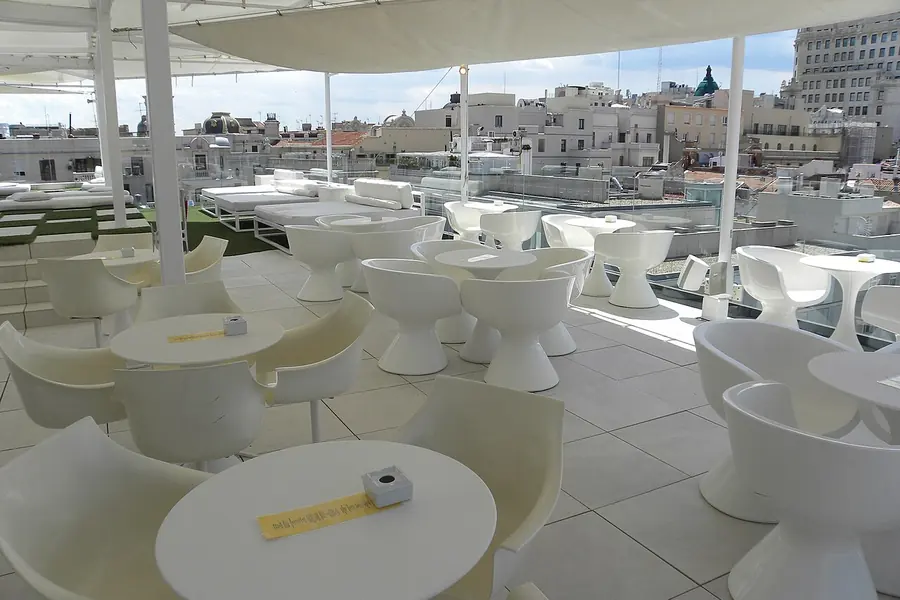
Gran Vía — farewell rooftop drink
The street that Madrid built to be impressive. One last look from above.
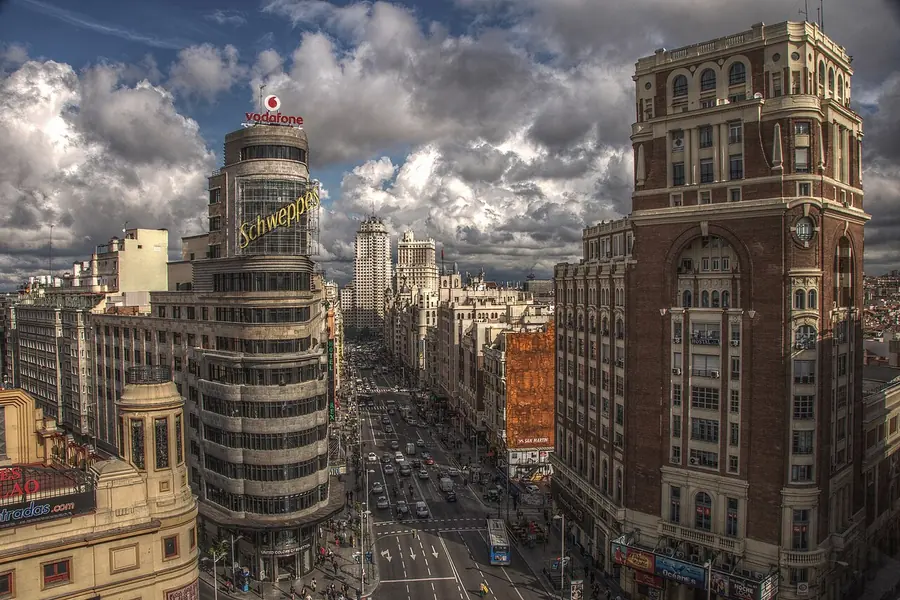
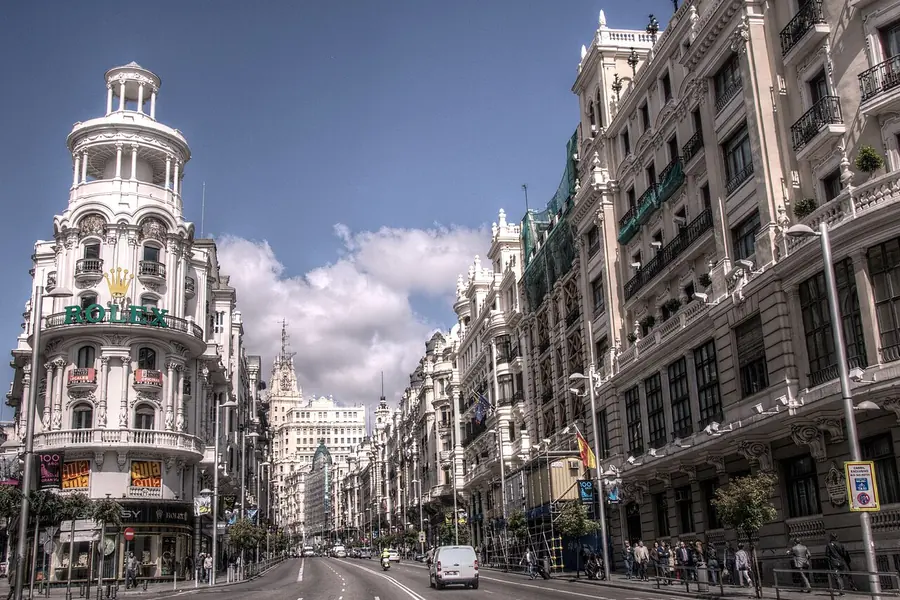
Gran Vía was carved through the city between 1910-1933 to create a Parisian-style boulevard. The result is Madrid's most theatrical streetscape: Beaux-Arts and Art Deco buildings in eclectic parade, topped by the Metropolis dome. The rooftop bar of the Hotel NH Collection Gran Vía has the best view of it all — the city below, the Guadarrama mountains beyond, and the neon coming up as the sun goes down.
Madrid operates on a different timeline to the rest of Europe, and this is not an exaggeration. Dinner at 8 PM here is what dinner at 6 PM is elsewhere: you’re that person who eats early. The bars don’t reach capacity until midnight. The clubs don’t open until 2 AM. And somehow the city functions perfectly the next morning, because madrileños have simply evolved to require less sleep, or more coffee, or some combination that nobody has studied adequately.
The art museums are the other reason to come — three world-class collections (the Prado, the Reina Sofía, and the Thyssen-Bornemisza) clustered within a ten-minute walk of each other. The Prado alone justifies a trip from anywhere in Europe. Guernica alone justifies adding the Reina Sofía.
The 2-day version gets you the Prado and the tapas. The 7-day version gets you Toledo, Segovia, flamenco done properly, and enough time in the city to figure out why, when people ask you where in Europe you’d most want to live, you say Madrid and mean it.
Trip length
Art museums
Essential eat
Day trip
2 days
Prado (Velázquez + Goya)
La Latina tapas circuit
—
3 days
+ Reina Sofía (Guernica)
Mercado de San Miguel
—
4 days
+ Thyssen (Impressionists)
Jamón at Cinco Jotas
Toledo (El Greco + Cathedral)
7 days
Full Golden Triangle
Cochinillo in Segovia
Toledo + Segovia
This article contains affiliate links marked with rel="sponsored". We may earn a commission at no extra cost to you.