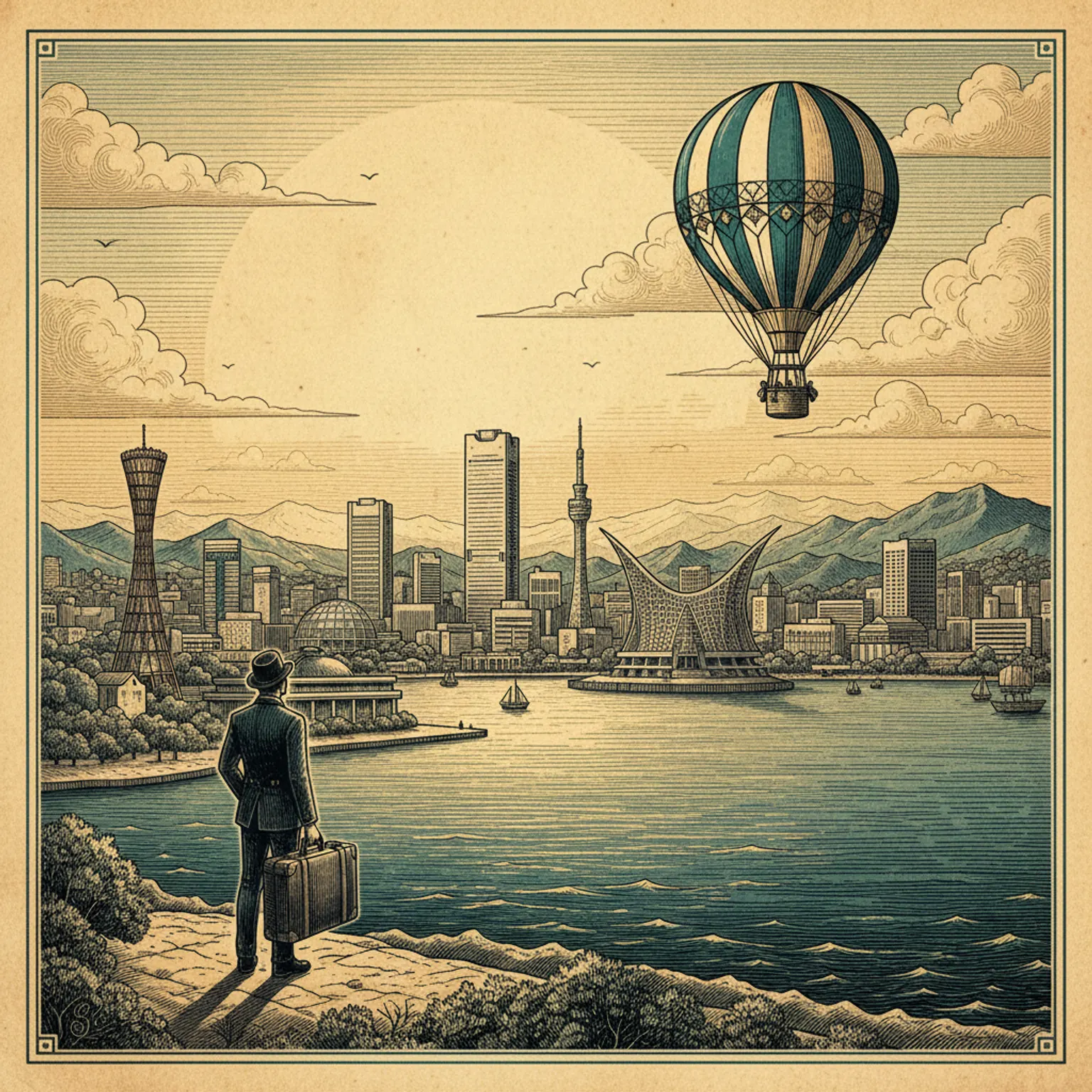
I'll be honest: I came to Kobe entirely for the beef, and I left in love with the city itself. After a teppanyaki lunch that genuinely made me a little emotional, I took the cable car up Mt Rokko at dusk and watched the whole city light up between the mountains and the sea — one of the great night views on earth, and barely another tourist around. Kobe is squeezed into a thin strip between the Rokko range and Osaka Bay, which makes it dramatic and walkable and weirdly cosmopolitan. It has sake, old foreign mansions, and a quiet confidence. Osaka and Kyoto get the crowds. Kobe gets it right.
Two days nails the essentials: a proper Kobe beef lunch, the hillside Kitano district of old Western houses, the buzzing Sannomiya streets, and the glittering Harborland waterfront after dark. You'll see why locals are so smug about their city. It's enough to fall for Kobe's mountains-meet-sea charm.
Do this one thing: book a counter seat at a teppanyaki place and watch your Kobe beef cooked in front of you. It's theatre.
Add Nada's sake and Mt Rokko's night view
A third day adds the Nada sake district, Japan's greatest brewing quarter, and the cable car up Mt Rokko for the legendary million-dollar night panorama. You balance the city core with its mountain and its booze, and understand what makes Kobe Kobe.
Kobe plus Arima and Akashi
Four days lets you reach Arima Onsen, an ancient hot-spring town just over the mountain, and the soaring Akashi Kaikyo Bridge. You go beyond the city into its scenic hinterland, and soak in mineral water older than the shoguns. My recommended length for a first visit.
Kobe as a base for the Kansai region
A week turns Kobe into a calm base for Kansai: day trips to Himeji's perfect white castle, Osaka's food chaos, and Kyoto's temples, all under an hour by train. Seven days is for travellers who want a quieter home base for the whole region.
Estimated budget:$320-$650
Estimated budget:$480-$980
Estimated budget:$640-$1300
Estimated budget:$1150-$2400
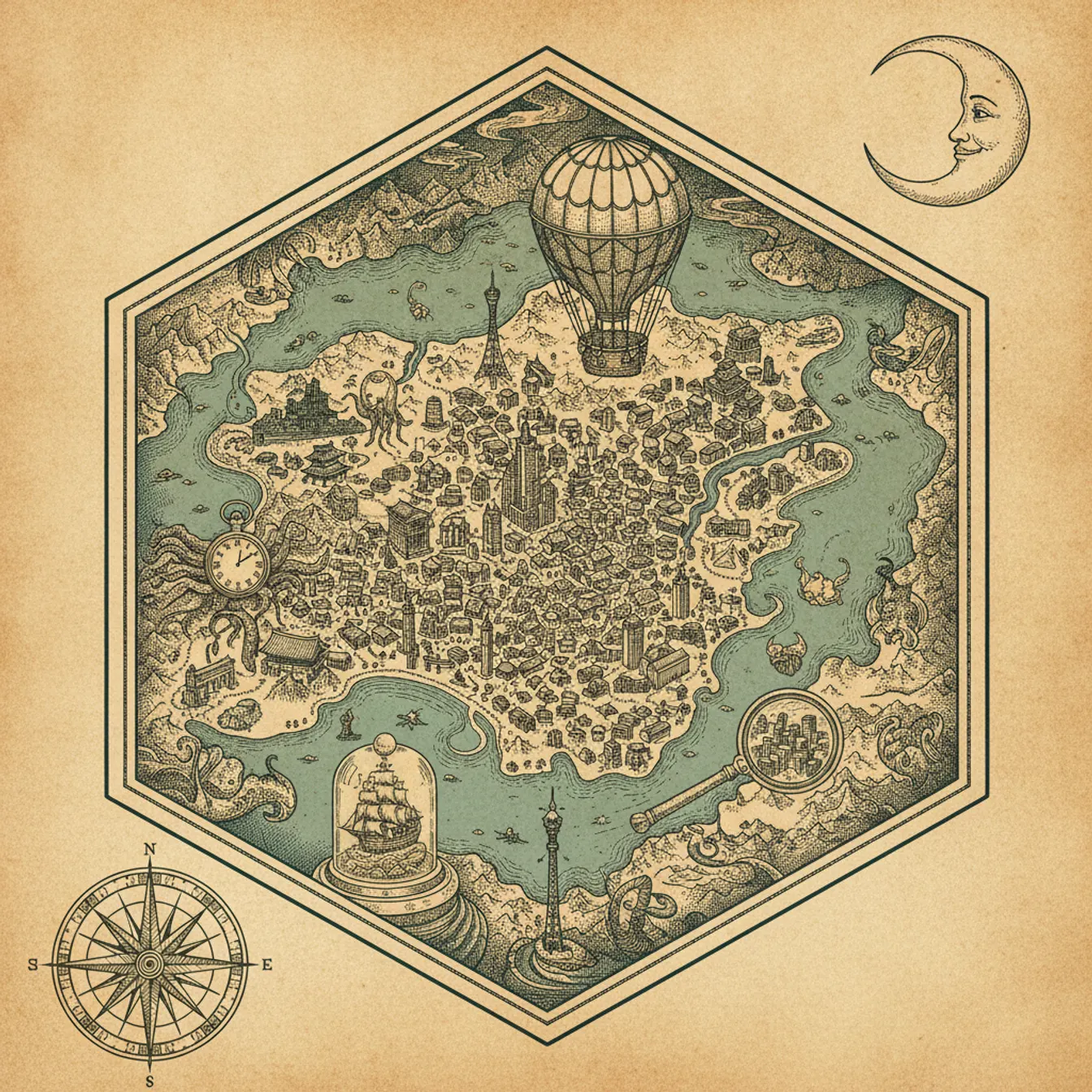
[ THE DISPATCH · FIELD MAP ]
A tilted, hand-drawn dispatch of Kobe. Click a quarter to explode it open.
0 / 6 quarters explored
Legend · tap to highlight
[ KITANO ]
Old stones, older stories.
Kitano Ijinkan DistrictA hillside of grand old Western merchant houses from Kobe's port boom.
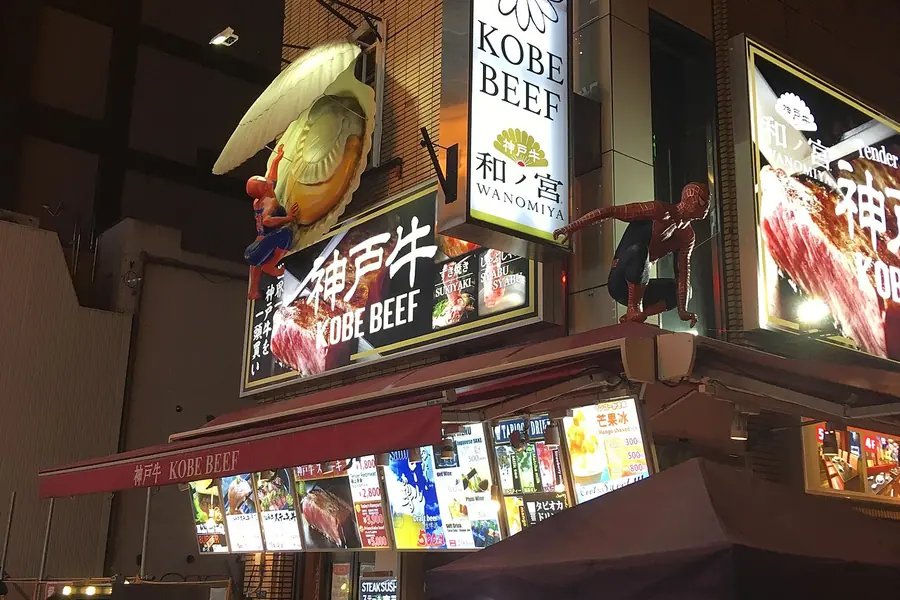
Steakland Kobe (teppanyaki)Counter-cooked Kobe beef without the eye-watering Ginza prices.
[ SANNOMIYA & MOTOMACHI ]
Grand squares and big ideas.
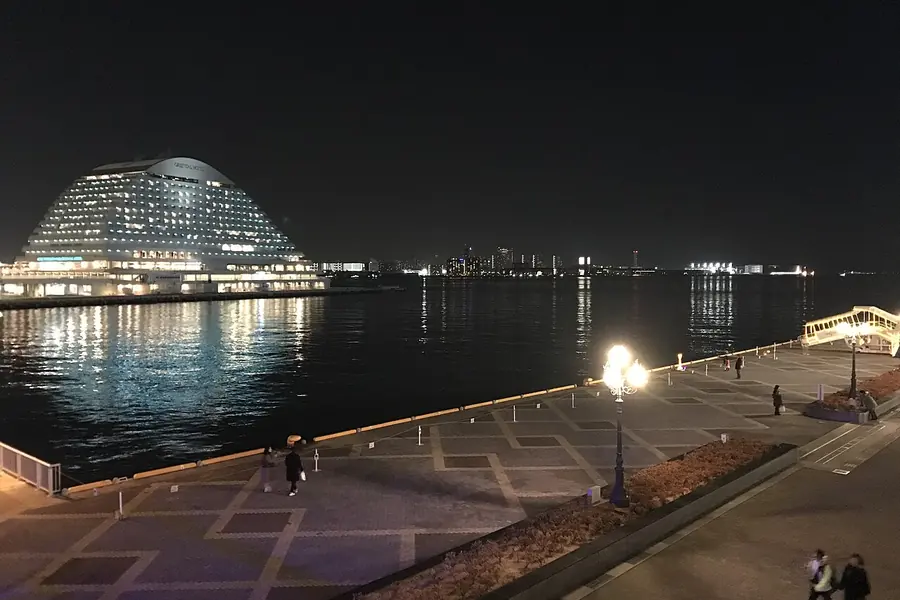
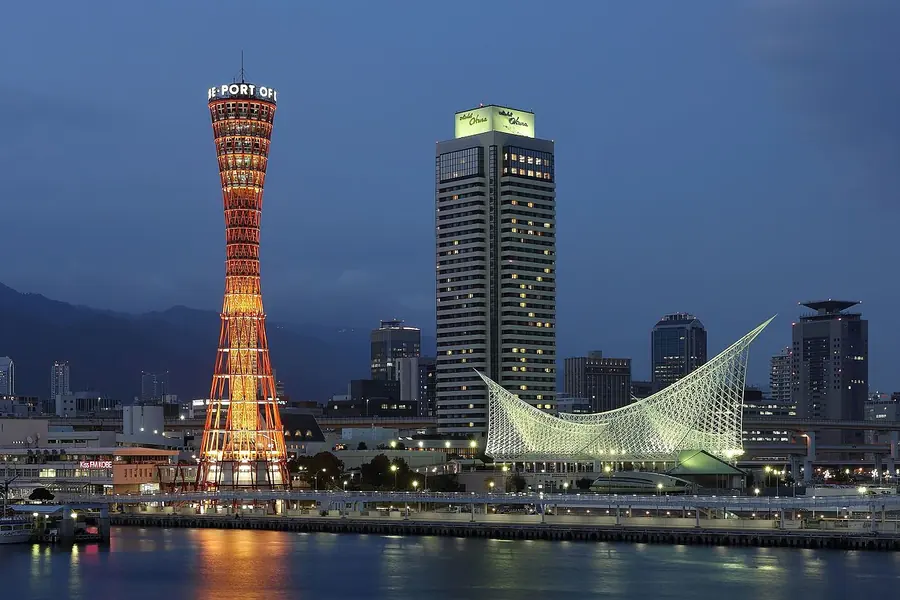
Kobe Harborland & Meriken ParkIlluminated waterfront, the red Port Tower, and a moodlit promenade.
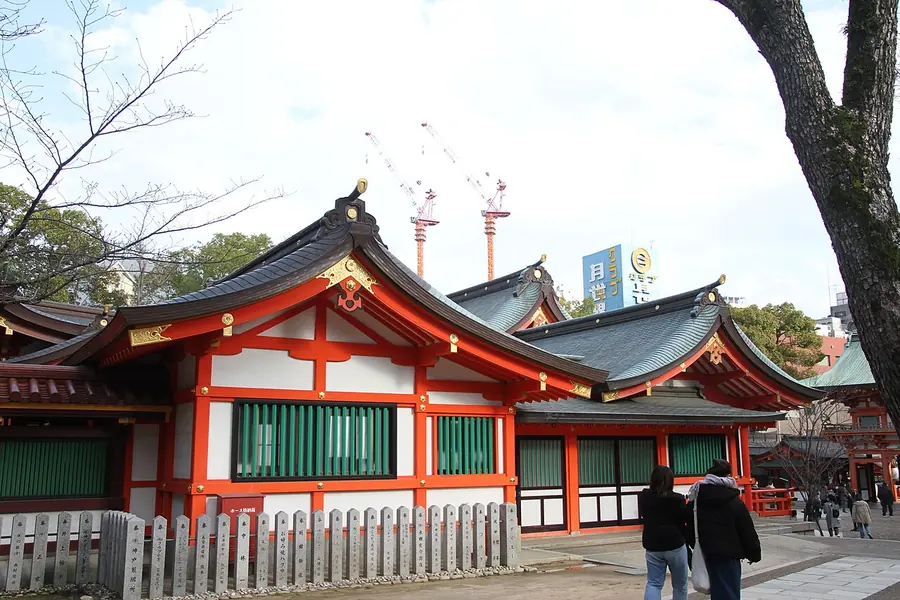
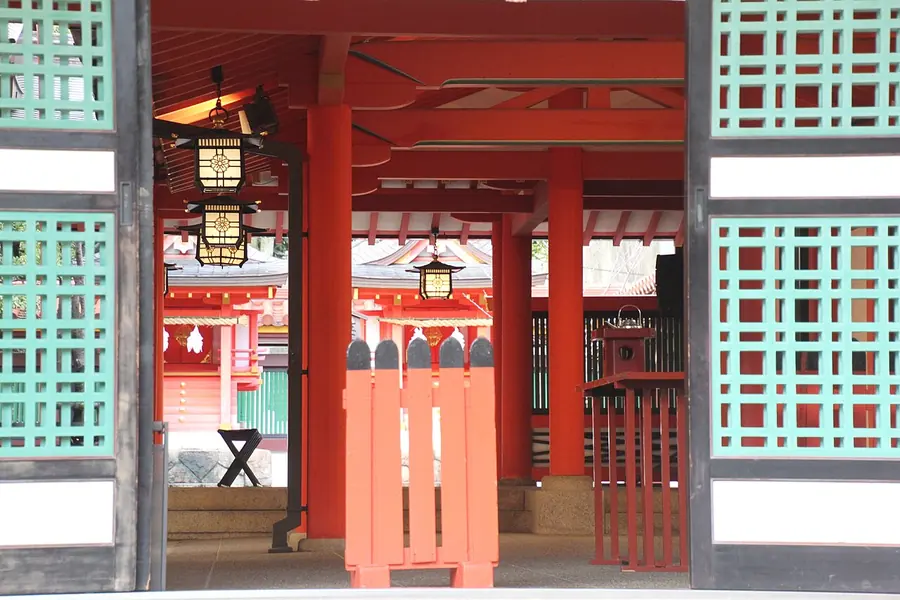
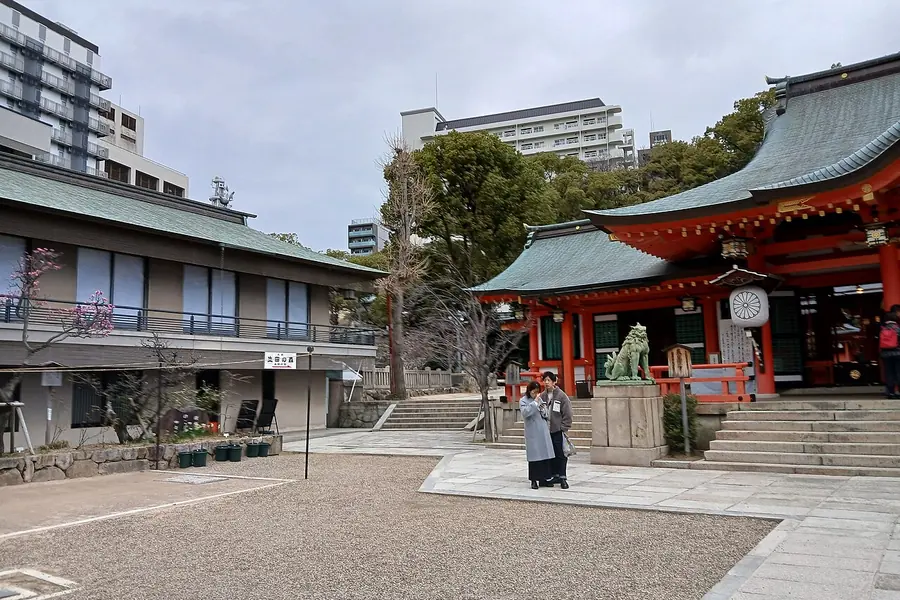
Ikuta ShrineA 1,800-year-old shrine marooned in the middle of the shopping district.
[ HARBORLAND & MERIKEN PARK ]
Where the city meets the water.
Kobe Port TowerA red lattice icon with a 360-degree deck over the harbour.
Motomachi Shopping StreetA long covered arcade for last-minute pastries and souvenirs.
[ NADA SAKE DISTRICT ]
Old stones, older stories.
Nada Sake DistrictJapan's premier sake region, with free tastings in old wooden breweries.
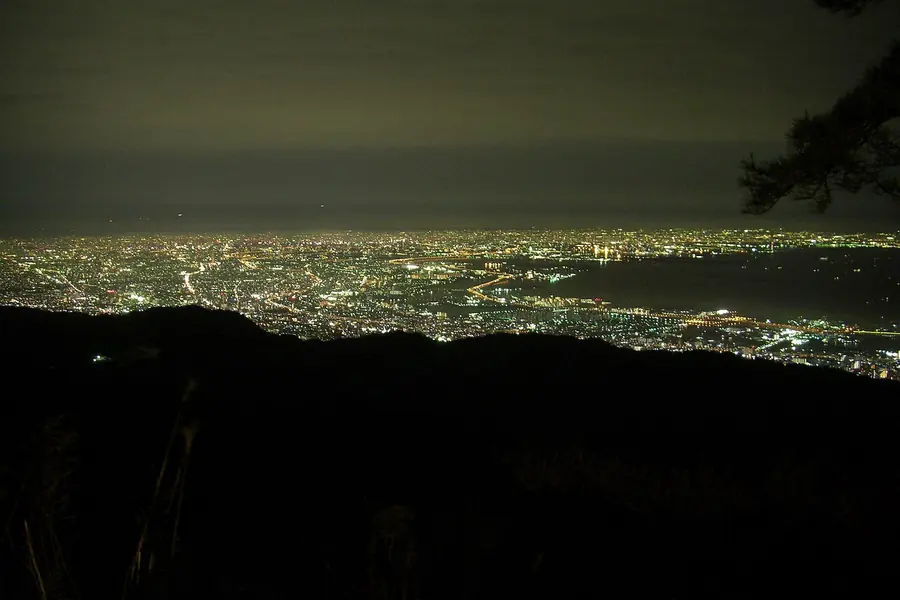
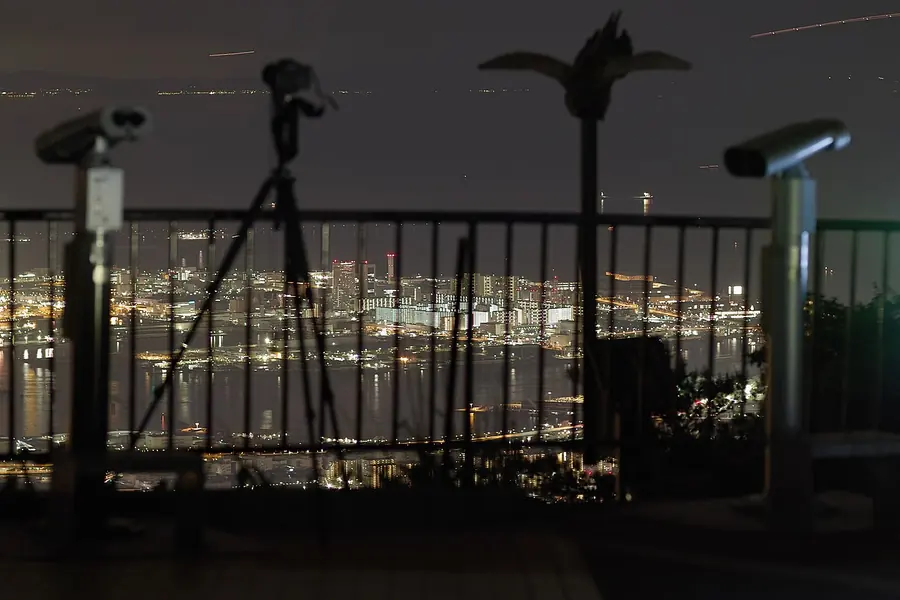
Mt Rokko Night ViewThe 'ten-million-dollar' panorama over Kobe, the bay, and Osaka.
[ MT ROKKO & ARIMA ]
Green breathing room.
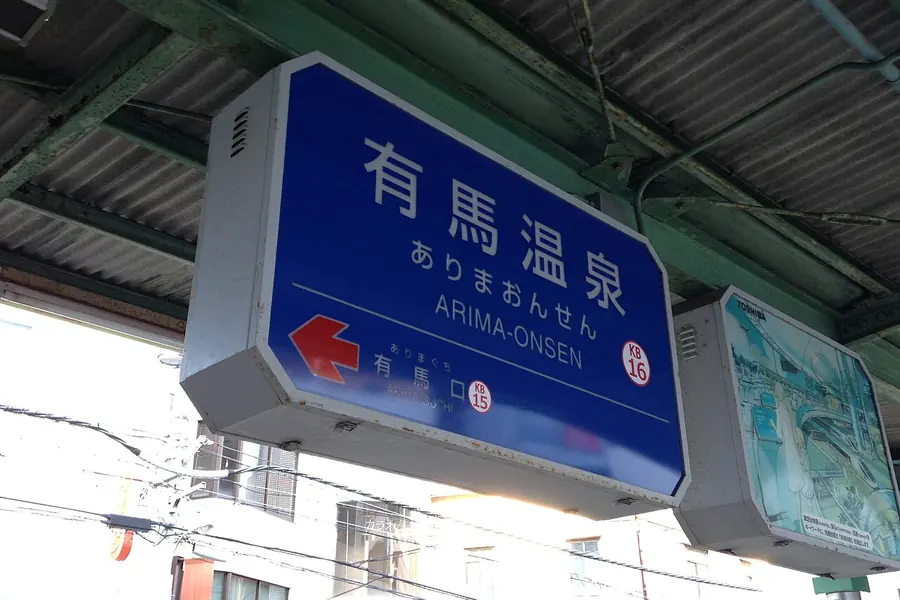
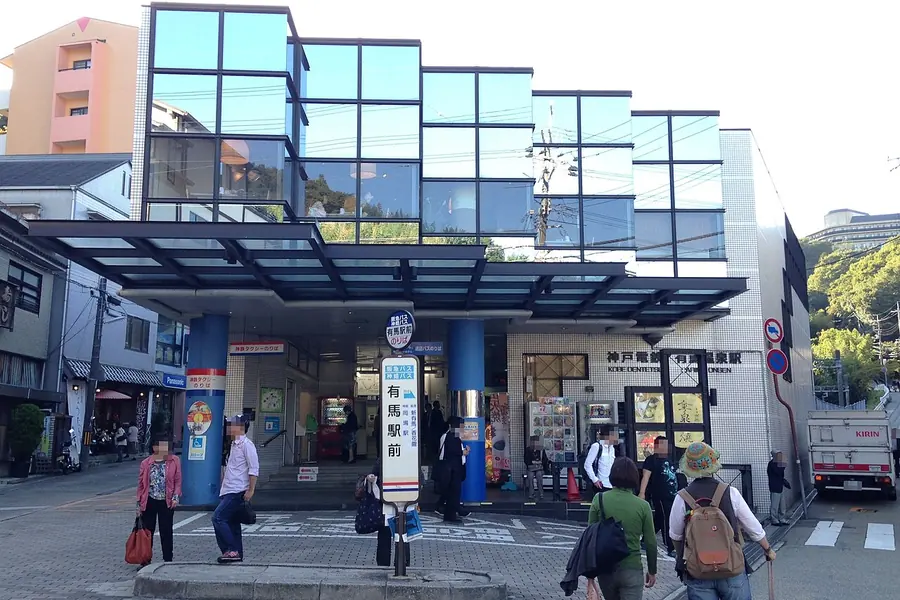
Arima OnsenOne of Japan's oldest hot-spring towns, just over the mountain.
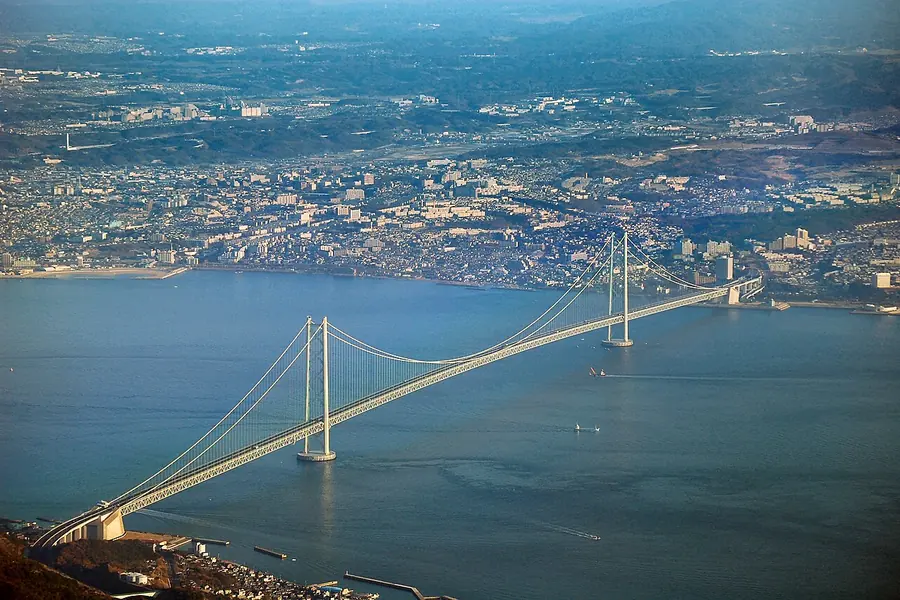
Akashi Kaikyo BridgeThe longest suspension bridge span on earth, with a vertigo walkway.
[ AKASHI COAST ]
Boats, bridges and reflections.
Akashi Kaikyo BridgeA landmark worth your time.
Day 1
Kitano and the Beef
The hillside foreign quarter, then the meal you came for
Kitano Ijinkan District
A hillside of grand old Western merchant houses from Kobe's port boom.
When Kobe opened to foreign trade in 1868, traders built mansions on the Kitano slopes, and many survive as quirky little museums — the Weathercock House, the Moegi House, and others. Wander the steep, leafy lanes for the views back over the city and the unexpectedly European feel. It's a charming, low-key morning and the start of Kobe's cosmopolitan story.
Steakland Kobe (teppanyaki)
Counter-cooked Kobe beef without the eye-watering Ginza prices.
Real Kobe beef is a strictly certified, intensely marbled wagyu, and you should eat it at a teppanyaki counter where a chef sears it in front of you. Steakland in Sannomiya does an excellent, affordable lunch set; for a splurge, try Wakkoqu. Either way, get the leanest cut your wallet allows — the fat is the point, but a little goes a long way. Unforgettable.
Kobe Harborland & Meriken Park
Illuminated waterfront, the red Port Tower, and a moodlit promenade.
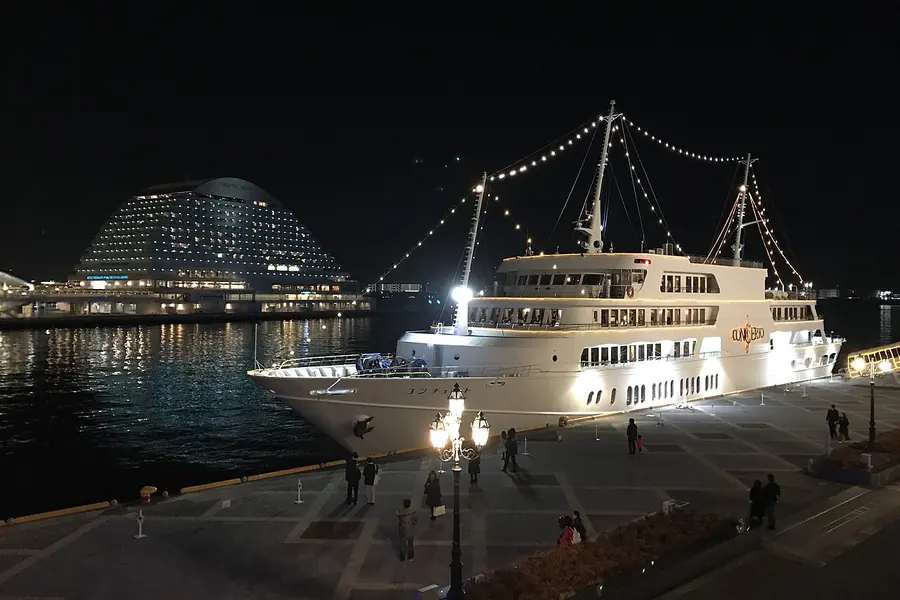
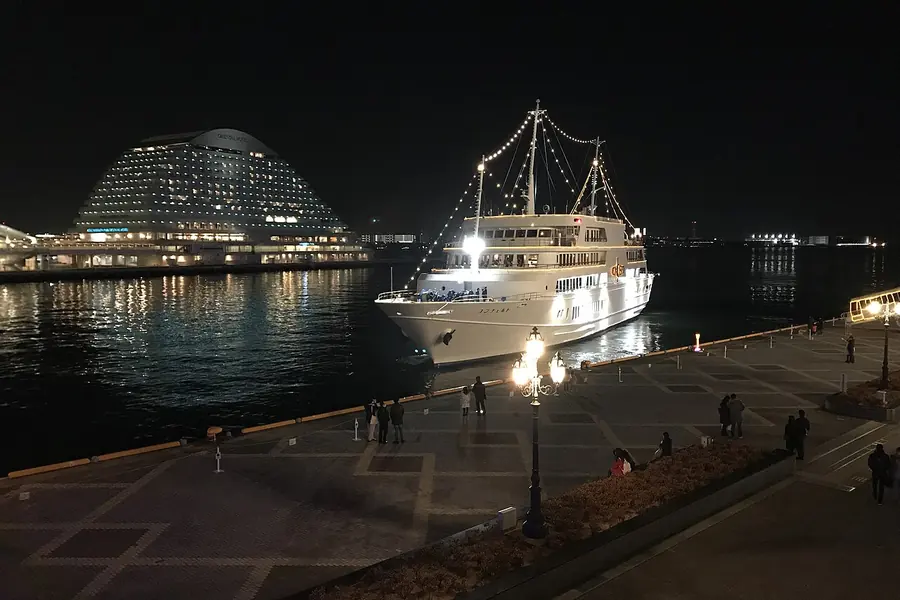
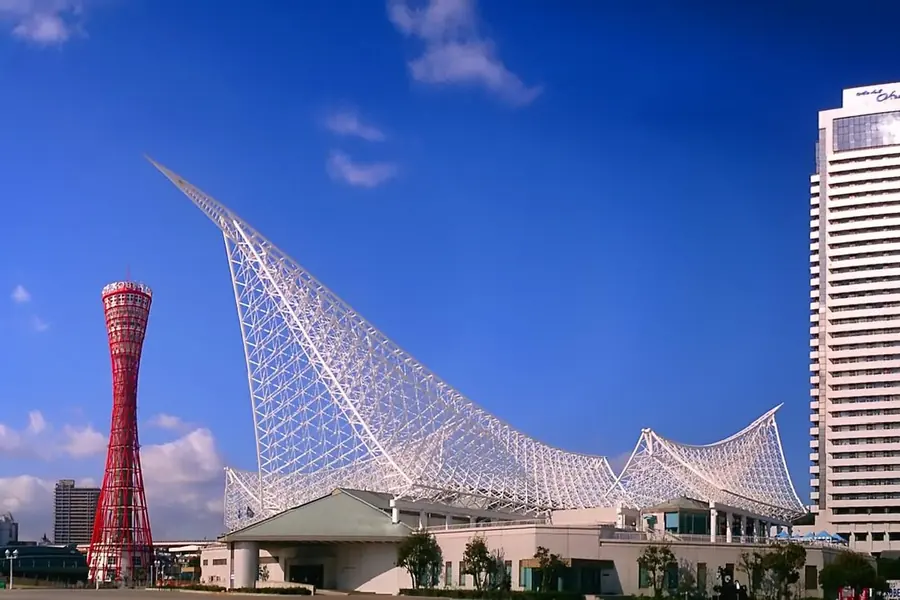
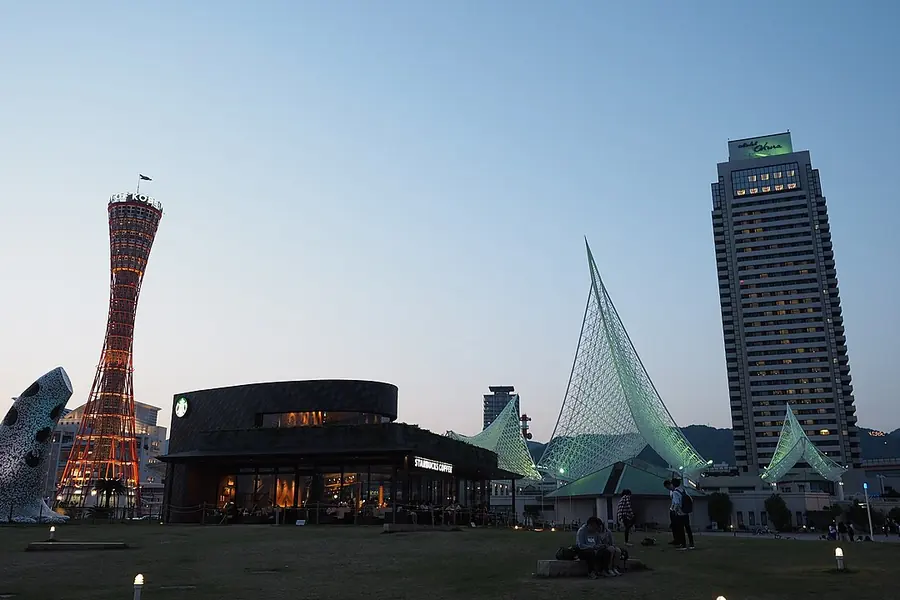
As the light fades, head to the harbour: Meriken Park with its lit-up Port Tower and the maritime museum's lattice dome, then over to Harborland's shopping-and-dining waterfront and Ferris wheel. The whole bay sparkles. Grab dinner with a sea view, or just stroll the promenade. It's Kobe at its most romantic, and a lovely first evening.
The lively city centre, eating your way through it
Ikuta Shrine
A 1,800-year-old shrine marooned in the middle of the shopping district.
Tucked behind the Sannomiya department stores, Ikuta Jinja is one of Japan's oldest shrines, with a vivid vermilion gate and a small forest behind it. It's a pocket of calm amid the retail rush and a nice reminder of how old Kobe really is beneath the modern surface. Quick to visit, free, and a good orientation point for the centre.
A compact, delicious Chinatown built by the port's merchants.
Kobe's Chinatown is small but packed — a few lanes around a central plaza, lined with stalls hawking steamed buns, pork dumplings, and street snacks. Graze your way through (the butaman pork buns are the local obsession), then browse the kitschy shops. It's touristy and great fun, and a delicious cheap lunch between bigger sights.
Sannomiya Backstreets
Lantern-lit alleys of tiny bars, izakaya, and standing-room sake spots.
After dark, the warren of alleys around Sannomiya and Motomachi stations comes alive with tiny izakaya, yakitori counters, and standing bars seating six people at a push. Duck into one, order whatever's grilling, and drink local sake. This is Kobe's everyday nightlife — unflashy, friendly, and exactly where you want to spend an evening. Follow the noise and the lanterns.
Day 3
Sake and the Mountain
Nada's breweries by day, Rokko's night view by night
Nada Sake District
Japan's premier sake region, with free tastings in old wooden breweries.
The Nada district east of the centre produces roughly a quarter of all Japan's sake, thanks to its hard Miyamizu spring water. Several breweries — Hakutsuru, Kiku-Masamune, Sawanotsuru — run free museums with tastings. Hop between two or three. You'll learn how it's made and sample dry, crisp Nada sake at the source. A genuinely fun, slightly tipsy morning.
The 'ten-million-dollar' panorama over Kobe, the bay, and Osaka.
Take the cable car up Mt Rokko (or nearby Maya) in the late afternoon, and as night falls the entire Kobe-Osaka conurbation lights up below you in a sweep of glitter from the mountains to the sea. Locals call it the ten-million-dollar view and they're not wrong. Time it for dusk to catch both sunset and the lights. One of Japan's great free-ish spectacles.
An ancient hot-spring town and the world's longest suspension span
Arima Onsen
One of Japan's oldest hot-spring towns, just over the mountain.
A short ride beyond Mt Rokko, Arima is one of Japan's three oldest onsen, famous for its iron-rich 'gold water' and clear 'silver water'. Wander the steep old streets, soak in a public bath like Kin no Yu, and eat the local carbonated senbei crackers. It's a soothing, atmospheric half-day and the easiest onsen escape from any major Kansai city.
The longest suspension bridge span on earth, with a vertigo walkway.
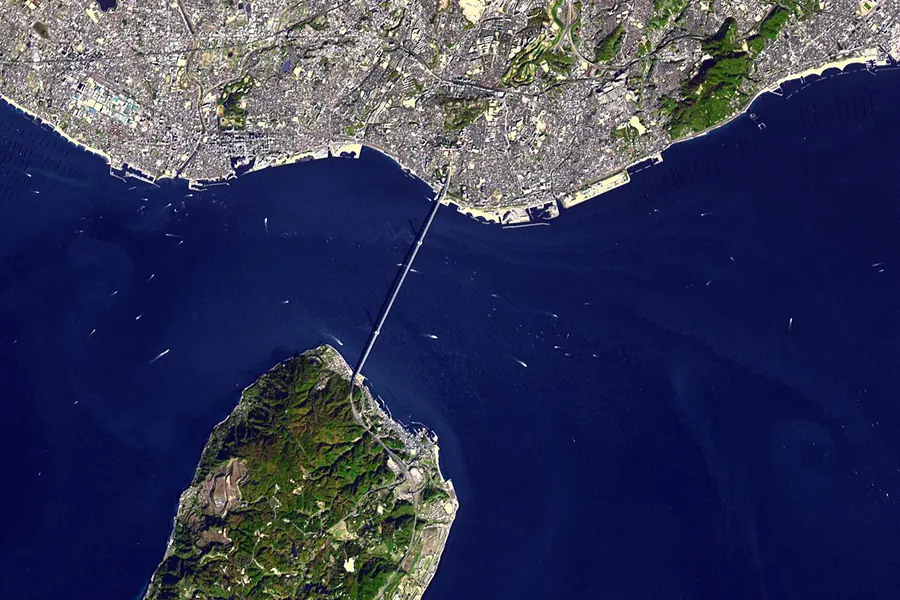
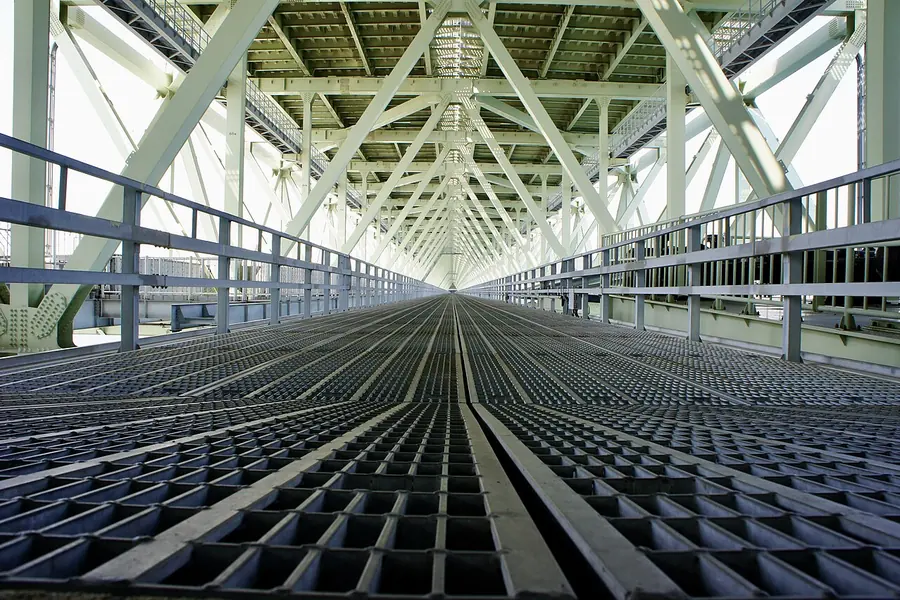
West of the city, the Akashi Kaikyo Bridge stretches nearly 4km across the strait to Awaji Island — for decades the world's longest central suspension span. The Maiko Marine Promenade lets you walk out on a glass-floored deck high above the sea. Time it for sunset over the bridge. An awe-inspiring feat of engineering and a dramatic end to the day.
Japan's most perfect surviving castle, 40 minutes west
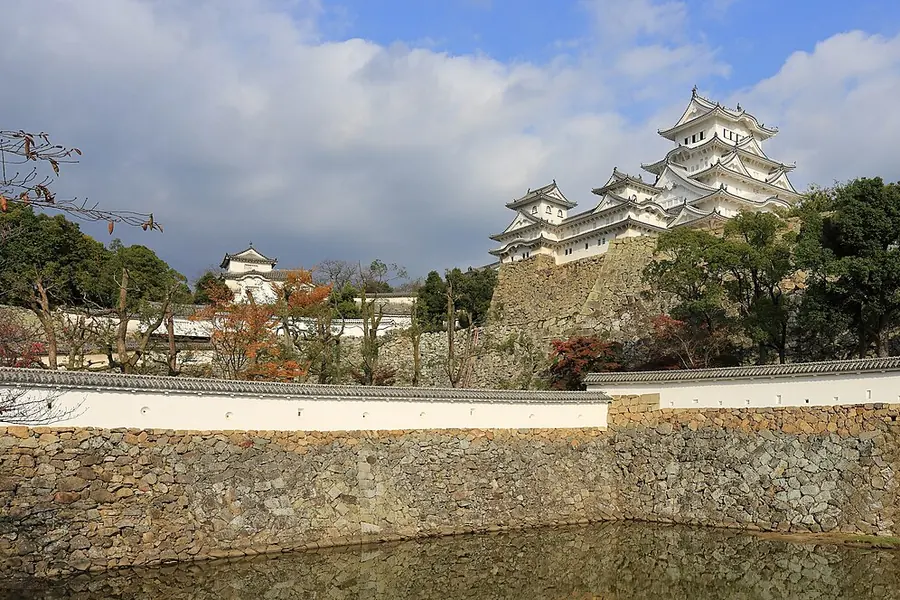
Himeji Castle
The dazzling white 'Heron Castle', Japan's finest original fortress.
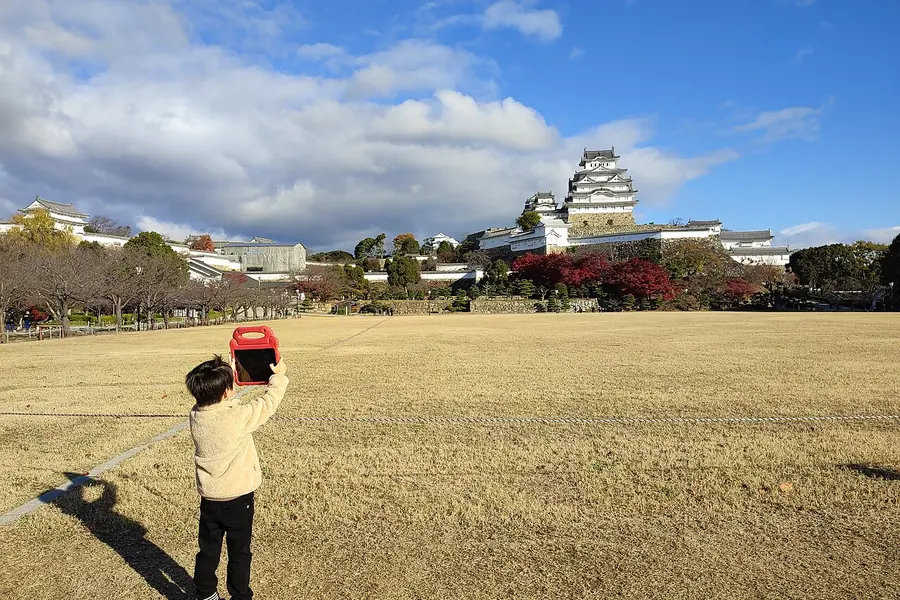
Forty minutes by train, Himeji is the country's grandest surviving feudal castle — a brilliant-white hilltop complex of interlocking keeps, gates, and defensive mazes, untouched by war or fire since 1609. Climb to the top floor for the view, then explore the adjacent Koko-en gardens. It's a UNESCO site and genuinely breathtaking. Go early to beat tour groups.
A misty mountaintop temple where The Last Samurai was filmed.
A ropeway above Himeji climbs to Engyo-ji, an atmospheric 1,000-year-old temple complex scattered through cedar forest on Mount Shosha. The great wooden Maniden hall, perched on stilts over the slope, featured in The Last Samurai. It's serene, cinematic, and a world away from the castle crowds below. A perfect, quiet afternoon to round off the day trip.
Day 6
Osaka by Night
Kansai's loud, neon-soaked food capital, half an hour away
Dotonbori, Osaka
Neon, canal-side chaos, and the best street food in Japan.
Thirty minutes from Kobe, Osaka's Dotonbori is a riot of neon signs, the famous Glico running-man billboard, and stall after stall of takoyaki and okonomiyaki. It's brash, loud, and brilliant. Eat your way along the canal, then climb the surrounding alleys for grilled skewers. After Kobe's calm, the contrast is delicious. Stay out late — Osaka does not sleep early.
A retro-gaudy district of kushikatsu skewers under the Tsutenkaku tower.
Down the road, Shinsekai is gloriously old-fashioned Osaka — the Tsutenkaku tower, glaring signage, and dozens of kushikatsu joints serving deep-fried skewers (one dip in the shared sauce only — house rule). It's cheap, greasy, and full of character. A perfect final-night feast before you train back to quiet, civilised Kobe. Don't double-dip.
Day 7
Last Look at the Bay
A gentle final morning by the harbour
Kobe Port Tower
A red lattice icon with a 360-degree deck over the harbour.
End on a high — literally. The recently renovated Kobe Port Tower's observation deck gives a sweeping view over Meriken Park, the bay, and the Rokko mountains behind. It's the perfect way to piece together everywhere you've been all week. Go in clear morning light, then drift down for one last harbourside coffee. A fitting goodbye to a city of mountains and sea.
A long covered arcade for last-minute pastries and souvenirs.
Kobe is famous for its bakeries and sweets — a legacy of those 19th-century foreign traders — and the Motomachi arcade is the place to stock up. Buy a box of cakes from a long-established patisserie, browse the side streets, and grab a final coffee. It's a relaxed, tasty last stop before the airport. Kobe sends you off well-fed, as it should.
Most people give Kobe a single afternoon between Osaka and Kyoto, eat some beef, and leave. That’s a mistake. Kobe is one of Japan’s most likeable cities — squeezed into a dramatic strip between the Rokko mountains and Osaka Bay, with a cosmopolitan history, Japan’s best sake district, and a night view that genuinely stops conversation. It’s relaxed where its neighbours are frantic, and it makes a superb, calmer base for the whole Kansai region.
How to use this plan
The one rule for every version of this trip: eat your Kobe beef at a teppanyaki counter, not from a hotel buffet. Watching a chef sear certified wagyu in front of you is half the experience. Two days covers the core: the Kitano foreign houses, that beef lunch, lively Sannomiya and Chinatown, and the illuminated Harborland waterfront. Three adds the Nada sake breweries and the cable car up Mt Rokko for the famous ten-million-dollar night view. Four — my pick for a first visit — gets you to ancient Arima Onsen and the colossal Akashi Kaikyo Bridge.
The 7-day plan uses Kobe as a serene home base for Kansai: a day trip to Himeji’s flawless white castle, a loud night in Osaka’s Dotonbori, and easy access to Kyoto. With a week you get the region’s greatest hits while sleeping somewhere far calmer than the crowds.
A few honest notes
Real Kobe beef is strictly certified, so look for the chrysanthemum seal or a reputable teppanyaki name — and order modestly, because the intense marbling means a small portion satisfies. The city is long and thin, but the JR and Hankyu lines run its length efficiently, so a base near Sannomiya puts everything in reach. And don’t skip the night view for the daytime one: Mt Rokko after dark is the single image you’ll remember. Time the cable car for dusk and bring a light jacket — it’s cooler up top.
This article contains affiliate links marked with rel="sponsored". We may earn a commission at no extra cost to you.