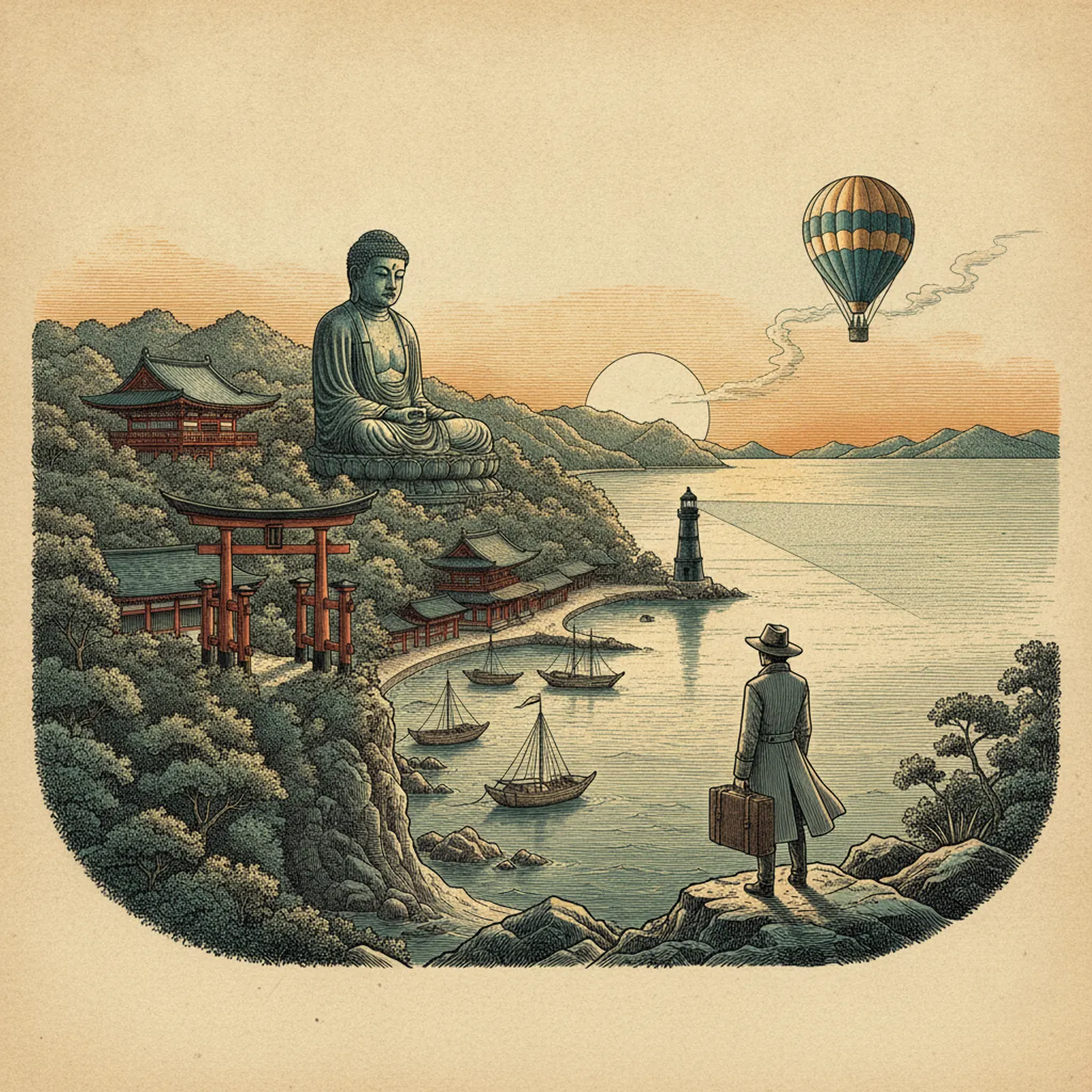
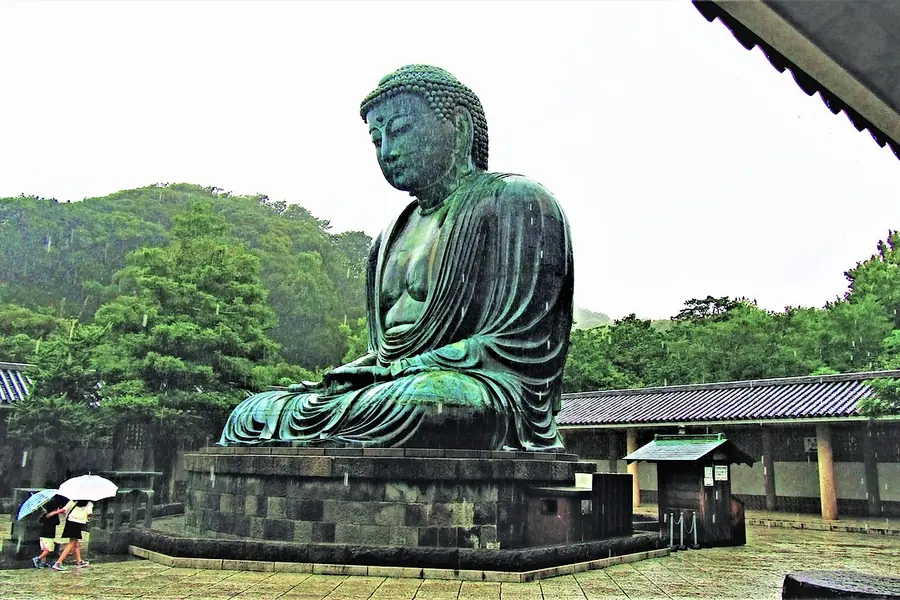
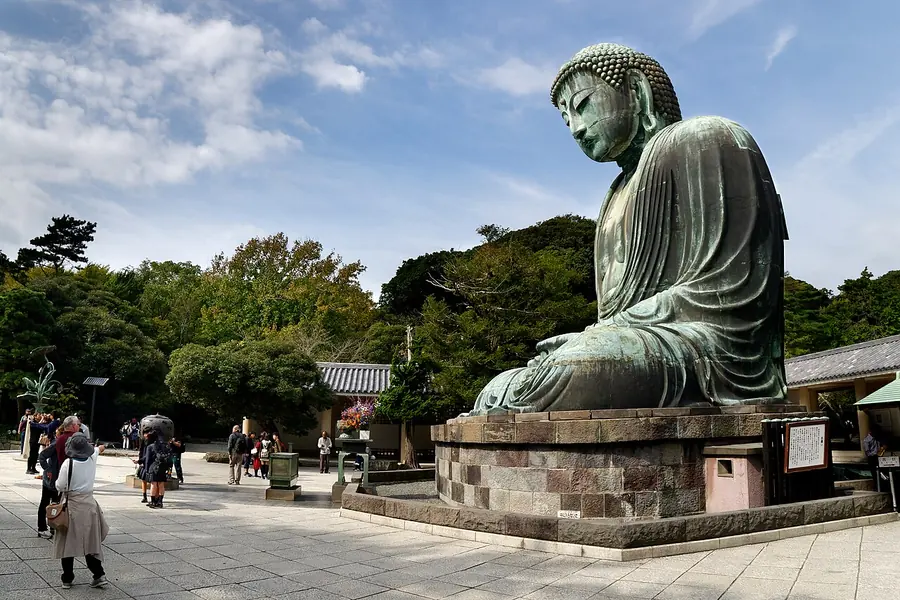
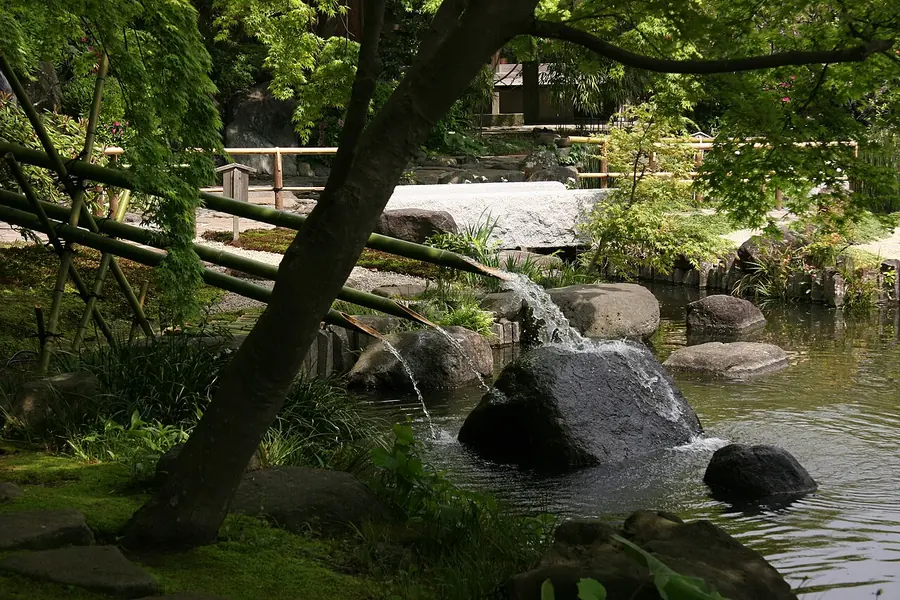
Everyone tells you Kamakura is a day trip from Tokyo. I believed them, came for a day, and missed my train home because I'd found a tiny temple in the hills where the only sound was a bamboo water-clock knocking against a rock. An hour from Shinjuku and suddenly it's 1250 AD, there's a 13-metre bronze Buddha who's been sitting outdoors since a tsunami took his hall in 1498, and the snack stalls sell purple sweet-potato ice cream. Stay overnight. Trust me.
Two days does the headline acts properly instead of in a panicked rush — the Great Buddha, Hasedera's sea-view terraces, the grand approach to Tsurugaoka Hachimangu, and the Hokokuji bamboo grove. Plus an evening on Yuigahama beach with a beer, which the day-trippers never get. Kamakura is tiny; the famous Enoden tram links it all.
Stay the night. Kamakura at 7pm, after the Tokyo crowds have caught their trains home, is a completely different and far better town.
72 Hours: The Temple Trails & Enoshima
Three days adds the wooded hiking trails between temples (the Daibutsu and Tenen courses), the Zen heavyweight Engakuji up in Kita-Kamakura, and a half-day out to Enoshima island — a shrine-topped rock with caves, sunset views of Mt Fuji, and a famous lighthouse-tower. The pace finally slows to Kamakura's natural speed.
4 Days: Hydrangeas, Surf, and Slow Mornings
Four days lets the seasons in. June means the hydrangea temples — Meigetsuin and Hasedera drowning in blue — and any time of year means a morning of surf or stand-up paddle on the Shonan coast. You'll have time for the tea houses, the sword museum, and the long lunch you keep promising yourself.
7 Days: Kamakura as a Coastal Base
A week turns Kamakura into a base for the whole Shonan coast and beyond — day trips to Enoshima, Hakone's hot springs and Fuji views, and even Yokohama. You settle into a rhythm: temple in the cool morning, beach in the afternoon, an izakaya where the owner starts to recognise you. The most civilised week in greater Tokyo.
Estimated budget:$280-$560 (2 nights, Enoshima, Zen temples)
Estimated budget:$420-$820 (3 nights, surf lesson, hydrangea season add-ons)
Estimated budget:$900-$1,700 (full week, Hakone day trip, multiple excursions)
[ THE DISPATCH · FIELD MAP ]
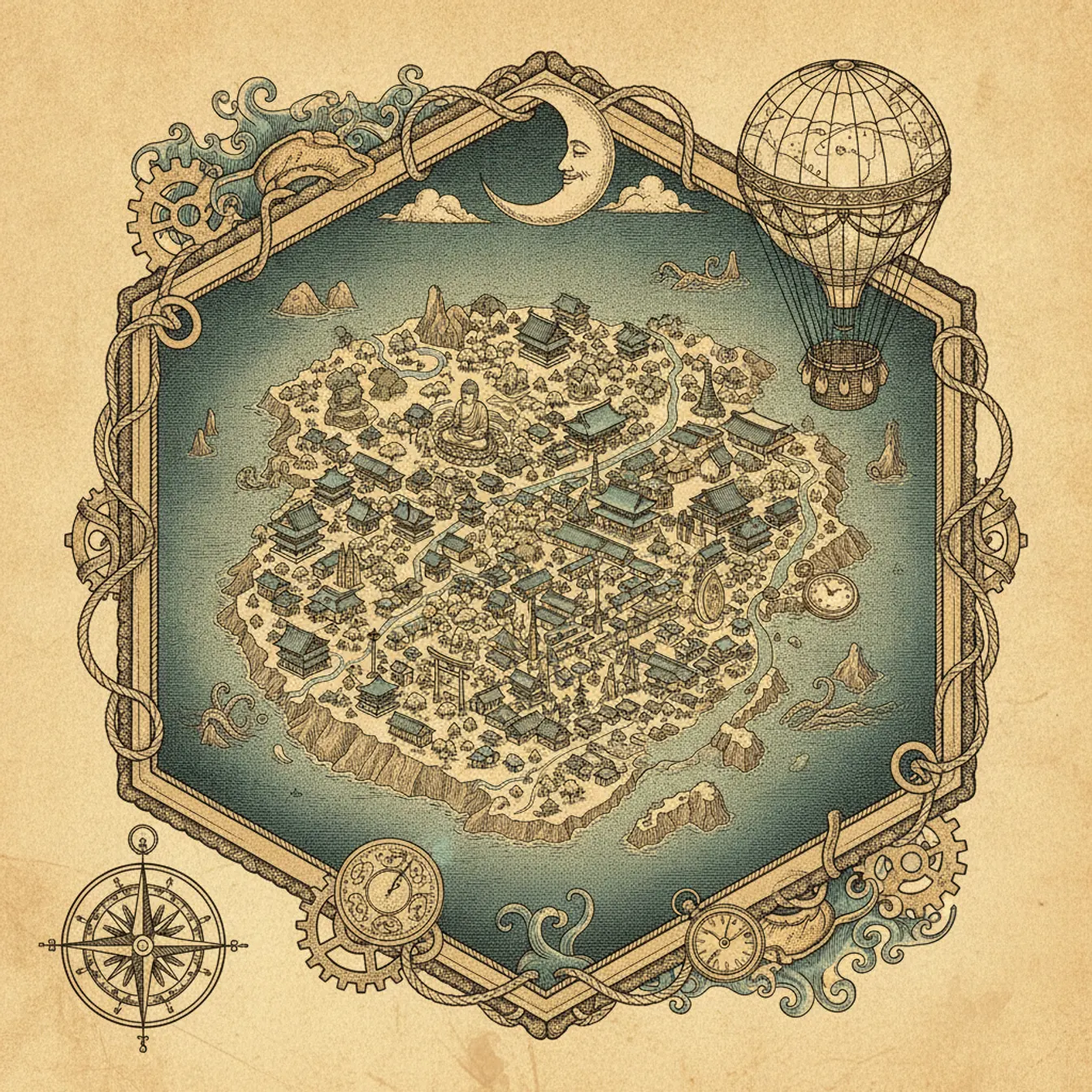
A tilted, hand-drawn dispatch of Kamakura. Click a quarter to explode it open.
0 / 6 quarters explored
Legend · tap to highlight
[ HASE ]
Old stones, older stories.
Kotoku-in — The Great BuddhaA 13.4m bronze Buddha sitting outdoors since 1498, when a tsunami took his hall and never gave it back.
Hasedera TempleHillside temple with a sea view, a cave, and 1,000 tiny Jizo statues. The hydrangea path in June is unreal.
[ CENTRAL KAMAKURA ]
Grand squares and big ideas.
Hokokuji — The Bamboo TempleA grove of 2,000 moso bamboo stalks with a tea house at the back. Less famous than Arashiyama, far calmer.
Yuigahama BeachKamakura's main beach, where the locals surf and the sun sets behind Enoshima. Beer optional but recommended.
[ KITA-KAMAKURA (ZEN TEMPLES) ]
Green breathing room.
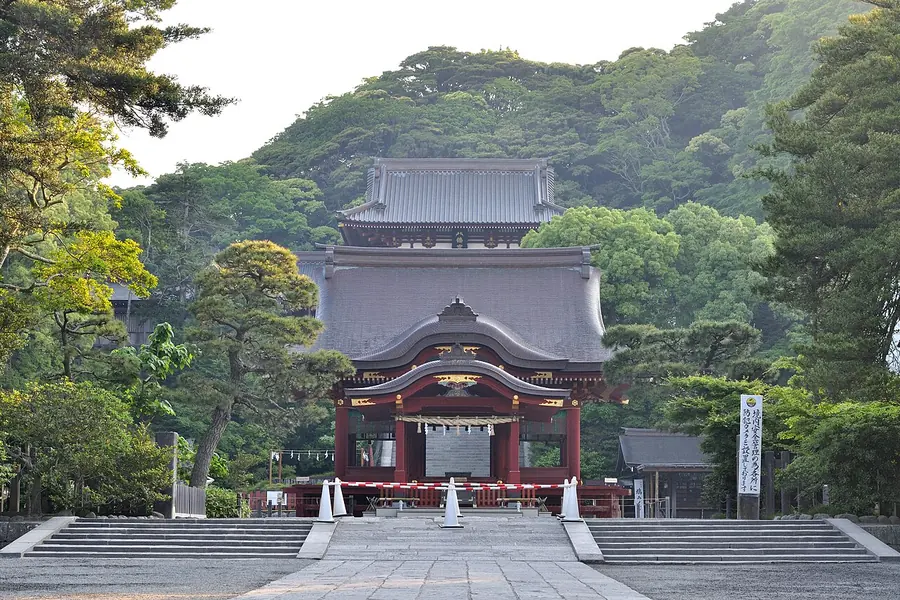
Tsurugaoka HachimanguThe grand shrine the whole city was planned around in 1180. Approached down a kilometre-long avenue of cherry trees.
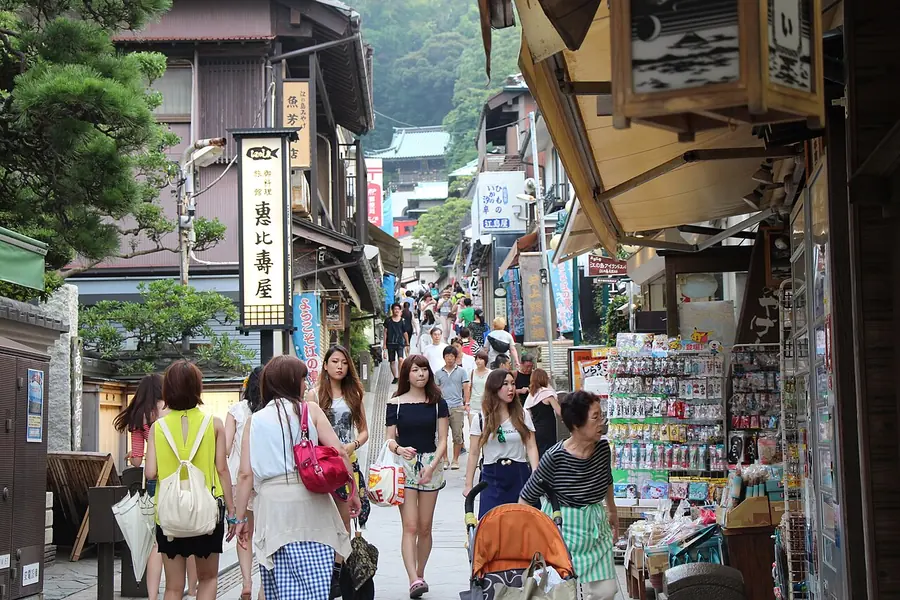
Komachi-dori StreetThe pedestrian snack street from the station to the shrine. Purple sweet-potato everything. Pace yourself.
[ EASTERN VALLEYS ]
Green breathing room.
Zeniarai Benten ShrineA shrine in a cave where you wash your money to multiply it. Faintly ridiculous, completely lovely.
Enoshima Island & ShrineA shrine-topped island linked by a bridge, with caves, a tower, and the best Fuji-at-sunset view on the coast.
[ YUIGAHAMA & THE COAST ]
Where the city meets the water.
Meigetsuin — The Hydrangea TempleA small Zen temple that turns entirely blue in June, with one perfect round window onto a garden.
Shonan Coast Surf / SUPKamakura is Japan's surf cradle. Beginner-friendly mellow waves and warm summer water.
[ ENOSHIMA ISLAND ]
Boats, bridges and reflections.
Hakone Open-Air MuseumHenry Moore and Picasso scattered across a mountainside, with a hot-spring foot bath at the end. Genius.
Owakudani & Lake AshiA steaming sulphur valley reached by ropeway, then a pirate ship across a Fuji-reflecting lake. Don't ask.
Day 1
The Great Buddha, Hasedera & Yuigahama Sunset
Kamakura's icons in Hase, then the beach the day-trippers never reach
Kotoku-in — The Great Buddha
A 13.4m bronze Buddha sitting outdoors since 1498, when a tsunami took his hall and never gave it back.
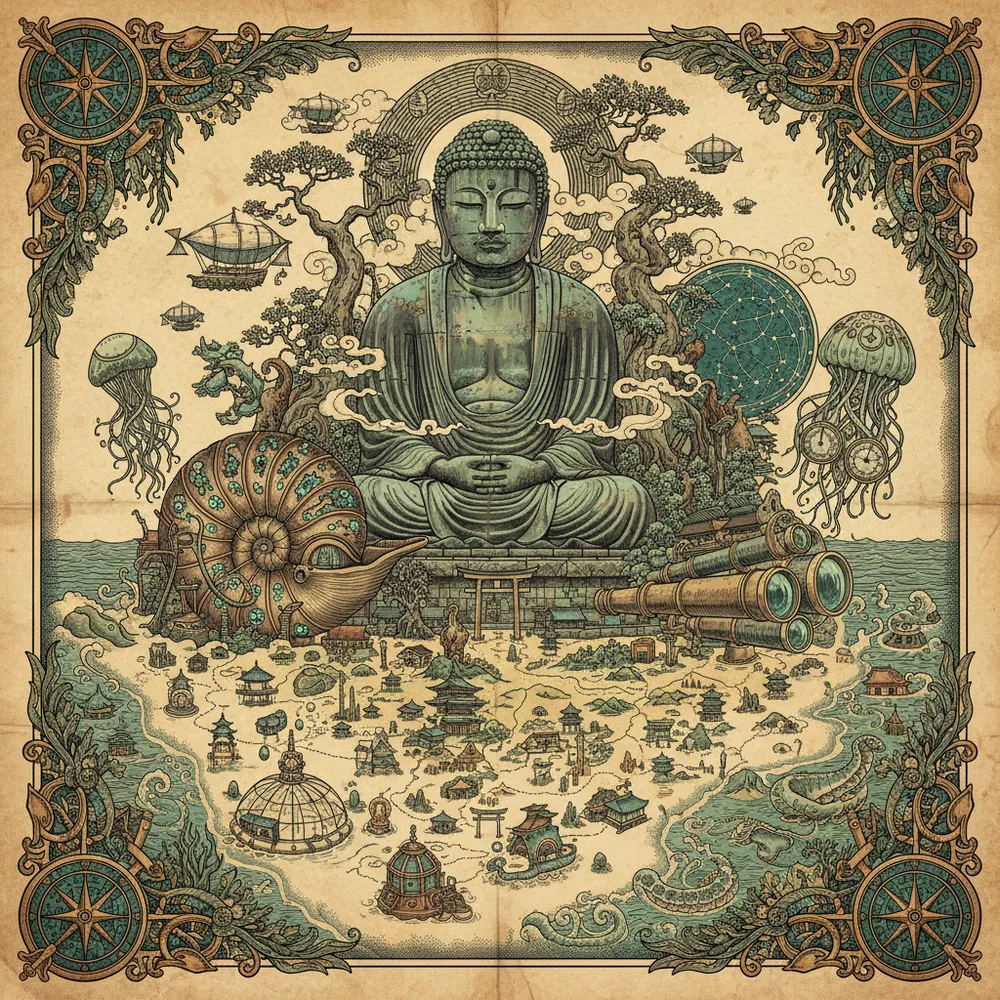
The Daibutsu has sat in the open air for over five centuries, since the wooden hall housing him was washed away by a tsunami in 1498 — and honestly, he looks better for it, weathered green against the hills. Cast in 1252, he's hollow; for ¥50 extra you can step inside and see the medieval bronze-casting seams. Go at the 8am opening before the buses. The half-lidded gaze does something to people. Entry ¥300.
Hillside temple with a sea view, a cave, and 1,000 tiny Jizo statues. The hydrangea path in June is unreal.
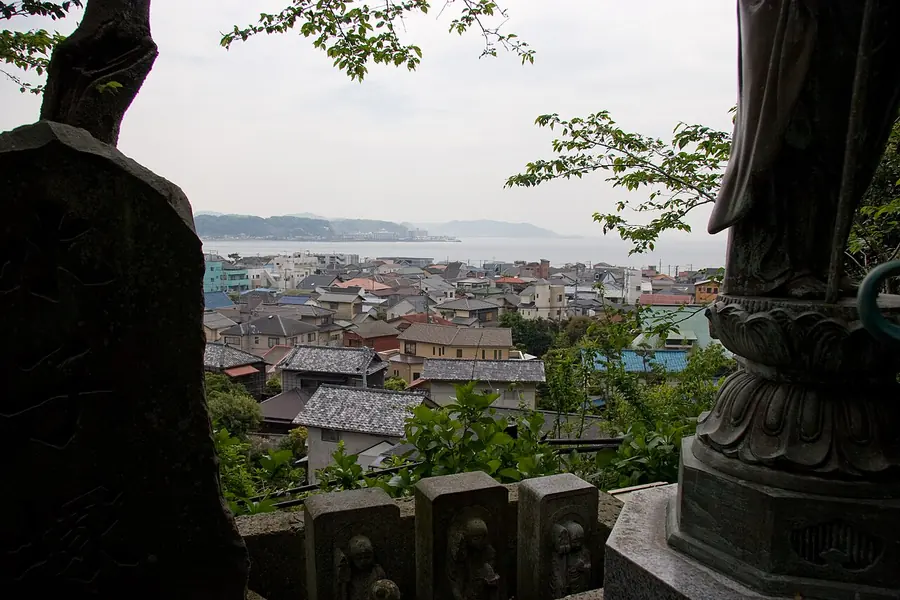
A short walk from the Buddha, Hasedera climbs a hillside in terraces, each with a different reward — a giant gilded eleven-headed Kannon, a dim cave full of carved deities, ranks of small red-bibbed Jizo statues for lost children, and a viewing terrace over Yuigahama Bay. In June the hydrangea path up the slope is one of the great sights in Japan (timed tickets; go early). Entry ¥400.
A grove of 2,000 moso bamboo stalks with a tea house at the back. Less famous than Arashiyama, far calmer.
Tucked into an eastern valley, Hokokuji's bamboo grove of around 2,000 towering moso stalks is everything Kyoto's Arashiyama wishes it still was — quiet, intimate, and with a small open-air tea house at the back where you sit and drink matcha while looking into the green. ¥400 entry, plus around ¥600 for the tea and sweet. Spend the extra. The whole point is to sit still.
Kamakura's main beach, where the locals surf and the sun sets behind Enoshima. Beer optional but recommended.
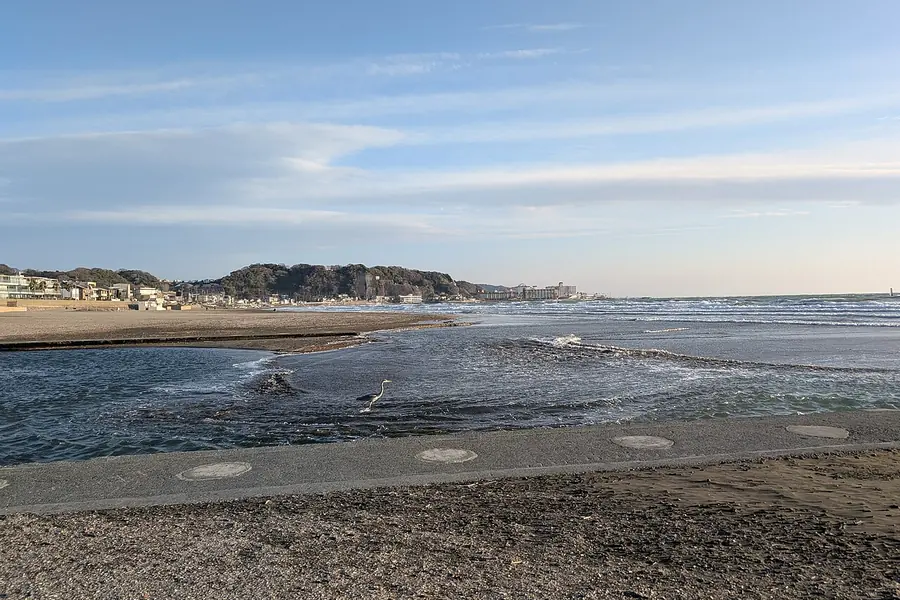
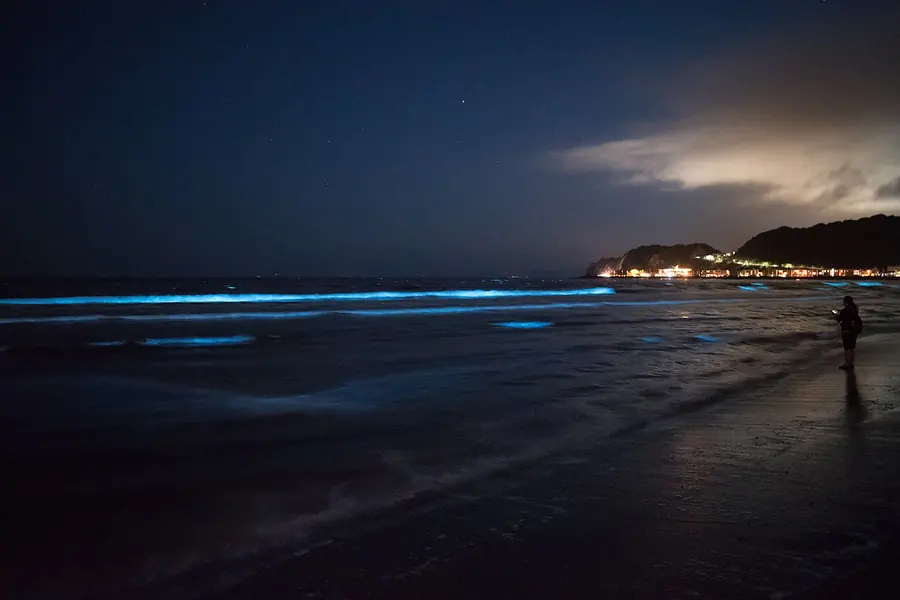
When the day-trippers funnel back to the station, walk the other way to Yuigahama. In summer the beach huts (umi-no-ie) sell cold beer and yakisoba right on the sand; the rest of the year it's surfers, dog-walkers, and a long flat horizon with Enoshima island and, on a clear day, Mt Fuji silhouetted at sunset. This is the moment people who only come for a day never get to have.
The shrine at the heart of medieval Japan, then the great Zen temples of Kita-Kamakura
Tsurugaoka Hachimangu
The grand shrine the whole city was planned around in 1180. Approached down a kilometre-long avenue of cherry trees.
Kamakura's most important shrine, founded by the shogun Minamoto no Yoritomo in 1180, sits at the head of a dead-straight ceremonial avenue (the Dankazura) that the entire medieval city was laid out around. Climb the broad stone steps to the vermilion main hall, see the lotus ponds said to symbolise the rival Minamoto and Taira clans, and time it for spring cherry blossom or autumn colour if you can. Free.
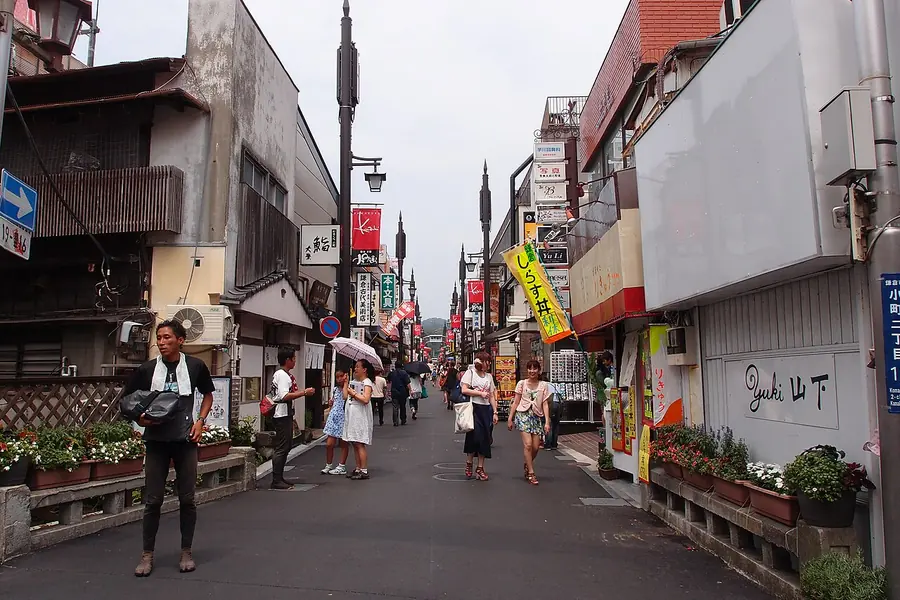
The pedestrian snack street from the station to the shrine. Purple sweet-potato everything. Pace yourself.
The narrow shopping lane running from Kamakura station to Hachimangu is a glorious gauntlet of street food and craft shops — grilled rice crackers, shirasu (whitebait) on everything, matcha and the local purple sweet-potato soft-serve, plus pottery, knife, and incense shops worth the browse. It gets shoulder-to-shoulder on weekends; come on a weekday or early. Excellent lunch territory.
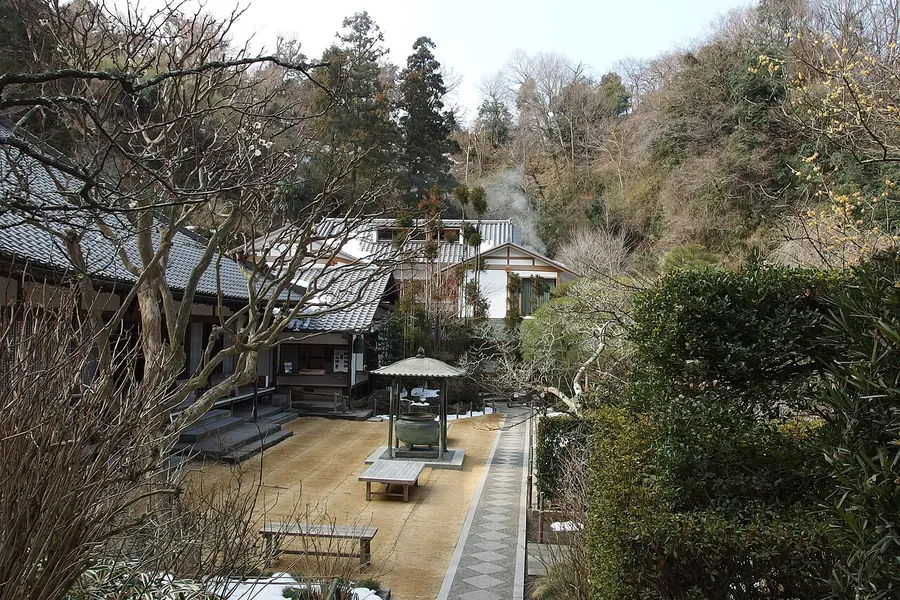
A vast Zen temple complex by Kita-Kamakura station, founded 1282. The kind of quiet you can hear.
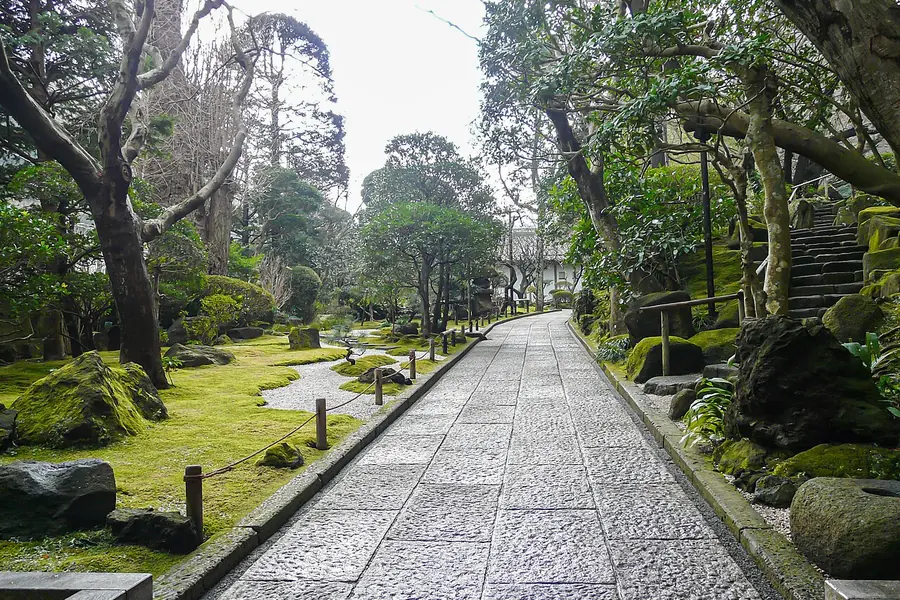
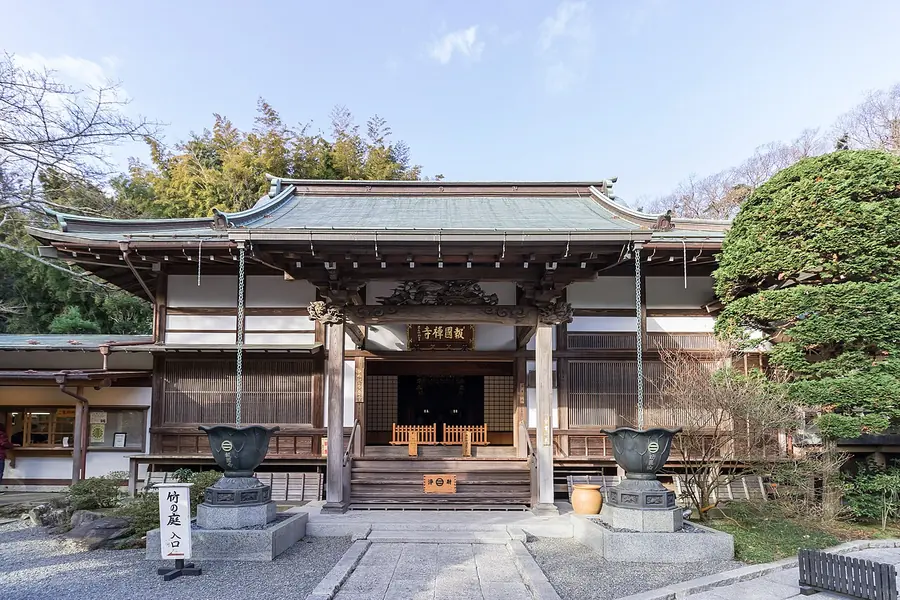
One of Kamakura's five great Zen temples, Engakuji spreads up a forested valley right beside Kita-Kamakura station — a sequence of mossy gates, halls, and sub-temples climbing into the cedars. Its bell, the Ogane, is a National Treasure cast in 1301. Come on a weekday afternoon and you can walk for an hour and barely see another soul. ¥500 entry. The serenity is the attraction; let it be slow.
A wooded ridge walk between temples, then a sacred island with caves and Fuji views
Zeniarai Benten Shrine
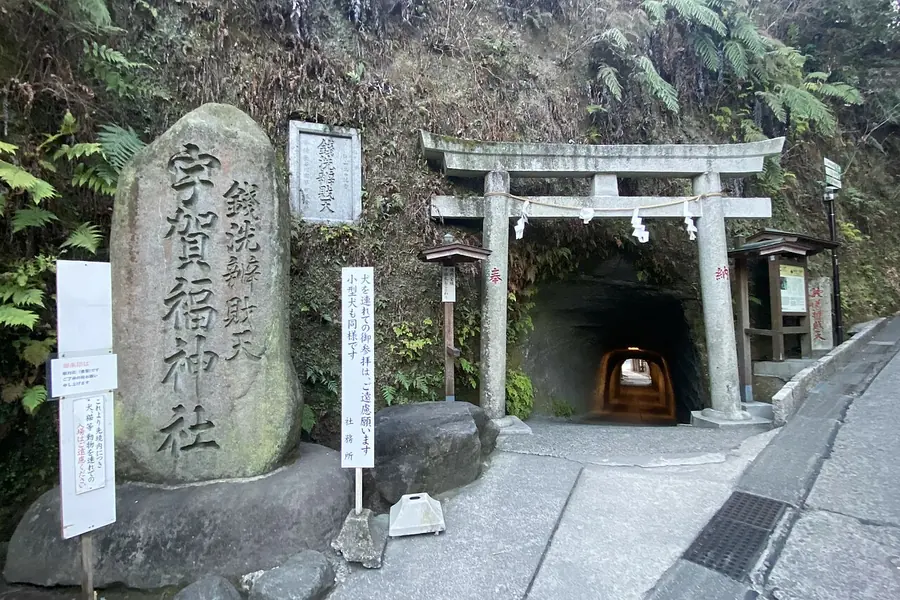
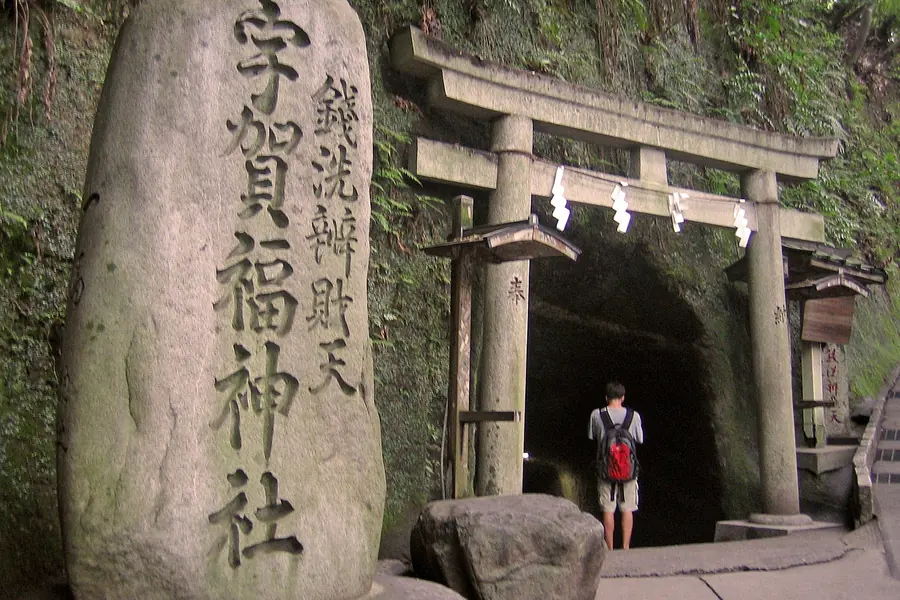
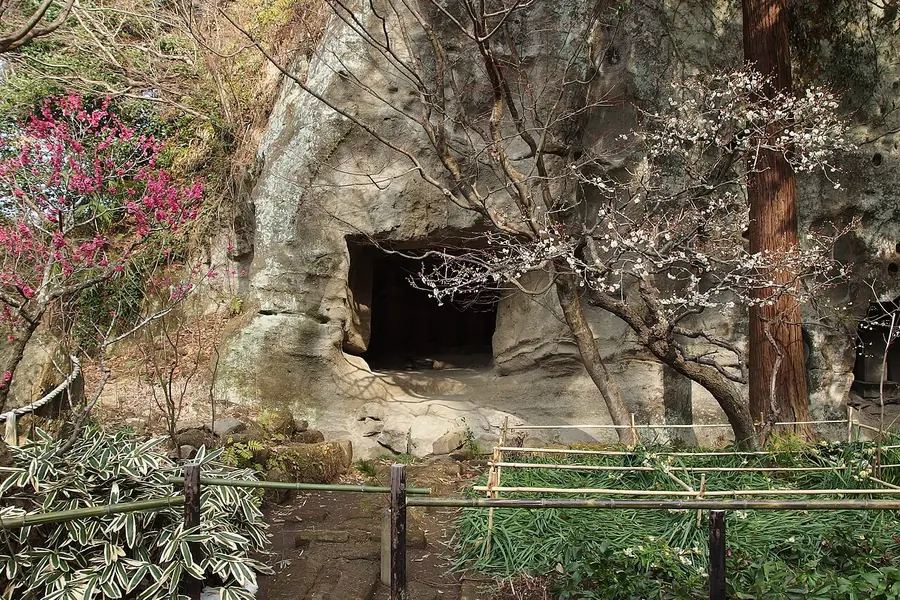
A shrine in a cave where you wash your money to multiply it. Faintly ridiculous, completely lovely.
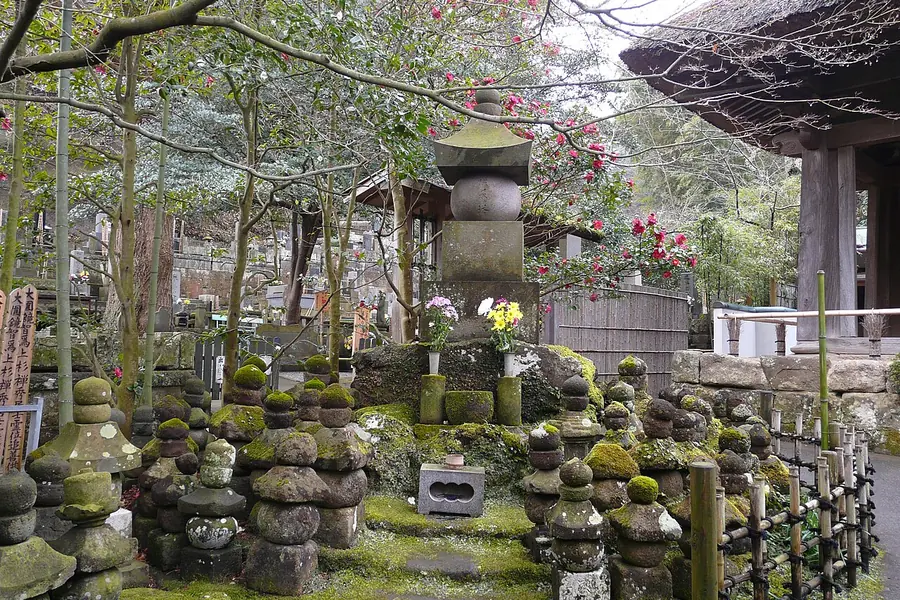
Reached through a tunnel cut into the rock, Zeniarai Benten is built around a spring where worshippers wash their coins and notes in baskets, in the belief the money will multiply. It's tucked in a wooded hollow with incense smoke and dripping rock, off the main trails, and most people who find it are grinning by the time they leave. Free. A great stop on the Daibutsu hiking course.
A shrine-topped island linked by a bridge, with caves, a tower, and the best Fuji-at-sunset view on the coast.
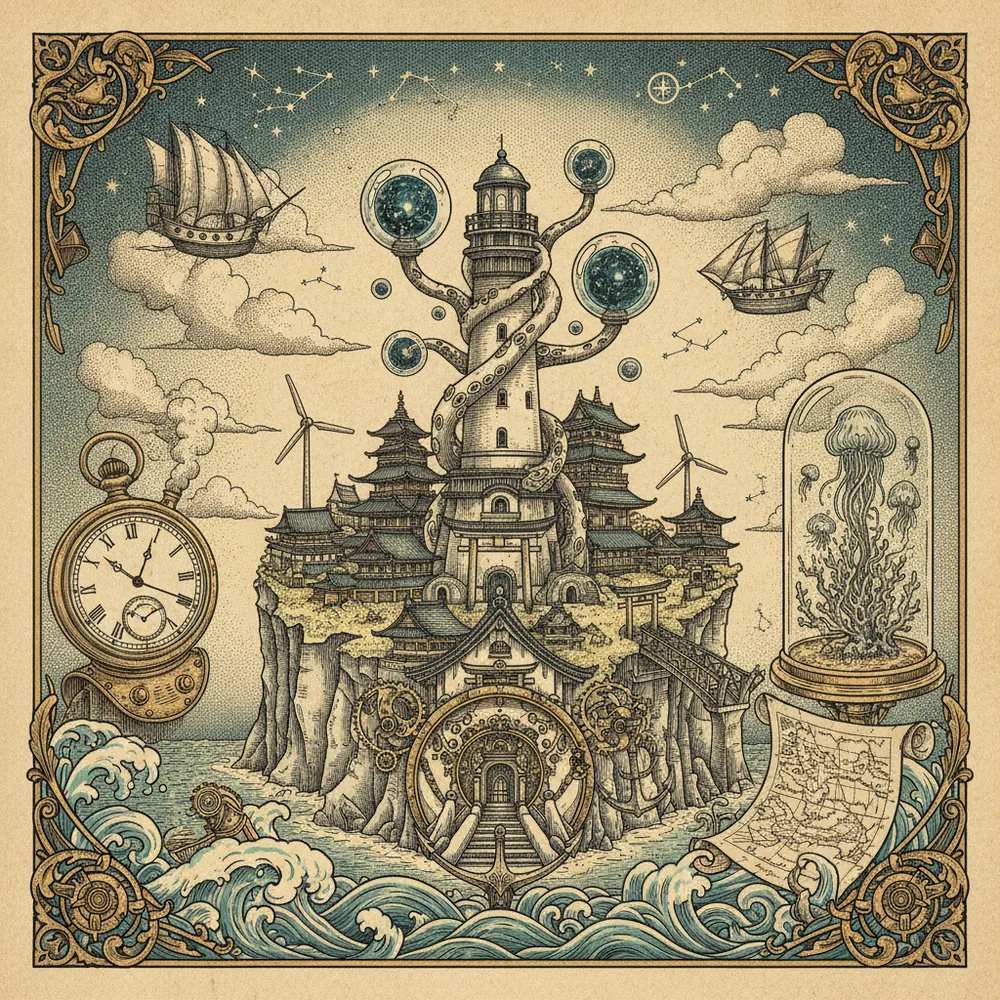
A 15-minute Enoden tram ride west, Enoshima is a small sacred island you reach on foot across a bridge. Climb (or escalator up) past the Enoshima Shrine and the Sea Candle observation tower to the far side, where the Iwaya sea caves cut into the cliffs and the sunset frames Mt Fuji across the bay. Eat a whole grilled-octopus cracker on the way up. A perfect half day; stay for the sunset.
The blue temples of early summer and a morning on the water
Meigetsuin — The Hydrangea Temple
A small Zen temple that turns entirely blue in June, with one perfect round window onto a garden.
Meigetsuin in Kita-Kamakura is nicknamed the Ajisai-dera, the hydrangea temple — in June its stone steps and slopes vanish under a sea of blue "Hime Ajisai" blooms, and the queue forms early for good reason. Its famous round "window of enlightenment" frames the rear garden like a living painting (spectacular in autumn too). Go at the 8:30 opening in June or expect a long wait. ¥500, plus extra for the inner garden.
Kamakura is Japan's surf cradle. Beginner-friendly mellow waves and warm summer water.
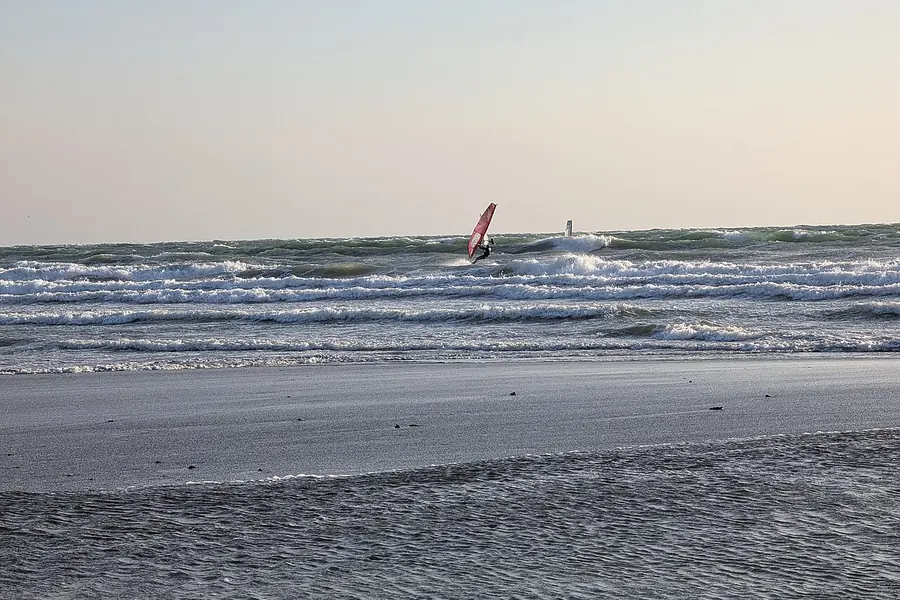
The Shonan coast is where Japanese surfing was born, and the waves off Yuigahama and Inamuragasaki are gentle enough for a first lesson. Plenty of beachside schools rent boards and wetsuits and run two-hour beginner sessions; if surf isn't your thing, stand-up paddle on a calm morning is glorious. Then dry off over a seafood lunch with the board still in the rack. The coastal, casual flip side of all those solemn temples.
Day 5
Day Trip: Hakone, Fuji & the Hot Springs
An open-air sculpture museum, a sulphur valley, and a soak under the mountain
Hakone Open-Air Museum
Henry Moore and Picasso scattered across a mountainside, with a hot-spring foot bath at the end. Genius.
About 90 minutes from Kamakura, Hakone is the Tokyo region's great hot-spring escape. Start at the Open-Air Museum, where major sculptures — Moore, Miró, a whole Picasso pavilion — sit across lawns with mountain views, and you finish by soaking your feet in a natural hot-spring foot bath. ¥1,600. A brilliant, unexpected use of a morning before the rest of the Hakone loop.
A steaming sulphur valley reached by ropeway, then a pirate ship across a Fuji-reflecting lake. Don't ask.
Ride the Hakone Ropeway over Owakudani, a hissing volcanic valley where they boil eggs black in the sulphur springs (eat one; legend says it adds seven years to your life), then descend to Lake Ashi for a cruise on one of the gaudy mock-pirate ships toward the lakeside Hakone Shrine torii. On a clear day Mt Fuji floats above the whole scene. Faintly mad, genuinely spectacular.
Day 6
Yokohama — The Big-City Counterpoint
A harbour skyline, the world's best ramen museum, and Japan's biggest Chinatown
Minato Mirai & the Harbour
Yokohama's glassy waterfront — a Ferris wheel with a clock in it, a tall-ship park, and a brick warehouse mall.
A 25-minute train from Kamakura, Yokohama is the cosmopolitan opposite of the temple towns. Walk the Minato Mirai harbour — the Cosmo Clock 21 Ferris wheel, the restored Aka Renga (Red Brick) Warehouse full of shops and cafés, and the moored sail-training ship Nippon Maru. A breezy, modern half day with serious skyline views, and an easy contrast to the medieval calm back down the line.
Yokohama Chinatown & Ramen Museum
Japan's largest Chinatown for steamed buns, then a retro-themed museum where you eat mini bowls of ramen.
Yokohama Chinatown is the biggest in Japan — hundreds of restaurants and stalls, with the colourful Kanteibyo temple at its heart; graze on nikuman (pork buns) and tap-water-free street food. Nearby, the Shin-Yokohama Ramen Museum recreates a 1958 Tokyo street underground, with regional ramen shops where you order half-size bowls so you can try several. Two of the best eating experiences near Tokyo, back to back.
Day 7
A Last Slow Day in Kamakura
The Tenen ridge trail, a sword museum, and a final beach sunset
Tenen Hiking Trail
A forested ridge walk over the hills behind the city, linking quiet temples most visitors never see.
For a final morning, walk the Tenen course — a wooded ridge trail that climbs over the hills ringing Kamakura, dropping past little-visited temples and rock-cut Buddhas, with occasional views down to the sea. It's a proper couple-of-hours hike with some roots and steps, ending near Kenchoji, Kamakura's grandest Zen temple. Bring water and decent shoes. The Kamakura the tour groups structurally cannot reach.
Inamuragasaki Cape Sunset
A rocky headland between beaches, the classic spot to watch the sun drop behind Enoshima and Fuji.
Close the week where you should: on the rocks at Inamuragasaki, the cape dividing Yuigahama from the surf beaches west. It's the postcard view of the Shonan coast — Enoshima island in the foreground, the dark cone of Mt Fuji behind, the sky going pink over the Pacific. Grab a coffee from the little clifftop café, sit on the breakwater, and let Kamakura send you off properly.
Kamakura is the trip Tokyo doesn’t tell you about properly. It was Japan’s capital for a century and a half, from 1185, when the samurai class first took power — which is why a town an hour from Shinjuku has a 13-metre bronze Buddha, dozens of major Zen temples, and a street plan drawn up by a 12th-century shogun.
Everyone bills it as a day trip, and that’s the mistake. A day gets you the Great Buddha, a packed Komachi-dori, and a sprint for the last express home. Stay the night and the whole place softens: the temples empty out by late afternoon, the beach huts open, and you realise this is a real coastal town with surf shops and izakayas, not just an open-air museum.
How to use this plan
Two days does the icons without rushing and gives you a beach sunset the day-trippers never see. Three adds the wooded temple trails and a sunset on Enoshima island. Four lets the seasons in — the June hydrangeas, a morning of surf. Seven turns Kamakura into a coastal base for Hakone’s hot springs, Fuji views, and Yokohama’s harbour.
The single trick that unlocks the place: the Enoden, the little two-car tram that rattles between the temples, the beach, and Enoshima, sometimes close enough to passing houses to touch the laundry. Buy the day pass, and let it carry you between the eras.
This article contains affiliate links marked with rel="sponsored". We may earn a commission at no extra cost to you.