My first morning in Guangzhou, an 80-year-old man at Tao Tao Ju watched me fumble the lid of my teapot, sighed, and tilted it open for me — the silent local signal for a refill. He then ordered for me, refused to let me pay, and explained through his grandson that I was eating the har gow wrong. He was right. Guangzhou doesn't tolerate bad technique at the breakfast table, and breakfast here is a two-hour religion.
The Perfect Guangzhou Itinerary (2, 3, 4 & 7 Days)
48 Hours: Yum Cha, the River, and the Canton Tower
Two days is a yum cha morning, a wander through Shamian Island's colonial shophouses, and the Canton Tower at sunset. Book nothing except the tower's bubble tram. Walk the Pearl River promenade after dark — the whole skyline puts on a light show, free of charge.
Get to any old teahouse before 8am on a weekend or you'll queue with three generations of one family.
72 Hours: Add the Temples and the Markets
Three days buys you the Chen Clan Ancestral Hall, the chaos of Qingping medicine market, and a full afternoon eating your way down Liwan's back streets. This is where Cantonese culture stops being a cuisine and becomes a worldview.
4 Days: Beifang Tigers and the New City
Four days lets you cross to the gleaming Zhujiang New Town for the opera house and the museum, then escape the skyscrapers for Baiyun Mountain — the city's green lung, where retirees do tai chi at dawn and you can see how far Guangzhou actually sprawls.
7 Days: The Full Cantonese Education
A week and you've taken the day trip to Foshan for kung fu and ancestral temples, learned to order dim sum by pointing confidently, found your own teahouse, and stopped being surprised that a city of 18 million can feel, in the right alley at the right hour, intimate.
Estimated budget:$140-$280
Estimated budget:$220-$430
Estimated budget:$300-$580
Estimated budget:$540-$1,050
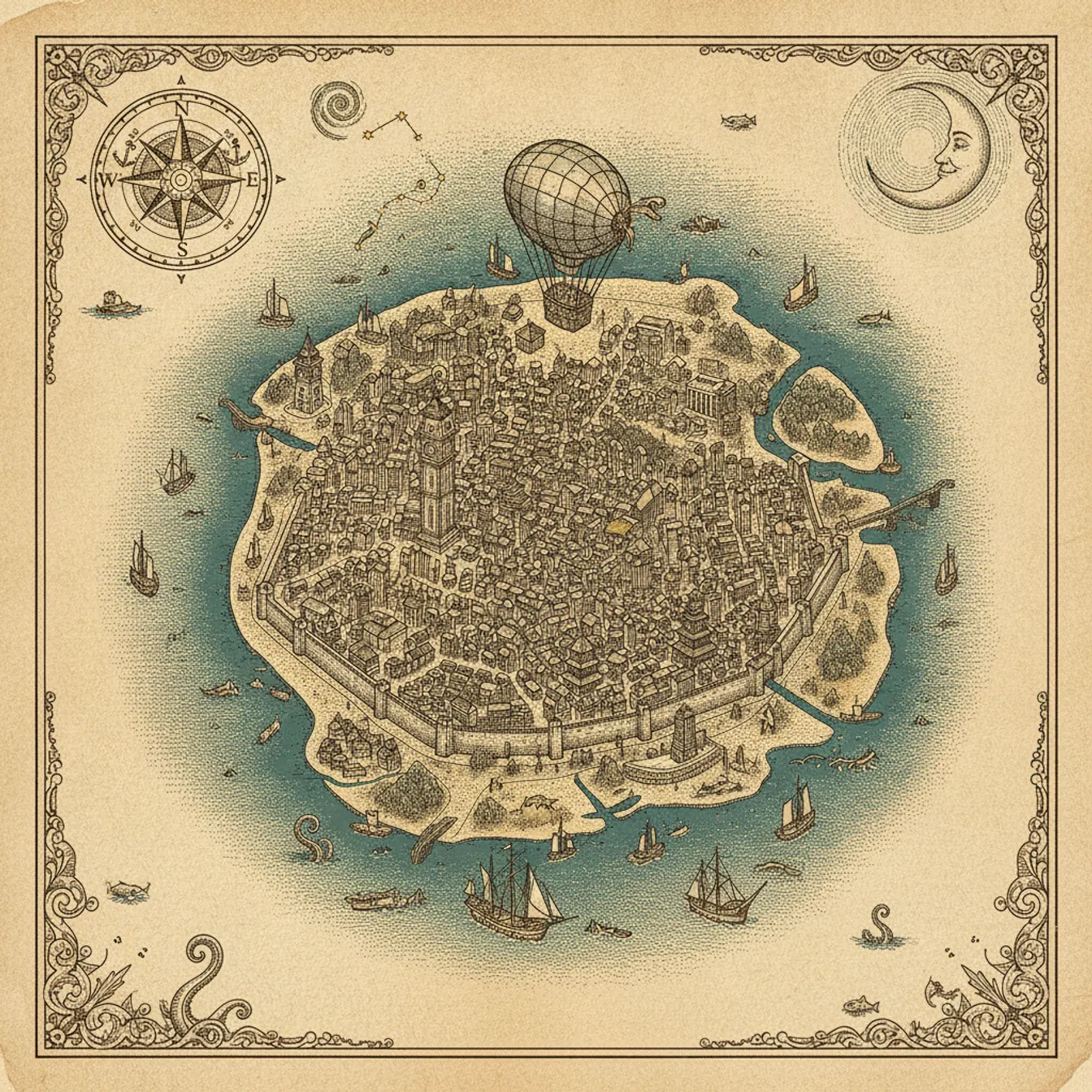
[ THE DISPATCH · FIELD MAP ]
A tilted, hand-drawn dispatch of Guangzhou. Click a quarter to explode it open.
0 / 6 quarters explored
Legend · tap to highlight
[ LIWAN (OLD TOWN) ]
Old stones, older stories.
Tao Tao JuA 140-year-old teahouse where breakfast is loud, slow, and faultless.
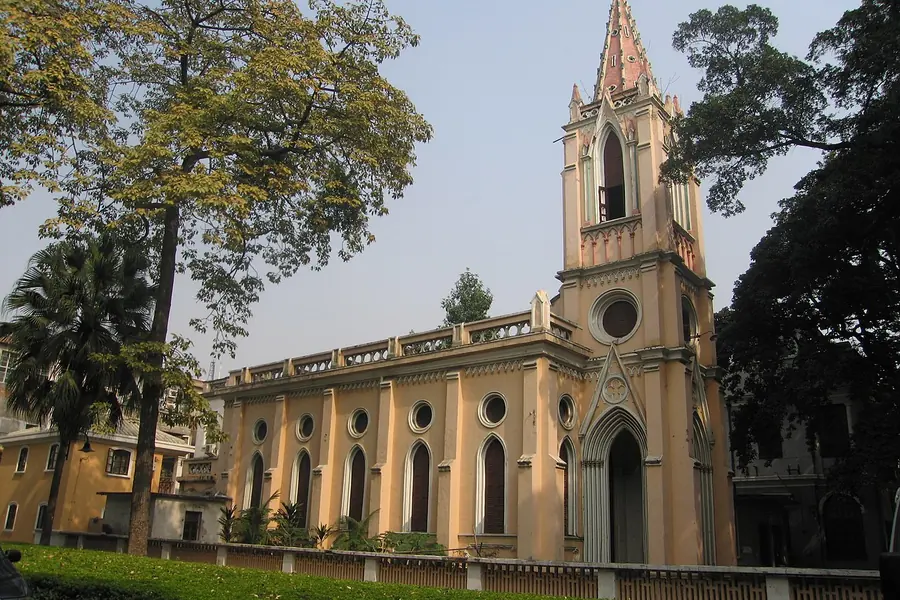
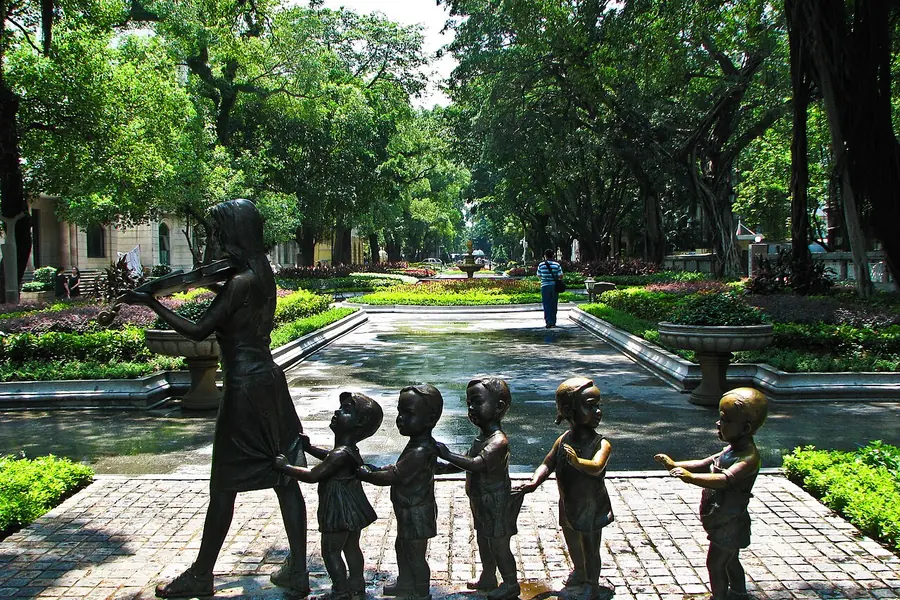
Shamian IslandA sandbank the colonial powers carved up, now a leafy time capsule.
[ YUEXIU ]
Grand squares and big ideas.
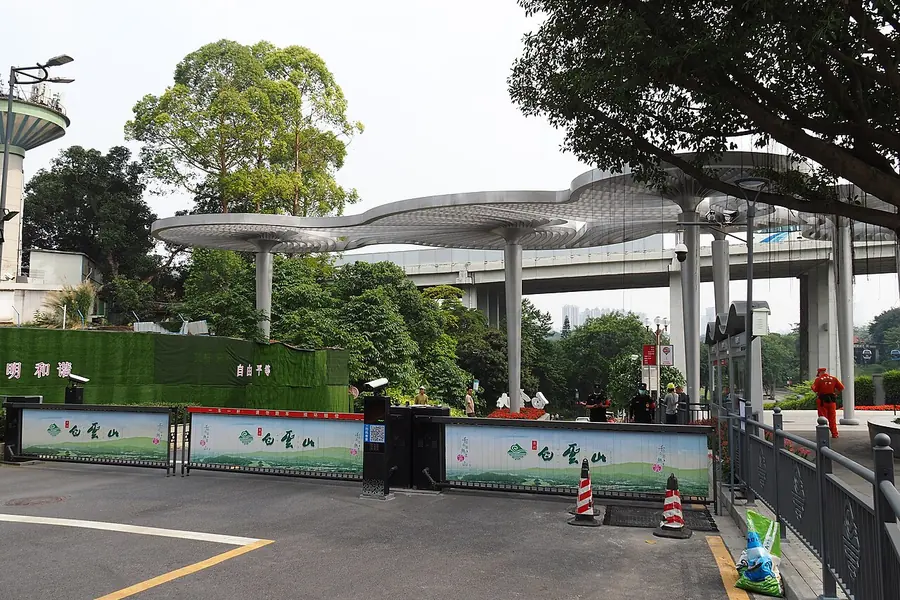
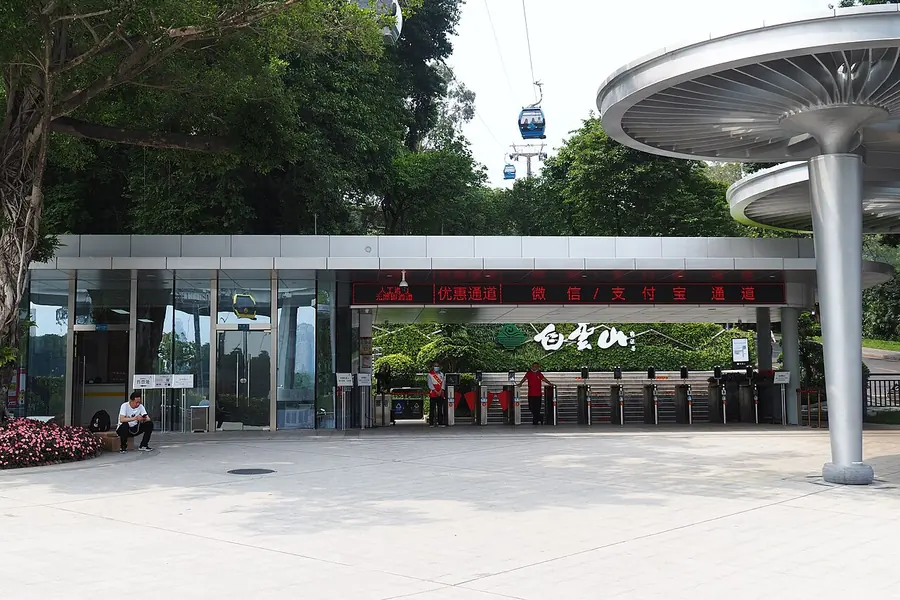
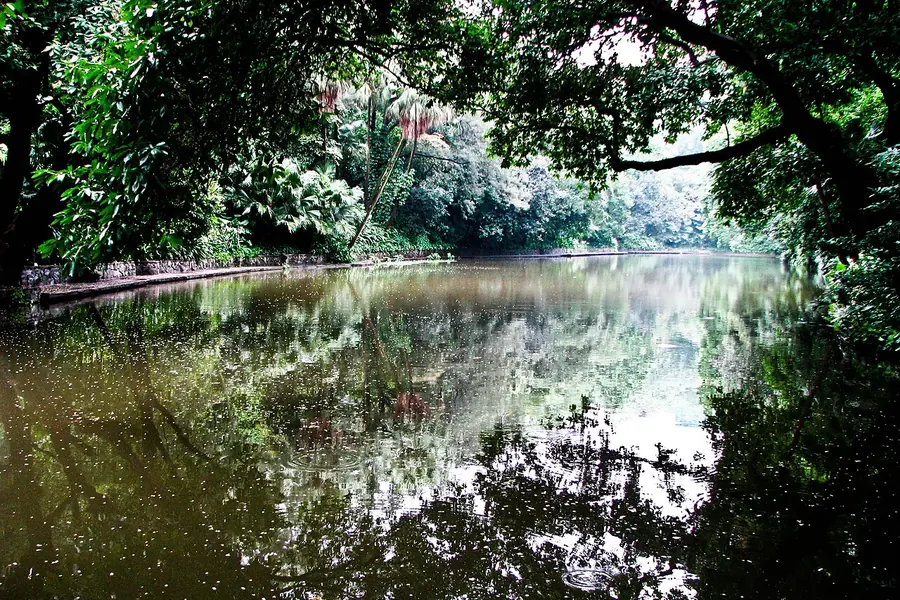
Baiyun MountainGuangzhou's misty backyard peak, where the whole city does its cardio.
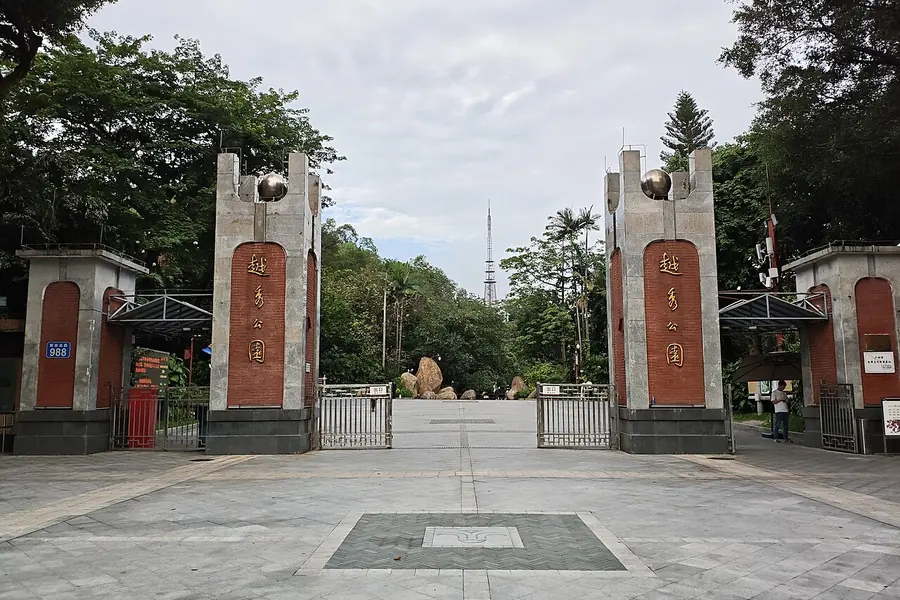
Yuexiu ParkHome to the Five Rams statue — the legend that named the city.
[ ZHUJIANG NEW TOWN ]
Grand squares and big ideas.
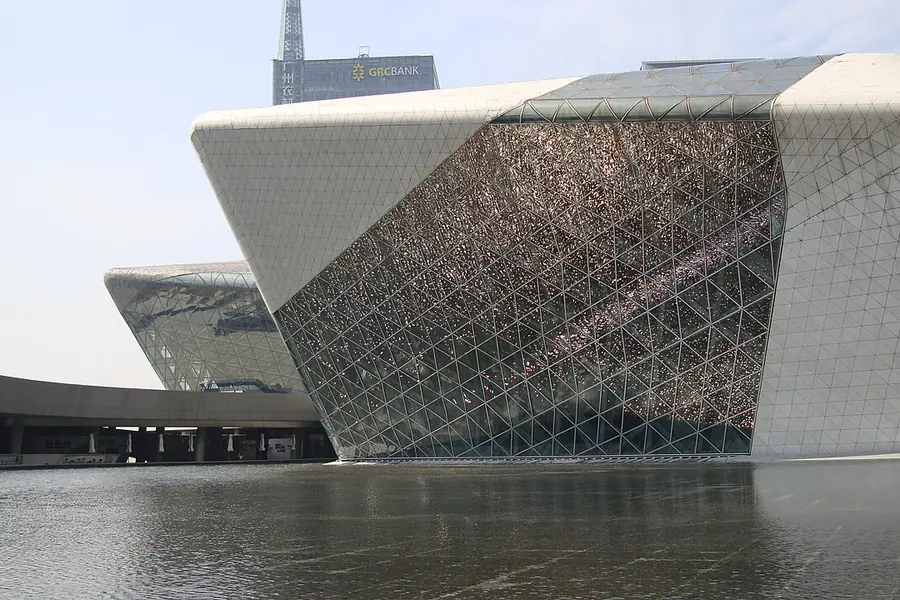
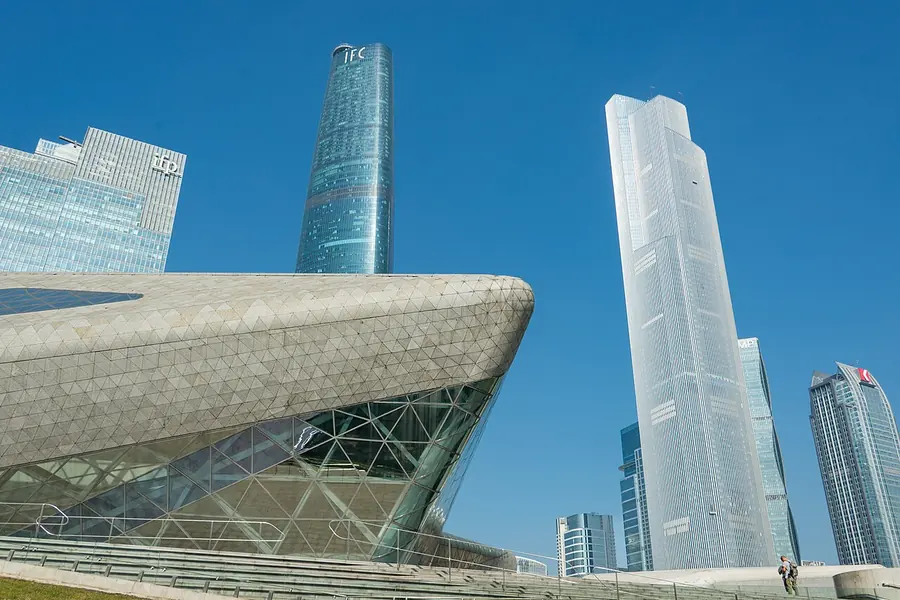
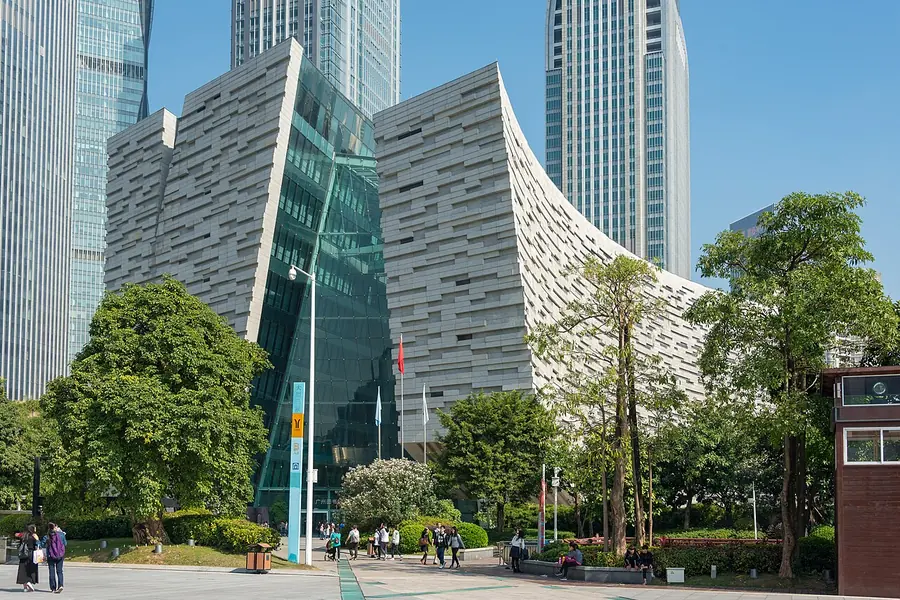
Guangzhou Opera HouseZaha Hadid's twin pebbles — best photographed from outside, free.
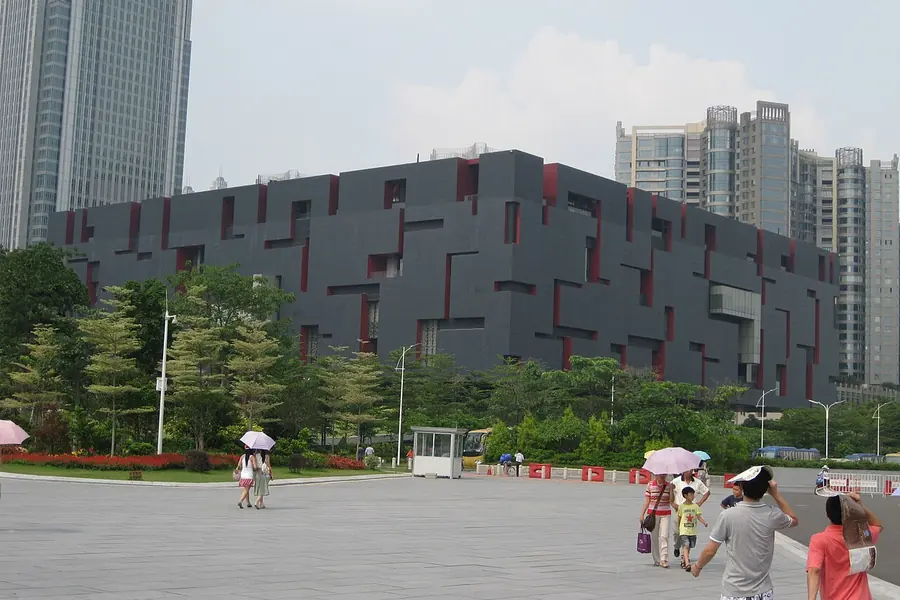
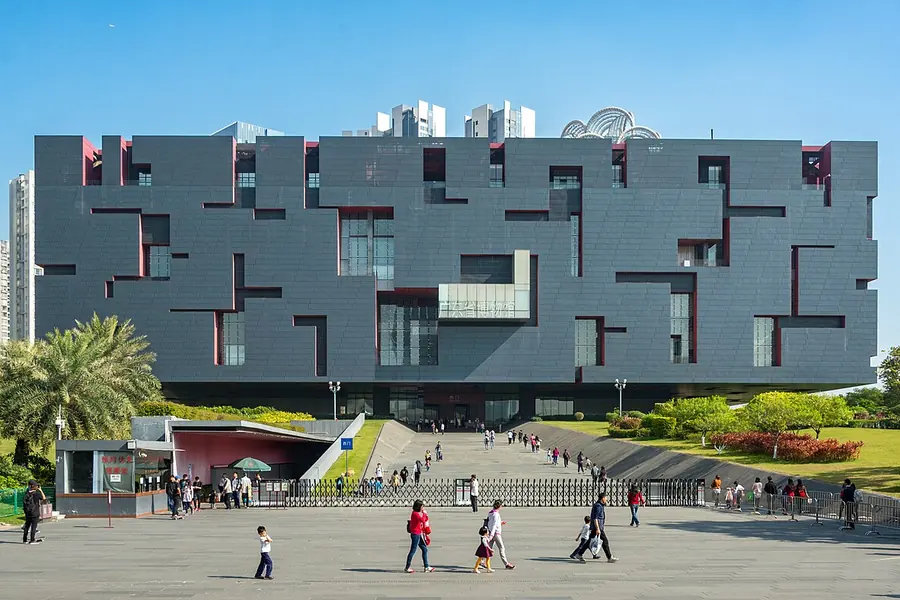
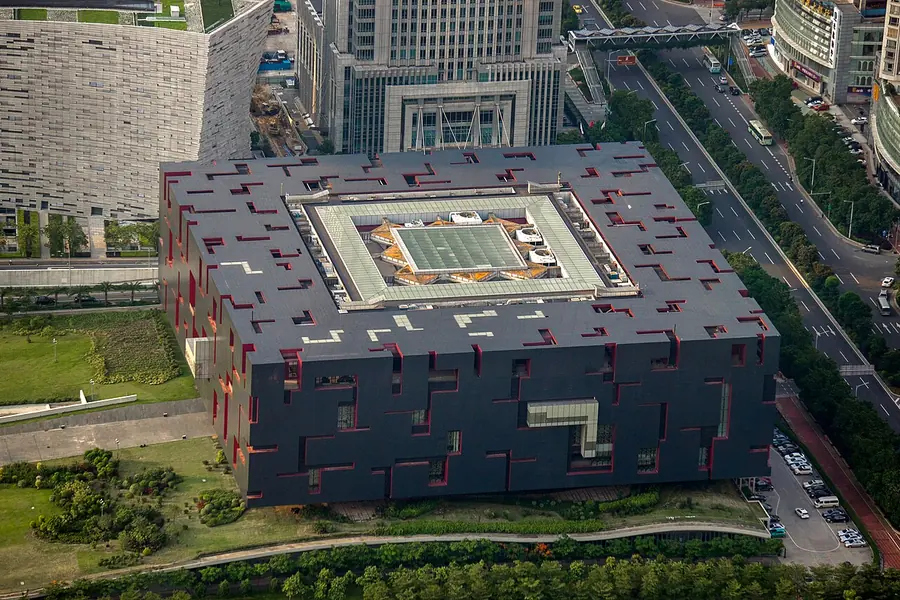
Guangdong MuseumFree, air-conditioned, and the clearest crash course in Cantonese history.
[ HAIZHU (RIVERSIDE) ]
Where the city meets the water.
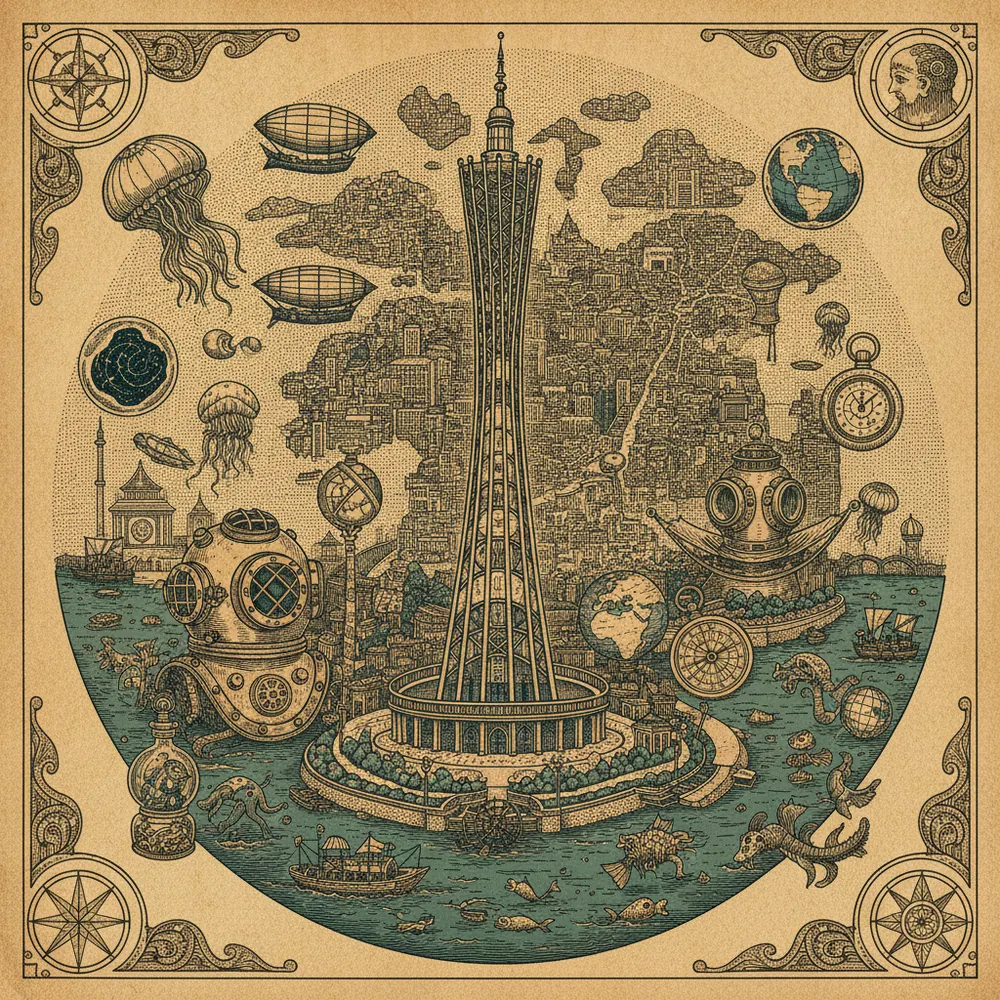
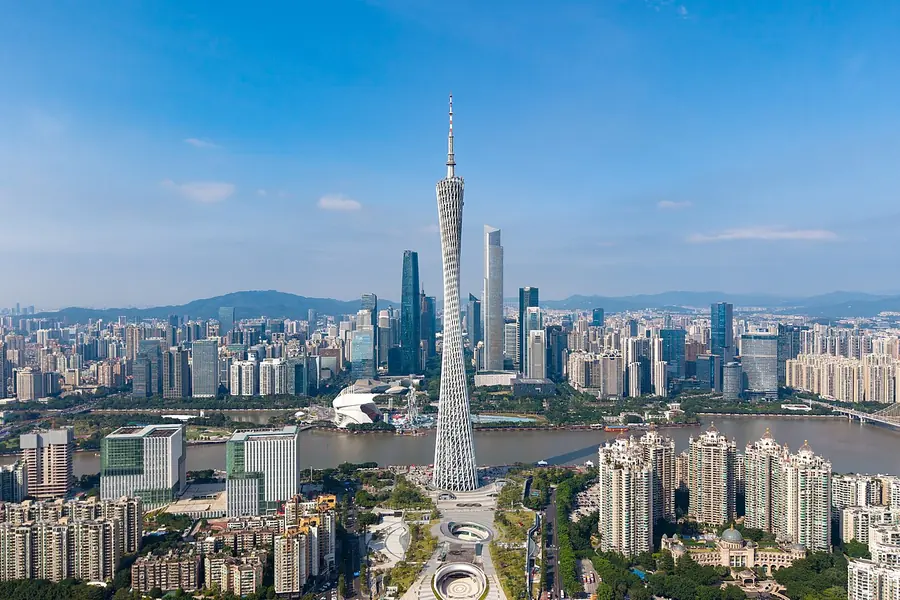
Canton Tower604 metres of twisting steel, best caught the moment the lights flick on.
Redtory (Honghuanggu) art districtA 1950s canning factory turned galleries, cafes, and rust-chic photo ops.
[ BAIYUN ]
Green breathing room.
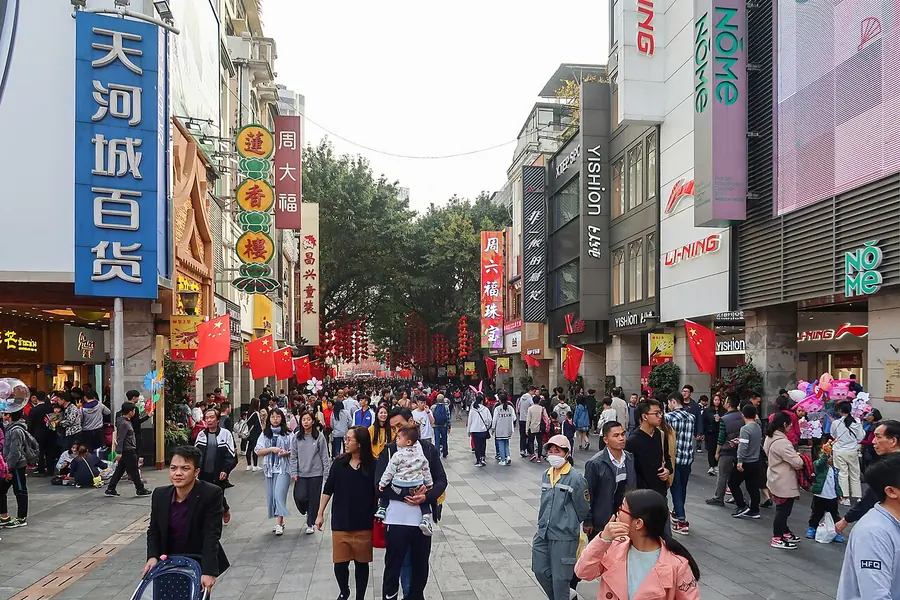
Beijing Road pedestrian streetNeon shopping chaos built over a literal excavated Song dynasty road.
[ TIANHE ]
Stays up later than you do.
Pearl River night cruiseAn hour on the water with the entire glittering skyline as the show.
Day 1
Yum Cha + Shamian Island + Pearl River
The Guangzhou everyone comes for, eaten and walked in the right order
Tao Tao Ju
A 140-year-old teahouse where breakfast is loud, slow, and faultless.
This is yum cha at its most authentic — trolleys, steamers stacked to the ceiling, and tables of locals who've come here for decades. Order har gow, char siu bao, and the egg tarts. Around 80 yuan a head. Come hungry and come early; the queue by 9am is a sport.
Shamian Island
A sandbank the colonial powers carved up, now a leafy time capsule.
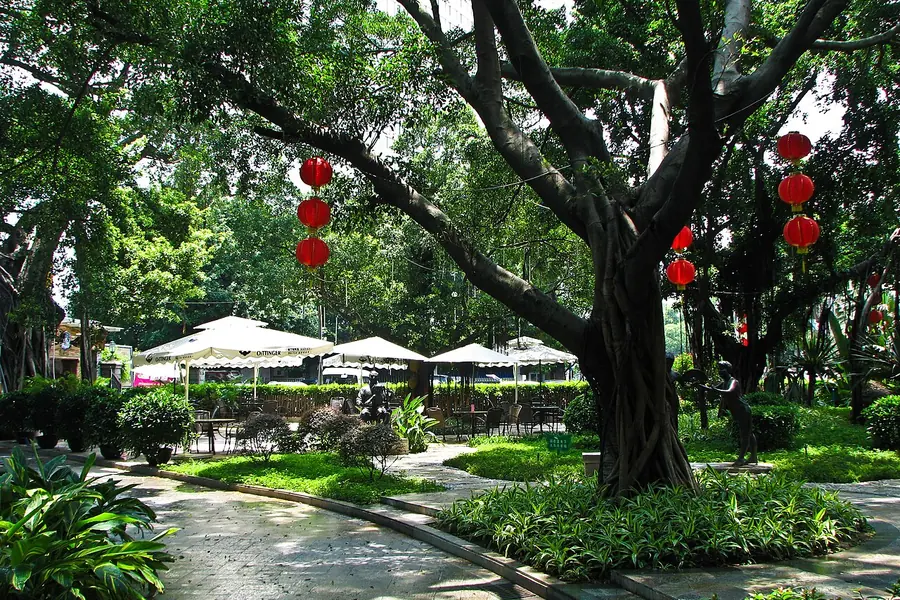
A small island of European-style 19th-century buildings, banyan trees, and almost no traffic. It's where the British and French built their concessions; today it's wedding photographers and retirees. Free to wander. The contrast with the city across the canal is the whole point.
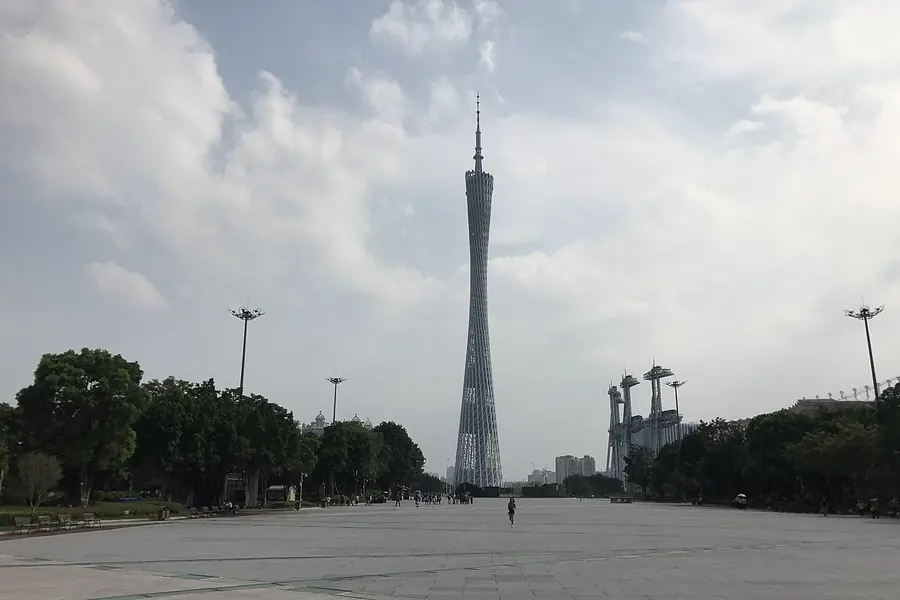
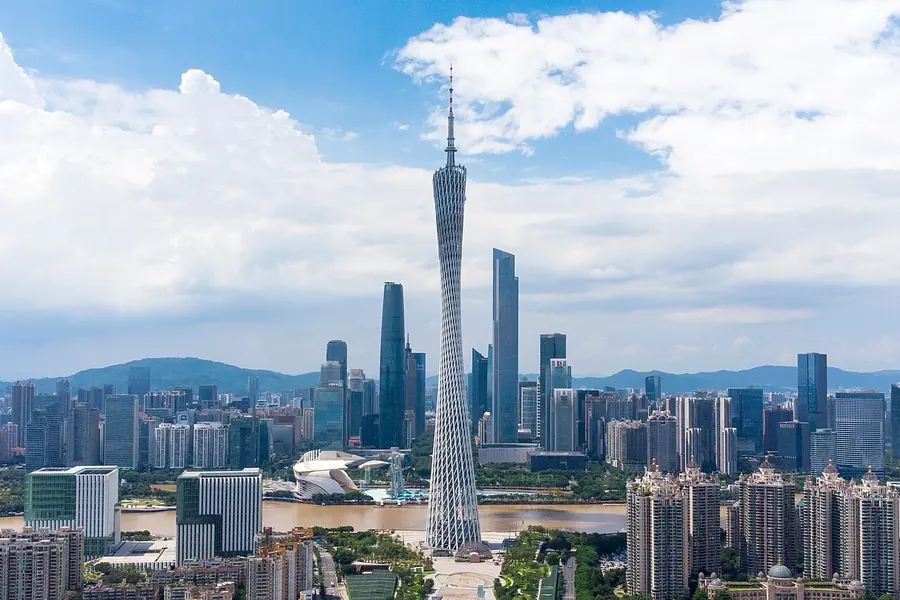
604 metres of twisting steel, best caught the moment the lights flick on.
The hourglass-shaped tower is the city's icon. Ride the bubble tram around the rim (around 150 yuan) at dusk for the skyline, or just watch from the Pearl River promenade as the whole waterfront lights up in synchronised colour. The free version is honestly the better photo.
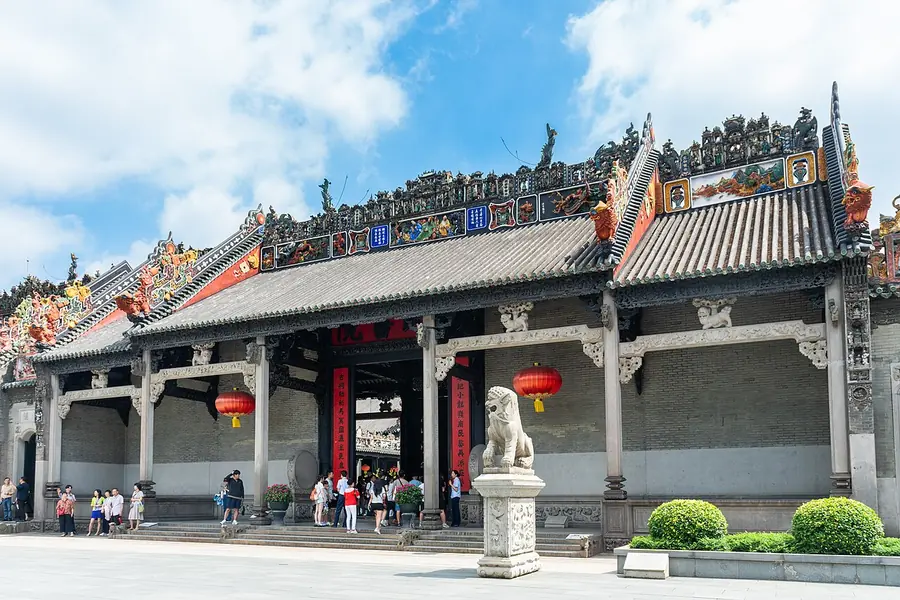
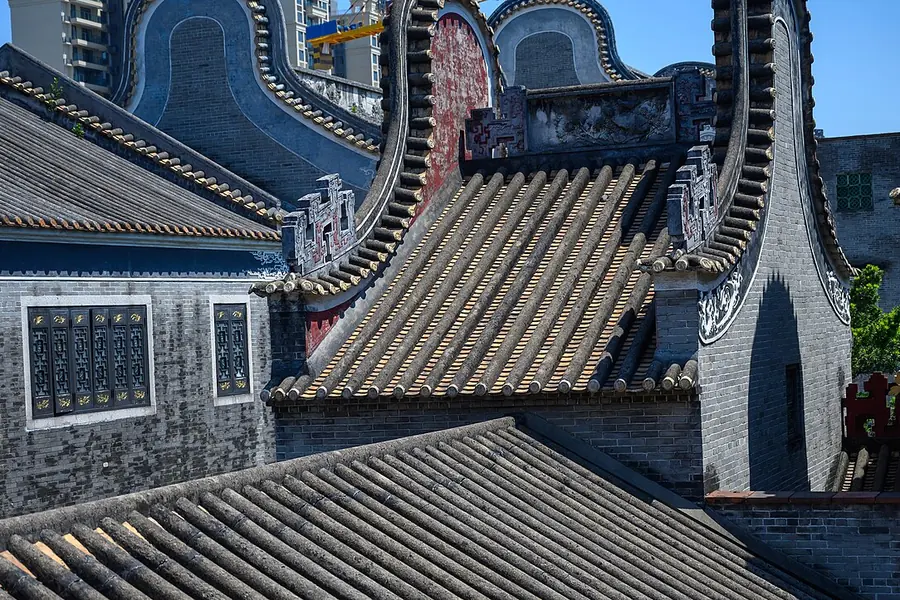
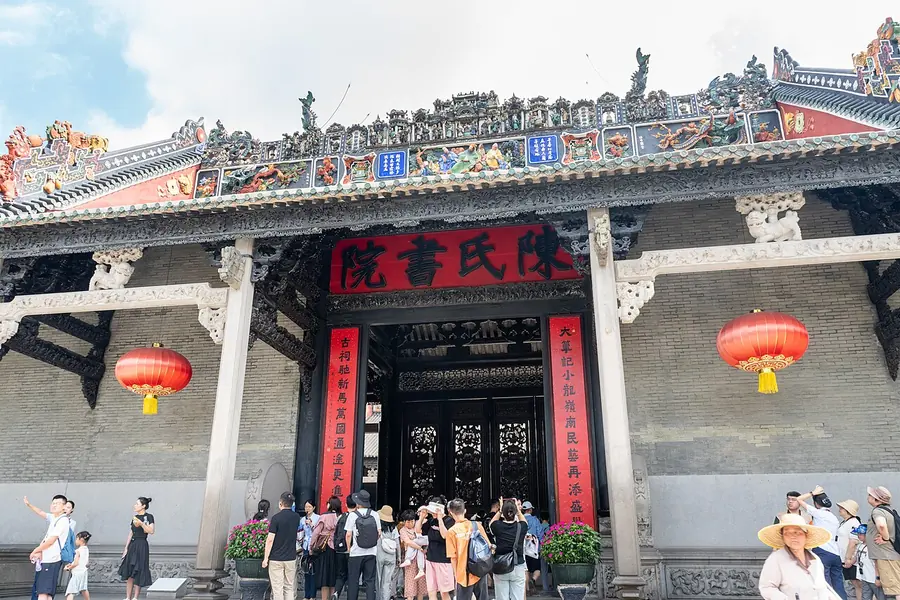
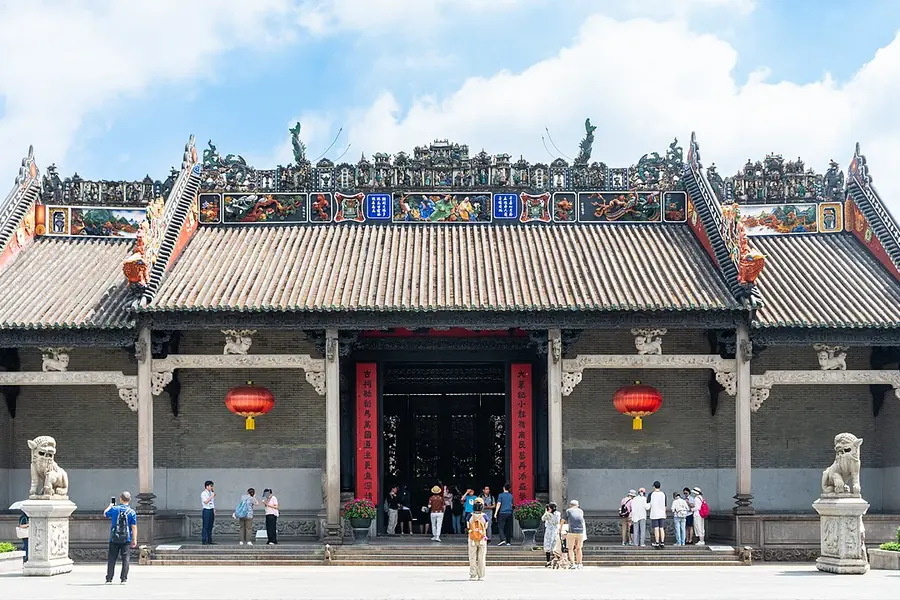
The finest folk-art building in Guangdong, and it's a school turned museum.
Built in 1894 by 72 Chen families, this is a riot of ceramic roof figures, wood carving, and stone screens — now the Guangdong Folk Art Museum. 10 yuan entry. The roof ridges alone, crammed with tiny opera scenes, justify the trip.
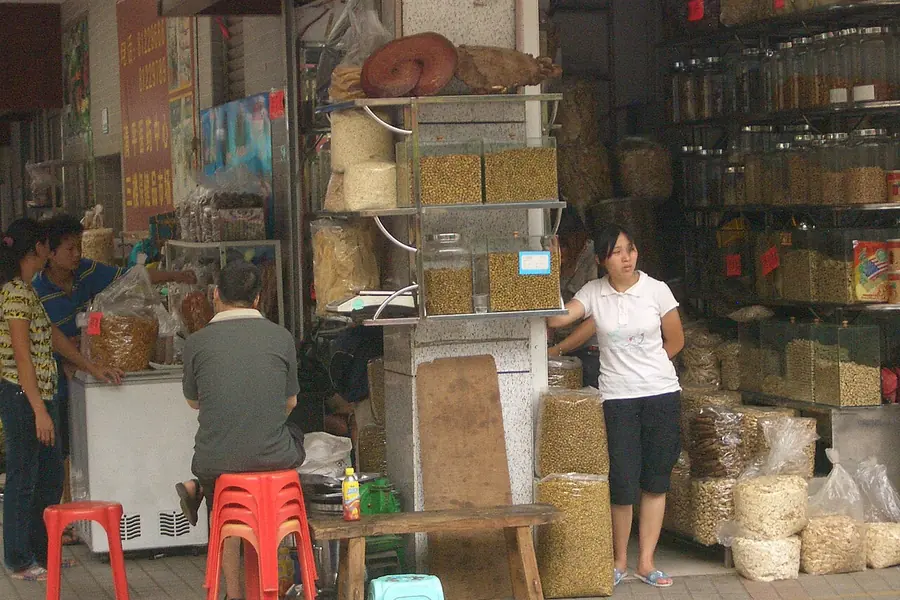
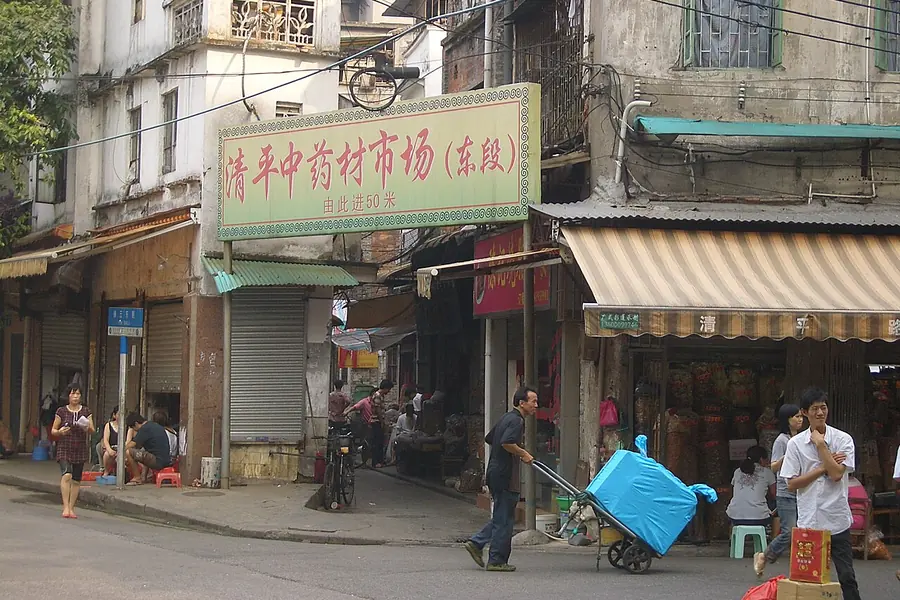
A traditional medicine market of dried everything — bring your curiosity.
Sacks of dried seahorses, ginseng, tangerine peel, and herbs you can't name fill block after block. It's pungent, fascinating, and completely local. You won't buy much, but you'll understand Cantonese cooking and medicine far better for having walked it.
Double-skin milk, wonton noodles, and the city's best cheap eats.
Dive into the lanes off Enning Road for shunde double-skin milk pudding, fresh wonton noodle soup, and beef offal congee. A full crawl runs maybe 60 yuan. This is the Guangzhou that locals are quietly smug about.
Day 3
Zhujiang New Town + Guangdong Museum
Glass towers, opera curves, and the new Guangzhou
Guangzhou Opera House
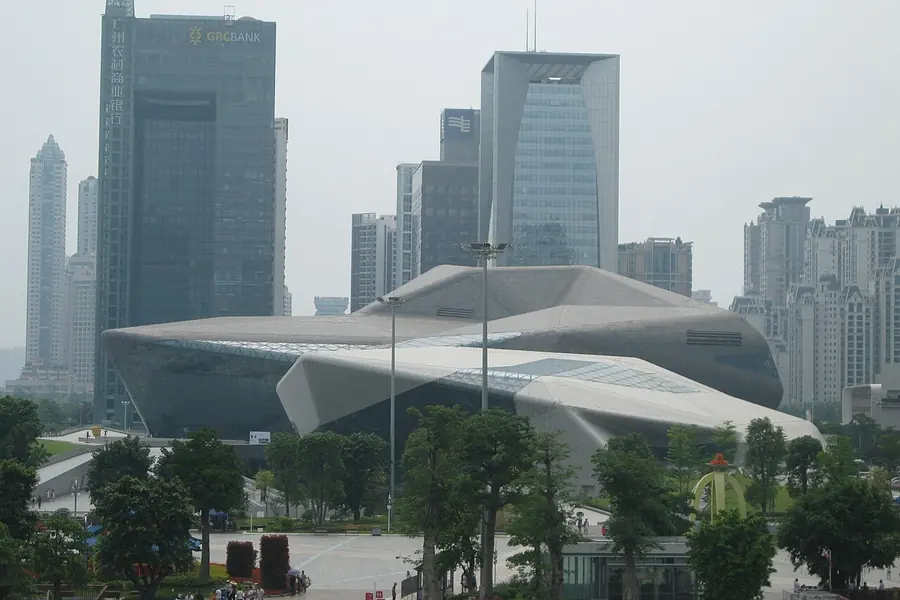
Zaha Hadid's twin pebbles — best photographed from outside, free.
A pair of smooth, asymmetric stone forms that look like river rocks dropped in the new financial district. You can tour the foyer or simply admire the exterior. Either way it's the most dramatic modern building in the city.
Free, air-conditioned, and the clearest crash course in Cantonese history.
The province's flagship museum (free, bring ID) covers natural history, ceramics, and Cantonese craft. Two hours is plenty. On a humid afternoon, the cool galleries are a gift as much as the collection.
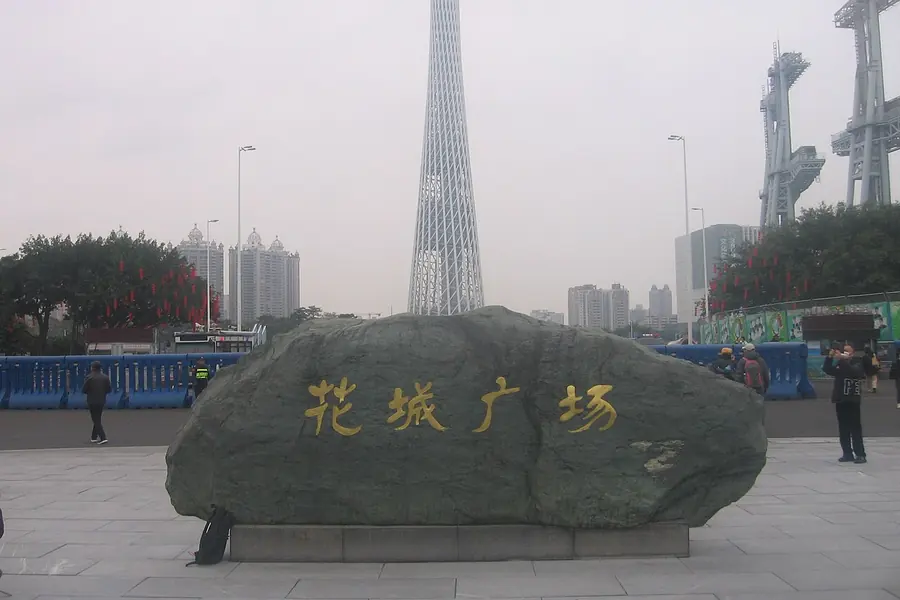
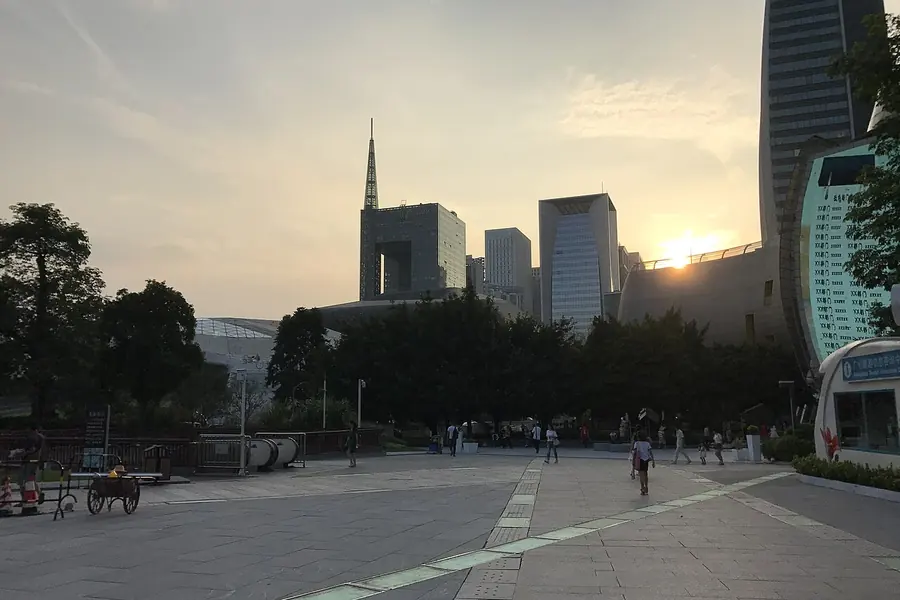
The city's central plaza, glowing between the skyscrapers after dark.
The vast plaza linking the opera house, library, and museum comes alive at night with families, dancers, and the towers lit overhead. Grab a drink at a Zhujiang terrace and watch the Canton Tower across the river. Free, lively, very Guangzhou.
Guangzhou's misty backyard peak, where the whole city does its cardio.
The 'White Cloud Mountain' is a sprawling park of trails, temples, and viewpoints just north of the centre. Take the cable car up (around 25 yuan) or hike with the locals. From the top, on a clear day, you finally grasp how enormous Guangzhou is.
Home to the Five Rams statue — the legend that named the city.
The city's largest central park holds the Five Rams sculpture (Guangzhou's founding symbol) and a stretch of the old Ming city wall. Free, shaded, and full of people singing, dancing, and flying kites. A gentle counterweight to the morning's climb.
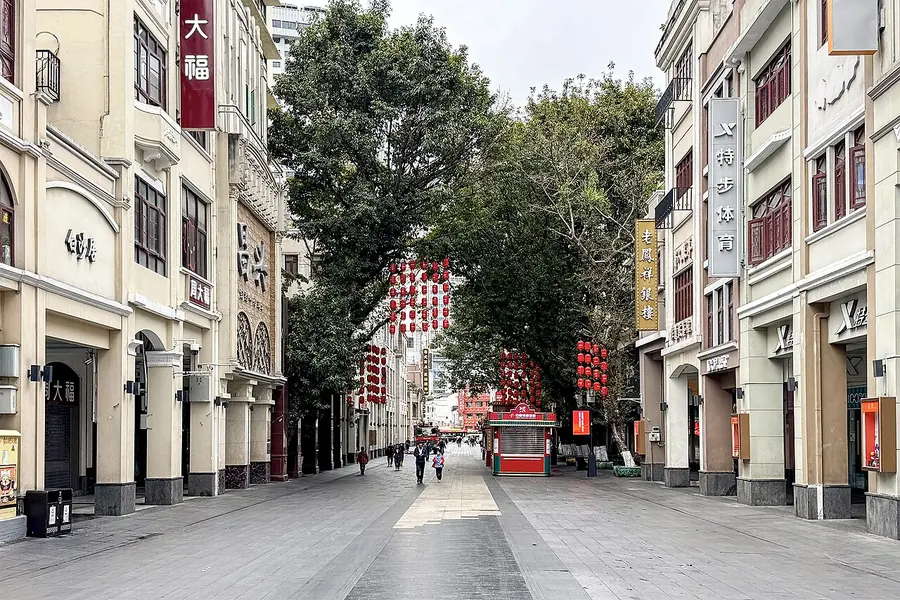
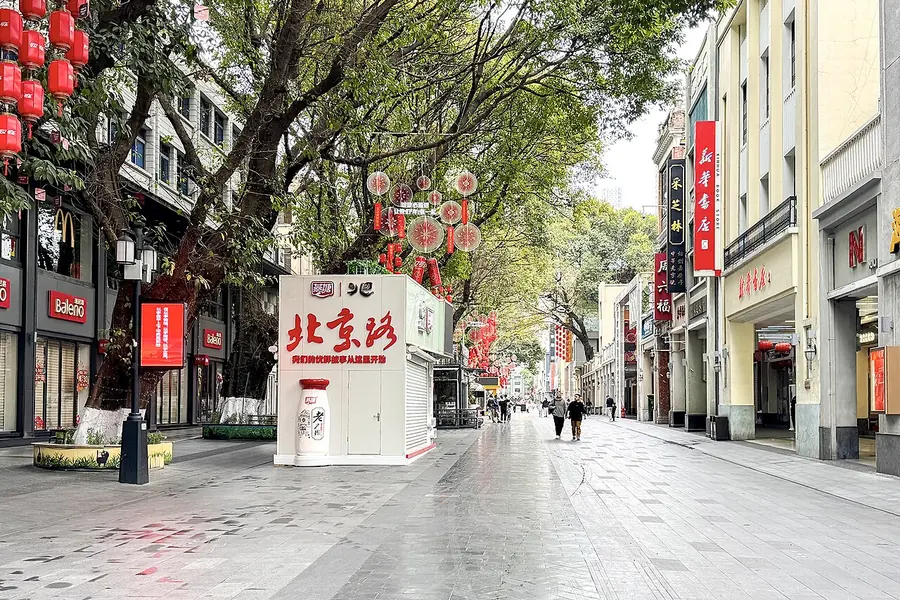
Neon shopping chaos built over a literal excavated Song dynasty road.
The main pedestrian shopping drag, where a glass floor reveals layers of ancient paving below. It's busy and commercial, but the street food stalls and the archaeology underfoot make it worth an evening stroll. Eat the grilled squid.
Kung fu, ancestral temples, and Cantonese opera roots
Foshan Ancestral Temple
A 900-year-old Taoist temple and the spiritual home of Wing Chun.
Forty minutes by metro, Foshan's Zumiao temple complex is a stunning Song-era shrine with bronze deities and an opera stage. The adjoining Ip Man and Wong Fei-hung halls tie the town to its martial-arts legends. About 20 yuan entry.
Restored Qing shophouses turned into a handsome eating-and-strolling quarter.
A tasteful regeneration of old Foshan lanes into cafes, restaurants, and boutiques while keeping the grey-brick architecture. Lunch on local Shunde-style fish here before the metro back. Pretty, walkable, photogenic.
Day 6
Honghuanggu Creative Park + Pearl River Cruise
Old factories reborn, then the city from the water
Redtory (Honghuanggu) art district
A 1950s canning factory turned galleries, cafes, and rust-chic photo ops.
Soviet-era brick warehouses now house contemporary art spaces, design studios, and coffee shops. It's where young Guangzhou hangs out. Free to wander; budget an hour for the galleries and an hour for the flat whites.
Pearl River night cruise
An hour on the water with the entire glittering skyline as the show.
The evening cruise (around 100-150 yuan) glides past the Canton Tower, the lit bridges, and the riverfront towers. Touristy, yes, but the city genuinely looks magnificent from midstream. Buy the ticket at Tianzi Pier.
Day 7
Slow Guangzhou — Teahouse, Park, Goodbye
The last day of anything done properly
Panxi Restaurant
Yum cha in a lakeside garden pavilion — the prettiest breakfast in the city.
A sprawling classical garden restaurant beside Liwan Lake. Take your final dim sum slowly among the rockeries and koi ponds. Order the shrimp dumplings and a pot of pu'er. This is how Guangzhou says goodbye.
Liwan Lake Park
Willows, paddle boats, and old men with caged songbirds.
A classic Lingnan-style park where you can rent a boat, watch erhu players, and see the bird-fanciers airing their pets. Free, calm, and deeply local. The perfect decompression before the airport.
Guangzhou confuses people who arrive expecting Beijing or Shanghai. It’s older than both as a trading city — the Maritime Silk Road started here over 2,000 years ago — but it wears its history loosely, half-buried under one of the densest, most relentlessly commercial urban sprawls on the planet. The trick is to stop looking for monuments and start looking at the table. This is the capital of Cantonese cuisine, which is to say one of the great food cultures of the world, and everything else is, in a sense, what you do between meals.
The geography is split by the Pearl River. The old city — Liwan and Yuexiu — sits on the north bank, full of teahouses, temples, and shophouse lanes. The new city — Zhujiang New Town in Tianhe — gleams across the water with its opera house, museum, and the Canton Tower piercing the skyline. Most of what you want is along or near the river, and the metro (clean, cheap, English signage) connects all of it.
This itinerary is built around the rhythm locals keep: a long yum cha breakfast, a wander, a feast, and the river at night. The 2/3/4/7-day versions add depth without ever rushing the food, because rushing the food here is the one genuine mistake.
Where to Stay in Guangzhou
Neighbourhood
Vibe
Best For
Liwan
Old teahouses, lanes, heritage
First-timers who want the soul of the city
Tianhe
Skyscrapers, malls, nightlife
Modern comfort and Canton Tower views
Haizhu
Riverside, central, balanced
Easy metro access and river walks
Yuexiu
Parks, Beijing Road, central
Sightseeing on foot
This article contains affiliate links marked with rel="sponsored". We may earn a commission at no extra cost to you.