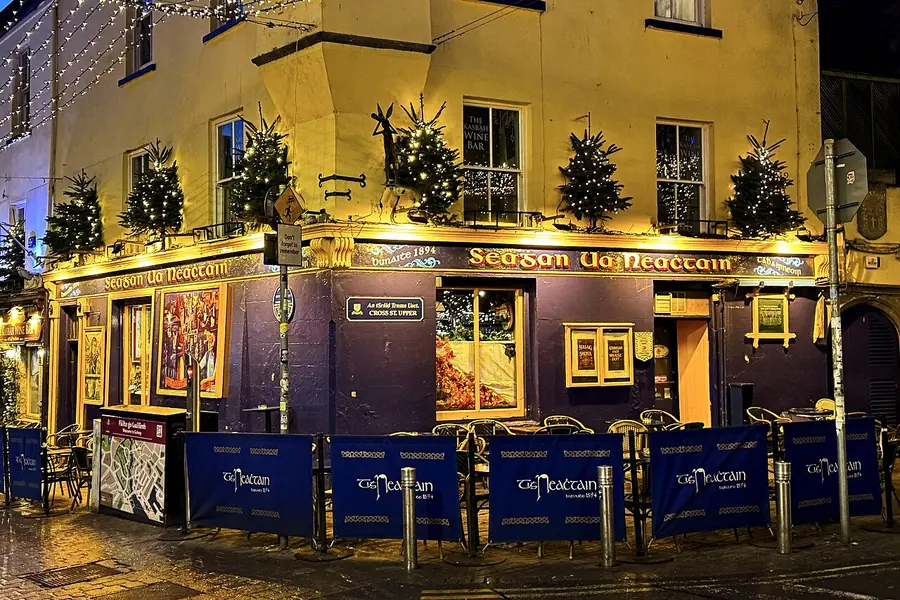
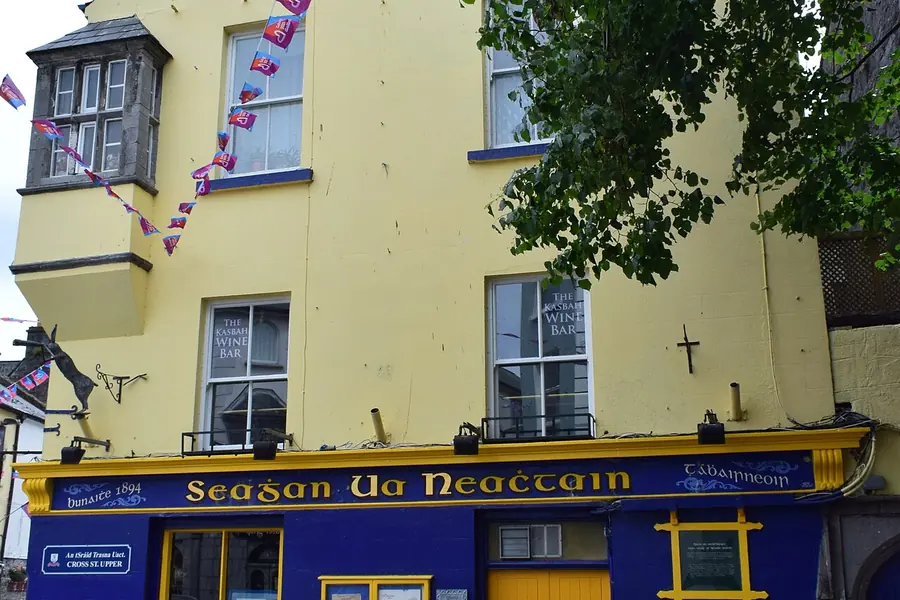
I ducked into Tigh Neachtain on a wet Tuesday in March, just to dry off, and three hours later I was still there. A fiddler and a bodhrán player had drifted in, set down their pints, and started a session with no announcement and no audience expectation — just the tunes building, faster and faster, the whole snug packed shoulder to shoulder, an old man in the corner keeping time with his eyes shut. Nobody filmed it. That's the thing about Galway: the magic isn't staged for you, it just happens, and you're lucky to be in the room. I never did get to wherever I'd been going.
Two days is enough to fall for Galway itself: the colourful, music-filled Latin Quarter, a stroll out to the Spanish Arch and along the Long Walk, fresh oysters off the bay, and a proper pub session. It's a small city you can love fast.
Do this one thing: find a real trad session — Tigh Neachtain or The Crane Bar — and stay longer than you planned.
Add the Cliffs of Moher
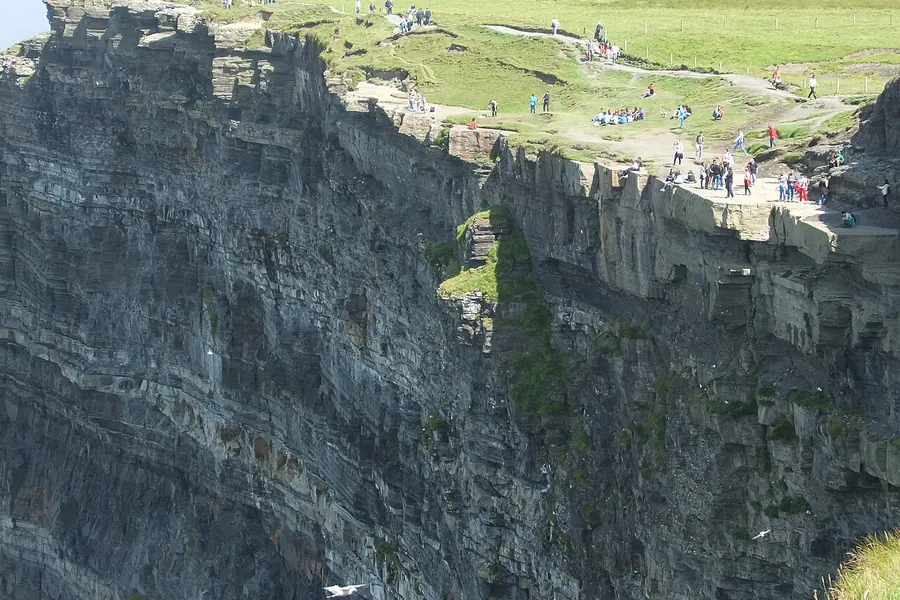
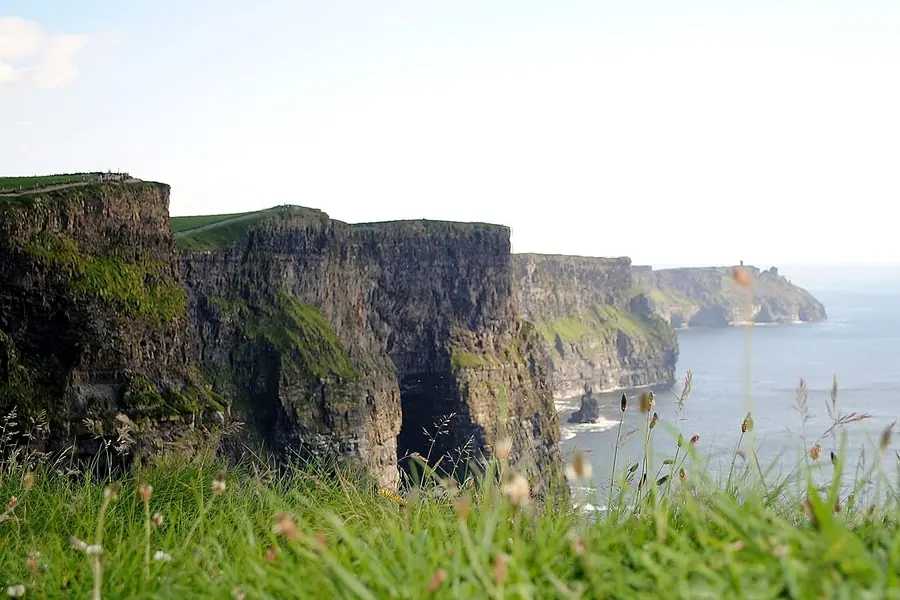
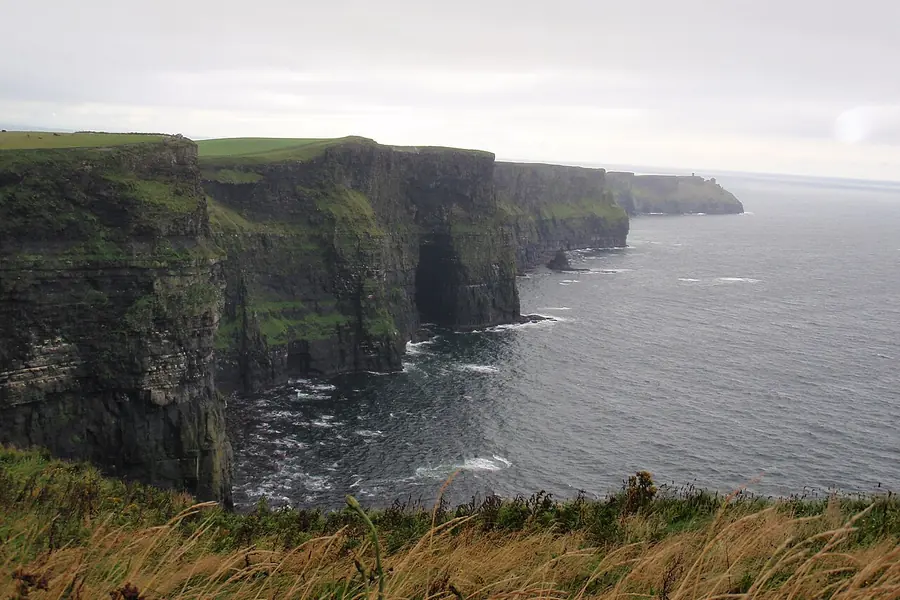
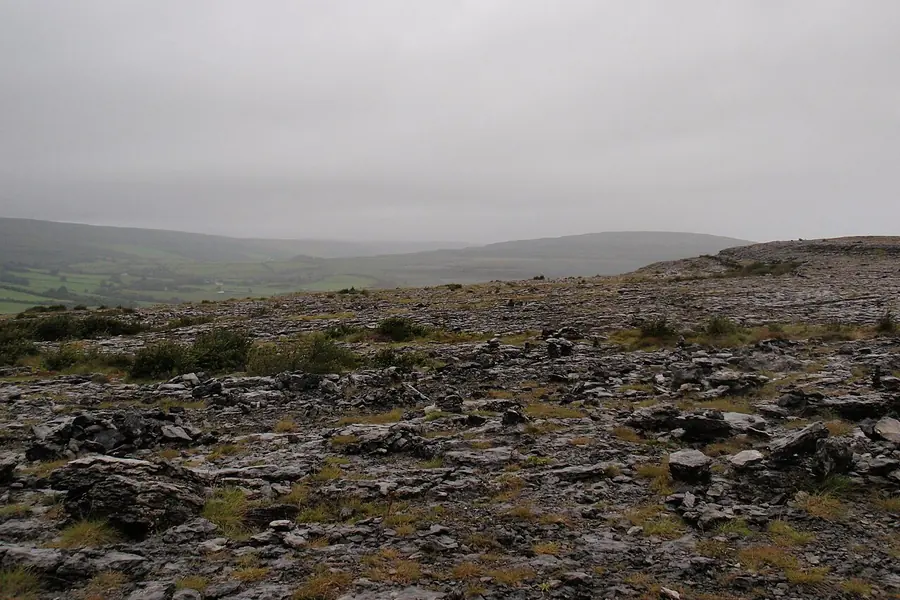
A third day takes you down to the Cliffs of Moher and the moonscape of the Burren, the headline scenery of the west coast. You see why people base themselves in Galway: the wild Atlantic edge is an easy day trip away.
Connemara's mountains and lakes
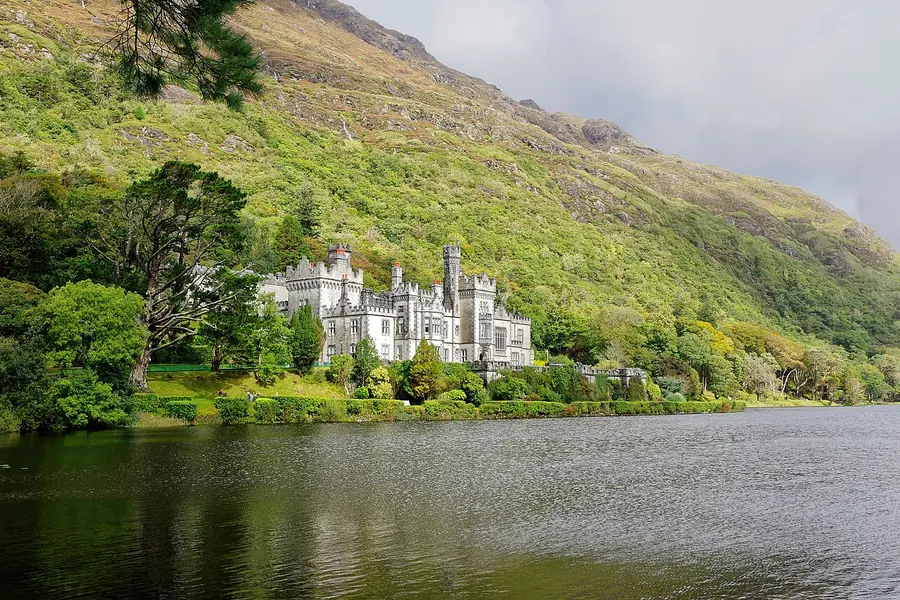
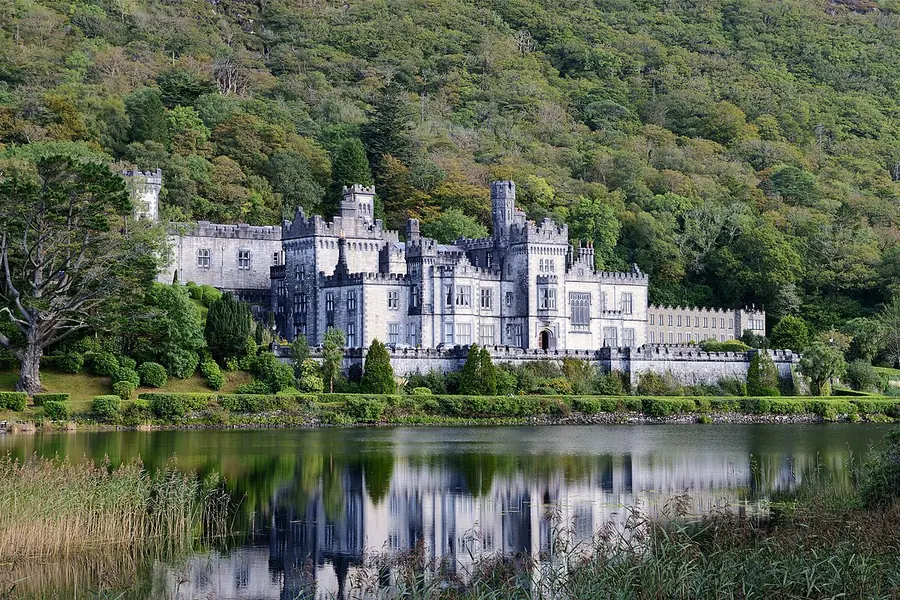
Four days adds Connemara — Kylemore Abbey on its lake, the Twelve Bens, and the bleakly beautiful bogland. You balance the city's music and the region's raw landscape. My recommended length for a first visit.
Galway as a base for the wild west
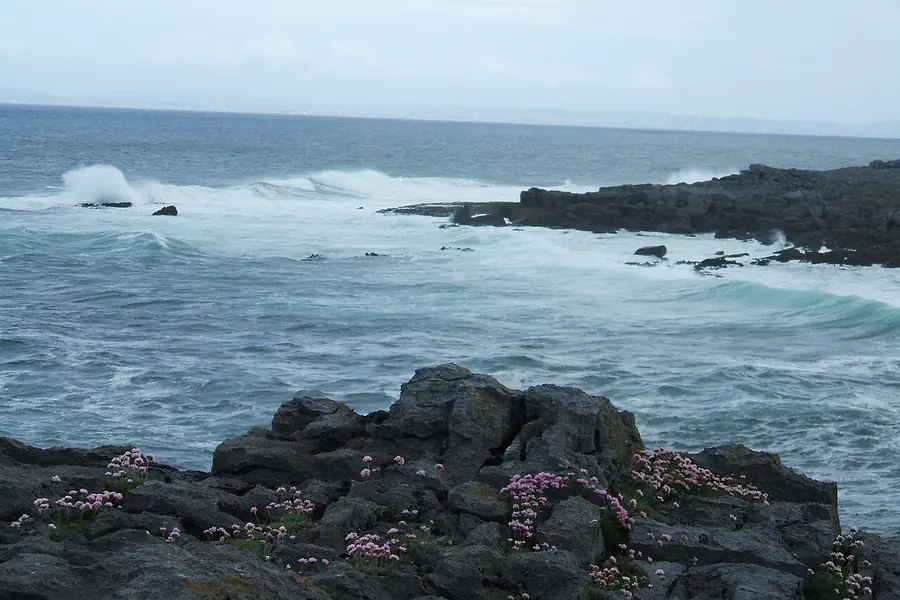
A week lets you reach the Aran Islands, dig deeper into Connemara, and explore the medieval towns and beaches of the bay. Seven days makes Galway the perfect base for Ireland's most beautiful and atmospheric coast.
Estimated budget:€300-€600
Estimated budget:€460-€920
Estimated budget:€620-€1250
Estimated budget:€1100-€2400
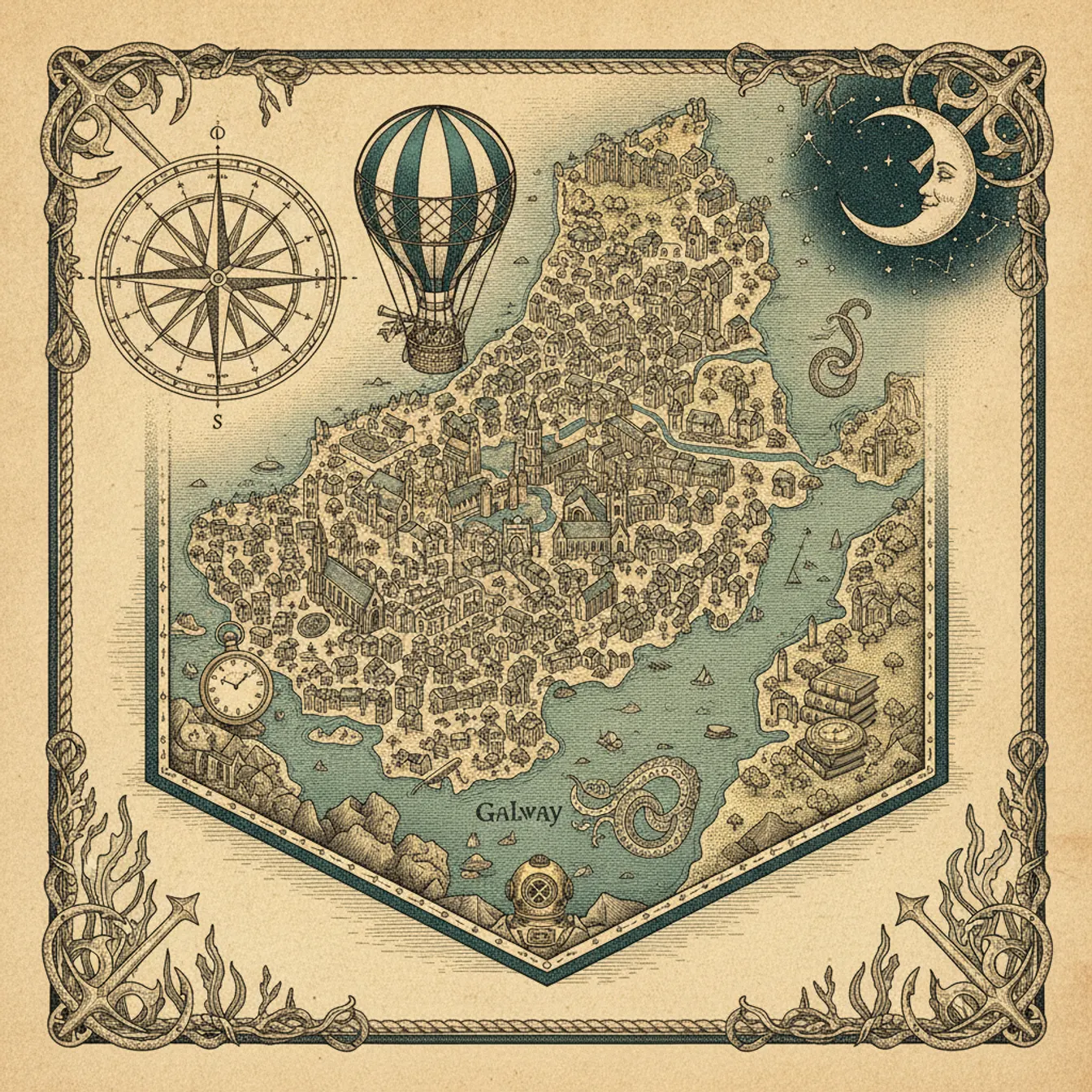
[ THE DISPATCH · FIELD MAP ]
A tilted, hand-drawn dispatch of Galway. Click a quarter to explode it open.
0 / 6 quarters explored
Legend · tap to highlight
[ THE LATIN QUARTER ]
Old stones, older stories.
The Latin QuarterGalway's beating heart of colourful shopfronts, buskers, and pubs.
Spanish Arch & the Long WalkA 16th-century arch where the river meets the sea, and a row of postcard houses.
[ SPANISH ARCH & CLADDAGH ]
Where the city meets the water.
Tigh NeachtainThe blue-painted corner pub that's the soul of Galway's trad scene.
River Corrib & the CladdaghA riverside walk to the old fishing village that gave the ring its name.
[ THE WEST END ]
Stays up later than you do.
Galway MarketA centuries-old weekend market beside the medieval church.
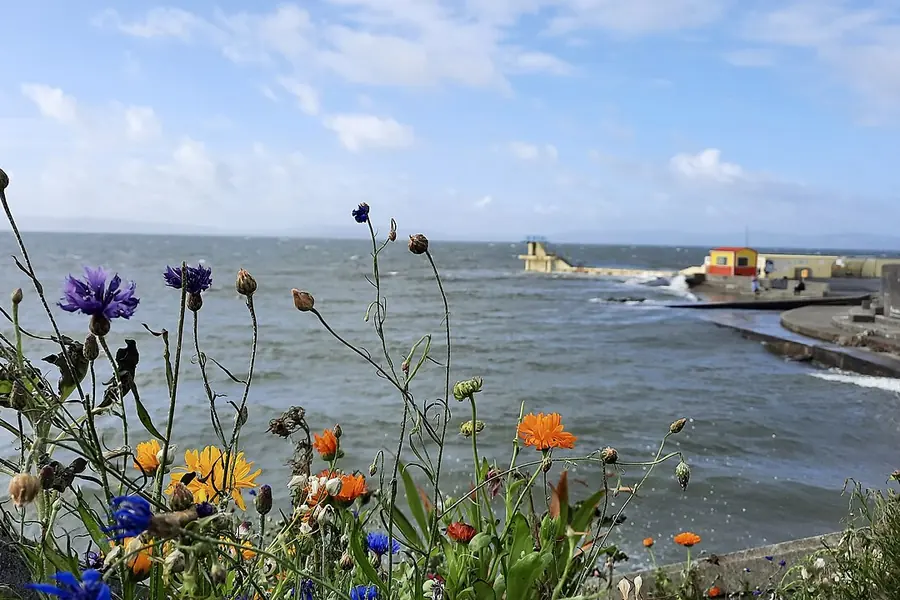
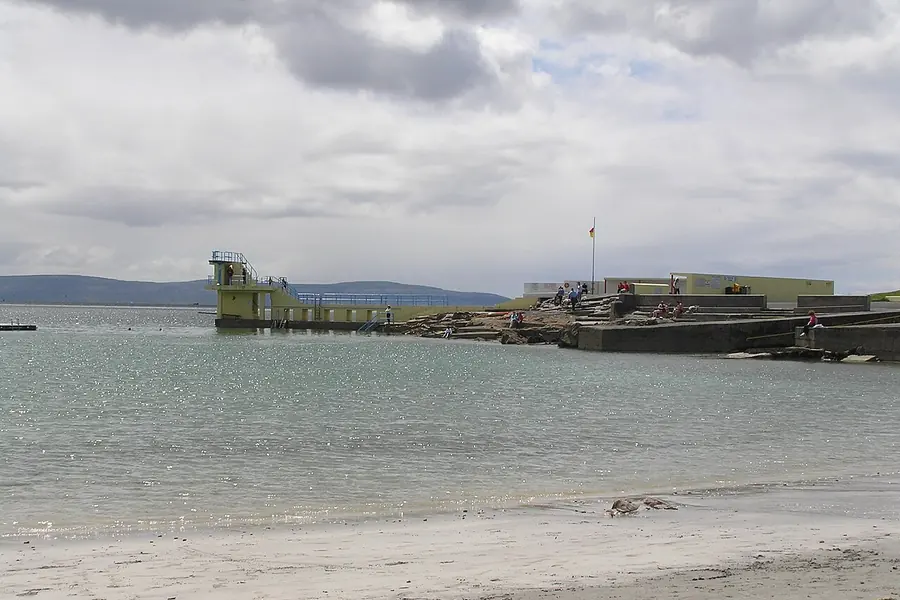
Salthill PromenadeA two-kilometre seaside prom with the bay and the hills of Clare beyond.
[ SALTHILL ]
Boats, bridges and reflections.
The West EndThe grittier, hipper side of the river for food and pints.
[ CONNEMARA ]
Green breathing room.
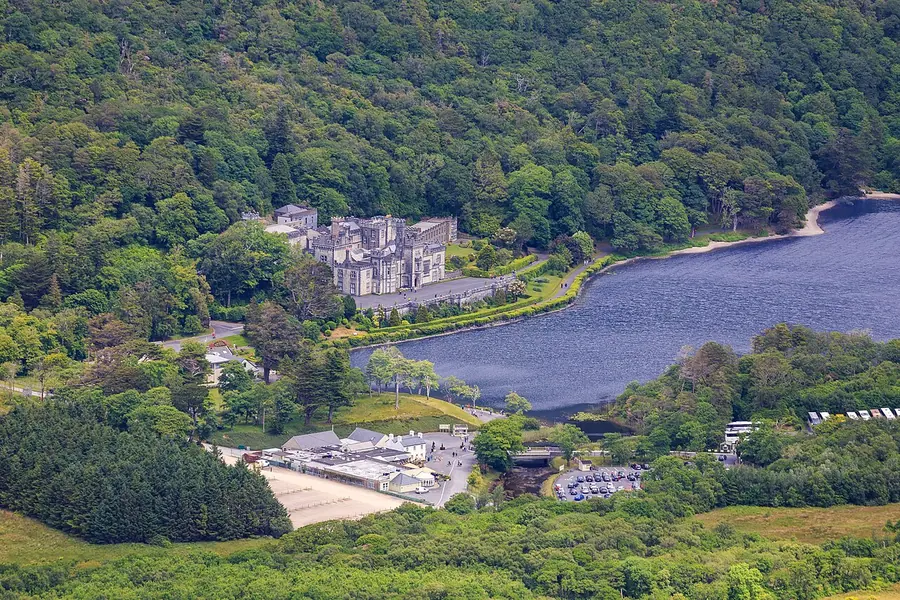
Kylemore AbbeyA Victorian castle mirrored in a lake beneath the mountains.
Connemara National Park & the Sky RoadBog, mountains, and a coast road that earns its name.
[ GALWAY BAY & ISLANDS ]
Boats, bridges and reflections.
Cliffs of Moher214 metres of sheer Atlantic cliff, and Ireland's most-visited natural sight.
The BurrenA lunar limestone landscape dotted with ancient tombs and rare flowers.
Day 1
The Latin Quarter
Wander the old city and find the music
The Latin Quarter
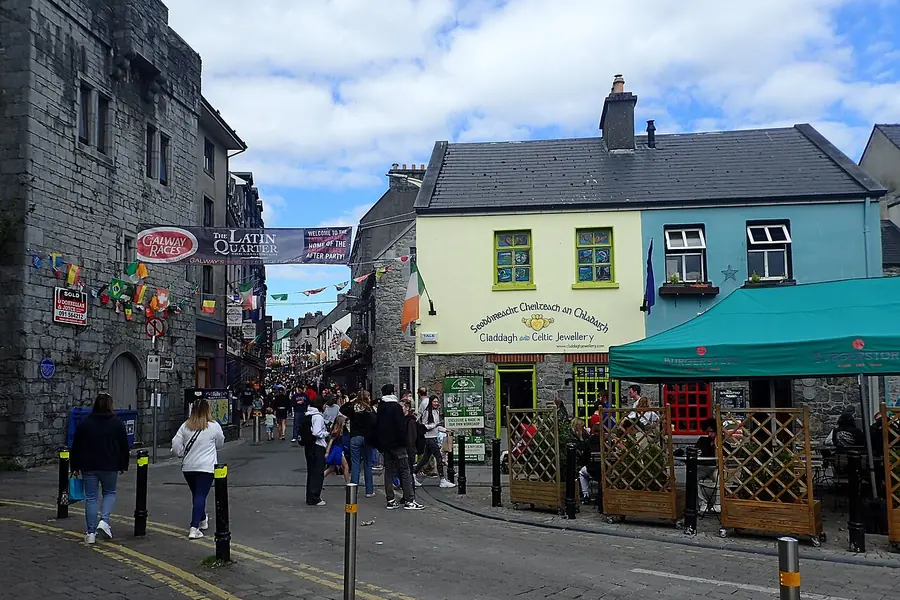
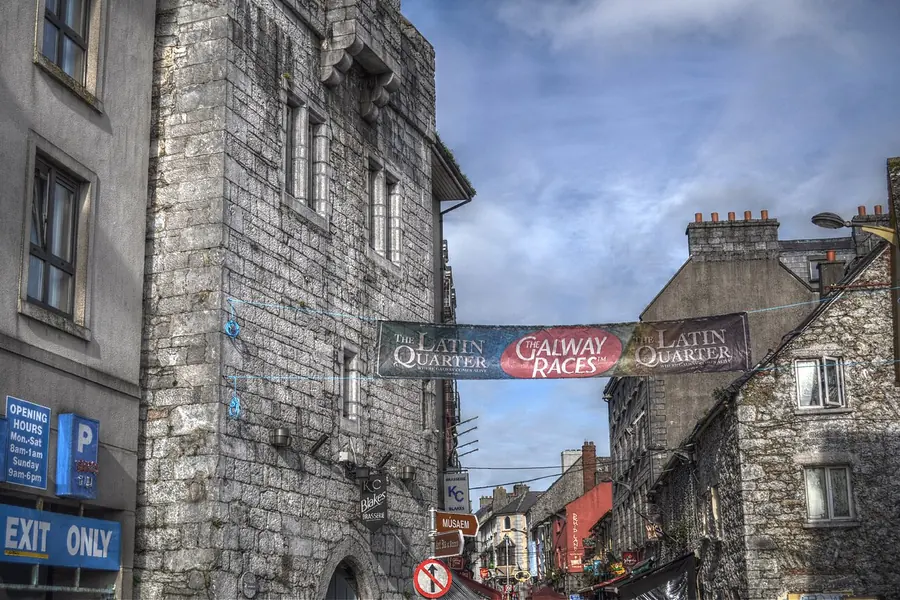
Galway's beating heart of colourful shopfronts, buskers, and pubs.
The pedestrian spine of the old city — Shop Street, High Street, Quay Street — is a tumble of painted facades, street musicians, craft shops, and pubs packed cheek to jowl. It's touristy, sure, but the energy is genuine and infectious. Wander without a plan, pop into the medieval St Nicholas' Collegiate Church, and let the buskers set the pace. This is the city in microcosm.
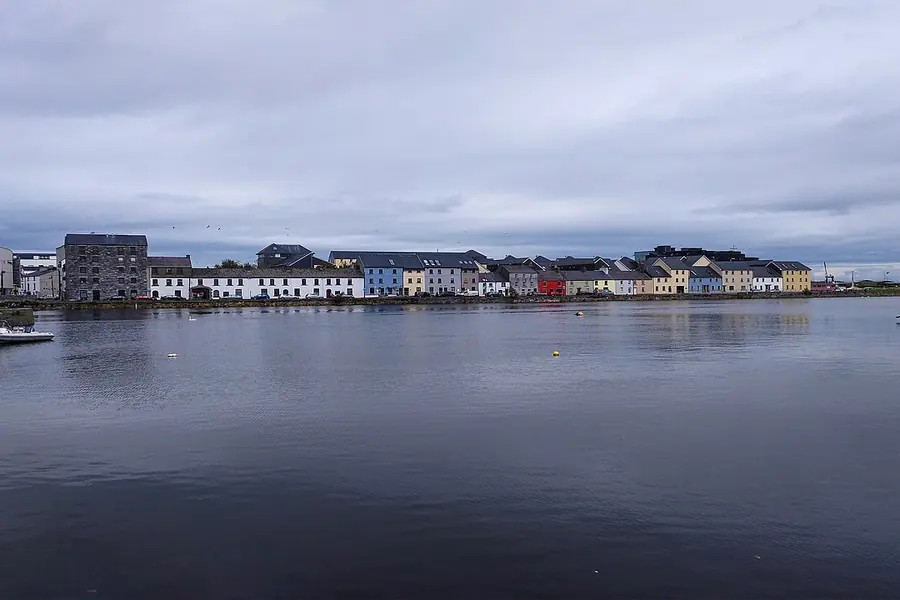
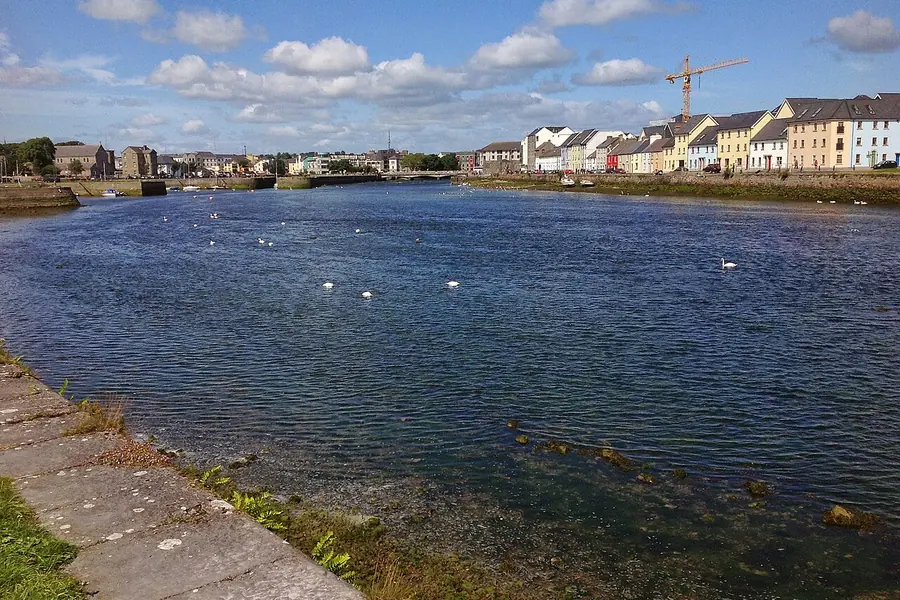
A 16th-century arch where the river meets the sea, and a row of postcard houses.
The Spanish Arch is a surviving fragment of the old city walls, sitting where the Corrib pours into Galway Bay. Beside it, the Long Walk's row of pastel terraced houses is the city's most photographed view. The Galway City Museum next door is free and good on the local history. Walk out along the river to feel the Atlantic edge of the place.
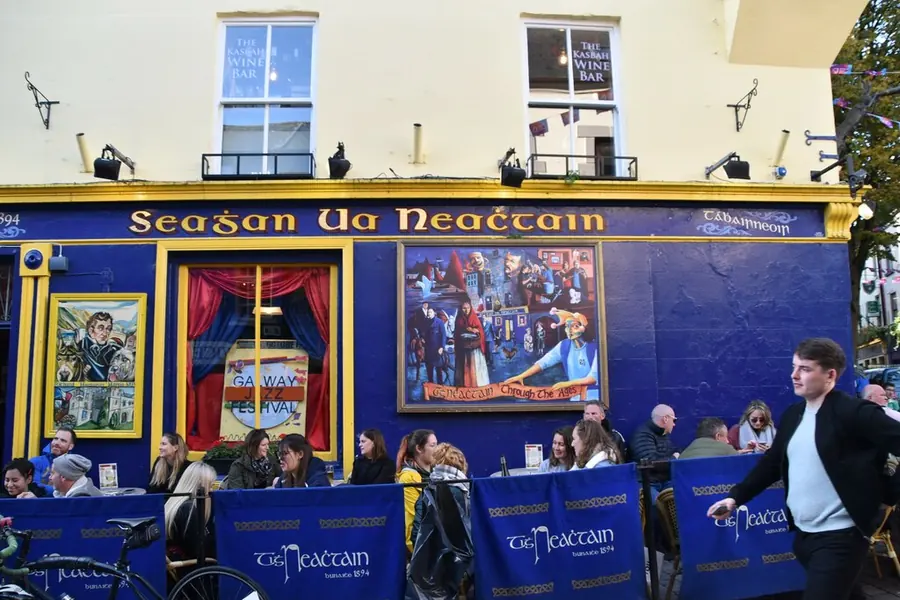
The blue-painted corner pub that's the soul of Galway's trad scene.
Neachtain's (just 'Naughtons' to locals) is the city's most beloved pub — a warren of snugs in a 17th-century building, with trad sessions most nights and no airs about it. Order a pint of Guinness or a local craft beer, find a corner, and wait for the music. It gets rammed, so go a little early. If it's heaving, The Crane Bar in the West End is the other temple of trad.
A centuries-old weekend market beside the medieval church.
Held by St Nicholas' Church on weekends (and Fridays in summer), the Galway Market is a brilliant graze — local oysters and crepes, artisan cheese, falafel, crafts, and buskers. It's where the city does its weekend social rounds. Get a dozen oysters off the bay with a squeeze of lemon, eaten standing up. The best, most local lunch you'll have here.
Salthill Promenade
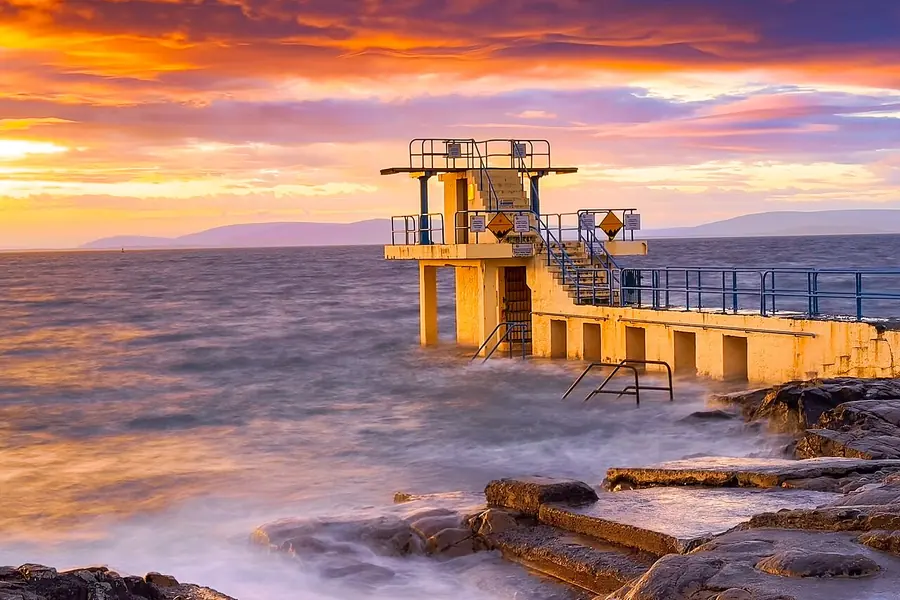
A two-kilometre seaside prom with the bay and the hills of Clare beyond.
A short walk or bus from the centre, Salthill is Galway's seaside suburb, with a long promenade looking across the bay to the Burren hills. Tradition says you 'kick the wall' at the far end before turning back. Brave souls swim off the Blackrock diving tower year-round. Time it for sunset over Galway Bay — the song isn't wrong, it really is something.
The grittier, hipper side of the river for food and pints.
Across the Corrib, the West End (around Dominick Street) is the locals' answer to the touristy Latin Quarter — independent restaurants, craft-beer bars, and The Crane Bar's upstairs trad sessions. The food scene here is Galway's best, from small plates to proper seafood. Have dinner this side of the river, then drift toward the music. Less polished, more real.
Day 3
Cliffs of Moher & the Burren
The headline scenery of the west
Cliffs of Moher
214 metres of sheer Atlantic cliff, and Ireland's most-visited natural sight.
An hour and a half south in County Clare, the Cliffs of Moher rise straight out of the sea for 8 kilometres — vast, dramatic, and rightly famous. Walk the coastal path away from the visitor centre to escape the crowds and get the best views. Go on a clear-ish day; in fog you'll see nothing. A guided day tour from Galway handles the driving and usually adds the Burren.
A lunar limestone landscape dotted with ancient tombs and rare flowers.
On the way back, the Burren is a vast karst plateau of cracked grey limestone — strange, beautiful, and home to the 5,000-year-old Poulnabrone dolmen tomb. Arctic and Mediterranean wildflowers somehow grow side by side in the cracks. Stop at a viewpoint or the dolmen for a leg-stretch. It's one of the most otherworldly landscapes in Ireland and an ideal pairing with the cliffs.
A Victorian castle mirrored in a lake beneath the mountains.
The image of Connemara: a neo-Gothic castle, now a working abbey, reflected perfectly in a lake with mountains rising behind. The walled Victorian garden is gorgeous and the lakeside setting is genuinely fairytale. It's the centrepiece of any Connemara drive, about 80 minutes northwest of Galway. Touristy but worth it — and the surrounding scenery on the drive there is half the point.
Bog, mountains, and a coast road that earns its name.
Connemara is raw, empty, and beautiful — peat bogs, the Twelve Bens mountains, and the spectacular Sky Road loop above Clifden, with Atlantic views in every direction. The national park has short hikes up Diamond Hill for big panoramas. A self-drive lets you stop where you like; a tour does the logistics. Either way, this is the wild Ireland of the imagination.
Day 5
The Aran Islands
Stone walls, cliffs, and the old Irish way
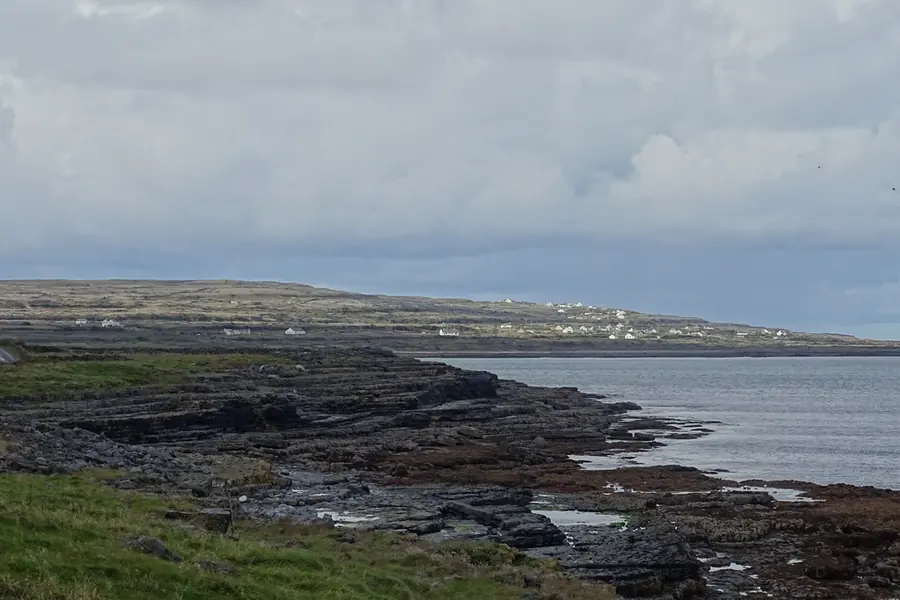
Inis Mór
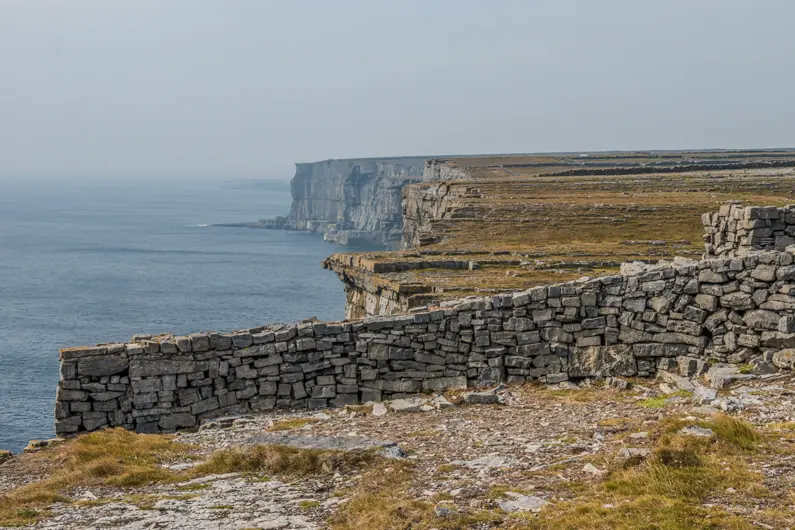
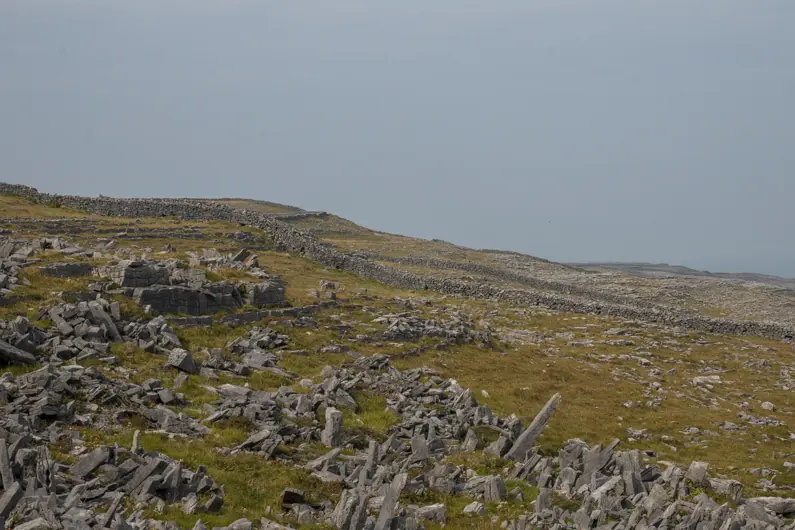
The largest Aran island, laced with stone walls and Iron Age forts.
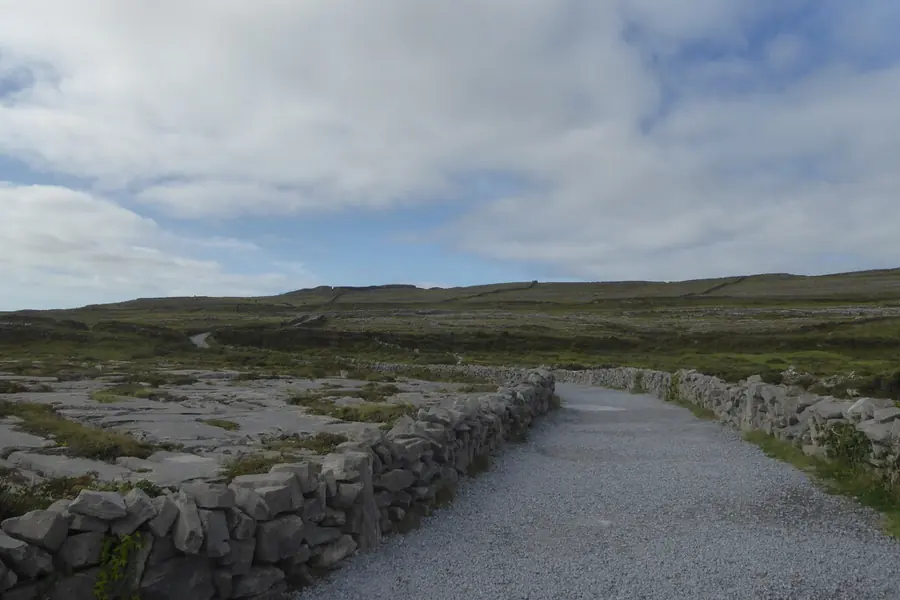
A ferry from Rossaveal (or a tiny plane) reaches Inis Mór, the biggest of the Aran Islands — a stark, stone-walled world where Irish is still the everyday language. Rent a bike or take a pony trap to explore the maze of walls and tiny fields. It feels like stepping back a century, in the best way. Bring layers; the Atlantic weather does what it likes.
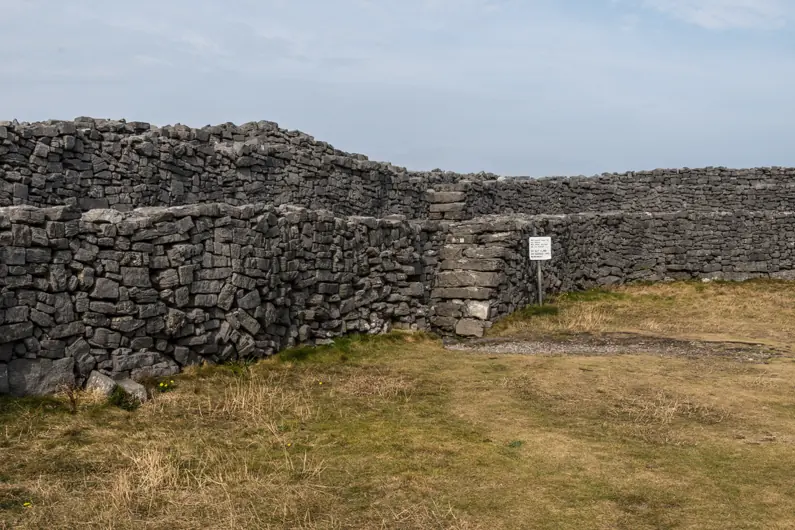
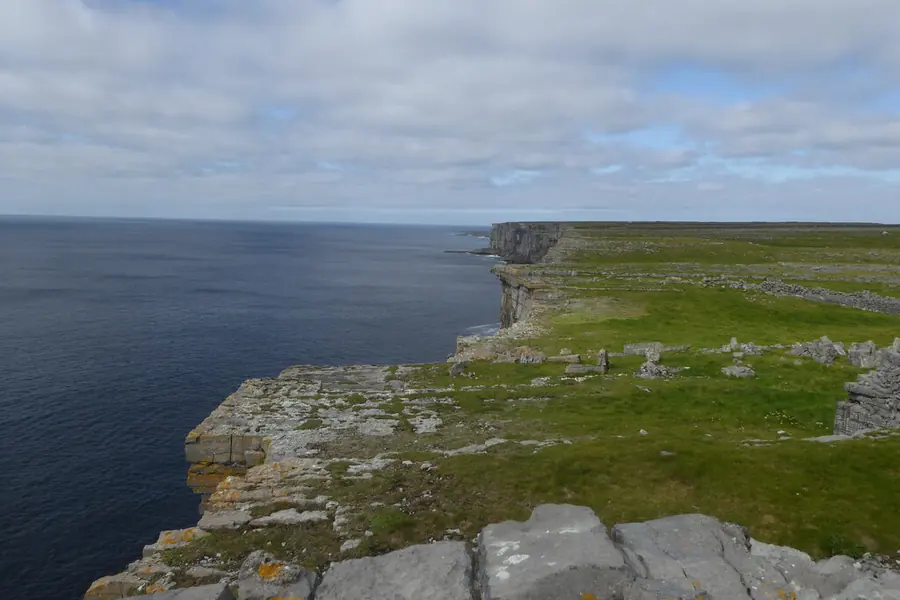
A prehistoric fort on a 100-metre cliff edge, with no safety rail.
The island's crown jewel is this 3,000-year-old stone ring fort perched right on the lip of a sheer 100-metre sea cliff — no barrier, just you and the drop and the roaring Atlantic below. It's vertiginous, ancient, and unforgettable. The short uphill walk from the visitor centre is rough but worth every step. Lie down and peer over the edge if you dare.
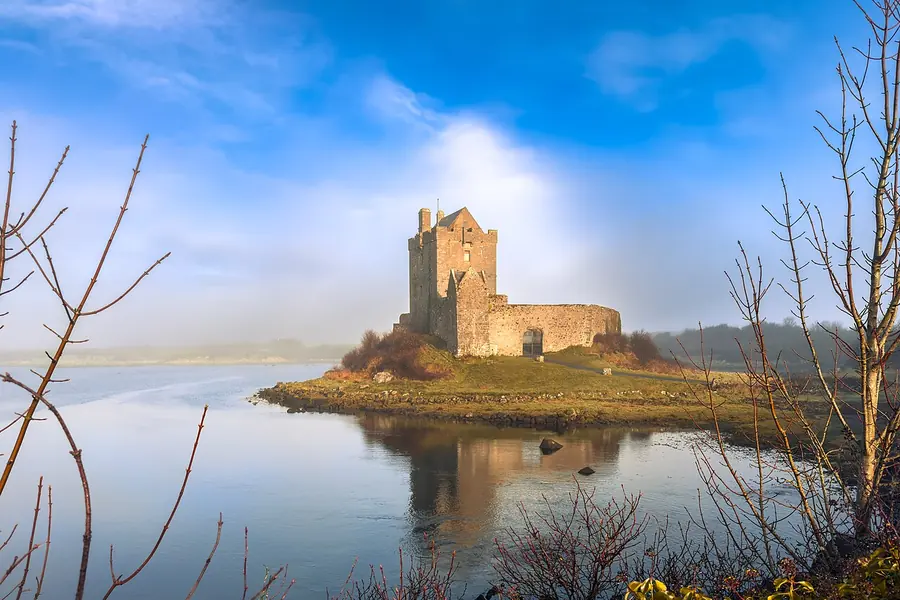
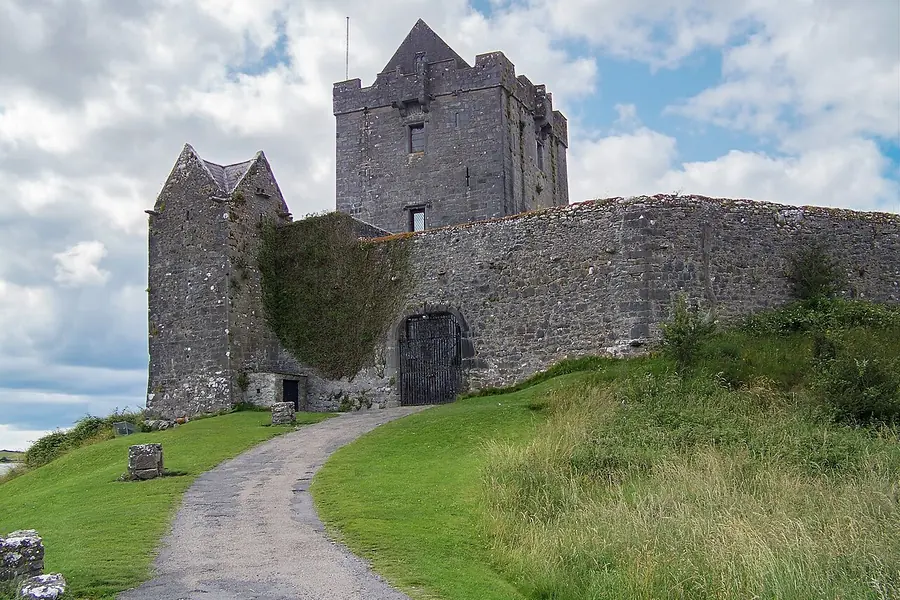
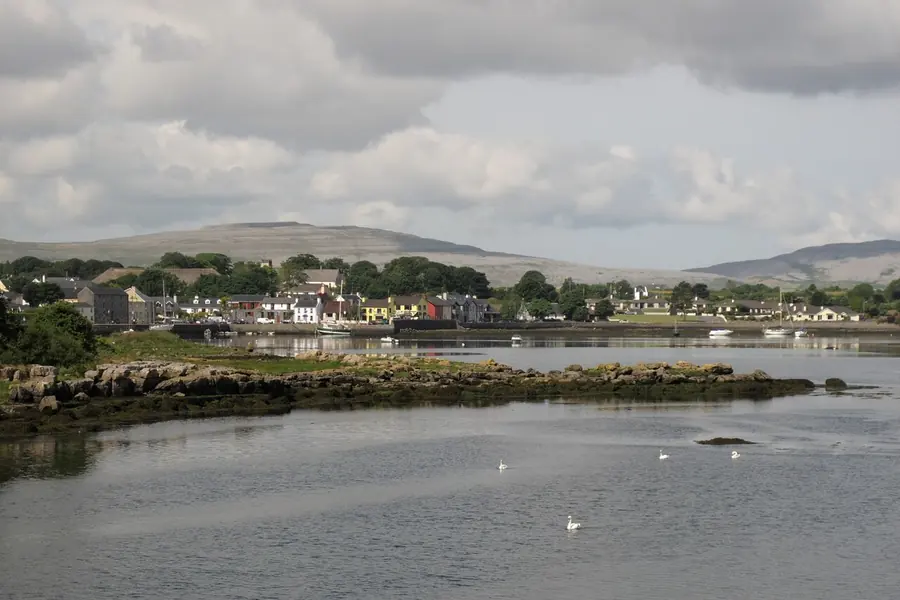
A perfect little tower house on the bay in a pretty harbour village.
Half an hour south, the 16th-century Dunguaire Castle sits photogenically on the edge of Galway Bay beside the charming village of Kinvara. The tower house is small but you can climb it for bay views, and the harbour is a lovely spot to potter. Kinvara hosts a famous gathering of traditional sailing boats in summer. A gentle, scenic half-day that the tour buses mostly miss.
A thatched pub serving Galway Bay oysters at the water's edge since 1797.
Down a lane on the Kilcolgan estuary, this thatched cottage has been a pub since 1797 and serves the oysters its own family farms in the bay outside. A plate of native Galway oysters with brown bread and a pint of Guinness, eaten by the water, is one of the great simple meals of the west. Worth the detour entirely on its own. Book if you can.
Day 7
Slow Galway and Farewell
A last wander, a last session, goodbye
River Corrib & the Claddagh
A riverside walk to the old fishing village that gave the ring its name.
Walk up the salmon-rich River Corrib to the weir where the fish leap in season, then loop back to the Claddagh — the ancient fishing village across the harbour that gave the world the Claddagh ring. The swans on the basin and the views back to the city are a calm, scenic last morning. Pick up a Claddagh ring from a city jeweller as the keepsake.
Galway's legendary fish-and-chip and seafood institution.
A final feed at McDonagh's on Quay Street, an institution since 1902 — get the fish and chips wrapped in paper, or sit down in the seafood bar for fresh chowder and oysters. It's busy and beloved for good reason. The perfect, unfussy last meal before you leave a city that's all about good food, good music, and good craic. Sláinte.
Galway is small — you can walk across it in twenty minutes — but it punches absurdly above its weight. Ireland’s bohemian west-coast city is all colourful shopfronts, buskers on every corner, and trad music spilling out of pubs that have been pouring pints for centuries. It’s also the gateway to the country’s most spectacular coast: the Cliffs of Moher, the bog and mountains of Connemara, and the stone-walled Aran Islands are all within reach. Come for the music, stay for the landscape.
How to use this plan
Two days is plenty to fall for the city itself: the Latin Quarter, the Spanish Arch, oysters at the weekend market, the sea at Salthill, and — the whole point — a proper trad session that you never quite manage to leave. Three days adds the Cliffs of Moher and the lunar Burren. Four — my pick for a first visit — works in Connemara, where Kylemore Abbey sits mirrored in its lake beneath the mountains. The food, especially around the West End, is far better than the city’s size suggests.
The 7-day plan uses Galway as a base for the wild west: a ferry to the Aran Islands and the heart-stopping cliff fort of Dún Aonghasa, the castles and oyster cottages of the southern bay, and time to dig deeper into Connemara. With a week you get the full sweep of Ireland’s most beautiful and atmospheric coast, not just one lovely city.
A few honest notes
The weather does whatever it wants — pack layers and a proper raincoat even in summer, and don’t let drizzle change your plans, because the locals certainly won’t. May to September is the sweet spot for daylight and (relatively) drier days. A car opens up Connemara and the bay, but day tours handle the cliffs and Connemara well if you’d rather not drive Irish lanes. And the trad music is the real treasure here — don’t settle for a staged show when an unannounced session in a back-room snug is the actual magic.
This article contains affiliate links marked with rel="sponsored". We may earn a commission at no extra cost to you.