Everyone warned me about Detroit. Then I spent a Saturday morning at Eastern Market eating a Coney dog at 9am, walked into the Detroit Institute of Arts and stood slack-jawed before the Diego Rivera murals, and by sunset I was on the riverfront watching kids ride the carousel with Canada glowing across the water. Detroit doesn't ask for your pity. It's funny, generous, proud, and quietly one of the great American comeback stories. The food punches absurdly above its weight, and people actually talk to you. I came expecting ruins. I left planning my return.
Two days hits the essentials: the world-class Detroit Institute of Arts, a Motown Museum pilgrimage, Eastern Market on a Saturday, and an evening on the revitalised riverfront. You'll see why Detroit shrugged off its 'ruin porn' reputation. It's enough to fall for the city's swagger and its excellent, cheap food.
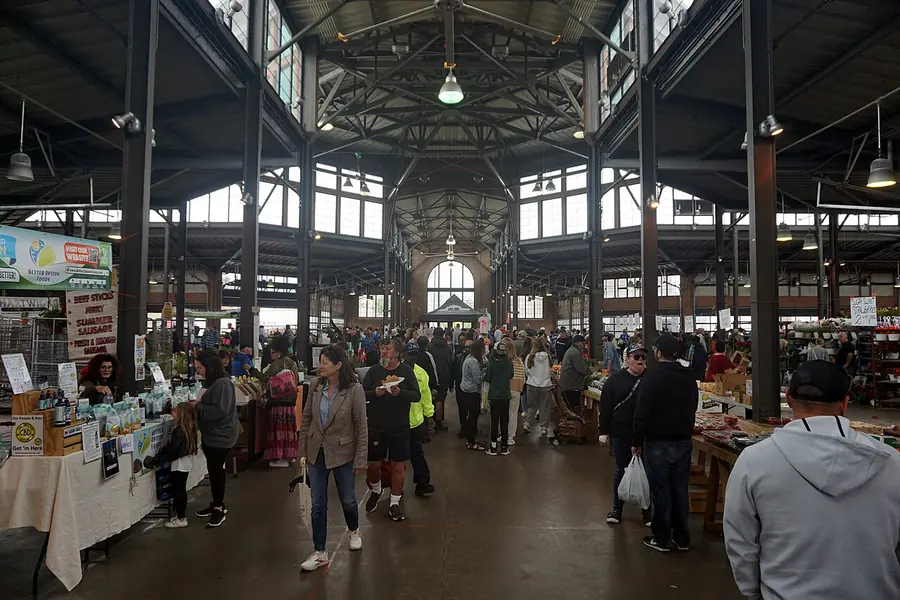
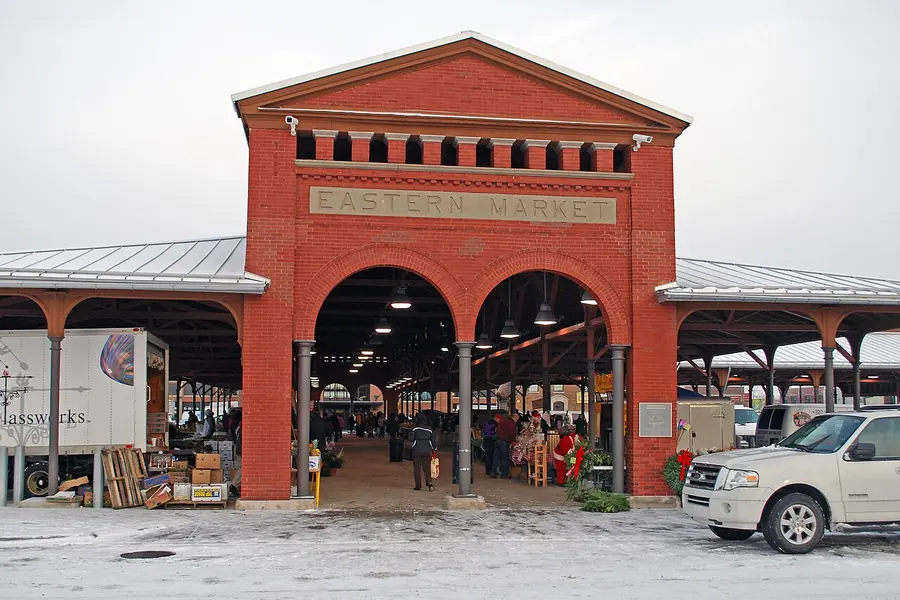
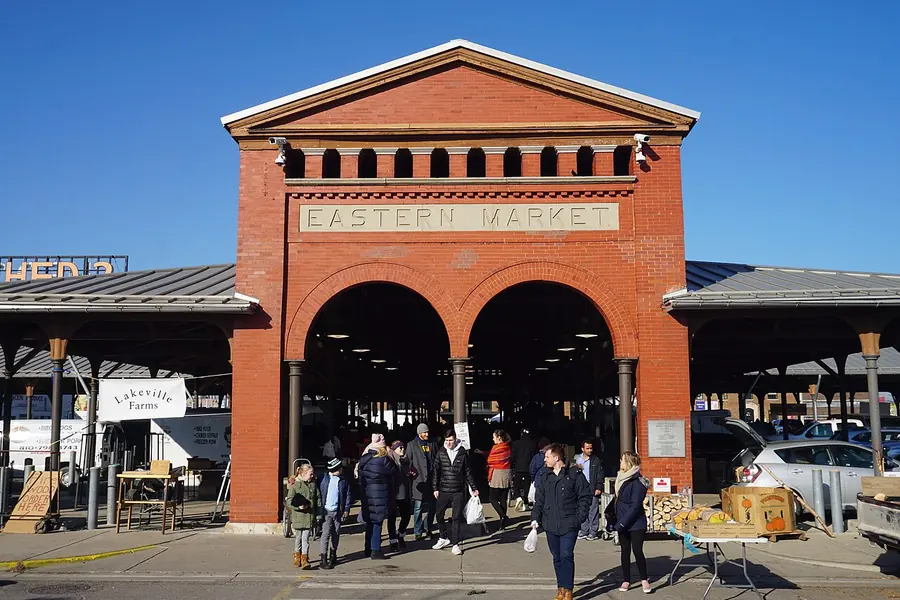
Do this one thing: go to Eastern Market on a Saturday morning. It's the soul of the city in one noisy, fragrant block.
Add Belle Isle and the neighbourhoods
A third day adds Belle Isle island park, the murals of Eastern Market and the Dequindre Cut greenway, plus time in Corktown and Midtown where Detroit's revival is loudest. You move beyond the highlights into the real, rebuilding city.
Detroit plus its automotive soul
Four days lets you go deeper: the Henry Ford Museum and Greenfield Village in Dearborn, a proper deep dive into the city's industrial story, and a slow afternoon eating your way through Hamtramck. You balance art and asphalt, and stop treating Detroit as a quick stop.
Detroit as a base for Michigan
A week turns Detroit into a launchpad: Ann Arbor's college-town charm, the Motor City's music history in full, and a lake-country escape. Seven days is for travellers who want to understand the Midwest, not just tick off a skyline.
Estimated budget:$280-$520
Estimated budget:$420-$780
Estimated budget:$560-$1040
Estimated budget:$1000-$1900
[ THE DISPATCH · FIELD MAP ]
A tilted, hand-drawn dispatch of Detroit. Click a quarter to explode it open.
0 / 6 quarters explored
Legend · tap to highlight
[ DOWNTOWN & RIVERWALK ]
Where the city meets the water.
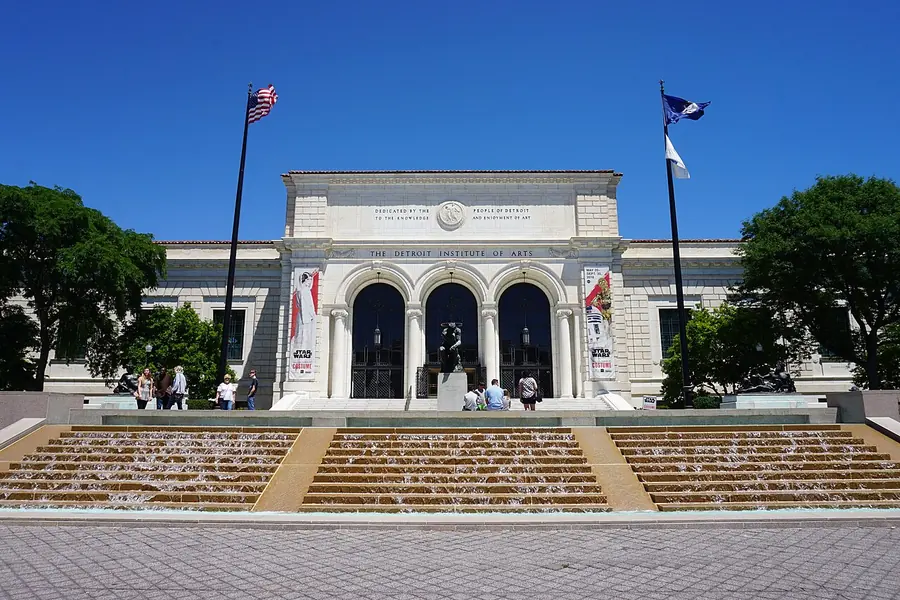
Detroit Institute of ArtsOne of America's great art museums, and the Rivera murals are unmissable.
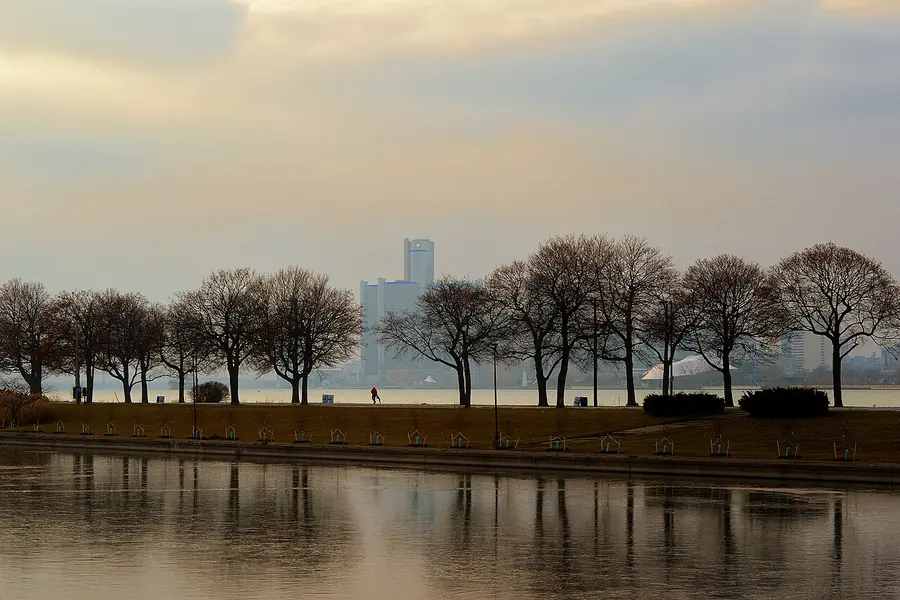
Detroit RiverWalkAn award-winning waterfront promenade with Canada glowing across the strait.
[ MIDTOWN & CULTURAL CENTER ]
Grand squares and big ideas.
American Coney IslandThe 1917 Coney dog institution locked in eternal sidewalk rivalry next door.
Third Man RecordsJack White's vinyl shop, with a record-pressing plant you can watch.
[ EASTERN MARKET ]
Old stones, older stories.
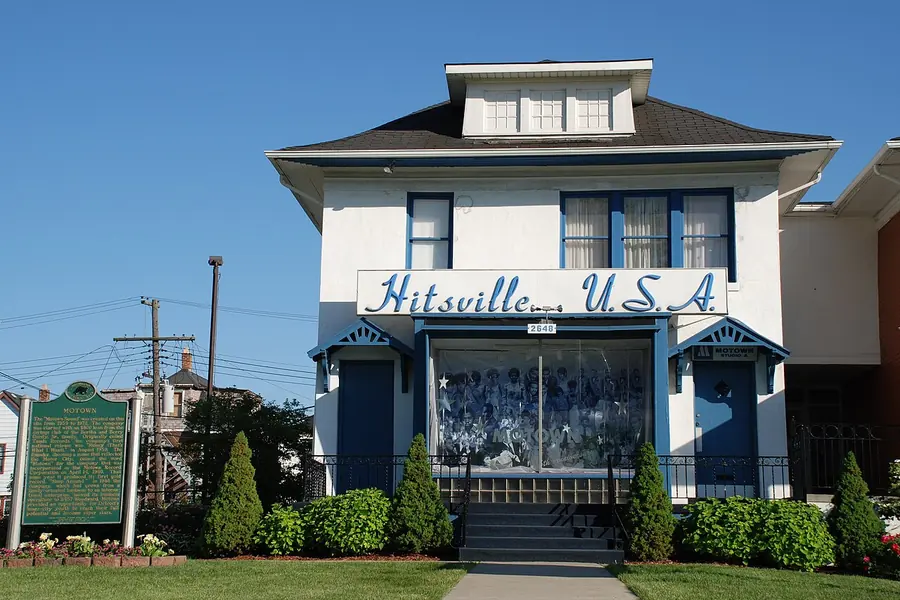
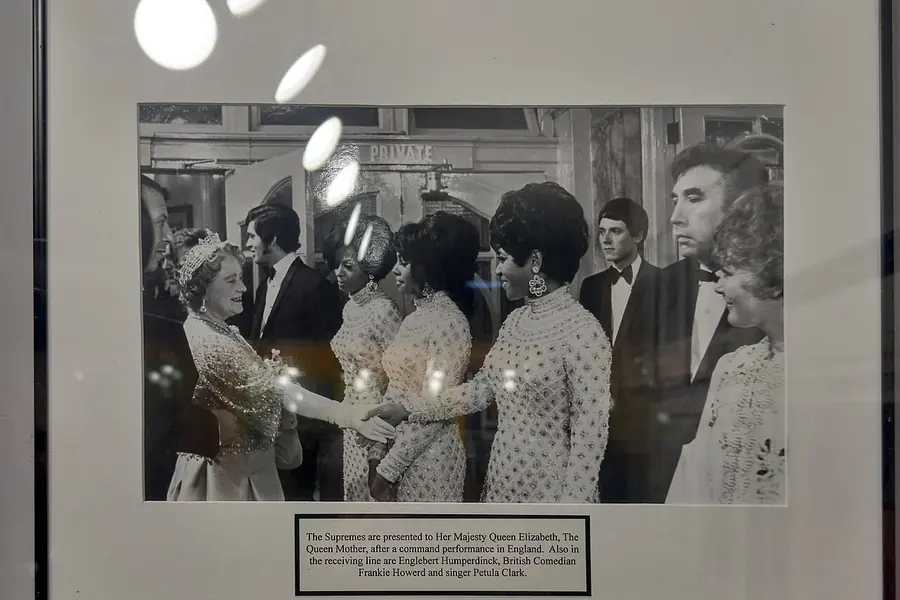
Motown Museum (Hitsville U.S.A.)The little house where Stevie, Marvin, and the Supremes were made.
Eastern MarketA 130-year-old market district wrapped in jaw-dropping murals.
[ CORKTOWN ]
Stays up later than you do.
CorktownThe oldest neighbourhood, now Detroit's coolest food-and-drink strip.
[ BELLE ISLE ]
Green breathing room.
Belle Isle ParkA 982-acre island park designed by the man behind Central Park.
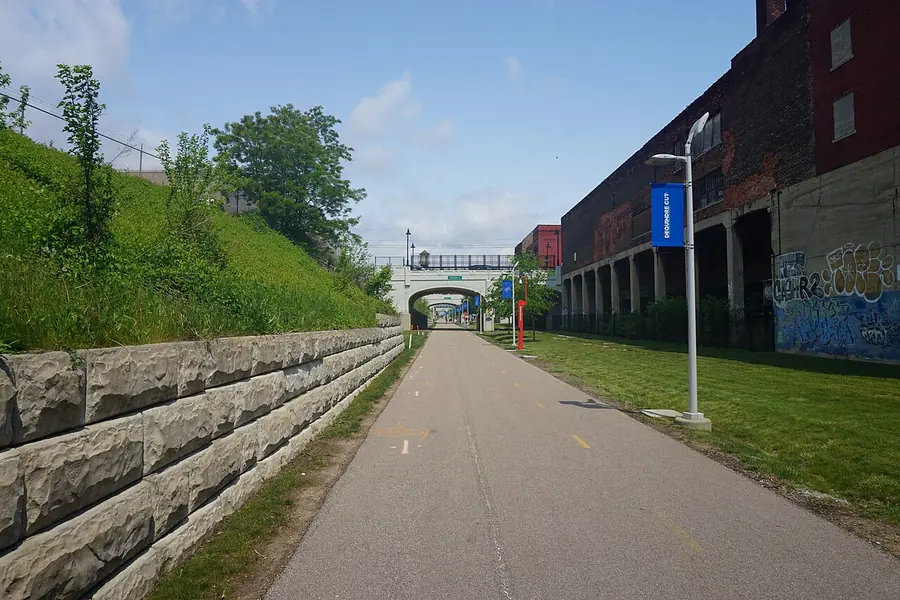
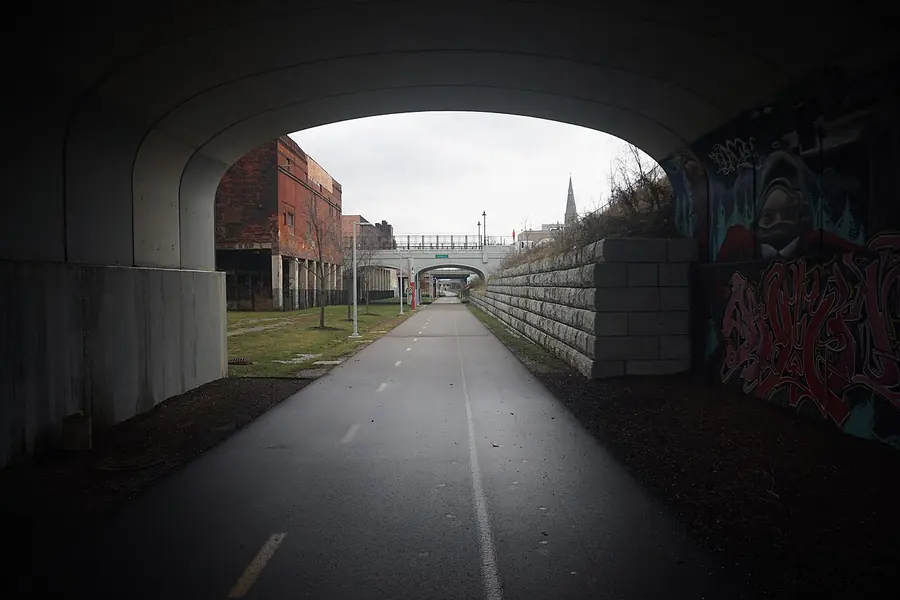
Dequindre Cut GreenwayA sunken rail line turned mural-lined bike-and-walk path.
[ HAMTRAMCK ]
Old stones, older stories.
Henry Ford Museum of American InnovationThe bus Rosa Parks sat in, the chair Lincoln died in, and a lot of cars.
HamtramckA city-within-a-city of Polish bakeries and Yemeni cafes.
Day 1
Art and the Riverfront
The DIA, then the water that's reborn the city
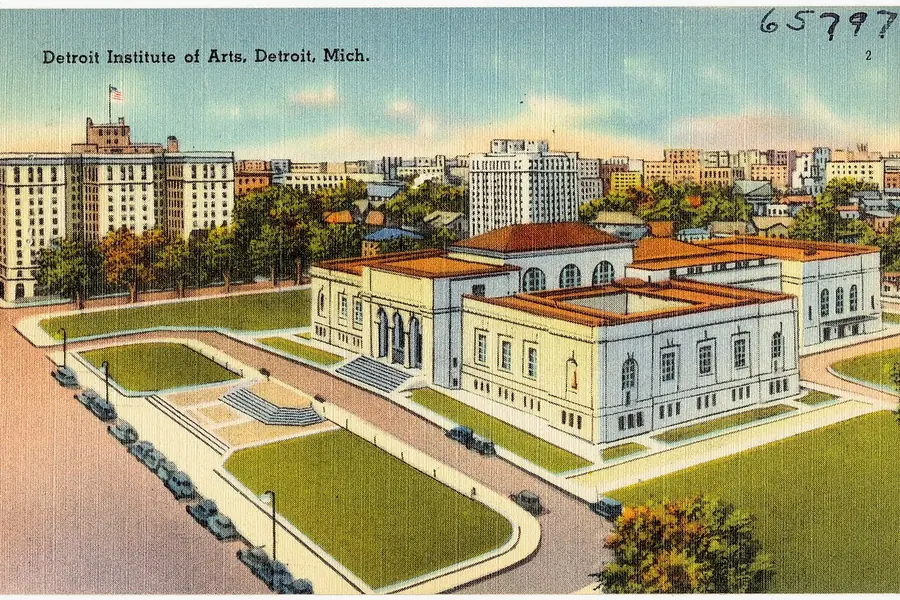
Detroit Institute of Arts
One of America's great art museums, and the Rivera murals are unmissable.
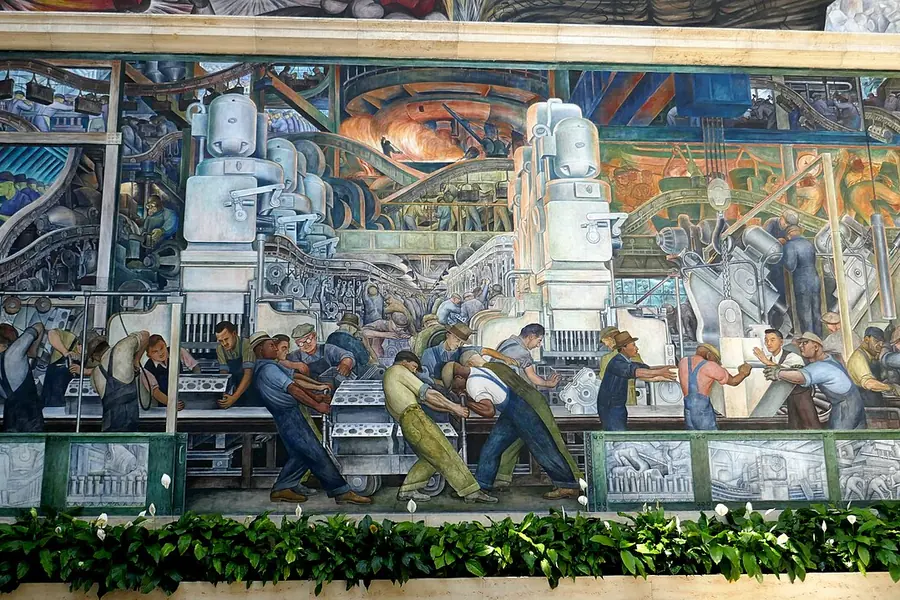
The DIA is genuinely top-tier — Bruegel, Van Gogh's self-portrait, and the show-stopping Detroit Industry murals, Diego Rivera's 27-panel love letter to the assembly line. Give it three hours minimum. The city nearly sold it off during bankruptcy and the public fought to save it, which tells you everything.
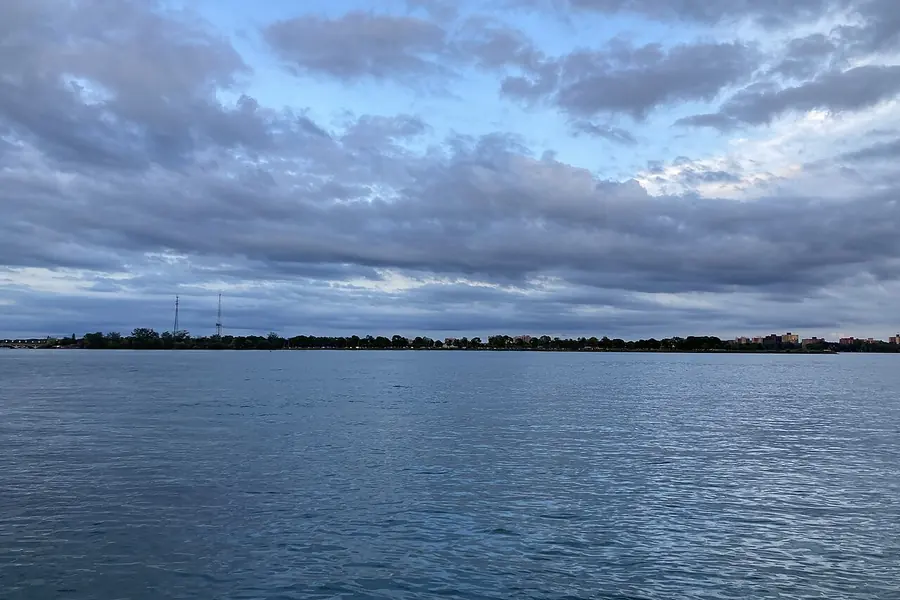
An award-winning waterfront promenade with Canada glowing across the strait.
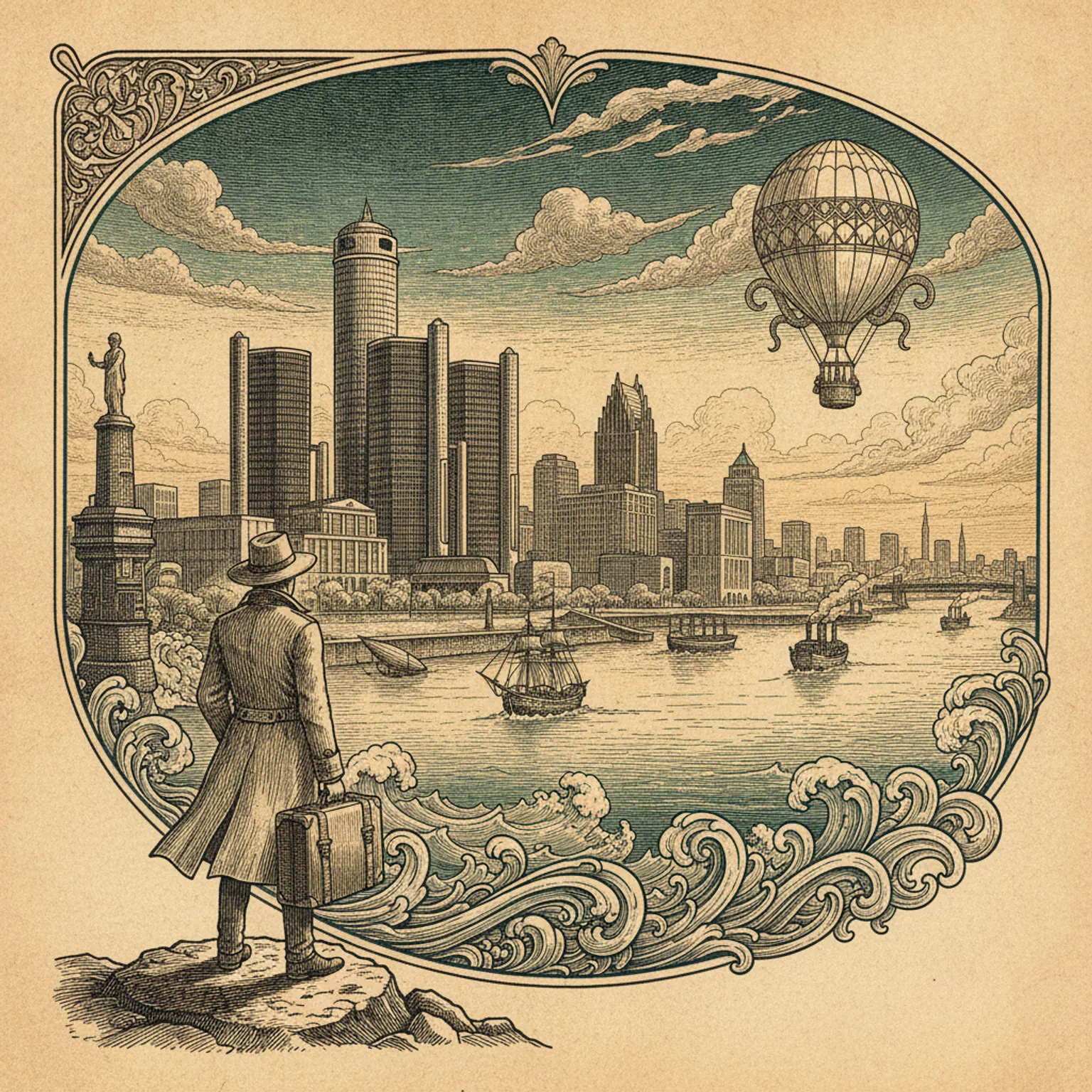
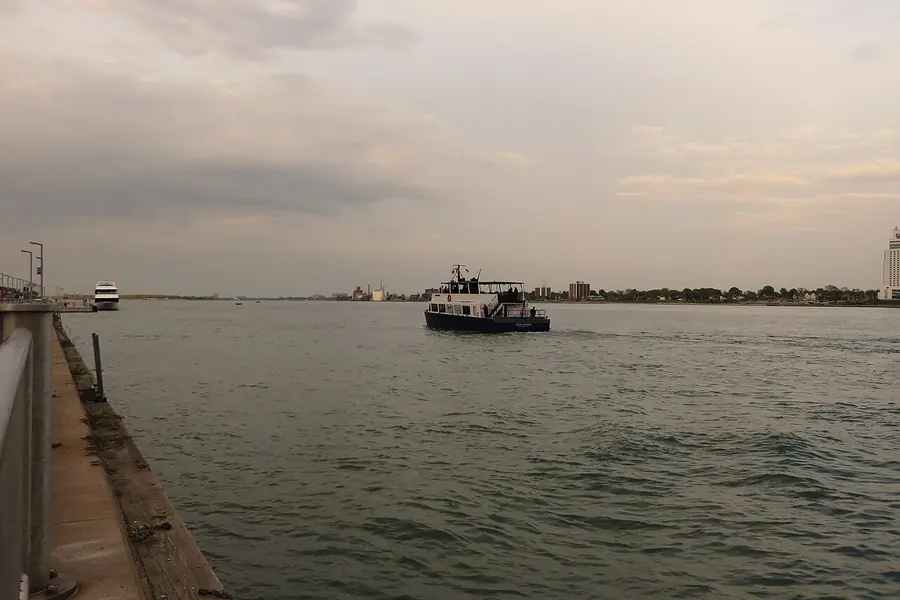
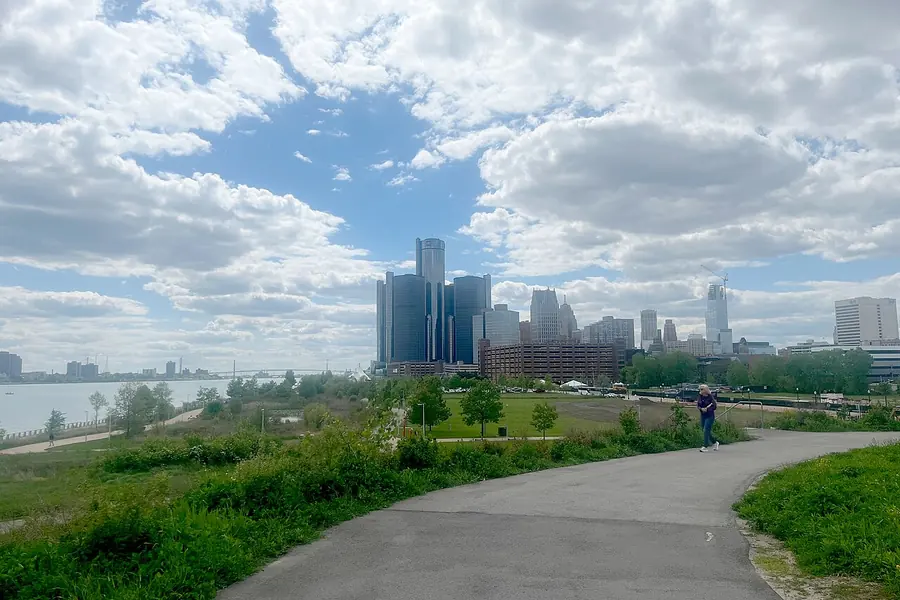
Once a wall of derelict industry, the riverfront is now a 3.5-mile ribbon of parks, a carousel, and skyline views. Walk from Hart Plaza east toward the Aretha Franklin amphitheatre. It's the single clearest symbol of Detroit's turnaround, and at golden hour it's flat-out beautiful.
The 1917 Coney dog institution locked in eternal sidewalk rivalry next door.
Detroit runs on the Coney dog — a hot dog smothered in chilli, mustard, and raw onion. American Coney and Lafayette Coney sit side by side downtown, sworn enemies since the families split. Pick one, eat two, argue about it later. It's open absurdly late.
Day 2
Motown and the Markets
The sound that conquered the world, and the best Saturday in the Midwest
Motown Museum (Hitsville U.S.A.)
The little house where Stevie, Marvin, and the Supremes were made.
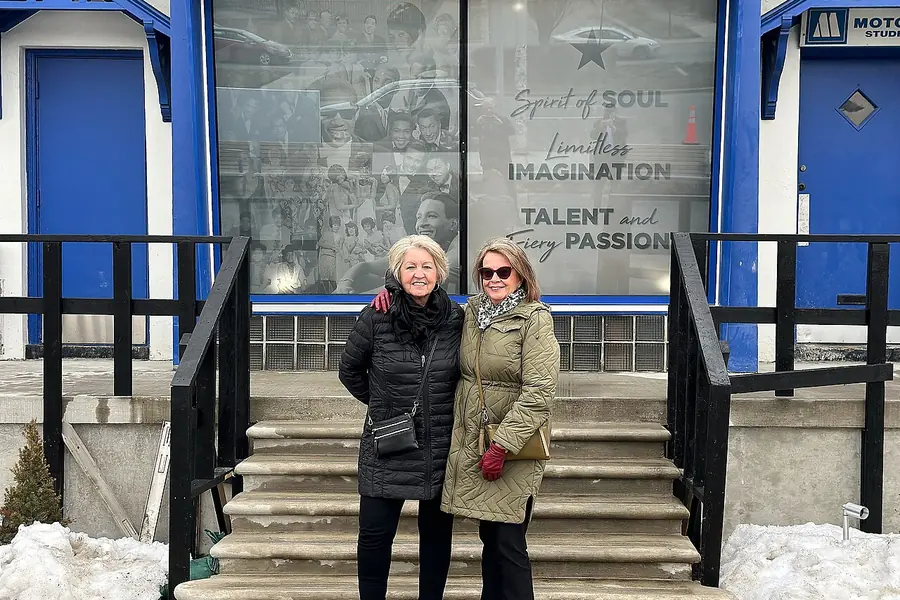
Berry Gordy's modest home studio, Hitsville U.S.A., is where the Motown sound was born. Studio A still has the original equipment, and the guides often get the whole room singing. It's small, joyful, and moving — book ahead because slots sell out. A pilgrimage, not a museum visit.
A 130-year-old market district wrapped in jaw-dropping murals.
Saturday is the day: six market sheds packed with farmers, bakers, flower sellers, and food trucks, the whole district painted with some of America's best public murals. Eat your way around, buy something you don't need, and soak up the most alive corner of the city. Genuinely the heart of Detroit.
The oldest neighbourhood, now Detroit's coolest food-and-drink strip.
Michigan Avenue in Corktown is where the revival tastes best: cocktails at the Sugar House, a legendary slab pie at Slows Bar BQ, and the restored Michigan Central Station looming over it all. It's hip without being insufferable. End the night here and you'll get why people are moving back.
An island park and the trails stitching the city together
Belle Isle Park
A 982-acre island park designed by the man behind Central Park.
Frederick Law Olmsted designed this river island, and it's a gem: a glass conservatory, a tiny free aquarium (America's oldest), a maritime museum, and skyline views from the beach. Rent a bike and loop the whole thing. It's where Detroiters actually spend their weekends, and it's free.
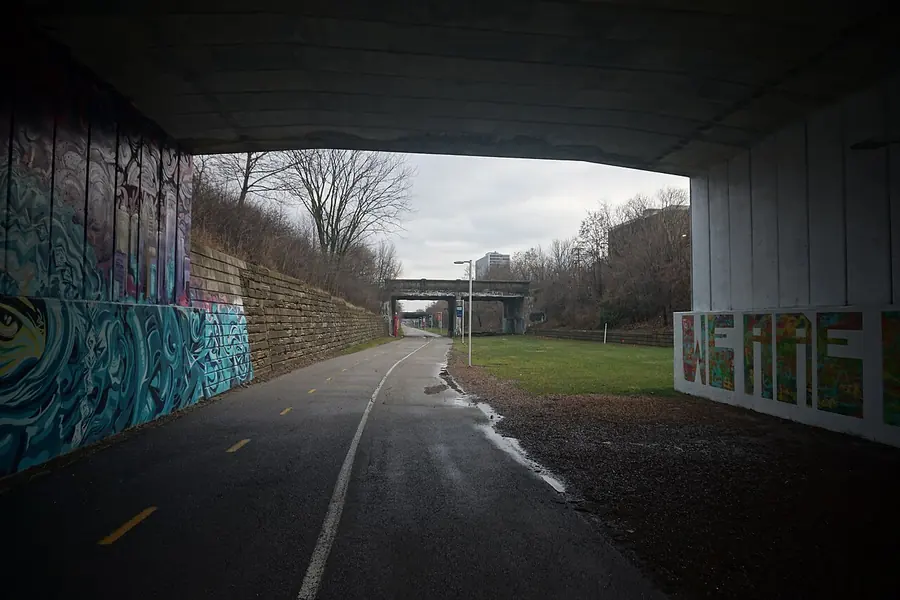
A sunken rail line turned mural-lined bike-and-walk path.
This former railway trench is now a two-mile greenway connecting the riverfront to Eastern Market, walls covered in graffiti and commissioned art. It's the quickest way to feel how the city is reknitting itself. Walk or bike it between the market and the water and you'll see Detroit's design ambitions up close.
America's industrial story, in one staggering complex
Henry Ford Museum of American Innovation
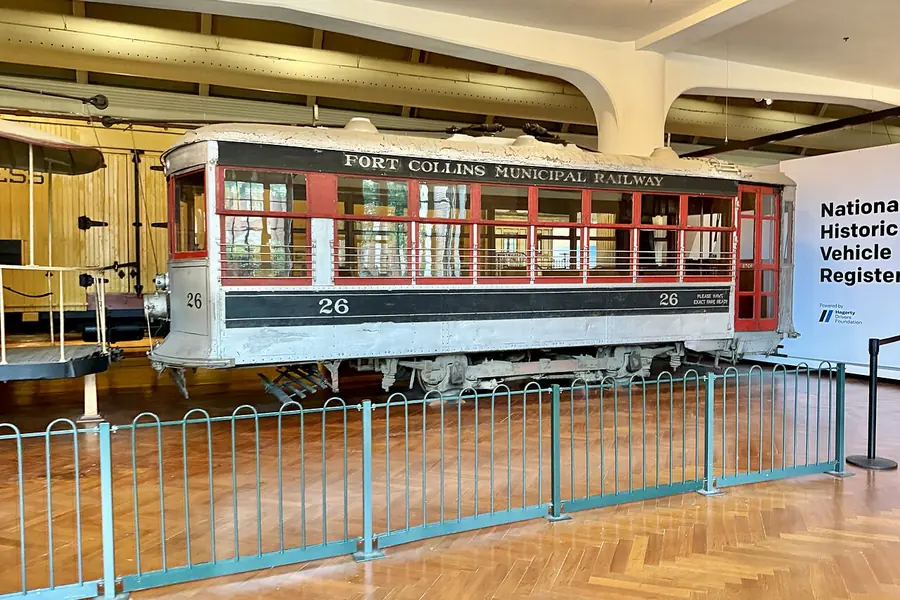
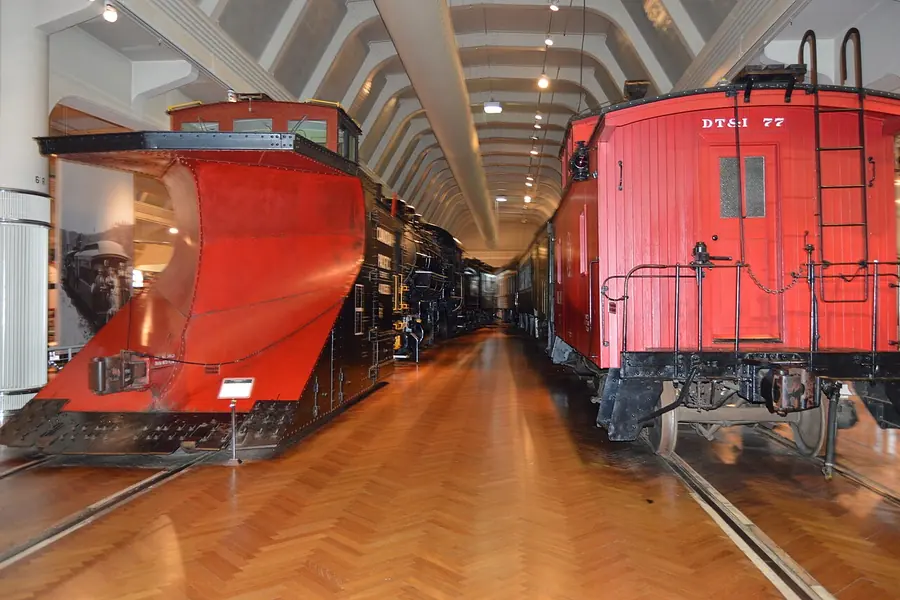
The bus Rosa Parks sat in, the chair Lincoln died in, and a lot of cars.
In Dearborn, this is one of the country's best history museums — the actual Rosa Parks bus, presidential limousines, and the wild sweep of American invention. It's vast, so pace yourself. Pair it with the open-air Greenfield Village next door, where Edison's lab was rebuilt brick by brick. A full, fascinating day.
A city-within-a-city of Polish bakeries and Yemeni cafes.
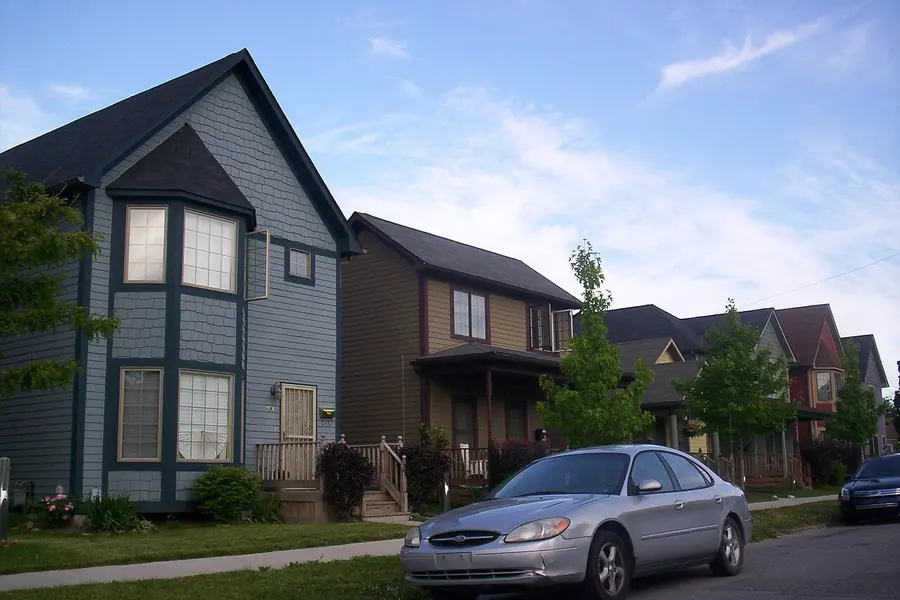
Hamtramck is a tiny independent enclave inside Detroit, historically Polish and now wonderfully multicultural. Buy paczki at a Polish bakery, eat Yemeni or Bangladeshi food on Conant, and drink at a dive bar that's seen it all. It's the most unpretentious, delicious dinner in the metro area.
Day 5
Ann Arbor Day Trip
A leafy college town 45 minutes west
Downtown Ann Arbor
Bookshops, Zingerman's, and the University of Michigan's grand campus.
Forty-five minutes from Detroit, Ann Arbor is the antidote: tree-lined streets, the sprawling U-M campus, and Zingerman's Deli, a sandwich institution worth the hype and the queue. Browse the bookshops, see the University of Michigan Museum of Art, and feel your shoulders drop. A gentle, charming counterweight to the big city.
Zingerman's is a deli that became a legend — towering sandwiches, a serious cheese counter, and a near-religious devotion to sourcing. Yes, it's pricey and yes, there's a line. Get the #2 (Zingerman's reuben), eat it in the next-door garden, and accept that lunch is now the highlight of your day.
Day 6
Music and Midtown
Detroit's sound, past and present
Third Man Records
Jack White's vinyl shop, with a record-pressing plant you can watch.
Jack White brought his label home to Detroit, and the Cass Corridor storefront is a treat: limited vinyl, a working pressing plant visible through glass, and a yellow-and-black aesthetic taken to obsessive lengths. Even if you don't buy, it's a window into Detroit's stubborn creative streak. Browse, then explore Midtown around it.
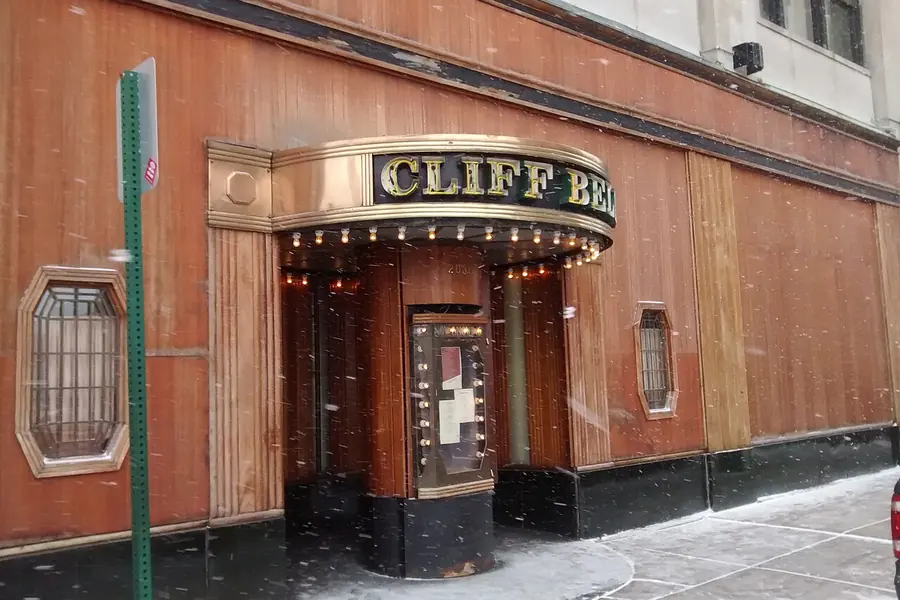
Cliff Bell's
An Art Deco jazz club straight out of 1935, drinks and live sets nightly.
Cliff Bell's is a gorgeously restored 1930s supper club — burnished wood, low light, and serious live jazz most nights. Book a table, order a cocktail and the burger, and let the band carry you. It's the most atmospheric night out in the city, and a fitting nod to Detroit's deep musical roots.
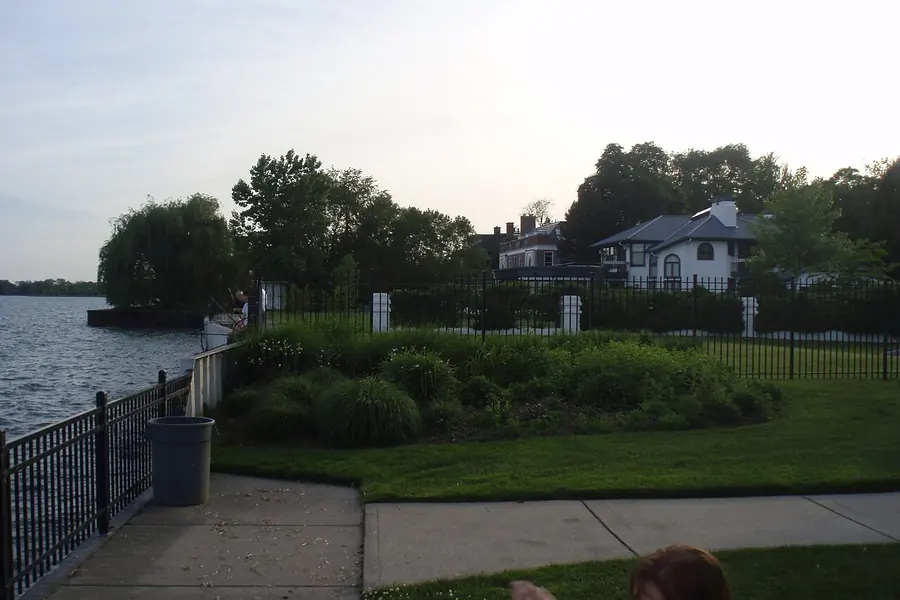
Grand old mansions along the Lake St. Clair shoreline.
Just east of the city, Grosse Pointe is where Detroit's auto barons built their estates. Drive Lake Shore Road past the Edsel & Eleanor Ford House (tourable, and lovely), then stop for a lakeside lunch. It's a calm, green, watery goodbye — and a reminder of just how much wealth this city once minted.
A West Village bakery turning out the best pie in Michigan.
End where Detroit does sweetness best: Sister Pie in the West Village, a beloved bakery famous for salted-maple and seasonal fruit pies. Grab a slice and a coffee, sit in the little corner shop, and watch the neighbourhood drift by. A small, perfect last taste of the city you didn't expect to love.
For years Detroit was shorthand for American decline, photographed endlessly as a city of beautiful ruins. That story was always lazy, and these days it’s just wrong. The Detroit you’ll actually visit is funny, proud, and visibly rebuilding — a place with a world-class art museum, the best food-per-dollar in the Midwest, and a riverfront transformed from industrial wasteland into one of the country’s finest urban parks. You come braced for grit and you leave talking about murals and Coney dogs.
How to use this plan
The one rule for every version of this itinerary: do Eastern Market on a Saturday if you possibly can. It’s the city distilled — farmers, food trucks, murals, and the friendliest crowd you’ll meet in America. Two days covers the heavy hitters: the Detroit Institute of Arts, the Motown Museum, and a riverfront evening. Three adds Belle Isle and the greenways that are stitching the neighbourhoods back together. Four — my pick for a first proper visit — gets you out to the staggering Henry Ford complex in Dearborn and a delicious dinner in Hamtramck.
The 7-day plan uses Detroit as a base for the region: a day in leafy Ann Arbor with a Zingerman’s sandwich, a deep dive into the city’s unmatched music history, and a lake-country escape along the Grosse Pointe shore. With a week you get the whole arc — industrial titan, musical powerhouse, comeback kid.
A few honest notes
You’ll want a car here. Detroit is spread out, public transport is thin, and the QLine streetcar only covers Woodward Avenue. Distances between neighbourhoods are real, so cluster your days geographically. Downtown, Midtown, and Corktown are walkable in pockets; everything else needs wheels. And ignore anyone still trading in fear — use normal big-city sense, stick to the busy districts at night, and you’ll find a city far warmer than its reputation.
This article contains affiliate links marked with rel="sponsored". We may earn a commission at no extra cost to you.