I flew into Denver, ordered a pint at a RiNo brewery within the hour, and felt absolutely fine for exactly forty minutes before the mile of altitude caught up with me and one beer hit like three. A bartender with a beard you could lose a wrench in slid me a glass of water without being asked and said, drink twice what you think you need, friend. I have repeated that advice to every visitor since. Denver is a city that will get you outdoors, slightly drunk, and gently dehydrated, often in that order, and it means well.
Two days covers the essentials. LoDo and Union Station, the art museum, a RiNo brewery crawl, and a sunset at Red Rocks Amphitheatre, the most spectacular concert venue in America even when nobody is playing. You leave having seen the city and touched the mountains.
Drink more water than feels reasonable. A mile of altitude turns one beer into three and dries you out fast.
72 Hours: Add the Mountains
Three days buys you a real day in the Rockies. Drive into the foothills, hit a mountain town like Idaho Springs or Golden, and come back for the city's best dinner. You start to understand why everyone in Denver owns hiking boots and a roof rack.
4 Days: Culture and Neighbourhoods
Four days adds depth. The Denver Botanic Gardens, the South Pearl and Tennyson Street neighbourhoods, the Clyfford Still Museum, and a slow afternoon at a brewery patio. This is the trip where Denver stops being a launch pad for the mountains and becomes a city worth its own days.
7 Days: Denver and the Rockies
A week means Rocky Mountain National Park, Boulder, a scenic drive, and enough time to acclimatise properly and tackle a real hike. You learn the rhythm of mountain weather, find your brewery, and stop being surprised that it can snow in June above 9,000 feet.
Estimated budget:$320-$540
Estimated budget:$480-$810
Estimated budget:$640-$1080
Estimated budget:$1120-$1900
Day 1
LoDo, Union Station, and the Art Museum
The walkable downtown core and its galleries
Union Station
A 1914 rail depot reborn as the city's grandest living room, bar, and breakfast spot.
Denver's restored Union Station is the heart of downtown, a soaring Beaux-Arts hall now full of cafes, a great bar, and shuffleboard beneath the chandeliers. Start with coffee or breakfast at the Crawford Hotel side, then walk into Lower Downtown. The train from the airport drops you right here, which makes it the natural starting point.
LoDo and Larimer Square
Victorian brick warehouses turned into Denver's most handsome dining and shopping blocks.
Lower Downtown, or LoDo, is the city's oldest district, a grid of restored red-brick warehouses around Larimer Square, Denver's first street. It is dense with restaurants, rooftop bars, and the ballpark. Wander the side streets and the converted Dairy Block alley, then have lunch at one of the long-running Larimer Square spots.
Denver Art Museum
A striking Libeskind-designed building with a standout Indigenous art collection.
The Denver Art Museum spans two bold buildings, including Daniel Libeskind's jagged titanium Hamilton wing, and holds one of the finest collections of Native American and Western art in the country. The textile and modern galleries are excellent too. Allow two hours, and step outside to see the giant blue bear peering in the windows.
Day 2
RiNo, Breweries, and Red Rocks
Street art, craft beer, and a legendary amphitheatre
RiNo Art District
Industrial blocks covered in murals, packed with breweries, distilleries, and food halls.
River North, or RiNo, is Denver's creative district, a former industrial zone now blanketed in large-scale murals and lined with breweries, distilleries, and food halls. Walk the mural-covered streets, especially around the Crush Walls route, then pick a brewery taproom. The Source and Denver Central Market are good lunch stops.
RiNo brewery crawl
Denver brews more beer than almost any US city, and RiNo is its beating heart.
Denver is one of the great American beer cities, and RiNo packs in dozens of taprooms within walking distance. Hit a couple of the standouts, like a pioneer such as Great Divide and a newer spot, and go for tasting flights rather than full pints, given the altitude. Most taprooms are dog-friendly and have a food truck parked outside.
Red Rocks Amphitheatre
A natural sandstone amphitheatre and the most jaw-dropping concert venue in the country.
Red Rocks, about thirty minutes west of the city, is a concert venue carved between two 300-foot sandstone monoliths, with the Denver skyline glittering on the horizon. If a show is on, get tickets; if not, the park is free to visit and locals run the steep stairs at sunset. Either way it is the single most memorable thing near Denver.
Day 3
Into the Foothills
A first taste of the Rockies from Golden to Idaho Springs
Golden and Lookout Mountain
An old mining town at the mouth of the canyon with Coors, creek tubing, and Buffalo Bill's grave.
Golden sits where the plains meet the foothills, a walkable old town on Clear Creek that is home to the original Coors brewery and the road up Lookout Mountain to Buffalo Bill's grave and a sweeping plains view. Tour the brewery, walk the creek path, and have lunch on the main street before heading higher into the mountains.
Idaho Springs and Mount Blue Sky
A historic mining town and the gateway to one of the highest paved roads in North America.
Idaho Springs, half an hour up Interstate 70, is a tiny Gold Rush town with hot springs, a famous pizza joint at Beau Jo's, and access to the Mount Blue Sky Scenic Byway, one of the highest paved roads on the continent. Drive the byway for alpine tundra and mountain goats if it is open, and respect the thin air above 14,000 feet.
Day 4
Gardens and the Southern Neighbourhoods
Botanic beauty and Denver's most charming streets
Denver Botanic Gardens
24 acres of themed gardens with a Japanese garden, conservatory, and mountain backdrop.
The Denver Botanic Gardens, near Cheesman Park, are among the best in the country, with a tranquil Japanese garden, a tropical conservatory, and water gardens that bloom all summer. The annual outdoor concert series and the holiday light show are highlights. Allow ninety minutes to two hours, then walk the leafy surrounding streets.
South Pearl Street
A tree-lined neighbourhood strip of cafes, a Sunday farmers market, and easy charm.
South Pearl Street in the Platt Park neighbourhood is one of Denver's most pleasant local strips, lined with independent restaurants, cafes, and a beloved Sunday farmers market in season. It is residential, unhurried, and a good antidote to downtown. Have a long lunch, browse the shops, and watch the neighbourhood go about its day.
Clyfford Still Museum
An entire museum devoted to one Abstract Expressionist, in a serene concrete building.
The Clyfford Still Museum, beside the Denver Art Museum, holds 95 percent of the artist's lifetime output, kept together by the terms of his will. The hushed concrete building and the slow, single-artist focus make it one of the most contemplative museums anywhere. It is small, deep, and worth an hour even if the name means nothing to you.
Day 5
Rocky Mountain National Park
Alpine lakes, elk, and the high tundra
Estes Park
The mountain-town gateway to the national park, complete with elk in the streets.
Estes Park, about ninety minutes northwest, is the eastern gateway to Rocky Mountain National Park, a touristy but pretty town where elk genuinely wander the streets in autumn. Grab supplies and a coffee, glimpse the Stanley Hotel that inspired The Shining, and buy your park timed-entry permit ahead in summer, when it sells out.
Rocky Mountain National Park
Trail Ridge Road climbs above 12,000 feet through some of the most dramatic scenery in the US.
Rocky Mountain National Park packs alpine lakes, glacier-carved valleys, and the highest continuous paved road in the country into one stunning area. Hike to Bear Lake or Emerald Lake for an easier day, or drive Trail Ridge Road above the treeline for tundra and marmots. Start early, dress for sudden weather, and never underestimate the altitude.
Day 6
Boulder Day Trip
The Flatirons, Pearl Street, and college-town energy
Pearl Street Mall, Boulder
A pedestrian mall of buskers, bookshops, and patios beneath the Flatirons.
Boulder, forty-five minutes northwest, is Denver's brainy, outdoorsy cousin. The Pearl Street Mall is its pedestrianised heart, a lively run of restaurants, bookstores, and street performers. Browse, eat lunch on a patio, and soak up the relentlessly fit, granola energy of a great American college town.
Chautauqua Park and the Flatirons
Boulder's iconic tilted rock slabs, with trails for every level right at the trailhead.
Chautauqua Park sits below the Flatirons, the dramatic tilted sandstone slabs that define Boulder's skyline. A web of trails fans out from the historic green; the easy meadow loop gives huge views, while the steeper ascents climb right under the rock. Hike what your legs and lungs allow, then drive back to Denver for dinner.
Day 7
Mount Evans Drive and Final Brews
A high alpine scenic drive and a last Denver evening
Mount Blue Sky Byway and Echo Lake
Ancient bristlecone pines and alpine lakes on the drive to the roof of Colorado.
Spend a final mountain morning on the Mount Blue Sky byway, stopping at Echo Lake and the Mount Goliath bristlecone pine trail, where gnarled trees over a thousand years old cling to the tundra. The full drive climbs above 14,000 feet when open. Bring warm layers; it can be 40 degrees colder at the top than in the city.
A farewell evening in RiNo
One more food hall dinner and a rooftop drink to close out the trip.
Round off the week back in RiNo with dinner at a food hall and a drink on a rooftop patio as the Front Range glows pink at sunset. By now the altitude will not faze you and you will know which brewery you like best. It is a fitting, low-key end to a trip that swung between high peaks and city pints all week.
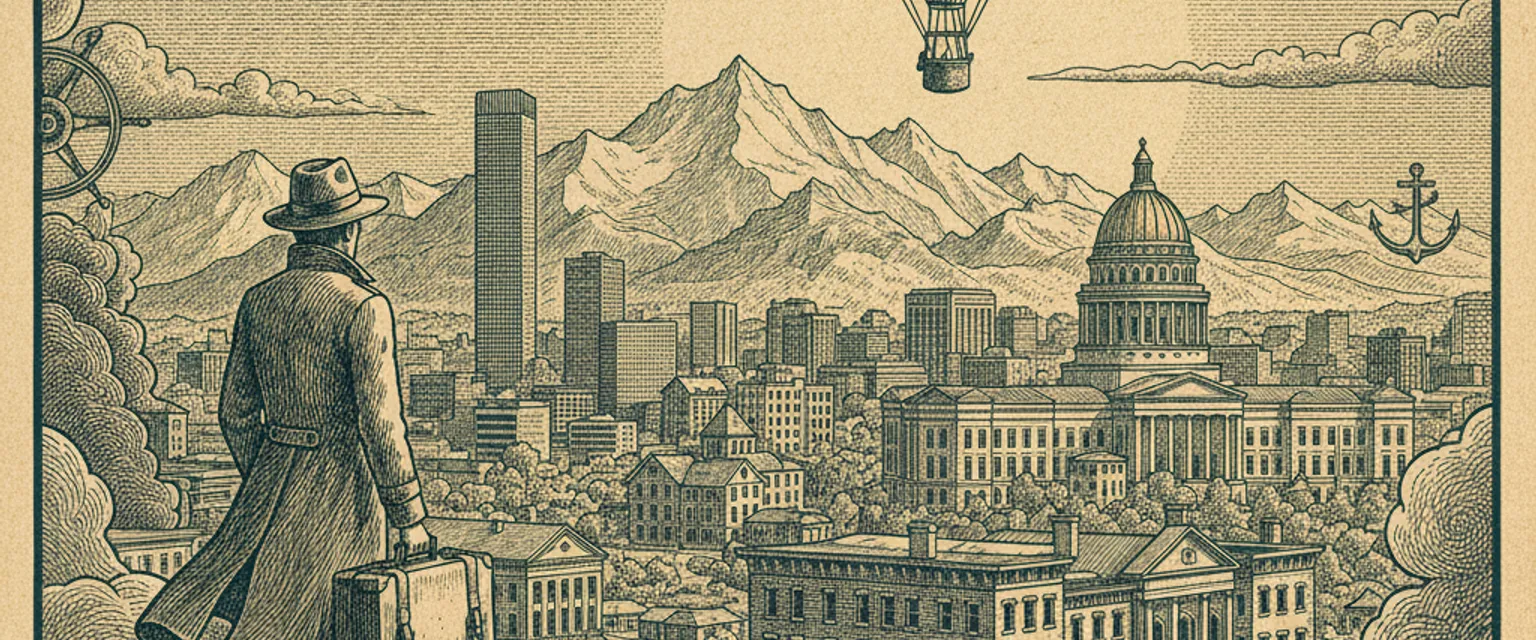
Denver is a city that treats the outdoors as the whole point. It sits exactly a mile above sea level on the high plains, with the Rockies filling the western horizon, and almost everything about the place, the breweries, the patios, the boots everyone wears to dinner, is organised around getting up into those mountains. It is sunny, sprawling, friendly, and far more interesting than its reputation as a mere gateway suggests.
This itinerary is built around one fact: Denver rewards you for splitting your time between the city and the mountains, and the visitors who only do one or the other go home with half the trip. Downtown, RiNo, and Red Rocks fill the first days; the Rockies, Boulder, and the high scenic drives fill the rest.
The 2/3/4/7-day versions are real choices, not padding. Two days is the city and Red Rocks. Three buys a first day in the foothills. Seven gives you Rocky Mountain National Park, Boulder, and the high alpine drives, plus enough time to actually acclimatise.
How to use this plan
Use the day filter to match your trip length. The first days are walkable and transit-friendly downtown; the mountain days need a rental car or a guided tour. Drink far more water than feels necessary, build in time to acclimatise before any hard hike, and pack layers for every day, because at altitude the weather changes by the hour and it can snow in June.
This article contains affiliate links marked with rel="sponsored". We may earn a commission at no extra cost to you.