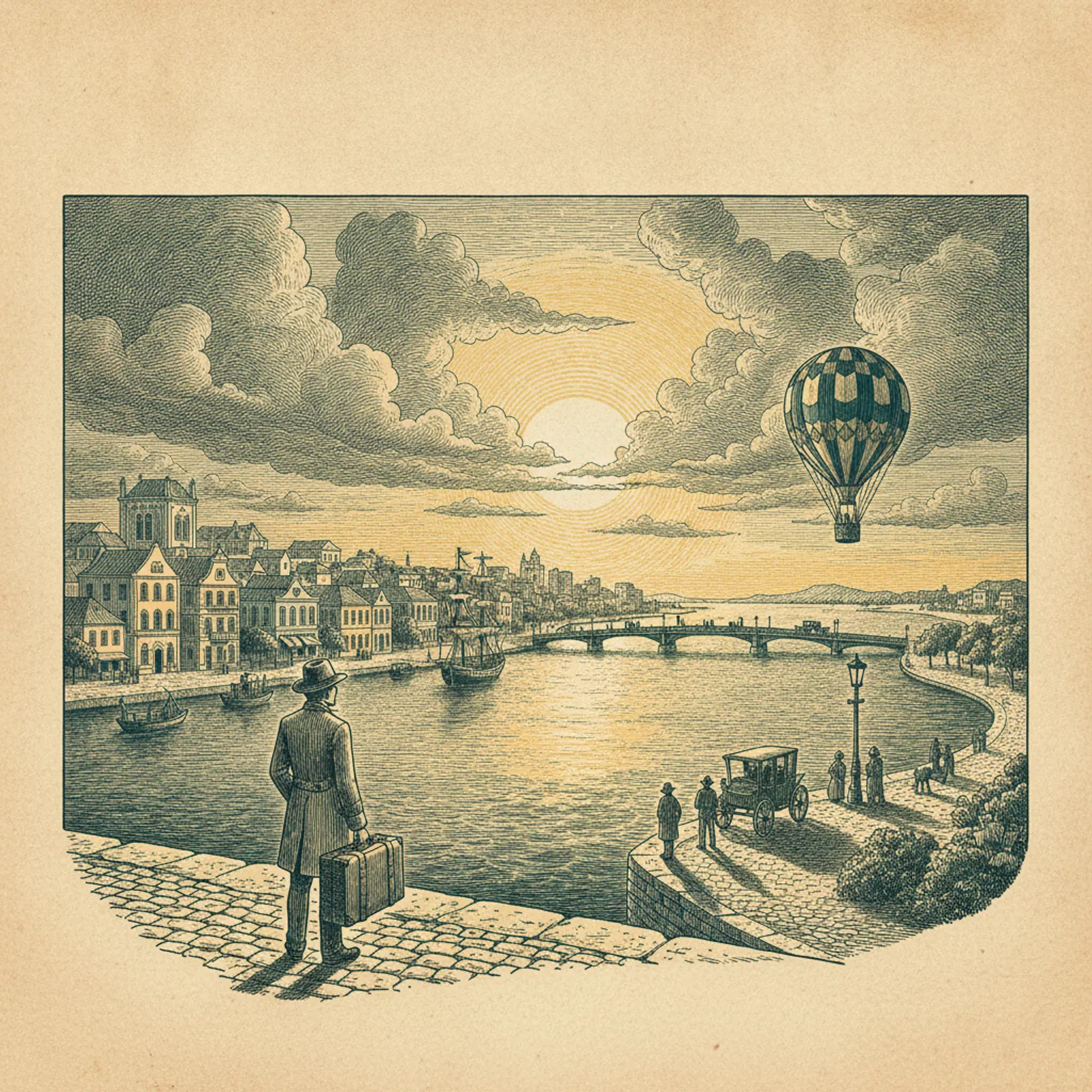
I almost skipped Curacao because the photos looked too Instagram. Then I stood on the swinging Queen Emma pontoon bridge at dusk, watched the candy-coloured Dutch facades light up across the water, and ate a fresh-grilled fish at a floating market stall for the price of a coffee back home. The island doesn't perform for you. It just quietly is the picture, and lets you walk into it.
The Perfect Curacao Itinerary (2, 3, 4 & 7 Days)
📅 Planning your dates? See the best time to visit Curacao — season-by-season weather, crowds, and prices.
Two days is Willemstad's UNESCO old town plus one knockout beach. Wander Punda and Otrobanda, cross the floating bridge, and snorkel a cove in the afternoon. Rent a car — the good beaches are scattered and taxis add up fast.
Rent a car day one. Bring reef-safe sunscreen — many beaches require it.
72 Hours: Beach-Hop the West
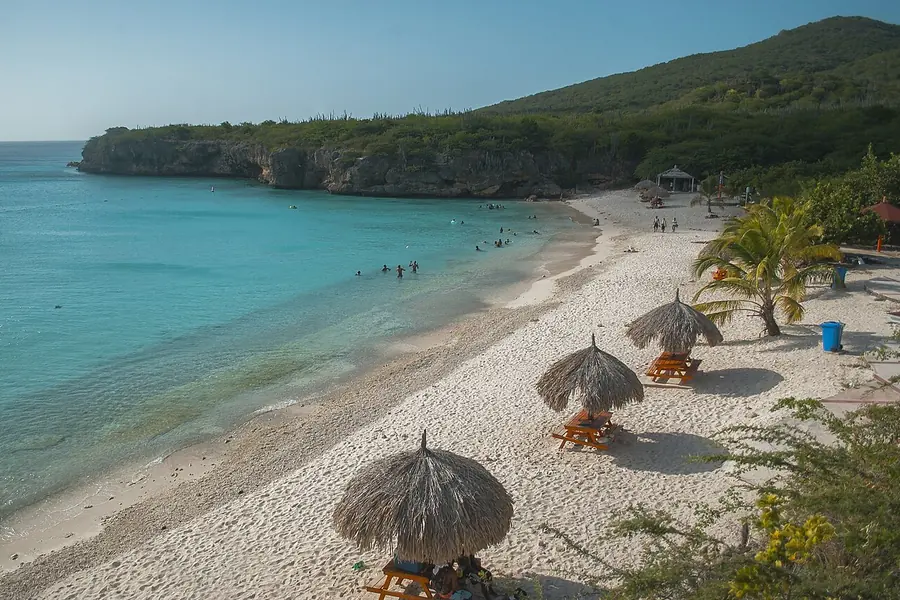
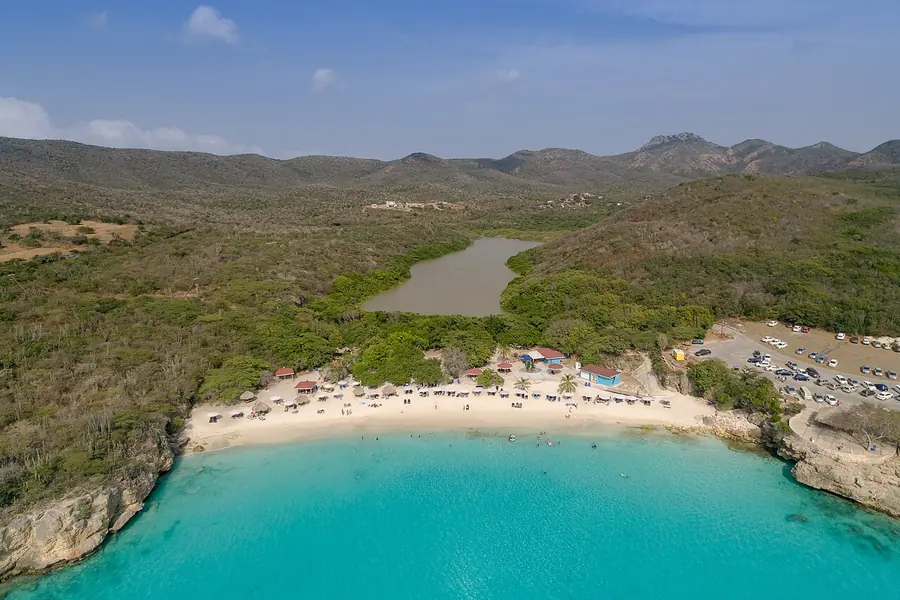
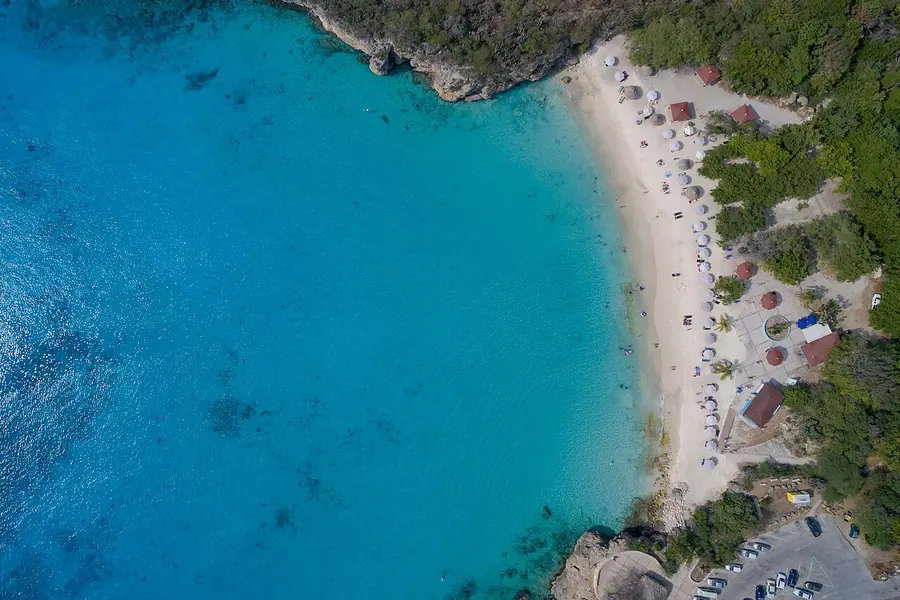
Three days unlocks the western beach run — Cas Abao, Grote Knip, Playa Lagun — each a different shade of impossible blue. Add a snorkel or dive and you've seen why Curacao quietly out-dives its flashier Caribbean neighbours.
4 Days: Caves, Coast and Kunuku
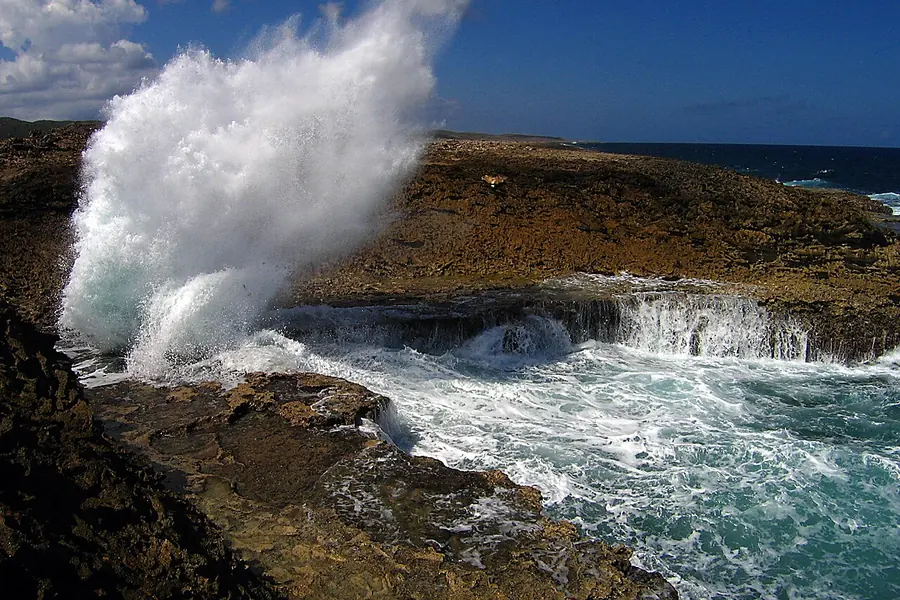
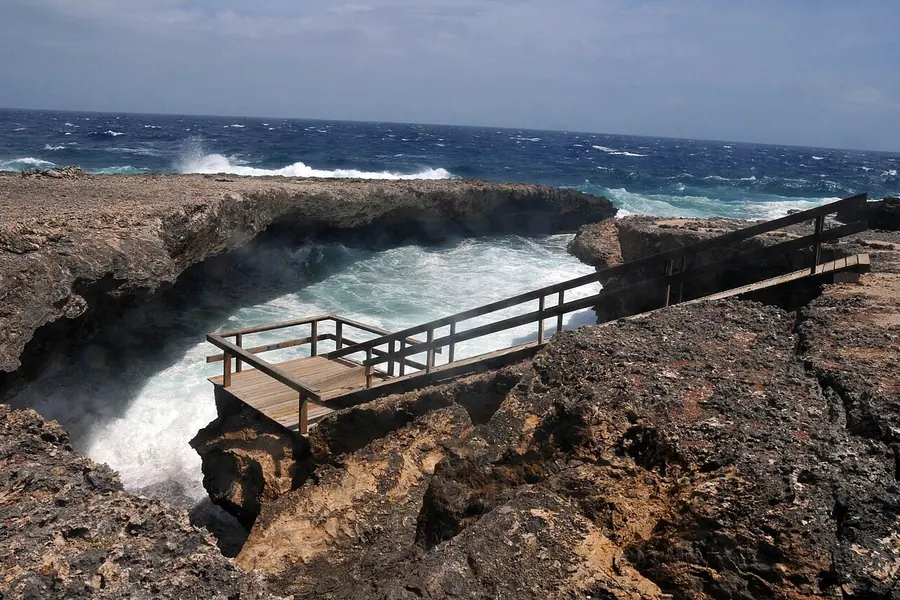
Four days reaches Shete Boka's crashing blowholes, the Hato Caves, and the arid kunuku countryside. The island gets wilder and stranger the further west you drive — desert cacti, sea cliffs, and goats with opinions.
7 Days: The Whole Island
A week lets you dive the Mushroom Forest, hike Christoffel at dawn, eat your way through the floating market, and find your own private cove. You'll leave sun-stained and fluent in at least three words of Papiamentu.
Estimated budget:$320–$560 est. (1 night, car rental, meals, beach fees)
Estimated budget:$520–$880 est. (2 nights, fuel, one dive or snorkel trip)
Estimated budget:$760–$1,200 est. (3 nights, park fees, activities, dining)
Estimated budget:$1,500–$2,400 est. (full week, mid-range lodging, diving, tours)
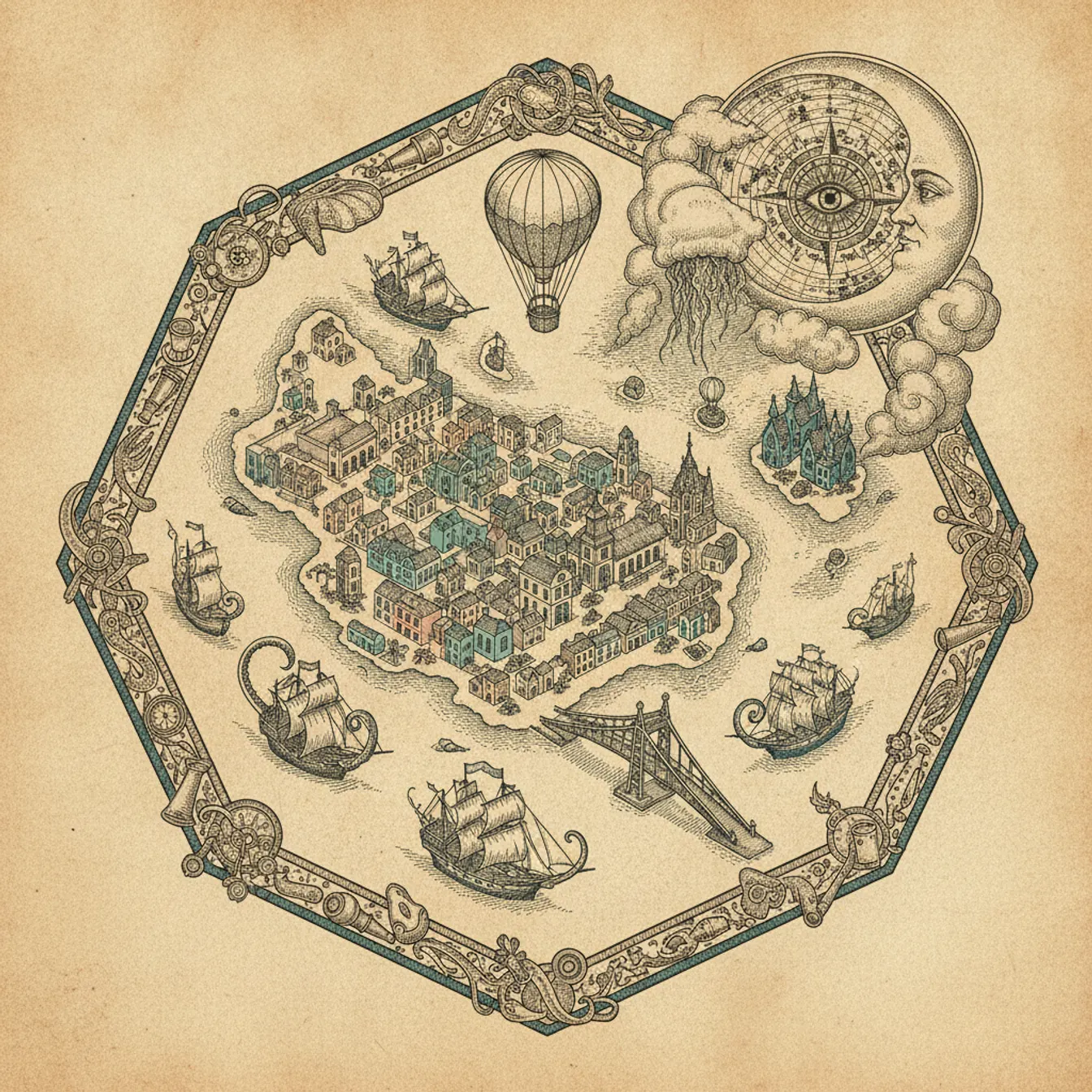
[ THE DISPATCH · FIELD MAP ]
A tilted, hand-drawn dispatch of Curacao. Click a quarter to explode it open.
0 / 6 quarters explored
Legend · tap to highlight
[ PUNDA (OLD TOWN EAST) ]
Old stones, older stories.
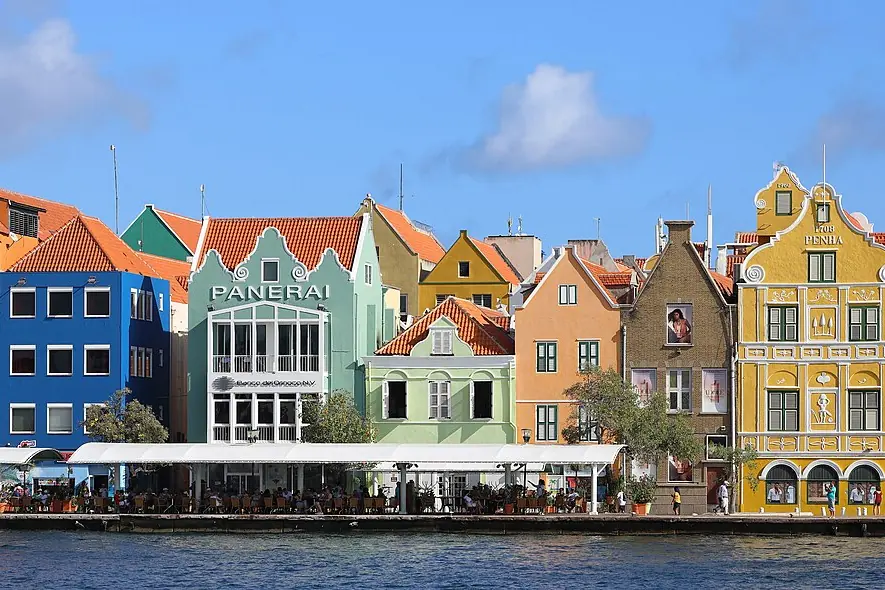
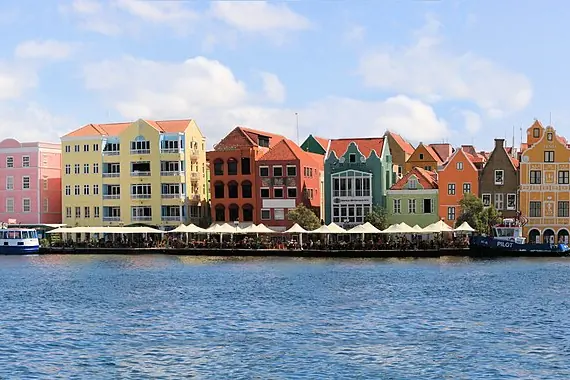
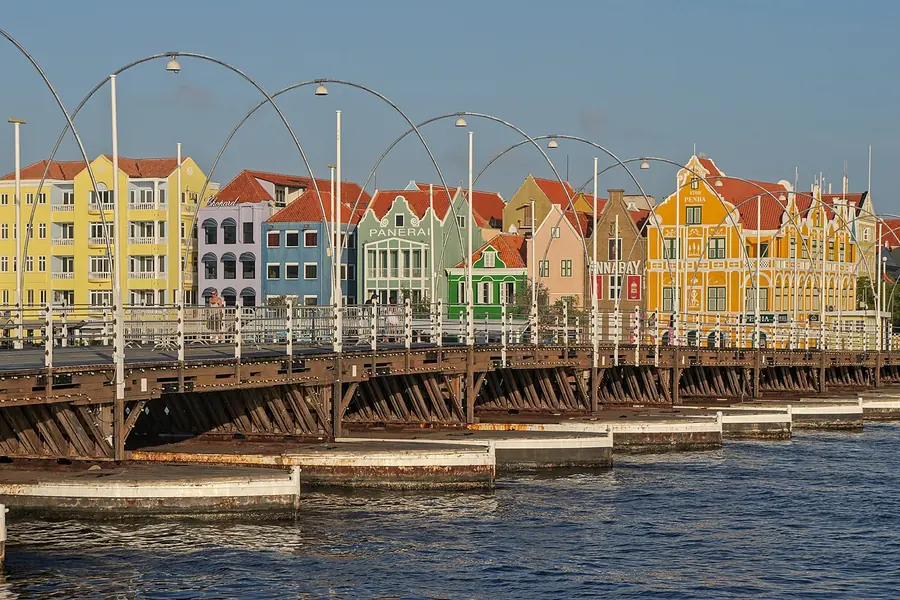
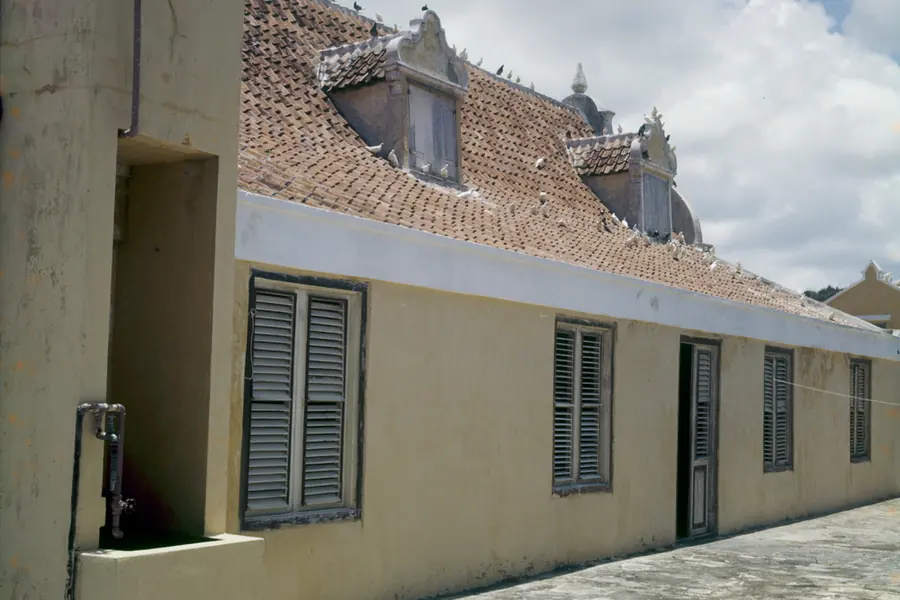
Handelskade waterfront — PundaThe candy-coloured Dutch facades you came for, painted because white gave the governor migraines.
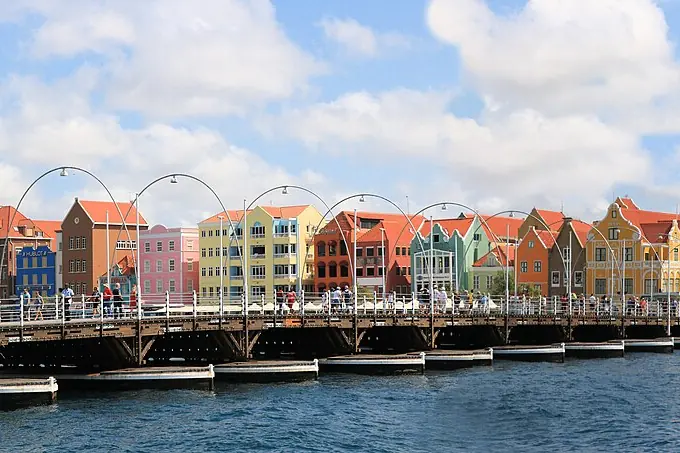
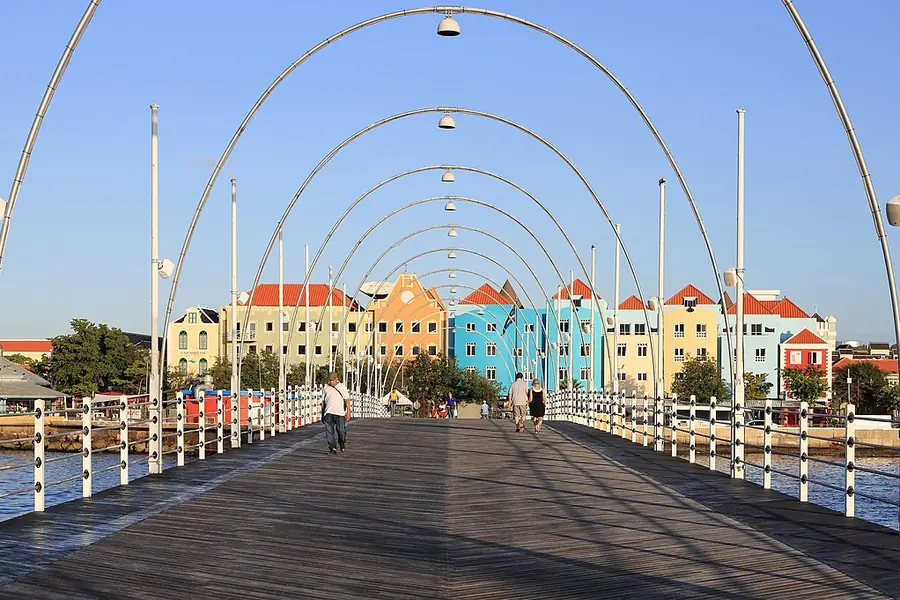
Queen Emma Pontoon BridgeA floating bridge that swings open for ships — walk it at dusk for the light show.
[ OTROBANDA (OLD TOWN WEST) ]
Grand squares and big ideas.
Plasa Bieu — old market lunchSmoky Creole home cooking at communal tables. The real island on a plate.
[ WESTERN BEACHES (BANDA ABOU) ]
Boats, bridges and reflections.
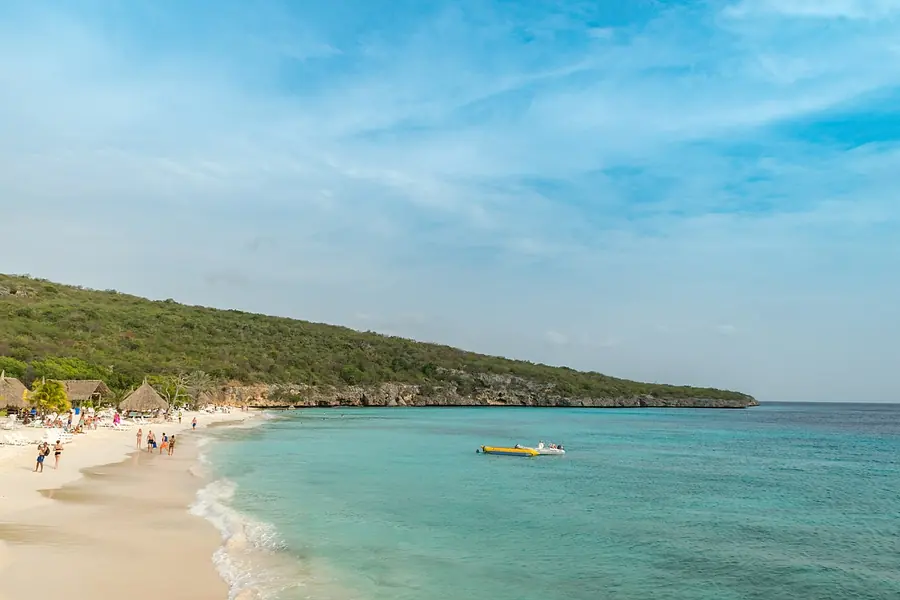
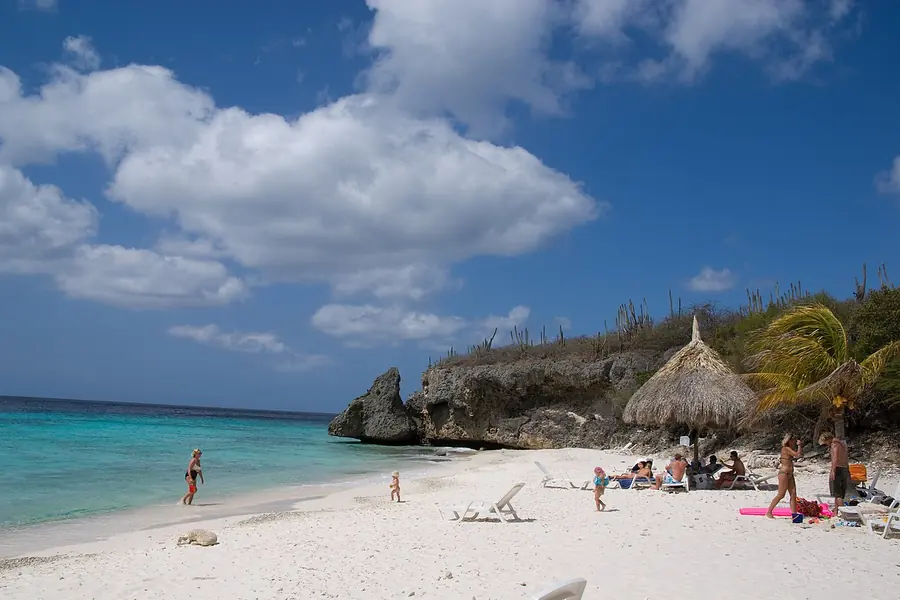
Cas Abao BeachPowder sand, a swim-up bar, and reef a short fin-kick offshore.
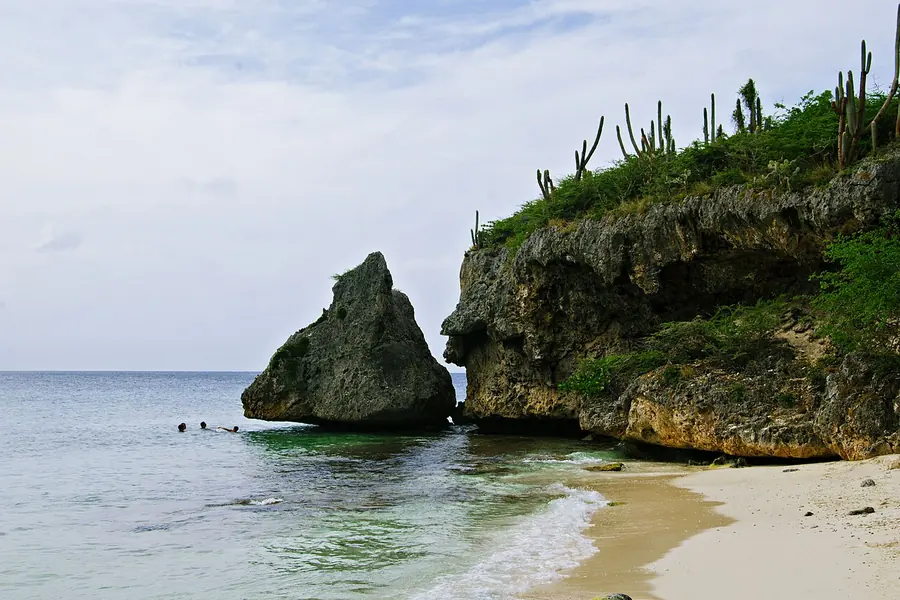
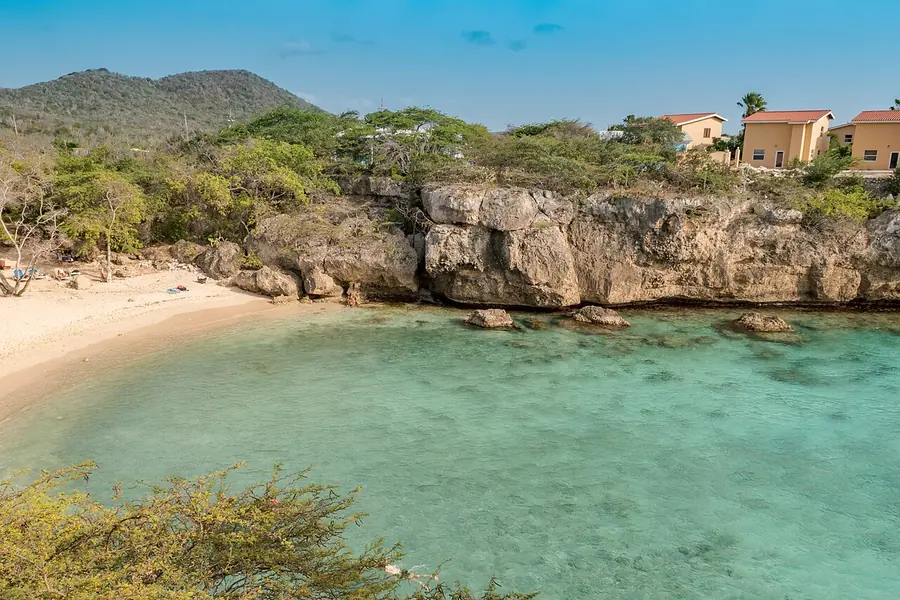
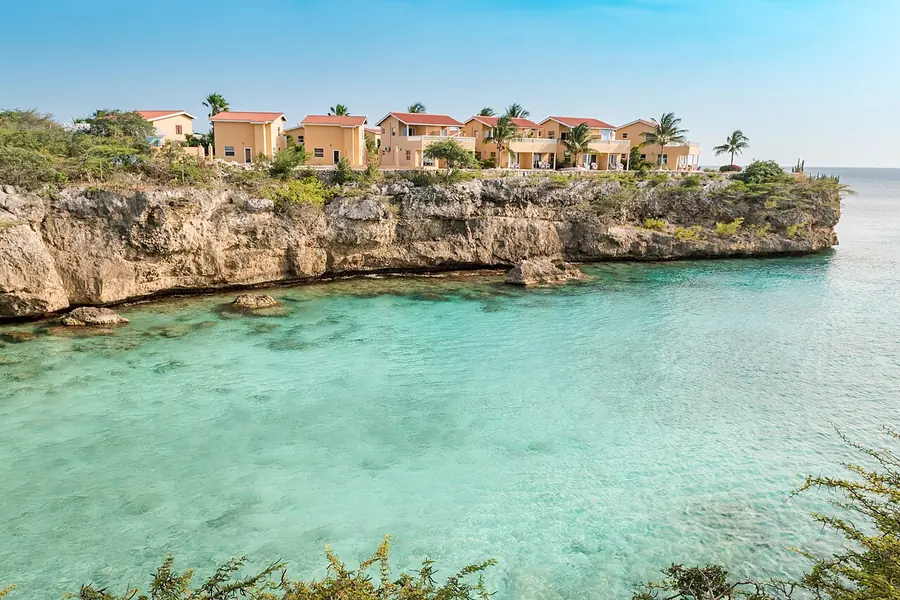
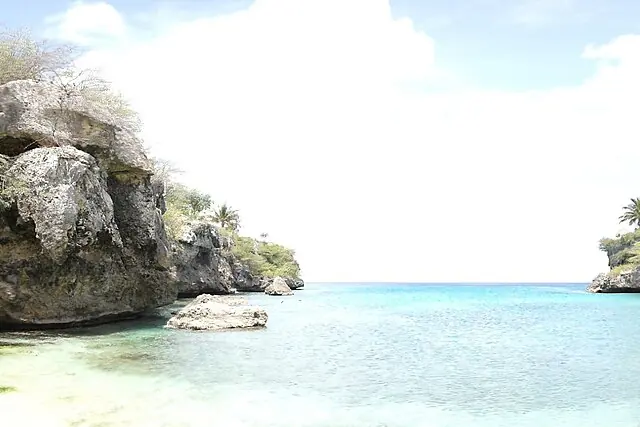
Playa LagunA tiny cove flanked by cliffs — and the island's best shot at swimming with sea turtles.
[ SHETE BOKA NATIONAL PARK ]
Where the city meets the water.
Shete Boka — Boka Tabla & Boka PistolWaves slam into sea caves and explode through blowholes. The Caribbean, but furious.
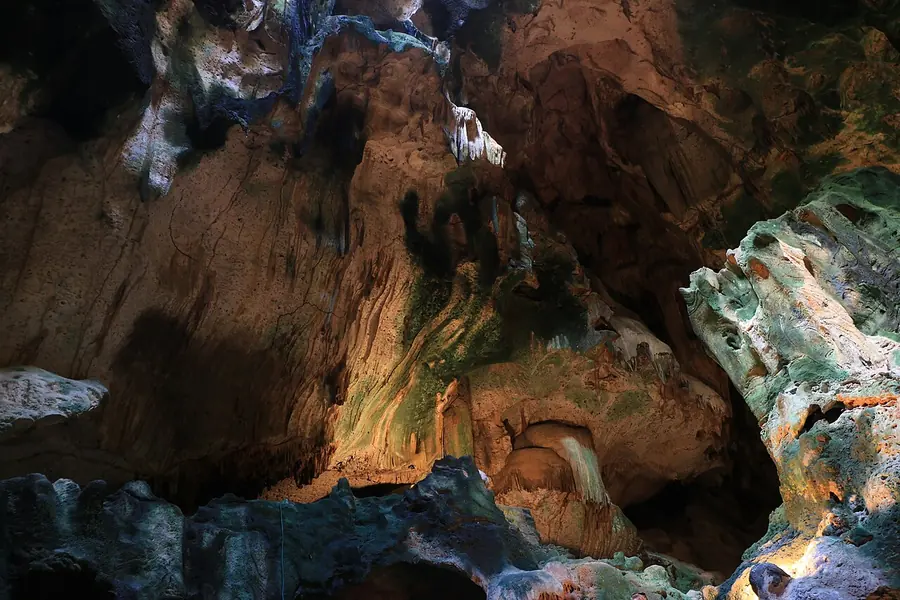
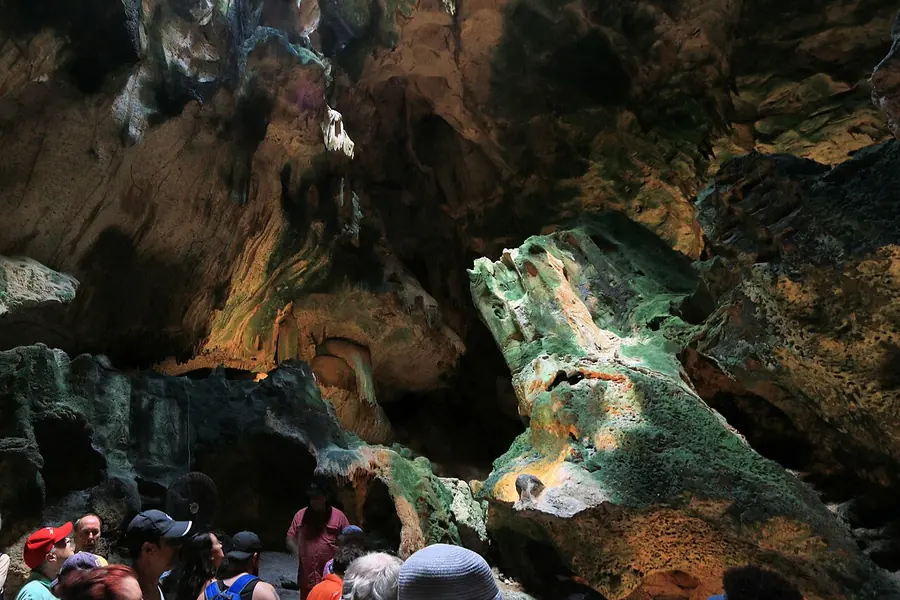
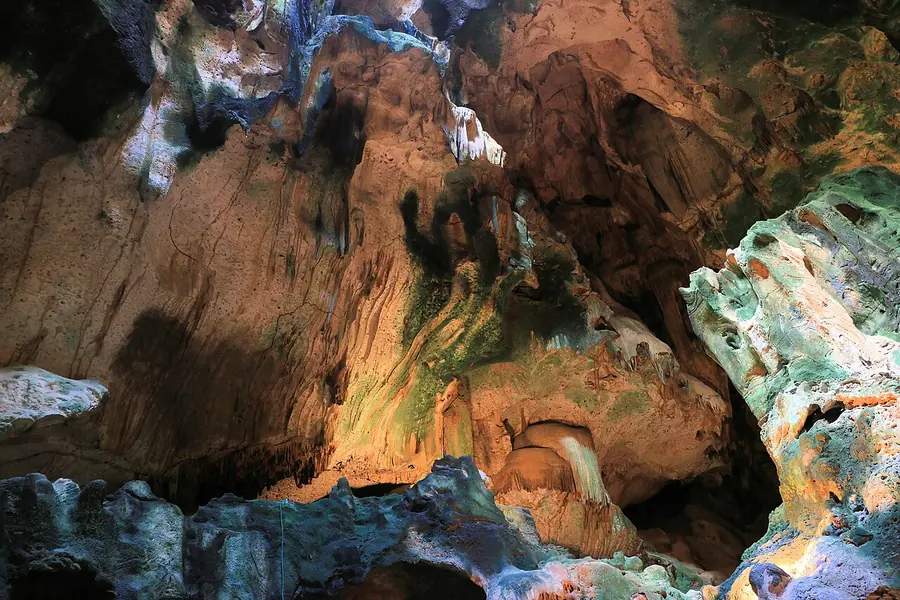
Hato CavesStalactites, a bat colony, and 1,500-year-old indigenous rock drawings.
[ CHRISTOFFEL NATIONAL PARK ]
Green breathing room.
Mount Christoffel summit trailA steep, scrambly 90 minutes up the island's highest peak — go at dawn before it bakes.
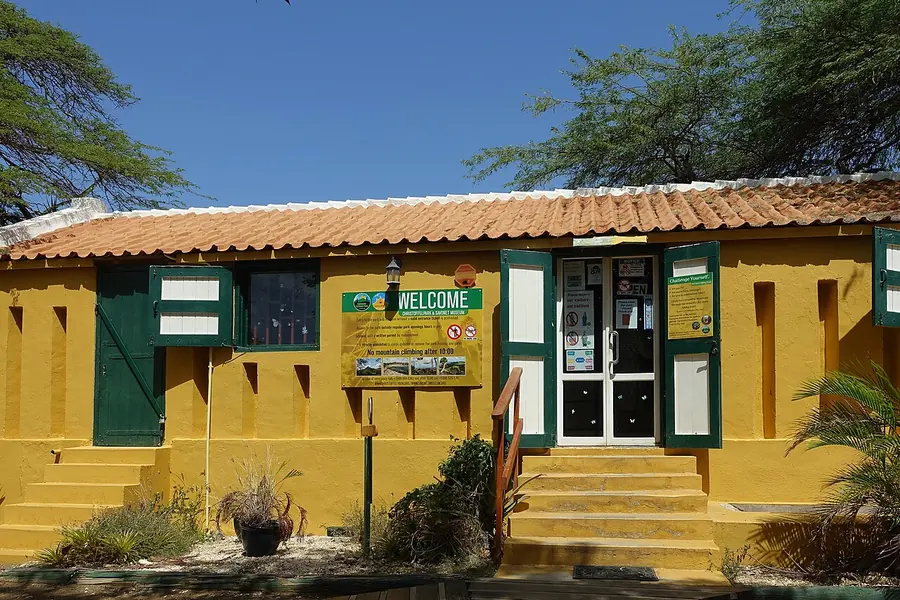
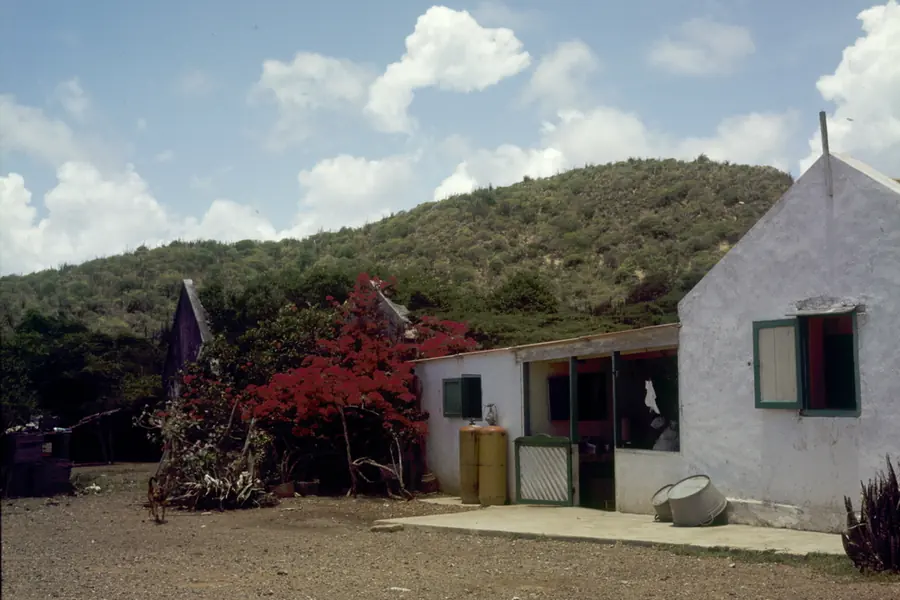
Savonet MuseumA restored plantation house telling the island's harder history honestly.
[ PIETERMAAI DISTRICT ]
Stays up later than you do.
Spanish Water lagoon kayakPaddle a sheltered mangrove lagoon to a snorkel island the cruise crowds miss.
Pietermaai District wanderA restored colonial quarter of boutique hotels, street art, and breezy bars.
Day 1
Willemstad Old Town
UNESCO colour and a floating bridge
Handelskade waterfront — Punda
The candy-coloured Dutch facades you came for, painted because white gave the governor migraines.
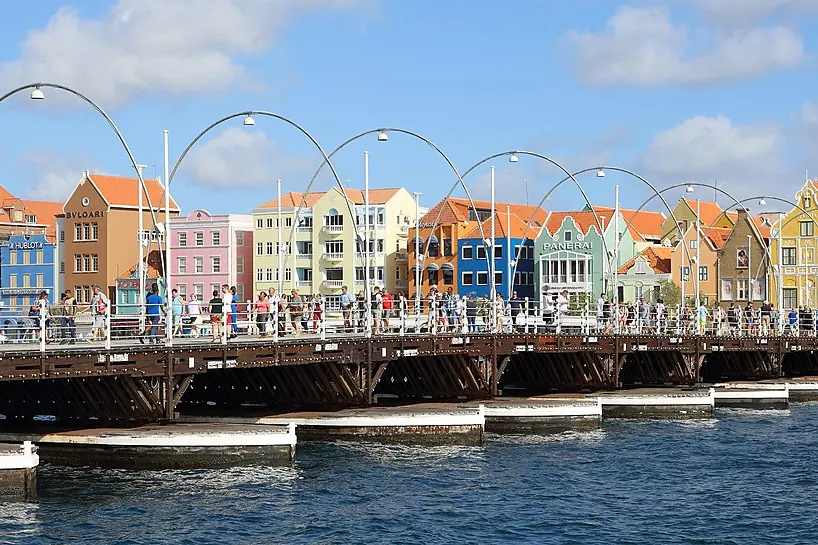
The pastel row of 18th-century Dutch colonial buildings along the Handelskade is the most photographed scene in the Caribbean for good reason. Local legend says they were painted in colours because the glare off white walls gave a governor headaches. Walk Punda's narrow streets, duck into the shops, and find the Mikvé Israel-Emanuel synagogue — the oldest in continuous use in the Americas, with a floor of sand.
A floating bridge that swings open for ships — walk it at dusk for the light show.
The Queen Emma is a pedestrian pontoon bridge that physically swings aside on the water to let ships into the harbour. Crossing it links Punda and Otrobanda and gives the best straight-on view of the Handelskade. Time a crossing for sunset, when the facades glow and the whole waterfront lights up. When the bridge is open for a ship, a free ferry shuttles you across.
Smoky Creole home cooking at communal tables. The real island on a plate.
Inside Otrobanda's old market hall, a handful of cooks serve generous plates of local Creole food — stewed goat (kabritu), fried fish, funchi, and red beans — at long communal tables. It's cheap, smoky, completely authentic, and the best lunch in town. Point at what looks good; nobody minds. Cash is king here.
Day 2
Western Beaches I
The first impossible blues
Cas Abao Beach
Powder sand, a swim-up bar, and reef a short fin-kick offshore.
Cas Abao is the polished crowd-pleaser of the western beaches — soft white sand, a beach bar, loungers for rent, and a healthy reef just offshore for snorkelling. There's a modest entrance fee per car. Come earlier in the day for parking and calmer water, and bring (or buy) reef-safe sunscreen. It's a deserved island favourite.
A tiny cove flanked by cliffs — and the island's best shot at swimming with sea turtles.
Playa Lagun is a small, sheltered cove squeezed between limestone cliffs, and it's the most reliable place on Curacao to snorkel alongside green sea turtles, who graze the seagrass near the rocks. It's compact and gets busy, so arrive early. Stay off the cliffs, keep your distance from the turtles, and let them come to you.
The island faces west, so every beach bar is, conveniently, a sunset bar.
One of Curacao's quiet gifts is that the whole western coast faces the sunset, so the beach bars near Westpunt and Lagun line up perfectly for a rum punch as the sky goes orange. Pick a spot, order a Blue Curacao if you must (it's local — the liqueur is made here), and watch the colour drain out of the day. No reservation, no rush.
Day 3
Western Beaches II + Snorkel
Curacao's underrated underwater
Grote Knip (Kenepa Grandi)
Postcard cove with a cliff to jump off, if you're braver than I am.
Grote Knip is the beach that appears on every Curacao brochure — a wide horseshoe of white sand and electric turquoise water backed by low cliffs. The cliff jump is a local rite of passage; the swimming is excellent either way. There are no big resorts here, just a snack truck and shade trees. Free to enter and worth the drive west.
Coral pillars shaped like giant mushrooms, with sea horses if you're lucky.
Off the western coast near Playa Santu Pretu, the Mushroom Forest is a legendary dive and snorkel site named for its mushroom-shaped star-coral formations, often home to seahorses, octopus, and the odd green turtle. Most operators reach it by boat from Westpunt. Even snorkellers get a lot here when the sea is calm. Book a half-day trip ahead.
Westpunt — fresh fish dinner
Whatever the boats brought in, grilled simply, eaten with your feet near the sand.
The fishing village of Westpunt at the island's far tip serves some of the freshest, simplest seafood on Curacao — whole grilled fish, garlic shrimp, and cold Amstel Bright. Jaanchie's is the long-running institution (the menu is recited, not printed). It's a relaxed, unpolished end to a day in the water. Go hungry.
Day 4
Shete Boka + Hato Caves
Where the island shows its wild side
Shete Boka — Boka Tabla & Boka Pistol
Waves slam into sea caves and explode through blowholes. The Caribbean, but furious.
Shete Boka National Park protects a rugged stretch of north coast where the open Atlantic crashes into limestone — at Boka Tabla you stand inside a sea cave as waves thunder beneath you, and at Boka Pistol the surf detonates through a blowhole with a crack like gunfire. A short coastal trail links the bokas. Wear shoes; the rock is sharp and the spray is real.
Stalactites, a bat colony, and 1,500-year-old indigenous rock drawings.
The Hato Caves north of Willemstad offer guided tours through limestone chambers full of stalactites, an underground pool, a resident long-nose bat colony, and ancient petroglyphs left by the indigenous Arawak. It's a cool, shaded break from the sun and a genuine slice of the island's deep history. Tours run hourly; it can get humid inside.
The island's polished beach-club strip, good for a long sundowner dinner.
Jan Thiel, on the eastern side, is Curacao's most developed beach-club area — a lagoon-side strip of restaurants and bars that's lively after dark. It's where to go for a more dressed-up dinner and a cocktail with your toes near the sand. Zanzibar and the surrounding spots stay busy into the evening. A nice contrast to the rugged west coast day.
Day 5
Christoffel National Park
The island from its highest point
Mount Christoffel summit trail
A steep, scrambly 90 minutes up the island's highest peak — go at dawn before it bakes.
At 372m, Mount Christoffel is Curacao's high point, and the trail to the top is a genuine scramble that rewards you with a view across the entire island and, on clear days, distant Venezuela. Start at park opening (around 6 AM) — the route closes to new climbers by 10 AM because the midday heat is no joke. Bring more water than you think you need.
Savonet Museum
A restored plantation house telling the island's harder history honestly.
At the park entrance, the Savonet Museum occupies a restored 17th-century plantation house and tells the island's full story — indigenous Arawak life, the brutal era of slavery, and the plantation economy — with refreshing honesty. It's a thoughtful, air-conditioned counterweight to the beaches and a good place to cool down after the climb.
A short safari-style drive through cactus country with a coastal overlook.
The park's network of driving routes loops through arid kunuku scrub — towering cacti, divi-divi trees, and free-roaming Curacao white-tailed deer if you're lucky. The Directors Garden route ends at a coastal overlook. Take it slow, windows down, and appreciate how genuinely desert-like this corner of the Caribbean is. Most loops take 30–60 minutes by car.
Day 6
Spanish Water + Pietermaai Night
Lagoon by day, old-town nightlife by dark
Spanish Water lagoon kayak
Paddle a sheltered mangrove lagoon to a snorkel island the cruise crowds miss.
Spanish Water is a large, calm inland lagoon ringed by mangroves and dotted with little islands — perfect for a guided kayak or SUP tour out to spots like Caracas Bay. It's protected, beginner-friendly paddling with reef and turtles at the far end. A few outfitters run morning trips; the water is glassy before the afternoon wind picks up.
Pietermaai District wander
A restored colonial quarter of boutique hotels, street art, and breezy bars.
Pietermaai is Willemstad's coolest neighbourhood — once-crumbling colonial mansions reborn as boutique hotels, cafes, and bars along a seafront boardwalk. Wander the streets in the late-afternoon light, admire the restoration and the street art, and find a balcony bar for a pre-dinner drink as the sea breeze comes up.
Mundo Bizarro — live music
A Havana-style bar with mojitos, salsa, and a crowd that actually dances.
Mundo Bizarro brings a Cuban-cabaret energy to Pietermaai — vintage decor, strong mojitos, and live salsa or jazz most nights that gets locals and visitors alike onto the floor. It's the most fun room on the island after dark. Go late-ish, order the rum, and don't be shy. The night runs long here.
Day 7
Floating Market + Farewell
One last wander through Willemstad
Floating Market — Punda
Venezuelan boats selling tropical fruit and fresh fish from the water, daily.
For generations, fishing boats have sailed from Venezuela to moor along the Sha Caprileskade in Punda, selling tropical fruit, vegetables, and the morning's catch straight off the decks. It's a working market, not a tourist set piece — go early, watch the trade, and pick up mango or papaya for the flight. A genuinely lovely, low-key Curacao ritual.
Kura Hulanda Museum
A powerful, unflinching museum on the transatlantic slave trade. Essential.
In Otrobanda, the Kura Hulanda Museum is one of the most important and affecting museums in the Caribbean — a sober, thorough account of the transatlantic slave trade and African heritage, set within a restored historic complex. It's not light, but it's essential context for the island and the region. Allow 90 minutes and go with attention.
Kome — farewell dinner
Pietermaai's modern bistro, where island ingredients get a confident upgrade.
Kome in Pietermaai is the island's standout modern restaurant — locally sourced, inventive, and consistently excellent, from the small plates to the desserts. It's the right place to close a week on Curacao with a long, good meal and a final glass of something cold. Reserve ahead; it's small and deservedly popular.
Curacao is the Caribbean island that doesn’t quite play by Caribbean rules. It’s Dutch, so there’s a UNESCO-listed old town of pastel colonial facades instead of the usual resort strip. It’s arid, so the interior is cactus and rolling desert scrub rather than rainforest. And it’s almost outside the hurricane belt, which means the weather is reliable when half the region is battening down. The result is an island that feels like it has more going on than its size suggests.
This itinerary is built around the island’s two great strengths: a genuinely beautiful, walkable capital and a coastline of small, dramatic coves rather than one big beach. You’ll split your time between Willemstad’s colour and history and the western “Banda Abou” beaches, where the snorkelling and diving quietly rival anywhere in the Caribbean. The further west you drive, the wilder it gets.
The 2/3/4/7-day versions build outward. Two days is Willemstad plus a beach. Three adds the western beach run and the underwater stuff. Four reaches the crashing blowholes of Shete Boka and the Hato Caves. Seven gives you the Christoffel summit, a lagoon paddle, and time to find your own private cove.
How to Use This Plan
Use the duration filter to match the stops to your trip length. The single most useful tip: rent a car on day one. The best beaches and parks are scattered across the island, the roads are easy, and taxis get expensive fast. Many beaches charge a small per-car entrance fee, and several now require reef-safe sunscreen, so pack some.
A few honest notes. The water faces west, so every coastal bar is a sunset bar — use that. The diving and snorkelling here are world-class and underrated, so even non-divers should get in the water at Playa Lagun or Cas Abao. And do not skip the harder history — the Kura Hulanda and Savonet museums tell the island’s full story, and Curacao is far more interesting for it. Plans that actually work, with room left to drift.
This article contains affiliate links marked with rel="sponsored". We may earn a commission at no extra cost to you.