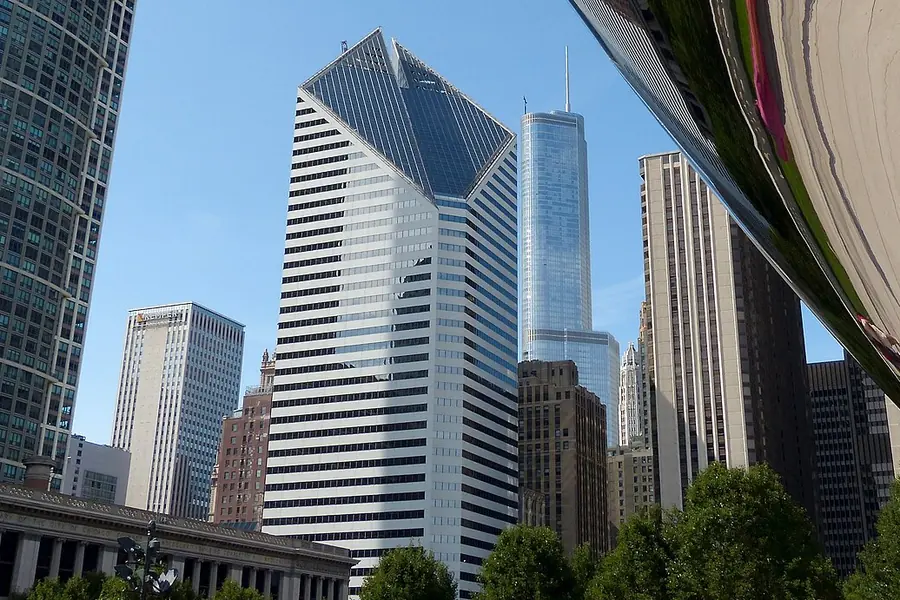
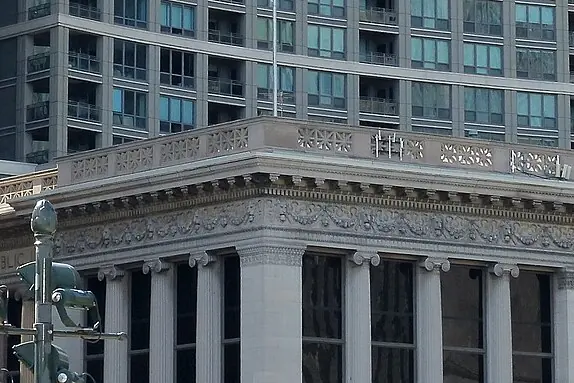
I booked the architecture boat tour on a whim, mostly because the line was shorter than the Bean. Ninety minutes later I was standing at the bow with my neck craned back at 1,200 feet of mirrored glass, genuinely annoyed that nobody had told me Chicago was this beautiful. The pigeon who stole my soft pretzel during the Wrigley Building segment did not share my awe.
The Perfect Chicago Itinerary (2, 3, 4 & 7 Days)
📅 Planning your dates? See the best time to visit Chicago — season-by-season weather, crowds, and prices.
Two days in Chicago means ruthless sequencing: Millennium Park and the architecture cruise on Day 1, Art Institute and Navy Pier on Day 2. You will eat deep-dish exactly once and spend the rest of the trip defending the choice to strangers.
Book the architecture cruise 48 hours ahead — it sells out in summer.
72 Hours: Add a Neighbourhood
Three days lets you exhale. The Loop in Day 1, museum marathon on Day 2, and a full neighbourhood crawl through Lincoln Park and Wicker Park on Day 3. You'll leave with opinions about which Chicago neighbourhood is best, which is the correct outcome.
4 Days: South Side Opens Up
Four days means the South Side is finally on the itinerary. The Museum of Science and Industry, Hyde Park, and Buddy Guy's blues club in a single day is a very specific kind of perfect. Plus a Logan Square cocktail you will not stop thinking about.
7 Days: Chicago at Its Own Pace
A week in Chicago and you stop being a tourist somewhere around Day 4. Pilsen's murals, an Evanston day trip, the Baha'i Temple at dawn, Second City on a Wednesday — this is the city that rewards slow attention more than almost anywhere in America.
Estimated budget:$320–$520 est. (budget–mid, incl. 1 hotel night)
Estimated budget:$520–$820 est. (2 hotel nights + architecture cruise)
Estimated budget:$720–$1,100 est. (3 nights + South Side + blues club)
Estimated budget:$1,400–$2,200 est. (full week, mid-range hotels + Evanston day trip)
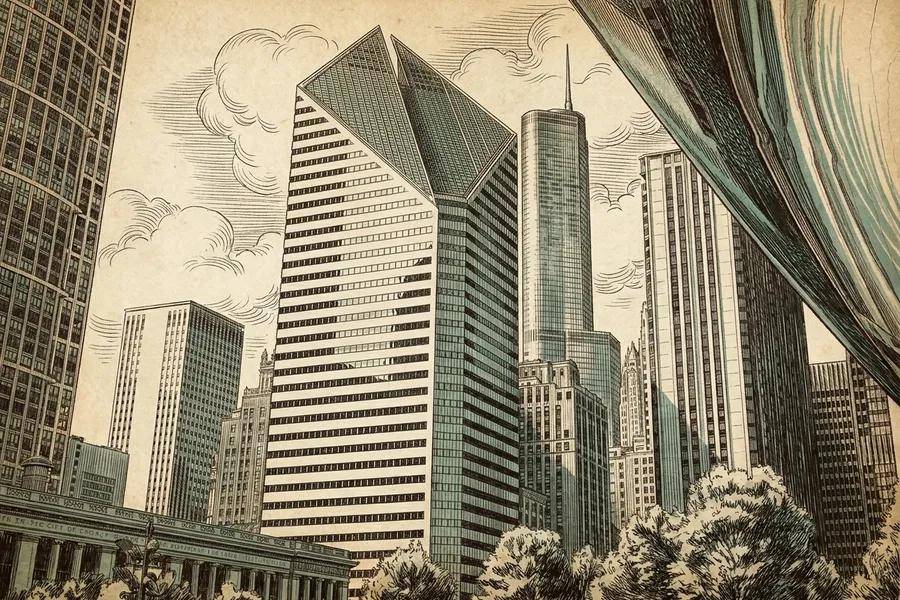
[ THE DISPATCH · FIELD MAP ]
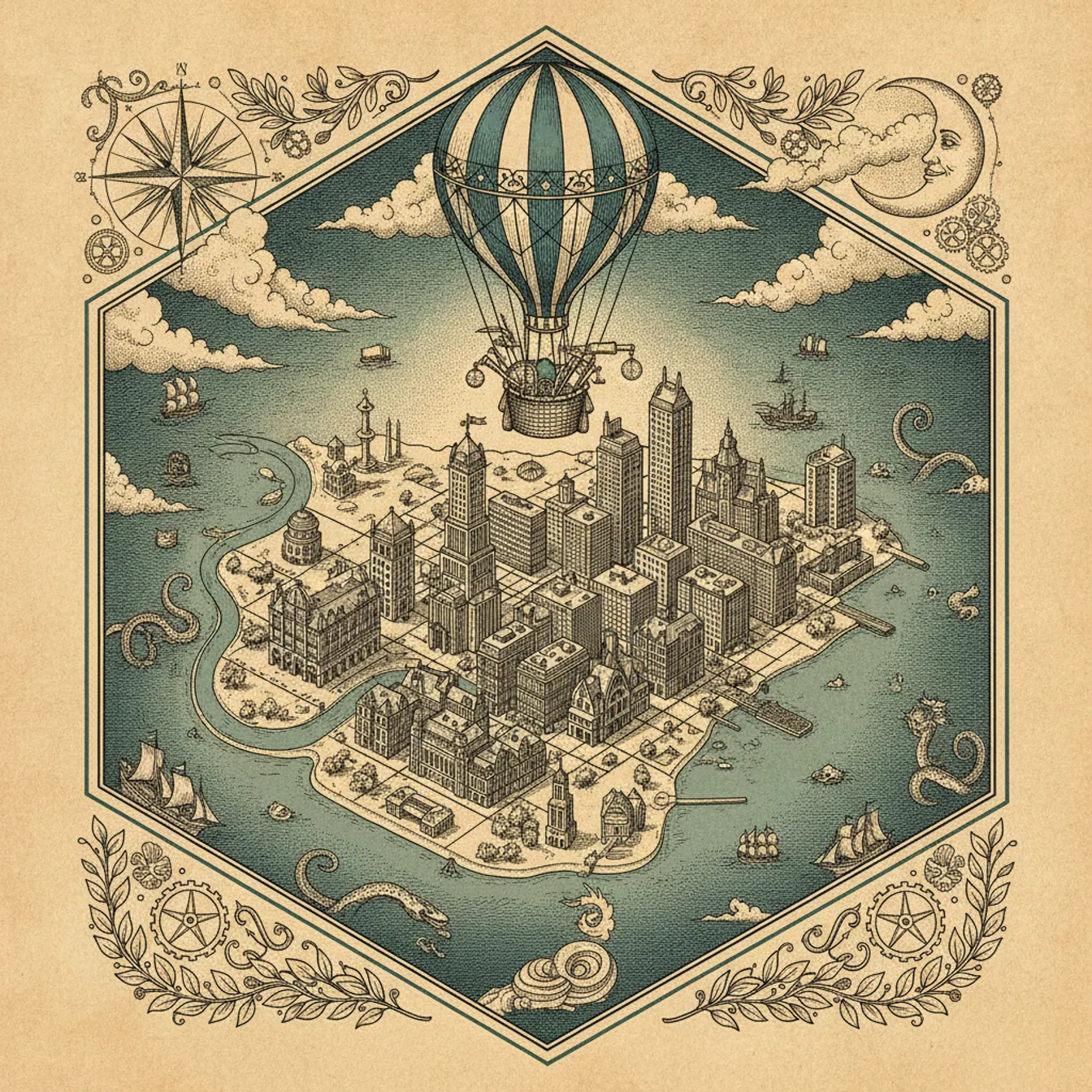
A tilted, hand-drawn dispatch of Chicago. Click a quarter to explode it open.
0 / 6 quarters explored
Legend · tap to highlight
[ THE LOOP ]
Grand squares and big ideas.
Cloud Gate (The Bean) at Millennium ParkStainless steel, infinite sky, and your own reflection staring back at you.
Chicago Architecture Foundation River CruiThe single best 90 minutes you will spend in any American city.
[ MUSEUM CAMPUS ]
Where the city meets the water.
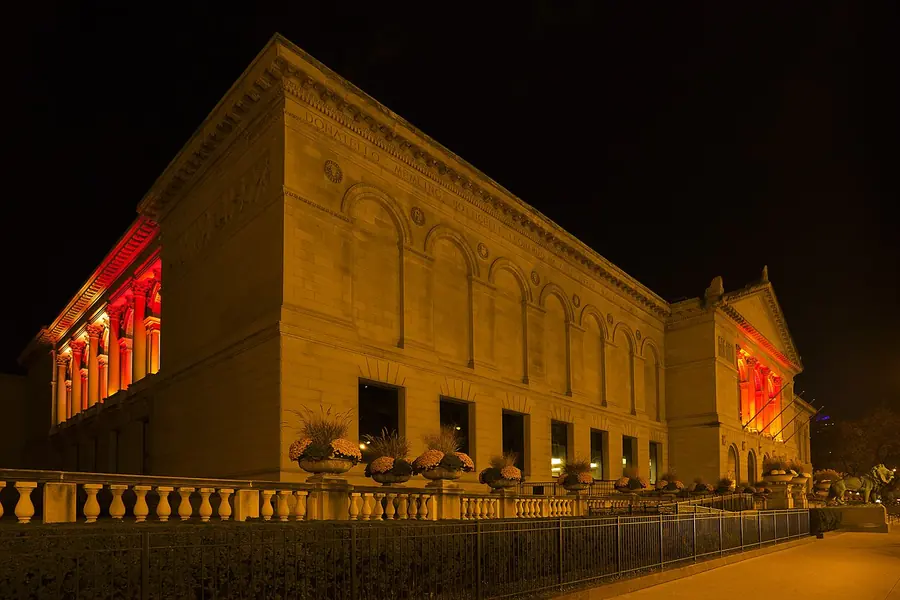
Art Institute of ChicagoThe Sunday Seurat is real. The Impressionist hall will ruin every other museum for you.
Field Museum or Shedd Aquarium (choose oneSue the T-Rex or beluga whales — both are correct answers.
[ NAVY PIER & RIVER NORTH ]
Where the city meets the water.
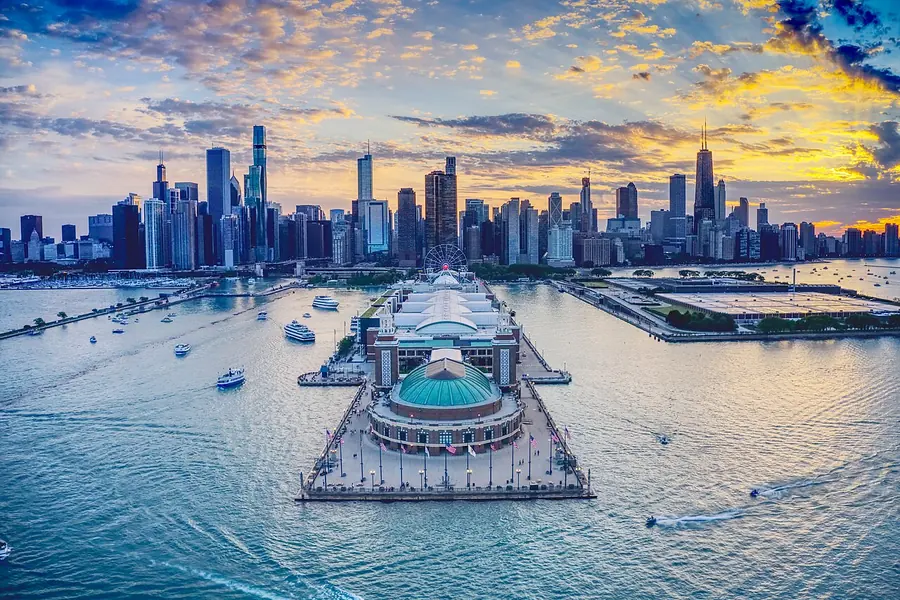
Navy Pier — Sunset from the East EndChicago from the lake is the view that makes you understand why people live here.
Dinner in River NorthChicago's restaurant row — every cuisine, every price point, zero excuses.
[ LINCOLN PARK ]
Green breathing room.
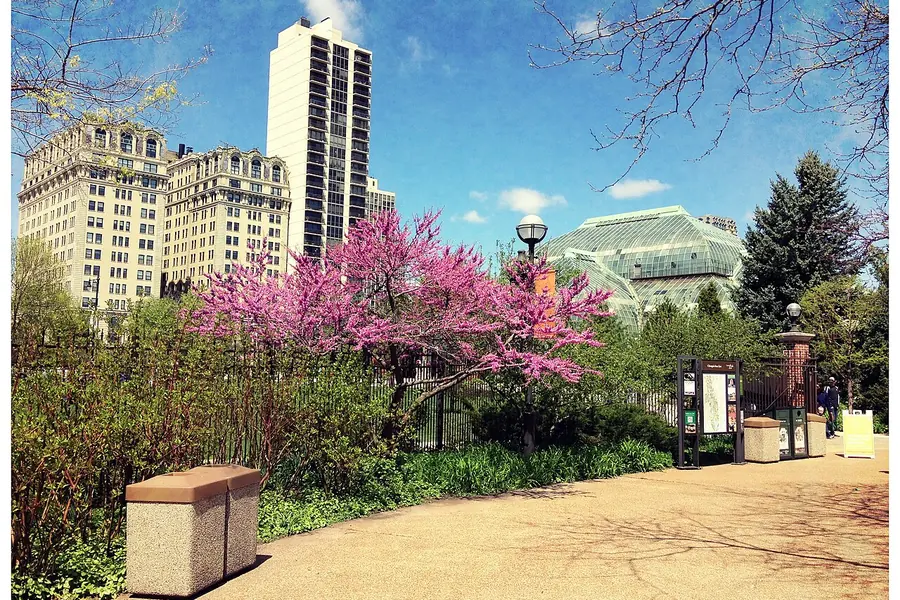
Lincoln Park Zoo + ConservatoryA world-class free zoo in a lakeside park — yes, free, no, you're not misreading.
Wicker Park / Bucktown — Brunch and VintagMilwaukee Avenue at noon: the best 90 minutes of retail therapy in the Midwest.
[ WICKER PARK & LOGAN SQUARE ]
Stays up later than you do.
Logan Square Cocktail BarThe best bar programme in Chicago is in a neighbourhood most tourists never reach.
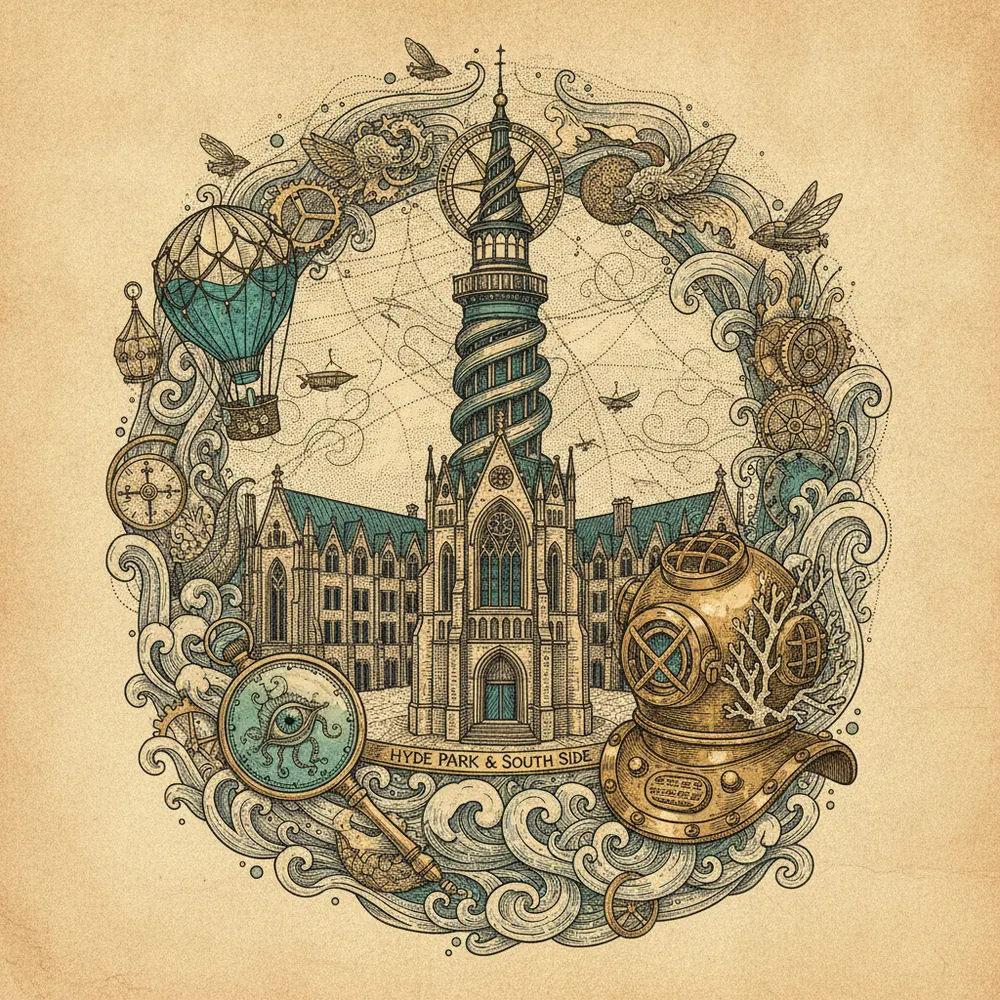
[ HYDE PARK & SOUTH SIDE ]
Old stones, older stories.
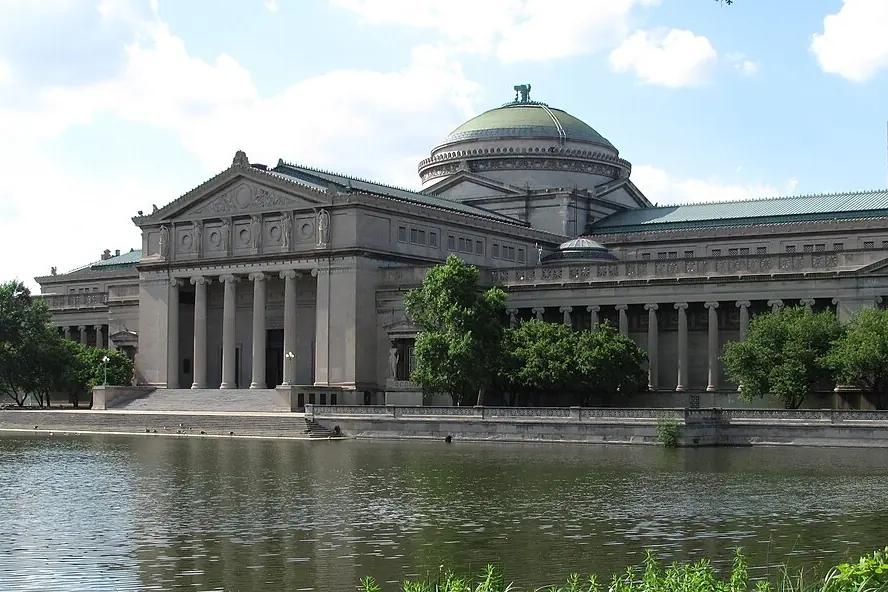
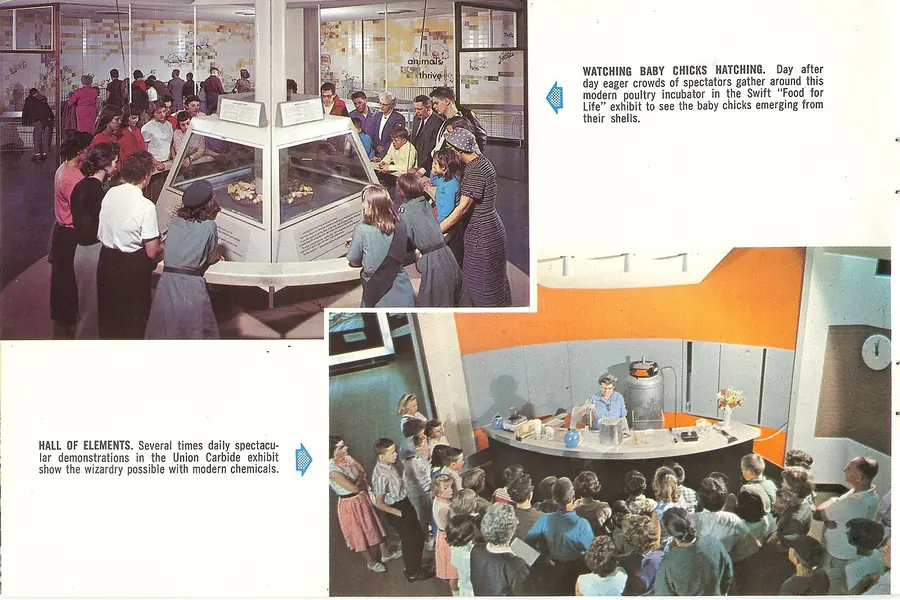
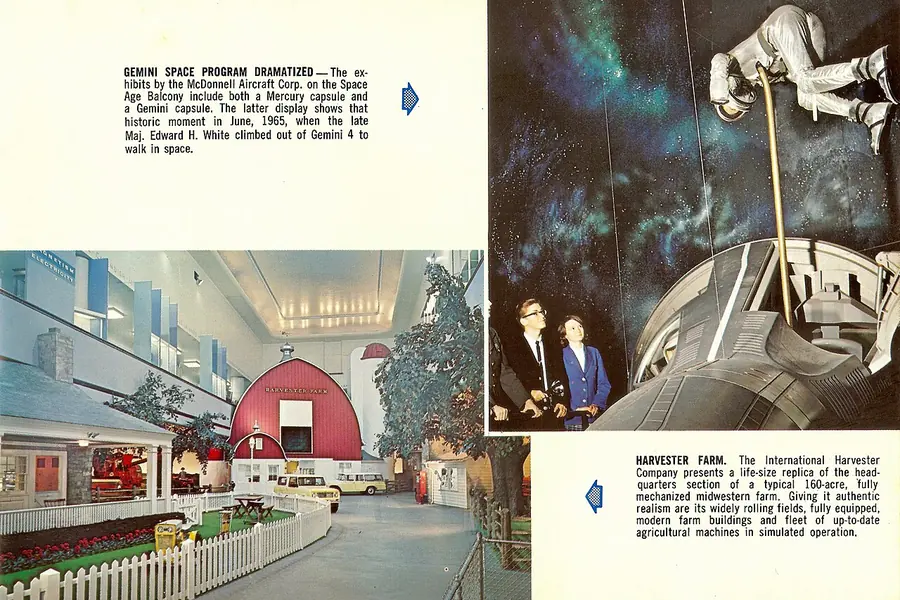
Museum of Science and IndustryA captured German U-boat submarine, a coal mine, and a baby chick hatchery — all under one roof.
Hyde Park + University of Chicago Campus WGothic architecture, the Midway, and the bookshop Obama used to browse.
Day 1
The Loop + Millennium Park + Riverwalk
The Chicago opener that earns every cliché
Two days means Day 1 carries a lot of weight. We sequence for maximum payoff: the Bean before the tour groups, the river cruise mid-morning while the light is right, deep-dish in the afternoon (it needs 45 minutes to cook — plan accordingly), and the Riverwalk at dusk.
No rush. The Bean before 8 AM is a different experience from the Bean at noon. Start early, linger at Millennium Park, and let the cruise set the architectural vocabulary for the rest of the week.
Cloud Gate (The Bean) at Millennium Park
Stainless steel, infinite sky, and your own reflection staring back at you.
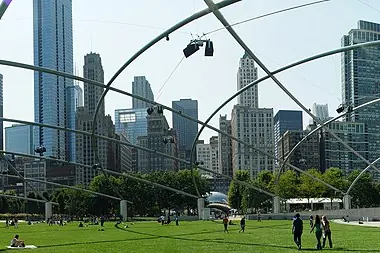
The Bean is inescapable and entirely worth it. Before 9 AM it belongs to you and the morning runners — the tourist scrum arrives by 10. Walk the full perimeter, crouch under the arch (the omphalos portal, technically), and look straight up into the distorted skyline. Millennium Park surrounding it is free, beautiful, and has the Crown Fountain nearby — kids love it, adults pretend not to.
The single best 90 minutes you will spend in any American city.
This is not optional. The Chicago Architecture Center runs docent-led boat tours along the Chicago River that cover 50+ buildings and 150 years of architectural history. You will crane your neck at the Wrigley Building, the Tribune Tower (with actual stones from the Taj Mahal and the Parthenon embedded in its base), and One Chicago Square. Book at least 48 hours ahead in summer — the 10 AM slot sells out first. Bring sunscreen; there is no shade on the boat.
Order 45 minutes before you want to eat. This is not negotiable.
Deep dish is a casserole pretending to be a pizza and it is magnificent. Giordano's stuffed deep dish is the correct starting point for the uninitiated — layers of cheese, chunky tomato sauce on top, a crust that holds its architecture long after the slice has left the pan. Critical logistics: it takes 45 minutes to bake. Call ahead or order at the table the moment you sit down, then argue about thin crust versus tavern style with your dining companions while you wait. (See the pizza wars comparison table below.)
A mile of canalside bars, kayak rentals, and bridges that actually lift.
The Riverwalk runs from Lake Shore Drive to Lake Street along the south bank of the Chicago River. In the evening the bridges are lit, the kayak rental places are closing up, and the bars are opening for the after-work crowd. Walk east to west: the view of the river canyon flanked by glass towers at dusk is the image you came here for. Stop at any bar with stools facing the water.
Day 2
Museum Campus + Navy Pier
World-class art, world-class lake, very good ribs
Your last day. The Art Institute in the morning (two hours minimum, three is better), Navy Pier for the sunset, and dinner in River North before your flight or train. Don't try to add the Field Museum — you'll be rushing and resenting it.
Full morning at the Art Institute, then make a choice: Field Museum for the natural history and Sue the T-Rex, or Shedd Aquarium for the beluga whales. You cannot do both without losing your mind. Navy Pier at sunset is non-negotiable regardless.
Art Institute of Chicago
The Sunday Seurat is real. The Impressionist hall will ruin every other museum for you.
One of the great art museums of the world and routinely under-credited outside the US. Spend at least two hours: the Impressionist and Post-Impressionist wing (Seurat's A Sunday on La Grande Jatte, Monet's stacks, Toulouse-Lautrec), the Arms and Armor hall for a palate cleanser, and the Modern Wing designed by Renzo Piano if you have a third hour. The Thorne Miniature Rooms are genuinely remarkable and beloved by everyone who walks in expecting to be bored.
Sue the T-Rex or beluga whales — both are correct answers.
The Field Museum houses Sue, the most complete T-Rex skeleton ever found, plus the Egypt mummies exhibit and a Hall of Gems that will give you opinions about minerals. The Shedd Aquarium, across the parking lot, has the best beluga whale exhibit in the country and dolphin shows that adults pretend not to enjoy. They are equally excellent; they are also next to each other, so pick one and commit. Trying to do both turns a great afternoon into a death march.
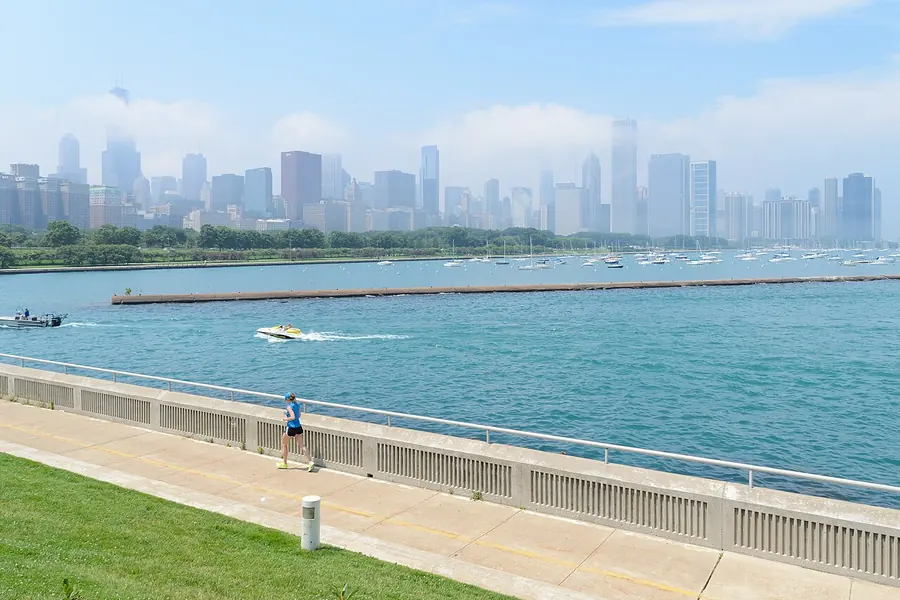
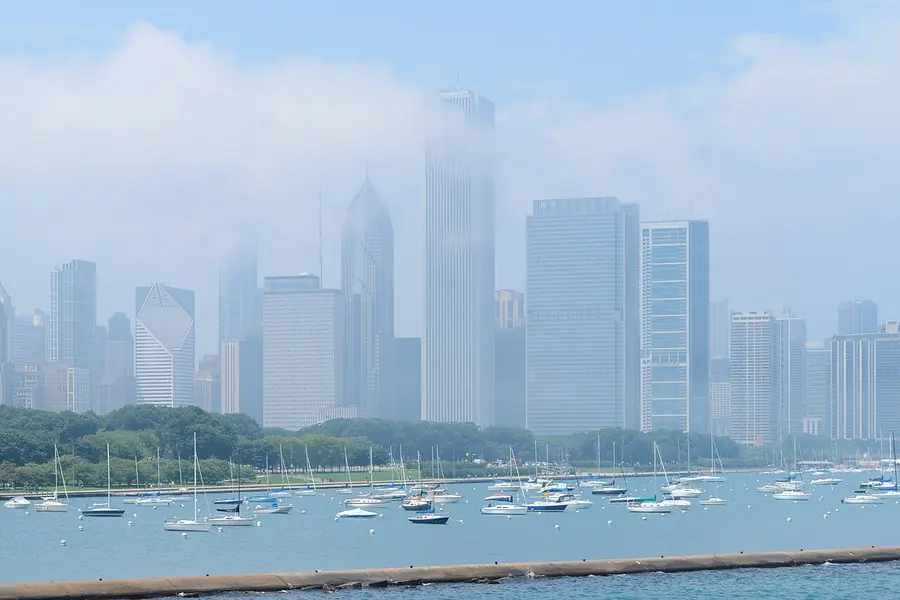
Chicago from the lake is the view that makes you understand why people live here.
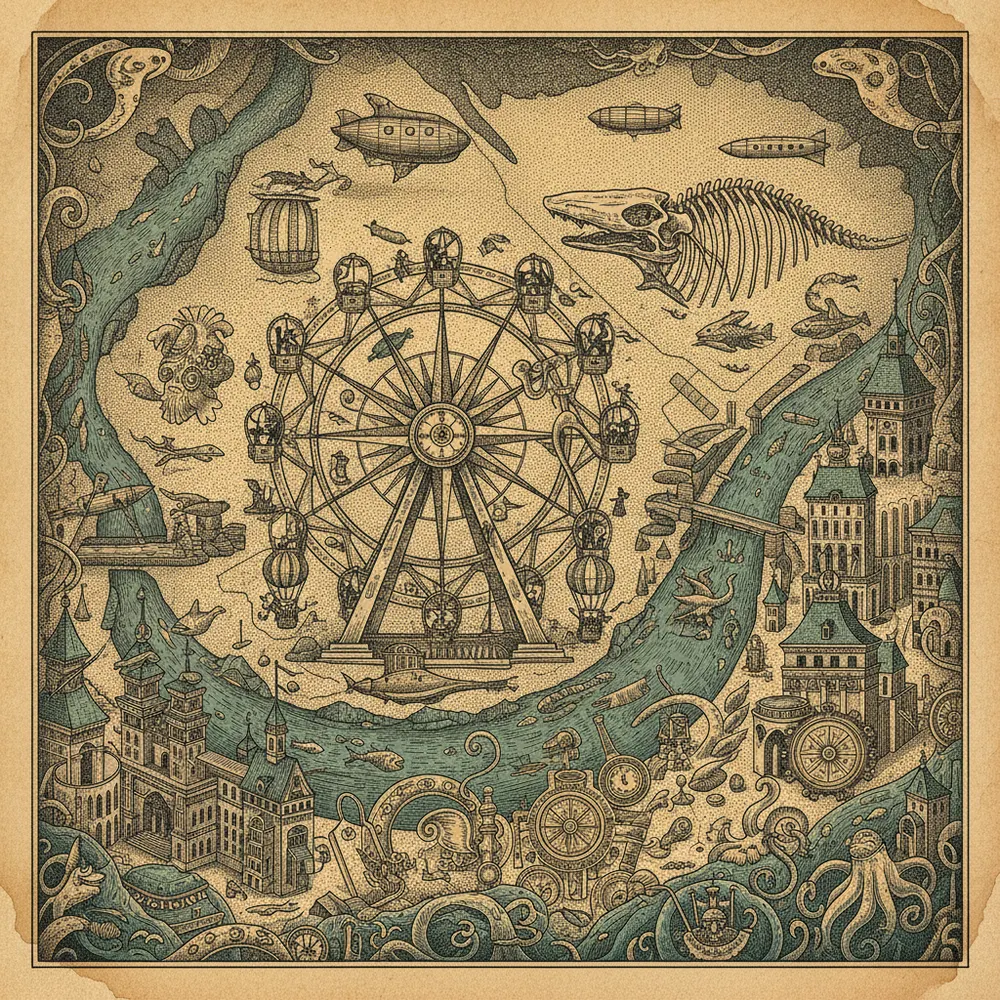
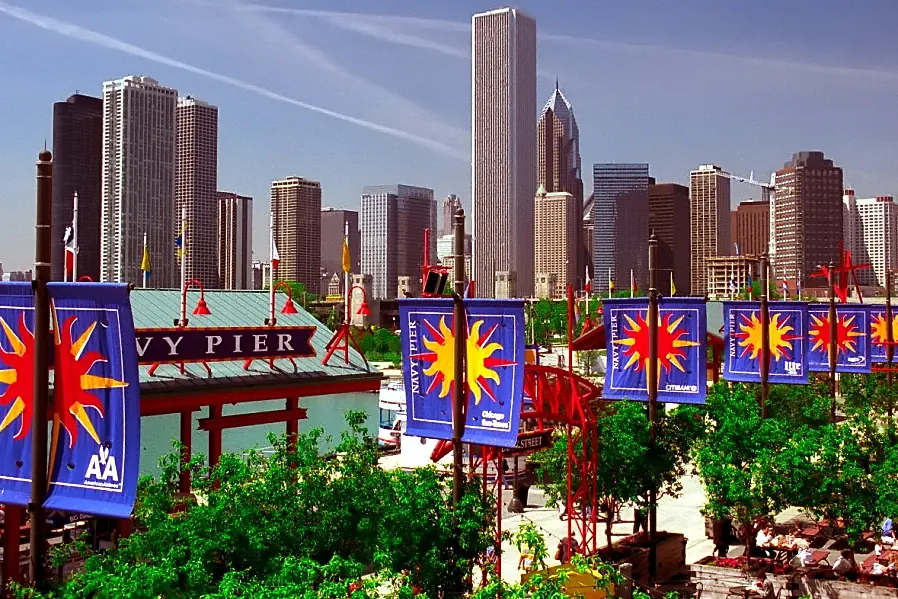
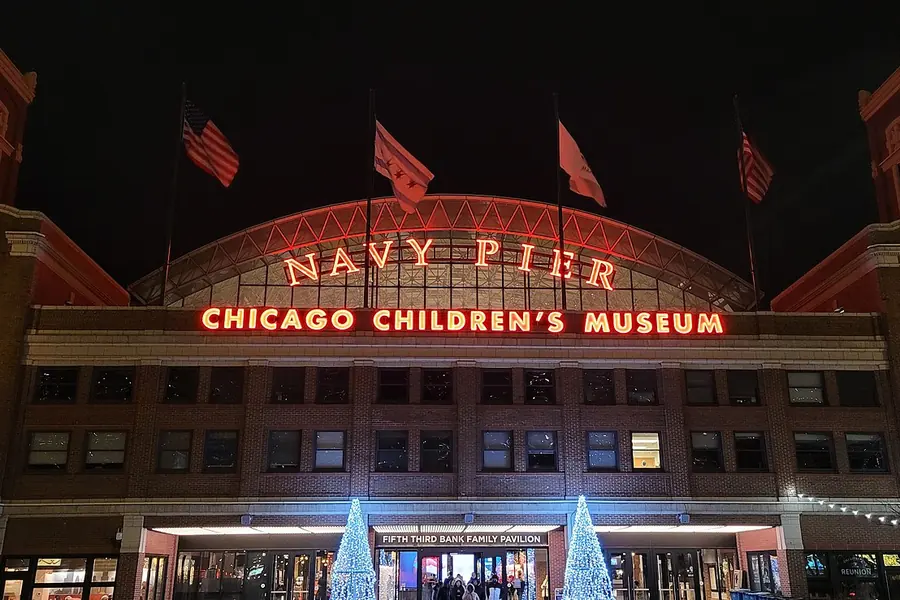
Walk the full length of the pier (half a mile out into Lake Michigan) and stand at the far end looking back at the skyline at the golden hour. The Ferris wheel is there, the beer garden is there, and the lake is the size of a small sea. This is the moment that makes Instagram redundant — no filter adjusts for this light. The free Wednesday and Saturday evening fireworks in summer are genuinely spectacular.
Chicago's restaurant row — every cuisine, every price point, zero excuses.
River North is the city's most restaurant-dense neighbourhood and the easiest place to not go hungry regardless of budget. For Chicago classics: Gibson's for the steakhouse experience (reserve), RPM Italian for upscale pasta, or The Purple Pig for charcuterie and wine by the glass. For something more casual: any of the dozen spots on Hubbard Street between Wells and Clark. Walk until something smells right.
Day 3
Lincoln Park + Wicker Park + Logan Square
Free zoo, vintage shops, and a cocktail you won't find in a guidebook
Final day: Lincoln Park Zoo in the morning (free, remarkable), a slow brunch in Wicker Park, afternoon vintage shopping along Milwaukee Avenue, and a cocktail in Logan Square before the flight home. This is the neighbourhood Chicago that the architecture tour doesn't cover.
Same plan, but you can actually stay for dinner in Logan Square instead of rushing to the airport. The cocktail bars here close late and the kitchen at Giant Restaurant is worth the reservation effort.
Use the morning for the Conservatory gardens rather than the zoo — mid-week the orchid house is practically empty. Then Wicker Park at brunch pace, Logan Square for the evening.
Lincoln Park Zoo + Conservatory
A world-class free zoo in a lakeside park — yes, free, no, you're not misreading.
The Lincoln Park Zoo is genuinely excellent and has been free since 1868. The great ape house and the big cat enclosures are the highlights; the farm-in-the-zoo is oddly compelling. Across the path, the Lincoln Park Conservatory has four rooms of tropical, fern, show, and orchid plants that cost $5 and take 45 minutes. In summer the outdoor gardens are in full bloom. This is where Chicagoans come when they need to remember why they live somewhere with winters.
Wicker Park / Bucktown — Brunch and Vintage Shopping
Milwaukee Avenue at noon: the best 90 minutes of retail therapy in the Midwest.
Take the Blue Line to Damen and emerge into Wicker Park's best block. Brunch options: The Wormhole Coffee (Back to the Future DeLorean in the window, excellent eggs) or The Bongo Room for pancakes that have achieved sentience. Then walk north along Milwaukee Avenue past Reckless Records (the best record shop in Chicago), Knee Deep Vintage, and a dozen other second-hand stores that will eat your luggage allowance. Budget at least 90 minutes and willpower.
The best bar programme in Chicago is in a neighbourhood most tourists never reach.
Logan Square has become Chicago's most exciting drinking destination. The Violet Hour (technically Wicker Park, worth including) is the godfather — no sign, velvet curtains, extraordinary cocktails since 2007. In Logan Square proper: Billy Sunday (James Beard-recognised, technical cocktails in a converted pharmacy), Lost Lake (tiki, deeply serious about it), or Scofflaw for gin-forward classics. Reserve where possible; these fill up on weekends.
Day 4
South Side + Hyde Park + Blues
Chicago's other half — history, science, and a guitar that will rattle your teeth
Take the Metra or the #6 bus south. Hyde Park is a proper university neighbourhood with bookshops, architecture, and the Obama Presidential Center nearby. The Museum of Science and Industry is the highlight for anyone who enjoyed anything in school. Buddy Guy's in the evening is mandatory — arrive early for a table close to the stage.
Same structure but add a stop at the DuSable Black History Museum & Education Center (the oldest Black history museum in the US) before heading to Hyde Park. It's five minutes from the Museum of Science and Industry and changes the whole day.
Museum of Science and Industry
A captured German U-boat submarine, a coal mine, and a baby chick hatchery — all under one roof.
The MSI is one of the best science museums in the world and embarrassingly undersold outside Chicago. U-505 is a real German submarine captured in 1944 and wheeled into the basement — the tour inside it is $18 extra and entirely worth it. The coal mine ride, the weather simulation, and the model railway that covers the entire third floor are all still here from 1933 and still work. Budget 3 hours.
Gothic architecture, the Midway, and the bookshop Obama used to browse.
The University of Chicago campus is genuinely beautiful — neo-Gothic buildings arranged around grassy quadrangles, designed by the same firm that did Oxford's Magdalen College. Walk the main quad, check out Rockefeller Memorial Chapel (free, staggering acoustics), and stop at Seminary Co-op Bookstore, which the New Yorker called one of the great bookshops in the world. The Obama Presidential Center is a five-minute drive if you want to add it — reserve entry in advance.
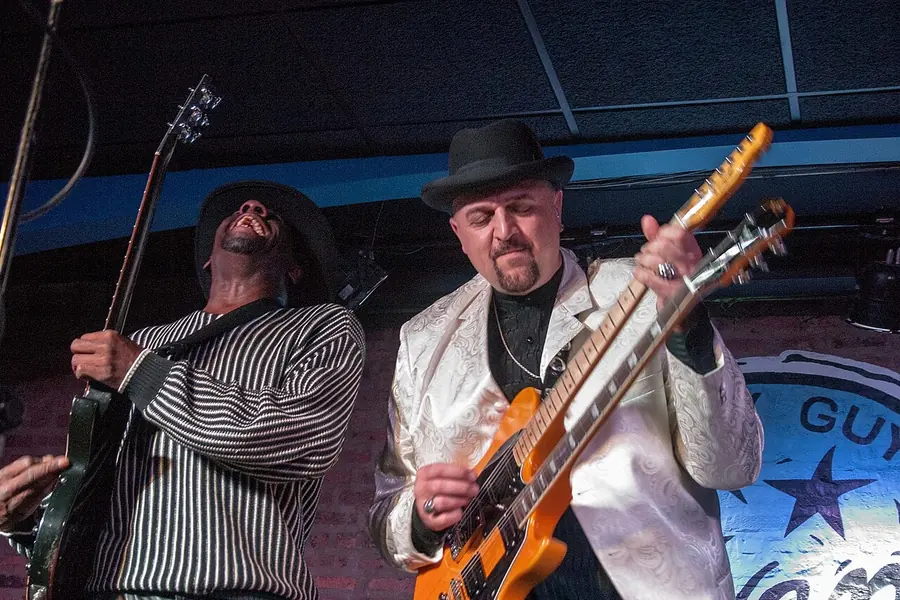
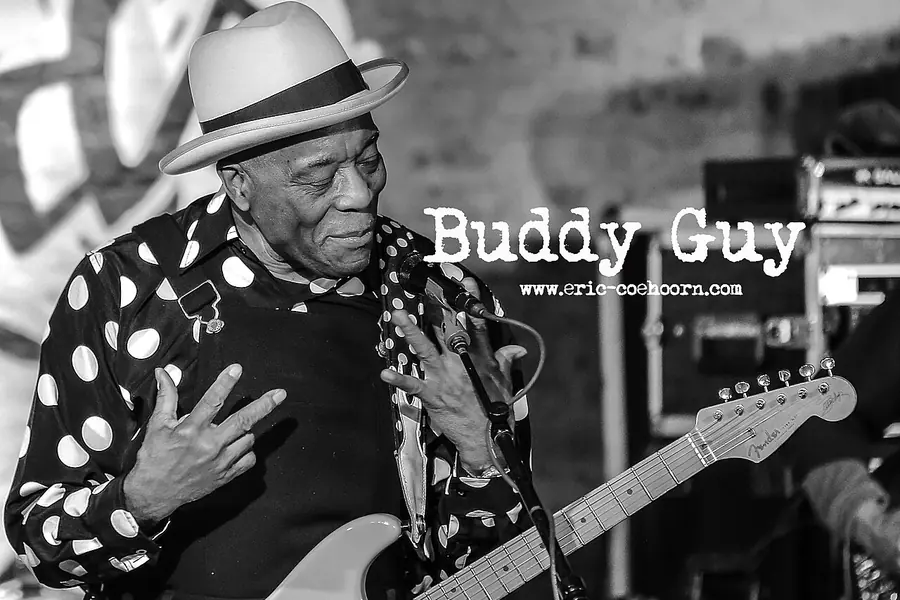
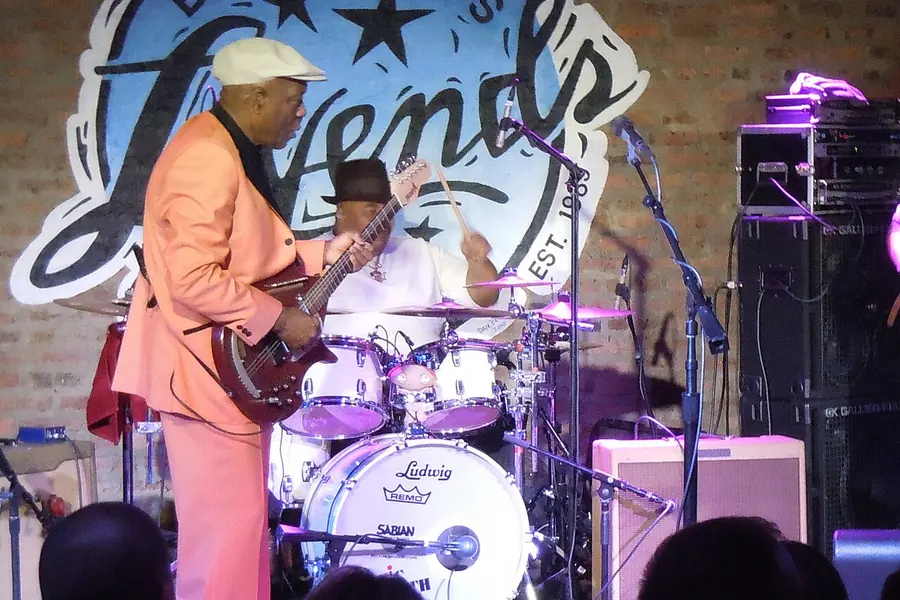
Buddy Guy's Legends Blues Club
The living legend's own club — arrive early or watch the show from behind a pillar.
Buddy Guy opened this club in 1989 and still plays it every January. The rest of the year it books the best blues and soul touring acts in the country. Arrive by 7:30 PM on weekends to get a table with a sightline to the stage; the bar fills quickly. The kitchen serves Louisiana-style food (the Cajun chicken is consistently good) and the guitar rigs are turned up to a volume that will adjust your fillings. This is not background music. This is the point.
Chicago's most colourful neighbourhood is also its most underrated
The Pink Line drops you into Pilsen and you immediately know you're somewhere different. This is Chicago's Mexican-American cultural centre: street murals the scale of buildings, a free museum that belongs in any world-class art city, and restaurants where the menudo is the right call regardless of the time.
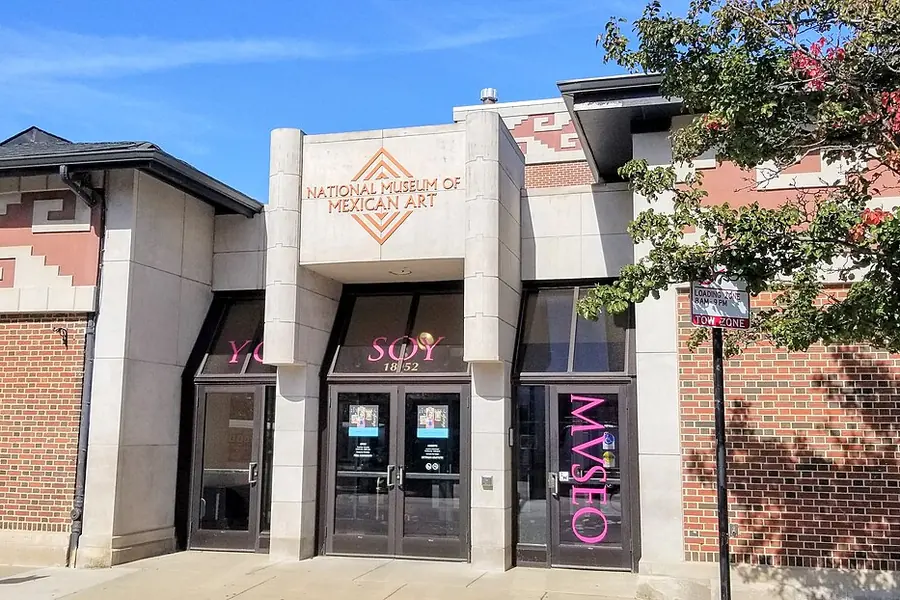
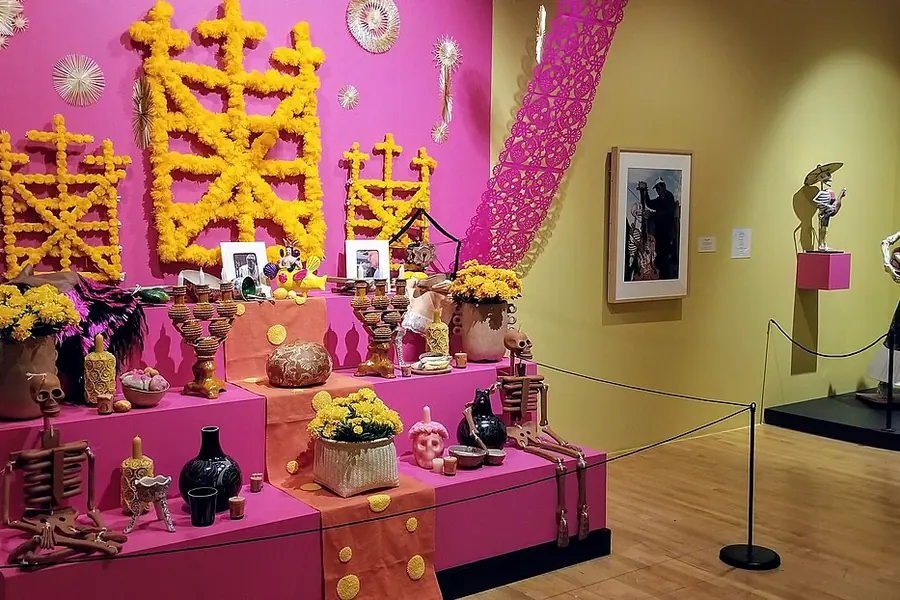
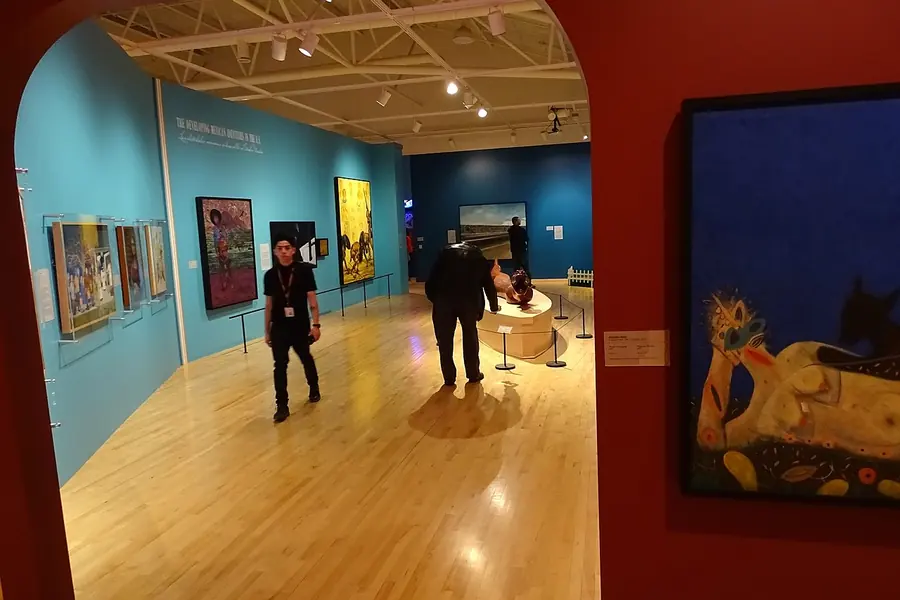
National Museum of Mexican Art
Free, extraordinary, and the best argument Chicago has for cultural depth.
The National Museum of Mexican Art is free and houses over 10,000 works spanning 3,000 years of Mexican art and culture — pre-Columbian artefacts, colonial painting, modern printmaking, Day of the Dead altars, and contemporary Chicano art. The permanent collection is more coherent and better curated than most museums charging $25 admission. Budget 2 hours and leave the gift shop money budget large: the folk art selections are excellent.
Every block is a gallery. None of it is roped off. Bring a wide-angle lens.
Walk south on 18th Street and west on Blue Island Avenue. The murals here are not decorative — they tell specific histories: farm labour movements, Mexican independence, Chicano identity, immigration. The stretch between Halsted and Damen has the highest concentration. The Border Community mural at 18th and Paulina is the signature piece. This is not a walking tour with a guide; it's a self-directed gallery in the open air. Give it 90 minutes and stop whenever something arrests you — that's the correct methodology.
5 Rabanitos Restaurante & Taqueria
The mole negro here is made the correct way, which takes three days.
5 Rabanitos is a Oaxacan-influenced restaurant on 18th Street that has been quietly one of the best Mexican restaurants in Chicago for years. The mole negro takes three days to prepare and tastes like it. The micheladas are enormous. The tlayudas are the size of a hubcap. Do not skip the guacamole made tableside; do not leave without the churros. This is the dinner that validates the whole Pilsen day.
Lake Michigan at its most serene, a temple at sunrise, and late-night saxophone
Head north. The Baha'i Temple in Wilmette is one of the most beautiful buildings in North America and almost nobody outside Illinois has heard of it. Evanston has a proper lakefront and a college town energy that makes a good counterweight to six days of city density. Jazz in the evening brings it back to Chicago's soundtrack.
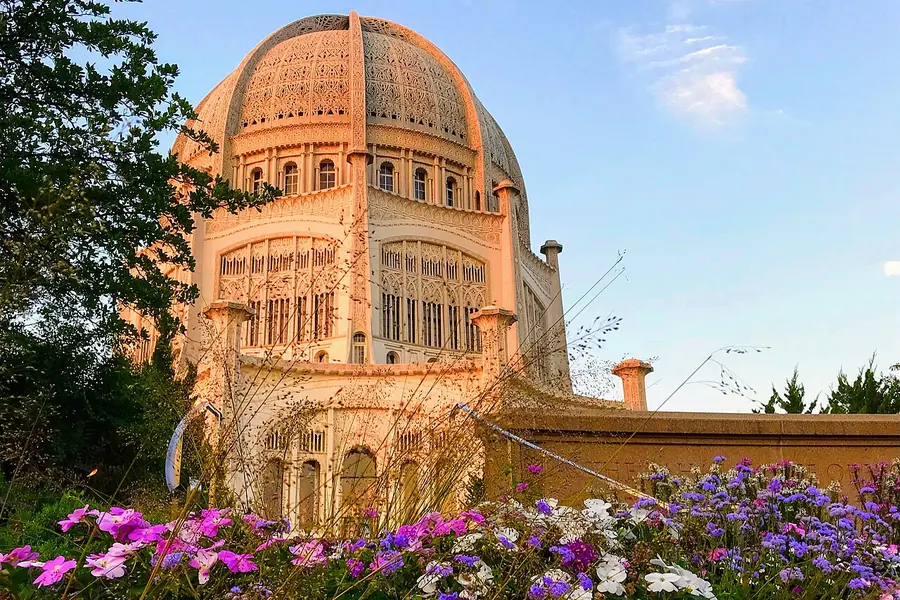
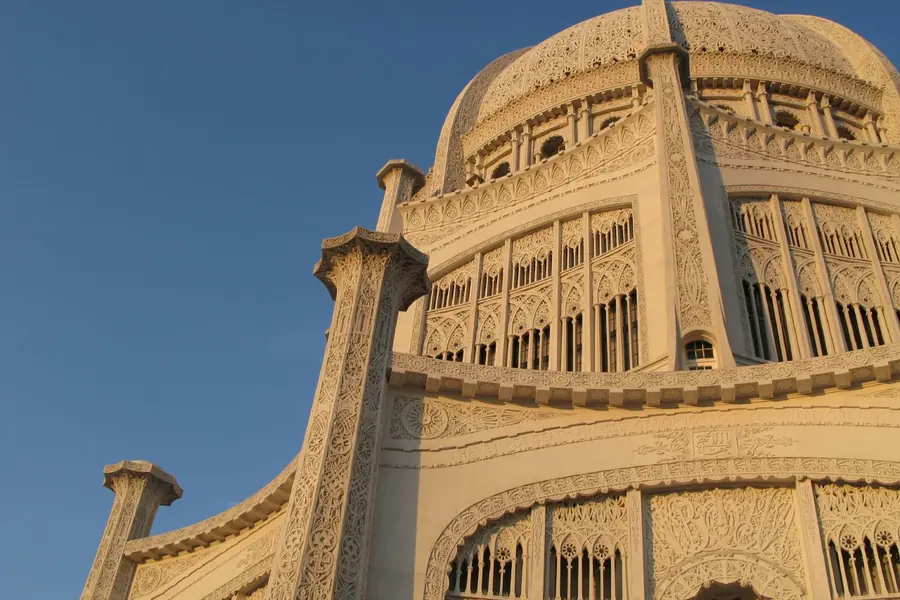
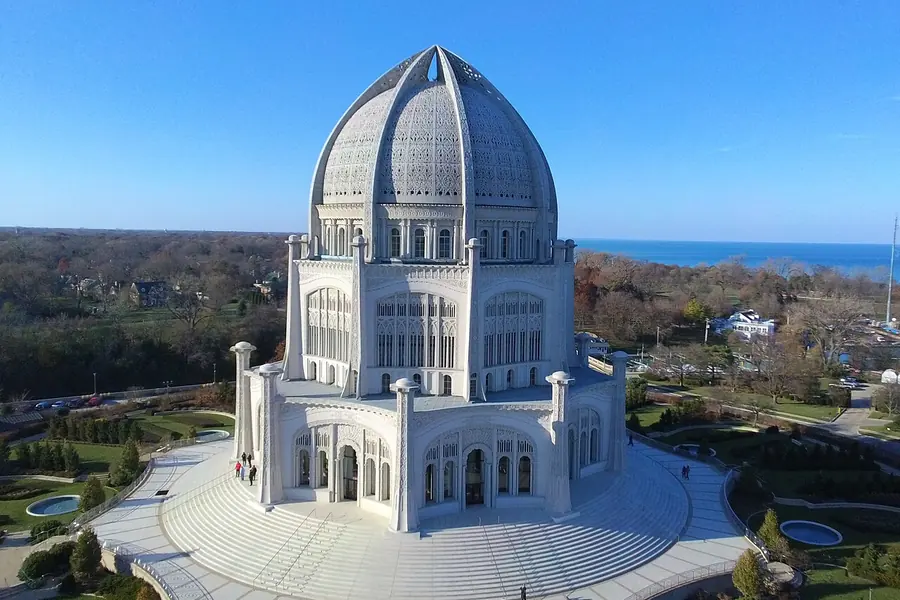
Baha'i Temple in Wilmette
A lace-work dome of white concrete that makes you stop mid-sentence.
The Baha'i House of Worship in Wilmette is a nine-sided domed temple completed in 1953, made of poured concrete mixed with quartz to make it sparkle in sunlight. It took 52 years to build. The interior is open to all faiths, silent, and acoustically extraordinary. The surrounding gardens are immaculate. Most Chicagoans have never been. Take the Purple Line to Linden, walk seven minutes. Go before 10 AM for the best light and the quietest experience.
Lake Michigan looks different when there's no skyline in the way.
Evanston's lakefront is genuinely beautiful — long grass, old oak trees, and a horizon that is just water all the way to Michigan. Walk south from Clark Street Beach along Sheridan Road through the Northwestern University campus (Arts Circle is architecturally interesting; the lake-facing dorms look out at actual Lake Michigan sunsets). Lunch at any of the Dempster Street spots — Evanston has a surprisingly good restaurant scene for a college town.
Jazz Showcase or Andy's Jazz Club
Chicago jazz is in a golden era right now and nobody seems to know.
Jazz Showcase on Dearborn is Chicago's most celebrated jazz room — 70-year history, serious booking policy, tables that fill up on weekends. Andy's Jazz Club on Grand Avenue is more casual, books Tuesday-to-Saturday, and starts earlier (7 PM weekdays). Either one: arrive, order something, and let the music calibrate the rest of the evening. Chicago's jazz scene is quietly excellent; it doesn't compete with New York by trying to be New York.
The goodbye loop: mansions, comedy, and a condiment argument
Last day. Go slow. The Gold Coast mansions are best in the morning light; Second City is best on a weeknight when the audience is locals; the hot dog debate is eternal and you should have it at Portillo's where the stakes feel appropriately high.
Gold Coast Historic Mansions Walk
The gilded age, preserved in limestone, and free to walk past.
The Gold Coast is Chicago's wealthiest neighbourhood and has been since the 1880s. Walk along Astor Street between Burton Place and North Avenue — this is arguably the best-preserved stretch of Victorian and Edwardian residential architecture in America. The Charnley-Persky House (designed by Louis Sullivan with a 25-year-old Frank Lloyd Wright) offers tours on Wednesdays and Saturdays. The Archbishop's Residence at 1555 N. State Parkway is the largest private residence in Chicago and not open to the public, which makes you want to see inside it more.
The place that invented modern American comedy. It's still funny.
Second City has been running since 1959 and the alumni list reads like a history of Saturday Night Live: Belushi, Aykroyd, Bill Murray, Tina Fey, Stephen Colbert, Steve Carell. The main stage shows are polished sketch revues; the UP Comedy Club upstairs books touring stand-up. Wednesday is free improv after the main show ends — the most Chicago thing you can do on your last night. Reserve the main show; arrive 30 minutes early for a table with a clear sightline.
Vienna Beef, yellow mustard, relish, sport peppers, celery salt. Never ketchup. This is the rule.
The Chicago hot dog is a specific construction: Vienna Beef frank in a poppy seed bun, dragged through the garden (yellow mustard, neon green relish, diced white onion, two sport peppers, a pickle spear, tomato slices, and celery salt). Ketchup is not present. It is not offered. The restraint is ideological. Portillo's on Clark Street is the canonical institution — loud, fast, and slightly overwhelming in the way all great Chicago food experiences are. Order the Italian beef sandwich while you're there: wet, hot, giardiniera. This is your goodbye meal.
Chicago is not a city that asks for your attention. It already knows it deserves it.
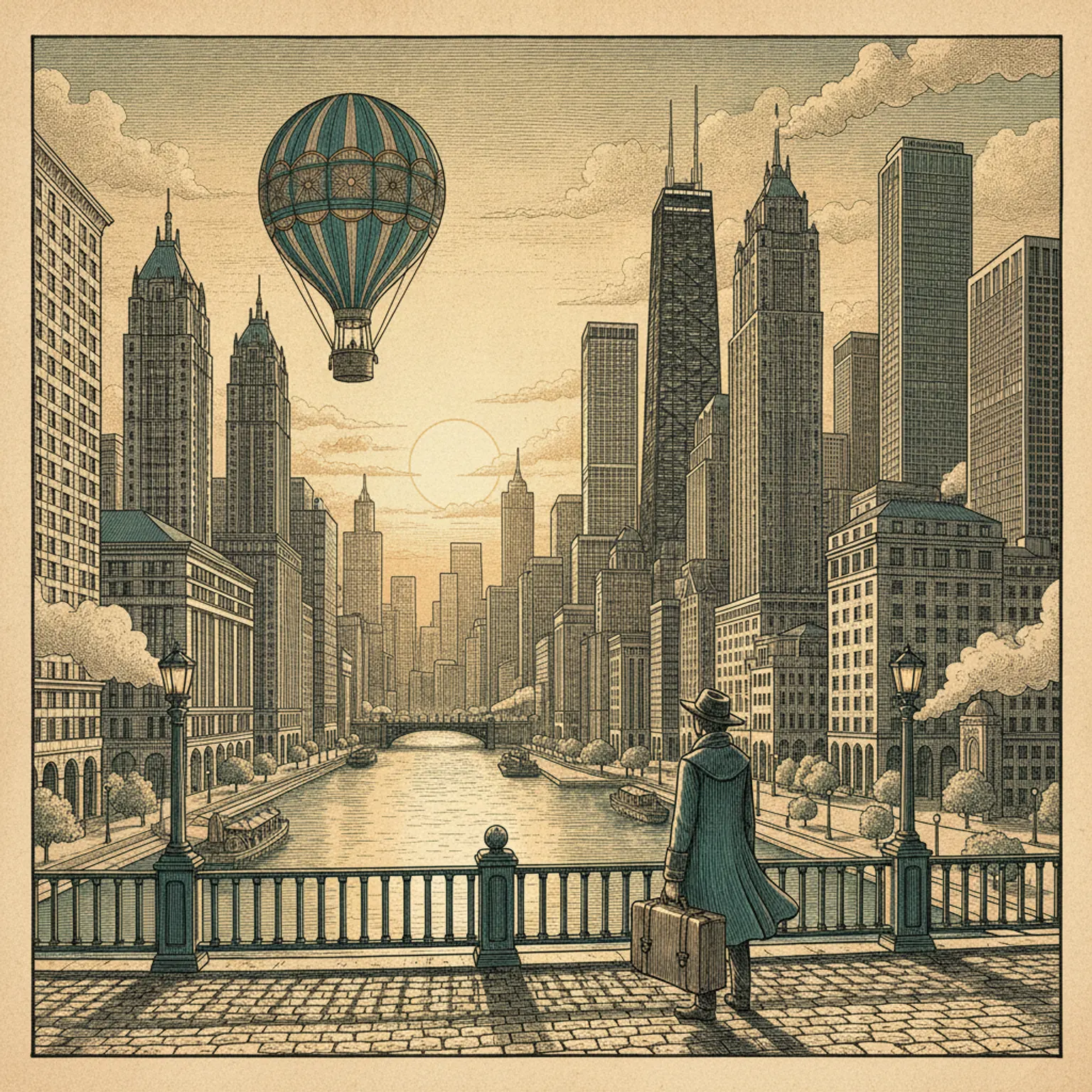
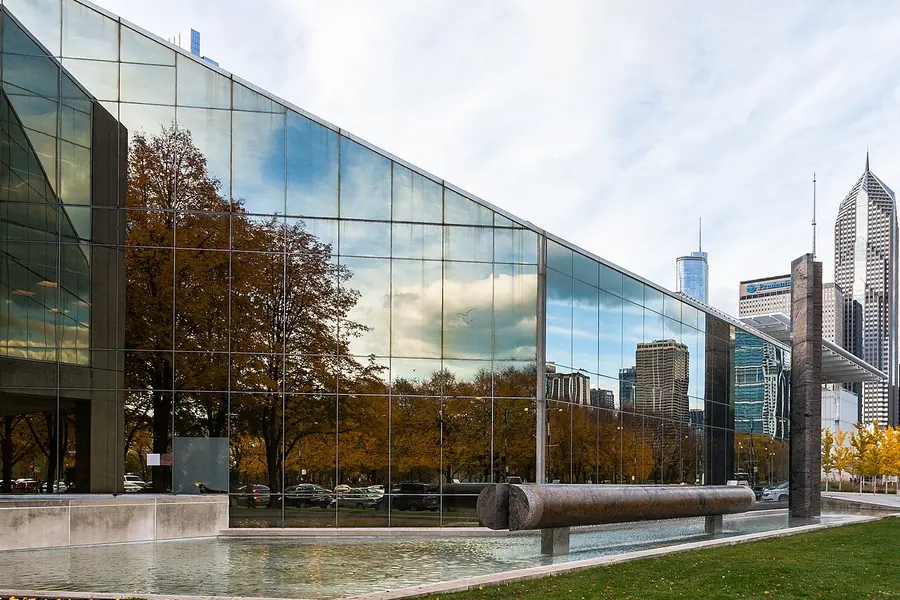
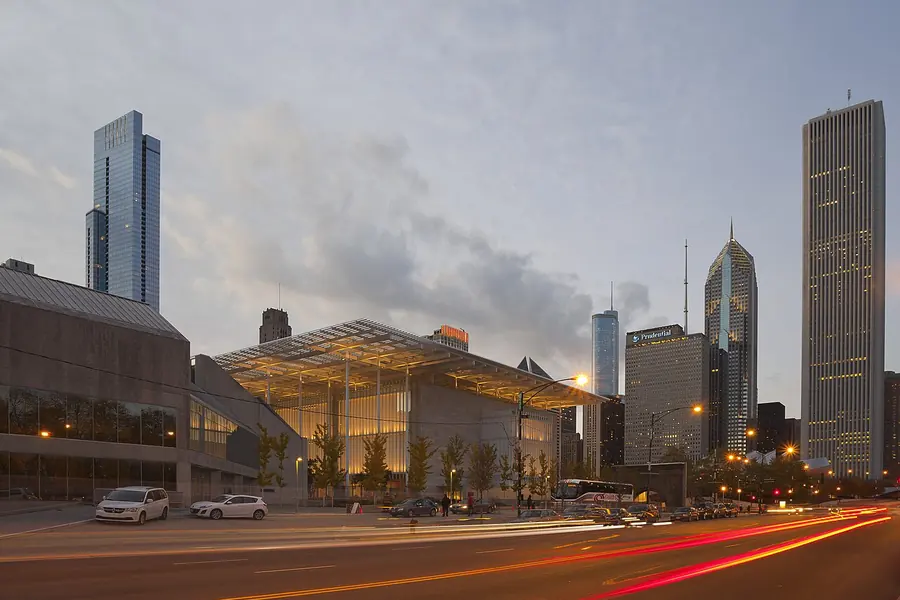
The skyline appears as you cross any of the lakefront bridges and it is, every time, the view that makes you stop walking. The architecture river cruise exists to explain how it happened — 150 years of ambition compressed into 90 minutes on the Chicago River, with a trained docent pointing at buildings that would be the defining structure of any other city. Here they’re just part of the backdrop.
This itinerary is built around the sequencing insight that separates a good Chicago trip from a great one: go south when everyone else goes north, eat the deep dish for lunch (not dinner — it’s very filling and you still have things to do), and leave at least one evening free for a blues club or a jazz room without a plan.
The Chicago Pizza Wars: A Field Guide
Chicago’s pizza debate is real, ongoing, and occasionally heated enough to affect friendships. Here is the honest taxonomy:
Style
What It Is
Best Venue
When to Order
Deep Dish
A buttery crust pressed up the sides of a pan, filled with cheese, toppings, and chunky tomato sauce on top. 45-min bake time.
Giordano’s (stuffed), Lou Malnati’s (classic)
Lunch; plan around the wait
Thin Crust
Cracker-thin, cut in squares (not triangles — never triangles), designed for folding.
Vito & Nick’s on the South Side
Dinner, eaten fast while hot
Tavern Style
Same cracker crust as thin, square-cut, slightly thicker, pub-focused toppings
Piece Brewery & Pizzeria
With beer, at a bar, immediately
The correct position: all three are good. Deep dish is not everyday food; it is occasion food, and it knows it. Thin crust is what Chicagoans actually eat on a Tuesday. Tavern style is what you eat when you’ve been at a bar for two hours and need to make good decisions.
The ketchup rule applies to hot dogs and has no bearing on pizza. These are separate conversations.
Getting Around
Chicago’s CTA L train covers most of the itinerary. The Red Line runs north-south through the heart of the city; the Blue Line connects O’Hare to downtown and continues to Wicker Park and Logan Square; the Green and Red Lines go south to Hyde Park (walk from the 59th Street stop). The architecture cruise departs from Michigan Avenue Bridge. The Metra Electric Line is the fastest option for the Museum of Science and Industry (the 55th-56th-57th Street stop is directly across the street).
Use the 2/3/4/7-day filter above to see exactly which stops apply to your trip length. The architecture cruise is on the list for every duration because it has never been the wrong call.
This article contains affiliate links marked with rel="sponsored". We may earn a commission at no extra cost to you.