My Uber driver in Charleston told me he'd lived here his whole life and still found a street he hadn't walked down on his lunch break the week before. The city is small enough to walk across in forty minutes, old enough to have four centuries of secrets, and beautiful enough that I stopped mid-sentence twice just to look at a doorway. I did not apologise. The driver agreed the doorway warranted it.
The Perfect Charleston Itinerary (2, 3, 4 & 7 Days)
48 Hours: Rainbow Row, Shrimp and Grits, and the Battery
Two days is tight but workable. The historic district is compact enough to cover on foot. One proper sit-down lowcountry meal, the Battery and White Point Garden, and Rainbow Row photographed from every angle you need.
Book Husk or The Ordinary well in advance — they fill weeks ahead.
72 Hours: Add the Plantations and Sullivan's Island
Three days lets you leave the peninsula. A plantation visit that confronts the history honestly (Middleton Place is best for this), and a half-day on Sullivan's Island — the barrier island beach that Charleston actually uses.
4 Days: Gullah Culture, Folly Beach, and the ACE Basin
Four days means the Gullah Geechee Cultural Heritage Corridor gets its proper time — the Penn Center on St. Helena Island, or at minimum a basket-weaving demonstration on Market Street. And Folly Beach for a full afternoon.
7 Days: Beaufort, Kayaking, and the Slow Charleston
A full week means Beaufort (the most beautiful small town in South Carolina, an hour south), a kayak through the ACE Basin, and enough time in the city to find the restaurants that don't have queues, the coffee shop you return to, and the side street you'll dream about later.
Estimated budget:$380–$580 est. (1 hotel night, budget–mid)
Estimated budget:$560–$880 est. (2 nights + plantation admission)
Estimated budget:$740–$1,150 est. (Folly Beach day + 3 nights)
Estimated budget:$1,350–$2,100 est. (full week, Beaufort + kayak tour)
[ THE DISPATCH · FIELD MAP ]
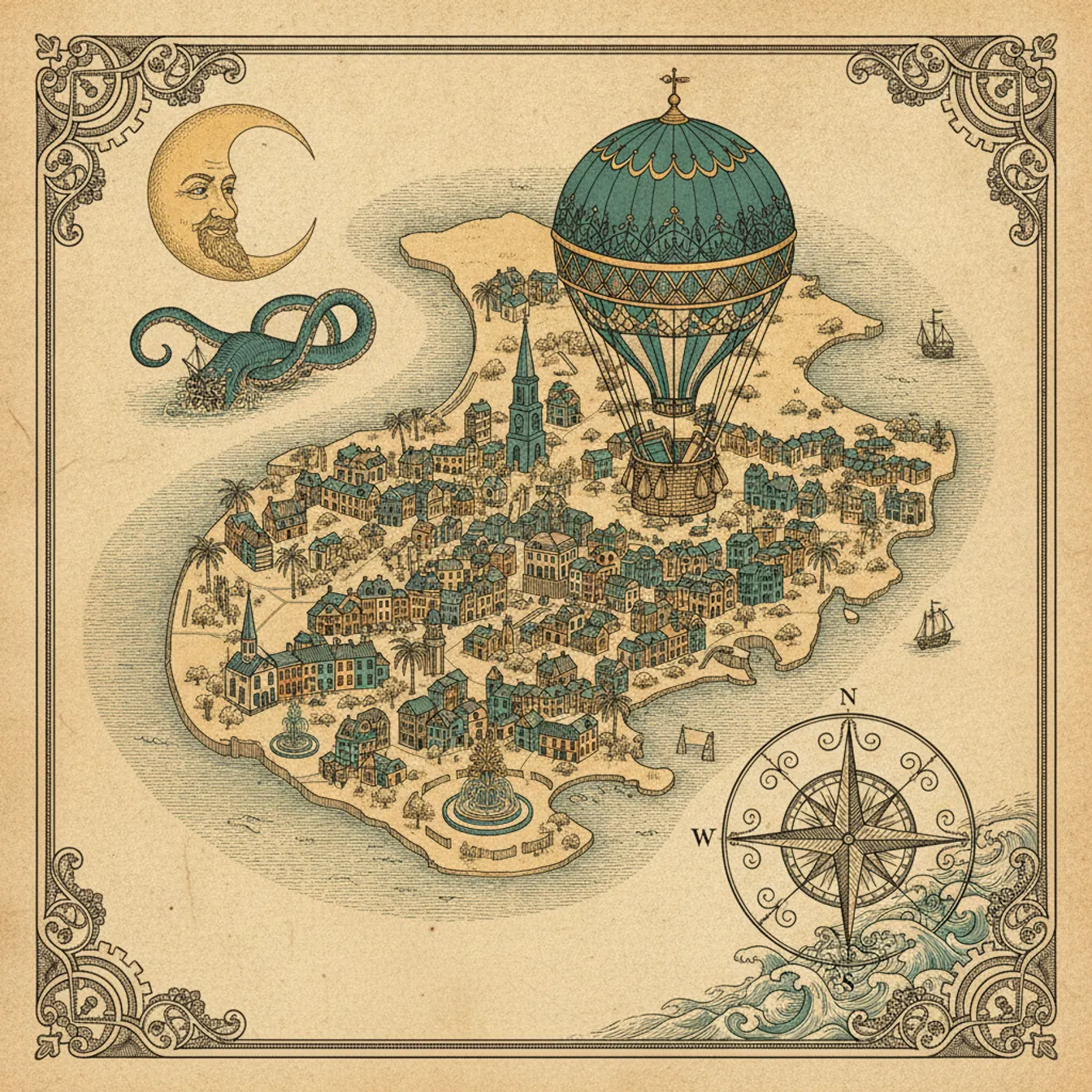
A tilted, hand-drawn dispatch of Charleston. Click a quarter to explode it open.
0 / 6 quarters explored
Legend · tap to highlight
[ SOUTH OF BROAD ]
Old stones, older stories.
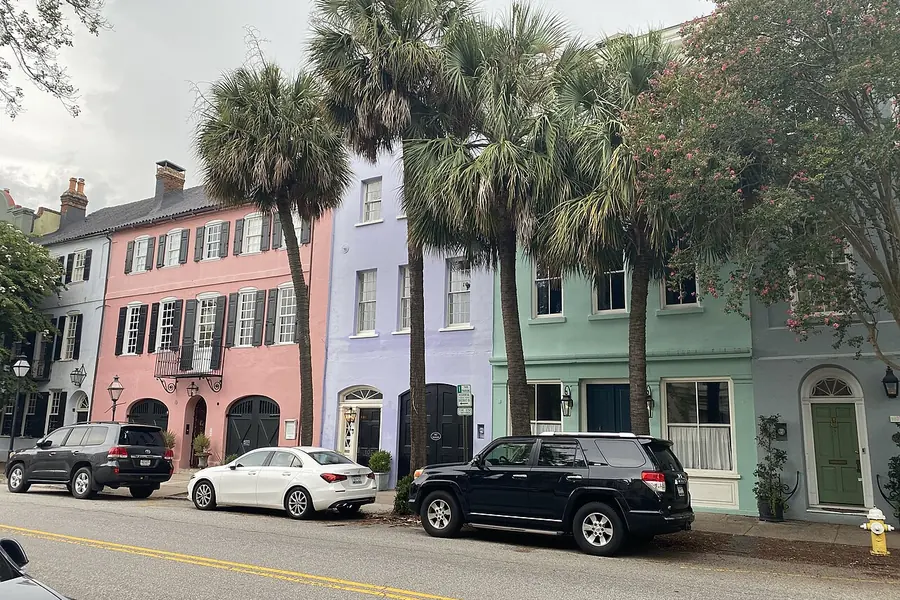
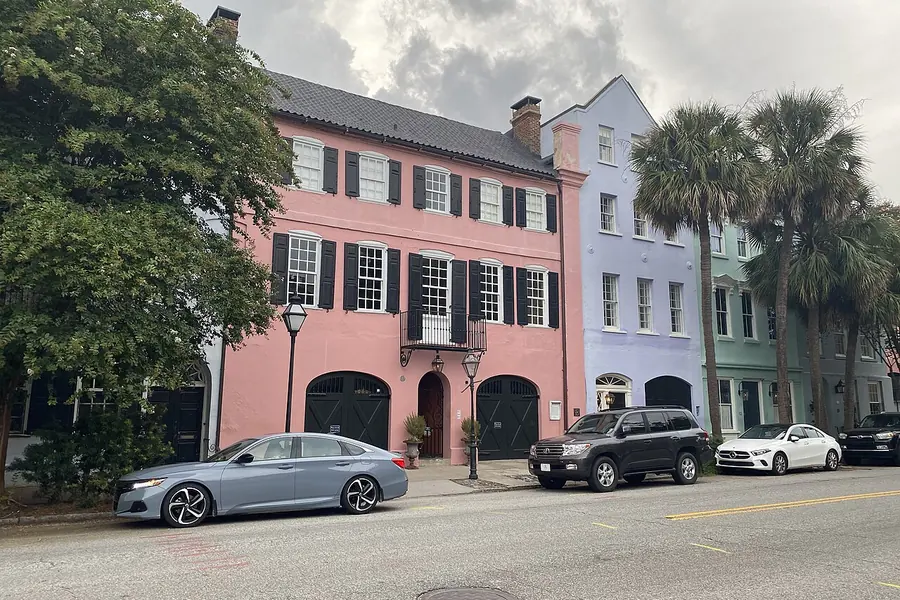
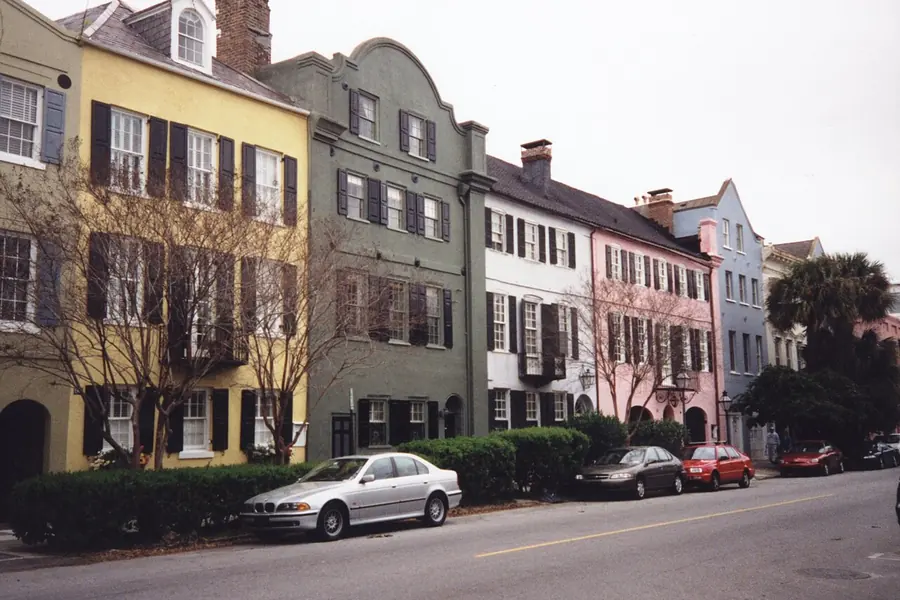
Rainbow Row (East Bay Street)Thirteen pastel Georgian townhouses built in the 1740s that somehow got more beautiful with every coat of paint.
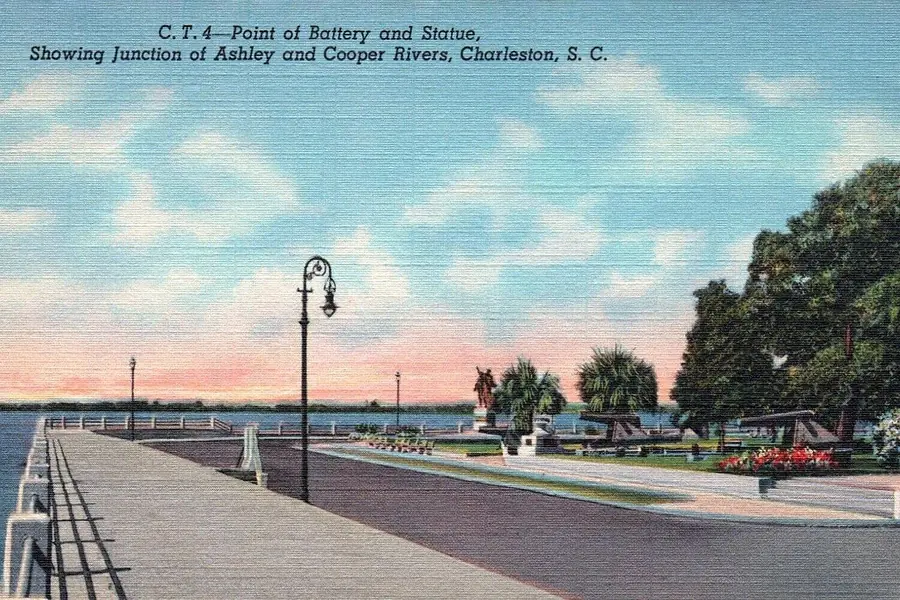
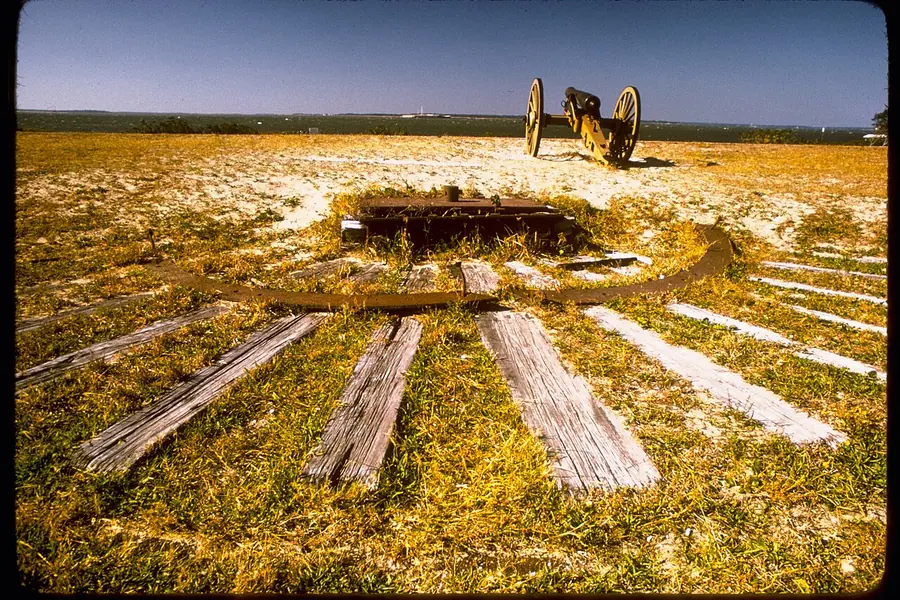
The Battery + White Point GardenWhere Charleston's cannons still point at Fort Sumter.
[ MARKET DISTRICT ]
Grand squares and big ideas.
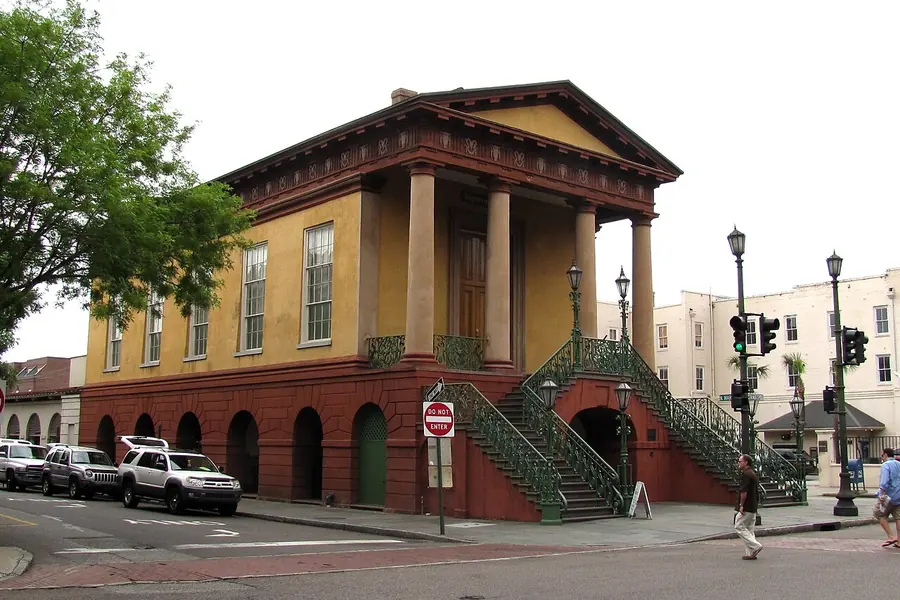
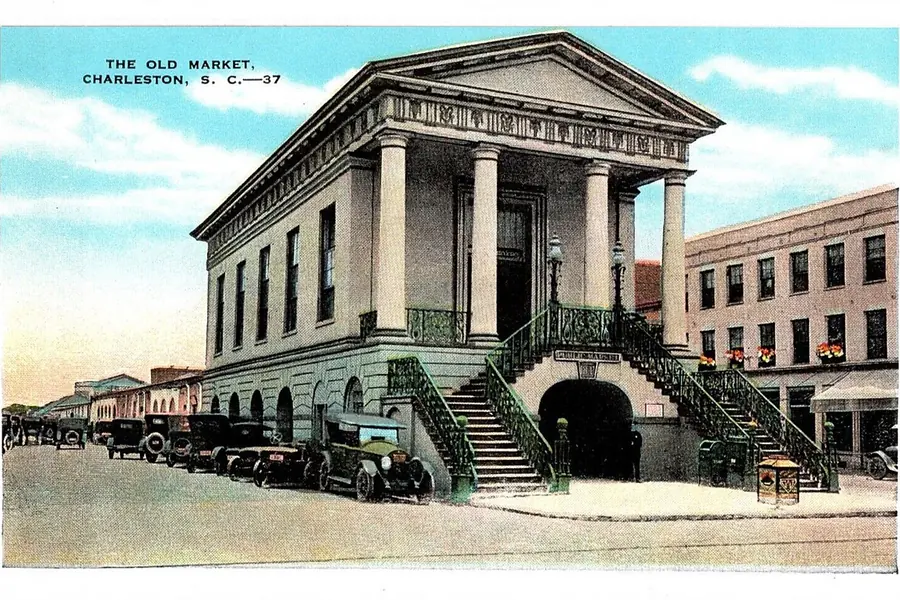
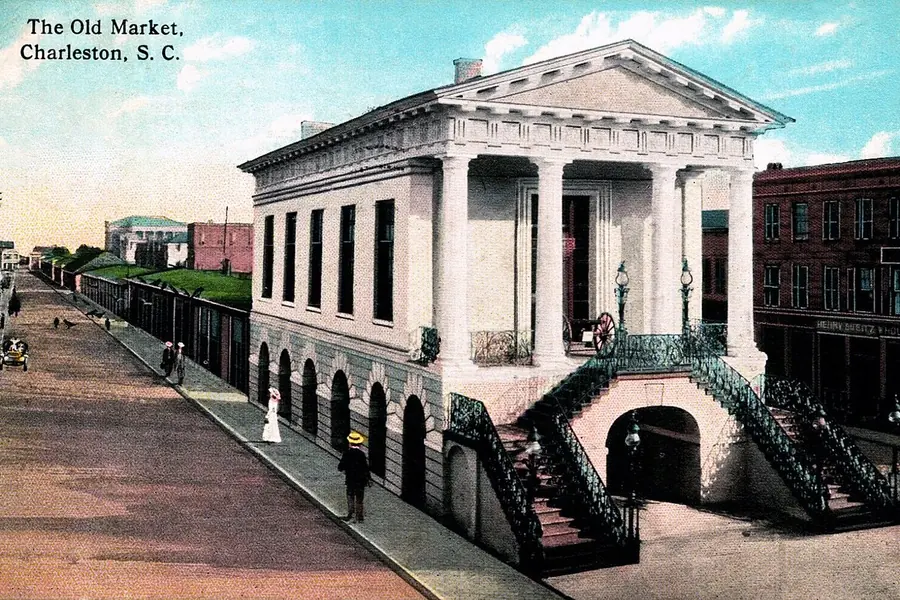
Charleston City Market — sweetgrass basketA craft tradition that crossed the Atlantic with enslaved people and has never stopped.
French Quarter — Dock Street Theatre + St.The oldest theatre district in America and the churchyard where the city began.
[ FRENCH QUARTER ]
Old stones, older stories.
Middleton Place PlantationAmerica's oldest formal gardens, and an honest accounting of who built them.
Sullivan's Island — beach afternoonThe barrier island that Charleston actually uses, because it doesn't advertise itself.
[ UPPER KING STREET ]
Stays up later than you do.
Penn Center, St. Helena IslandThe school that opened for freed people in 1862, while the war was still being fought.
Folly Beach — afternoonCharleston's beach. Not particularly glamorous. Completely charming.
[ FOLLY BEACH ]
Where the city meets the water.
Shem Creek Waterfront (Mount Pleasant)Where the shrimp comes from, before it comes to your plate.
Bowen's Island Restaurant — roasted oysterA shack on the marsh that has been serving oysters exactly this way since 1946.
[ MOUNT PLEASANT ]
Boats, bridges and reflections.
ACE Basin Kayak Tour250,000 acres of protected lowcountry estuary, most of it accessible only by water.
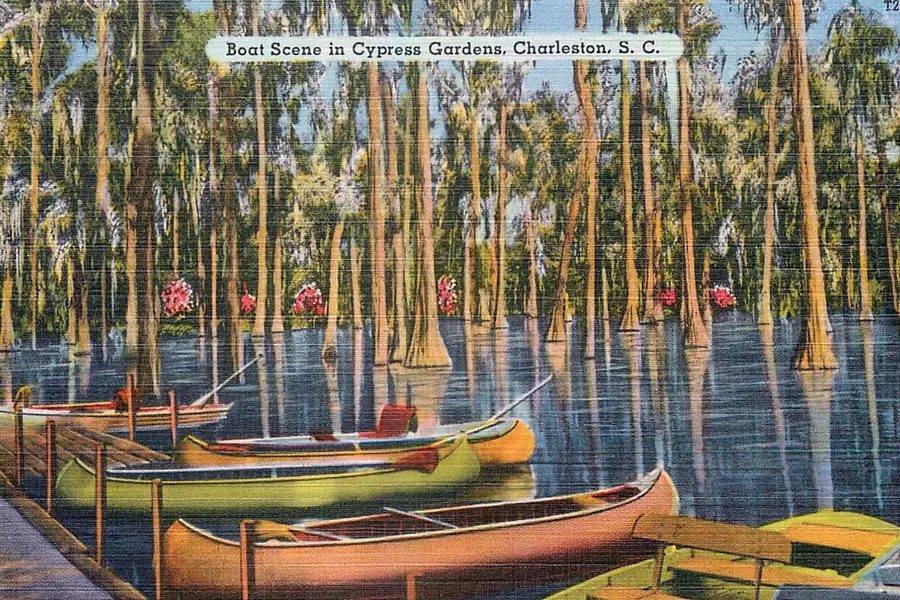
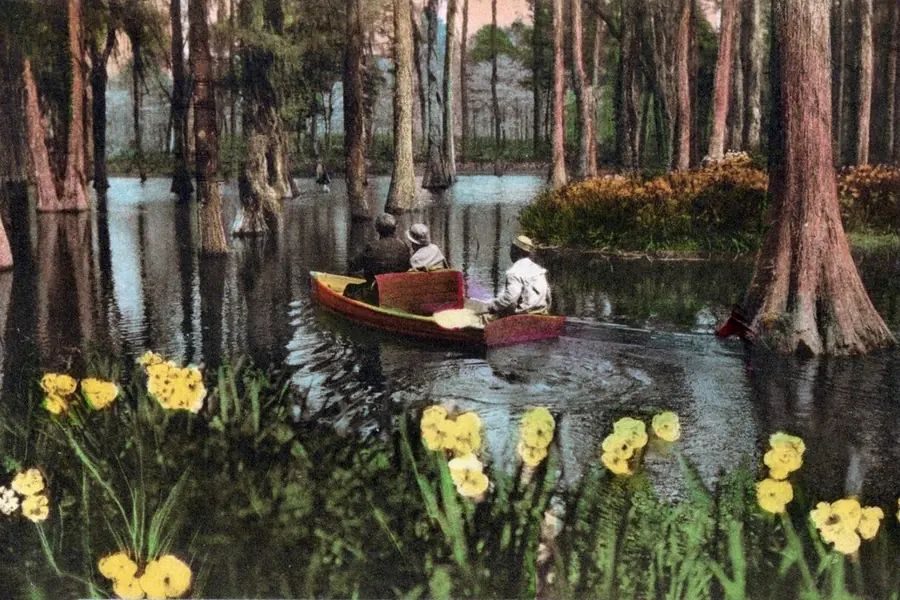
Cypress Gardens — flat-bottom boatThe swamp that The Notebook was filmed in. More beautiful than the movie.
Day 1
Rainbow Row + The Battery + Shrimp and Grits
The Charleston that appears on every postcard — and earns every pixel
Compact day: Rainbow Row first thing (golden hour light is best, but any morning light is sufficient), Battery walk, the Old Exchange Building, and one proper lowcountry lunch. Evening on King Street.
Take it slow. Charleston's historic district rewards walking without purpose. Let Rainbow Row happen organically from the south end of East Bay Street.
Rainbow Row (East Bay Street)
Thirteen pastel Georgian townhouses built in the 1740s that somehow got more beautiful with every coat of paint.
Rainbow Row is the most photographed street in Charleston and earns the attention. The houses date from 1740–1750, were merchants' homes and warehouses, fell into disrepair, and were rescued beginning in the 1930s by a woman who painted hers pink and started a trend. Best photographed from across East Bay Street, early morning, facing southeast.
Where Charleston's cannons still point at Fort Sumter.
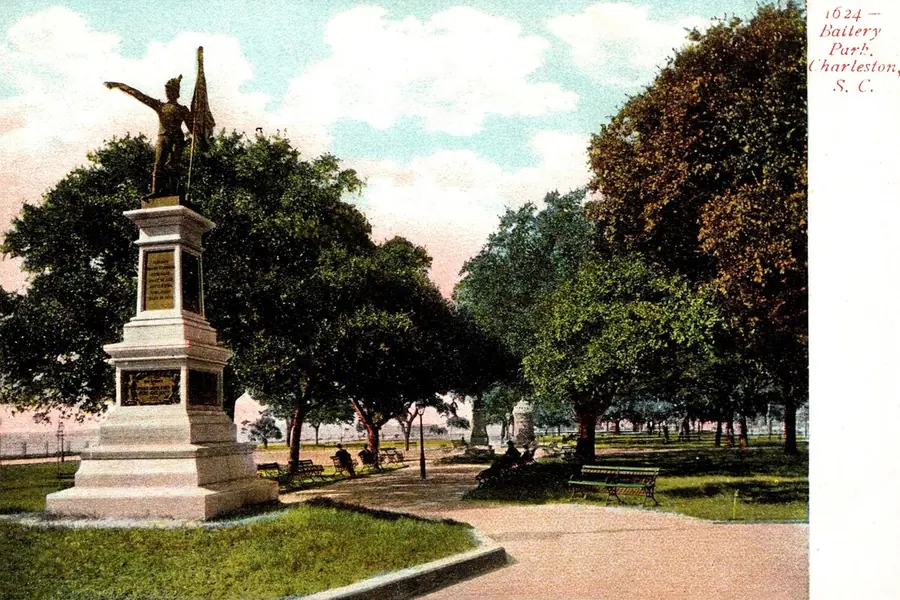
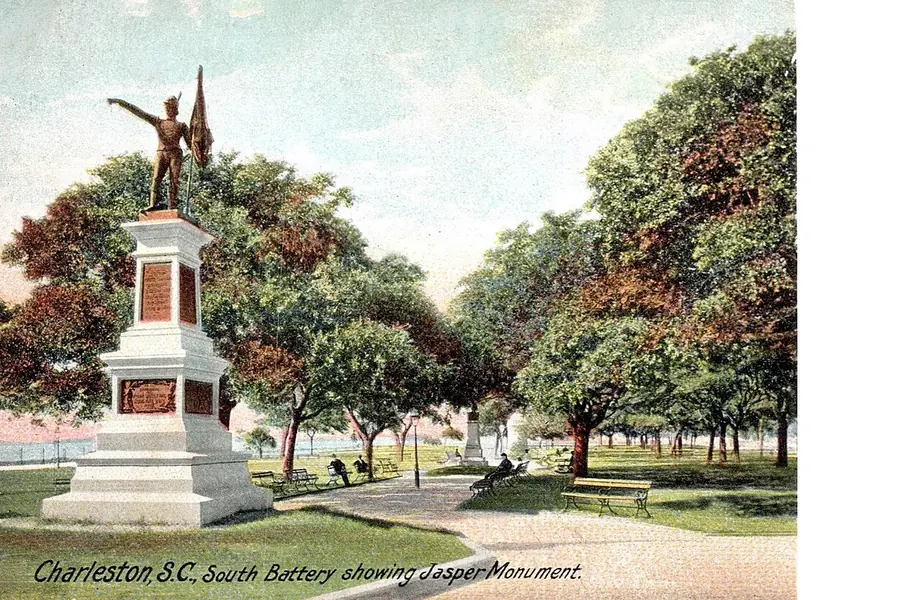
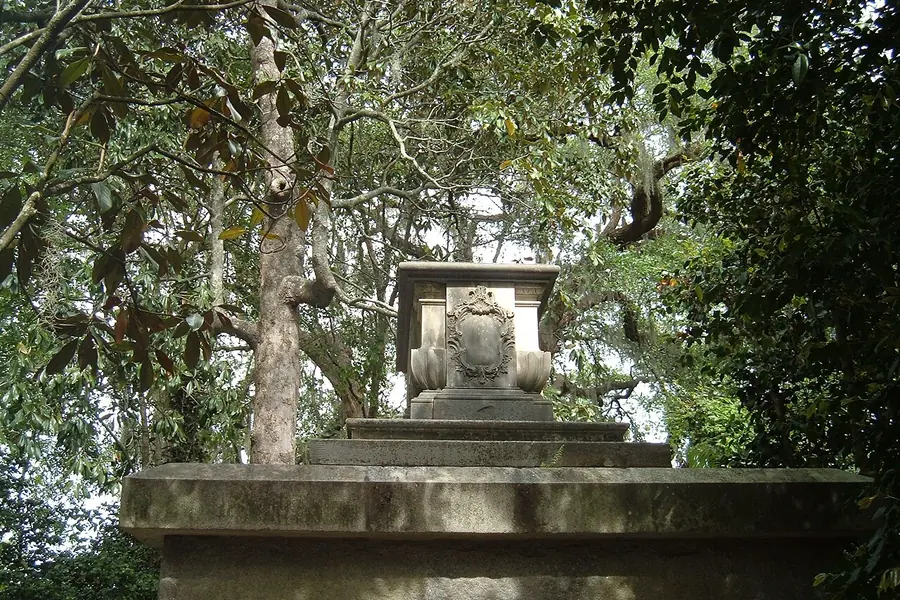
The Battery is a seawall promenade at the southern tip of the Charleston peninsula with views across Charleston Harbor to Fort Sumter (where the Civil War began) and Sullivan's Island. White Point Garden behind it has live oaks heavy with Spanish moss and the monuments that tell Charleston's complicated story, including a recent one that acknowledges the city's role in the slave trade.
The restaurant that made Sean Brock famous and the Southern food renaissance real.
Husk's rule: if it's not Southern, it's not on the menu. The building (an 1893 house on Queen Street) is as much the point as the food — but the food is remarkable. Order the Husk cheeseburger at lunch (it sounds understated; it is not) or whatever the smoked meat special is. The biscuits are not optional.
The spine of Charleston's social life, from antique dealers to cocktail bars.
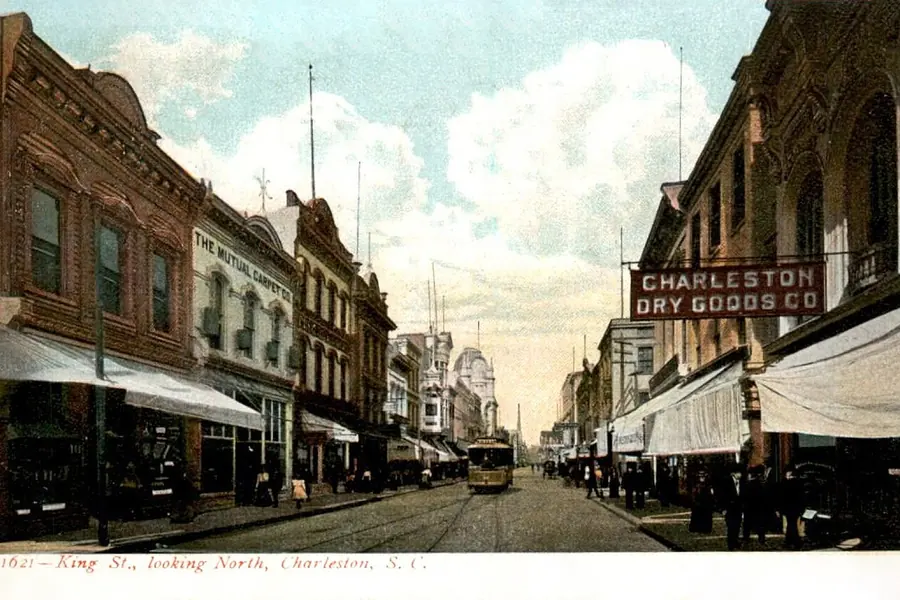
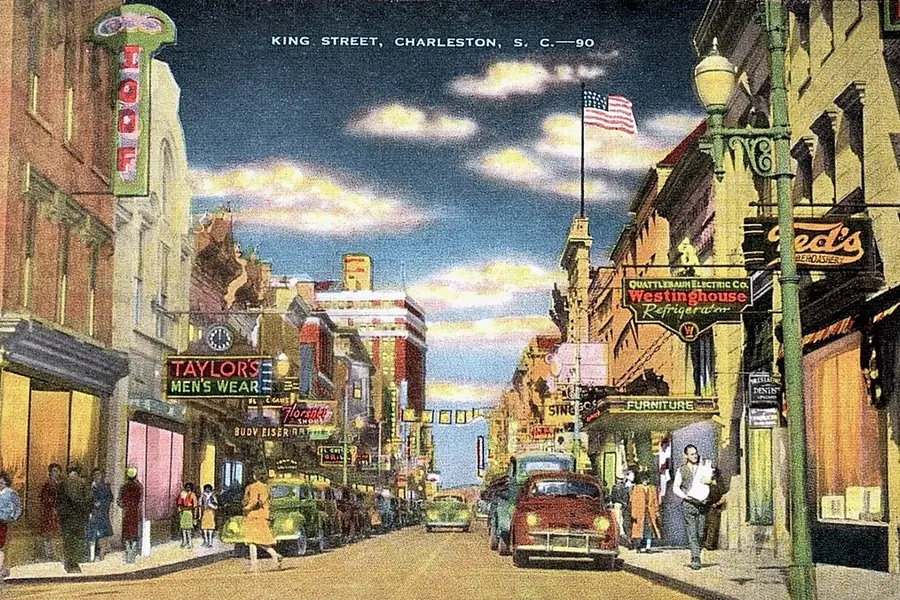
King Street runs the full length of the Charleston peninsula and changes character every few blocks: antique dealers in the lower stretch, fashion boutiques in the middle, cocktail bars and restaurants on Upper King. The Cocktail Club (Level 1) and Husk Bar are the correct stops for a first evening.
Four centuries of Charleston history in one compact day
Final morning. Charleston City Market first for the sweetgrass basket weavers (a Gullah Geechee tradition dating to West Africa). Fort Sumter boat tour if you can get a ticket; otherwise the harbor view from the Aquarium Wharf is free.
Market in the morning, French Quarter architecture walk after lunch, Fort Sumter boat tour in the afternoon. End at Edmund's Oast for dinner — the best beer list in Charleston plus excellent food.
Charleston City Market — sweetgrass basket demonstration
A craft tradition that crossed the Atlantic with enslaved people and has never stopped.
The sweetgrass basket weaving practiced at Charleston's City Market is a direct continuation of West African coiled basketry brought to South Carolina by enslaved people from Sierra Leone and Senegal in the 17th century. The women who weave at the market are continuing a four-century unbroken tradition. Buy a basket if you can — the prices are fair and the craft is extraordinary.
French Quarter — Dock Street Theatre + St. Philip's Church
The oldest theatre district in America and the churchyard where the city began.
Charleston's French Quarter (so named for the Huguenot settlers who arrived in 1680) is the city's most architecturally dense historic block. The Dock Street Theatre (1736) is the first purpose-built theatre in America. St. Philip's Church (1723) has a churchyard with graves predating the American Revolution. Walk slowly and look up.
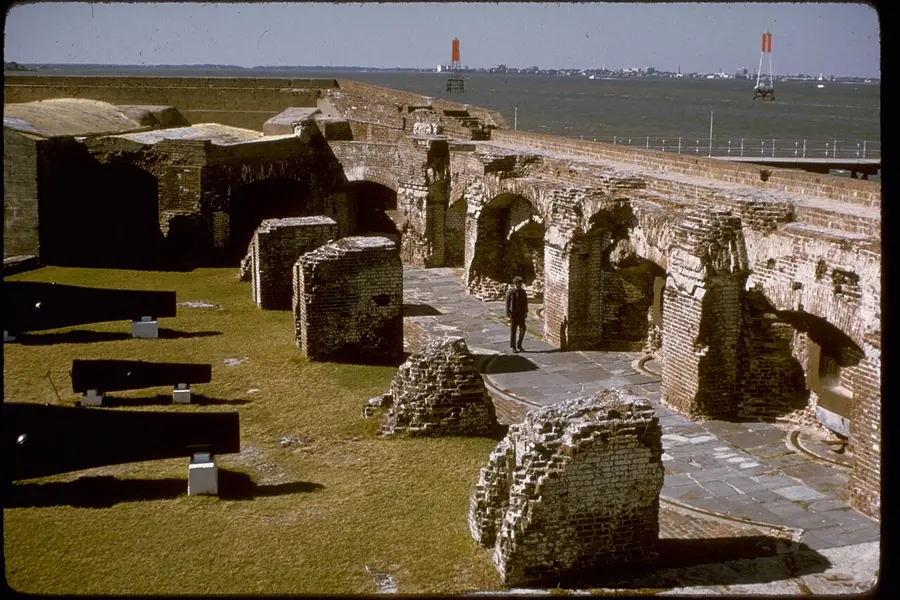
The harbor island where the Civil War started, at 4:30 AM on April 12, 1861.
The Fort Sumter boat tour departs from Liberty Square Wharf and takes 2.5 hours including time on the island. The NPS rangers give a thorough account of what happened here without flinching from why. The boat tour itself, across Charleston Harbor, offers the best views of the city's skyline and historic waterfront.
A converted 1927 bank building full of oysters on ice and very good cocktails.
The Ordinary occupies a former bank at 544 King Street and is one of the best seafood restaurants in the American South. Order the half-dozen local oysters first, then the shrimp and grits, then whatever the fish special is. The cocktail list reads like someone actually thought about it.
Confronting history in the morning, uncrowded beach in the afternoon
Drive to Middleton Place first (14 miles from downtown, 25 minutes). The plantation tour is honest about the history of the people who built it — this is not a mint julep experience. Back by early afternoon for Sullivan's Island, a barrier island beach that is everything Folly Beach is without the crowds.
Same plan but with more time at Middleton Place — the gardens are genuine 18th-century formal gardens and take more than the standard 90-minute tour to absorb. Stay for a second tour if available.
Middleton Place Plantation
America's oldest formal gardens, and an honest accounting of who built them.
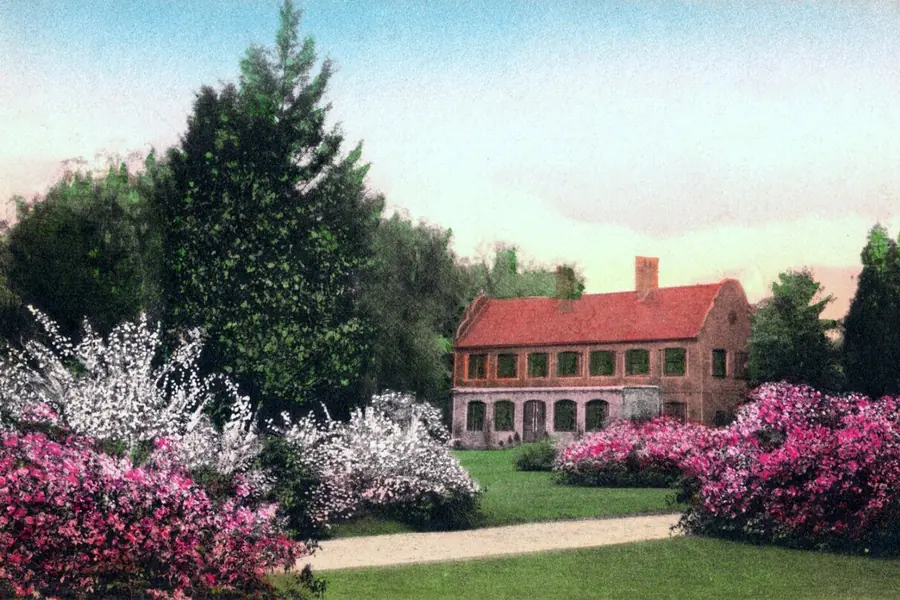
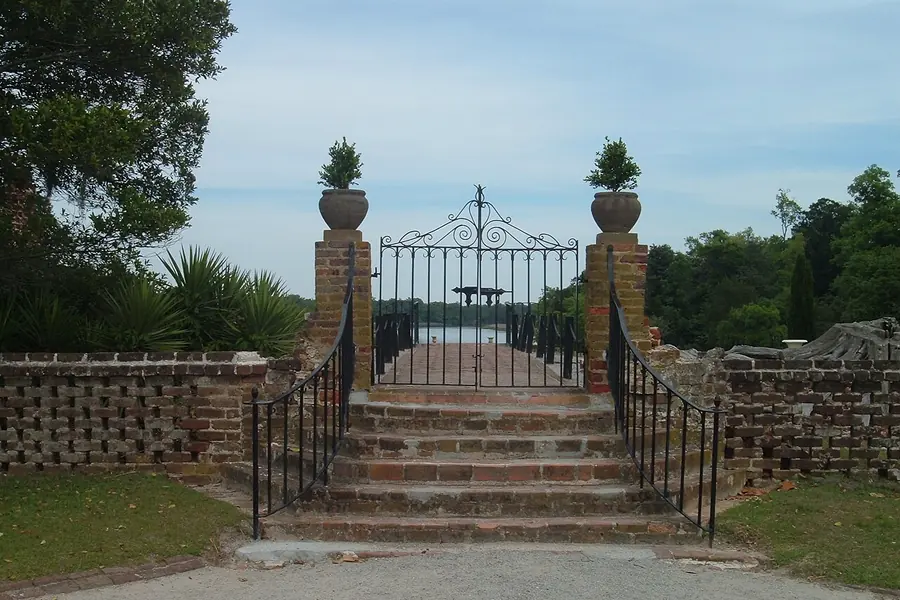
Middleton Place was built beginning in 1741 using the labor of enslaved people — a history the site does not elide. The Enslaved People of Middleton Place tour is the one to book. The formal gardens (America's oldest, 1741) are also genuinely beautiful in their terraced, geometric formality. Both things are true and the site holds both.
The barrier island that Charleston actually uses, because it doesn't advertise itself.
Sullivan's Island is a 20-minute drive from downtown and has a quiet beach that feels nothing like a tourist attraction. The town itself — a single main street of restaurants and the occasional bar — has been inhabited since 1670 and was, horrifyingly, the entry point for 40% of all enslaved Africans brought to North America. Station 22½ is the correct beach access. Poe's Tavern for dinner (Edgar Allan Poe was stationed here; the menu leans into this with considerable relish).
A burger bar named for the writer who was stationed here and hated it. The burgers are excellent.
Edgar Allan Poe was posted to Fort Moultrie on Sullivan's Island in 1827 and wrote 'The Gold-Bug' based on the island's geography. Poe's Tavern has leaned into this completely: the burgers are named after Poe stories (get The Raven — blue cheese, caramelized onions), the walls are decorated with Poe quotes, and the beer selection is better than it has any right to be.
Day 4
Gullah Culture + Folly Beach + Upper King Nightlife
Living culture in the morning, surf-adjacent afternoon, cocktails at night
Penn Center on St. Helena Island is the correct Gullah Geechee cultural site — it was a school for freed enslaved people from 1862 and is now a national historic landmark and cultural center. It's 65 miles from Charleston; if the drive is too far, the Gullah Museum in the market district is the shorter alternative. Folly Beach after lunch.
Same plan — Penn Center is worth the drive. St. Helena Island is one of the best-preserved Gullah communities in the lowcountry and the Penn Center tour is the most substantive cultural experience in the greater Charleston area.
Penn Center, St. Helena Island
The school that opened for freed people in 1862, while the war was still being fought.
Penn School opened in January 1862 — before the Emancipation Proclamation, in Union-held territory — to educate formerly enslaved people. Martin Luther King Jr. held SCLC strategy retreats here in the 1960s. The museum is the best introduction to Gullah Geechee history and culture in the lowcountry.
Charleston's beach. Not particularly glamorous. Completely charming.
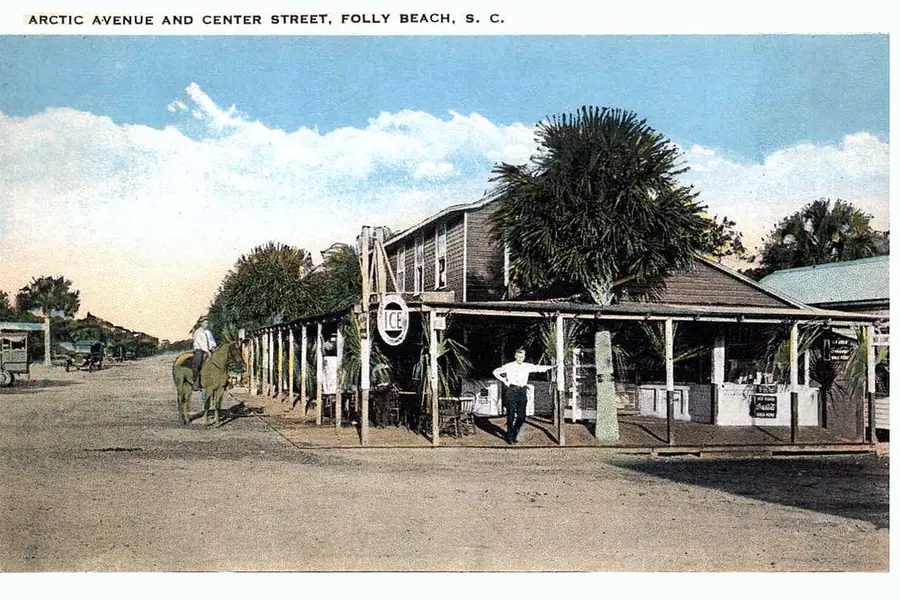
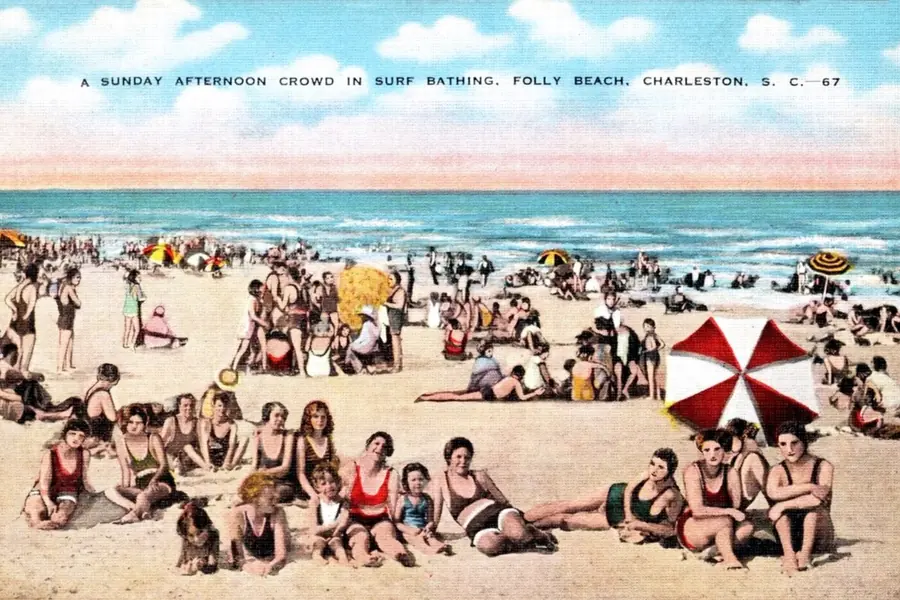
Folly Beach is a barrier island 11 miles from downtown with a funky, unpolished beach town character that distinguishes it from the resort beaches further south. The county park at the west end has the best sunset views. The pier at the east end has a bar called Pier 101. The main strip (Center Street) has a decent taco joint and an ice cream shop that has a line on weekday afternoons for good reason.
The best cocktail bar concentration in any Southern city.
Upper King Street (above Calhoun) has Charleston's best cocktail bars. The Gin Joint (classic cocktails, serious bartenders), Bar Mash (bourbon-focused, great Southern snacks), and Proof (wine and small plates if you need a pause from cocktails). Do the circuit north from Calhoun.
Waterfront crab and the view of Charleston from across the harbor
Cross the Ravenel Bridge to Mount Pleasant. Shem Creek is the shrimp boat harbor that supplies half of Charleston's restaurants — walking the boardwalk at mid-morning you'll see the boats unloading. Lunch at one of the waterfront restaurants. Return via Bowen's Island for the roasted oyster experience that locals treat as a pilgrimage.
Shem Creek Waterfront (Mount Pleasant)
Where the shrimp comes from, before it comes to your plate.
Shem Creek is a working shrimp boat harbor with a boardwalk that lets you watch the fleet unload. The creek connects to Charleston Harbor and at low tide exposes marshland that's full of egrets and roseate spoonbills (pink birds that look improbably tropical). The tiki bars on the boardwalk open for lunch; the view of the Ravenel Bridge from the creek is the best angle on the structure.
Bowen's Island Restaurant — roasted oysters
A shack on the marsh that has been serving oysters exactly this way since 1946.
Bowen's Island is not a restaurant in any conventional sense. It is a series of sheds on a tidal island at the end of a dirt road, where they shovel oysters onto a steel plate over a fire, cover them with a burlap sack, and deliver a roasting pan of steamed lowcountry oysters to your picnic table. Cash only (sometimes). The view of the marsh at sunset is free.
Mount Pleasant — dinner at Langdon's or Water's Edge
Eat across the harbor from the city you've been exploring.
Mount Pleasant has its own dining scene worth discovering. Langdon's does the kind of contemporary Southern cooking that uses local oysters, Sea Island grains, and lowcountry produce. The view of the Charleston peninsula across the harbor at night is extraordinary from any waterfront table in town.
Day 6
Kayak the ACE Basin + Cypress Gardens
The lowcountry's wild interior — blackwater and Spanish moss
The ACE Basin — the confluence of the Ashepoo, Combahee, and Edisto rivers — is one of the largest undeveloped estuarine ecosystems on the East Coast. A guided kayak tour through the basin's backwaters takes you through blackwater creeks under cypress canopy. Cypress Gardens (north of Charleston) offers the same landscape by flat-bottomed boat if kayaking isn't your mode.
ACE Basin Kayak Tour
250,000 acres of protected lowcountry estuary, most of it accessible only by water.
The ACE Basin National Wildlife Refuge protects the largest undeveloped estuary on the East Coast north of the Everglades. A guided kayak through the blackwater creeks — brown-tinted from tannins, the color of sweet tea — goes under live oak canopy and through salt marsh where alligators sun themselves on the banks and osprey fish overhead. Half-day tours depart from Edisto Island, 45 minutes from Charleston.
The swamp that The Notebook was filmed in. More beautiful than the movie.
Cypress Gardens is a 170-acre preserve of old-growth cypress swamp north of Charleston, accessible by flat-bottomed boat that you paddle yourself through channels between the trees. The reflections on the blackwater in afternoon light are extraordinarily beautiful. The Notebook was filmed here; the wildlife (wood storks, anhingas, cottonmouth snakes in the branches above you) is more interesting than the film.
The best craft beer in Charleston, plus food serious enough to make you forget you're in a brewery.
Edmund's Oast is a brewery and restaurant in North Charleston that has the city's most interesting beer list and takes its food as seriously as its brewing. The menu is seasonal and locally sourced; the house sour ales are remarkable; the space (a converted warehouse) is comfortable without trying too hard.
Day 7
Beaufort Day Trip + Hampton Park Farewell
The town that makes Charleston look hasty, then a slow goodbye
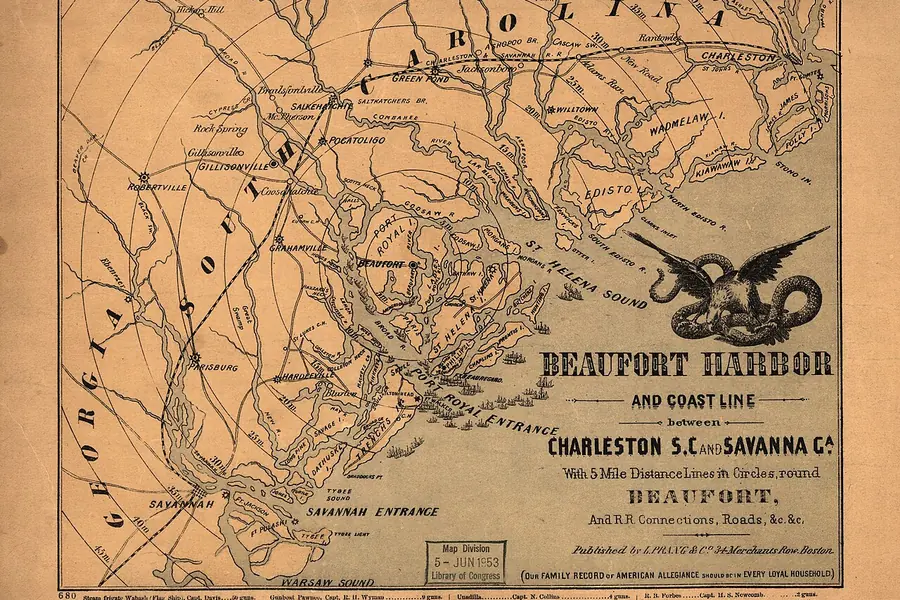
Beaufort is 70 miles south — an hour on US-17 through lowcountry landscape. It is the most beautiful small town in South Carolina and arguably the most beautiful in the American South: antebellum houses on the Beaufort River, a walkable main street, and a quietness that feels like what Charleston was before the tourists found it. Back for a final dinner in Charleston's French Quarter.
Beaufort, SC — Historic District + Bay Street
The town that made Pat Conroy a writer. You'll understand why after five minutes.
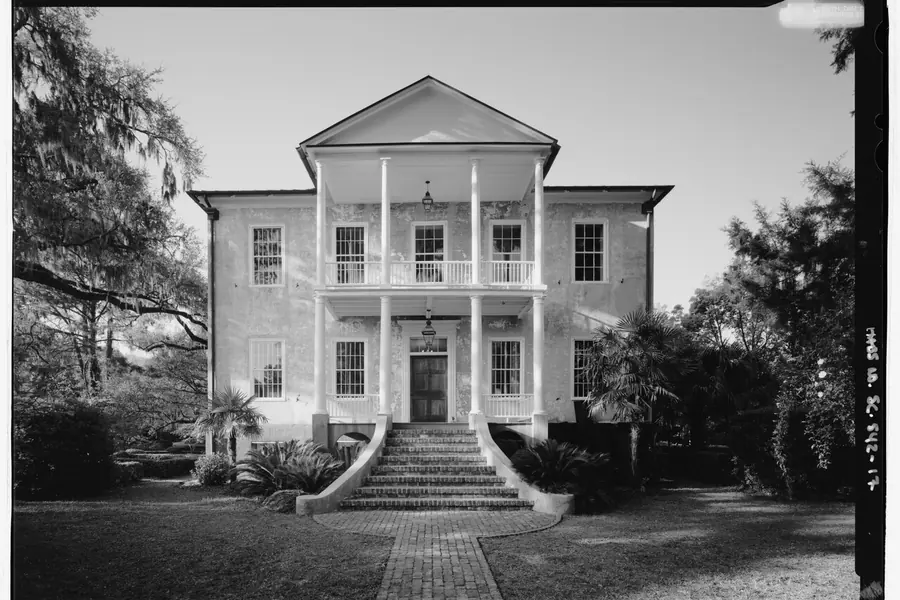
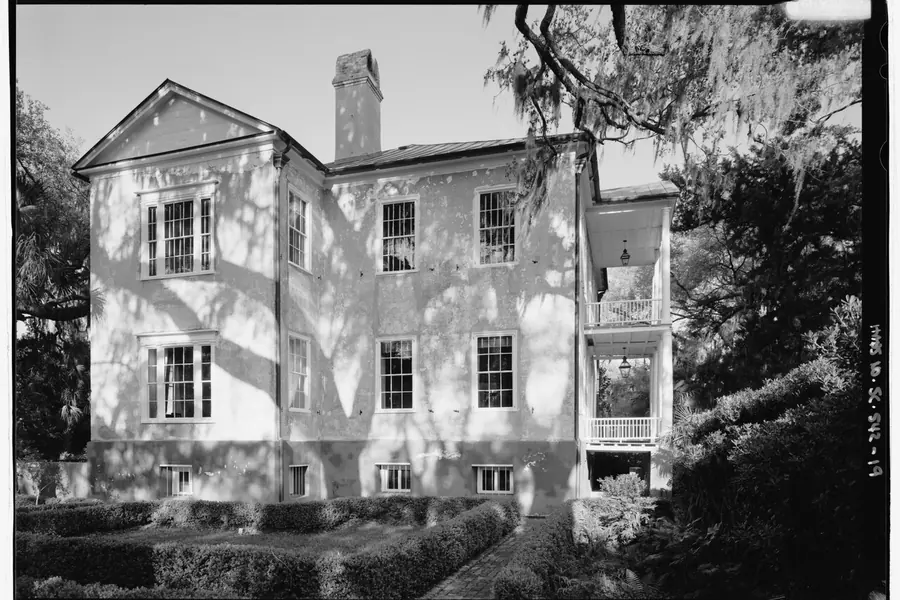
Beaufort's antebellum homes on the Beaufort River bluff are among the finest surviving examples of antebellum Southern architecture. Bay Street (the waterfront main street) has a bookshop, a lunch counter, and cafés where you can sit and watch the tidal river without anyone trying to sell you anything. Pat Conroy's grave is at St. Helena's Episcopal Church. The town is quiet in the best way.
The city park nobody told you about, which is exactly why it's perfect for a last afternoon.
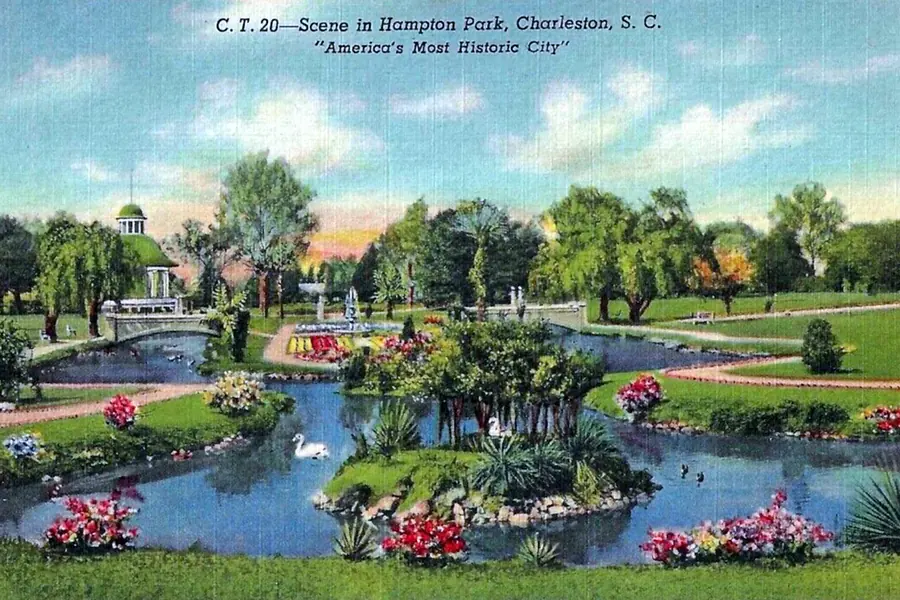
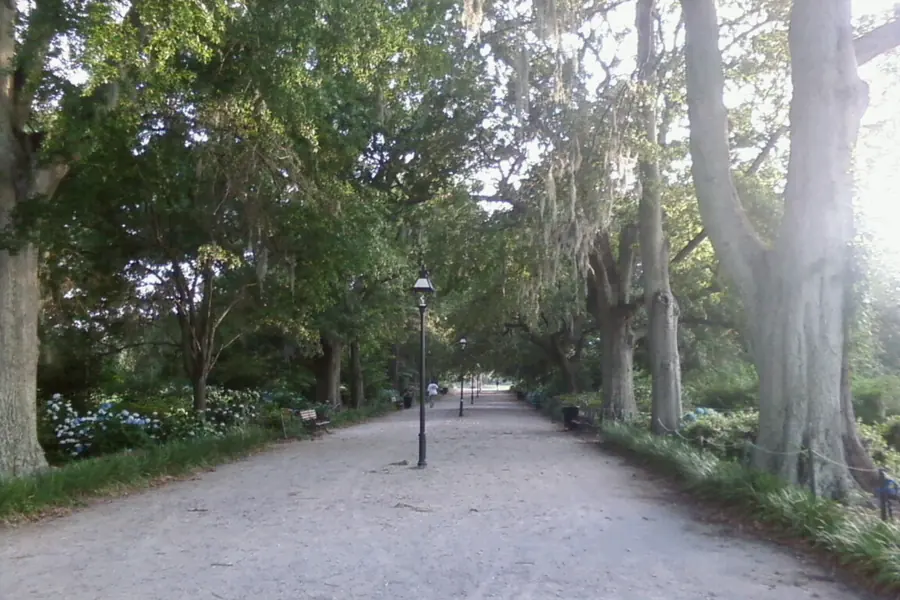
Hampton Park is a 20-acre city park in Charleston's North Central neighbourhood that has a fishing pond, old live oaks, and almost no tourists. The nearby neighborhood restaurants (Edmund's Oast is close; so is Lewis Barbecue) make it the correct anchor for a final Charleston afternoon that doesn't feel like a checklist.
French Quarter — farewell dinner at FIG or 167 Raw
The meal that explains why Charleston's food scene punches so far above its city size.
FIG (Food Is Good) on Meeting Street has been the benchmark for Charleston fine dining since 2003 and still deserves the reputation. 167 Raw is the oyster bar alternative — smaller, louder, more fun, equally excellent. Either way, this is the dinner you'll describe when people ask whether Charleston is worth the trip. The answer is yes.
Charleston is a city that has been beautiful long enough to know it, and old enough to have a complicated relationship with what that beauty cost.
The antebellum houses on Rainbow Row were built with wealth extracted from rice and indigo plantations worked by enslaved people. The Gullah Geechee basket weavers at the City Market are keeping alive a craft tradition that crossed the Atlantic against the weavers’ will. The city is simultaneously one of the most architecturally beautiful places in America and one of the most morally layered — and the best way to visit it is with both of those things in your head at the same time.
The food, separately, is extraordinary. The lowcountry culinary tradition (shrimp and grits, she-crab soup, oyster roasts, Gullah Geechee rice dishes) is one of America’s most distinctive regional cuisines, and Charleston’s restaurant scene has built on it to produce something that punches well above the city’s size.
The 2-day version gets you the architecture and one proper meal. The 7-day version gets you the culture, the coast, and the understanding.
Trip length
Historic highlights
Food must-do
Barrier island
2 days
Rainbow Row, Battery, Fort Sumter
Husk lunch
—
3 days
+ Middleton Place (honest tour)
The Ordinary oysters
Sullivan’s Island
4 days
+ Penn Center Gullah history
Bowen’s Island oyster roast
Folly Beach
7 days
All above + Beaufort day trip
FIG or 167 Raw farewell
Sullivan’s + Folly
This article contains affiliate links marked with rel="sponsored". We may earn a commission at no extra cost to you.