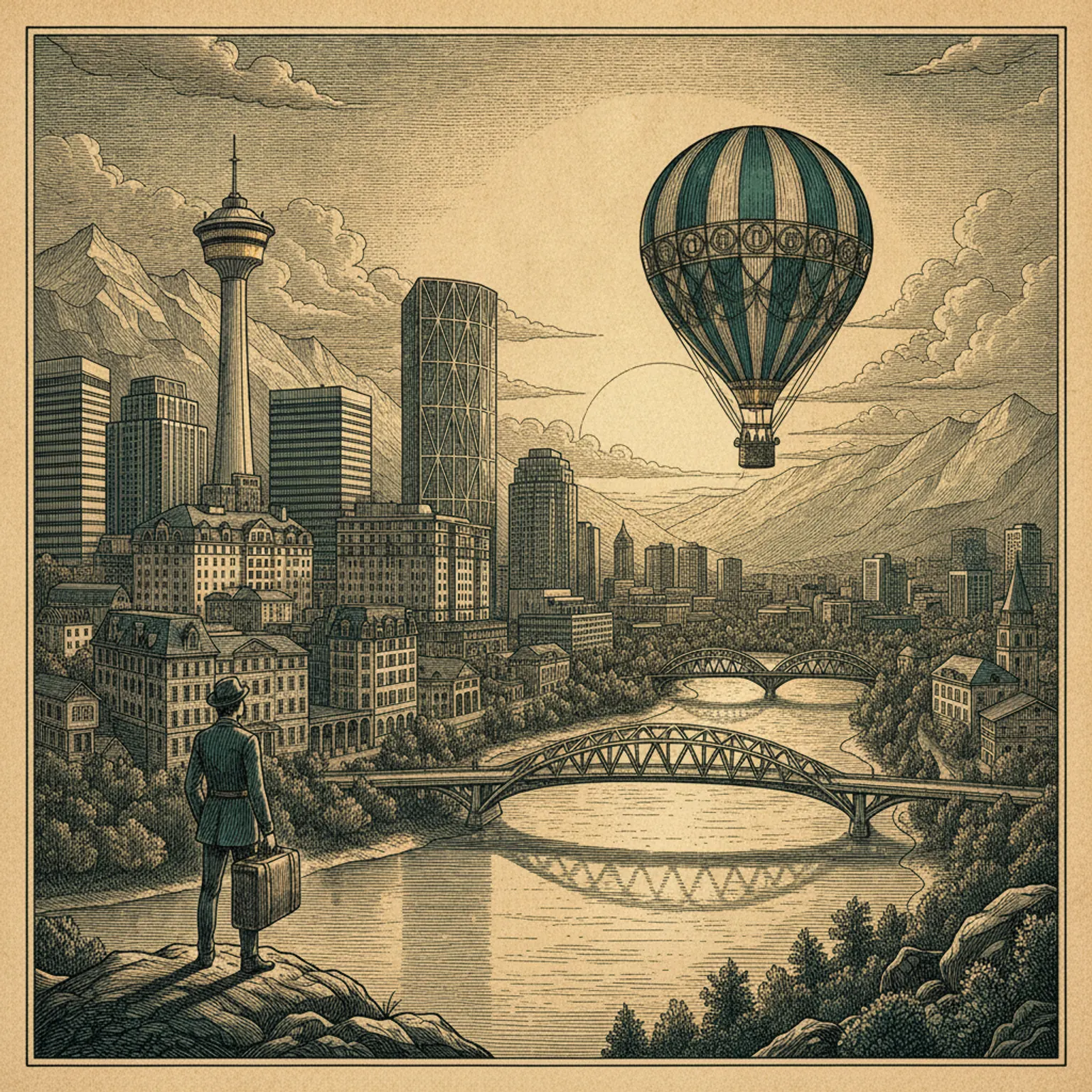
I came to Calgary for the Rockies and almost skipped the city entirely, which would have been a mistake. On my first evening a stranger in a cowboy hat bought me a Caesar at a 17th Avenue bar and explained, with total sincerity, that Calgary is "Texas but polite." Two days later I was eating a bison burger over the Bow River as kayakers floated past, the prairie light going gold, and the mountains a blue smudge on the western horizon. Cowtown grows on you fast.
The Perfect Calgary Itinerary (2, 3, 4 & 7 Days)
📅 Planning your dates? See the best time to visit Calgary — season-by-season weather, crowds, and prices.
Two days is the core: the Calgary Tower and Stephen Avenue on Day 1, then Prince's Island Park, a float down the Bow, and dinner-and-drinks on 17th Avenue. It's a walkable, low-stress city — you can do the highlights without ever renting a car.
If you're here in early July, the Stampede swallows the whole city for ten days. Book everything months ahead or avoid those dates entirely.
72 Hours: Add Heritage Park and the Hill
Three days adds Heritage Park (Canada's largest living-history museum) and a sweat up Tom Campbell's Hill or a stroll through Inglewood, the old brick neighbourhood with the best independent shops and a proper jazz bar. This is when Calgary stops being a layover and starts being a place.
4 Days: Banff or Drumheller Day Trip
Four days means a day trip, and you have two great options: Banff and Lake Louise (90 minutes west into the Rockies) or Drumheller and the Royal Tyrrell dinosaur museum (90 minutes east into the badlands). Mountains or dinosaurs — there are worse dilemmas.
7 Days: Calgary as a Rockies Base
A week lets you use Calgary the way it's best used — as a launchpad. Two or three days in the city, then Banff, Lake Louise, Moraine Lake, the Icefields Parkway, and the badlands. By the end you'll understand why locals don't envy people who live closer to an ocean. They've got the best mountains in North America an hour up the highway.
Estimated budget:$280-$520
Estimated budget:$400-$760
Estimated budget:$560-$1,060
Estimated budget:$980-$1,900
[ THE DISPATCH · FIELD MAP ]
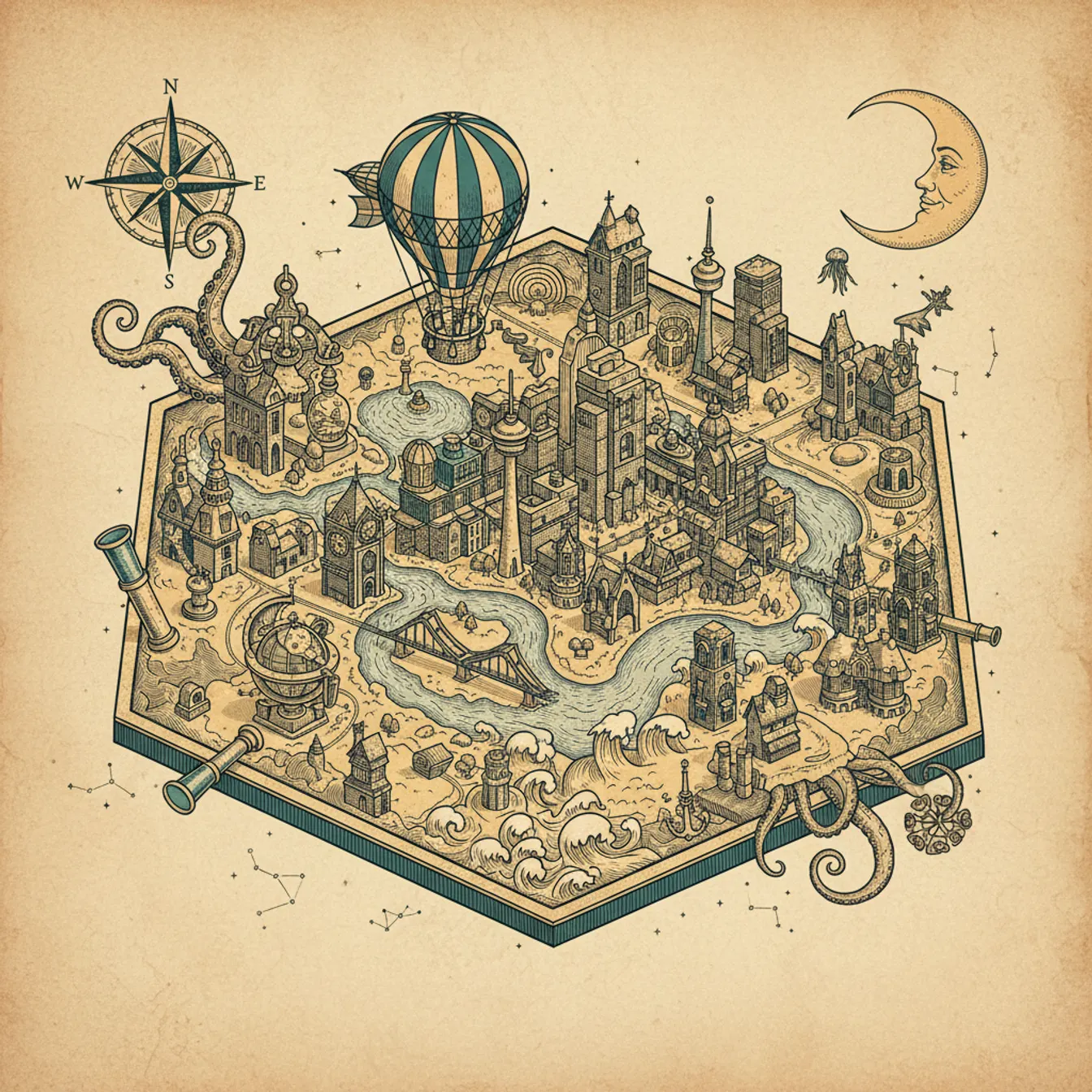
A tilted, hand-drawn dispatch of Calgary. Click a quarter to explode it open.
0 / 6 quarters explored
Legend · tap to highlight
[ DOWNTOWN CORE ]
Grand squares and big ideas.
Calgary TowerA 1960s observation tower with a glass floor that turns your knees to jelly.
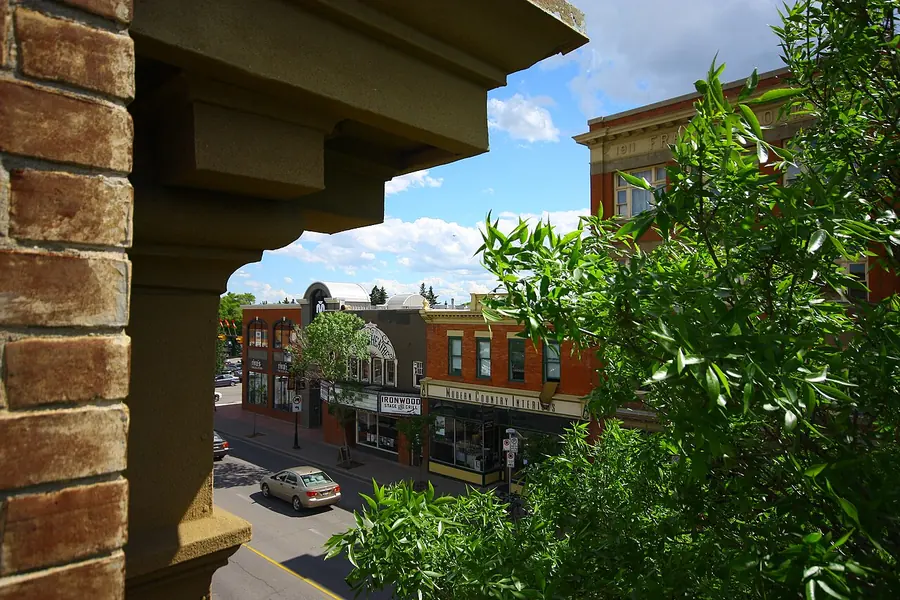
Stephen Avenue + lunchA pedestrianised sandstone high street that's the closest thing Calgary has to an old town.
[ BELTLINE / 17TH AVE ]
Stays up later than you do.
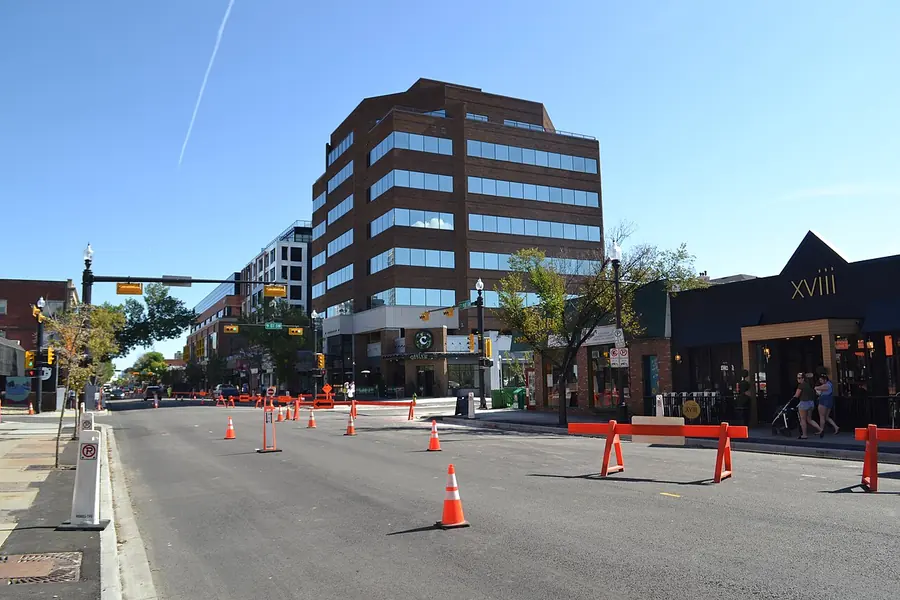
17th Avenue (the Red Mile)Calgary's nightlife strip — craft beer, patios, and the city's best people-watching.
[ EAST VILLAGE ]
Where the city meets the water.
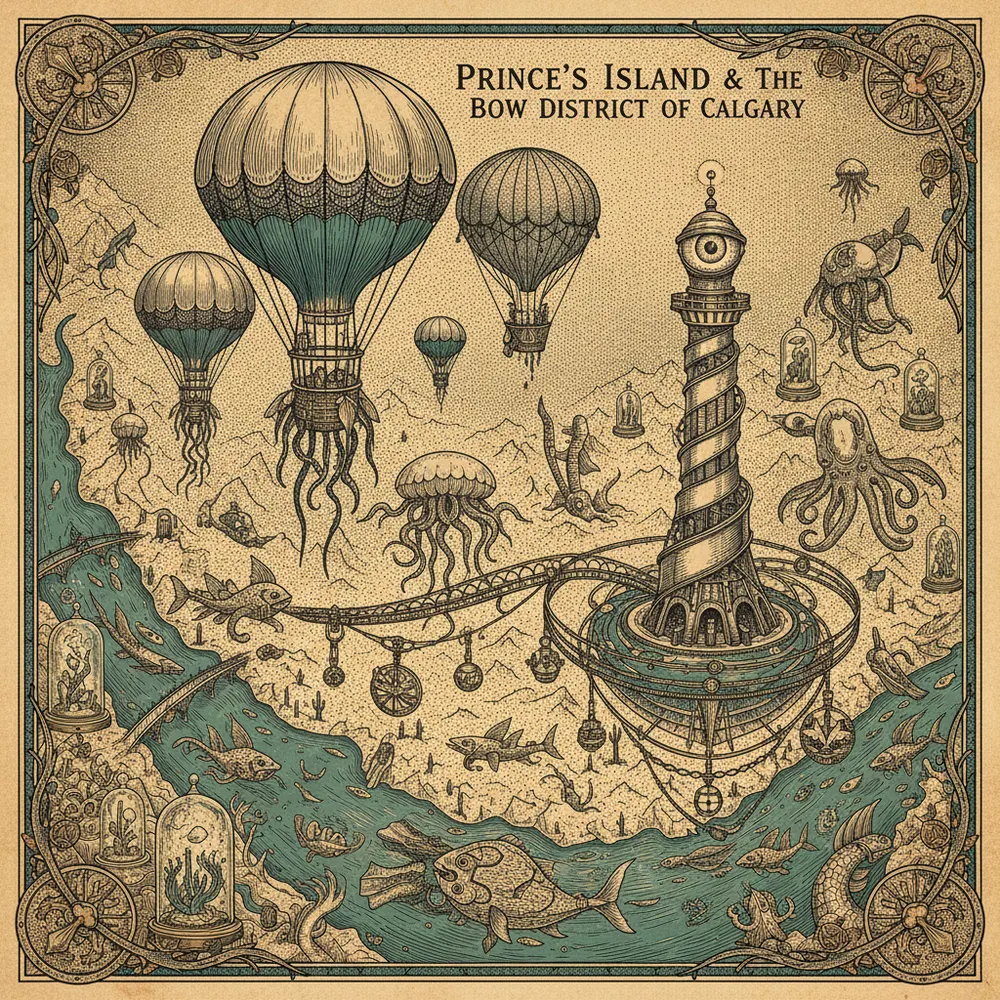
Prince's Island ParkA leafy river island in the middle of downtown, all paths, geese, and picnic lawns.
Float the Bow RiverRent a raft and drift through the city on glacier-fed water — Calgary's best summer ritual.
[ PRINCE'S ISLAND & THE BOW ]
Green breathing room.
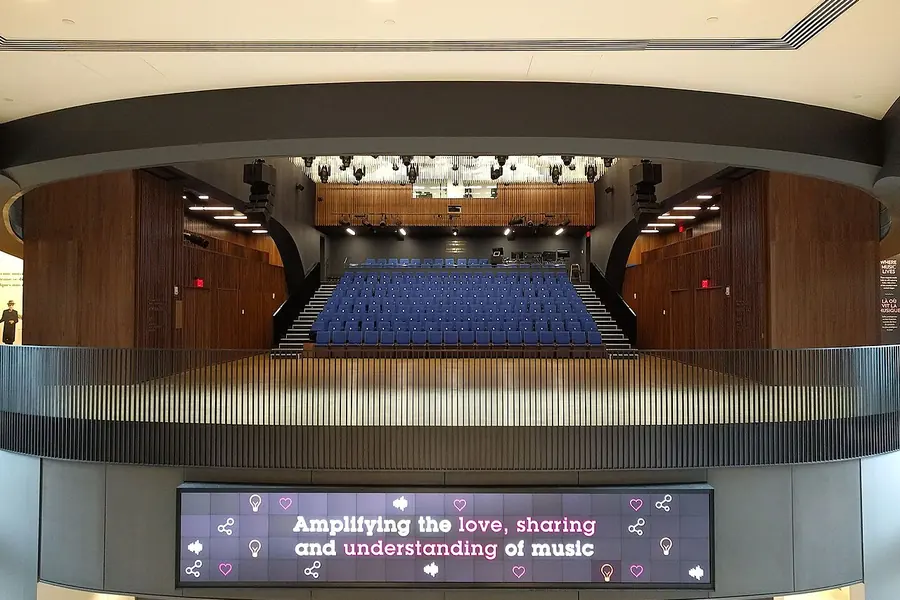
East Village + Studio BellThe reborn riverside district, home to Canada's national music centre.
[ INGLEWOOD ]
Old stones, older stories.
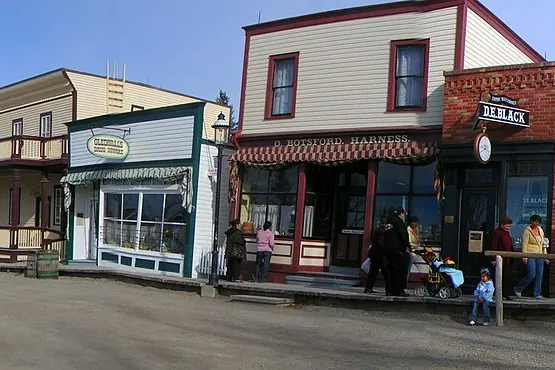
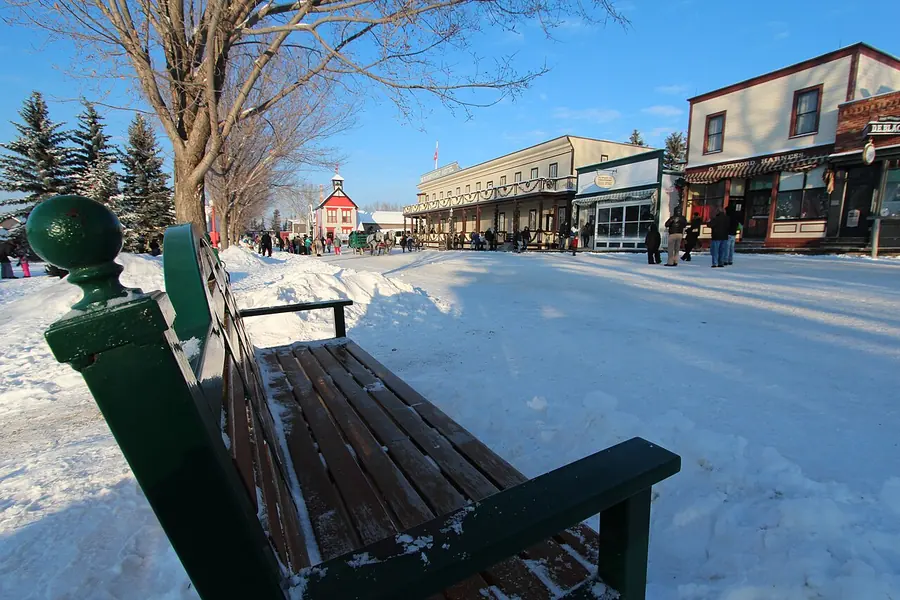
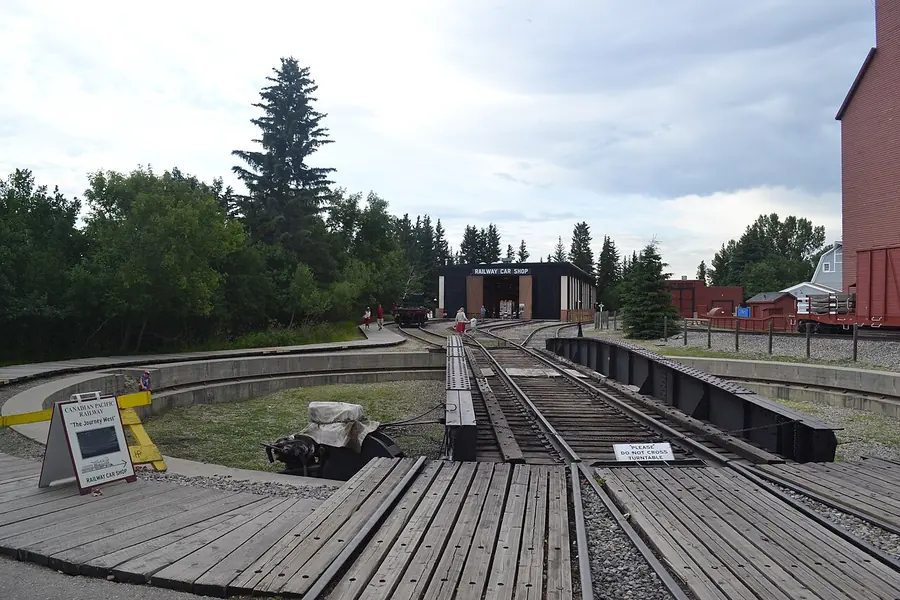
Heritage Park Historical VillageCanada's largest living-history museum — a whole frontier town with a working steam train.
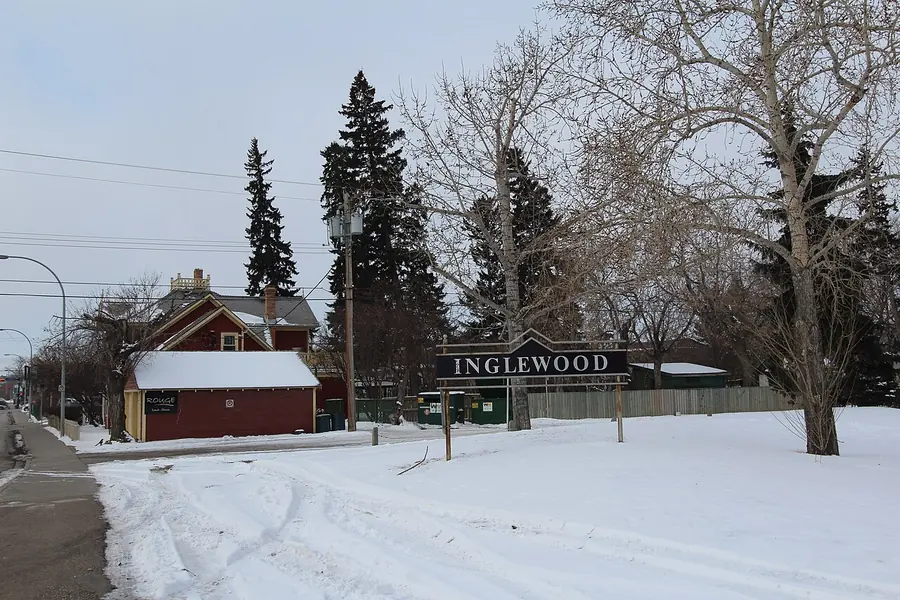
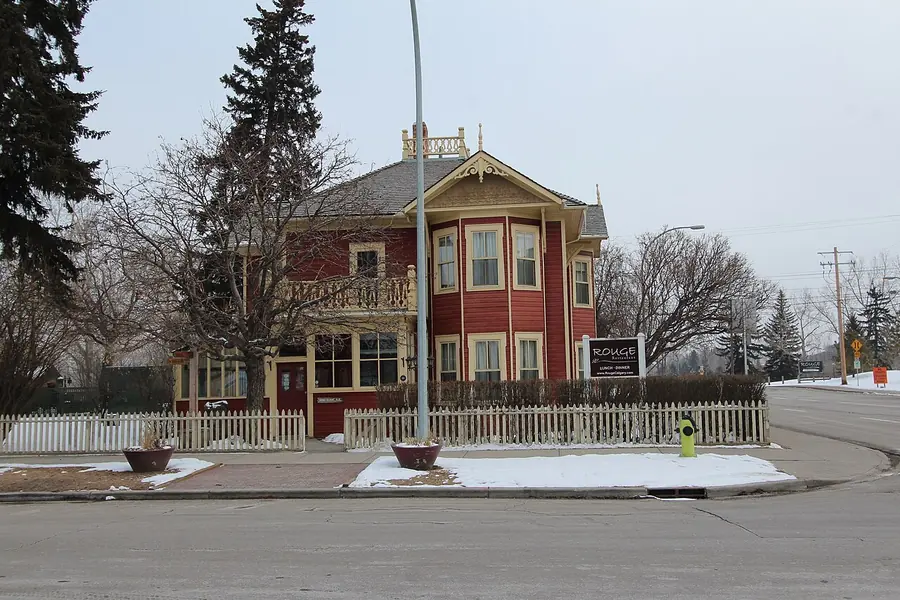
InglewoodCalgary's oldest neighbourhood — brick storefronts, vinyl shops, and the best jazz bar in town.
[ HERITAGE PARK ]
Green breathing room.
Heritage Park Historical VillageA museum worth your time.
Day 1
Downtown + Stephen Avenue + 17th Ave
The skyline, the historic high street, and the city's nightlife spine
Calgary Tower
A 1960s observation tower with a glass floor that turns your knees to jelly.
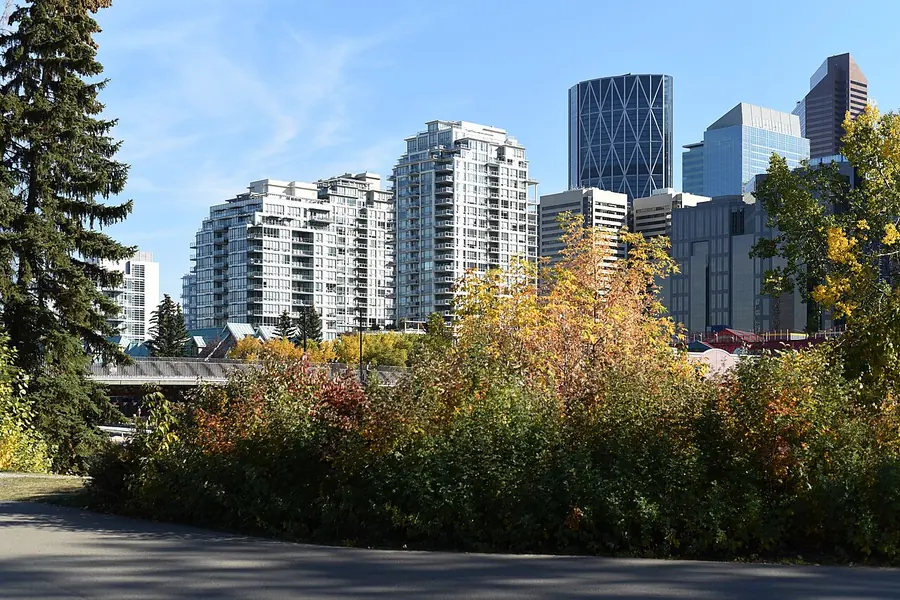
The 191-metre Calgary Tower has been the city's needle since 1968, and the glass floor near the top is the single most fun way to feel slightly sick on purpose. The 360-degree view lays out the whole deal: the grid downtown, the Bow River, and the Rockies on the western horizon on a clear day. Go up first to orient yourself, then you'll spend the rest of the trip recognising things.
A pedestrianised sandstone high street that's the closest thing Calgary has to an old town.
Stephen Avenue (8th Ave SW) is the city's historic pedestrian spine, lined with restored sandstone buildings, patios, and lunch spots. Grab a table at Charcut or duck into the food hall scene around Stephen Avenue Place. In summer it hums with buskers and office workers; the heritage facades are a genuine surprise in a city this young.
17th Avenue (the Red Mile)
Calgary's nightlife strip — craft beer, patios, and the city's best people-watching.
17th Avenue SW, nicknamed the Red Mile after the 2004 Flames playoff run, is where Calgary goes out. It's a dense run of bars, restaurants, and breweries — National on 17th for the rooftop patio, Proof for cocktails, Without Papers for pizza. Order a Caesar (Canada's national drink, invented here in spirit if not in fact) and settle in. The crowd is friendlier than any big city deserves.
Green space, a river float, and the new riverside district
Prince's Island Park
A leafy river island in the middle of downtown, all paths, geese, and picnic lawns.
Prince's Island Park sits in the Bow River a footbridge away from downtown — a proper urban oasis of paths, lawns, and the excellent River Cafe (worth a splurge lunch). Walk the loop, watch the paddleboarders, and cross to the north bank for Sien Lok Park and the start of the Bow River pathway, one of the longest urban path networks on the continent.
Rent a raft and drift through the city on glacier-fed water — Calgary's best summer ritual.
Floating the Bow is what Calgarians do on hot weekends. Rent a raft or tube (Lazy Day Raft Rentals and others run shuttles), put in at Baker Park or Bowness, and drift down past downtown to St. Patrick's Island. The water is glacier-cold and clear; bring a dry bag and sunscreen. A few hours on the river beats any museum on a July afternoon.
The reborn riverside district, home to Canada's national music centre.
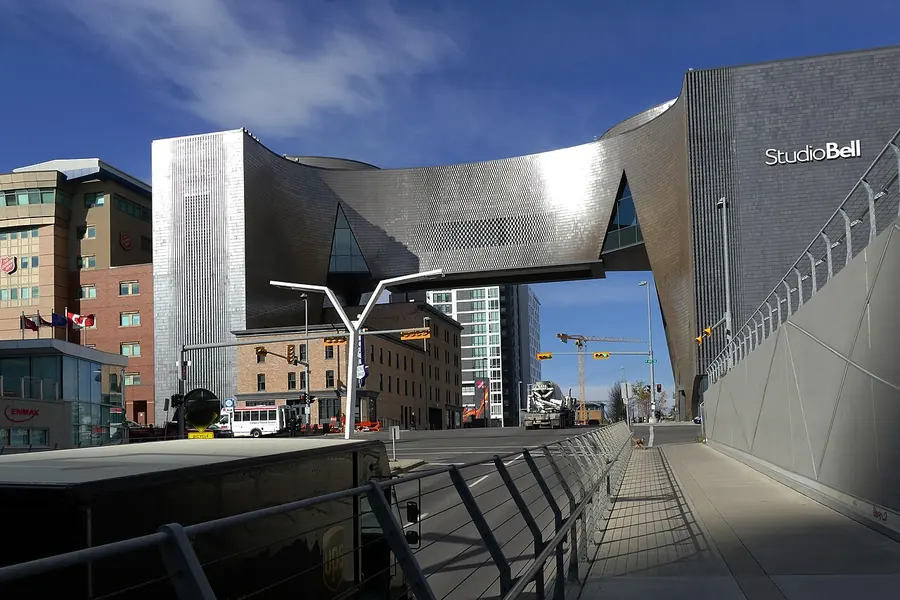
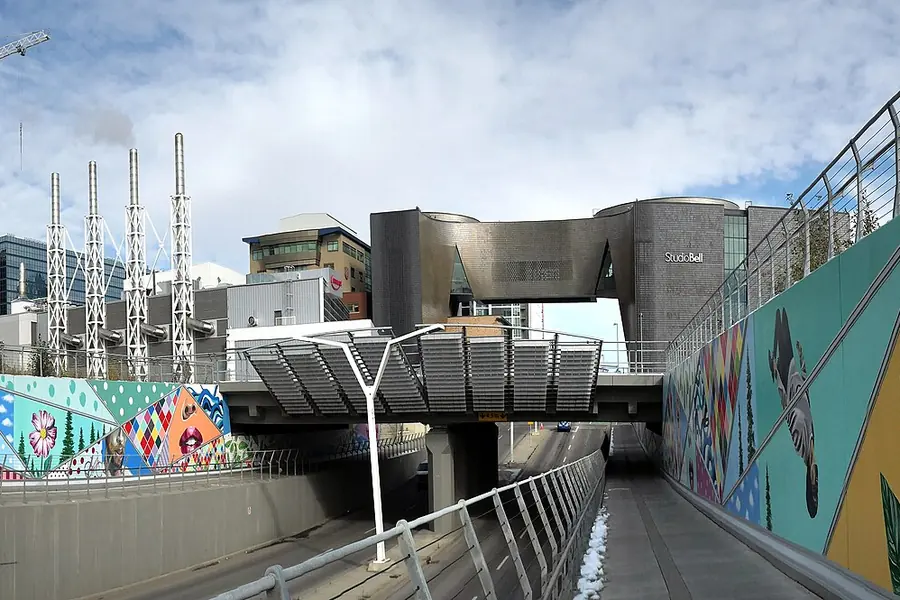
East Village was a rough corner of downtown that's been transformed into a riverside district of plazas, breweries, and the striking Studio Bell, home of the National Music Centre. Walk the RiverWalk, catch the view from the St. Patrick's Island bridge, and grab dinner and a pint at one of the Simmons Building eateries inside the old mattress factory.
Living history and the city's coolest old neighbourhood
Heritage Park Historical Village
Canada's largest living-history museum — a whole frontier town with a working steam train.
Heritage Park is a 127-acre living-history village recreating Western Canada from the fur-trade era to the 1950s, complete with a working steam train, a paddlewheel boat on the Glenmore Reservoir, and costumed interpreters. It's earnest, sprawling, and genuinely charming — antique midway rides, a 1900s main street, and freshly made doughnuts. Give it a half-day; kids and history nerds both win.
Calgary's oldest neighbourhood — brick storefronts, vinyl shops, and the best jazz bar in town.
Inglewood is Calgary's original main street, a strip of restored brick buildings now full of antique stores, record shops, breweries, and the legendary Ironwood Stage for live music. Browse the shops on 9th Avenue, grab coffee at Rosso, and stay for a craft pint. It's the most characterful neighbourhood in a city that's still figuring out it has character.
A mountain resort town wedged between peaks, with elk that wander the streets.
Banff is a 90-minute drive west on the Trans-Canada and the easiest taste of the Rockies from Calgary. Walk Banff Avenue, ride the gondola up Sulphur Mountain for the panorama, and soak in the Banff Upper Hot Springs. Bow Falls and the Fairmont Banff Springs hotel (the "castle in the Rockies") are a short stroll from town. Buy your Parks Canada pass before you go.
Lake Louise + Moraine Lake
The two most photographed lakes in Canada — and they earn it.
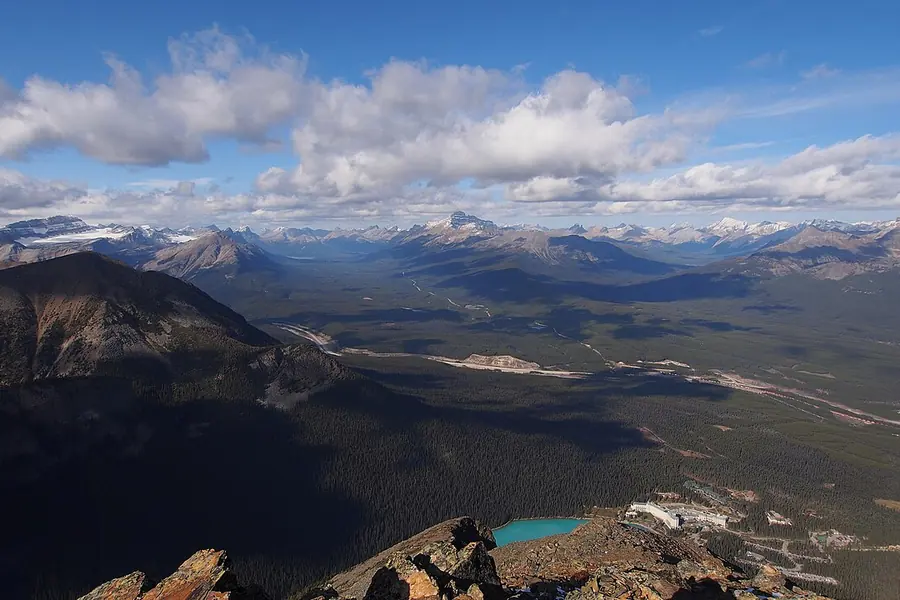
Lake Louise is the postcard: turquoise glacial water beneath Victoria Glacier, with a canoe dock and a lakeside trail. Moraine Lake, in the Valley of the Ten Peaks, is arguably even better but now requires a shuttle or guided tour (private cars are banned). Both are an hour past Banff. Go early — the parking and shuttle situation is the only thing that can ruin a perfect day.
Dinosaurs, hoodoos, and Alberta's strange other landscape
Royal Tyrrell Museum
One of the world's great dinosaur museums, in the middle of the badlands.
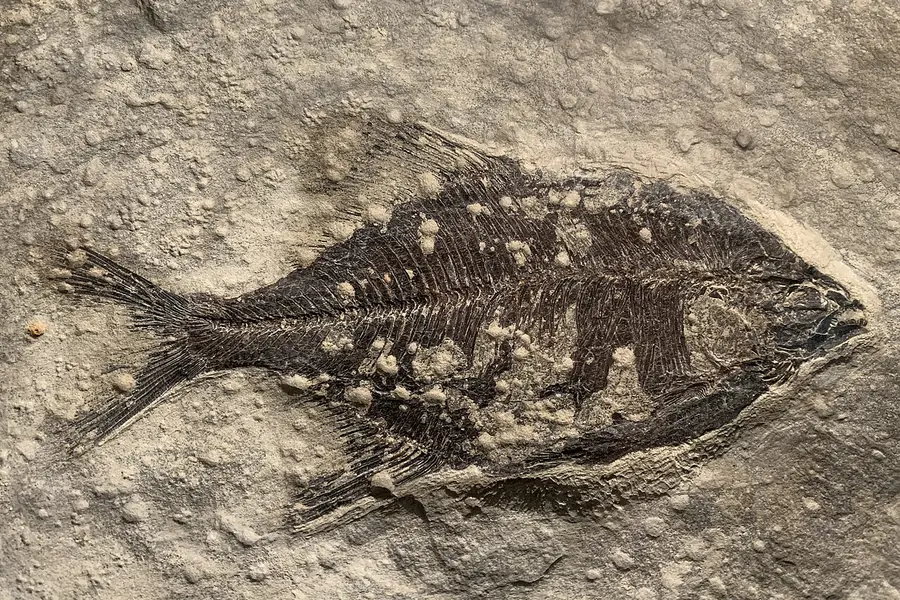
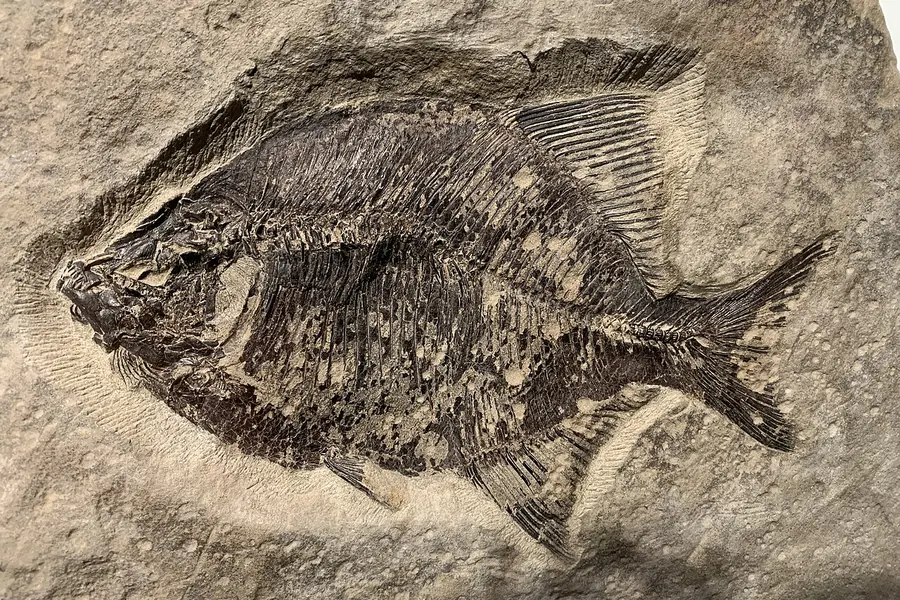
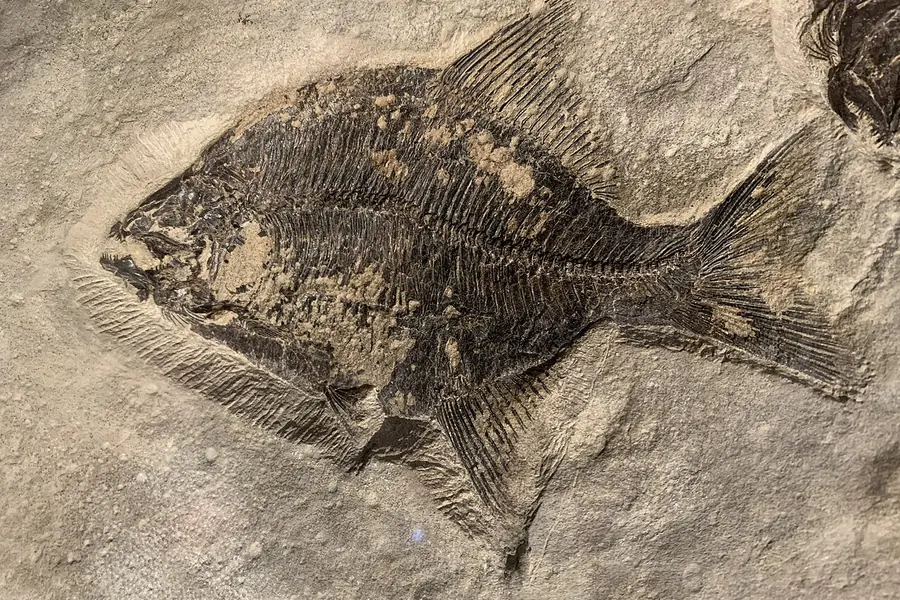
The Royal Tyrrell Museum in Drumheller (90 minutes northeast) is a world-class palaeontology museum with one of the largest dinosaur displays on earth — full Tyrannosaurus skeletons, a wall of Albertosaurus, and fossils pulled straight from the surrounding badlands. It's the reason dinosaur-obsessed kids beg their parents to come to Alberta. The building itself is excellent.
Eroded sandstone spires and a mini Grand Canyon in the middle of the prairie.
The Drumheller badlands are a surreal moonscape of striped buttes, hoodoos (mushroom-shaped sandstone pillars), and Horseshoe Canyon, a gash in the flat prairie you don't see coming until you're at the edge. Drive the Hoodoo Trail, cross the Bleriot ferry, and gawp at the World's Largest Dinosaur, a 26-metre fibreglass T. rex you can climb inside. Gloriously weird.
Day 6
Icefields Parkway
The most beautiful drive in North America
Icefields Parkway (Highway 93)
230 km of glaciers, waterfalls, and turquoise lakes between Lake Louise and Jasper.
The Icefields Parkway is regularly called the most scenic drive in the world, and for once the hype holds. From Lake Louise it climbs past Peyto Lake (a wolf-head shape of impossible blue), Bow Lake, and the Weeping Wall. You don't have to drive all 230 km to Jasper — even the first two hours to the Columbia Icefield deliver more beauty per kilometre than anywhere else on the continent.
Walk on a glacier, or stand on a glass skywalk over a 280-metre drop.
The Columbia Icefield feeds the Athabasca Glacier, which you can actually walk on via the Ice Explorer all-terrain buses, or view from the Glacier Skywalk, a glass-floored platform jutting over the valley. It's touristy and pricey, but standing on ancient ice that's retreating in front of your eyes is a sobering, unforgettable thing. Dress warm; it's winter up here even in July.
Day 7
Calgary Wind-Down + Stampede Spirit
A last city day, slow and Western
Calgary Zoo + St. George's Island
One of Canada's best zoos, on a river island, with pandas' worth of charm.
The Calgary Zoo on St. George's Island is consistently ranked among Canada's best — strong on conservation, with a Canadian Wilds section (grizzlies, wolves, whooping cranes) and the Prehistoric Park full of life-size dinosaur models among real badlands plants. It's a relaxed, leafy way to spend a final morning, and the river setting is lovely.
A Western farewell dinner
Alberta beef, a Caesar, and a last toast to Cowtown.
End where Calgary's heart is: a proper steak. Alberta beef is no marketing slogan — try Charbar in the East Village for a wood-fired chop, or the old-school Caesar's Steak House downtown. Order an Alberta ribeye and one last Caesar, tip your imaginary hat, and admit that the city you almost skipped turned out to be the perfect base for the best mountains on earth.
Calgary gets a bad rap from people who’ve never been. They picture oil offices and a cowboy festival and not much else. They’re wrong on the second count and wildly underselling the first: this is a young, friendly, surprisingly handsome city wedged between the endless prairie and the best mountains in North America.
This itinerary is built on one honest truth — Calgary is a fantastic base. The city itself is genuinely worth two or three days: the river floats, the 17th Avenue patios, the brick charm of Inglewood, the dinosaur museums. But the seven-day version is where it really sings, because an hour west the Trans-Canada delivers you into Banff, Lake Louise, and the Icefields Parkway, and 90 minutes east lies the strange dinosaur country of the badlands.
The 2/3/4/7-day versions scale outward. Two days is downtown and the Bow. Four days adds a Rockies or badlands day trip. Seven days uses Calgary as a launchpad for the full Alberta highlight reel.
A few honest notes. Summer is the season — the city only really comes alive June through September, and the Stampede in early July is either the best or worst time to visit depending on your tolerance for crowds and line-dancing. Rent a car for the day trips; transit won’t get you to the mountains. And bring layers, because the weather here changes its mind faster than anywhere I’ve been. Use the duration filter above to build your version of Cowtown.
This article contains affiliate links marked with rel="sponsored". We may earn a commission at no extra cost to you.