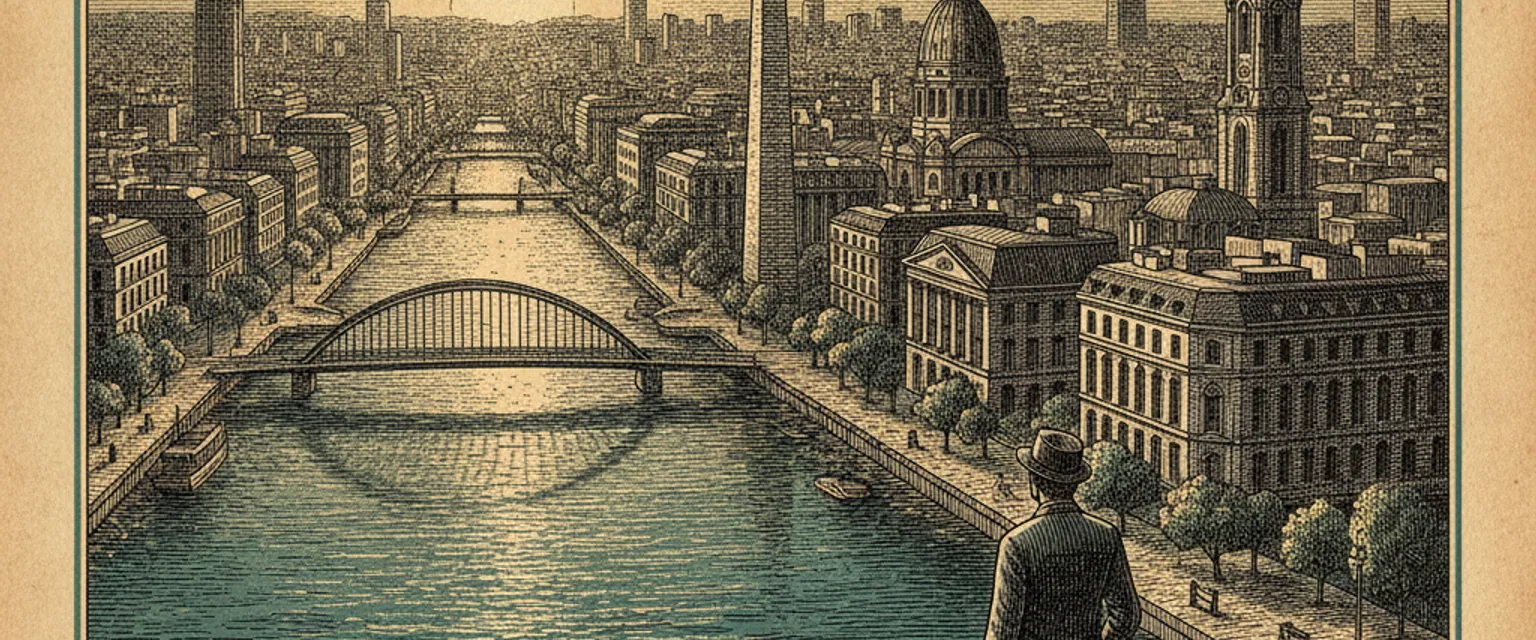
I sat down for dinner at 9 PM in Palermo and the waiter looked at me like I was a child who had wandered in off the street. The restaurant was empty. By 11 PM it was packed, by 1 AM there was a queue, and I finally understood that in Buenos Aires the night does not begin when you arrive — you arrive when the night begins. I ate the best steak of my life at midnight and walked home at three feeling thirty years younger.
The Perfect Buenos Aires Itinerary (2, 3, 4 & 7 Days)
Two days is San Telmo and the historic centre on Day 1, Recoleta and Palermo on Day 2. You eat one perfect steak, watch tango on a real cobbled street, and stand in front of Evita's tomb. Skip the tango dinner show; find the milonga instead.
Carry cash. The blue-dollar exchange rate means USD cash goes roughly twice as far as a card. Bring crisp bills.
72 Hours: Add La Boca and the River
Three days lets you add La Boca and Caminito in the morning, the Puerto Madero waterfront, and a proper night out in Palermo Soho. Day 3 is when the city stops being a checklist and starts being a place you could actually live.
4 Days: Tigre Delta and the Suburbs
Four days means a day trip up the Río de la Plata to the Tigre Delta — a maze of wooden houses on stilts reachable only by boat — plus time for the bookshops, the parrillas, and the cafés that make porteños insufferably proud of their city.
7 Days: Buenos Aires the Way It Actually Lives
A week reveals the real Buenos Aires: the football, the antique markets, the Sunday asado that lasts six hours, and the slow realisation that this is the most European city in Latin America and the most Latin American city that thinks it is European. You leave planning your return.
Estimated budget:$140-$300
Estimated budget:$210-$450
Estimated budget:$290-$620
Estimated budget:$520-$1,100
Day 1
San Telmo + the Historic Centre
The old city, the founding square, and the soul of tango
Plaza de Mayo + Casa Rosada
The founding square of the city, the balcony where Evita spoke, and the mothers who still march.
Plaza de Mayo is where Buenos Aires began in 1580 and where its modern history was written. The pink Casa Rosada is the presidential palace with the famous balcony; the Cabildo and the Metropolitan Cathedral (where Pope Francis was archbishop) frame the square. The Madres de Plaza de Mayo still march every Thursday at 3:30 PM. Free guided tours of the Casa Rosada run on weekends if you book ahead.
San Telmo cobbled streets + Mercado
The oldest barrio, all faded grandeur, antique shops, and tango spilling onto the pavement.
San Telmo is the bohemian heart of the old city — cobbled Calle Defensa, crumbling mansions turned into antique shops, and street tango performed on the corners. The covered Mercado de San Telmo (1897) is the place for an empanada and a fresh juice. On Sundays the entire street becomes the Feria de San Telmo antiques market, which is glorious and packed.
Dinner at a San Telmo parrilla
Argentine beef, an open grill, and a bottle of Malbec for the price of a sandwich back home.
Your first proper Argentine steak. La Brigada in San Telmo is the legendary choice — bife de chorizo so tender they cut it with a spoon, walls covered in football memorabilia, book ahead. For something more local and cheaper, find a neighbourhood parrilla and order the ojo de bife with a Mendoza Malbec. Dinner does not start before 9 PM here.
Day 2
Recoleta + Palermo
The aristocratic cemetery and the neighbourhood that never sleeps
Recoleta Cemetery
A city of marble mausoleums where Evita is buried among the dynasties that despised her.
Recoleta Cemetery is a labyrinth of ornate marble mausoleums — a miniature city of the dead where Argentina's wealthiest families competed in death as in life. Eva Perón's relatively modest tomb is always marked with fresh flowers. Buy a map at the entrance or you will get pleasantly lost. The surrounding Recoleta district has the city's grandest Belle Époque architecture.
Palermo Soho + Bosques de Palermo
Leafy streets, boutiques, street art, and the parks where the whole city goes to breathe.
Palermo is the largest and trendiest barrio — Palermo Soho for boutiques, murals, and café culture; the vast Bosques de Palermo parks for rose gardens, lakes, and Sunday picnics. The Japanese Garden and the MALBA modern art museum (with its Frida Kahlo and Latin American masters) are both here. Rent a bike or just wander; this is where porteños actually spend their weekends.
Palermo cocktail bars + late dinner
Some of the best cocktail bars in the world, hidden behind unmarked doors. Naturally.
Buenos Aires takes its nightlife seriously and Palermo is the engine. Florería Atlántico (a speakeasy behind a flower shop) and Tres Monos rank among the world's best bars. Dinner at 10 PM, drinks at midnight, and the bars only fill after 1 AM. Pace yourself; this is a marathon, not a sprint, and the city does not stop.
Day 3
La Boca + Puerto Madero
The colourful port barrio and the gleaming new waterfront
Caminito + La Boca
Riotously painted tin houses, tango dancers, and the spiritual home of Boca Juniors.
La Boca is the immigrant port district where Buenos Aires got its tango and its football. Caminito is the famous strip of brightly painted conventillo houses — touristy but genuinely photogenic. La Bombonera, the Boca Juniors stadium, is a short walk and worth a tour for the atmosphere alone. Stay on the main tourist streets here and leave by mid-afternoon; the surrounding area gets rough.
Puerto Madero + Reserva Ecológica
The old docks reborn as glass towers, with a wild riverside nature reserve next door.
Puerto Madero is the regenerated dockland — converted brick warehouses, glass skyscrapers, and the white Puente de la Mujer footbridge by Santiago Calatrava. Behind it lies the Reserva Ecológica, a surprising stretch of riverside wetland and walking trails right beside the skyline. Walk the promenade, then have a coffee watching the Río de la Plata, which is so wide it looks like the sea.
A real milonga (not a tango show)
Where porteños actually dance tango — for each other, not for tourists with cameras.
Skip the dinner-and-show tango circus and find a milonga, the social dance halls where locals come to dance. La Catedral Club in Almagro is atmospheric and welcoming to beginners; many offer a class before the dancing starts. You can simply watch with a glass of wine. This is tango as it really exists in the city, melancholy and electric.
Day 4
Tigre Delta Day Trip
Wooden houses on stilts in a maze of river channels
Train to Tigre + the Delta
An hour north by train to a watery world of stilt houses reachable only by boat.
Take the Tren de la Costa or the Mitre line from Retiro for the hour-long ride to Tigre, where the Paraná River fragments into a vast delta of channels. The town itself has the Puerto de Frutos craft market and the Tigre Art Museum in a palatial old casino. From here the delta proper is a different planet of wooden houses on stilts and almond-shaped boats.
Boat through the delta channels
A lancha colectiva water bus through stilt-house suburbia where the postman comes by boat.
Board a lancha colectiva, the public water-bus, and ride deep into the delta past weekend houses, riverside cafés, and rowing clubs reachable only from the water. Stop for lunch at a riverside parador, or book a guided launch tour from the Estación Fluvial. The pace is slow, the light is soft, and the contrast with the city is total.
Return + café notable in the centre
Wind down in one of the city's protected historic cafés, marble and mirrors intact.
Back in the city, decompress in a café notable — one of the historic coffeehouses legally protected for their cultural value. Café Tortoni on Avenida de Mayo (1858) is the famous one, all marble columns and stained glass, touristy but beautiful. Order a submarino (hot milk with a bar of chocolate to melt in) and a few medialunas. This is the porteño ritual at its most civilised.
Day 5
Museums + Avenida Corrientes
Art, books, and the street that never sleeps
MALBA + Bellas Artes
Latin America's finest modern art under one roof, plus a free national gallery nearby.
MALBA in Palermo holds the best collection of 20th-century Latin American art anywhere — Frida Kahlo, Diego Rivera, Antonio Berni, and a strong rotating programme. The Museo Nacional de Bellas Artes in Recoleta is free and ranges from El Greco and Goya to Argentine masters. Pick one for the morning depending on your mood; both reward a slow visit.
Avenida Corrientes bookshops + El Ateneo
A grand theatre turned into the most beautiful bookshop on earth, on the street that never sleeps.
Avenida Corrientes is the theatre-and-bookshop spine of the city, lined with shops open past midnight and the legendary pizzerias. El Ateneo Grand Splendid, a converted 1919 theatre with its ceiling frescoes and balconies intact, is regularly called the world's most beautiful bookshop. Read in the old stage boxes, then eat a slab of fugazzeta (cheese-and-onion pizza) at Güerrín down the road.
Porteño pizza at Güerrín
Thick, cheese-drenched, eaten standing at the counter with a glass of moscato. Pure Buenos Aires.
Buenos Aires pizza is its own genre — thick, generous with cheese, and best eaten standing at the counter. Güerrín on Corrientes has been doing it since 1932. Order fugazzeta or a slice of muzzarella with a fainá (chickpea flatbread) on top and a glass of moscato, the way the locals do. Cheap, loud, and completely satisfying after a long day.
Day 6
Football + the Asado
The two great religions of Argentina
A football match (or a stadium tour)
Argentine football is a contact sport in the stands as much as on the pitch. Go.
If there is a match on, go — Argentine football is one of the great sporting experiences on earth, deafening and tribal. Boca's La Bombonera and River Plate's Monumental are the cathedrals. Buy tickets through a reputable agency or hostel rather than at the gate for safety. No match? Take a stadium tour; the River Plate museum is excellent.
Belgrano + Barrio Chino
A leafy residential barrio with the city's small but lively Chinatown for an afternoon graze.
Belgrano is an elegant, leafy residential district most tourists never reach, with the small Barrio Chino (Chinatown) clustered around Arribeños street — good dumplings, bubble tea, and Asian groceries that are a relief from a week of beef. The Barrancas de Belgrano park and the curious Museo Casa de Yrurtia round out a gentle afternoon.
A proper asado
The six-hour Argentine barbecue ritual — every cut of the cow, slowly, with friends.
The asado is the national rite: a slow grill working through chorizo, morcilla, sweetbreads, short ribs, and bife, eaten over hours with wine and argument. If you can get invited to a home asado, drop everything. Otherwise La Cabrera in Palermo does a famous restaurant version with dozens of little side dishes. Come hungry and clear your evening entirely.
Day 7
Markets + a Slow Farewell
Antiques, parks, and one last steak
Feria de Mataderos or San Telmo market
Gauchos, folk music, and street food on the edge of the city, or antiques in the old centre.
On a Sunday, the Feria de Mataderos on the city's western edge is the real thing — gauchos, folk dancing, criollo food, and crafts far from the tourist trail. If it is not Sunday, the daily antique stalls of San Telmo or the artisan fair in Recoleta will do. Buy a mate gourd and a bag of yerba; it is the most useful souvenir you will bring home.
El Rosedal + a final café
The rose garden in Palermo's parks, then one last submarino before the airport.
Spend the afternoon slowly in the Bosques de Palermo — the Rosedal rose garden, a paddle boat on the lake, and the Planetarium. Then settle into a Palermo café for a last submarino and a stack of medialunas. Buenos Aires is a city that rewards doing very little extremely well, and your last day is the time to finally do that.
Farewell steak + tango on the radio
One more bife de chorizo, one more Malbec, and the certainty that you will return.
End where you began — at a parrilla, with one final bife de chorizo and a bottle of Malbec, the grill smoking and a tango playing somewhere in the back. By now you eat dinner at 10 PM without blinking and you understand why porteños think their city is the centre of the universe. Raise a glass; you will be back.
Buenos Aires is the city that broke my sleep schedule and gave me a new one I liked better. Dinner at ten, drinks at midnight, the streets still busy at three — and somehow everyone is up the next morning drinking coffee in a marble café as if none of it happened. It is the most European city in Latin America and it knows it, sometimes insufferably, but the swagger is earned.
This itinerary is built around one truth: Buenos Aires rewards the person who slows down to its rhythm rather than fighting it. The steak, the tango, the six-hour asado, the café notable where you read for two hours over a single coffee — these are not items to tick off. They are the entire point.
The 2/3/4/7-day versions move from the icons outward. Two days is San Telmo, Recoleta, and one perfect steak. Seven days is the football match, the delta, the Sunday feria, and the slow realisation that you have started gesturing with your hands when you talk.
A practical note worth more than any sight: bring crisp US dollars in cash. The exchange situation means cash goes dramatically further than cards. Use the duration filter above to see your version of the city.
This article contains affiliate links marked with rel="sponsored". We may earn a commission at no extra cost to you.