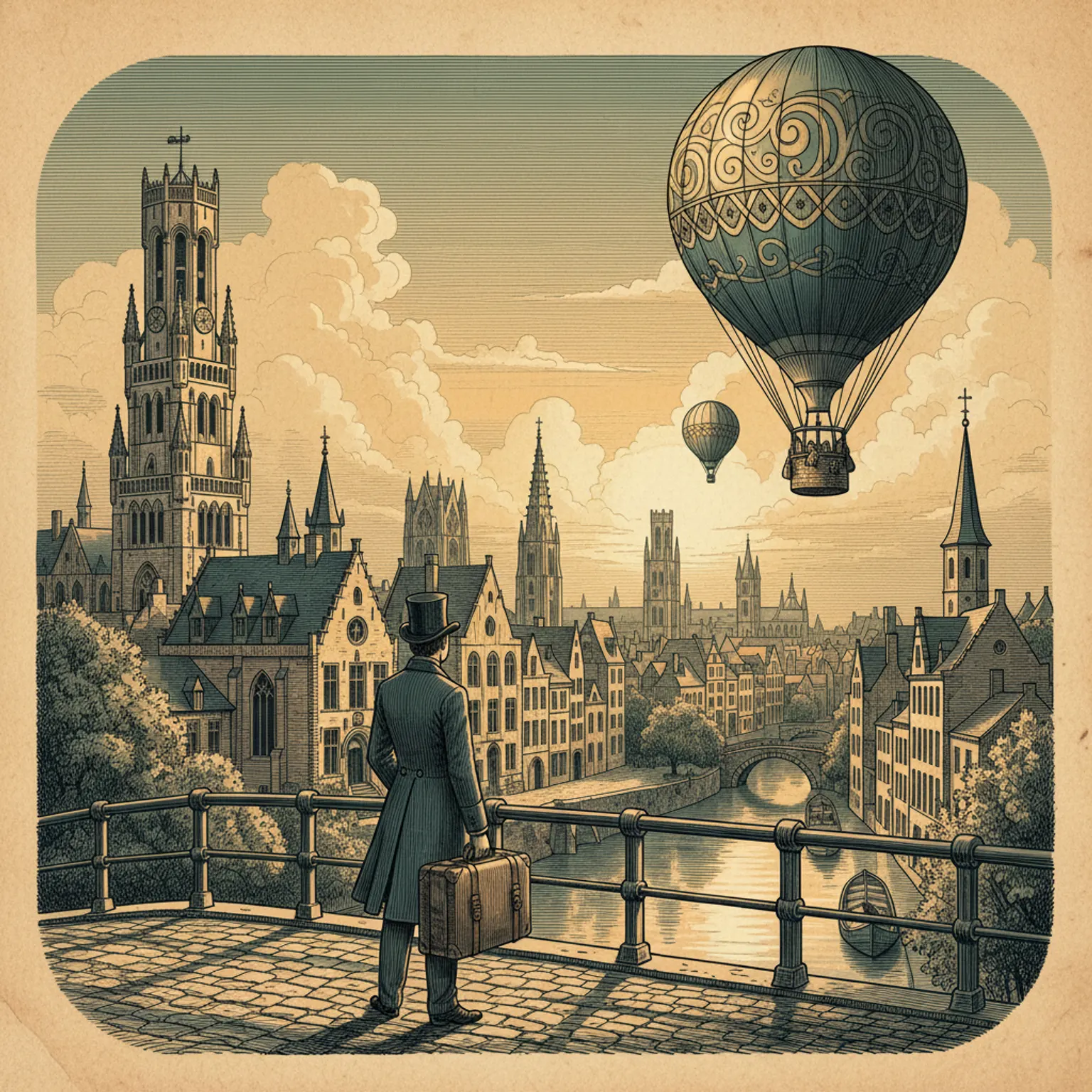
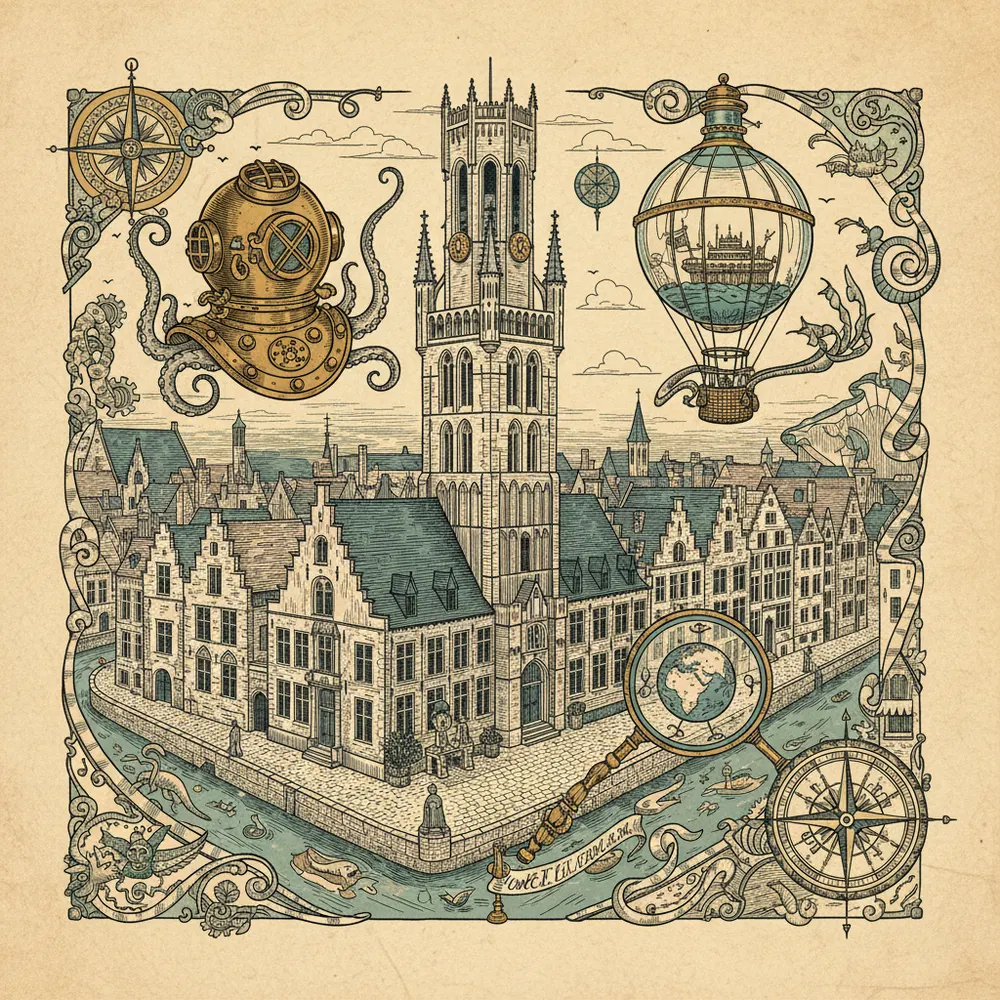
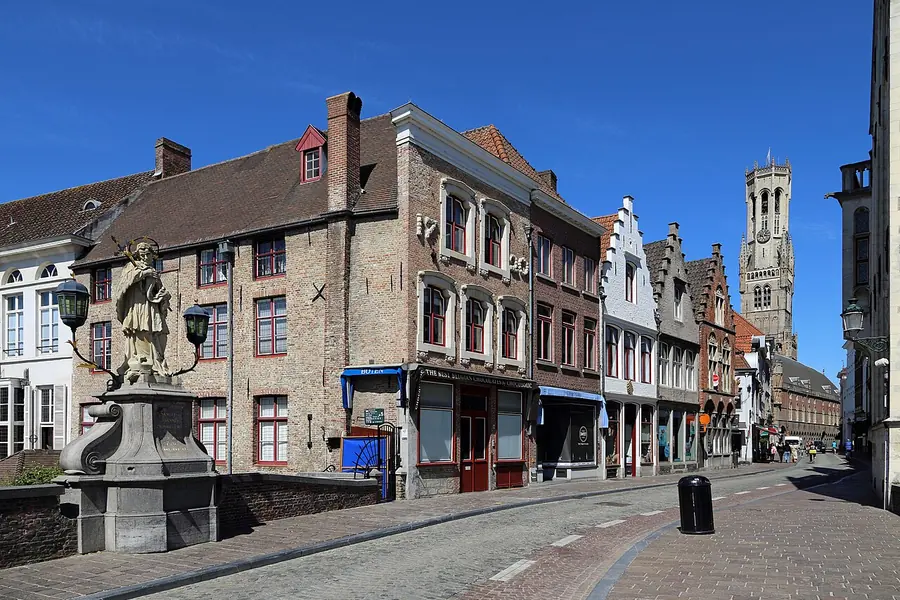
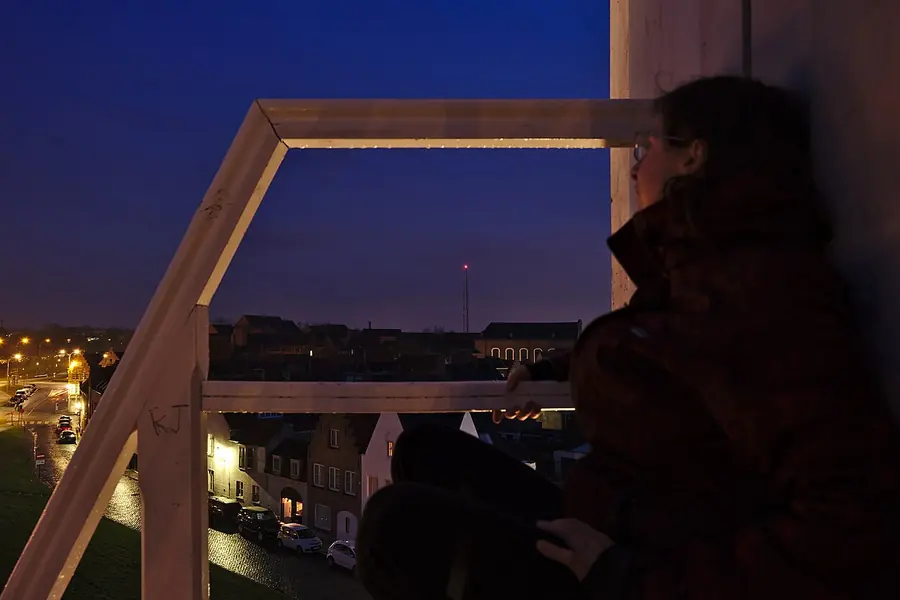
I climbed the 366 steps of the Belfry at 9am, smug about beating the crowds, and emerged at the top wheezing beside a Belgian man in his seventies who'd done it 'for the walk' and wasn't even breathing hard. He pointed across the rooftops to a wisp of smoke and said, that's where they roast the coffee, follow your nose down. I did. It was the best flat white of the trip. Bruges rewards the lungs and the nose in roughly equal measure.
The Perfect Bruges Itinerary (2, 3, 4 & 7 Days)
📅 Planning your dates? See the best time to visit Bruges — season-by-season weather, crowds, and prices.
Two days is the Markt and the Belfry, a canal boat, a wander through the Begijnhof, and as much chocolate and beer as your willpower permits. Stay overnight — the day-trippers leave by 6pm and the city becomes yours. That single fact is the whole argument for staying.
The last day-trip coaches leave around 6pm. Everything after that is the real Bruges, and it's nearly empty.
72 Hours: Add the Art and the Quiet Edges
Three days buys the Groeningemuseum's Flemish Primitives, the Michelangelo Madonna, and time to drift to the windmills on the eastern ramparts where almost no one goes. This is the version that lets Bruges breathe.
4 Days: Bruges Plus a Flanders Field Trip
Four days adds a sobering, essential day trip to the Ypres WWI battlefields and the Menin Gate, or a hop to nearby Ghent — taller, grittier, less polished, and a brilliant counterpoint to Bruges' perfection.
7 Days: Living in the Fairy Tale
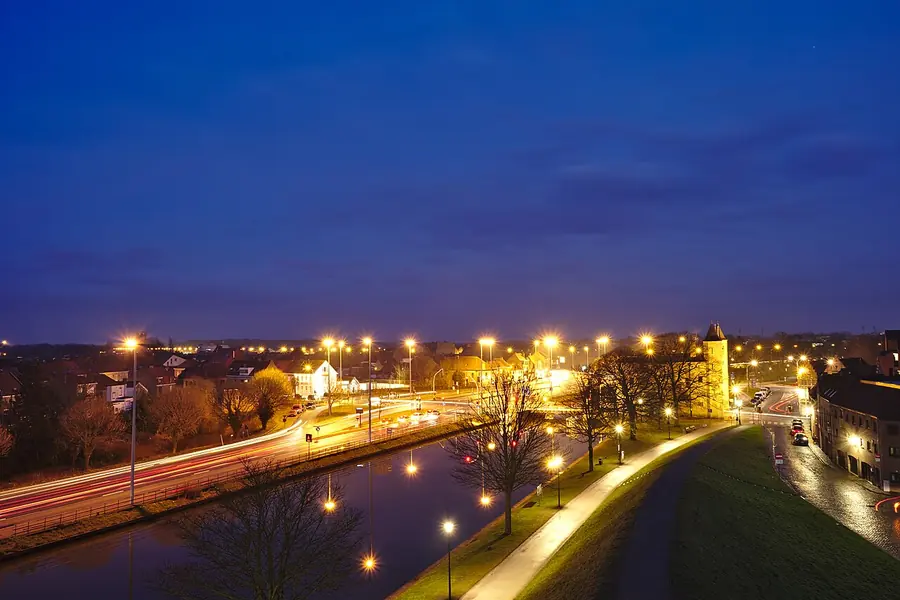
A week and you've done Ypres and Ghent, cycled to the coast at Ostend, found your own café off the Markt, and learned that Bruges after dark — when the cobbles shine and the canals go black and silent — is genuinely one of Europe's most romantic small cities.
Estimated budget:$280-$520
Estimated budget:$420-$780
Estimated budget:$560-$1,040
Estimated budget:$980-$1,800
[ THE DISPATCH · FIELD MAP ]
A tilted, hand-drawn dispatch of Bruges. Click a quarter to explode it open.
0 / 6 quarters explored
Legend · tap to highlight
[ MARKT & BURG ]
Old stones, older stories.
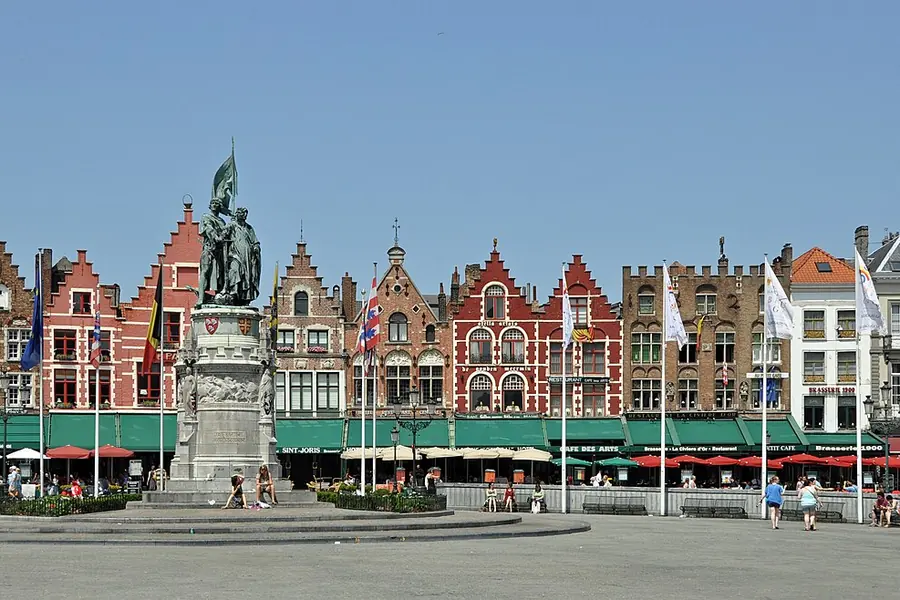
Markt (Market Square)The grand central square, best before the horse-drawn carriages clog it.
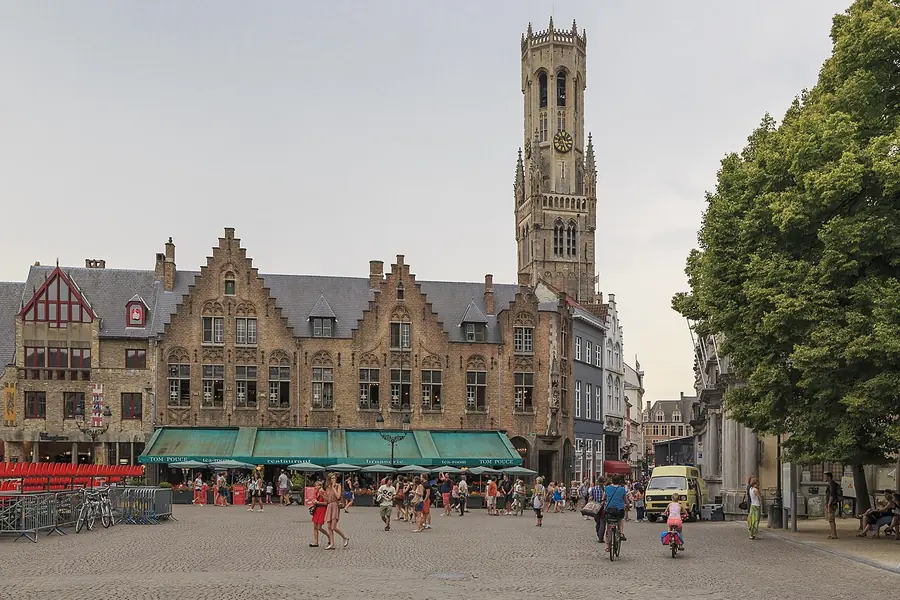
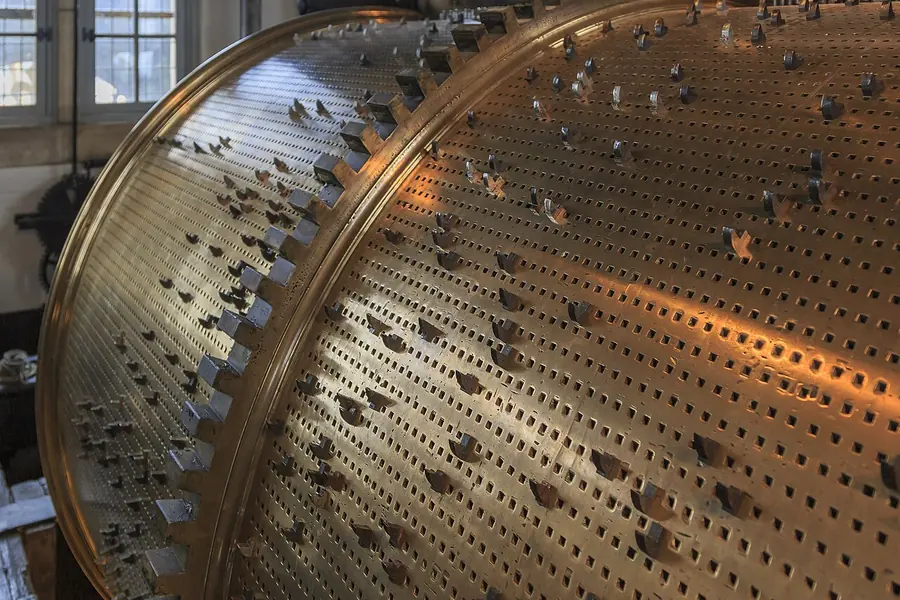
Belfry of Bruges366 steps to the best view in Flanders, and a carillon at the top.
[ DIJVER & MUSEUM QUARTER ]
Grand squares and big ideas.
GroeningemuseumSix centuries of Flemish painting, and the Primitives are spellbinding.
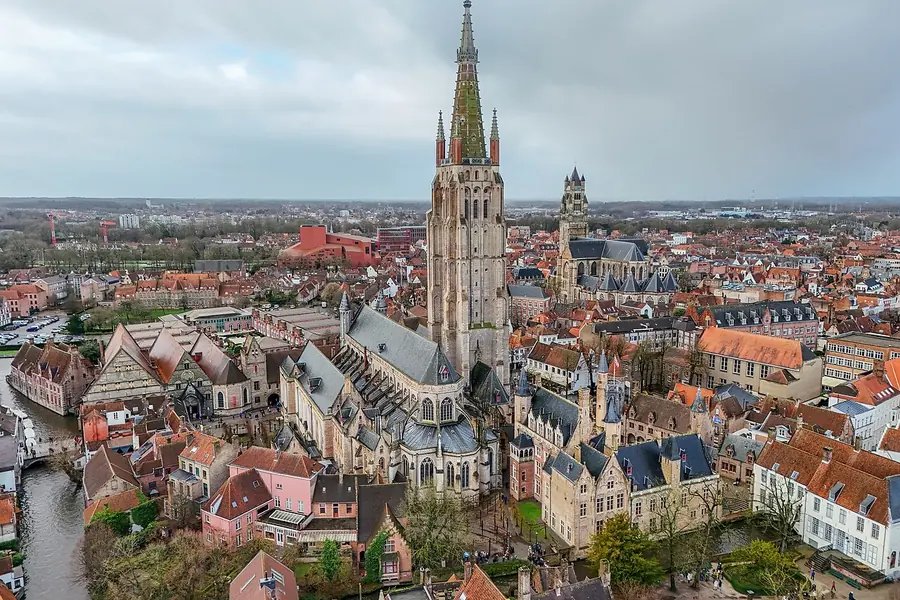
Church of Our LadyHome to a Michelangelo Madonna — one of few to leave Italy in his lifetime.
[ BEGIJNHOF & MINNEWATER ]
Green breathing room.
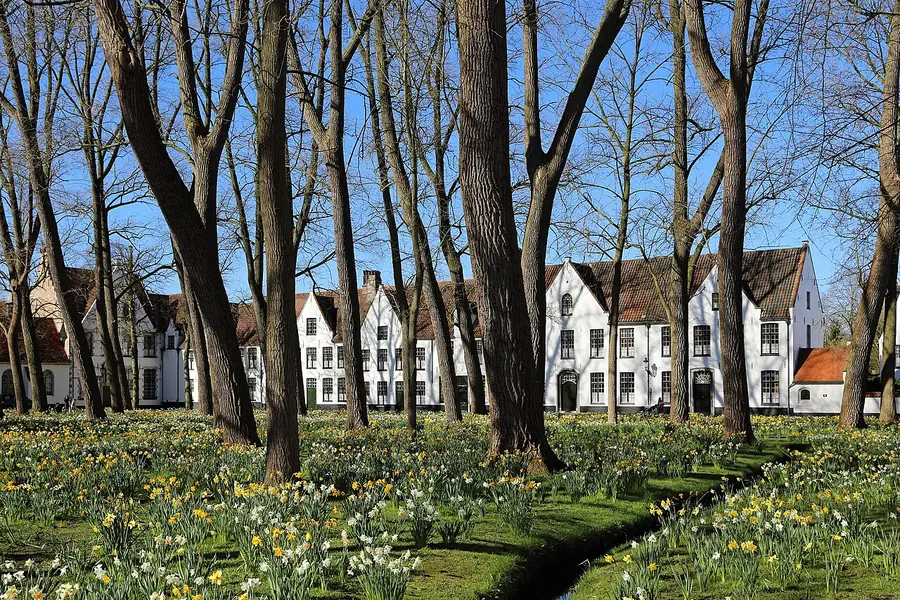
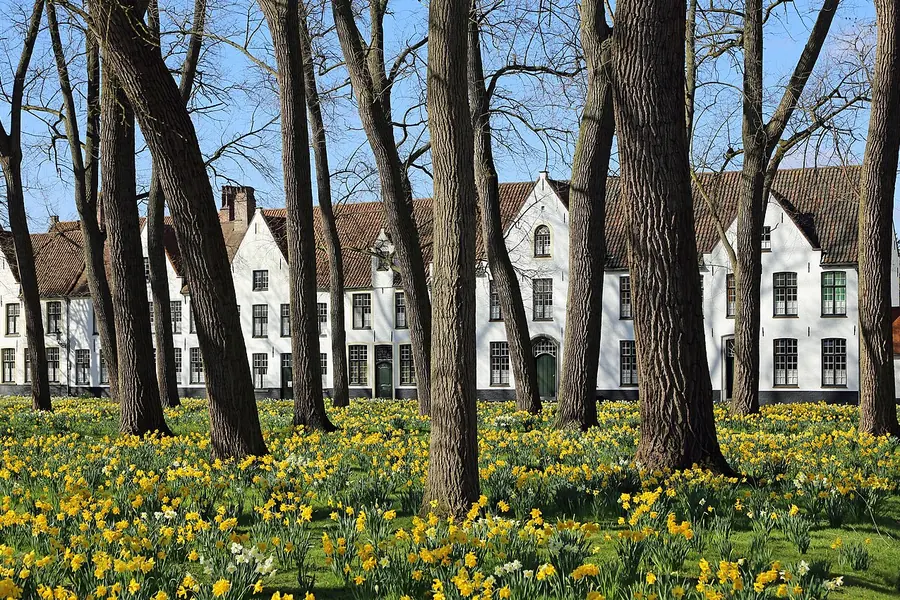
Begijnhof (Beguinage)A 13th-century walled garden of white houses, now home to Benedictine nuns.
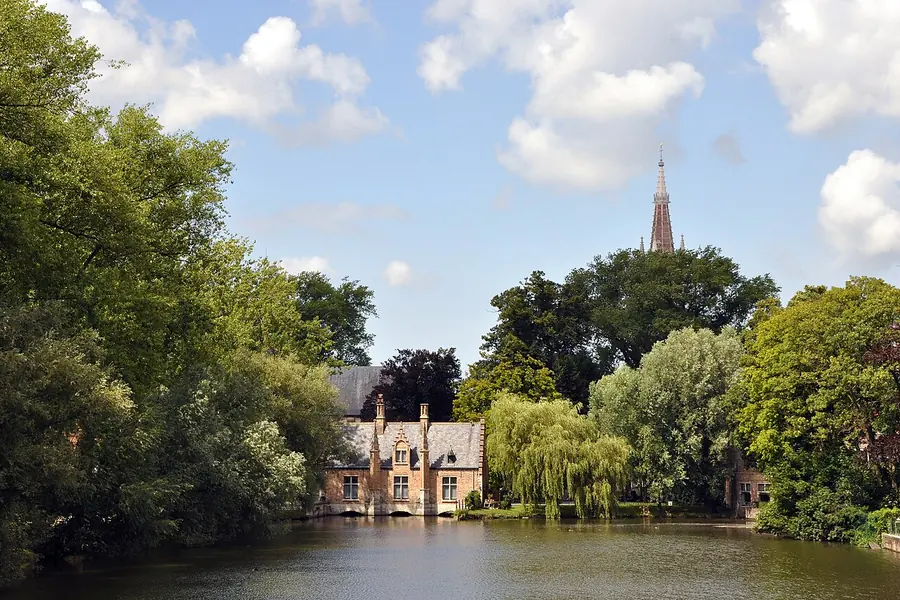
Minnewater (Lake of Love)A swan-dotted lake and the most photographed bench in Bruges.
[ SINT-ANNA & THE RAMPARTS ]
Green breathing room.
Kruisvest windmillsFour old mills on the grassy ramparts, where the tour groups never reach.
[ 'T ZAND ]
Grand squares and big ideas.
De Halve Maan breweryBruges' last family brewery, with a beer pipeline running under the city.
Frietmuseum + a proper frites standYes, a museum about chips — and yes, the chips outside are the real point.
[ LANGESTRAAT QUARTER ]
Stays up later than you do.
FrietmuseumA food worth your time.
Day 1
Markt + Belfry + Canal Boat
The postcard Bruges, climbed and floated in the right order
Markt (Market Square)
The grand central square, best before the horse-drawn carriages clog it.
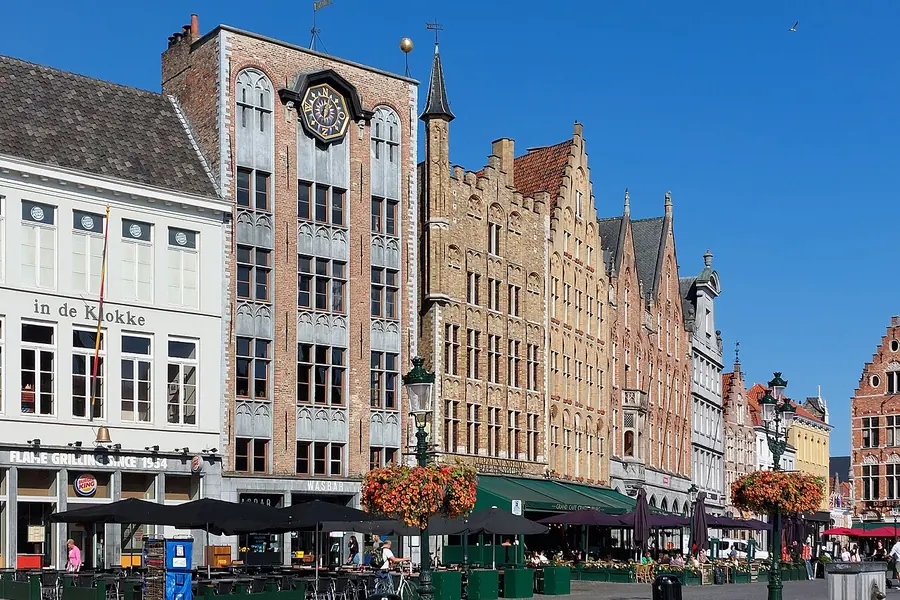
The medieval heart of Bruges, ringed by stepped-gable guild houses and dominated by the Belfry. Come early for an empty square and the good light. Skip the overpriced terrace cafes here and just stand in the middle for a minute. It's free and it's the whole reason you came.
366 steps to the best view in Flanders, and a carillon at the top.
The 83-metre 13th-century belfry (around 15 euros) is a narrow, steep, breathless climb — but the rooftop panorama and the working carillon make it worth every step. Book a timed slot online to skip the queue. Yes, the film made it famous. It was great before that.
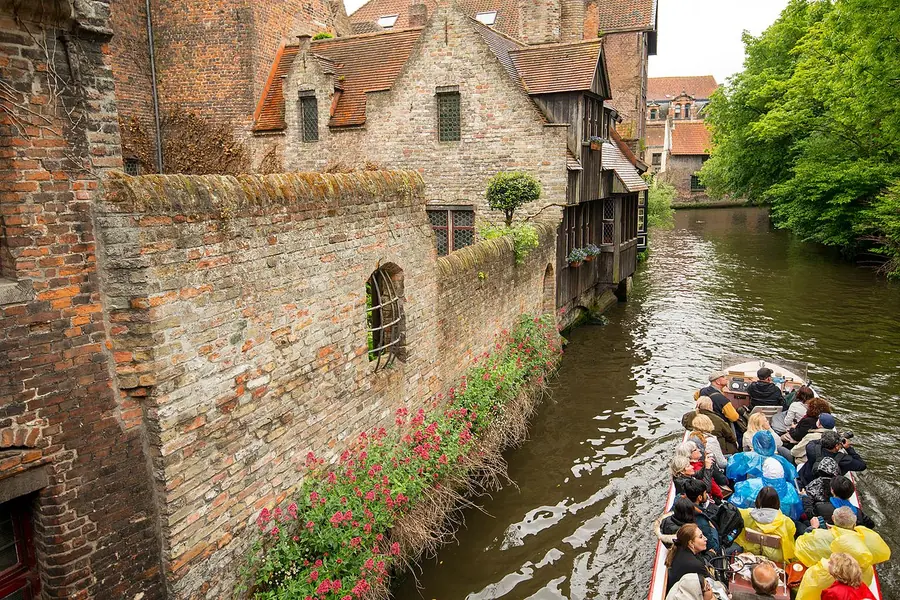
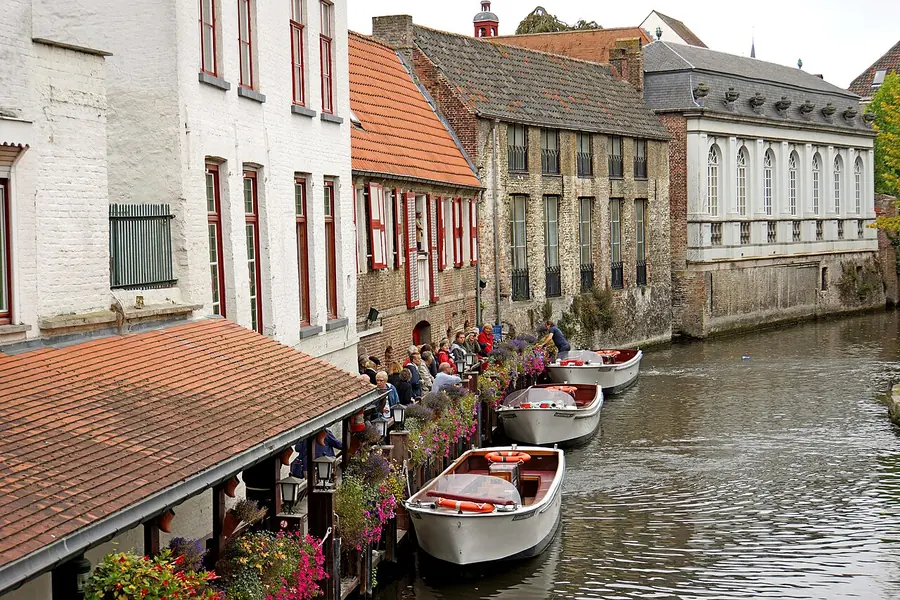
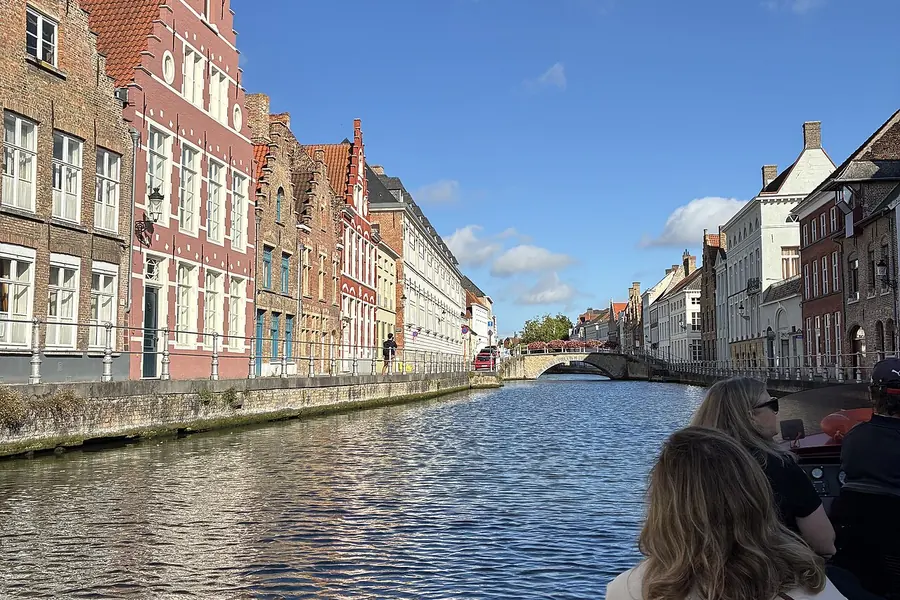
Half an hour on the water that explains the whole city's layout.
The little open boats (around 12 euros, 30 minutes) leave from several jetties and slip under low bridges past the prettiest canal frontages. It's touristy and brilliant. Sit at the back, duck the bridges, and see the gabled houses from the water level they were built to be admired from.
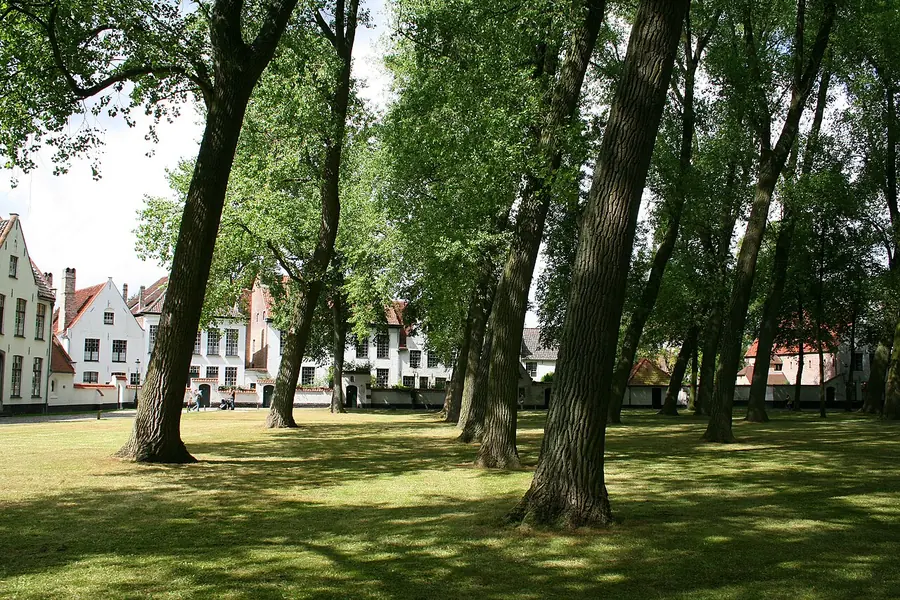
A 13th-century walled garden of white houses, now home to Benedictine nuns.
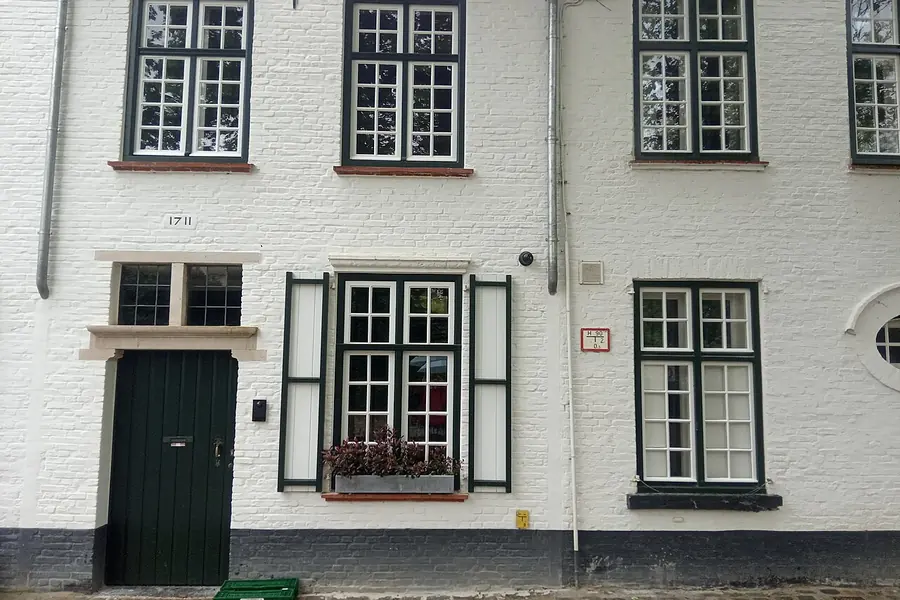
A UNESCO-listed courtyard of whitewashed houses around a tranquil lawn, founded for the Beguines — lay religious women. It's free, serene, and a few minutes from the centre yet feels another world. In spring the courtyard fills with daffodils. Keep your voice down.
A swan-dotted lake and the most photographed bench in Bruges.
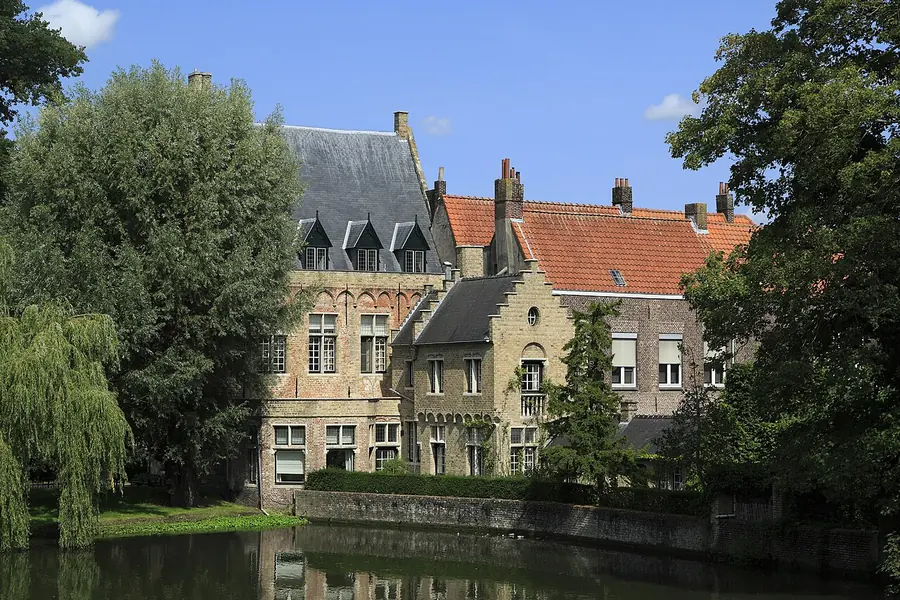
Just beside the Begijnhof, this serene lake with its arched bridge and resident swans is the city's gentlest spot. Free, pretty, quick. The legend says couples who cross the bridge together stay together; the swans seem unconvinced.
Proper Belgian pralines, not the airport stuff masquerading as them.
Skip the chain shops. The Chocolate Line (Dominique Persoone's slightly mad lab) does wasabi and tobacco pralines; Dumon, a family operation near the Markt, does pure classics. A box of pralines runs around 10-15 euros and is the single best souvenir this city makes.
Day 3
Groeningemuseum + Church of Our Lady + Windmills
Flemish art, then the empty eastern edge
Groeningemuseum
Six centuries of Flemish painting, and the Primitives are spellbinding.
A compact, world-class museum (around 14 euros) holding Jan van Eyck, Hans Memling, and Hieronymus Bosch. The Flemish Primitives' jewel-like detail is staggering up close. Ninety minutes is enough, and it's the best indoor option on a grey Flanders afternoon.
Home to a Michelangelo Madonna — one of few to leave Italy in his lifetime.
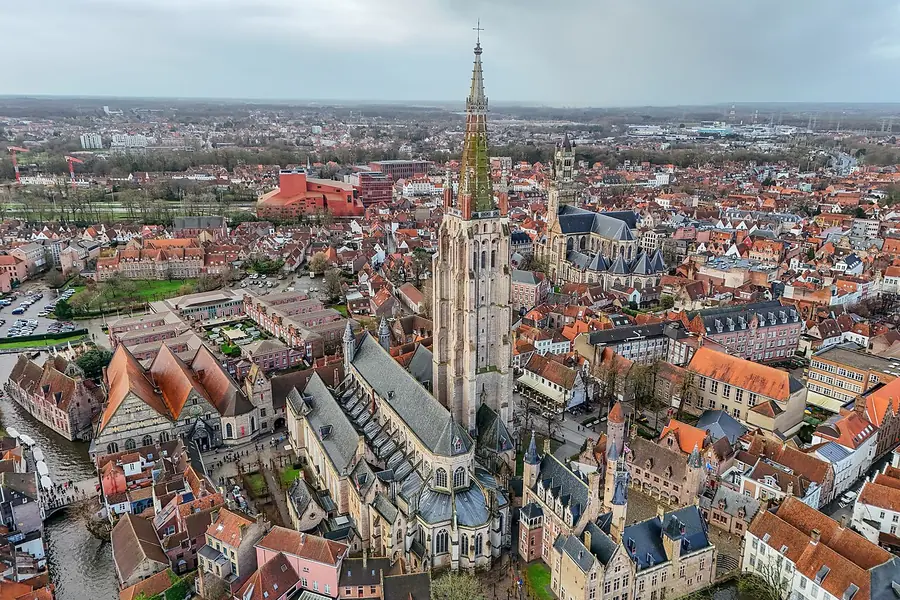
The brick spire is the tallest in the Low Countries, and inside is Michelangelo's marble 'Madonna and Child', bought by a Bruges merchant in 1504. A small fee gets you the art-filled museum section. The sculpture alone justifies it.
Four old mills on the grassy ramparts, where the tour groups never reach.
Walk the eastern ramparts past the Sint-Janshuismolen and other working windmills. It's a leafy, breezy stretch with almost no one on it — the locals' Bruges. One mill is open to climb for a couple of euros. Bring a coffee and a sandwich.
Bruges' bigger, edgier sibling — 25 minutes by train and far less polished.
Ghent has the spectacular Van Eyck altarpiece in St Bavo's Cathedral, the medieval Gravensteen castle, and a buzzing student energy Bruges lacks. Twenty-five minutes by train. A brilliant counterpoint: same era, none of the museum-piece preciousness.
Ypres & the WWI battlefields (alternative)
The Menin Gate and Flanders Fields — sobering, essential, unforgettable.
An hour and a quarter by train and bus, Ypres holds the In Flanders Fields Museum, the Menin Gate (where the Last Post sounds nightly at 8pm), and the surrounding war cemeteries. Heavy, moving, and one of the most worthwhile day trips in Belgium.
Day 5
Cycle to the Coast — Ostend or Damme
Flanders by bike, flat and breezy
Cycle to Damme
A 7km canal-side ride to a tiny, bookish medieval village.
Rent a bike (around 12 euros a day) and follow the dead-straight, tree-lined canal to Damme — a quiet village of bookshops and a Gothic town hall. Lunch at a village brasserie, then ride back. The flattest, most pleasant cycle you'll ever take.
Ostend & the North Sea (by train)
Belgium's faded-grand seaside resort, 15 minutes from Bruges.
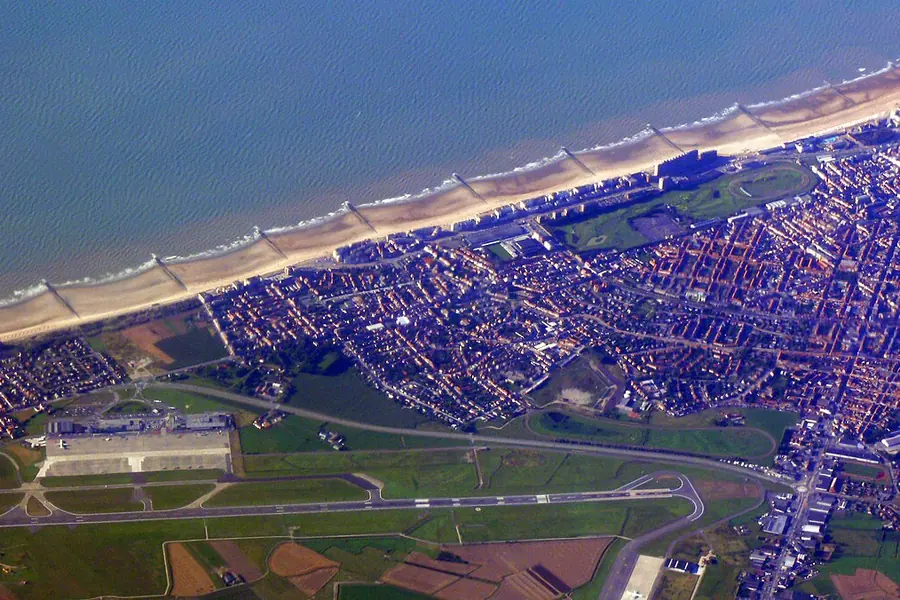
A quick train to the coast for a North Sea walk, fresh shrimp croquettes, and the Mu.ZEE art museum. Ostend is breezy, unpretentious, and a salty change of scene. Eat the grey shrimp; they're a Belgian obsession for good reason.
The Belgium that comes in a glass and a paper cone
De Halve Maan brewery
Bruges' last family brewery, with a beer pipeline running under the city.
The home of Brugse Zot, with a tour (around 16 euros) that ends in a tasting and explains the famous underground beer pipeline they built to the bottling plant. Climb to the rooftop for a city view with a glass in hand. Book ahead in summer.
Frietmuseum + a proper frites stand
Yes, a museum about chips — and yes, the chips outside are the real point.
The quirky Frietmuseum (around 8 euros) traces the surprisingly serious history of the Belgian fry. Then go eat the real thing at a frituur on the Markt — twice-fried, with andalouse sauce, in a paper cone. Do not call them French.
Day 7
Slow Bruges — Markets, Cobbles, Goodbye
The last day of anything done properly
't Zand Saturday market
A sprawling weekly market of cheese, flowers, and Flemish life.
Saturday mornings 't Zand square fills with stalls of cheese, olives, flowers, and farm produce. It's where locals actually shop. Grab breakfast pastries and a coffee and watch the city do its weekend. Free, lively, real.
Rozenhoedkaai
The most photographed canal corner in Bruges — earn it one last time.
The quay where the Dijver and Groenerei canals meet is the iconic Bruges view: stepped gables, a stone bridge, swans. Come for a final, quiet look before the day-trippers descend. Then linger at a waterside table for one last beer.
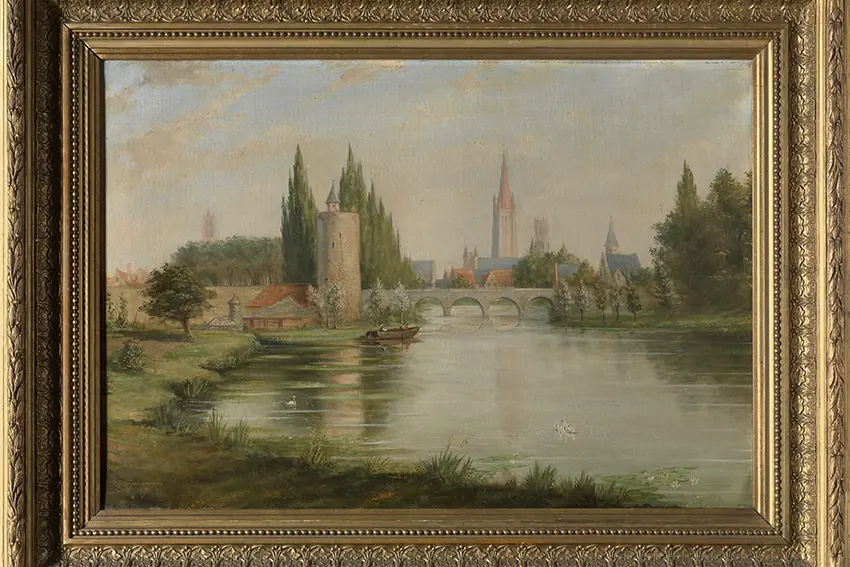
Bruges has a reputation problem, and the problem is that it’s almost too perfect. The medieval centre survived the centuries because the city went broke and stopped building — the canals silted up, the cloth trade collapsed, and everyone left it alone for 400 years. The result is a near-complete medieval town that can feel, by midday in July, like a film set overrun by selfie sticks. The single best thing you can do is stay overnight. The day-trip coaches empty out by early evening, and the Bruges that remains — quiet, golden, reflected in black canals — is one of the most romantic cities in Europe.
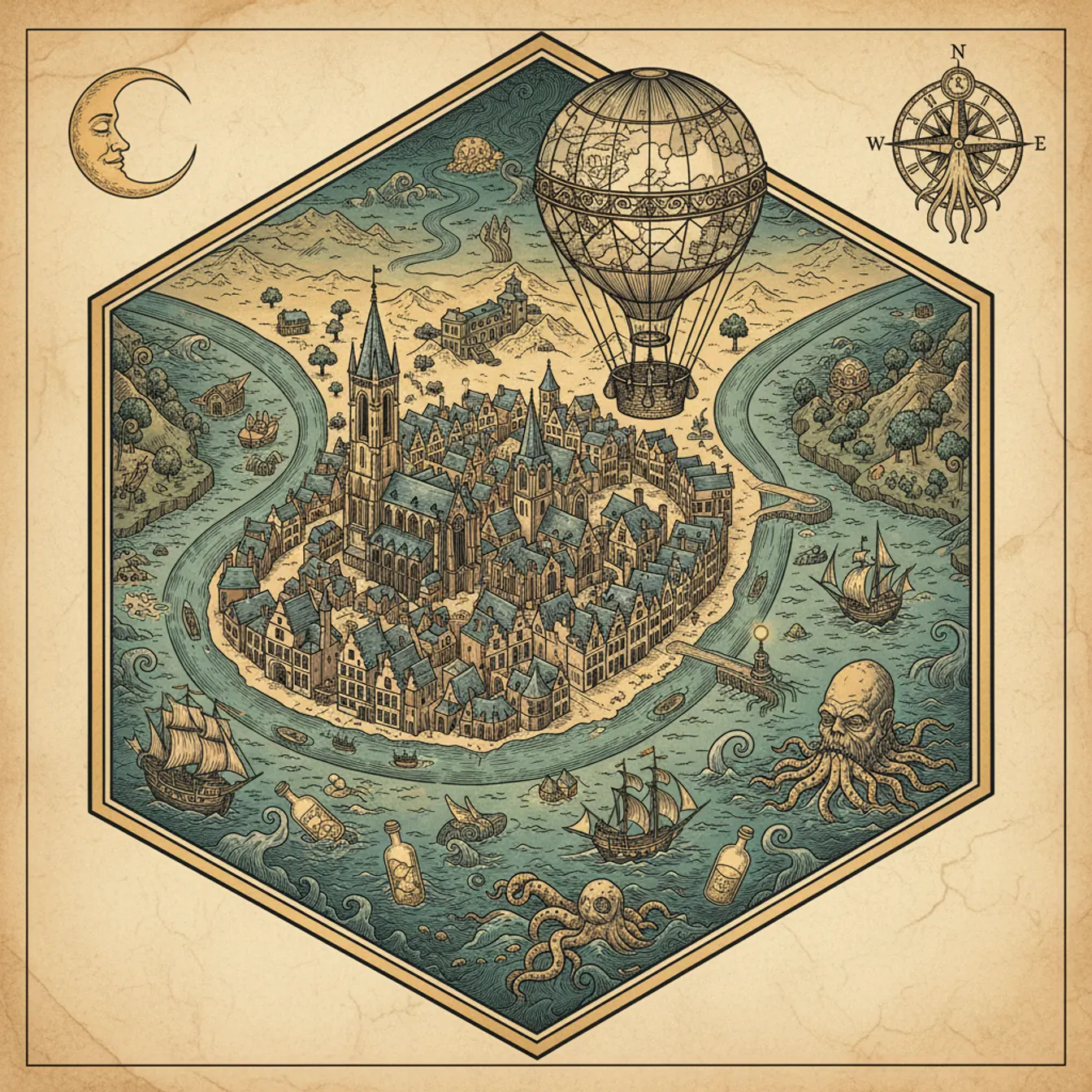
The whole historic centre fits inside an egg-shaped ring of old ramparts, and you can walk across it in twenty minutes. The Markt and the Burg are the ceremonial heart; the museum quarter along the Dijver holds the art; the Begijnhof and Minnewater offer the calm; and the eastern ramparts with their windmills are where the locals go to escape you. Everything is walkable. Skip the horse carriages.
This itinerary is built to dodge the crush: early starts, quiet corners by day, and the city to yourself at night. The 2/3/4/7-day versions layer in art, day trips to Ghent and Ypres, and a flat, breezy cycle to the coast.
Where to Stay in Bruges
Neighbourhood
Vibe
Best For
Markt & Burg
Central, grand, busy
First-timers who want it all on the doorstep
Dijver / Museum Quarter
Canal views, arty, refined
Couples and museum-lovers
Begijnhof / Minnewater
Quiet, green, serene
Calm and romance
’t Zand
Local, near the station
Value and easy arrivals
This article contains affiliate links marked with rel="sponsored". We may earn a commission at no extra cost to you.