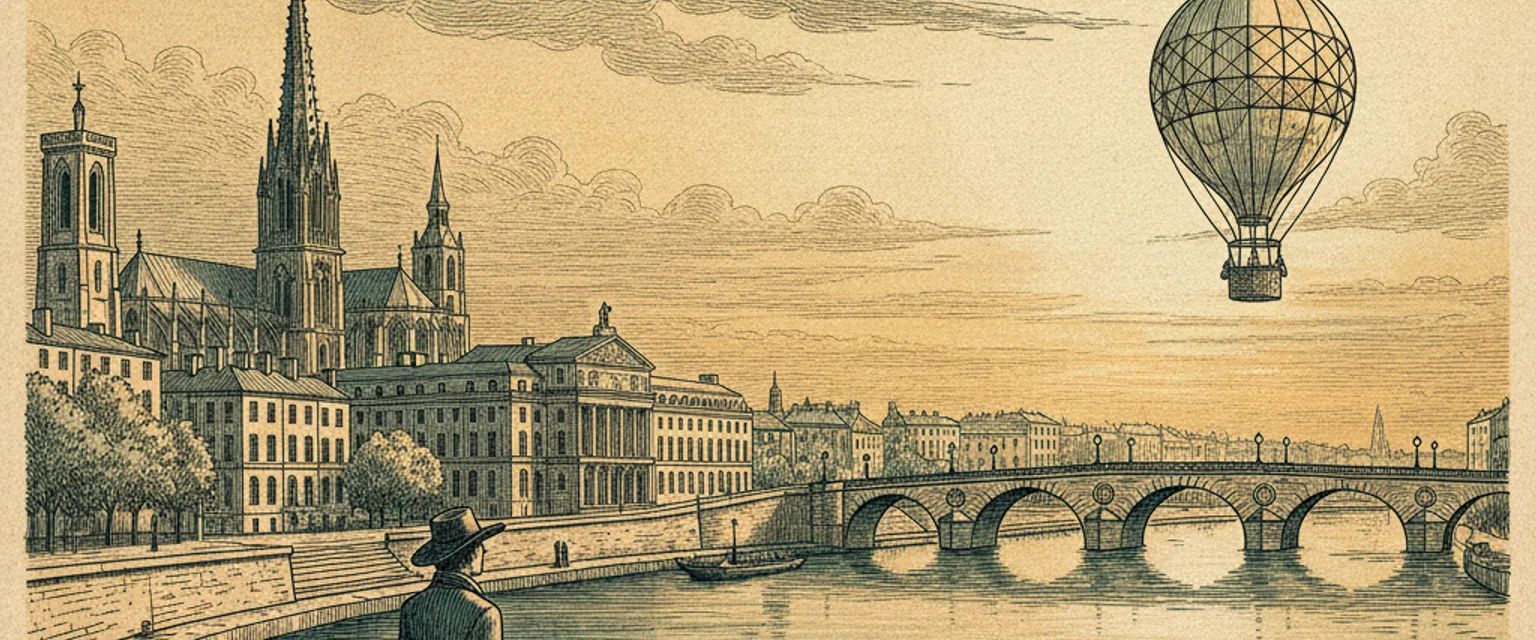
I'd written Bordeaux off in my head as a stuffy wine town for people who say things like nose and finish without irony. Then I walked out onto the Place de la Bourse at dusk, when the Miroir d'eau floods a thin sheet of water across the stone and the whole golden 18th-century facade reflects upside down, kids splashing through it barefoot. I stood there for ten minutes feeling like an idiot for ever doubting the place. Bordeaux spent the last twenty years scrubbing the soot off its buildings and turning its back-to-front to its river, and the result is one of the most quietly beautiful cities
Two days covers the UNESCO-listed centre: the Place de la Bourse and its water mirror, the long shopping spine of Rue Sainte-Catherine, the cathedral, and a proper introduction to the wine at La Cite du Vin or a tasting bar. It's enough to see why people fall for Bordeaux without ever leaving the city.
Do one thing right: catch the Miroir d'eau at dusk when the facades reflect and the light goes gold.
City plus a vineyard escape
A third day gets you out among the vines. Saint-Emilion, a medieval village floating on a sea of grand cru vineyards, is an easy half-day by train. You come back understanding why this region is on every wine map on earth, and slightly tipsy.
Wine, river, and the Atlantic edge
Four days adds the Bassin d'Arcachon: oysters straight from the water and the staggering Dune du Pilat, the tallest sand dune in Europe. You balance grand cru with sea air, and stop feeling like the trip is only about drinking. My pick for a first visit.
Bordeaux as a base for the whole southwest
A week turns Bordeaux into a launchpad: the Medoc's chateau road, the caneles and markets, a day in the surf town of Lacanau or among the bastides. Seven days is for travellers who want the southwest of France, not just its handsome capital.
Estimated budget:$350-$700
Estimated budget:$550-$1100
Estimated budget:$750-$1500
Estimated budget:$1300-$2800
Day 1
The Golden City
Walk the UNESCO old town and meet the river
Place de la Bourse & Miroir d'eau
The postcard square and the world's largest reflecting pool.
Start at the symbol of the new Bordeaux. The 18th-century facade is gorgeous on its own, but the genius is the Miroir d'eau across the road, a thin film of water that mirrors the buildings then mists itself in cycles. Come back at dusk for the real magic, but get your bearings here first.
Rue Sainte-Catherine & Old Town
Europe's longest pedestrian shopping street, threading the centre.
Walk the 1.2km spine of the old town, ducking off into quieter lanes around the Grosse Cloche medieval gate and the Saint-Pierre quarter. It's busy and commercial on the main drag, so the trick is to wander the side streets where the independent shops and wine bars hide. Lunch in a place that isn't on the main road.
Bar a Vin du CIVB
Two-euro glasses of regional wine in a grand listed building.
The official wine council runs a tasting bar where glasses of serious Bordeaux start around three euros, served by people who actually know the appellations. It's the smartest, cheapest crash course in the region's wine you'll find. Go early before it fills, and ask them to talk you through left bank versus right bank.
Day 2
Wine, Water and Light
The science of wine and the city at golden hour
La Cite du Vin
A swirling, glass-and-aluminium temple to wine culture.
Bordeaux's striking modern wine museum is genuinely good — interactive, global in scope, and ending with a tasting in the top-floor Belvedere with panoramic river views. Allow two to three hours. Take tram line B straight to the door. It's the rare wine attraction that won't bore non-drinkers either.
Cathedrale Saint-Andre & Pey-Berland Tower
Gothic cathedral and a bell tower with the best city view.
The cathedral where Eleanor of Aquitaine married the future king of France is worth a look, but the real reward is climbing the free-standing Pey-Berland tower next door. The 233 steps deliver a rooftop panorama of all that honey-coloured stone. Cheap ticket, huge payoff.
Miroir d'eau at Dusk
The water mirror and floodlit facades at the magic hour.
Return to the Place de la Bourse as the light fades and the buildings light up. The reflection in the Miroir d'eau, with the river behind, is the single most photographed thing in the city for good reason. Grab a drink on the quays afterwards and watch the locals jog and skate along the rejuvenated riverfront.
Day 3
Saint-Emilion Wine Country
A medieval village adrift in grand cru vineyards
Saint-Emilion Village
Steep cobbled lanes and a vast church carved into the rock.
Forty minutes by train from Bordeaux, this golden hilltop village is ringed by some of the most prestigious vineyards on earth. Don't miss the Monolithic Church, the largest underground church in Europe, hewn straight from limestone. Buy the macarons that have been baked here since 1620. Book a tasting tour at the tourist office.
A Vineyard Tasting
Cellar tour and tasting at a working chateau outside the village.
The whole point of coming here. Book ahead at one of the family chateaux a short walk or shuttle from the village — many offer barrel-room tours ending in a guided tasting of their grand cru. You'll taste merlot-dominant right-bank reds the way they're meant to be drunk: with someone explaining the soil under your feet.
Day 4
Oysters and the Great Dune
The Atlantic coast at Arcachon Bay
Dune du Pilat
The tallest sand dune in Europe, 100 metres above the forest.
An hour from the city, this colossal moving dune rises out of the pine forest like something from another planet, with the Atlantic on one side and a green sea of trees on the other. The climb up the soft sand is a workout but the view at the top is unreal. Go in the afternoon and stay for the sunset over the ocean.
Arcachon Oysters
Fresh-shucked oysters from the bay, eaten at the source.
The Bassin d'Arcachon is oyster country, and the way to do it is to sit at a humble cabane de degustation in a fishing village like L'Herbe or Cap Ferret and eat a dozen straight from the water with a glass of white and a slice of bread. Cheap, briny, perfect. The fancy version exists too, but the shacks win.
Day 5
The Medoc Chateau Road
Grand chateaux and the great left-bank reds
Route des Chateaux, Medoc
A road lined with the most famous names in red wine.
North of the city, the D2 runs past Margaux, Saint-Julien, Pauillac and Saint-Estephe — names that make wine collectors weak. Most of the first-growth chateaux require advance booking, so plan one or two visits rather than dropping in. Hire a driver or join a small-group tour, because you will be tasting and you shouldn't drive.
Lunch in Pauillac
Lamb and river views in the heart of the Medoc.
The estuary town of Pauillac sits among Lafite, Latour and Mouton Rothschild. Stop here for lunch — local Pauillac lamb is the classic match for the area's reds — at a quayside bistro looking over the wide Gironde. It's a calm, unflashy counterpoint to all those famous gates.
Day 6
Markets and Sweet Things
Eat the city the way locals do
Marche des Capucins
Bordeaux's belly: the great covered market at full roar.
Locals call it Le Ventre de Bordeaux, the belly of the city. Saturday and Sunday mornings the covered market is alive with oyster stalls, cheese, charcuterie and a famous breakfast of oysters and white wine. Pull up a stool at Chez Jean-Mi and join in. This is the most local thing you can do in town.
Les Chartrons
The old wine-merchants' quarter, now Bordeaux's coolest.
Once home to the merchants who shipped Bordeaux to the world, the Chartrons is now a stylish neighbourhood of antique shops, canele bakeries and natural-wine bars. Buy a box of caneles — the city's rum-and-vanilla cakes with a caramelised crust — from Baillardran or La Toque Cuivree. Sunday brings a sprawling quayside market.
Day 7
Surf and Farewell
One last lungful of Atlantic air
Lacanau-Ocean
A laid-back surf town on the wild Atlantic beaches.
An hour west, Lacanau is where Bordeaux goes to surf. The vast flat beaches and reliable swell make it a relaxed, salty escape after all the cellars. Rent a board or just watch from the promenade with an ice cream. It's the easiest way to swap wine glasses for sea spray before you fly home.
Quai des Chartrons Sunset
A final drink on the reborn riverfront.
End where the new Bordeaux is most obvious: the long, landscaped quays along the Garonne. Grab a seat at a waterside bar near the Chartrons as the sun drops behind the river, watch the runners and the skateboarders, and toast a city that genuinely reinvented itself. A fitting goodbye.
For years Bordeaux had a reputation as the slightly dour, soot-blackened wine warehouse of France — a place you passed through on the way to a chateau. Then the city spent two decades sandblasting its honey-coloured 18th-century stone clean, banishing the cars from its centre, and turning its riverfront from a working dock into one of the loveliest urban waterfronts in Europe. The result is a city that looks like it was carved from butter and somehow still has the greatest wine region on earth parked on its doorstep.
How to use this plan
The wine is the obvious draw, but resist the urge to make this trip only about tasting. Two days is enough for the gorgeous old town and a serious introduction to Bordeaux wine without ever leaving the tram lines. Three days adds Saint-Emilion, the storybook medieval village adrift in grand cru vineyards. Four — the length I’d push most first-timers toward — gets you to the Atlantic for oysters at Arcachon and the surreal climb up the Dune du Pilat.
The 7-day plan treats Bordeaux as a base for the whole southwest: the famous Medoc chateau road, the roaring Capucins market, the canele bakeries of the Chartrons, and a final salty day at the surf beaches of Lacanau.
A few honest notes
Book your big-name chateau visits well in advance — the first growths are not drop-in affairs, and if you’re tasting in the Medoc you should not be the one driving. In the city itself, the trams are clean, cheap and go everywhere, so skip the car for anything central. And do not leave without eating caneles and doing the local breakfast of oysters and white wine at the market on a Sunday morning. It sounds absurd and it is completely wonderful.
This article contains affiliate links marked with rel="sponsored". We may earn a commission at no extra cost to you.