Bogota knocked the wind out of me, literally — I jogged up a flight of stairs in La Candelaria and had to sit down, having forgotten the city sits at 2,640 metres. But what really got me was the street art. I'd signed up for a graffiti tour expecting an hour of murals; three hours later I was standing in front of a building-sized piece about Colombia's conflict, listening to a guide explain how this chaotic, misunderstood capital turned its walls into the most honest gallery I've ever seen. I drank a tinto, caught my breath, and fell for the place.
Two days is the essentials: a street-art walking tour and the Gold Museum in La Candelaria on Day 1, then the funicular up Monserrate for the city-from-above view and brunch in Usaquen on Day 2. Take the altitude seriously, go slow on Day 1, and you'll be fine.
Bogota sits at 2,640m — altitude is real. Drink water, skip the heavy drinking on night one, and don't be surprised if stairs leave you gasping. Use registered taxis or apps; don't flag cabs on the street.
72 Hours: Add Botero, the Cathedral, and Coffee
Three days adds the wonderful (free) Botero Museum, the Primada Cathedral on Plaza Bolivar, and a proper deep dive into Colombian coffee culture. Day 3 is when Bogota stops being intimidating and starts being a city you actually like.
4 Days: Zipaquira Salt Cathedral Day Trip
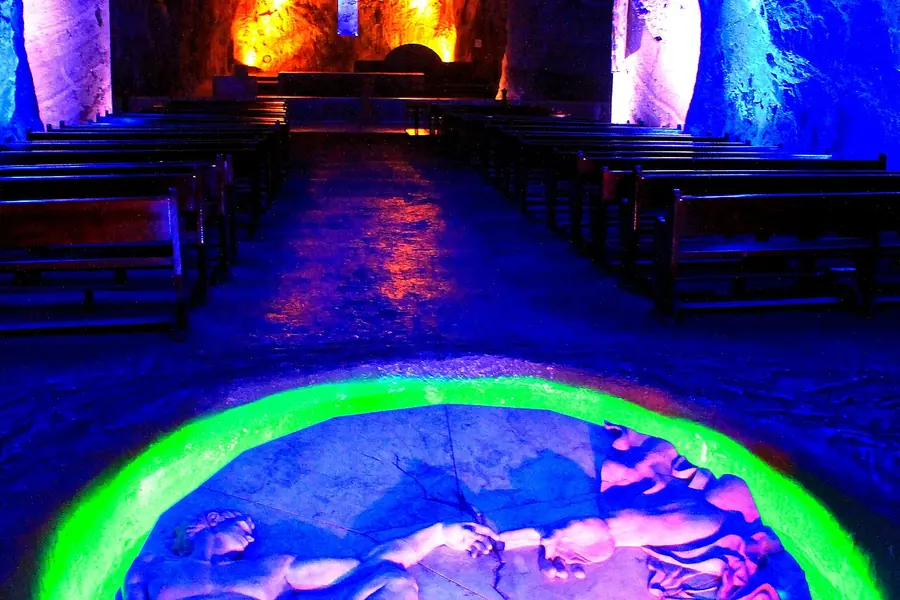
Four days means the day trip everyone raves about: the Zipaquira Salt Cathedral, a vast underground church carved 200 metres deep into a working salt mine, an hour north of the city. It's one of the strangest and most moving spaces in South America.
7 Days: Bogota, the Savanna, and Beyond
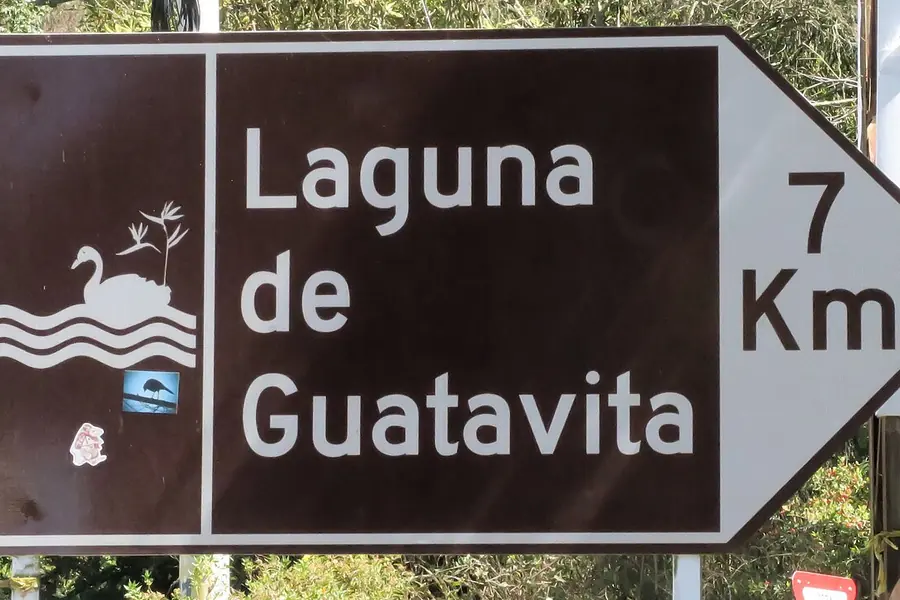
A week lets Bogota breathe and reaches the surrounding savanna — the colourful town of Villa de Leyva, the Guatavita lagoon (the real El Dorado legend), Andean hikes, and the city's best food and nightlife. By Day 5 you'll have adjusted to the altitude, found your favourite arepa stand, and stopped flinching every time someone mentions the city's reputation.
Estimated budget:$120-$320
Estimated budget:$180-$460
Estimated budget:$250-$640
Estimated budget:$440-$1,150
[ THE DISPATCH · FIELD MAP ]
A tilted, hand-drawn dispatch of Bogota. Click a quarter to explode it open.
0 / 6 quarters explored
Legend · tap to highlight
[ LA CANDELARIA ]
Old stones, older stories.
La Candelaria street art tourA guided walk through the world's most political and beautiful open-air gallery.
Museo del Oro (Gold Museum)55,000 pieces of pre-Columbian gold that will ruin every other museum for you.
[ CENTRO / MUSEO DEL ORO ]
Grand squares and big ideas.
La Candelaria dinner + chichaAndean food and a cup of chicha in the lamplit colonial lanes.
[ CERRO DE MONSERRATE ]
Green breathing room.
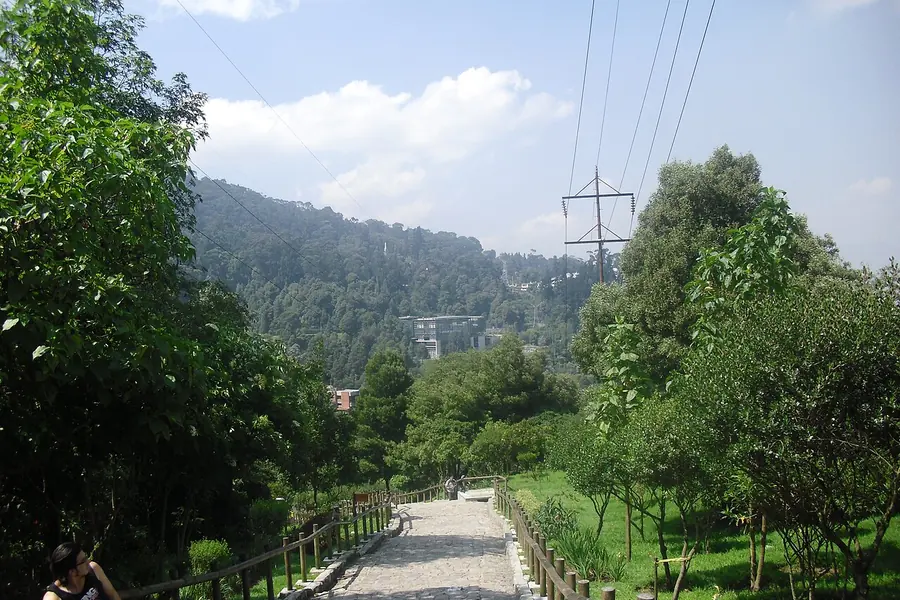
Cerro de MonserrateA pilgrimage church on a mountain 500m above the city, with a view over all eight million people.
Usaquen brunch + flea marketA cobbled former village in the north, all brunch spots and a Sunday craft market.
[ USAQUEN ]
Old stones, older stories.
Zona T / Parque 93 nightlifeThe polished northern nightlife zone — cocktails, rooftops, and salsa.
[ ZONA ROSA / PARQUE 93 ]
Stays up later than you do.
Zona TA nightlife worth your time.
Parque de la 93A nightlife worth your time.
[ CHAPINERO ]
Grand squares and big ideas.
Mercado de PaloquemaoBogota's great wholesale market — a riot of exotic fruit you've never heard of.
Modern Colombian dinner in ChapineroNew Colombian cooking and craft cocktails in the city's coolest district.
Day 1
La Candelaria + Street Art + Gold Museum
The historic centre, its walls, and a treasure of pre-Columbian gold
La Candelaria street art tour
A guided walk through the world's most political and beautiful open-air gallery.
La Candelaria, Bogota's colonial old town, has become one of the great street-art cities on earth — its walls covered in building-sized murals by Colombian and international artists. The tip-based Bogota Graffiti Tour is the best introduction, threading the history of the city's conflict, politics, and culture through the art. Go on Day 1: it orients you in the centre and explains the country better than any museum could.
Museo del Oro (Gold Museum)
55,000 pieces of pre-Columbian gold that will ruin every other museum for you.
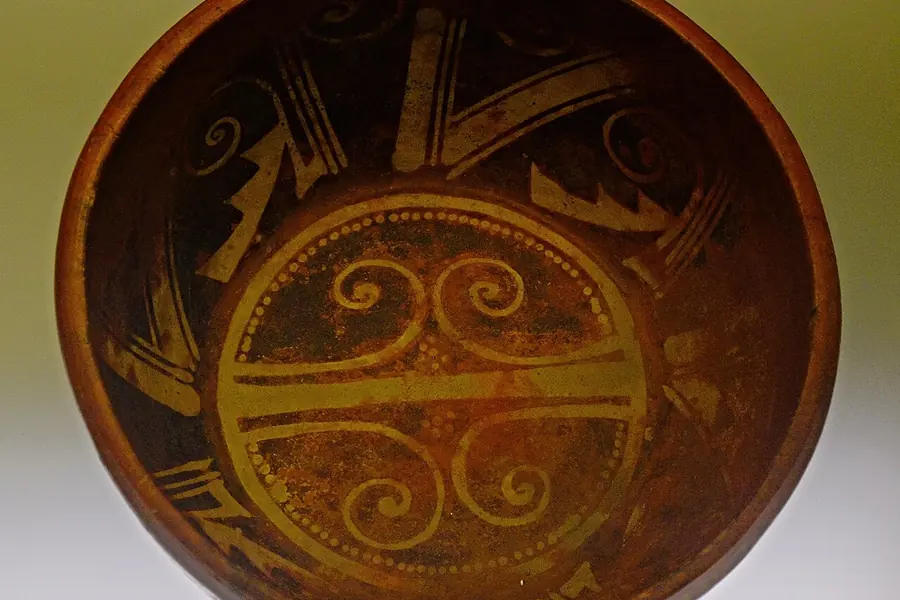
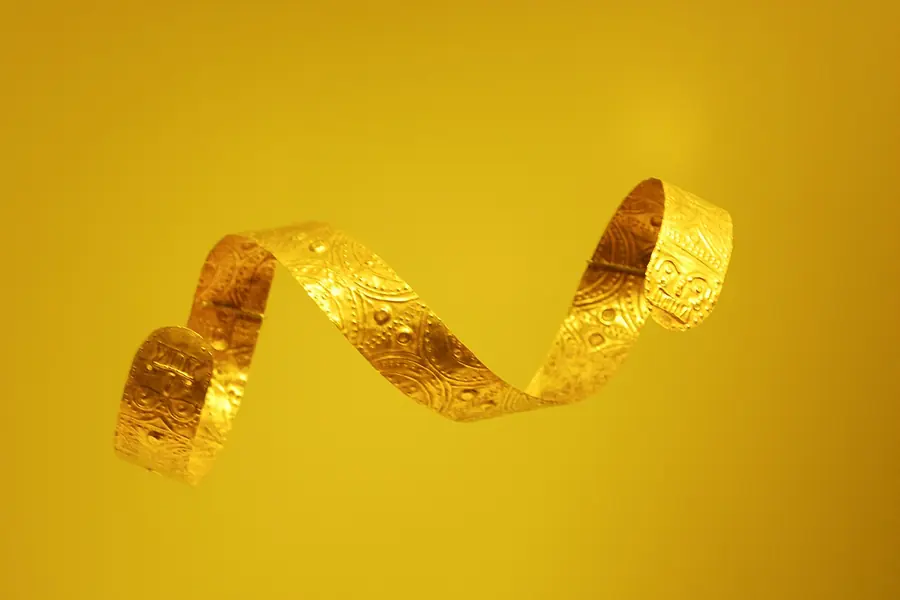
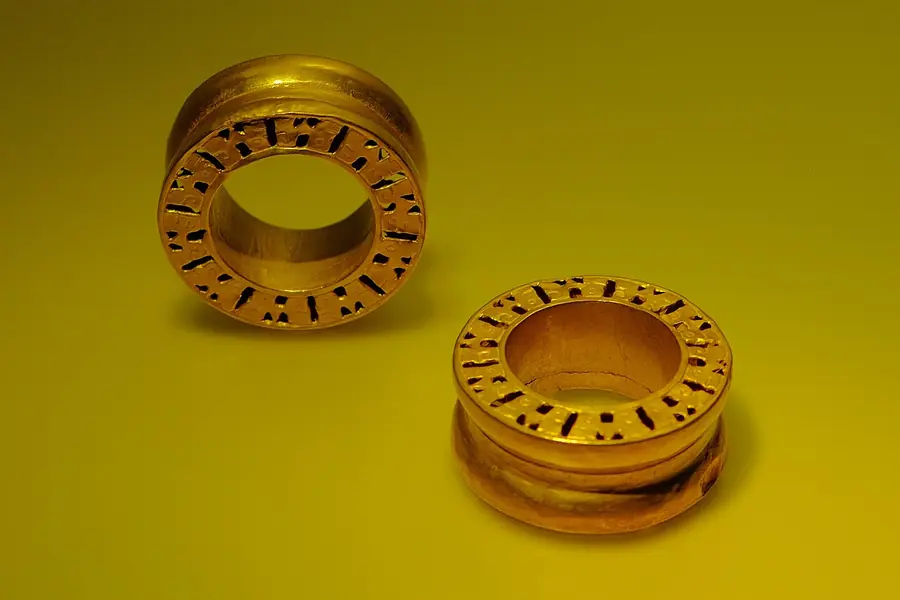
The Museo del Oro holds the world's largest collection of pre-Hispanic gold work — over 55,000 pieces of dazzling Muisca, Tairona, and Quimbaya craftsmanship, including the famous Muisca raft tied to the El Dorado legend. The darkened "Offering" room at the climax is genuinely breathtaking. It's superbly curated, affordable, and free on Sundays. Allow at least two hours; this is one of the best museums in the Americas.
Andean food and a cup of chicha in the lamplit colonial lanes.
Stay in La Candelaria for dinner among the painted colonial houses. La Puerta Falsa, open since 1816, is the city's oldest eatery — come for tamales and ajiaco, the creamy Bogota chicken-and-potato soup. For atmosphere, the bohemian bars around Calle del Embudo serve chicha (fermented maize drink) and canelazo (warm spiced aguardiente) in a crowd of students and artists. Keep your wits and your phone tucked away after dark.
Day 2
Monserrate + Usaquen Brunch
The city from 3,150 metres and a leafy northern village
Cerro de Monserrate
A pilgrimage church on a mountain 500m above the city, with a view over all eight million people.
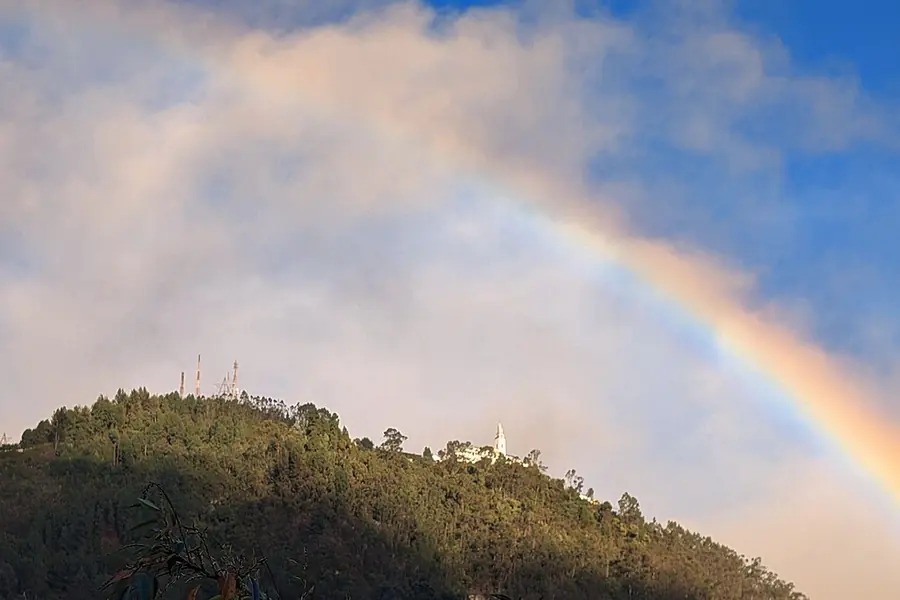
Monserrate is Bogota's guardian peak, a 3,150-metre mountain topped by a white pilgrimage church and reached by funicular, cable car, or (for the very fit and acclimatised) a steep hiking path. The view over the endless sprawl of the city, hemmed against the Andes, is staggering — go early before the afternoon clouds roll in. There are cafes and a couple of upscale restaurants at the top for a coffee with the view.
A cobbled former village in the north, all brunch spots and a Sunday craft market.
Usaquen, in the wealthy north, is a former colonial village swallowed by the city but still village-like — a leafy plaza ringed with restaurants, brunch cafes, and (on Sundays) a sprawling craft and antiques flea market. It's a relaxed, safe, well-heeled counterpoint to gritty La Candelaria. Linger over a long brunch, browse the market stalls, and people-watch over a Colombian coffee.
Zona T / Parque 93 nightlife
The polished northern nightlife zone — cocktails, rooftops, and salsa.
For a night out, the Zona Rosa (around the pedestrian Zona T) and Parque de la 93 are Bogota's upscale dining and nightlife hubs: rooftop cocktail bars, fine-dining, and clubs that pump salsa, reggaeton, and crossover until dawn. It's safer and slicker than the centre after dark. Have a few aguardientes, attempt some salsa, and let a local lead — they will, gladly.
Day 3
Botero + Plaza Bolivar + Coffee
Fat figures, the civic heart, and Colombia's other gold: coffee
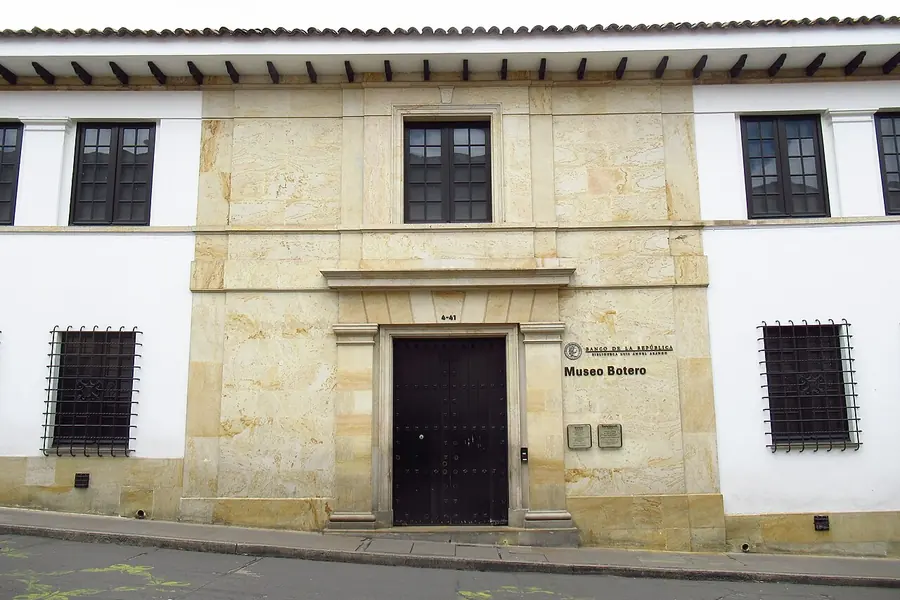
Museo Botero
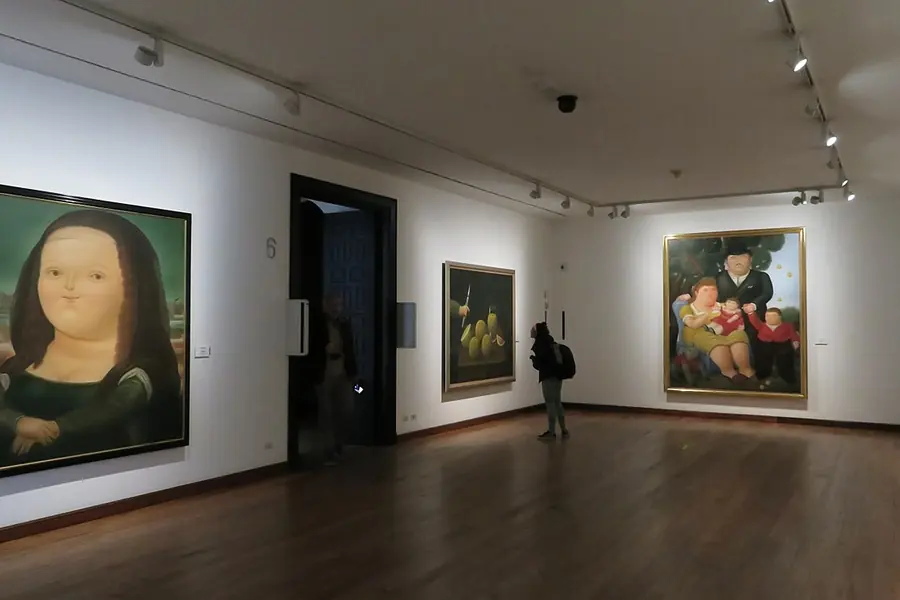
Fernando Botero's plump masterpieces and his personal Picasso-and-Monet collection — all free.
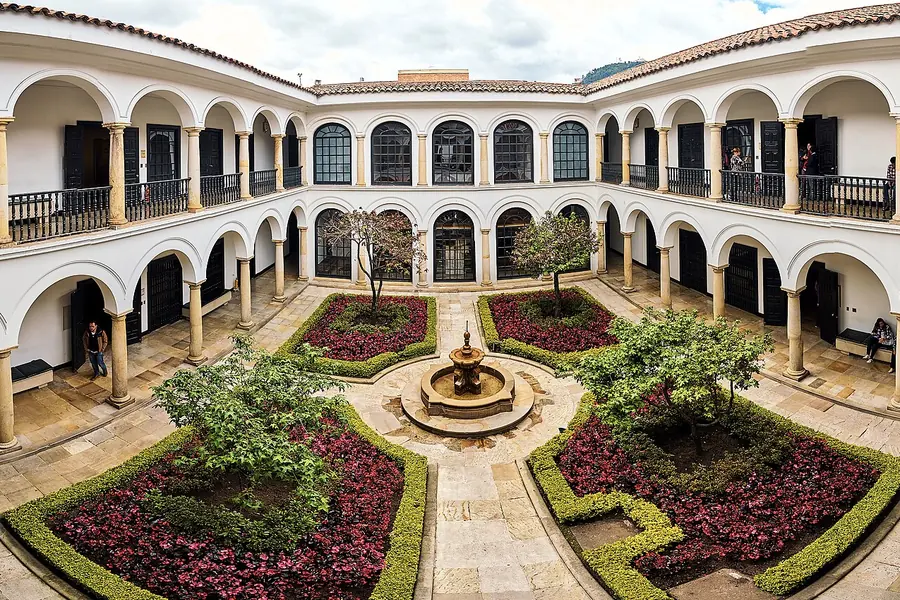
The Museo Botero, in a gorgeous colonial mansion in La Candelaria, houses the playful, rotund works of Colombia's most famous artist, Fernando Botero, alongside the international collection he donated — Picasso, Monet, Renoir, Dali. It's beautifully laid out around courtyards and, remarkably, completely free. An hour here is one of the great cultural bargains in South America.
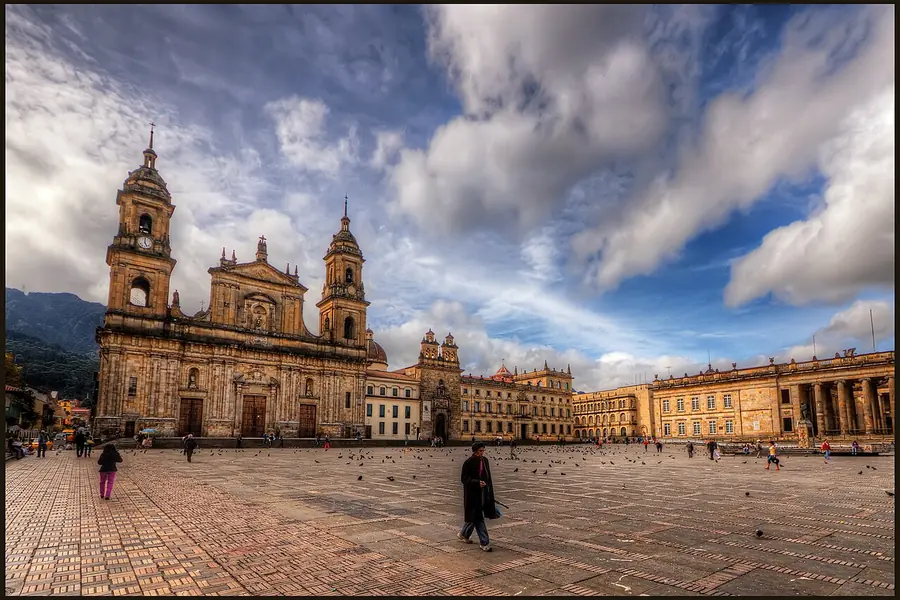
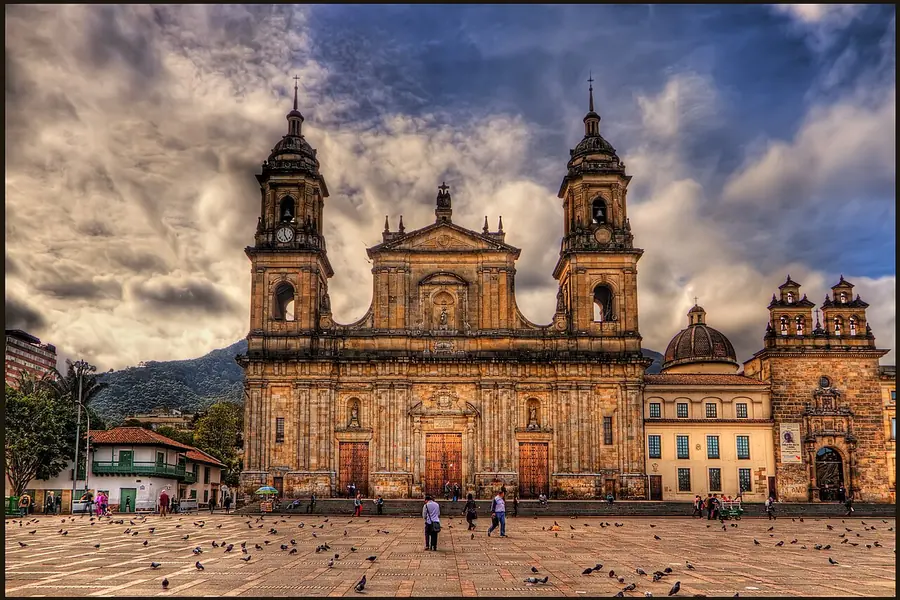
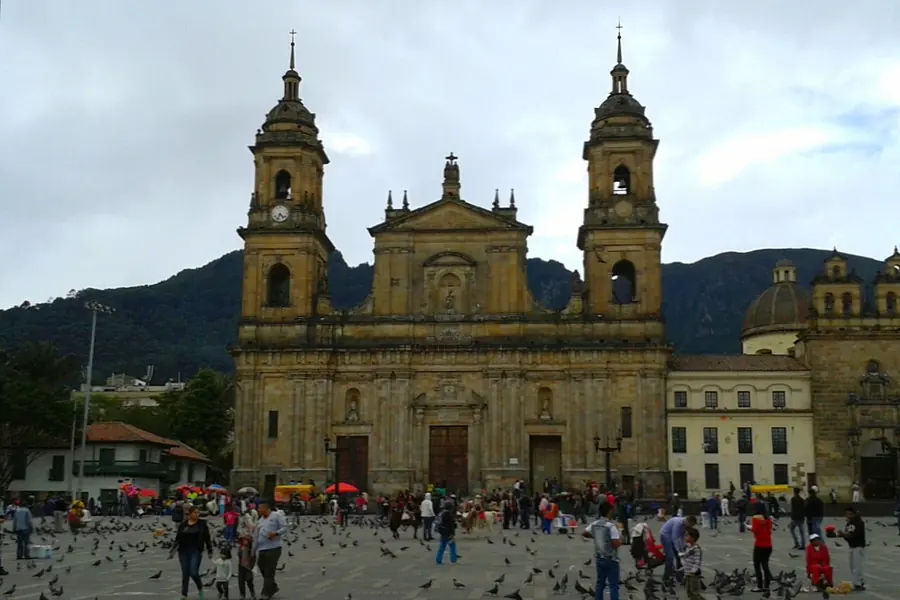
The grand civic square ringed by the cathedral, capitol, and city hall.
Plaza Bolivar is Bogota's monumental main square, flanked by the neoclassical Catedral Primada, the Capitolio Nacional, the Palace of Justice, and the city hall — the civic and religious heart of Colombia. Pigeons, protesters, and llamas posing for photos share the space. Step inside the cathedral, admire the colonial Casa del Florero museum on the corner (birthplace of the independence movement), and feel the weight of the country's history.
Cupping Colombia's finest beans — far better than the export-grade stuff.
Colombia keeps its best coffee at home, and Bogota's specialty cafes are where you taste it properly. Cafe San Alberto, Azahar, and Catacion Publica offer tastings and barista-led cuppings that explain regions, roasts, and brewing. After days of strong, sugary "tinto" from street carts, a careful pour-over of single-origin Colombian beans is a revelation. Buy a bag to take home; it'll spoil you.
Day 4
Zipaquira Salt Cathedral Day Trip
An underground cathedral carved from salt
Zipaquira Salt Cathedral
A vast church 200 metres underground, carved into a working salt mine and lit like a dream.
The Catedral de Sal de Zipaquira, an hour north of Bogota, is one of the most extraordinary spaces in South America — an entire cathedral carved 200 metres deep into a working salt mine, its tunnels marked by the fourteen Stations of the Cross and a soaring main nave lit in shifting blues and violets. It's a genuine pilgrimage site and an eerie, beautiful feat of engineering. Take a guided tour to navigate the mine safely.
A pretty colonial town square for lunch after the depths.
Above ground, Zipaquira is a handsome colonial town with a fine central plaza and cathedral, worth an hour and a lunch after the mine. Grab a hearty Andean meal — a bandeja or a fresh trout — on the square, then either head back to Bogota or, if you're driving, continue to the nearby town of Nemocon and its own (quieter) salt mine. The countryside up here is green, cool, and lovely.
Day 5
Villa de Leyva
A perfectly preserved colonial town and a giant cobbled plaza
Plaza Mayor, Villa de Leyva
One of the largest cobblestone squares in the Americas, ringed by whitewashed colonial houses.
Villa de Leyva, about three hours north, is Colombia's most beautiful colonial town — a frozen-in-time grid of whitewashed houses around an enormous cobbled Plaza Mayor, one of the biggest in the Americas. The town is a national monument with strict preservation rules, so it feels genuinely 16th-century. Wander the lanes, browse the artisan shops, and have lunch on the square. Consider an overnight if your week allows — it's worth it.
Fossils + vineyards around Villa de Leyva
A 120-million-year-old marine fossil and a high-altitude winery.
The dry valley around Villa de Leyva hides surprises: El Fosil museum displays a colossal 120-million-year-old kronosaurus fossil found in situ, and the nearby Vinedo Ain Karim is one of Colombia's few wineries, offering tastings with mountain views. Add the strange desert formations of the Desierto de la Candelaria if you have time. It's a wonderfully odd, scenic corner of the Andean savanna.
Day 6
Guatavita + the El Dorado Legend
The sacred lagoon that launched a myth
Laguna de Guatavita
The sacred Muisca lagoon where the real El Dorado ritual took place.
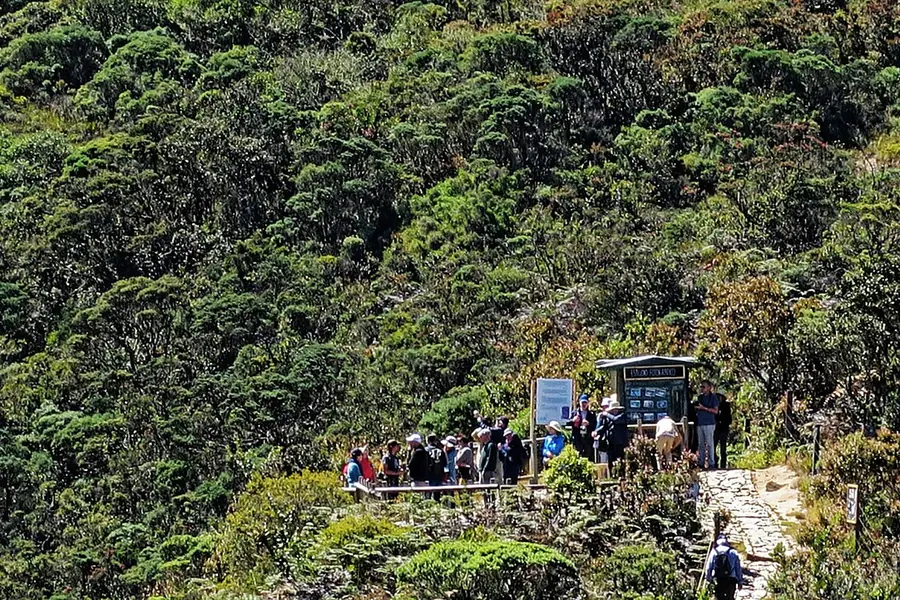
Laguna de Guatavita, an hour and a half north, is the actual source of the El Dorado legend — the perfectly circular sacred lake where the Muisca people performed gold-offering rituals, their chief covered in gold dust (the "gilded man" the Spanish chased across a continent). A guided trail climbs through the paramo to viewpoints over the startlingly green water. The setting, high and silent in the mountains, is deeply atmospheric.
A relocated white village beside a big mountain reservoir.
The modern town of Guatavita is a planned white-walled village built in the 1960s when the original was flooded by a reservoir. It sits prettily by the water and makes an easy lunch stop — try the local trout — with options for kayaking or a lakeside walk before the drive back to Bogota. It's a relaxed, scenic counterpoint to the spiritual intensity of the lagoon above.
Day 7
Bogota Food Finale
Markets, modern Colombian cooking, and a last night out
Mercado de Paloquemao
Bogota's great wholesale market — a riot of exotic fruit you've never heard of.
Paloquemao is Bogota's vast, frenetic central market and the best food experience in the city. The fruit section alone is a revelation — lulo, guanabana, mangostino, granadilla, feijoa, dozens of Andean species with no English names. Go early with a guide or solo, taste everything offered, grab a fresh juice, and watch the flower and produce traders at full tilt. It's the real, unvarnished Bogota.
Modern Colombian dinner in Chapinero
New Colombian cooking and craft cocktails in the city's coolest district.
End with Bogota's exciting modern food scene in Chapinero Alto, the hip, hilly district of restaurants and bars. Restaurants like Mesa Franca, El Chato (one of Latin America's most acclaimed), and Prudencia turn Colombian ingredients into something thrilling. Follow dinner with craft cocktails or a final aguardiente in a Chapinero bar. It's the perfect, sophisticated farewell to a city that's far more than its reputation.
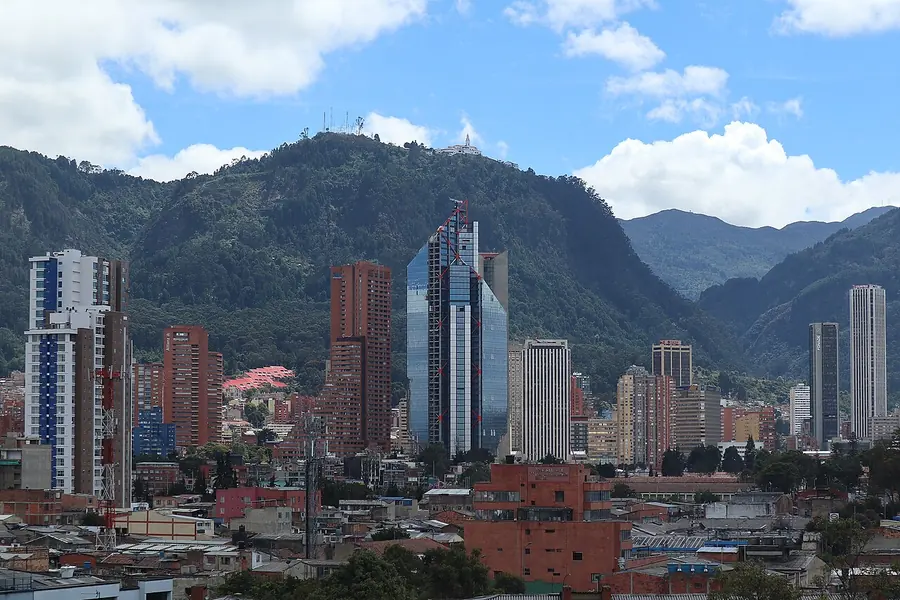
Bogota gets unfairly written off. People picture danger and rain and skip straight to Cartagena or the coffee region. Their loss. Colombia’s high-altitude capital is a sprawling, cerebral, endlessly surprising city — home to the best gold museum in the Americas, the most honest street art I’ve ever seen, world-class coffee Colombia keeps for itself, and a food scene quietly turning into one of Latin America’s best.
Here’s the honest pitch. Bogota isn’t a postcard city; it’s a real one, gritty and grey and intense, and that’s exactly what makes it rewarding. Give it the street-art tour on day one and it cracks open. Add the Gold Museum, the view from Monserrate, brunch in Usaquen, and the underground salt cathedral at Zipaquira, and you’ve got one of the most distinctive city breaks on the continent.
The 2/3/4/7-day versions scale from the historic centre outward. Two days is La Candelaria and Monserrate. Four days adds the Zipaquira Salt Cathedral. Seven days reaches Villa de Leyva, the El Dorado lagoon at Guatavita, and the city’s best food.
A few honest, practical notes. The altitude (2,640m) is no joke — go slow your first day and hydrate. Use ride apps or registered taxis rather than flagging cabs, keep valuables out of sight, and stick to the recommended areas after dark; with normal big-city sense, it’s perfectly enjoyable. Bring layers: it’s spring-like and can rain any month. Use the duration filter above to build your version of this wildly underrated capital.
This article contains affiliate links marked with rel="sponsored". We may earn a commission at no extra cost to you.