
[ TIPS · THE DISPATCH ]
Which Airport ATM Won't Rob You: Spotting the Euronet-Style Machines That Charge $12 a Pull
Learning to avoid airport ATM fees abroad saved me from the bright-blue Euronet machines that quietly skim $12 a withdrawal. Here's how to spot the predators and the one screen you must always decline.
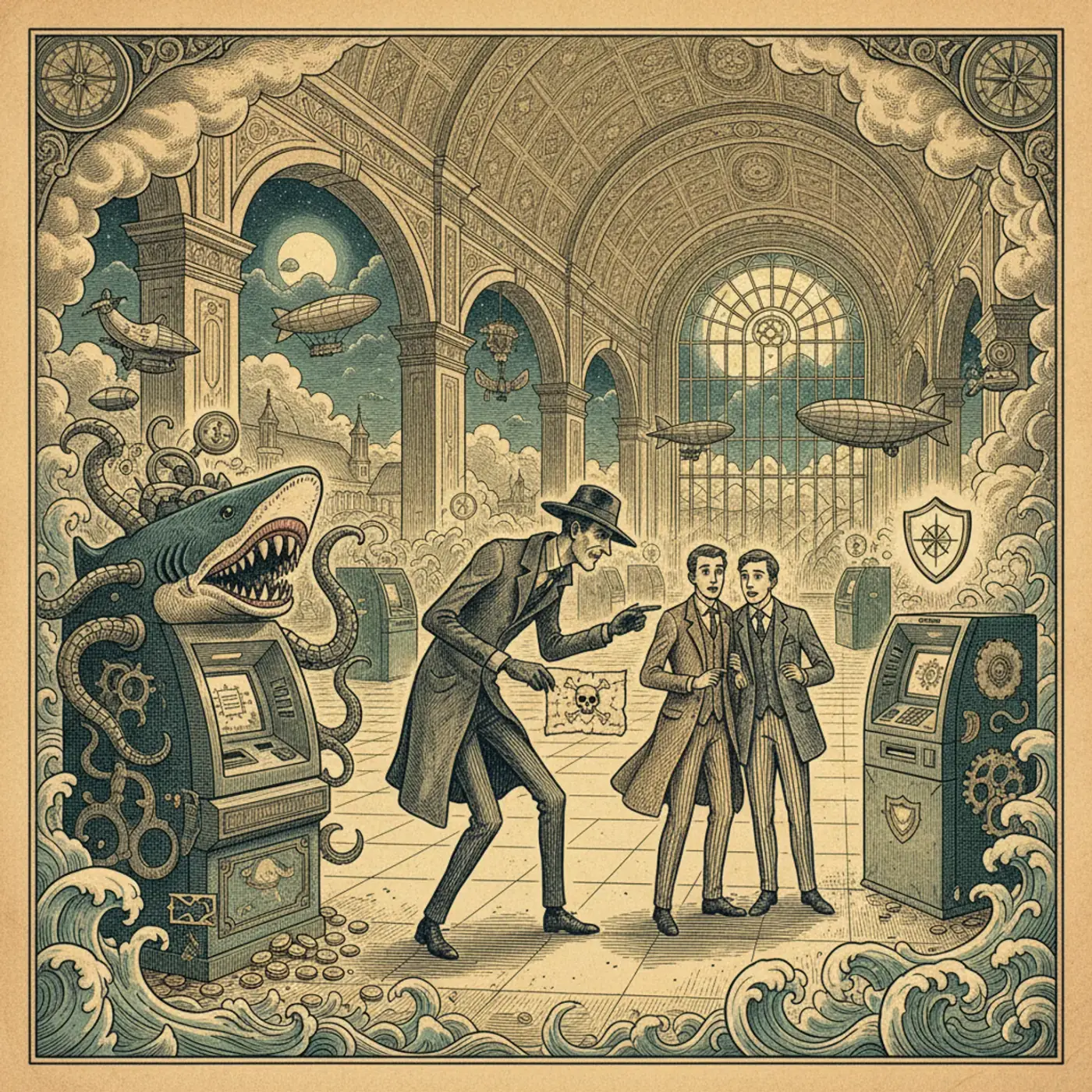
Learning to avoid airport ATM fees abroad is basically learning to recognize a mugging that wears a friendly blue uniform. The first time Euronet got me was at Lisbon arrivals — bright blue machine, right where I stumbled off the jet bridge, conveniently placed before I’d found my brain after a red-eye. I pulled €200 and the thing skimmed me about €11 in fees plus a garbage exchange rate. I didn’t even notice until I checked my statement days later. Cute.
Disclosure: This post contains affiliate links. We may earn a small commission if you apply or book through them, at no cost to you.
The machines that are designed to rob you
Here’s the dirty secret of airport arrivals halls. The most visible, most convenient, most brightly lit ATMs are usually the worst ones. That’s not an accident. They pay for the prime placement because they make it back off your sleepy, jet-lagged self.
The usual suspects:
- Euronet. Bright blue, everywhere in Europe, charges a fixed fee per withdrawal (often €4–€6) and offers a rotten exchange rate and aggressively pushes you to convert. Triple-dip.
- Travelex and other “currency” branded machines. Same playbook.
- Anything that screams “CASH” in giant letters and isn’t attached to an actual bank.
The tell is simple. Is there a real bank’s name on it? Santander, BNP Paribas, Bangkok Bank, ANZ, whoever the local big bank is? That’s a real bank ATM, and those generally charge a small fee or none and give you the proper interbank-ish rate. A standalone box with no bank name is a fee farm. Walk past it.

Where the good machines hide
The good ATMs are almost never the first ones you see. They’re tucked past the obvious row, sometimes near the train station entrance, sometimes a level down, sometimes only landside after you exit customs.
So my move now: I land, I ignore every machine in the immediate arrivals scrum, and I either find a bank-branded one deeper in the terminal or — honestly often the better play — I just use my card for the airport train into the city and pull cash from a proper bank ATM downtown the next morning. The exchange rate in a city-center bank machine beats the airport almost every time.
I keep a little buffer of cash from a previous trip or order €50 worth before I fly, just enough to not be desperate at the airport. Desperate is exactly the state these machines are built to exploit.

Fewer, bigger withdrawals
Because most ATMs charge a flat fee per withdrawal, the math is obvious: pulling €100 five times means five fees. Pulling €400 once means one fee. So if a machine charges a fixed fee and you trust the area, take out more in a single go rather than nickel-and-diming yourself across the trip.
Within reason, obviously. Don’t walk around a city you don’t know with €600 in your sock. Take what covers a few days, keep most of it in the hotel safe, carry walking-around money on you.
Bring the right card
This is the part that actually fixes the problem at the root. Some checking accounts and travel cards refund ATM fees worldwide. Charles Schwab’s checking account is the famous one — it reimburses every ATM fee, anywhere, at the end of the month, and uses the real Visa rate. Fidelity’s cash management account does something similar. If you travel even a few times a year, opening one of these before your next trip is the highest-return ten minutes you’ll spend.
With a fee-refund card, the flat fees stop mattering — you’ll get them back — so your only job is dodging the bad exchange rate, which means declining DCC and ideally still using a bank-branded machine.
A couple more small things that have saved me:
- Use ATMs inside or attached to a bank branch, not freestanding ones on the street. They’re less likely to be tampered with (skimmers) and you have recourse if the machine eats your card during opening hours.
- Cover the keypad when you type your PIN. Old advice, still true, and it costs nothing.
- Check your statement within a few days. The Lisbon Euronet hit me precisely because I didn’t look until I was home. Catch it early and you can sometimes dispute the DCC if they didnt give you a fair choice.
The whole thing comes down to slowing down for ninety seconds in a moment when you’re tired and just want cash. The machines are betting you won’t. Prove them wrong.
Walk past the blue box, find the bank-branded machine, decline the conversion, pull a bigger amount once — and carry a card that refunds the fee so none of it stings at all.
This article contains affiliate links marked rel="sponsored". We may earn a commission at no extra cost to you.