
[ GUIDE · THE DISPATCH ]
Where to Stay in Taipei: Zhongshan Calm vs. Xinyi's Glass Towers
Where to stay in Taipei, decoded: leafy mid-city Zhongshan against the glass towers and malls of Xinyi. Honest pros, cons, prices, and who each one actually suits.
If you’re working out where to stay in Taipei and it’s come down to Zhongshan vs. Xinyi, you’ve quietly skipped past the touristy-but-fine choices and landed on the two that actually define how your trip feels. One is leafy, lived-in, slightly old-fashioned. The other is glass and money and a tower you can see from space. I’ve stayed in both. Here’s the honest version.

Zhongshan: the quiet, central, slightly underrated one
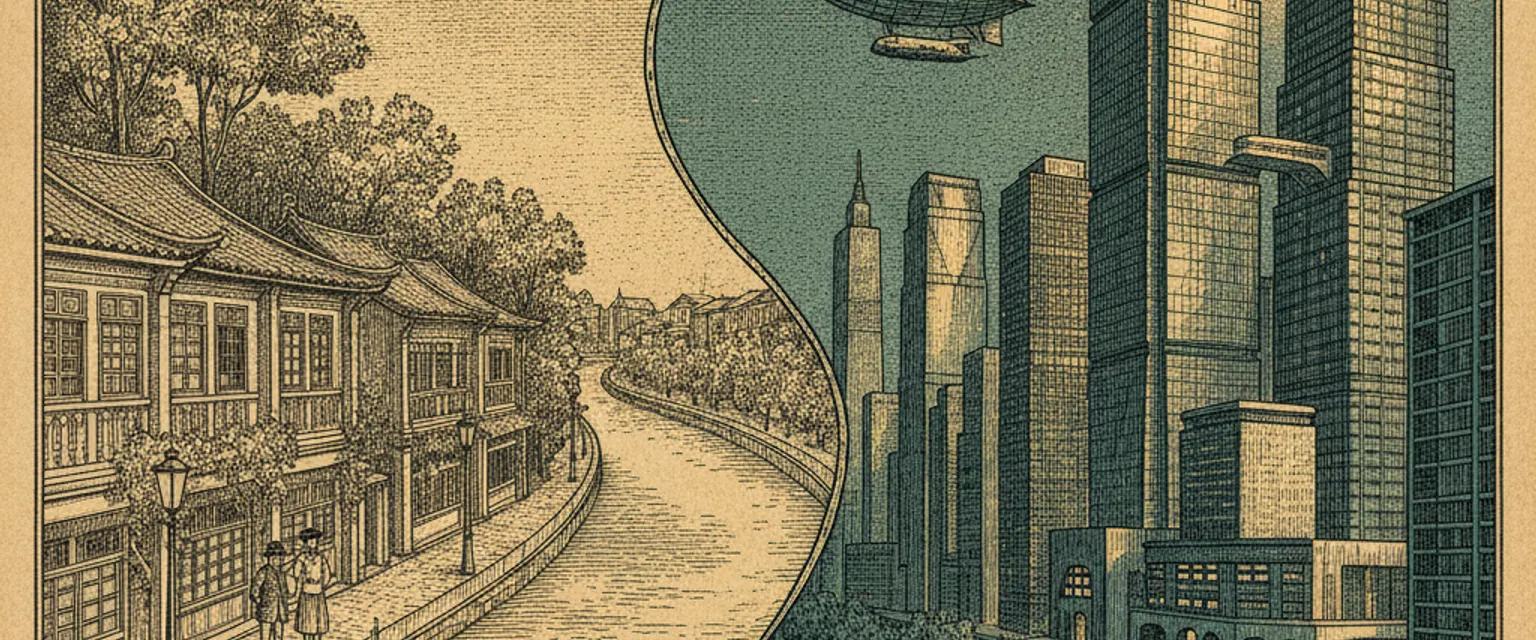
Zhongshan sits just north of the main station, and it’s my pick if you want Taipei to feel like a city people live in rather than a city people photograph. Tree-lined backstreets, low-rise apartment blocks, little temples wedged between coffee shops, and the kind of breakfast joints where you point at a steamed bun and an iced soy milk and walk out two dollars lighter.
Who it’s for: travelers who want atmosphere, walkability, and not to feel like they’re sleeping inside a shopping centre. You’re a short metro hop from everything, and you can stroll to Dihua Street’s old shophouses, or up into the lanes around Zhongshan MRT where there’s a whole undercover book-and-art zone people forget about.
The trade-offs: it’s calmer at night. Not dead, but if you want rooftop bars and crowds at midnight, this isn’t it. And the charm means some buildings are, let’s say, characterful. Read the reviews for “thin walls.”
Price-wise it’s the better deal. Solid mid-range hotels run roughly NT$2,500-4,000 a night, and the value-per-dollar beats Xinyi handily.

Xinyi: the shiny one, and yes, it earns some of it
Xinyi is Taipei’s showpiece district — Taipei 101 spearing up out of a grid of department stores, glass office towers, wide plazas, and more malls than any one person needs in a lifetime. It’s clean, it’s modern, it’s where the money hangs out, and it photographs ridiculously well at blue hour.
Who it’s for: first-timers who want everything polished and at hand, shoppers, and anyone who wants the view. Stay here and Taipei 101, the Xinyi nightlife strip, and the elephant-mountain hiking trail (Xiangshan — go at sunset for the postcard shot of the tower) are all within a stroll.
The trade-offs: it’s pricier, and it can feel a little corporate. The streets are wide and a bit sterile compared to Zhongshan’s tangle. You’re paying for newness and proximity to 101. Decent hotels here start higher, often NT$4,000-6,500, and the truly nice ones go well beyond.
And here’s a small thing nobody mentions — Xinyi empties out. The office crowd goes home, the malls close, and some pockets get oddly quiet at night for such a flashy district. Lovely, but not the buzzing-til-2am scene the skyline suggests.

So which one
Quick gut check.
Pick Zhongshan if you want value, character, easy mornings, and a Taipei that feels real. Pick Xinyi if you want the view, the gloss, the malls at your feet, and you don’t mind paying for it.
The honest truth? Both sit on the red MRT line, which means the “which neighborhood” question matters less here than almost any city I know. You can sleep in leafy Zhongshan and be staring up at 101 in fifteen minutes. The metro is clean, cheap, runs late, and shames most of the world. Get a EasyCard at any station, load it, tap in and out, done.
If you forced me to choose for a first trip, I’d send you to Zhongshan and tell you to commute to the shiny stuff. You get the better breakfasts, the better prices, and the better evening walks — and the gloss is a ten-minute ride away whenever you fancy it. The reverse doesn’t really work. From a Xinyi tower, the old streets feel like a place you have to make an effort to reach, and so you never quite do.
A couple of things worth knowing whichever way you lean. Taipei eats late and eats well, and the food near each base has its own flavour. Zhongshan puts you within stumbling distance of Ningxia Night Market, which is small, old-school, and a fraction less hectic than the famous ones — go for the oyster omelette and the taro balls, and go hungry. Xinyi’s eating is more mall food court and polished restaurant, brilliant in its own way but you’ll pay tower prices for the privilege. If a great cheap bowl of beef noodle soup at 10pm is your idea of a good night, that nudges you toward Zhongshan too.
And the weather genuinely shapes the choice. Taipei gets hot and sticky, and the afternoon rain arrives like clockwork in summer — a sudden warm downpour that empties the streets for twenty minutes. Zhongshan’s covered arcades and tree cover make wandering between showers pleasant. Xinyi’s wide open plazas look gorgeous in the brochure and offer you precisely nowhere to shelter when the sky opens. I got caught out there once, sprinting between mall awnings with a bag of dumplings going soggy, and I’ve never quite forgiven the architecture for it.
One last thing. Wherever you land, book within a five-minute walk of an MRT exit. Taipei’s heat and afternoon rain are real, and the difference between “right by the station” and “ten minutes away” is the difference between loving this city and resenting your own feet.
Zhongshan for the heart, Xinyi for the camera. And if you can only pick one, pick the one with the better breakfast — that’s Zhongshan, every time.
This article contains affiliate links marked rel="sponsored". We may earn a commission at no extra cost to you.