
[ GUIDE · THE DISPATCH ]
Where to Eat in Kuala Lumpur: Hawker Stalls, Mamak, and Banana Leaf
A where-to-eat Kuala Lumpur food guide across Malay, Chinese, and Indian KL: hawker stalls, mamak joints, and banana-leaf rice. Real names, prices, and when to go.
If you want to know where to eat in Kuala Lumpur, here’s the food guide that actually matters: KL is three cuisines living on top of each other — Malay, Chinese, and Indian — and the trick is to eat across all of them in a single hungry day. Hawker stalls, a mamak joint, and a banana-leaf feast. Do that and you’ve understood the place better than any rooftop tasting menu could teach you.
I’ve eaten my way through this city more times than my waistline cares to remember. Here’s how I’d send you in.

Hawker stalls: Malay and Chinese KL, side by side
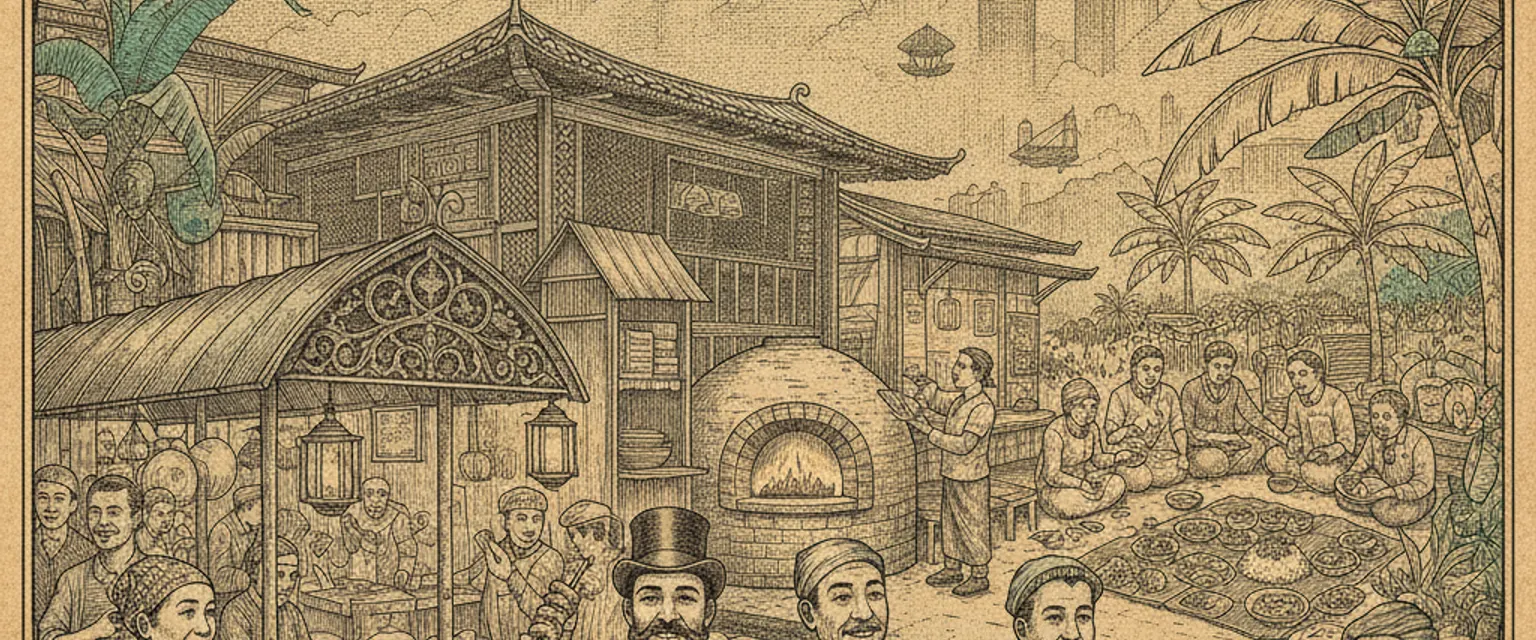
The hawker centre is the engine of KL eating. Rows of stalls, shared tables, a man with a wok throwing flames, ladies ladling laksa, and you wandering between them assembling a meal from four different cooks. You don’t order from one place. You graze.
Start with nasi lemak — coconut rice, sambal, fried anchovies, a boiled egg, and if you’re lucky some fried chicken. It’s the national dish for a reason and it’s the breakfast locals actually eat. Then char kuey teow from a Chinese stall: flat noodles fried hard and fast with prawns and that smoky char. And Hokkien mee, dark and glossy with pork lard, which is rude and wonderful.
Where I’d point you: Jalan Imbi for the old-school stuff, or the hawker cluster off Petaling Street in Chinatown. A full belly here costs you maybe RM15-25. Genuinely. You’ll spend more on a coffee back home.

Mamak: the 24-hour heartbeat
The mamak is the Indian-Muslim joint, open basically forever, and it’s where KL goes at 1am, at 6am, after the football, before work, whenever. Plastic chairs, fluorescent light, a guy stretching dough into a blur. This is comfort food and theatre at once.
Order roti canai — flaky, flipped, pulled flatbread you tear and dip into dhal and curry. It’s a couple of ringgit and it’s perfect. Get a teh tarik, the “pulled” milk tea poured in long ropes between two cups until it’s frothy. Watching them make it is half the point. And if you’re properly hungry, nasi kandar — rice with a pile-up of curries, the gravies mixed together in a move they call “banjir” (flooded).
There’s no single mamak to send you to because they’re everywhere and that’s the beauty of it — but the ones on Jalan Tunku Abdul Rahman and around the older quarters never sleep. Go at an absurd hour. That’s when it’s best.
Banana leaf: the Indian feast
And then there’s banana-leaf rice, which is South Indian KL at full volume. You sit down, they slap a banana leaf in front of you, pile on rice, three or four vegetable curries, a poppadom, some rasam, and then come round with refills until you physically surrender. You eat with your right hand. Yes, really. It tastes better, somehow.
The places in Brickfields — KL’s Little India — are the move. Wander down Jalan Tun Sambanthan and pick the one that’s busiest with families. Add fried chicken or fish curry on top if you want, and that’s where the price climbs a bit, but a base banana-leaf meal is often around RM10-15 and it’s a mountain of food.
One bit of etiquette that I love: when you’re done, fold the leaf toward yourself. Folding it away from you is, traditionally, a quiet insult — it says the food was bad. Fold it inward and you’ve said thank you without a word. The first time someone explained that to me I nearly folded it the wrong way out of pure nerves. Don’t be me.
How to actually do it
Spread it across a day. Nasi lemak from a hawker stall in the morning. Banana leaf for a big midday feast in Brickfields. Then drift to a mamak past midnight for roti canai and teh tarik when you’re peckish again, because you will be.
The thing about KL food is that none of it is precious. It’s cheap, it’s fast, it’s served on plastic and eaten with your hands and washed down with sweet tea, and it’s some of the best eating in Asia precisely because nobody’s trying to make it fancy. The flashy restaurants exist. Skip them. The city’s real cooking happens on a folding table under a strip light, and it always has.
Eat where the families eat, point at what looks good, and don’t be precious about the plastic stools.
Forget the white tablecloths. In KL, the best meal of your trip will be eaten with your fingers off a banana leaf, and you’ll be planning your next one before you’ve finished.
This article contains affiliate links marked rel="sponsored". We may earn a commission at no extra cost to you.