
[ ITINERARY · THE DISPATCH ]
Two Days in Nuremberg: Bratwurst, Toy Trains, and a Heavy Past
A two-day Nuremberg itinerary climbing to the Imperial Castle, eating the famous finger-sized sausages, and reckoning honestly with the city's place in the darkest chapter of the 20th century.
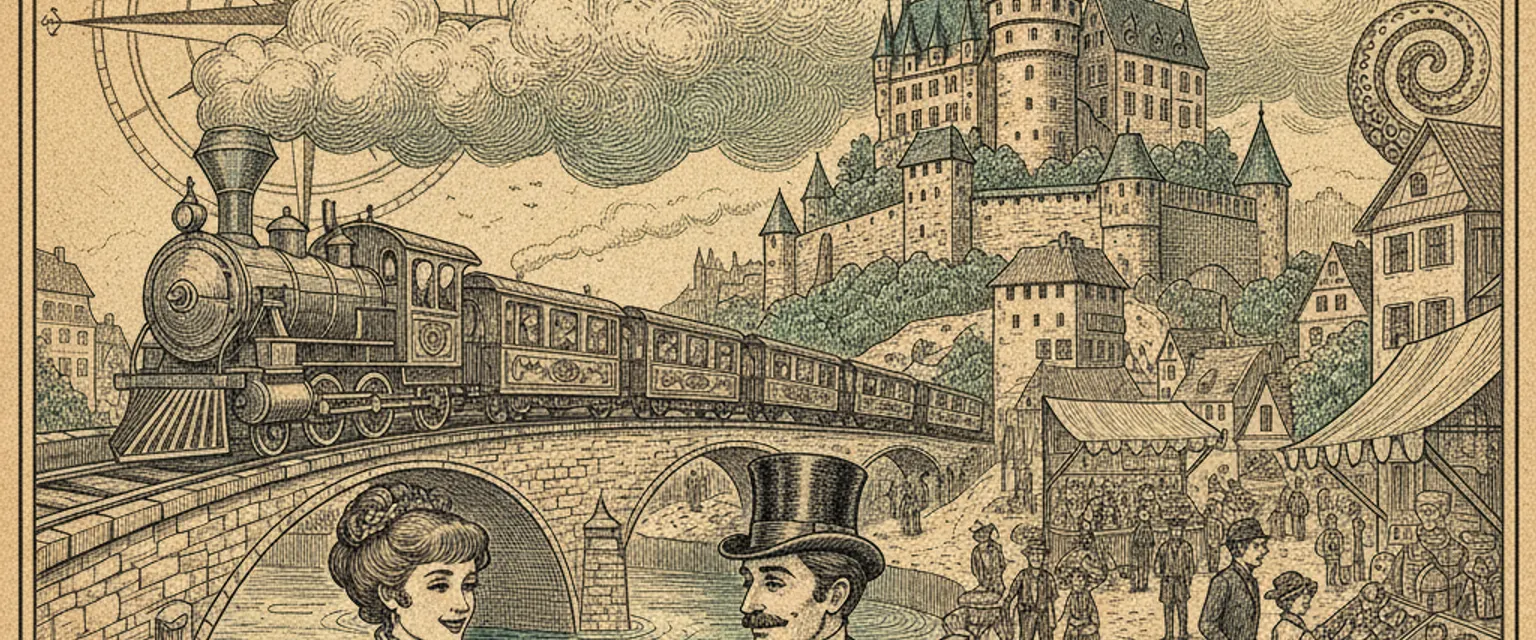
A 2 days in Nuremberg itinerary has to do two things at once, and it has to do them both honestly. There’s the storybook Nuremberg — the half-timbered houses, the castle on the hill, the little grilled sausages, the toy museum, the most famous Christmas market in the world. And then there’s the other Nuremberg, the one the Nazis chose for their rallies and the one where the postwar trials of the regime’s leaders were held. You don’t get to skip the second part. And honestly, you wouldn’t want to.
I’ll be straight with you. The first time I came I almost didn’t go out to the rally grounds — figured I’d had enough heavy history for one trip. I went anyway, late on the second afternoon. It’s the thing I remember most. So do both halves. The city does, and asks you to as well.
But let’s start with the sausages, because we have to.

Day 1 — The Old Town, the Castle, and Three Sausages in a Roll
The Altstadt sits inside its medieval walls, and most of what you see is — like Dresden — rebuilt after the war flattened it, done so carefully you’d barely know. Start in the Hauptmarkt, the main square, where the Christmas market runs in December and the rest of the year you’ve got the Schöner Brunnen, a gilded gothic fountain. There’s a brass ring set into the iron railing — local lore says you spin it for luck. Everyone does it. The ring’s worn shiny. I did it too.
Climb up through the old streets to the Kaiserburg (Imperial Castle), the red sandstone fortress on the hill where Holy Roman Emperors once held court. Pay to go in for the deep well and the round tower, or just stand on the terrace for the free view over the rooftops. Best in the morning light.
Lunch is non-negotiable: Drei im Weckla — three Nürnberger Rostbratwurst (small, finger-sized, herby, grilled over beechwood) jammed into a crusty roll with mustard. From a street stall, two or three euros, eaten on the move. There’s a whole rivalry over which Bratwurstküche does them best; Bratwursthäusle by St. Sebald is the classic sit-down version if you want a plate of twelve with sauerkraut instead.
Afternoon, the Spielzeugmuseum (Toy Museum) — Nuremberg was the toy-making capital of the world for centuries, and the collection of dolls, tin soldiers, and especially the old model railways is genuinely lovely, even for a grown adult travelling alone like a weirdo. Which I was. And then St. Lorenz and St. Sebald, the two big gothic churches, both worth a quiet ten minutes.
Dinner in the old town, and a Tucher or Lederer beer, the local brews.
Day 2 — Albrecht Dürer, and the Reckoning
Morning, the Albrecht-Dürer-Haus — the home of the Renaissance artist who was the city’s most famous son, a beautifully preserved merchant’s house from around 1500. Even if you’re lukewarm on Dürer (I was), the house itself, the period kitchen, the print workshop demos, make it worth an hour.
Then the harder, more important half. Take the tram out to the Reichsparteitagsgelände — the former Nazi party rally grounds. The Dokumentationszentrum (Documentation Centre) is housed in the unfinished, hulking Congress Hall the regime started building and never completed. The permanent exhibition lays out, clearly and unflinchingly, how the propaganda machine worked and how a city became a stage for it. Outside, you can walk to the Zeppelinfeld, the vast grandstand from the rally films, now cracked and weed-grown and left deliberately as-is. Standing on it is uncomfortable. That’s the point.
If you’ve a sliver of time left, the Memorium Nürnberger Prozesse — Courtroom 600, where the Nuremberg Trials were held — is open to visitors. The actual room where the postwar world tried to put a name to what had happened. It’s a fitting, sober place to end.
After all that, go back into the old town and have a beer by the river. You’ve earned a quiet evening.
Nuremberg Fast Facts
| Info | |
|---|---|
| Getting around | Walkable old town; trams/U-Bahn out to the rally grounds |
| Budget/day | ~€70–110 mid-range |
| Best months | May–September; December for the Christkindlesmarkt |
| Must eat | Drei im Weckla (three sausages in a roll) |
| Make time for | Documentation Centre — half a day, and worth it |

FAQ
Is two days enough for Nuremberg? Yes — one for the old town and castle, one for Dürer and the historical sites. It’s a compact city.
Is the Nazi history stuff too much? It’s handled with real care and clarity, not spectacle. It’s a serious, worthwhile part of understanding the city. Don’t skip it.
Where do I eat the famous sausages? Bratwursthäusle by St. Sebald for the sit-down version; any street grill for Drei im Weckla on the go.
Day trip options? Bamberg, a perfectly preserved UNESCO old town with its own smoked beer, is under an hour by train.
Eat the sausages, climb the castle, then stand on that cracked grandstand and let it land — Nuremberg asks for both, and it’s right to.
This article contains affiliate links marked rel="sponsored". We may earn a commission at no extra cost to you.