
[ ITINERARY · THE DISPATCH ]
Two Days in Kotor for People Who Booked the Cruise Stop and Now Have to Plan It
This Kotor itinerary is for the panicked: you booked the cruise, the stop is real, and now you've got two days to figure out a town wedged between a fjord and a mountain. Climb the walls before the ships dock, breathe after they leave.
If you’re reading this Kotor itinerary, I’m guessing you fall into one of two camps: you’ve got a cruise stopping here for a day and you’ve suddenly realised you have no plan, or you’re staying a couple of nights and want to dodge the day-trippers who flood in off those very ships. Either way, the strategy is the same, and it’s all about timing. Kotor is tiny, and when two or three cruise ships dock at once, the Old Town goes from dreamy to sardine-tin in about an hour. So you front-load. You get up stupidly early. You’ll thank me.
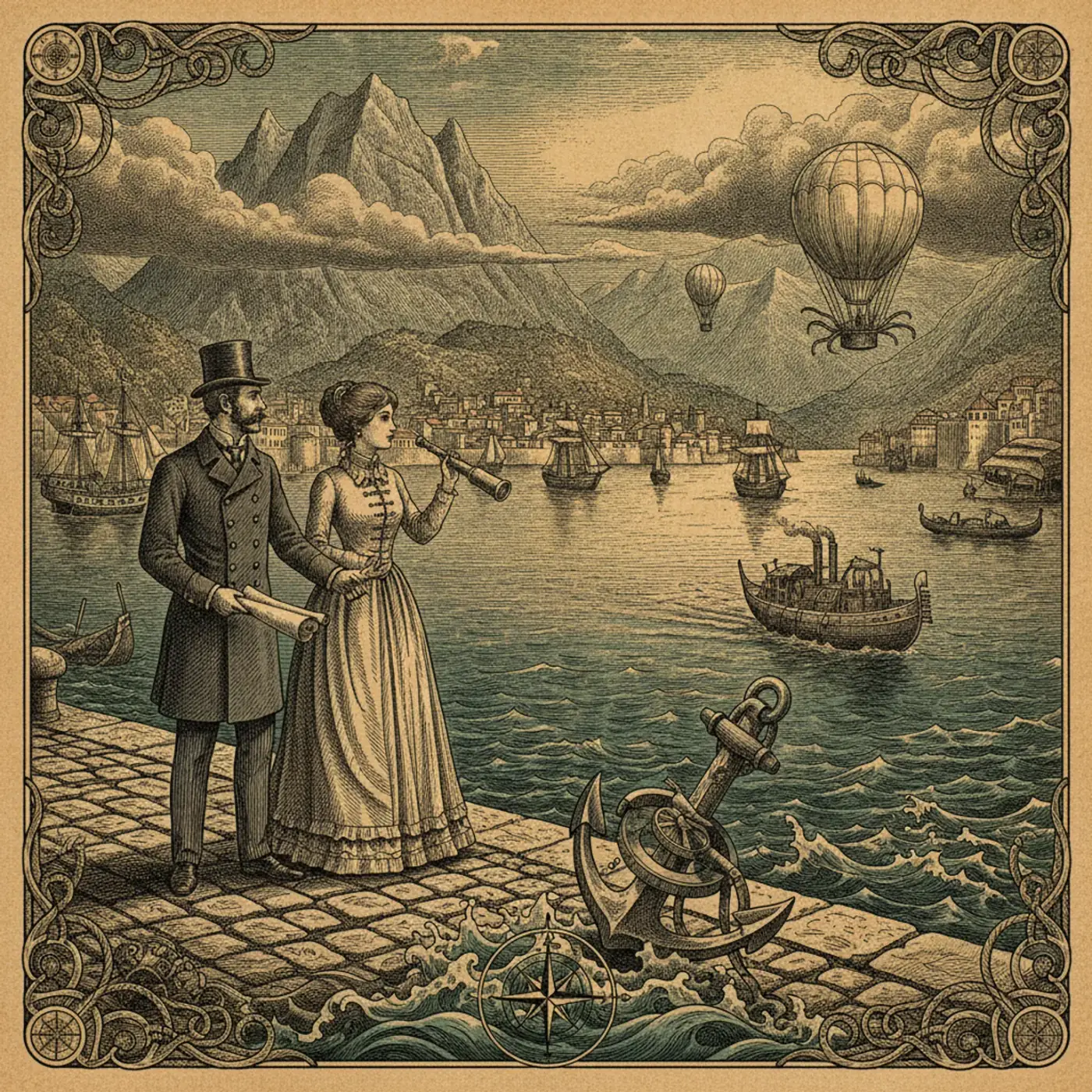
Quick geography note, because it confuses everyone: people call it a fjord, but it’s technically a ria, a flooded river canyon — the Bay of Kotor. Doesn’t matter. It looks like a fjord, all sheer grey mountains plunging into still water, and it’s one of the most dramatic bits of coast in the Mediterranean. The town itself sits at the very back of the bay, walled, Venetian, medieval, and small enough to walk across in ten minutes.
Day 1: The walls at dawn, then the bay by boat
Set an alarm. I mean it. The thing everyone comes to Kotor for is the city walls that zigzag up the mountain behind the Old Town to the Castle of San Giovanni (Sveti Ivan) fortress, 1,350-odd steps up. The view from the top — the whole bay curling away below you, the red roofs of the town like a tipped-out box of bricks — is the photo. The catch: it’s a brutal climb, fully exposed, and by 10am in summer it’s an oven packed with cruise passengers.
So go at 7am, before the official ticket booth even opens (there’s a small fee in season, but early there’s sometimes a free goat-track route up the back from near the Škurda river — ask your guesthouse, it changes). Cool air, empty path, the town silent below. You’ll be back down, soaked in sweat and triumphant, before the first coach group has finished breakfast.
Spend the rest of the morning wandering the Old Town while it’s still relatively calm — the Cathedral of Saint Tryphon (it’s from 1166, older than most of the famous cathedrals you’ve heard of), the maze of little squares, the cats. Kotor is overrun with cats and weirdly proud of it; there’s even a cat museum. Lean into it.
By early afternoon, when the town’s heaving, get on the water instead. Little boats run from the marina out across the bay to Our Lady of the Rocks (Gospa od Škrpjela), a tiny man-made island with a church that local sailors built up over centuries by sinking ships and dropping stones. The boat ride alone, gliding under those cliffs past the old town of Perast, is the best couple of hours you’ll spend here. Around €15–25 for the trip, more if you want a proper tour. Worth every cent.
Day 2: Perast, a swim, and food worth the detour
If Day 1 was the highlights reel, Day 2 is for slowing down. Take the bus or a taxi the short way round the bay to Perast — a single gorgeous street of Venetian palazzi right on the water, almost no cars, a fraction of Kotor’s crowds. Have a long coffee, climb the bell tower if it’s open, and just sit by the water. This is the version of the bay that the cruise day-trippers never see, and it’s the better one.
Back toward Kotor, the suburb of Dobrota stretches along the shore north of the Old Town, and this is where you eat. Skip the restaurants on Kotor’s main square — they’re fine, they’re priced for tourists, and the table next to you is on the same two-hour deadline you’d be on if you were the cruise people. Up in Dobrota, family konobas (taverns) right on the water do fresh-off-the-boat fish, grilled squid, black risotto (crni rižot, made with cuttlefish ink, looks alarming, tastes incredible), and the local Vranac red wine, for a lot less. Look for a place where the menu’s only in Montenegrin and there’s a granny in the kitchen.
If it’s warm — and it usually is from June through September — swim. The bay water is clean and calm and there are little concrete and pebble swimming spots all along the Dobrota waterfront. Not glamorous beaches, but the water’s lovely and it’s free, and floating in a fjord (ria, whatever) looking up at mountains is a hard thing to beat.
The cruise-day version, compressed
If you genuinely only have the one ship-day — say 8am to 5pm in port — here’s the ruthless edit: walls first thing the second you’re off the boat, down by 10, quick loop of the Old Town and the cathedral, then a short boat trip across to Our Lady of the Rocks if there’s time, and a late lunch somewhere off the main square. Skip Perast unless your ship’s in late. Don’t try to add the coastal drive to Budva or Sveti Stefan — it’s tempting and it’ll eat your whole day in a taxi.
Two things to know going in: Montenegro uses the euro despite not being in the EU (handy), and Kotor in shoulder season — May, late September, October — is honestly the sweet spot, fewer ships, kinder weather, the town breathing again. If you can pick when you come, pick then.
Kotor’s a small place that punches absurdly above its weight, as long as you don’t meet it at noon in August shoulder-to-shoulder with three ships’ worth of people. Beat the rush, get on the water, eat in Dobrota, and a stop most people rush through becomes the bit of the trip you actually remember.
Climb early, float in the afternoon, eat where the grannies cook. Do that and even a single cruise day in Kotor will outshine the fancy ports you paid more to see. Srećan put — safe travels.
This article contains affiliate links marked rel="sponsored". We may earn a commission at no extra cost to you.