
[ ITINERARY · THE DISPATCH ]
Three Days in Lecce: Baroque Stone So Soft They Carved It Like Butter
Lecce is what happens when a whole city is built from stone you can carve with a knife. The result is baroque gone wonderfully overboard, plus pasticciotto for breakfast. Three days, no rush.
A 3 days in Lecce itinerary, written by someone who got pleasantly stuck there
They call Lecce the Florence of the South, which is the kind of thing tourist boards say and I usually roll my eyes at. Then I got here, turned the corner onto the Basilica di Santa Croce, and stopped dead in the street like I’d walked into a wall.
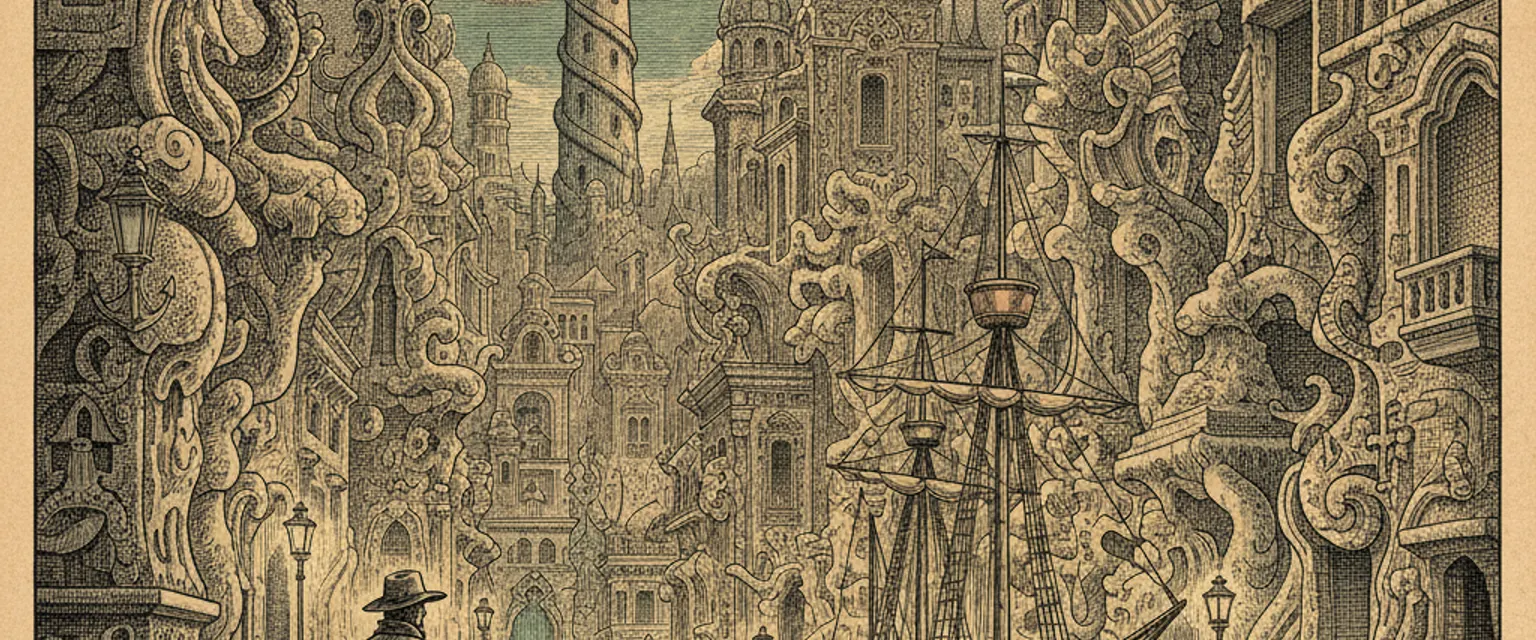
Because here’s the trick of this place. Lecce sits on a seam of soft golden limestone — pietra leccese — so workable that 17th-century stonemasons basically lost their minds. They carved everything. Saints, beasts, fruit, fat little cherubs, columns dripping with so much detail it looks half-melted. The stone hardens as it ages, so it lasts. The result is a whole city dressed in honey-coloured lace. It’s gloriously, unapologetically too much.
Three days is the right amount. Long enough to slow to the local pace, short enough that you’ll leave still a little obsessed. Here’s how I did it.
Day 1: The baroque, and the breakfast that runs this town
Start with breakfast, because in Lecce breakfast is pasticciotto — a little oval pastry with a shortcrust shell and a warm custard heart, eaten standing at the bar with an espresso. Go to a proper old bakery (try the historic Natale on Via Trinchese) and get it fresh from the oven. I had two. I regret nothing.
Now, fully sugared, walk to the Basilica di Santa Croce. Just stand in front of it for a while. The facade is the most over-the-top thing you will see in southern Italy — a riot of carved figures, animals, a rose window framed by I-don’t-even-know-how-many sculptures. Some of it is genuinely strange (there are little caryatid figures that look exhausted from holding the whole thing up). Go inside too; it’s calmer, but the carved ceiling is worth the neck-crane.
Then the Anfiteatro Romano in Piazza Sant’Oronzo, a 2nd-century amphitheatre half-buried in the middle of the modern square — you look down into it from street level while people drink coffee around the rim. Past and present just casually stacked. Very Lecce.
Lunch: a rustico leccese — flaky pastry stuffed with mozzarella, tomato, and béchamel — from a bar. Cheap, messy, perfect.
Day 2: Papier-mâché, piazzas, and dinner under the lamps
Lecce’s other craft is cartapesta — papier-mâché — and there are still workshops where artisans make saints and figures by hand. A few near Via Vittorio Emanuele will let you peek in or even try it. It sounds twee. It’s actually mesmerising, watching someone build a face out of paper and paste like it’s nothing.
Spend the afternoon just wandering. The Piazza del Duomo is the move — it’s a rare enclosed cathedral square, you enter through a sort of stone gateway and the whole thing opens up around you, and at night, lit up, it’s one of the prettiest spots in Italy and somehow never that crowded. Sit. Order a Negroni. Watch the swifts.
| Day | Morning | Afternoon | Evening |
|---|---|---|---|
| 1 | Santa Croce + amphitheatre | Old town wander | Trattoria dinner |
| 2 | Papier-mâché workshops | Piazza del Duomo | Aperitivo + late dinner |
| 3 | Day trip to the coast | Back for a long lunch | Final passeggiata |
Dinner should be Puglian and rib-sticking. Orecchiette con le cime di rapa (ear-shaped pasta with turnip greens, garlic, chilli) is the regional classic — try a spot like Alle due Corti, which cooks proper old Salentine home food. And the local primitivo and negroamaro reds are big and cheap and exactly right.
Day 3: To the sea, then a slow goodbye
Lecce isn’t on the coast, but the coast is close. Rent a car or grab a summer bus to San Cataldo (the nearest beach, low-key) or push a bit further to the dramatic rocky coves near Otranto — Italy’s easternmost town, a gorgeous walled place with a cathedral floor made entirely of a 12th-century mosaic. A morning there is easy and rewards you with a swim in absurdly clear Adriatic water.
Come back to Lecce for one last long lunch and a final passeggiata — the evening stroll, when the whole town comes out, the stone glows, and the gelato lines form. End on a caffè leccese: iced espresso over almond milk and ice. Locals drink it all summer and you’ll understand why by your second one.
Two honest notes. August is hot and the whole Salento fills with Italian holidaymakers — book accommodation early and expect company at the beaches. And Lecce is sleepy at midday; a lot closes for the the afternoon, so plan around the siesta instead of fighting it.
But that gentleness is the gift here. Lecce doesn’t perform for you. It just hands you a custard pastry, points at a melted-lace cathedral, and lets you sit in a golden square until you’ve completely forgotten what day it is.
Stay one night longer than you planned — everyone I know who came here did, and none of us were sorry.
This article contains affiliate links marked rel="sponsored". We may earn a commission at no extra cost to you.