
[ ITINERARY · THE DISPATCH ]
Three Days in Chefchaouen: Morocco's Blue City That's Basically a Filter
A real 3 days in Chefchaouen itinerary: the indigo medina, the best photo lanes before the crowds, a Rif Mountain hike, and where to eat. Prices, scams to dodge, and honest timing.
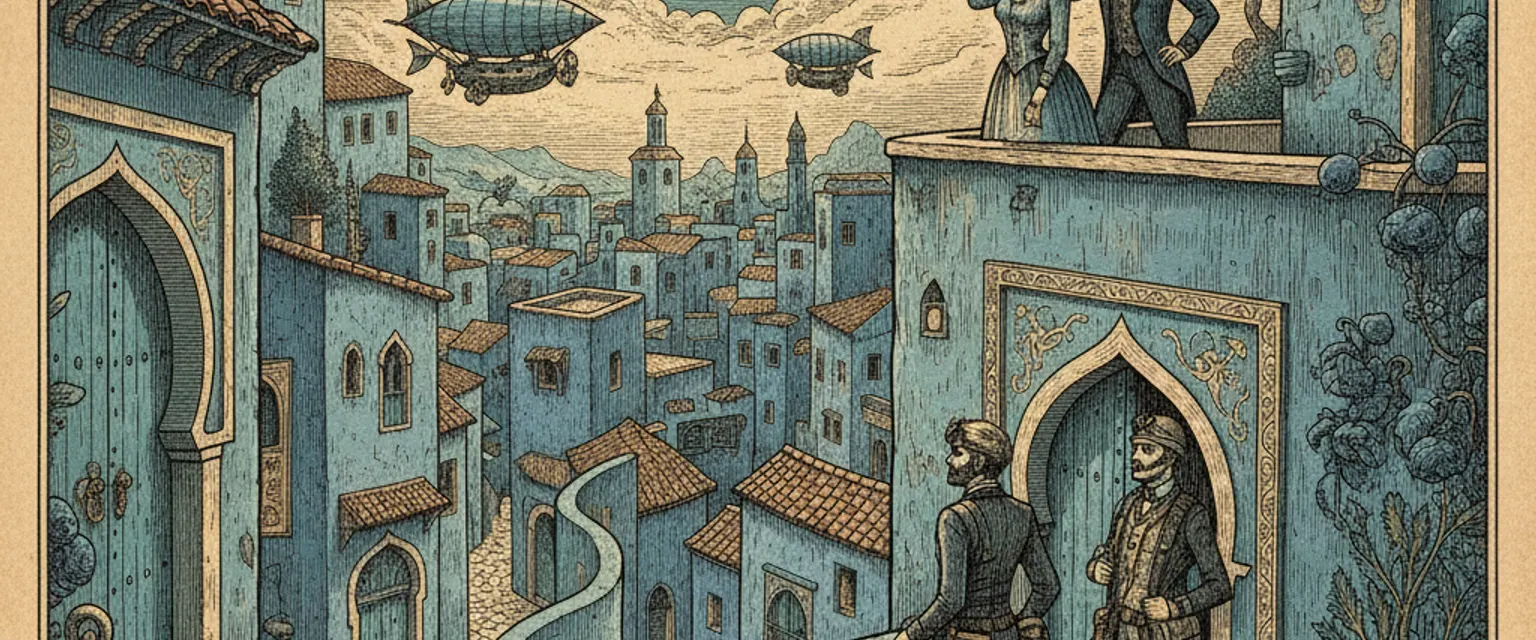
I’ll be honest about your 3 days in Chefchaouen itinerary before we start: half of why you’re going is the blue. Don’t pretend otherwise — Morocco’s blue city is a real-life filter, every wall and step and doorway washed in indigo, and it is genuinely as photogenic as the internet promised. The surprise is the other half. The mountains. The cheese. The slowest, mellowest pace in the whole country. I came for the walls and stayed for the quiet.
Chaouen (everyone shortens it) sits up in the Rif Mountains in the north, a few hours from Fes or Tangier. It’s cool, it’s small, it’s walkable, and after the sensory wallop of Marrakech or Fes it feels like exhaling. Why is it blue? Ask ten locals, get ten answers — to repel mosquitoes, to mimic the sky, a Jewish heritage thing from the 1930s. Nobody really agrees. Doesn’t matter. It’s gorgeous and it’s everywhere.
Day 1: into the blue medina
The whole old town is the attraction, so don’t over-schedule. Start at Plaza Uta el-Hammam, the main square with its big shady tree, the red-walled kasbah fortress on one side (small entry fee, climb the tower for a rooftop view over the blue roofs), and a ring of cafes. Get a mint tea, watch the square wake up, then just walk.
The magic is getting lost. Every lane is a photo — blue steps with terracotta pots, cats asleep on blue thresholds, fabric drying overhead. The famous spots (the ivy-draped staircase off Rue Bin Souaqa, the dripping plant-covered doorways) get crowds by mid-morning, so go at them early or accept you’ll be sharing the frame.
For lunch, climb a bit to a rooftop terrace and order a tagine — chicken with preserved lemon, or the kefta with egg cracked on top. Reckon 50 to 80 dirhams. Add a basket of round khobz bread to mop it.
A note on the photos and the people: some locals don’t want to be photographed, and a few will ask for money if they end up in your shot. Ask first, or shoot the walls, not faces. And the older woman in traditional dress posing on a famous staircase? She may expect a few dirhams. Just be decent about it.
Day 2: the mountains — the Spanish Mosque and Akchour
Time to remember you’re in the Rif, not a postcard. Two options today and if you’re fit, do both.
First, before breakfast, walk up to the Spanish Mosque on the hill east of town. It’s a 20-to-30-minute uphill stroll and the reward is the classic view: the whole blue city tumbling down the mountainside, best at sunrise or sunset. Free. Take water; it’s a sweaty little climb.
Then the big one — the Akchour waterfalls, about 45 minutes out of town by grand taxi (agree the price first, somewhere around 200 to 300 dirhams return for the car, split it with others). From the trailhead it’s a riverside hike to the falls — a couple of hours to the big cascade, less to the lower pools. The path follows the water, there are little cafe shacks along it selling tea and tagine on platforms over the river, and you can swim in the cold pools. Proper shoes, and don’t underestimate it in the heat. The optional side-trail to God’s Bridge, a giant natural rock arch, is worth it if your legs hold.
This is the day that turns Chaouen from a photo op into a place.
Day 3: slow — souks, cheese, and a last tea
Your last day should be lazy. Wander the souks — Chaouen is known for woven blankets and wool goods (the Rif’s a sheep-and-goat region), leather, and that distinctive striped fabric. Prices are gentler and the hassle far softer than the big cities, but still haggle, friendly-like; start around half what’s quoted and meet in the middle.
Hunt down the local goat cheese — the region makes a soft fresh one you’ll find in the market, and it turns up drizzled with honey on breakfast plates. Have it. Trust me. Pair your morning with msemen (flaky griddle bread) and you’re sorted.
Spend the afternoon doing the thing Chaouen does best: nothing, beautifully. Pick a rooftop, order a final mint tea (it comes loaded with sugar — ask for less if you’re not into it), and watch the blue go from bright to deep as the light drops.
A few honest notes. There’s no train; you arrive by bus (CTM is the comfy one) or grand taxi, so factor travel time from Fes or Tangier. The medina is steep and cobbled — leave the wheelie suitcase, bring a backpack. Cash is king; ATMs exist near the new town but carry dirhams. And weed is, let’s say, openly around here (the Rif is famous for it) — you’ll get offered “kif” on the trails; a firm no thanks is all you need, and don’t buy, the legal risk isn’t worth it.
Three days is honestly about right for Chaouen. It’s small, it’s not trying to overwhelm you, and that’s the point. You photograph the blue, you sweat up a mountain, you eat cheese with honey, and you slow all the way down. After the rest of Morocco, it’s the gentle exhale you didn’t know you needed.
Get up stupidly early for the empty blue lanes, climb to the Spanish Mosque for the view, and give a full day to Akchour — that’s the trip, and the cheese with honey is non-negotiable.
This article contains affiliate links marked rel="sponsored". We may earn a commission at no extra cost to you.