
[ DISCOVERY · THE DISPATCH ]
The Markets That Only Exist for a Few Hours at the Side of a Highway
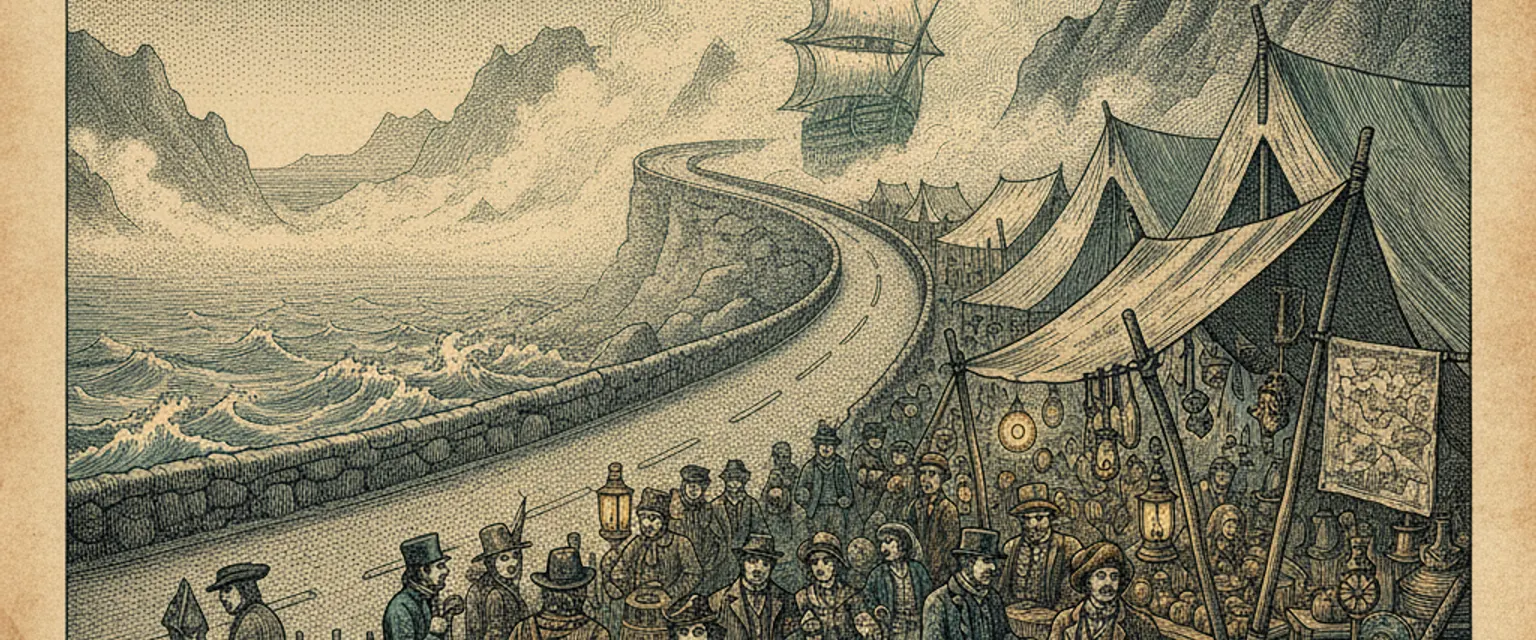
Pop-up roadside markets appear at dawn, sell out by ten, and vanish before lunch. Here's how to time the ones worth braking for, what to buy, and the polite way to haggle without looking like a tourist.
The first pop-up roadside markets to find on any decent drive are the ones nobody advertises, and that’s exactly the problem. You see a smudge of trestle tables and tarpaulin on the verge, a cluster of pickup trucks, an old woman weighing tomatoes on a hand scale that’s older than me. You think, I’ll stop on the way back. You will not stop on the way back. By then it’s gone — packed into the same trucks, leaving nothing but a flattened patch of grass and the faint smell of overripe peaches. I’ve made that mistake more times than I’ll admit.
So now I have rules. Hard ones. Because these markets run on a clock that has nothing to do with you.

They are a dawn thing, basically always
Here’s the bit that catches everyone out. The good stuff sells in the first ninety minutes. By the time you’ve had your hotel breakfast and your second coffee and dawdled out to the car at half nine, the sellers with the best fruit have already gone home. What’s left is the bruised stuff and the guy selling phone chargers.
I learned this on a backroad outside Chiang Mai. Got there at 6:40am, half asleep, and a woman pressed a sticky rice parcel into my hand before I’d even parked properly — grilled banana inside, still warm, 10 baht. By 8am that stall was a memory. The lesson stuck: if a market only exists for a few hours, those few hours are the early ones. Set the alarm. You’ll thank me.

How to actually spot one before you blow past at 90
The tells are subtle and you have to train your eye. Look for:
- A sudden bunching of parked cars on a verge with no town in sight.
- Plastic crates. Stacked, colourful, everywhere. Crates mean produce, produce means a real market and not a tat stall.
- Handwritten cardboard prices, ideally a bit wonky. Printed signage is a bad sign — it usually means a permanent tourist-trap setup, not the real ephemeral thing.
- Smoke. If someone’s grilling corn or skewers, you’ve found a good one.
And honestly? Trust the locals’ cars. If three battered work vans are pulled over and the drivers are loading sacks of something into the back, brake. They know.

The haggling thing — read the room
Big one. In a lot of places, the price on the cardboard is the price and trying to knock it down marks you as either rude or clueless. In others, the first number is theatre and you’d insult them by NOT pushing back a little. How do you know which? Watch the person in front of you. If they pay the asking price and nod, you pay the asking price and nod. If there’s a bit of back-and-forth and a laugh, you can play.
A guy named Refilwe — sold me biltong from the boot of his car on the N1 in South Africa — told me the trick is to buy more, not pay less. “You want cheaper, you take two,” he said. Bought two. He was right. The per-bag price dropped and he threw in a fistful of dried mango. Everybody happy.

What’s actually worth your money
Not everything is. The roadside honey is often genuinely excellent and absurdly cheap (I’ve paid a third of supermarket prices, no joke). Seasonal fruit, obviously — buy what’s piled highest, that’s what’s in glut and at its peak. Anything grilled and handed to you hot. Boiled peanuts in the American South if you’ve never had them. (You either love them or you spit them out, there’s no middle.)
What to skip: anything packaged and branded, because that’s just retail with extra dust. The “antique” coins. The bundled bunches of dried herbs that are mostly stalk. And be a little careful with cooked food that’s been sitting uncovered in the heat for hours — use your nose. If it doesn’t smell fresh, walk.
The melancholy bit nobody mentions
There’s something quietly sad about these markets, and it’s part of why I chase them. They’re a snapshot of a place at the exact moment it’s still itself. The woman with the tomatoes isn’t doing this for tourists. She’d be there whether you showed up or not. You’re a guest in a thing that wasn’t built for you, and that’s rare now. Most travel is pre-arranged, pre-photographed, pre-chewed. This isn’t.
I keep a mental list of the ones I’ve found and lost. A roadside lychee stall in northern Australia that I’ve never managed to find twice. A cheese-and-egg setup on a French D-road that I think about more than some cities I’ve visited. They don’t have addresses. They barely have hours. They just happen, and then they don’t.
So if you see one — the crates, the smoke, the wonky cardboard, the work vans — stop. Stop now, not later. There is no later. That’s the whole point.
Stop the car. Buy the warm thing. You can sleep in tomorrow.
This article contains affiliate links marked rel="sponsored". We may earn a commission at no extra cost to you.