
[ DISCOVERY · THE DISPATCH ]
The Lighthouses You Can Sleep Inside at the Very Edge of the Map
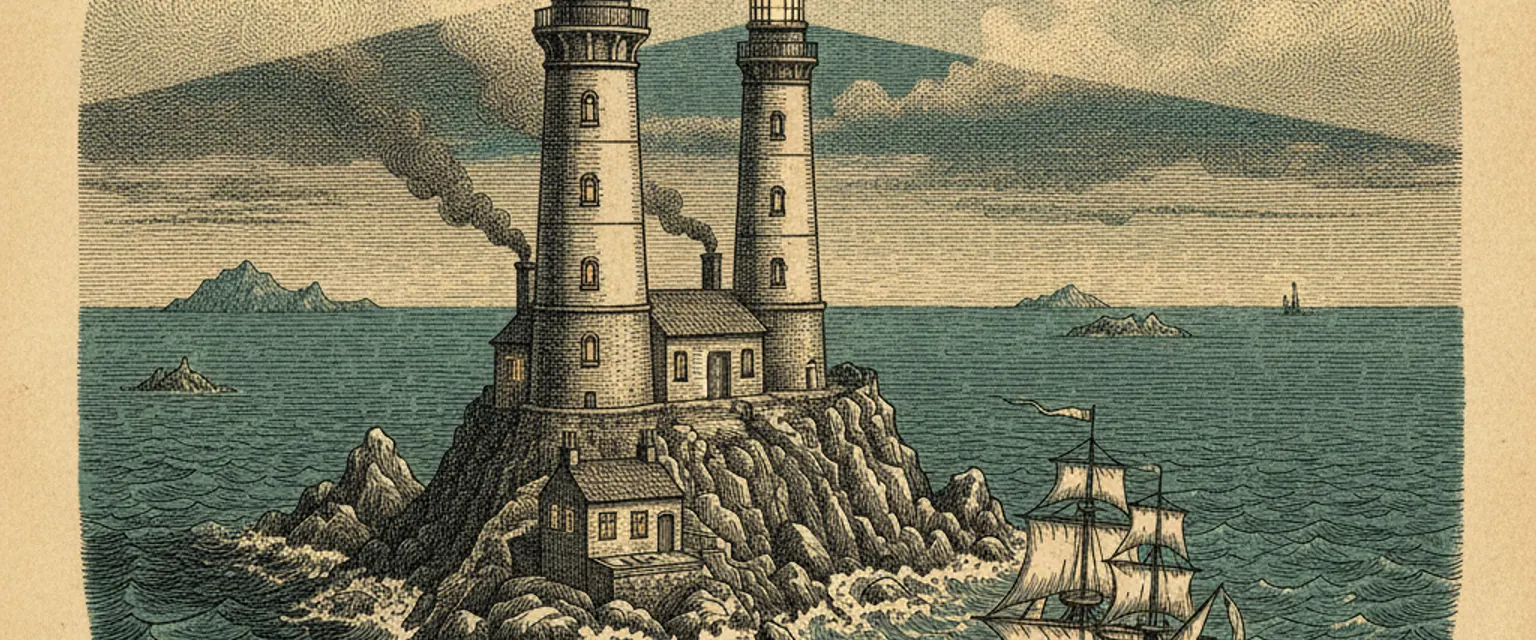
There are lighthouses where you can book the keeper's old bed, lock the door, and have nothing for company but the sea and a lamp turning overhead all night. I've stayed in a few. They rearrange something in you.
I will tell you exactly when I got hooked on lighthouses you can stay in. It was a wet October on a Scottish headland, the wind doing its best to peel me off the rock, and the lamp above my head swinging its beam out over black water every few seconds like a heartbeat. I had no signal. No telly. Just a kettle, a paperback, and the sea trying to get in. Best night’s sleep of my adult life.
There’s a particular madness to choosing to sleep somewhere built specifically to warn people away. And I love it.

What a lighthouse stay actually is
Let’s clear something up, because the word does a lot of work. “Staying in a lighthouse” can mean three pretty different things.
Sometimes you get the keeper’s cottage — a snug little house at the base, warm, normal-ish, with the tower next door for atmosphere and photos. Sometimes you get a room inside the tower itself, spiral stairs and all, and you climb to a circular bedroom with windows on every side. And occasionally — rarely — you get the whole thing. The lamp room. The lot. Just you and the optic.
The cottage versions are the comfortable entry point. The full-tower ones are the ones you brag about for years.

The ones worth the journey
Scotland is lousy with them, in the best way. The Northern Lighthouse Board has handed several over to holiday lets, and places like Corsewall (now a hotel, properly remote, on the Galloway coast) or the keeper’s cottages out on Rua Reidh near Gairloch will put you somewhere your phone simply gives up. Rua Reidh is a hostel-style stay, cheap, and the road in is so single-track and wild it feels like a dare.
Croatia is the one that surprised me. The Plovput agency rents out genuine working lighthouse keepers’ quarters on islands and headlands all down the Adriatic — Sveti Ivan, Savudrija, Struga. You’re talking proper isolation. A boat drops you, and that’s it, your there until the boat comes back. Bring everything. There is no shop. There is no neighbour. There is the most absurd starfield you have ever seen.
And in the States, Oregon’s coast has the famous Heceta Head keeper’s house, now a B&B with a breakfast people genuinely cross states for, the lighthouse glowing above the cliffs while you eat. Less rugged, more romantic. Different flavour of the same magic.
What it’s really like out there
People imagine it’ll be peaceful. It is — but it’s not quiet. A working coast is loud. Wind, gulls, the sea slamming rock, the mechanical hum of the lamp turning. At first it’s a lot. Then around the second night something shifts and the noise becomes the silence, if that makes any sense, and the city-brain finally unclenches.
You will run out of things to do. Good. That’s the medicine. Bring a stack of books, a deck of cards, food you actually want to cook slowly. I once spent an entire afternoon watching a seal watch me. We had a real connection, that seal and I.
Bring layers even in summer. Headlands make their own weather, and “it was 22 degrees in the car park” means nothing once you’re on the point with the wind off the water.
The practical stuff nobody warns you about
A few hard-won lessons, because I’ve made most of the mistakes so you don’t have to.
Power and water are not guaranteed. I’ve stayed in one that ran the generator only in the evenings and another where the shower was rainwater and you got about four minutes of it before it went cold and honest. This is fine — bracing, even, it makes you feel like a proper keeper — but you need to know going in. Ask before you book. Charge everything in the car.
Food is on you. There’s rarely a restaurant, and if there’s a village it might be an hour’s walk or a boat ride away. So you become a planner. I bring a cool bag, a few proper meals I can cook slowly, far too much tea, and something celebratory for the first night because arriving at a lighthouse feels like it deserves a toast. It does.
Weather can trap you, and that’s part of the deal. On islands especially, the boat doesn’t come if the sea’s up, and your two-night stay can stretch to three. Don’t book a tight flight the day after. Build in slack. Honestly, the unplanned extra day stuck out there with a storm hammering the windows was one of my favourite nights of the whole trip — but only because I had food and no flight to miss.
And the stairs. So many stairs. Towers are tall and the spiral up to the bedroom is steep and your knees will have opinions by day two. Pack light, pack soft, and accept that you’ll be doing the climb in the dark at least once with a torch in your teeth.
Is it for everyone? No. If you need room service and a strong WiFi connection you will hate every minute and I will laugh. But if part of you has always wanted to live, briefly, at the literal edge of the land, where the map sort of gives up and hands you over to the sea — then go. Lock the door. Let the lamp do its slow turn over your head.
You’ll come back odd. The good kind.
Sleep one night where the only neighbour is the sea and a turning lamp, and you’ll spend the rest of your life trying to get back.
This article contains affiliate links marked rel="sponsored". We may earn a commission at no extra cost to you.