
[ ITINERARY · THE DISPATCH ]
The 4-Day Guanajuato Itinerary: A Rainbow City Built Inside a Canyon
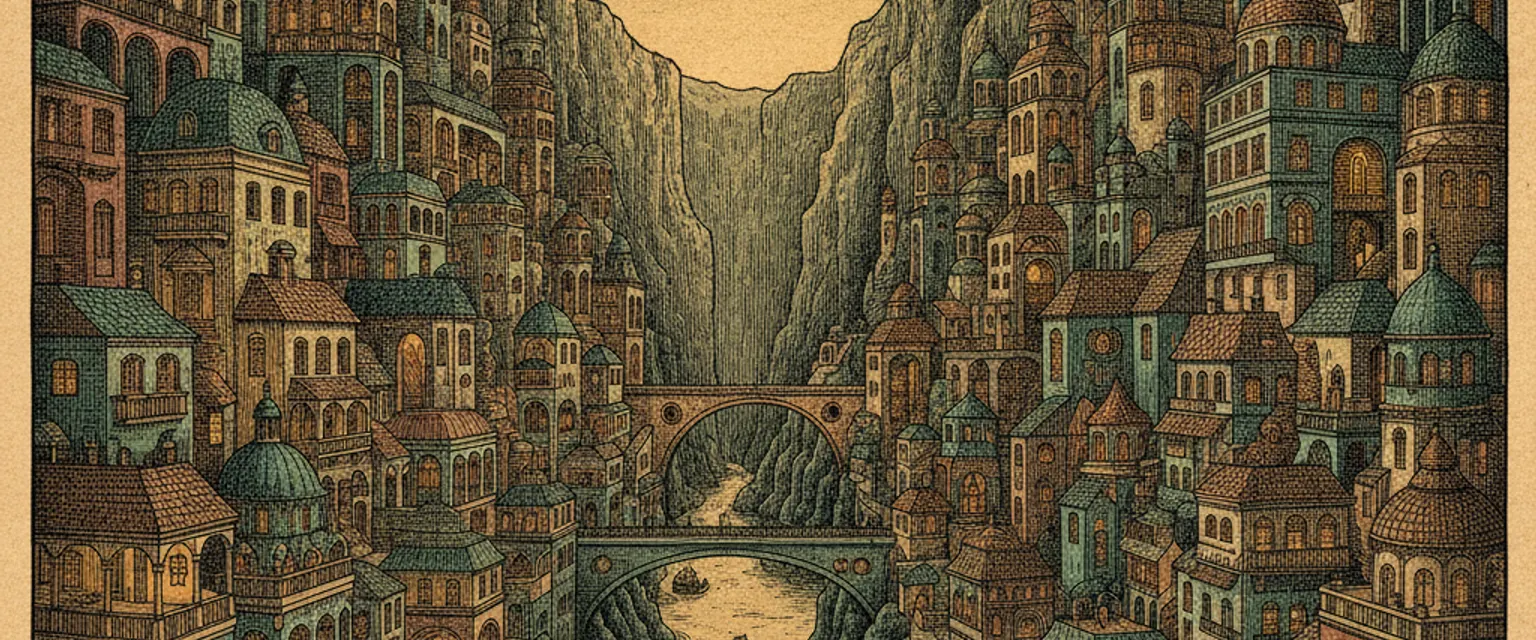
Guanajuato is a candy-colored city crammed into a canyon, with traffic running through tunnels UNDER the houses and students singing in the alleys at night. Four days, the funicular, the mummies, and the best callejón serenade. My way.
A 4 days in Guanajuato itinerary is really an exercise in getting happily, repeatedly lost. The city was poured into a narrow canyon centuries ago by silver money, and it makes no sense in the best way — staircases that become streets, streets that become alleys, alleys that dead-end at someone’s painted front door. And underneath all of it, an entire network of stone tunnels where the cars run, because there wasn’t room up top. You walk over traffic. It’s wild.
I came for two nights and stayed five. Four days is the honest sweet spot. Here’s how I’d spend them.
Day 1: Get the View, Then Get Lost
First thing, take the funicular up the canyon wall to the Monumento al Pípila. From the terrace up there, the whole city drops away below you — a tumble of houses painted ochre, rose, lime, terracotta, cobalt, all stacked on top of each other like the canyon is overflowing with them. Go at golden hour if you can swing it, or go now and again at sunset, it’s that good. The funicular’s cheap and saves your legs the brutal climb.
Then come down and just wander. The historic center radiates out from the Jardín de la Unión, a triangular plaza shaded by laurel trees where the whole town seems to drift through over the course of an evening. Find the Callejón del Beso (Alley of the Kiss), an alley so narrow that lovers on opposite balconies could kiss across it — there’s a tragic legend attached and a queue of couples kissing on the third step for luck. Cheesy, sure. I did it anyway.
Day 2: Rivera, the Market, and a Singing Mob
Morning, visit the Museo Casa Diego Rivera — the muralist was born in this house, and the lower floors are preserved as a 19th-century home while the upper ones hold his early work, before the famous murals. It’s small and unhurried and a nice slow start.
Then the Mercado Hidalgo, a gorgeous iron-and-glass market hall (the structure was reportedly meant to be a train station). Upstairs are the souvenir stalls; downstairs is where the actual food is. Get an enchiladas mineras lunch — the local miner’s dish, tortillas dipped in guajillo sauce with potatoes and carrots — for the price of a coffee back home.
But Day 2’s real event is after dark: the callejoneada. A troupe of students dressed as medieval minstrels (the estudiantina) gathers a crowd in the Jardín, then leads everyone singing and drinking through the alleys, telling bawdy jokes and serenading balconies. You buy a ticket, you get a porrón of wine passed around, and you become part of a roving musical mob winding through the canyon city at night. It is the single most fun I have had on any trip, full stop. Don’t overthink it, just join.
| Morning | Afternoon | Evening | |
|---|---|---|---|
| Day 1 | Funicular to Pípila | Alley wander, Callejón del Beso | Jardín de la Unión |
| Day 2 | Diego Rivera house | Mercado Hidalgo lunch | Callejoneada singing tour |
| Day 3 | Mummy Museum | Templo de la Compañía | Rooftop sunset drink |
| Day 4 | Valenciana silver mine | Boquilla viewpoint | Last enchiladas mineras |
Days 3 and 4: Mummies, Silver, and a Long Goodbye
Day 3 belongs to the genuinely macabre Museo de las Momias — a museum of naturally mummified bodies disinterred from the local cemetery, displayed in glass cases. It is deeply strange, a little grim, and very Mexican in its matter-of-fact relationship with death. Some people find it grotesque; I found it oddly moving. Go early before the tour buses. Afterward, you’ll want sunlight and color, so wander back into the center and climb to the Templo de la Compañía area for the views.
Day 4, head up the hill to La Valenciana, the old silver mine that funded all this beauty — you can tour the shaft, and the Templo de San Cayetano beside it is a Churrigueresque gold-leaf explosion that makes the whole city’s wealth suddenly make sense. The Bocamina mines let you descend into the actual workings, which is claustrophobic in a thrilling way.
For the last evening, I’d skip any plan entirely and just walk. Get lost one more time. Buy a paleta, sit on a step, listen for the distant sound of a callejoneada starting up somewhere below you. That’s Guanajuato — it doesn’t need you to do anything, it just needs you to be in it.
A few honest gripes. The altitude (around 2,000m) and the relentless hills will wind you on day one — pace it, drink water, take the funicular. The streets are a maze and your phone’s GPS will frequently give up and spin in circles, so embrace paper-map energy. And it gets cold at night even when days are warm, so pack a layer; I froze in a T-shirt the first evening like an idiot.
But four days in a rainbow city built inside a canyon, with songs in the alleys and roads under your feet? I’d go back tomorrow.
Join the singing mob, walk the tunnels nobody else bothers with, and let yourself get lost — in Guanajuato, lost IS the itinerary.
This article contains affiliate links marked rel="sponsored". We may earn a commission at no extra cost to you.