
[ DISCOVERY · THE DISPATCH ]
Mexico Has a Cave of Crystals So Hot Humans Can Only Survive Minutes Inside
The Cave of Crystals in Naica, Mexico holds the biggest natural crystals on the planet, and it will literally cook you alive in about ten minutes. Here's the wild story, and what you can actually go see nearby without dying.
The Cave of Crystals in Naica, Mexico, is the strangest place I have ever read about and never been able to enter. Nobody can, really. Not anymore. And honestly? That’s the part that haunts me.
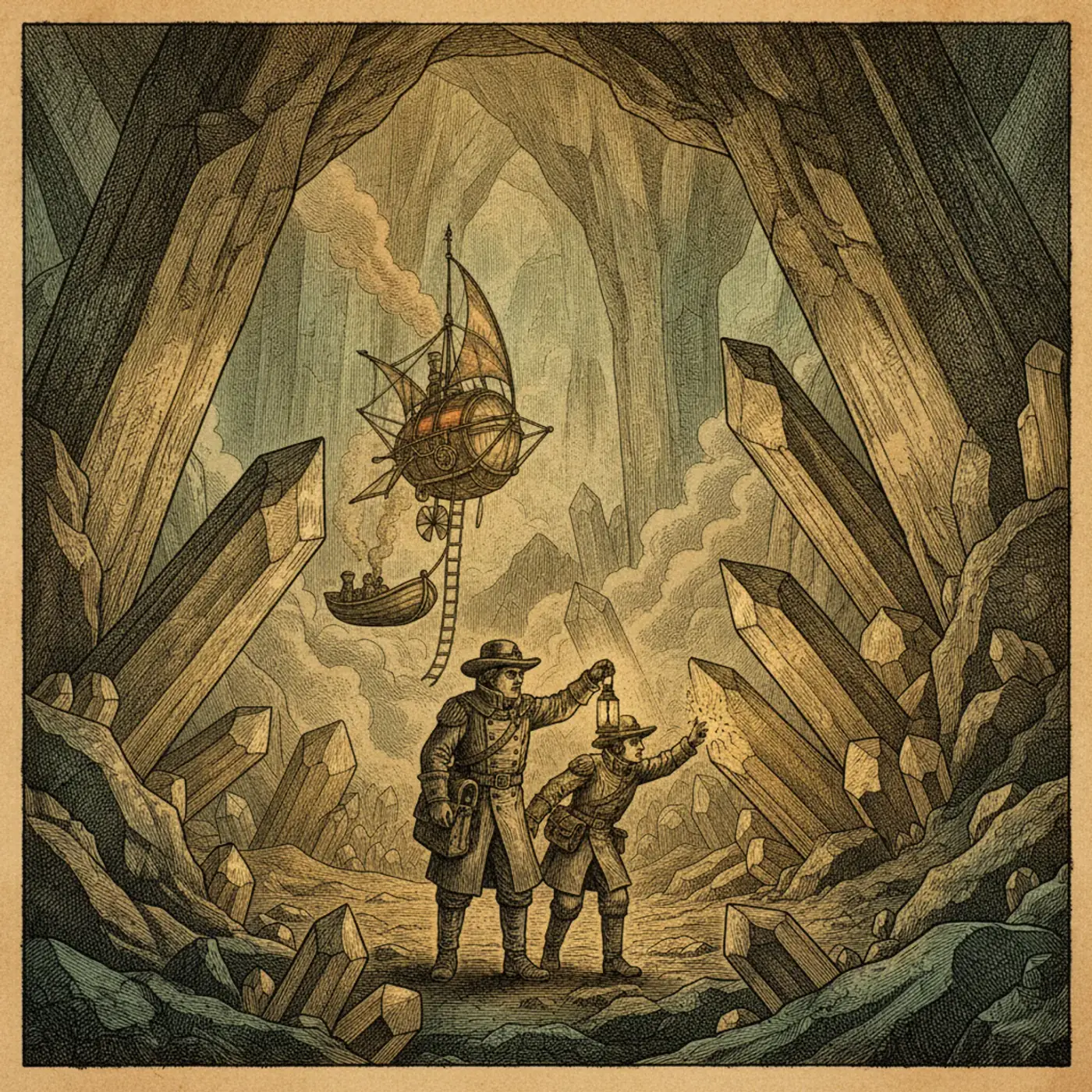
Picture this. About 300 metres underground, below a working lead and zinc mine in the dusty state of Chihuahua, there’s a chamber that looks like the inside of a geode the size of a cathedral. Selenite beams — translucent, milk-white, some of them eleven metres long and weighing 55 tonnes — cross the room at every angle like a giant dropped a box of crystal swords. The biggest are the largest natural crystals ever found on Earth. Not “one of the largest.” The largest. Full stop.
And the room wants you dead.

Why it cooks you
Here’s the brutal physics of it. The chamber sits right above a pocket of magma, so the air hovers around 58°C (that’s 136°F), and the humidity is basically 100%. Your sweat can’t evaporate. Your body can’t cool itself. So your core temperature just… climbs. Geologists who went in — and a few did, with the mine’s blessing — described a hard ceiling of about ten minutes before your judgement starts going sideways and you risk collapsing. Some of them wore suits packed with ice and breathed through respirators cooled with cold air, contraptions with nicknames like the “Tolomea suit.” Even then they bought maybe half an hour, tops.
The first time I saw the photos I assumed they were CGI. Tiny figures in white hazmat gear, dwarfed by crystal beams thick as tree trunks. It looked like a film set. It’s not. A guy named Juan Manuel García-Ruiz, a crystallographer, spent years studying how those beams grew — and the answer is almost romantic. They grew incredibly slowly, over maybe 500,000 to a million years, while the cave stayed flooded with mineral-rich water held at a perfect, almost magical temperature just below the point where gypsum turns to anhydrite. Steady warmth. Endless patience. Thats how you grow a crystal longer than a bus.
The mine pumped the water out for operations, which is the only reason anyone ever saw the cave at all. We got a window. A door propped open by accident.
The sad, good ending
Then in 2015, mining at Naica wound down, the pumps stopped, and the groundwater came rushing back. The Cave of Crystals re-flooded. Sealed itself. And most scientists think that’s exactly right — submerged again, in the dark, the crystals can theoretically keep growing. We had our look. Now it goes back to doing what it was doing for a million years before we showed up. There’s something I find weirdly comforting about that. A wonder that refuses to be a tourist attraction.
So no, you can’t visit. Let me be very clear so nobody emails me from a Chihuahua hospital: the cave is closed, flooded, on private mining land, and even when it was open it was off-limits to everyone except a handful of researchers in ice suits. Don’t go looking for a back entrance. There isn’t one, and the heat is not a metaphor.
What you CAN do instead
But you’re already curious about northern Mexico now, aren’t you? Good. Because the region around Naica is a genuinely great, under-traveled corner of the country, and you can build a real trip out of it.
Fly into Chihuahua City. It’s a handsome colonial place most foreigners blow straight past on the way to the famous train. Walk the Quinta Gameros, a wedding-cake mansion full of Art Nouveau furniture, entry was around 50 pesos last I checked. Eat discada — a cowboy stir-fry of beef, chorizo and bacon cooked on a plough disc — at any roadside spot worth its salt. This is ranch country and the meat shows it.
Then do the thing everyone actually comes for: El Chepe, the Chihuahua al Pacífico railway, which threads through the Copper Canyon (Barrancas del Cobre) — a canyon system bigger and deeper than the Grand Canyon, and far emptier. The “Chepe Express” first-class train runs a few days a week; book it well ahead in high season because it sells out.
If you want crystals you can actually hold, hit a rock-and-mineral shop in Chihuahua City or Creel — selenite and other Naica-region minerals turn up legitimately, and a small polished piece runs a few dollars. It’s the closest you’ll get to touching that underground cathedral.

Why I keep thinking about it
I think the Cave of Crystals gets under your skin because it’s the rare natural wonder that doesn’t want us. The Eiffel Tower wants us. The Grand Canyon has a gift shop. Naica? Naica will straight up kill you in the time it takes to soft-boil an egg, then drown itself back into the dark so it can keep growing the most beautiful things on the planet without an audience.
I respect that. A place with boundaries. Imagine.
So go to Chihuahua. Ride the train through a canyon that’ll knock the wind out of you. Buy a little chunk of selenite and hold it up to the light. And know that somewhere under your feet, in the warm dark, the real ones are still growing — and they’re glad you stayed out.
Some wonders are meant to be read about, not stood in. Naica is the best argument I know for letting a place keep its secrets.
This article contains affiliate links marked rel="sponsored". We may earn a commission at no extra cost to you.