
[ TIPS · THE DISPATCH ]
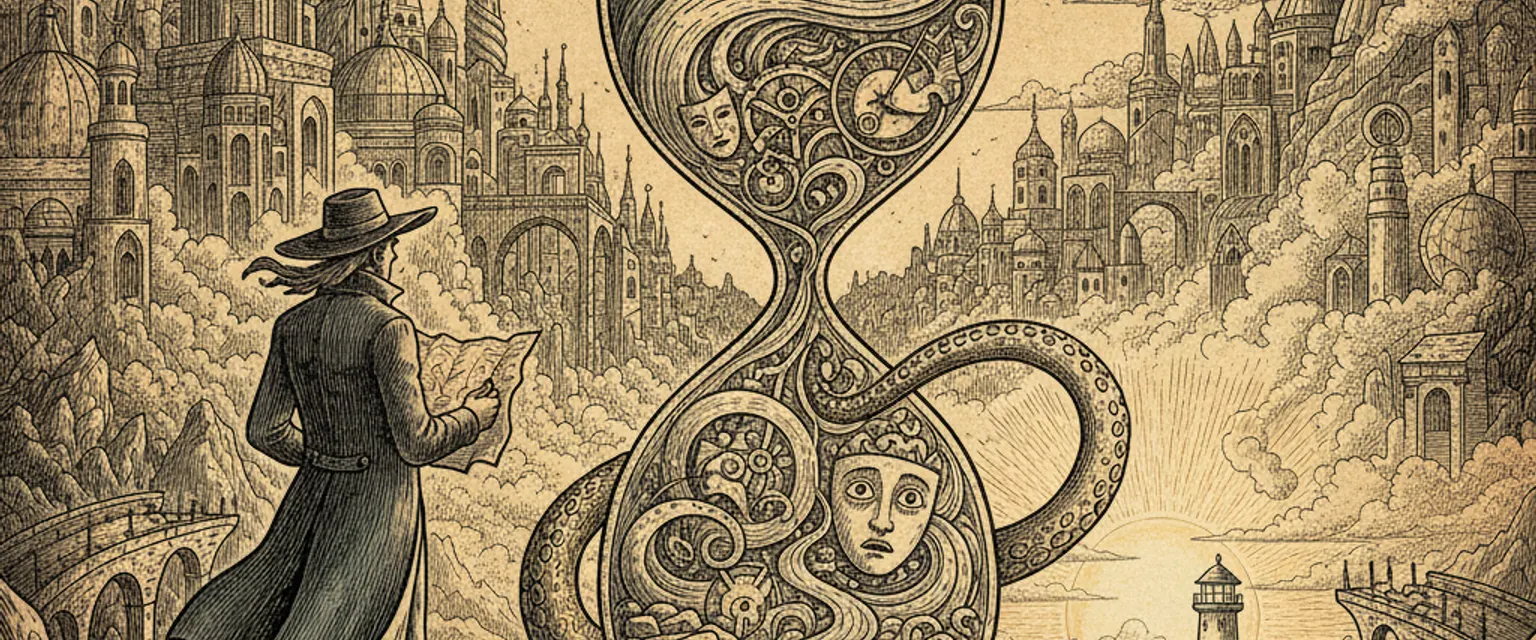
How to Handle Culture Shock Before It Turns Your Dream Trip Into a Slog
The honeymoon-then-crash curve nobody warns you about, the small comforts that quietly reset your brain, and why week two abroad is the one that breaks people who didn't see it coming.
I want to talk about how to deal with culture shock traveling, because the first time it hit me I genuinely thought something was wrong with me. Not the place. Me. I was in Hanoi, I’d wanted to go for years, and on day nine I sat on the edge of a hotel bed and cried about a SIM card. A SIM card. That’s the whole story. The SIM card was fine, eventually. I was the problem, and the problem was culture shock, and nobody had told me it has a shape.
It does have a shape, by the way. That’s the good news buried in here.
The curve nobody draws for you
Here’s roughly how it goes, and once you see it you can’t unsee it. First few days: you’re high as a kite. Everything’s new and brilliant, the food’s a revelation, even the traffic feels like a movie you’re starring in. That’s the honeymoon. Enjoy it. It’s real and it’s lovely.
Then, somewhere around the end of week one into week two, the floor drops out.
Suddenly the traffic isn’t charming, it’s hostile. The food you loved is just… food you can’t read the label of. Every tiny transaction — buying water, ordering coffee, finding the right bus — costs you a sliver of energy that, back home, was free. And it adds up. By week two you’re running a deficit and you don’t even know it, so your brain does the only thing it knows how to do with an unexplained bad feeling. It blames the place. Or it blames you.
It’s neither. It’s just the curve. The crash is as normal as the high was.

Week two is where dreams go to die (briefly)
I cannot stress enough how predictable the week-two dip is. I’ve felt it in five different countries now and it shows up like clockwork, like a dinner guest I didn’t invite but should’ve set a plate for. The dangerous bit is that it arrives right when you’re supposed to be having the time of your life, so the gap between expectation and reality feels enormous, and that gap is where people make terrible decisions. They cut the trip short. They decide they “hate” a city they’ve barely understood yet. They book a flight home in a 3am spiral.
Don’t. Please don’t make any big calls during week two. That’s the rule.
The small comforts that actually reset you
Okay so what do you DO. The instinct, the brave-traveler instinct, is to push harder. More immersion! Eat the weirdest thing! Talk to more strangers! And sometimes that works but more often, when you’re already depleted, it’s like trying to fix a flat battery by driving faster.
What actually works for me is embarrassingly small. A familiar breakfast. I find a place that does eggs and a normal coffee and I just… have a normal morning, like a normal person, in an abnormal city. It’s not giving up on the culture. It’s giving your nervous system a minute to catch its breath so it can go back out there and cope.
A film in your own language. A long call home where you complain freely (this is medicine, do not skip it). A walk with no destination and no pressure to be enriched by anything. One boring familiar thing a week. That’s the dose.
And go easy on the novelty for a couple of days. The instinct, again, is to fix a hard week by booking the big bucket-of-fun day trip — the one with the 5am pickup and the nine stops. Resist. Loading more newness onto an already overloaded brain is how the dip becomes a hole. The far gentler move is to shrink your world for forty-eight hours. Same café. Same walk. Same little routine. You’ll feel almost guilty about it, like you’re wasting precious trip-time, but you’re not. You’re refueling. The big adventure will still be there on Thursday, and you’ll actually enjoy it instead of white-knuckling through.
I had a host in Oaxaca, a woman named Lupita who ran the guesthouse, and she clocked me on a bad day and just made me a cup of tea and sat with me, not really talking. Didn’t try to fix it. And it did more than any guidebook ever has. Comfort, it turns out, travels.

Name it and it shrinks
The single most useful thing is just knowing it’s a thing with a name. Culture shock. It’s documented, it’s universal, even seasoned travelers get it — they’ve just learned to recognise the weather and pack a coat. When you can say “ah, this is the dip, this is the the week-two thing” instead of “I am failing at travel,” it loses about half its power immediately.
And here’s the part that genuinely surprised me. The far side of the curve is the best bit of the whole trip. Once you’ve crashed and crawled back up, you start to get the place. The bus makes sense. The market lady recognises you. You’ve stopped performing tourism and started, just a little, living. That’s the version of the trip you actually came for, and you literally cannot reach it without passing through the slog first.
So expect the dip. Pack a few comforts. Don’t quit on a Tuesday in week two. You’ll come out the other side liking the place — and yourself — a great deal more.
The crash isn’t a sign you chose wrong. It’s the tax you pay before a place finally lets you in. Pay it, then enjoy what you bought.
This article contains affiliate links marked rel="sponsored". We may earn a commission at no extra cost to you.