
[ DISCOVERY · THE DISPATCH ]
The eSIM Quietly Killed the Roaming Bill — and the Pocket WiFi Industry With It
eSIM vs pocket WiFi in 2026 isn't even a fight anymore — the eSIM won so completely it took out a whole rental-gadget industry. I used both for years. Here's what actually happened and what to buy now.
eSIM vs pocket WiFi in 2026 is the kind of comparison that doesn’t really deserve to exist anymore, because one of them won so thoroughly that the other is basically a museum piece you can still, somehow, rent at the airport.
I say this as someone who used to be a pocket WiFi evangelist. I’d pre-book the little brick before every trip, pick it up at the arrivals counter, carry it everywhere, charge it nightly like a second pet, and panic when its battery hit 20% at 3pm in a city I didn’t know. I genuinely defended this lifestyle. To people. Out loud. And then eSIMs got good and I realized I’d been carrying a pager into the smartphone era.

What actually happened
For the uninitiated: an eSIM is a SIM card with no card. It’s software. Your phone (anything reasonably recent) has a slot for it built in, and you can load a travel data plan onto it without swapping anything physical. You buy a plan online — from one of the travel eSIM apps — before you even leave home, install it in about two minutes, and the moment you land it flips on. No counter. No queue. No brick. No deposit. No “please return undamaged or pay €200.”
And the prices torched the whole model. We’re talking a few dollars for a week of data in most countries, sometimes less. Compare that to old-school roaming, which could quietly bankrupt you — I once came home to a roaming bill that was more than the flight, a genuine “I think I’m going to be sick” envelope moment. And compare it to pocket WiFi rental, which was maybe $7-10 a day plus pickup logistics plus the constant battery anxiety. The eSIM does the same job for a fraction, with zero hardware. That’s not an improvement. That’s an extinction event.

The industry it took out
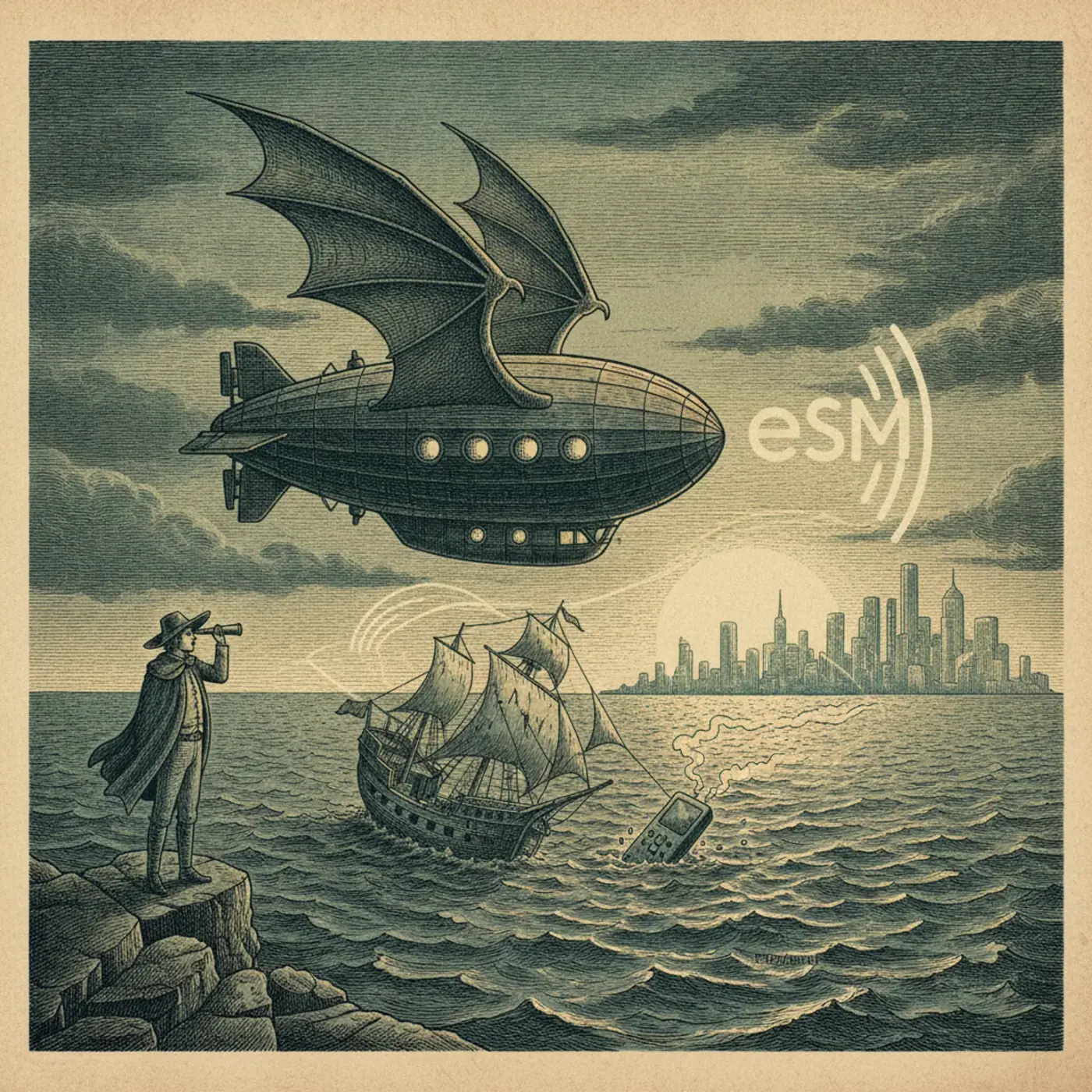
Here’s the part that’s genuinely a little eerie. There was a whole economy built on travelers needing connectivity — the rental counters, the brick manufacturers, the airport kiosks, the booking platforms that existed purely to reserve you a WiFi egg for your Tokyo trip. That entire layer is collapsing. The counters are quieter every year. Some have just… gone. The eSIM didn’t compete with pocket WiFi. It made the reason for pocket WiFi to exist evaporate. You don’t need to rent a hotspot when the hotspot is now a software switch inside the phone already in your hand.
It’s one of the cleanest disruptions I’ve watched in travel gear. No drama, no big launch. Just a slow, quiet dying-off of a thing we all assumed we’d always need.
When pocket WiFi still — barely — wins
I’m not a zealot. There are two slivers of case left.
Big groups sharing one connection. If five of you are traveling together and you want one device feeding everyone’s phones and tablets to keep costs down, a single rented hotspot can still pencil out cheaper than five eSIMs. Barely. And you’re back to babysitting a battery and being tethered to whoever’s holding it. Most groups I know tried this once and went “actually let’s just all get eSIMs” by day two.
Heavy laptop work from places with bad hotel WiFi. A dedicated hotspot can be more stable for a full work day than tethering off a phone, and it spares your phone battery. This is real but niche — it’s the digital-nomad-with-deadlines case, not the holiday case. And even here, a lot of people just use their eSIM phone as a hotspot and call it done.
That’s it. Two narrow cases. For the other 95% of trips, the brick is dead weight.

What to actually buy now
Get an eSIM. That’s the whole answer. Pick a reputable travel eSIM app, buy a regional or country plan sized to your trip (data-only is fine, you’ll use WhatsApp/data calls anyway), install before you fly, activate on landing. Done. Keep your home SIM active for texts/2FA if your phone holds two profiles, which basically all of them do now.
Check one thing first: that your specific phone is eSIM-capable and not carrier-locked in a way that blocks it. Two-minute check. If you’ve got a recent-ish phone you’re almost certainly fine.
I miss the pocket WiFi a tiny bit, honestly, the way you miss any ritual. The little brick. The nightly charge. The drama. But missing it is nostalgia, not need. The eSIM does everything it did, for pennies, with nothing in my bag. The rental counter and I have broken up, and I am definately not getting back together.
Stop renting the brick. Install the eSIM before you fly and never think about roaming again.
This article contains affiliate links marked rel="sponsored". We may earn a commission at no extra cost to you.