
[ GUIDE · THE DISPATCH ]
The Real Buenos Aires: San Telmo, Palermo Soho, Recoleta—Which Is For You?
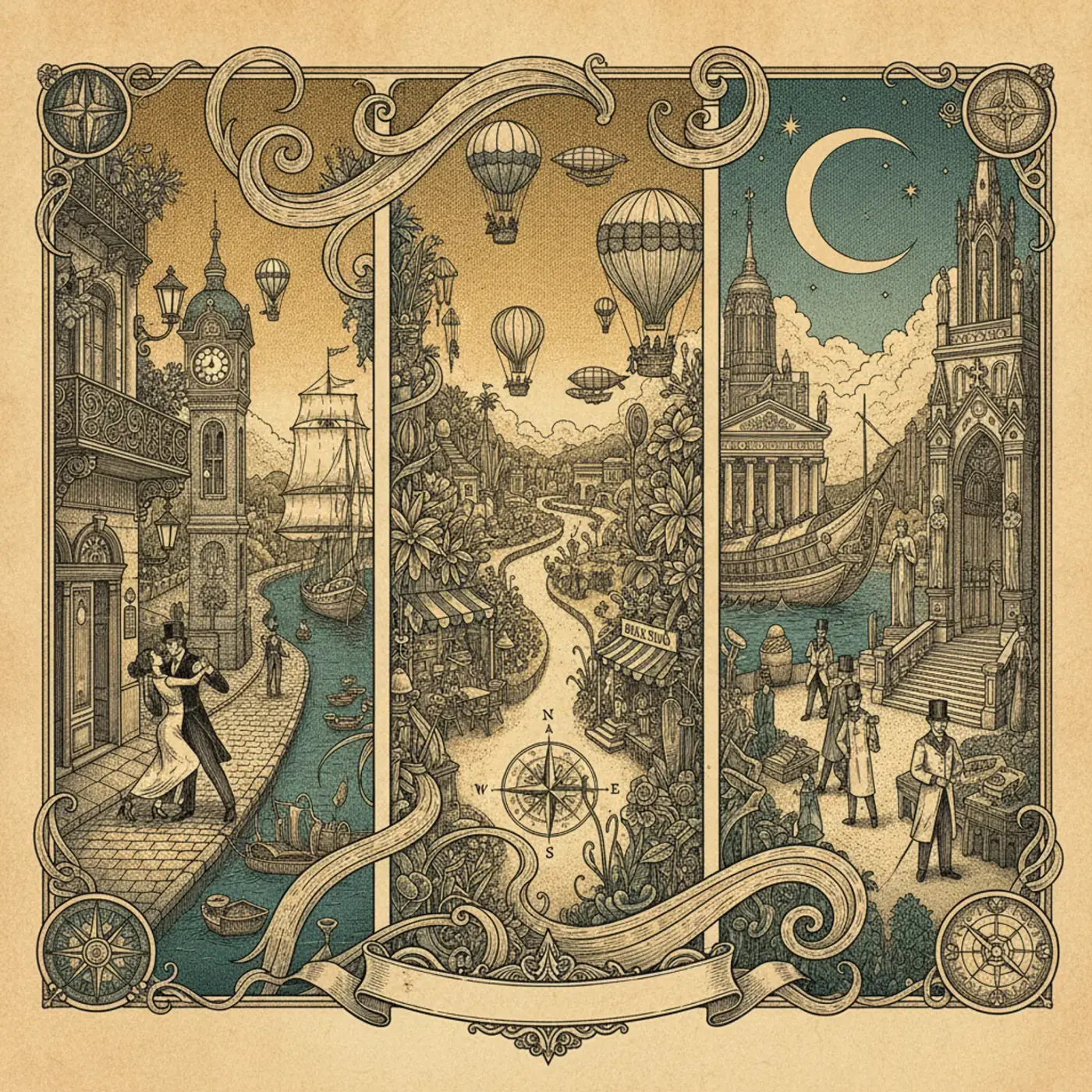
Buenos Aires is not one city—it's four or five cities stacked inside each other, each with its own personality and price tag. Here's how to choose your corner of it.
My first night in Buenos Aires I sat in the back of a San Telmo milonga and watched a couple tango for forty minutes straight without stopping. Not performing — practicing. Arguing, actually, in the subtle way tango dancers argue, with pressure and counter-pressure and then a sudden resolution that looked like forgiveness. The room smelled like cigarettes and floor wax. Somebody was eating a milanesa at the table next to me. I had never felt so immediately inside a city in my life.
I spent three days in San Telmo before a friend told me I had to see Palermo, and another three days in Palermo before I realised I’d been avoiding Recoleta because someone on the internet had called it stuffy. They were wrong. Buenos Aires is not a city you should let anyone else filter for you — it rewards the person who goes and finds out.
The short version
San Telmo is the oldest neighbourhood in the city and it wears its age openly: colonial buildings with peeling façades, a Sunday antiques market on Calle Defensa that goes for blocks, parrillas where the smoke starts at noon, and more milongas per square kilometre than anywhere except perhaps the afterlife. It’s bohemian and occasionally shabby and completely alive.
Palermo Soho is Buenos Aires at its most put-together. Restaurant after restaurant worth the wait, rooftop bars, boutique hotels with plunge pools, an endless grid of jacaranda-lined streets where the aesthetics are studied but the energy is genuinely fun. It’s where the city goes when it wants to celebrate.
Recoleta is the grand old money quarter — French-Haussmann architecture, the famous cemetery where Evita is buried, the Museo Nacional de Bellas Artes, and the best afternoon tea in the hemisphere at the Alvear Palace Hotel if you’re feeling reckless with dollars.

The honest comparison
| San Telmo | Palermo Soho | Recoleta | |
|---|---|---|---|
| Vibe | Bohemian, tango-soaked, gloriously unpolished | Trendy, restaurant-dense, young-professional energy | Grand, leafy, European, unhurried wealth |
| Best for | First-timers who want texture; tango pilgrims; solo travellers | Foodies, nightlife lovers, design-minded couples | Older travellers, honeymooners, culture-institution seekers |
| Budget | Mid-low — great value parrillas and budget guesthouses | Mid-to-high — the trendier the street, the steeper the price | High — luxury hotels dominate, but apartment rentals exist |
| The crowd | Artists, backpackers, local families, tango dancers | Wealthy porteños, expats, food-focused international tourists | Older affluent tourists, diplomats, cultural visitors |
| Skip if | You need pristine streets and zero grittiness | You want history and texture over Instagram-ready surfaces | You want nightlife within stumbling distance of your bed |
| One must-do | Sunday Feria de San Telmo on Calle Defensa, then a milonga | Dinner at Don Julio on Guatemala — worth the queue, full stop | Recoleta Cemetery at 9am, then coffee at Café La Biela |

Where you should actually stay
San Telmo is the best answer for a first Buenos Aires trip, precisely because it gives you the city’s emotional core before its glossy surface. Walk down Calle Defensa on a Sunday when the antiques dealers set up alongside the street performers and the empanada vendors, and you’ll understand why people come here intending to stay a week and leave six months later. The neighbourhood has gentrified enough to have good coffee and reliable hot water, but not so much that it’s lost its character. La Poesia café on the corner of Chile and Bolívar has been there since 1862 and doesn’t seem to be going anywhere.
Palermo Soho wins if food and nightlife are your primary reasons for being here — and in Buenos Aires, those are excellent reasons. The restaurant density is extraordinary: Tegui for a tasting menu, El Preferido de Palermo for traditional bodegón food, Gran Dabbang for something unexpected. The nightlife starts late (midnight is early), runs until 6am, and is considerably better than the reputation would suggest. Villa Crespo, just south of Palermo Soho, is worth a mention as the neighbourhood’s slightly calmer, slightly more local sibling — same restaurant quality, lower prices, more leather workshops.
Recoleta rewards patience and a larger accommodation budget. It’s not stuffy — it’s grown-up. The MALBA contemporary art museum is here. The Floralis Genérica sculpture opens its petals in daylight and closes at sunset, which sounds corny and is quietly beautiful in person. If you’re staying two weeks or more, splitting your time between San Telmo and Recoleta gives you the full emotional range of the city.

FAQ
Is Buenos Aires safe to explore on foot? Generally yes in these three neighborhoods during daylight and into the evening — San Telmo, Palermo, and Recoleta are well-trafficked areas. Standard precautions apply: don’t flash expensive cameras or phones, avoid poorly-lit shortcuts after midnight, and take Uber or a radio taxi (not street-hailed cabs) for late-night returns.
How far apart are these neighborhoods? San Telmo to Recoleta is about 20 minutes by taxi or Subte (Line C). Recoleta to Palermo Soho is 15 minutes by taxi. The city is large but the interesting parts are reasonably consolidated — you can cover all three in a single ambitious walking day.
Is it worth going beyond these three neighborhoods? Absolutely. La Boca is worth an hour for the Caminito murals and a Boca Juniors match atmosphere, though stay on the main drag. Belgrano has good Chinese restaurants and a more local feel. Puerto Madero is modern and waterfront and mostly for business hotels. None of them should be your base unless you have a specific reason.
This article contains affiliate links marked rel="sponsored". We may earn a commission at no extra cost to you.