
[ TIPS · THE DISPATCH ]
Border Crossings by Land: How to Not Get Stuck, Scammed, or Stamped Wrong
Land border crossing tips earned the hard way: the fixer scam at the gate, the 'exit fee' shakedown, and why the first thing you check is what time the border closes.
The single most useful land border crossing tip nobody puts at the top of the list is this: find out what time the border closes before you leave. Not the visa rules, not the currency — the closing time. Because a land border is not an airport. It is two booths, two flags, a strip of no-man’s-land, and a guy with a stamp who clocks off at six and does not care that your bus broke down.
I learned this between Zambia and Malawi. Got to the post at quarter to seven. Closed. Properly closed, chain across the road. And there I was, stuck in a tiny border town where the only guesthouse had suddenly tripled its rate because, well, what else was I going to do? Sleep in the dirt? They had me. That night cost me more than the next four combined, and it was entirely avoidable.
Check the closing time first (everything else flows from this)
Land borders keep hours. Some close at five, some at six, some at “whenever the official feels like it,” and a few are genuinely 24 hours but those are the exception. The remote ones close early. And here’s the bit that gets people: the two sides don’t always keep the same hours, so you can clear the exit side and find the entry side already shut, which is its own special hell.
So before a crossing day I work backwards. Border closes at six? I want to be in the queue by four at the latest, which means the bus needs to leave by — and so on. Build in a fat buffer, because in much of the world transport runs on a schedule best described as “approximately.” A breakdown, a flat, a long lunch by the driver, and your margin’s gone.
And don’t cross on a day you also need to do a lot of distance on the far side. Crossing is a whole activity. Treat it like one.

The fixer at the gate (you didn’t hire him)
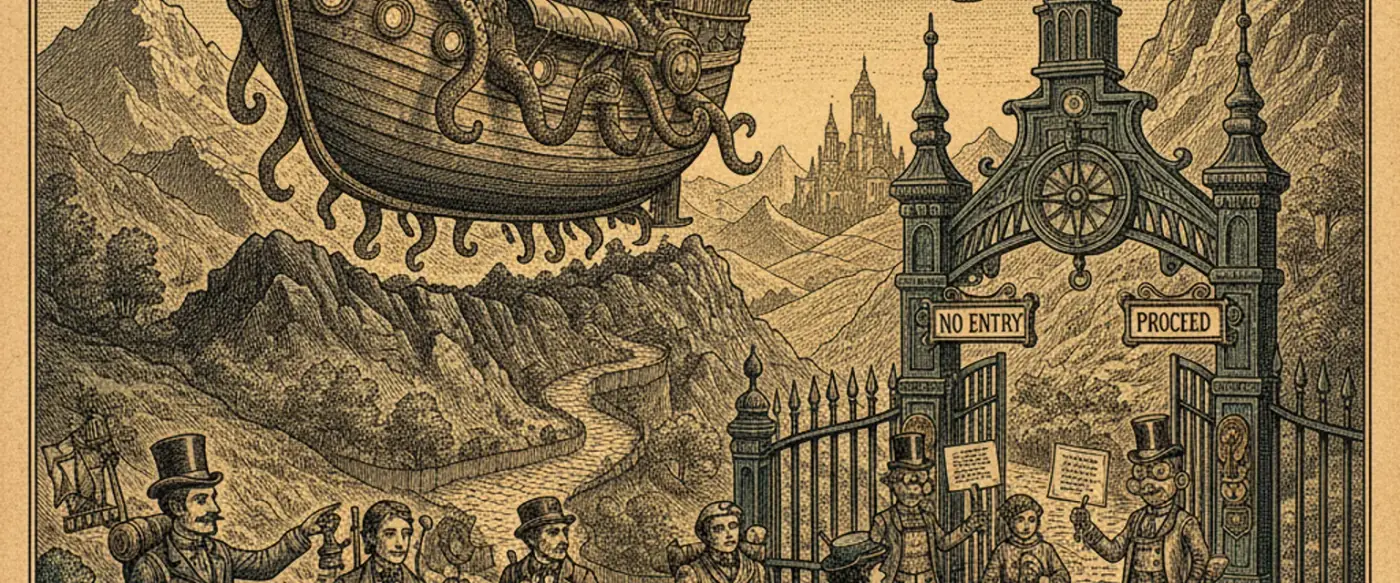
Here’s how it goes. You roll up to the crossing, and before you reach any official booth, a friendly guy materializes. Big smile. “My friend! I help you, very complicated here, come, come.” He seems to know everyone. He starts walking you toward the building like he works there.
He does not work there. He’s a fixer, and his whole business is inserting himself between you and a process that is, almost always, free and not actually complicated. Then at the end he wants paying — sometimes a “tip,” sometimes a flat fee that he frames like it was mandatory. The scam works because crossings feel intimidating and confusing, and your instinct is to grab the nearest person who acts confident.
You don’t need him. Real officials sit behind glass with a flag over their head. The forms are on a counter, free. If you’re genuinely lost, ask a uniformed officer, not a hustler in a football shirt. A polite, firm “no thank you, I’m fine” and keep walking — same energy you’d use anywhere. The ones who escalate, who follow you, who get pushy, those are exactly the ones to ignore hardest.

The exit-fee shakedown
This one’s slipperier because some exit fees are real. A handful of countries do charge a legitimate, posted departure fee. The shakedown is when an officer invents one, or invents a “stamp fee” or an “expedite fee” or a “the computer is slow today” fee, and the price comes out of his head.
Tells that it’s a shakedown: the amount is vague and changes, there’s no posted sign anywhere stating it, they want cash only and exact change, and — the big one — they get cagey when you ask for a receipt. A legitimate fee has a sign, a fixed amount, and a receipt. So you ask, politely and a little obtusely, “of course, can I have the receipt for that?” An officer running a side hustle does not want a paper trail, and the fee has a funny way of evaporating. “Ah, today, no fee, go go go.”
Don’t be aggressive about it. You’re a foreigner at a border and that’s never the place to make a scene. Just be slightly dim and very persistent about the receipt. Smile. Pretend you genuinely don’t understand why there’d be a problem giving you one. It works more than it has any right to.
Get the stamp, and look at the stamp
Last thing, and it’s small but it has ruined trips. When they stamp you in, look at the stamp before you walk away. Check the date. Check that you actually got one. Check how many days they gave you, because some officers give thirty when the rule says ninety, or write the wrong month, and an entry stamp that says you arrived on a date you didn’t is a problem you’ll discover at the worst possible moment — on the way out, with a bus waiting.
Count your days yourself, too. Don’t trust that the stamp matches the visa. I once got given a stamp that was, no joke, eleven days short of what I was entitled to, and the only the reason I caught it was a quick glance at the counter. Thirty seconds of looking saved a fine.
Borders reward the calm and the prepared, and they punish the rushed and the trusting. Show up early, owe nobody, read your stamp.
Cross like you’ve got nowhere to be and nothing to prove — early, polite, receipt in hand — and the scary land border becomes just another stamp in the book.
This article contains affiliate links marked rel="sponsored". We may earn a commission at no extra cost to you.