
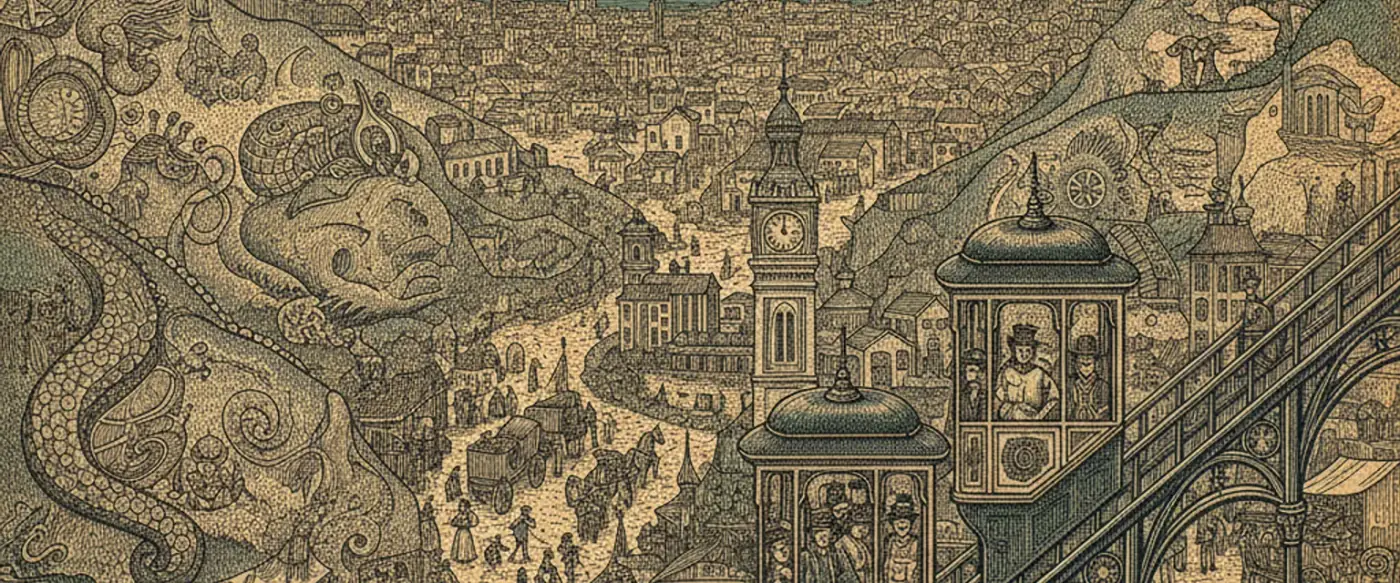
[ ITINERARY · THE DISPATCH ]
48 Hours in Valparaiso: Hillside Murals, Funiculars, and Controlled Chaos
Two days in Valparaiso, Chile: which cerros to climb, the funiculars worth riding, where the street art actually lives, and how to read the beautiful disorder.
Valparaiso doesn’t make sense, and that’s the appeal. It’s a Chilean port city poured down 40-odd steep hills (cerros) in a tangle of crooked staircases, century-old funiculars, stray dogs, and walls painted floor-to-roof with murals. Santiago is orderly and a bit corporate; “Valpo,” 90 minutes northwest on the coast, is its scruffy, artistic, slightly unhinged sibling. It’s the kind of place that’s a UNESCO site and also looks like it might fall down the hill if you sneeze.
Two days is exactly enough to fall for it without exhausting yourself on the stairs. Here’s how to spend them.
Where to stay, and why it decides everything
Stay on Cerro Alegre or the adjoining Cerro Concepcion. These two hills are the postcard Valparaiso — the best-preserved murals, the boutique guesthouses in old mansions, the cafés, the viewpoints. Everything in this itinerary radiates from here on foot.
Do not book down in El Plan (the flat commercial strip by the port) to save money, and avoid the rougher hills after dark. Valparaiso has real petty-crime issues — phone snatching, especially — and the smart move is to keep your nice camera tucked away outside the touristy cerros and not flash anything down by the bus terminal at night. It’s not dangerous in a way that should scare you off; it’s a city you stay street-smart in.

Day 1: The funiculars and the murals you came for
Start with an ascensor — the creaking 19th-century funiculars that haul you up the cliffs so you don’t have to take 200 steps. Several still run; Ascensor Reina Victoria and Ascensor El Peral drop you right into the Cerro Alegre / Concepcion mural zone. They cost loose change, they rattle alarmingly, and riding one is non-negotiable Valpo.
Then just walk. The street art here isn’t in a museum — it’s the city itself, and the best way to see it is to abandon your map and follow whichever painted staircase looks most interesting. The famous spots are Pasaje Galvez, the piano staircase, and the murals around Calle Templeman, but the joy is the stuff you stumble on. Pace yourself; these hills are no joke on the calves.
Mid-afternoon, visit La Sebastiana, one of poet Pablo Neruda’s wildly eccentric houses, perched up a hill with a knockout harbor view and full of his collected oddities — a carousel horse, ships in bottles, a bar he built for himself. The audio guide is genuinely good.
Dinner up in the hills: Cerro Alegre is packed with small restaurants doing modern Chilean food. Order a pisco sour to start (Chile and Peru will fight you over who invented it; drink it and stay neutral) and seafood for mains — this is a port, lean into it.

Day 2: The port, the seafood, and the slow descent
Spend the morning lower down. Wander toward Plaza Sotomayor and the working port area — grittier, more real, the actual reason the city exists. Take a short harbor boat tour from the pier if the weather’s good; seeing the cerros stacked up from the water finally makes the city’s layout click.
For lunch, this is the day for proper Chilean seafood. Caleta Portales and the local market stalls do fresh catch without the markup, and a plate of machas a la parmesana (razor clams baked with cheese) or a paila marina seafood stew is the regional move. If you want the polished version, the neighboring resort town of Viña del Mar is a 15-minute metro ride and does cleaner beaches and fancier restaurants — a good half-day if Valpo’s intensity starts to wear.
Spend your final afternoon doing the thing Valparaiso is best at: getting pleasantly lost. Find a viewpoint — there are dozens, Paseo Yugoslavo and Paseo Gervasoni among the best — order a coffee or a beer, and watch the controlled chaos of the city tumble down to the sea. The mismatched colors, the wires, the dogs, the impossible angles: none of it should work, and somehow it’s one of the most beautiful cities on the continent.

What to skip, and the practical bits
Skip renting a car — it’s useless and parking is a nightmare on these grades. Skip the priciest “graffiti tours” if you’re comfortable wandering; a free walking tour (tip the guide well) gives you the context, then explore solo. And don’t try to “see all 40 hills.” Two or three cerros done slowly beats a frantic checklist.
Getting there: frequent comfortable buses run from Santiago’s Pajaritos terminal for a few dollars, about 90 minutes. The bus is the easy, cheap, scenic way in.
Is two days enough for Valparaiso? For the hills, the murals, the funiculars, and a port lunch — yes, 48 hours nails the essentials. Add a third day only if you want to fold in Viña del Mar’s beaches or a Casablanca Valley wine tour on the way back to Santiago.
When should I go? Chilean summer (December–February) is warmest and busiest, with the coast in full swing. Spring and autumn are milder and quieter and arguably better for all that stair-climbing. The coastal camanchaca fog can grey out mornings year-round, so don’t panic if you wake to mist — it usually burns off by midday.
This article contains affiliate links marked rel="sponsored". We may earn a commission at no extra cost to you.