
[ ITINERARY · THE DISPATCH ]
4 Days in Kathmandu: Stupas, Durbar Squares, and the Gateway to the Himalayas
Four real days in Kathmandu: prayer flags and monkey temples, three royal squares, momos that ruined me, and how to dodge the worst of the chaos. Honest, day by day.
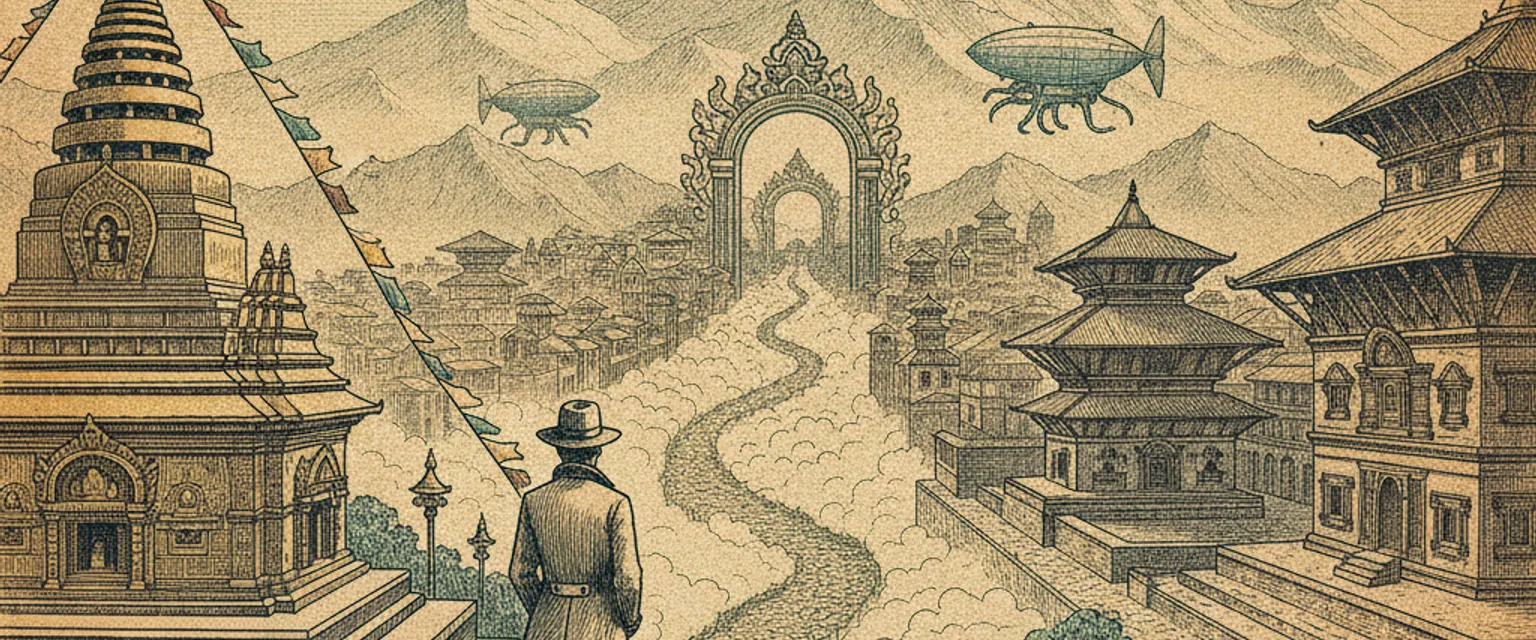
Let me be straight with you about a Kathmandu 4 day itinerary: the city is loud, dusty, tangled in wires, and the traffic is a contact sport. The first afternoon I nearly lost my nerve. And then I climbed up to a stupa, the dust dropped away below me, prayer flags snapped in the wind, and I got it. Kathmandu doesn’t seduce you. It wears you down and then cracks you open.
Four days lets you see the big three Durbar Squares, the two great stupas, and still have a buffer day. Take it slow. This is not a city you power through.
Day 1: Land Gently, Then Durbar Square
Don’t plan much for day one. You’ll arrive frazzled and the altitude’s mild but the chaos isn’t. Base yourself in or near Thamel, the backpacker warren of trekking shops, bars, and momo joints. It’s touristy and a bit much, but it’s the easy landing pad and the gear shopping is genuinely useful if you’re heading to the mountains after.
Walk to Kathmandu Durbar Square in the afternoon. The 2015 earthquake hit it hard and some temples are still propped up with timber, which is sad but also makes the surviving ones feel precious. The big draw is the Kumari Ghar, home of the living goddess — a real child chosen as a deity who occasionally appears at an upper window. You can’t photograph her. If she appears, you’ll feel oddly moved even if you didn’t expect to. I did.
Dinner: find a proper momo place off the main Thamel drag (the ones on the main strip are fine but pricey). Get the jhol momo, dumplings swimming in a spicy sesame-tomato soup. I ate them three nights running. No regrets.

Day 2: Monkey Temple, Then Patan
Morning, climb to Swayambhunath, the “monkey temple,” up its long stone staircase. Yes there are monkeys, yes they’ll grab anything shiny, keep your sunglasses on your face. The stupa at the top has those huge painted Buddha eyes staring out in four directions, and the view back over the whole Kathmandu valley is the moment the city finally makes sense from above. Go early, the light’s better and the monkeys less manic.
Afternoon, cross the river to Patan (Lalitpur), and this is where I’d send anyone first if they only had a few hours. Patan Durbar Square is, to my eye, the most beautiful of the three — tighter, better preserved, with the gorgeous Krishna Mandir in carved stone and a Newari architecture museum that’s genuinely excellent. The whole area around it is a maze of metalworkers and courtyards.
Eat in a courtyard cafe in Patan, somewhere with a rooftop. The pace here is calmer than central Kathmandu and you’ll feel your shoulders drop.
Day 3: Boudhanath and the Burning Ghats
Start at Boudhanath, the giant white stupa that is the heart of Tibetan Buddhism in Nepal. Walk the kora (clockwise) around it with the pilgrims, spin the prayer wheels, and have breakfast on a rooftop cafe looking down on the dome and the flags. It’s the most peaceful spot in the city and I could’ve stayed all day. The chanting monks in the surrounding monasteries are open to visitors at certain hours.
Then, brace yourself, Pashupatinath. This is the great Hindu temple complex on the Bagmati river, and it’s also where open-air cremations happen on the ghats. You watch, respectfully, from across the river as families say goodbye. It is intense, raw, and not for everyone, but it’s also one of the most honest encounters with mortality you’ll ever have. Hire a guide at the entrance, it’s worth it to understand what you’re seeing and where you should and shouldn’t stand.
Day 4: Bhaktapur, the Slow Finish
Spend your last day at Bhaktapur, about an hour out by taxi. It’s the best-preserved of the three royal cities, a near-traffic-free old town of brick and carved wood where you can actually hear yourself think. The Nyatapola Temple is the tallest in Nepal, five tiers up a stone stairway flanked by guardian figures. The whole town is a museum you can wander freely.
Do two Bhaktapur things: eat juju dhau, the “king of curds,” a thick sweet buffalo-milk yoghurt served in a clay pot, and watch the potters at work in Potter’s Square. Buy something. Then just sit in a square as the light goes gold and the day cools off.

Where to Stay and Getting Around
Stay in or just outside Thamel for your first nights for the convenience, then if you can, switch to Boudhanath for a calmer last night or two — waking up to the stupa is magic. Taxis are cheap but you MUST agree the fare before getting in; expect 500–800 rupees across town. The ride-hailing app Pathao (bikes and cars) is cheaper and skips the haggle. Wear a mask, the dust is real, and carry hand sanitizer.
Four days gives you the valley’s greatest hits without burning out, and sets you up perfectly if the Himalayas are next. Because they should be.
Is Kathmandu worth it, or just a gateway to trekking? It’s worth it in its own right — give it four days before the mountains and it’ll get under your skin. The trek is the headline. Kathmandu is the soul.
This article contains affiliate links marked rel="sponsored". We may earn a commission at no extra cost to you.